
The Problem with Traditional Terminal Design
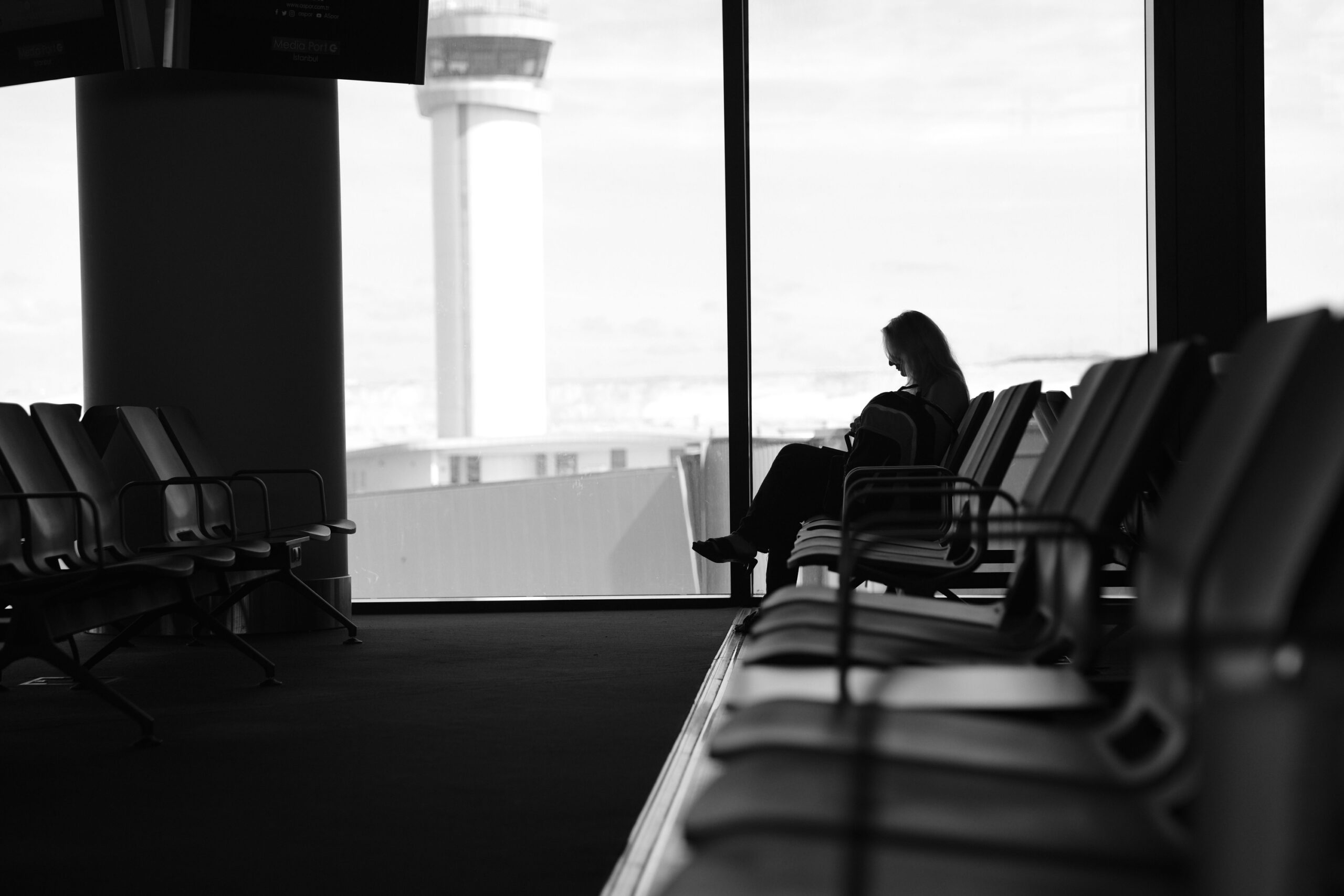
Airports trigger a near-perfect combination of psychological stressors: time pressure, uncertainty, loss of control, and sensory overload. Research shows that the traditional airport layout, with its harsh lighting, confusing signage, and long corridors, activates our brain’s threat response system.
Studies from the International Air Transport Association reveal that roughly two thirds of travelers report high stress levels at traditional airports. Wayfinding confusion and security screening uncertainty top the list of stress points, and psychologists describe the resulting state as “decision fatigue,” where each small choice depletes mental resources.
To foster a sense of calm, designers have focused on four key factors that reduce passenger stress: lighting, cleanliness, scents, and layout. These aren’t guesses, they’re the product of sustained research into how built environments alter human physiology.
Natural Light as a Stress-Control Tool
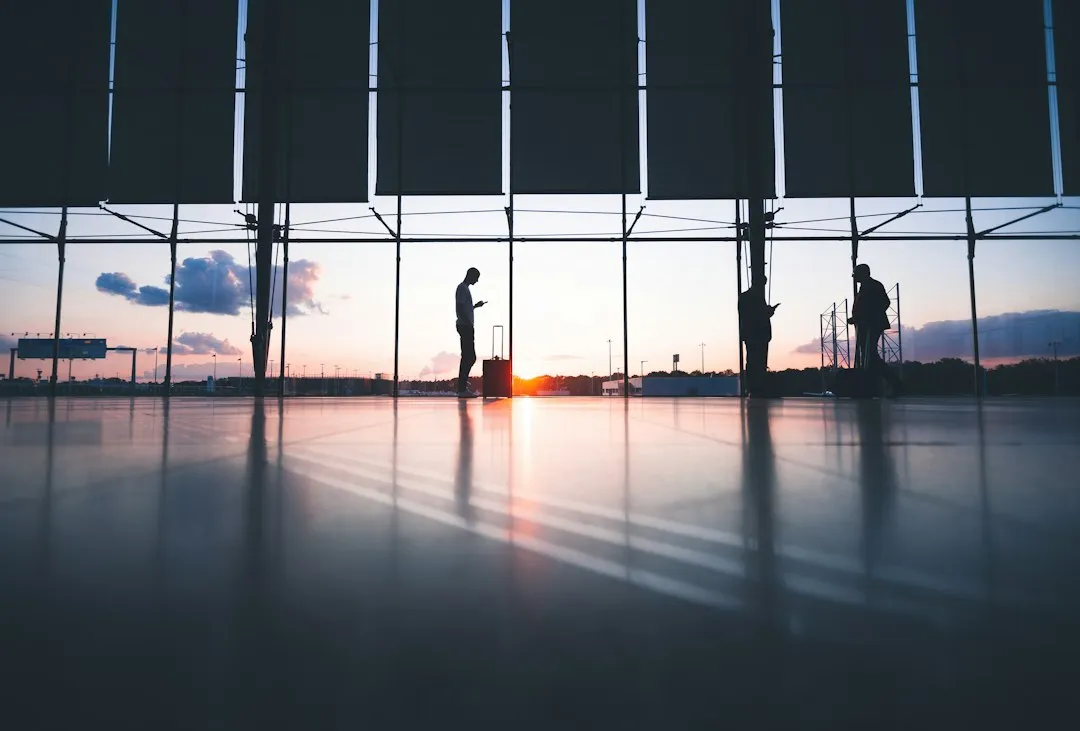
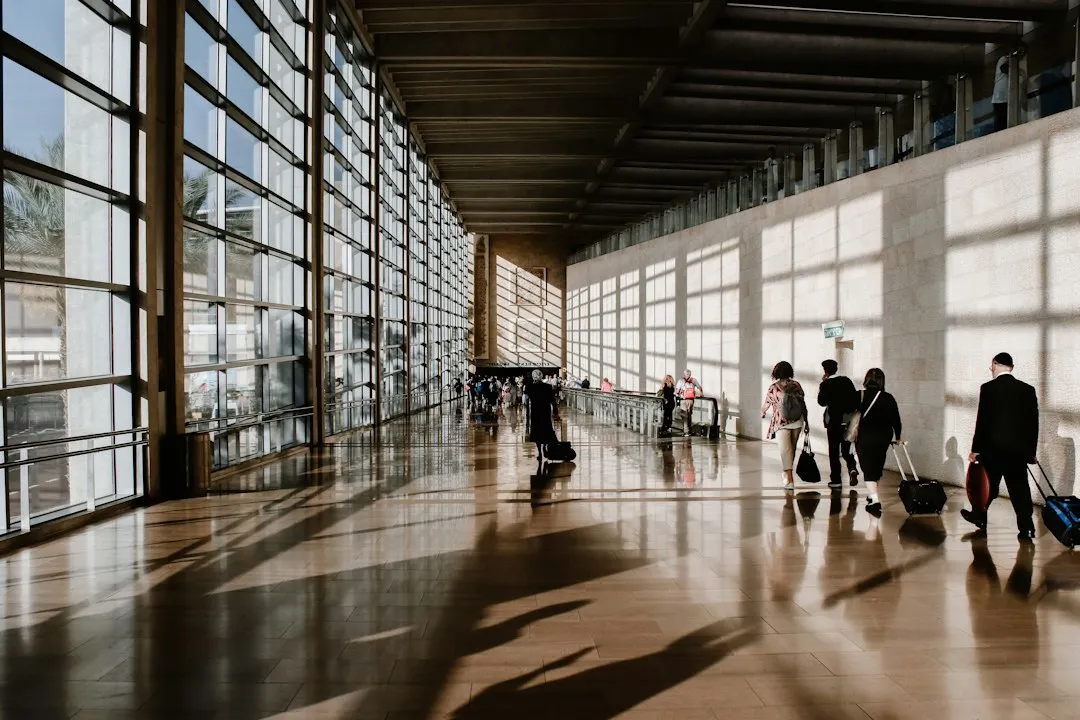
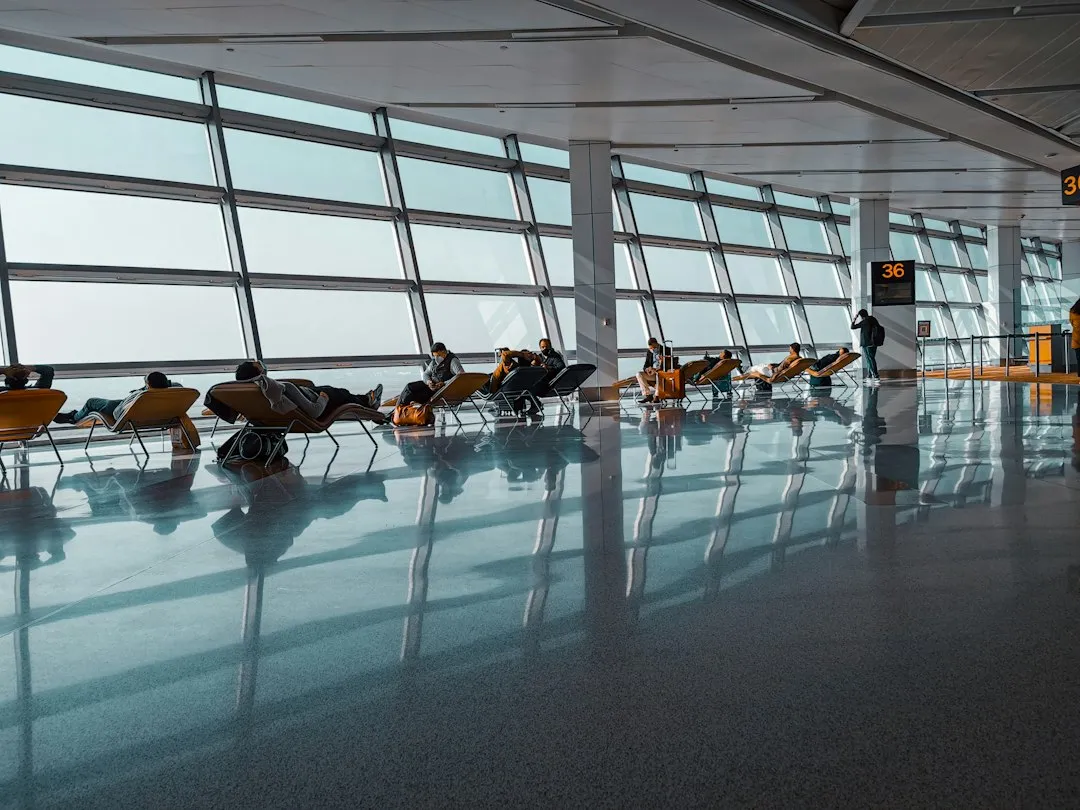
The strategy is simple yet effective: flood the terminal with natural light. This abundance of daylight creates an atmosphere of openness and airiness, a stark contrast to the enclosed, sometimes claustrophobic feeling that can worsen travel-related stress.
The psychological benefits of natural light are well-documented, and airport architects are now leveraging this knowledge to foster calmer, more relaxed environments within these bustling transportation hubs. Denver International Airport’s renovation incorporated a “daylight harvesting” system of automated skylights and reflective surfaces that maintain optimal natural light levels throughout the day, an approach shown to reduce traveler cortisol levels by up to roughly a quarter.
Beyond just light, transparent structures offer a vital connection to the outside world. During the often prolonged periods spent waiting in terminals, passengers can easily feel disconnected and isolated, amplifying the sense of being trapped. Glass ceilings and walls counter this feeling by providing views of the sky and surrounding landscape.
Biophilic Design: Bringing Nature Inside
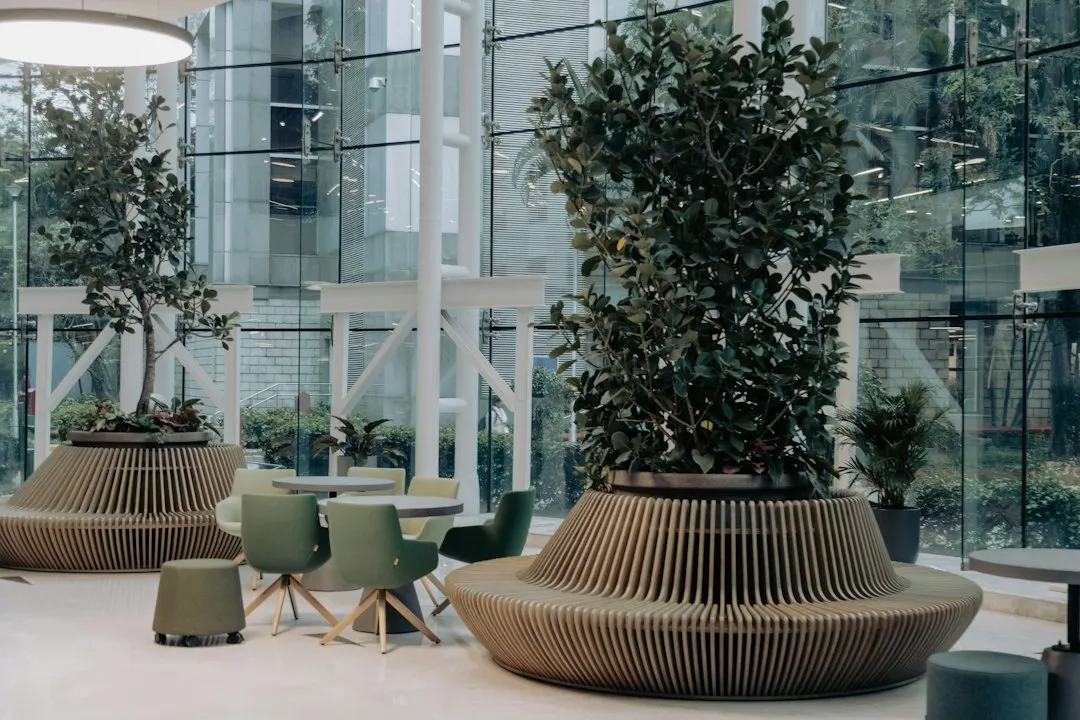
Biophilic design, the incorporation of natural elements into built environments, has moved from a niche interest to a standard expectation in terminal architecture. The driving force is research showing that visible greenery reduces passenger stress.
The academic foundation rests on two theories: Stress Reduction Theory, which holds that visual contact with nature lowers sympathetic nervous system activity, and Attention Restoration Theory, which demonstrates that natural environments restore the ability to focus after mental fatigue.
Portland International Airport’s newly redesigned terminal brings nature inside using timber, trees, and natural light to create a stress-free journey for travelers. Madrid-Barajas Airport’s Terminal 4 relaxation zone, which features 99 Mediterranean trees, reported roughly a fifth improvement in passenger satisfaction according to the 2023 Aena Sustainability Report. The evidence is stacking up on the side of nature.
The Science of Intuitive Wayfinding
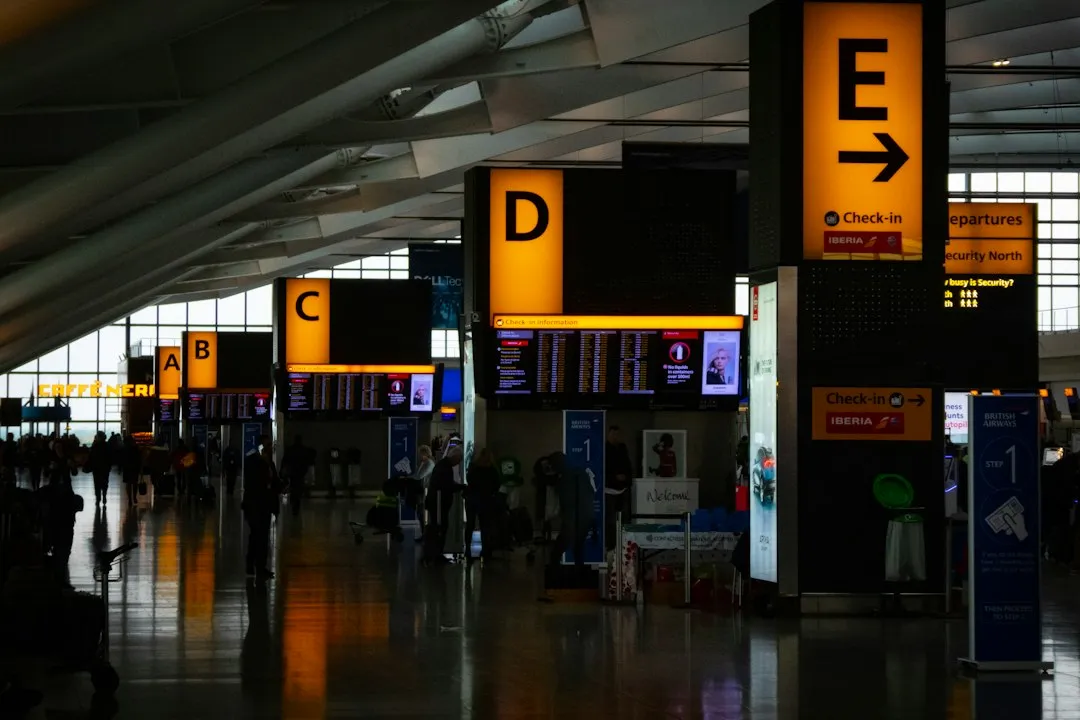
Feeling lost as the minutes until departure tick by is among the most powerful of airport stressors. Research indicates that well over half of airport users struggle with wayfinding, pointing to a persistent gap between what architects design and what passengers actually experience.
Airport terminal design must focus not just on the end goal, such as the gate or baggage claim, but on the entire passenger experience. Sarah Owen, senior planner at Applied Information Group, explained that “a well-designed terminal should reveal the routes before wayfinding elements are even added,” stressing that the building’s natural flow should guide passengers and that signage should support, not overwhelm, that organic direction.
At Salt Lake City’s airport, HOK’s design ensures that everyone emerging from security is directed to turn left, quickly taking them into a light-flooded canyon filled with amenities. “You don’t really have to think about it,” the architect notes. “There’s no other place to go.” That kind of invisible guidance is the goal.
Sensory Rooms and Neurodivergent Inclusivity
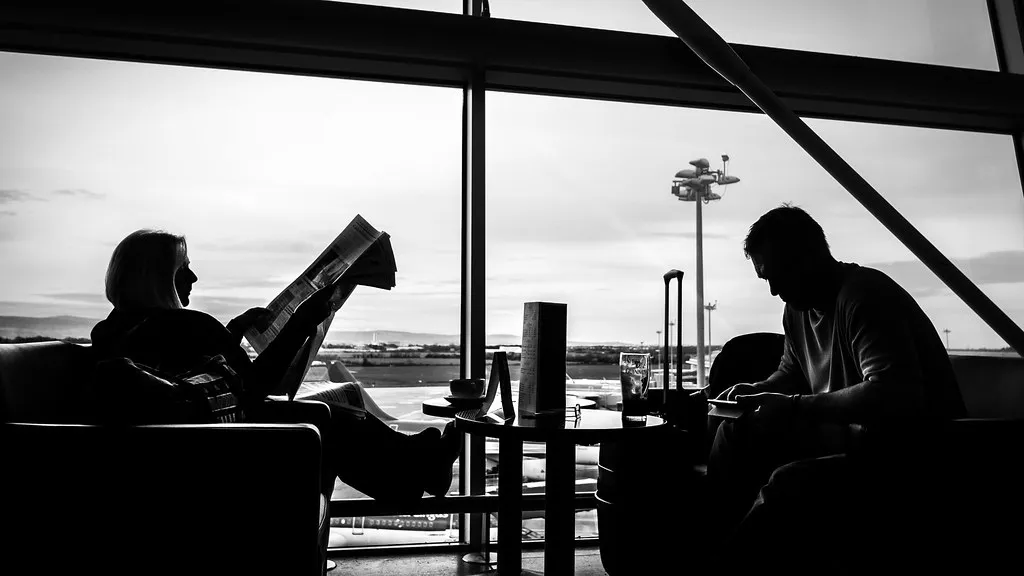
In March 2025, the Port Authority of New York and New Jersey opened a second sensory room at Newark Airport’s Terminal A as a complement to a pre-security sensory room, specifically for neurodivergent travelers or those who need a calming space within the airport.
To help soothe the spirits of the roughly five billion travelers who take a commercial flight every year, designers and architectural firms deploy a range of tactics, from noise-muffling carpets and natural lighting to calming colors, art installations, plants, and tranquil sensory rooms for overstimulated passengers.
Lower shelving, clearer signage, and non-intrusive lighting improve the experience for travelers with disabilities as well as for elderly passengers and families. Inclusive design, it turns out, tends to make airports more comfortable for everyone, not just the passengers it was primarily designed to help.
Color, Acoustics, and Scent: The Hidden Levers
Airport security checkpoints are often a source of stress, and neutral white lighting there maintains passenger alertness without overwhelming the senses. Color choices throughout a terminal work in similar ways, with warmer tones used in waiting areas to encourage relaxation and cooler tones kept near active transit zones.
Carpets can be effective at controlling noise and reducing the likelihood of triggering environmental sensitivities, which is why flooring choices are never purely cosmetic in terminal design. Acoustic management is taken seriously, since an echoey, loud terminal amplifies the sensation of chaos.
Scent is perhaps the most underrated lever of all. A small number of forward-thinking terminals have experimented with ambient scenting in waiting zones, drawing on evidence from hospitality design that familiar, mild fragrances measurably lower self-reported anxiety. The practice is still emerging in aviation but gaining quiet traction.
Soundscapes Drawn from Nature
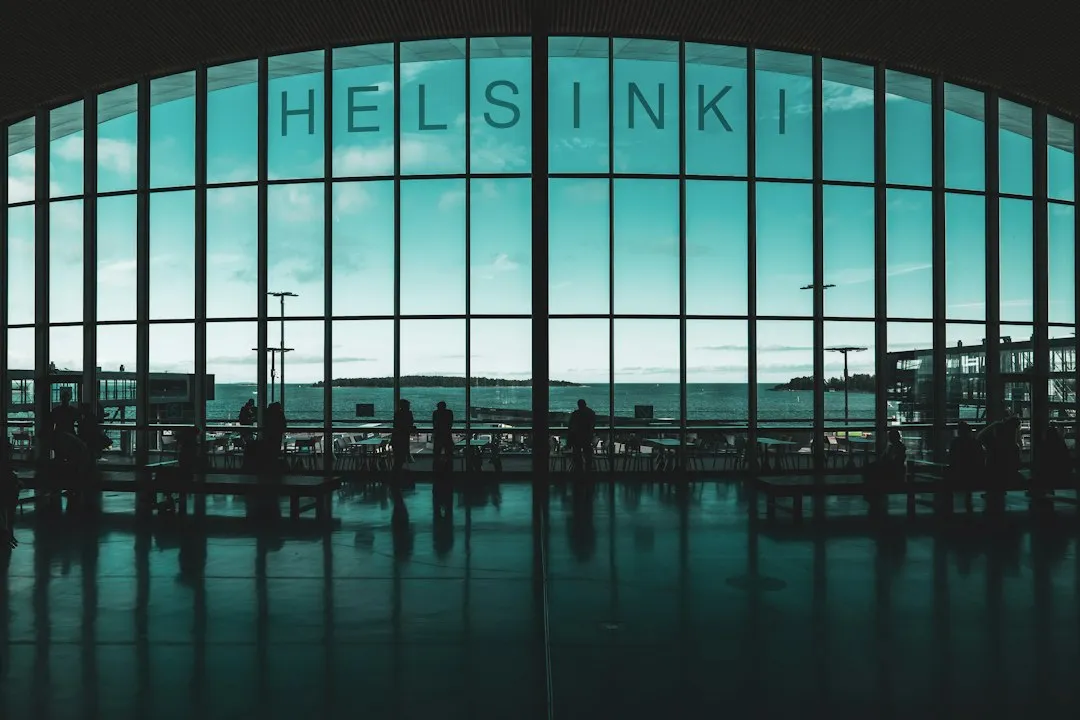
Singapore’s Changi Airport pioneered the broader approach with its indoor waterfall and forest, but real innovations are often more subtle and now spreading globally. Helsinki Airport’s “Aukio” central plaza uses dynamic light installations and soundscapes recorded from Finnish forests to create a multisensory calming experience.
Stress monitoring studies show a reduction of roughly two fifths in passenger anxiety levels within Helsinki’s Aukio space. That’s a measurable physiological shift produced entirely by design choices, without medication, staff intervention, or any change to the flight schedule.
The principle draws on well-established environmental psychology: natural sounds, particularly those involving water or wind, have been shown to lower heart rate and shift the nervous system away from alertness and toward rest. Architects are now treating sound as seriously as they treat light.
Art Installations as Psychological Distraction
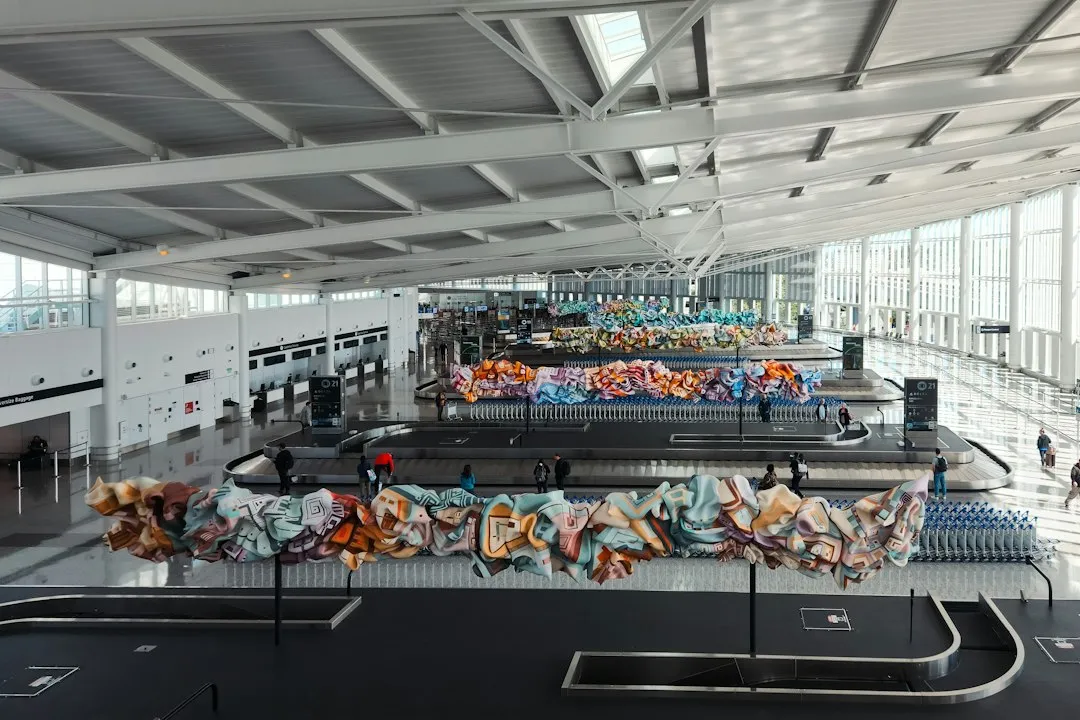
The new terminals for New York City’s LaGuardia Airport lean heavily on artworks selected by the nonprofit Public Art Fund. Among the most talked-about passenger distractions are “water curtains” in Terminal B, which project video and laser shows on 25-foot-high fountains of falling water.
Engaging art serves a specific function in airport psychology: it redirects anxious attention outward and onto something visually interesting. When your eyes and mind are drawn to a compelling installation, perceived waiting time shortens, and the background hum of stress becomes less dominant.
The idea is to ease fears and subtly influence behavior, so that flight delays and travel disruptions can be borne more easily by travelers and airport operators alike. Art is, in this context, a practical tool rather than a decorative luxury.
The “Flow” Approach to Terminal Layout
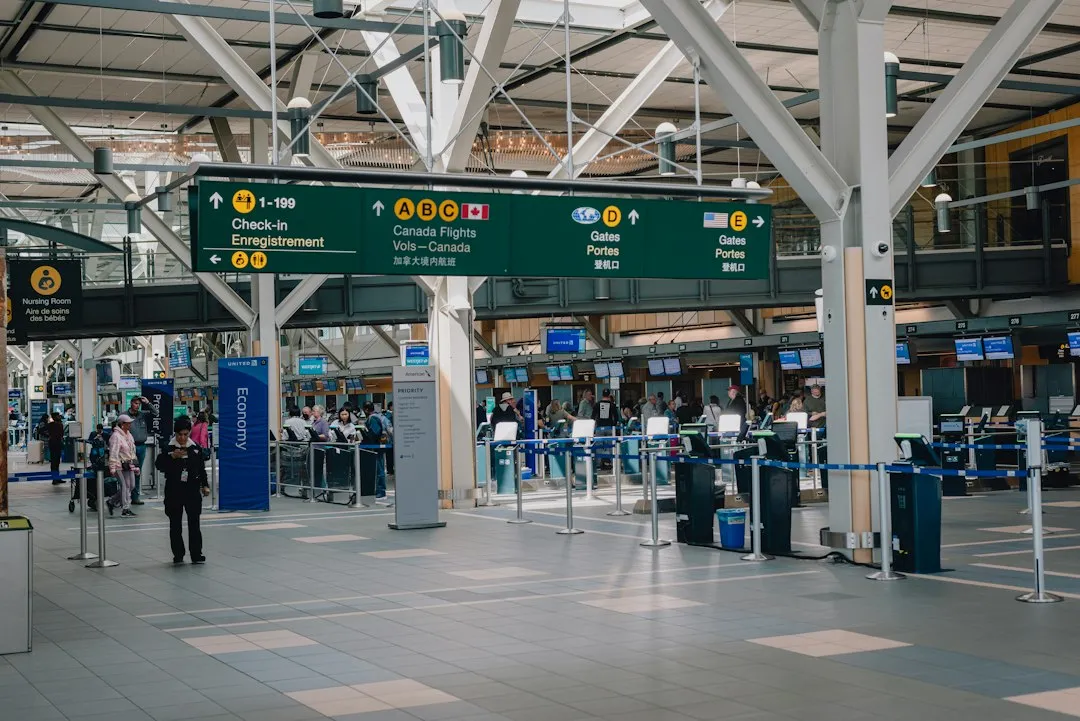
In some terminals, lanes sit under a uniform, monolithic ceiling that creates a sense of directionality, helping passengers intuitively understand their path. Post-security areas are given spacious zones where travelers can collect themselves, along with calmer “pocket parks” designed as breathing room within the larger terminal.
It remains important to offer quiet, calm spaces where passengers can work if they want to, but growth in leisure travel is driving demand for a “home away from home” experience. Passengers want a cozy, warm, inviting atmosphere, and designers are incorporating more lounge-like ambience with biophilic elements and outdoor adjacencies.
Simply shoehorning shops and eateries into the airport can be counterproductive, as the associated crowding and signage competes with the need to provide clear wayfinding for those scrambling to reach their gates. Flow design means thinking about retail as part of the journey, not an interruption to it.
Technology’s Role in Keeping Passengers Oriented
London Heathrow’s “Passenger Flow” system uses anonymous smartphone tracking to identify bottlenecks in real time, automatically adjusting staff deployment and security lane operations. This kind of responsive infrastructure reduces the delays that become stress spikes in a traveler’s experience.
Tokyo’s Narita Airport Terminal 3 uses a running track-inspired wayfinding system with color-coded paths that intuitively guide passengers, reducing navigation stress without relying on traditional signage. It’s a reminder that technology doesn’t always mean screens. Sometimes it means painted lines on the floor.
Disorientation can arise when what a traveler sees in a physical environment conflicts with directions on their phone. Reliable and seamless integration between physical and digital directions is key to avoiding that problem. The best-designed terminals treat digital tools and architectural cues as part of a single, coherent system.
The Takeaway
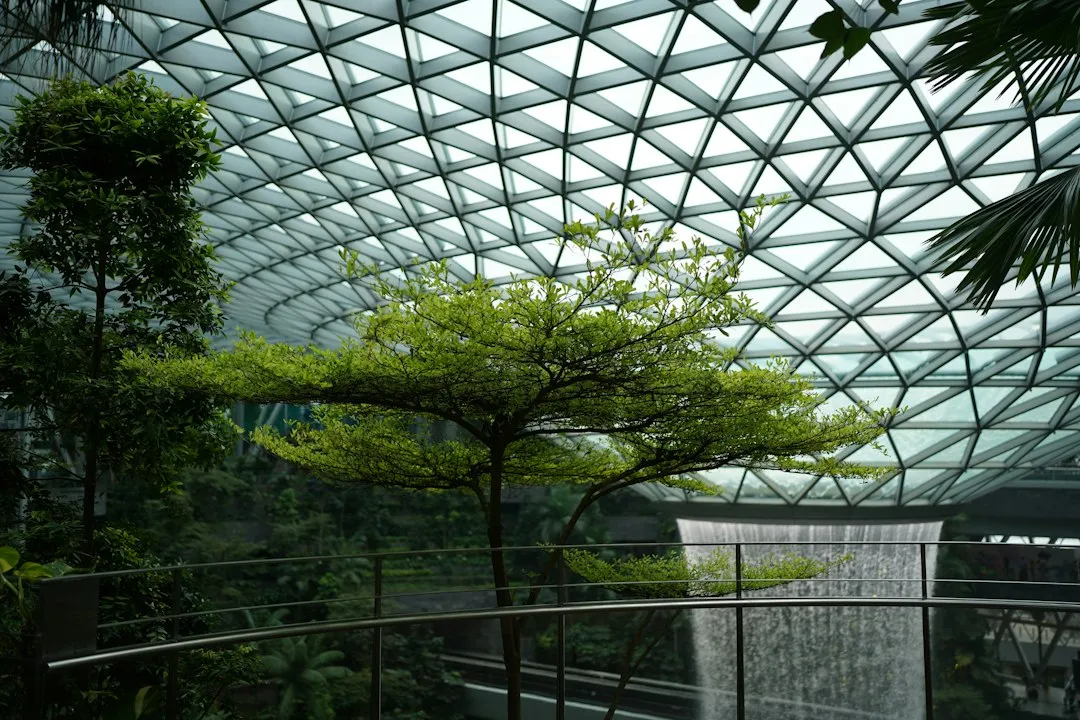
What makes the best airport terminals work isn’t any single breakthrough. It’s the accumulation of dozens of carefully considered decisions, about light, sound, greenery, color, flow, and signage, all aimed at one quiet outcome: keeping the traveler calm enough to think clearly and move confidently.
The benefits of implementing biophilic design in architectural spaces like airports include the ability to reduce stress, improve health performance, and improve productivity and creativity. These are not soft benefits. In an environment where a panicked passenger is a liability, calm is a practical asset.
The next time you walk through a terminal and feel, unexpectedly, a little less tense than you expected, look up. Look at the ceiling material, the light quality, the plants nearby, the art on the wall. Someone planned that feeling deliberately, and it worked.
AI Disclaimer: This article was created with the assistance of AI tools and reviewed by a human editor.