

The Buffet Comfort Zone Is Real, and It Has a Cost
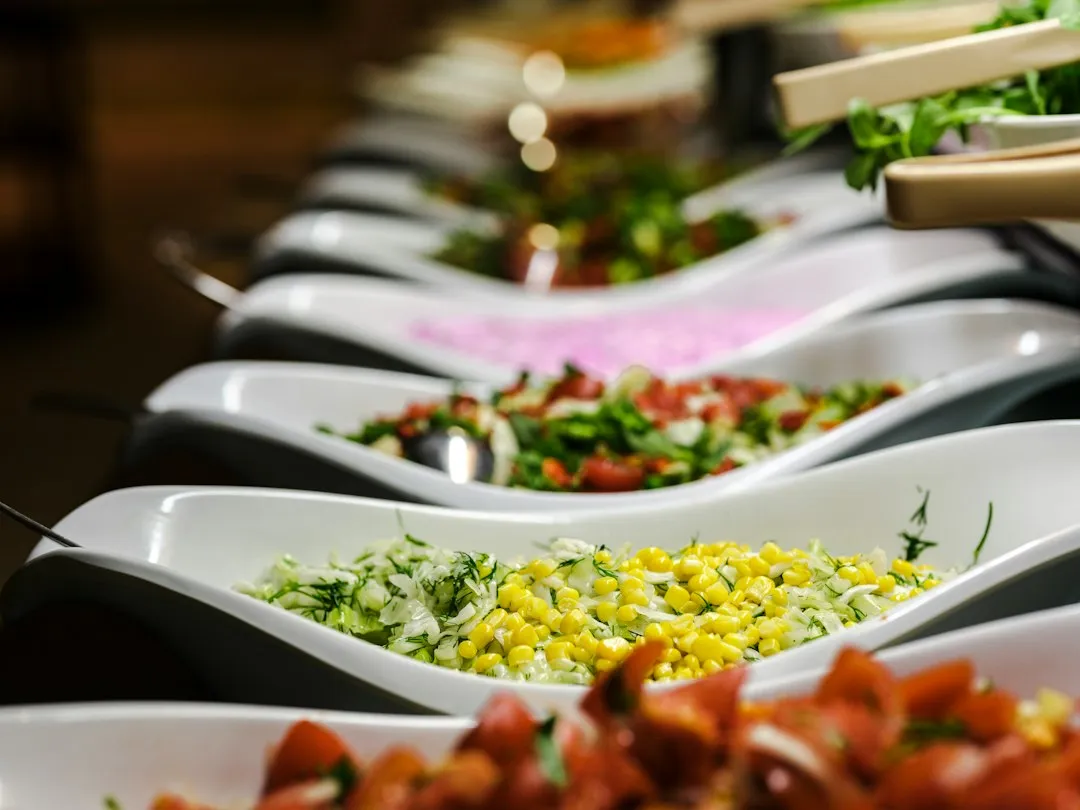
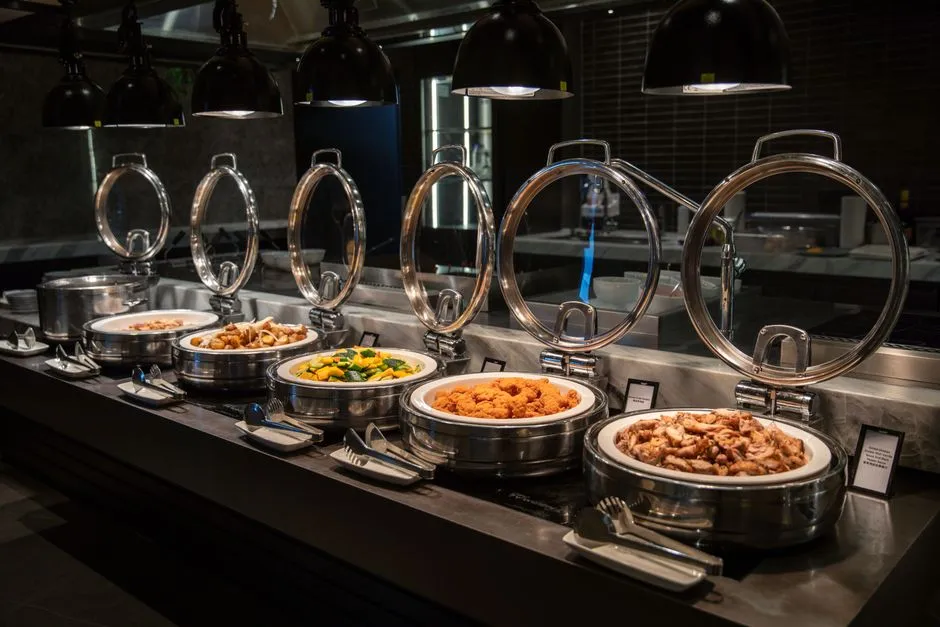
The most common mistake first-time all-inclusive guests make is eating at the buffet too often because it’s easy and doesn’t require a reservation. It becomes a habit fast. You arrive tired, you spot a familiar spread, and you fill a plate without thinking twice.
The specialty restaurants are where the real dining magic happens. Experienced travelers plan their week so they hit a different specialty restaurant each night, saving the buffet for mornings or as a fallback when they want something quick. The guests who never make that plan are the ones who check out wondering if the food was really worth it.
What “Specialty Restaurant” Actually Means at a Resort
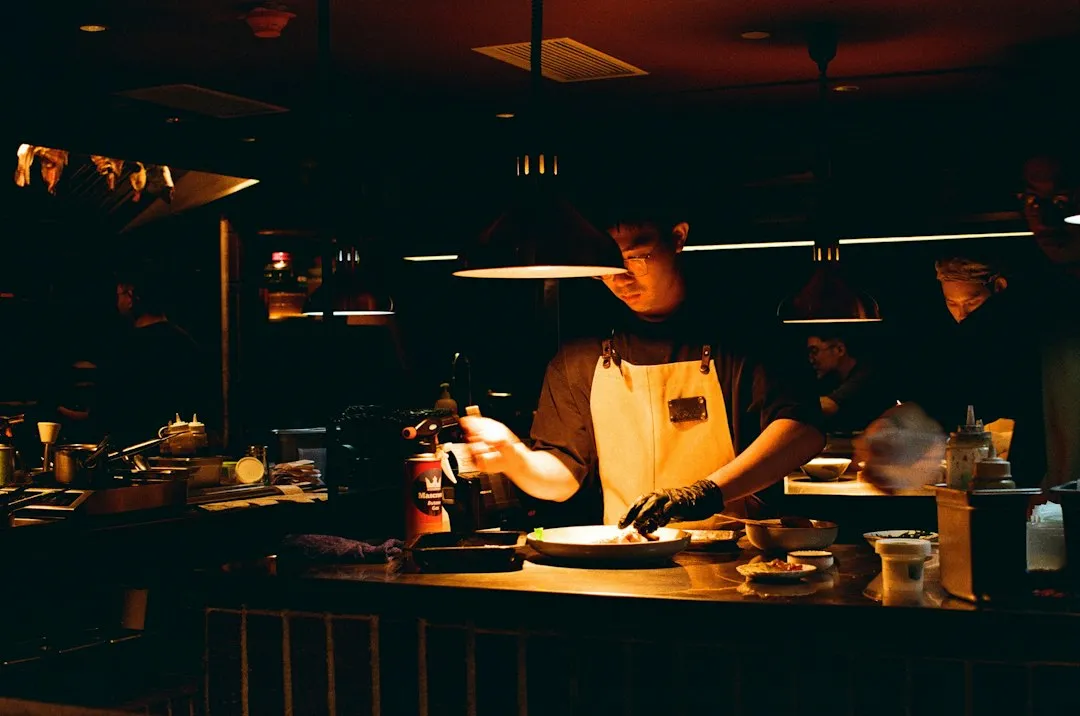
Specialty restaurants are often called the crown jewels of all-inclusive dining. They offer seated, a la carte dining with specific cuisines such as Italian, Japanese or teppanyaki, French, steakhouse, seafood, Mexican, and Indian. You order from a menu, food is prepared to order, and the experience closely resembles a standalone restaurant.
Most mid-range resorts include three to five a la carte options, while premium properties can have eight to twelve or more. The range matters. A resort with only two specialty options will feel repetitive by mid-week. One with eight gives you genuine variety across a full stay.
The Teppanyaki Table That Sits Half-Empty
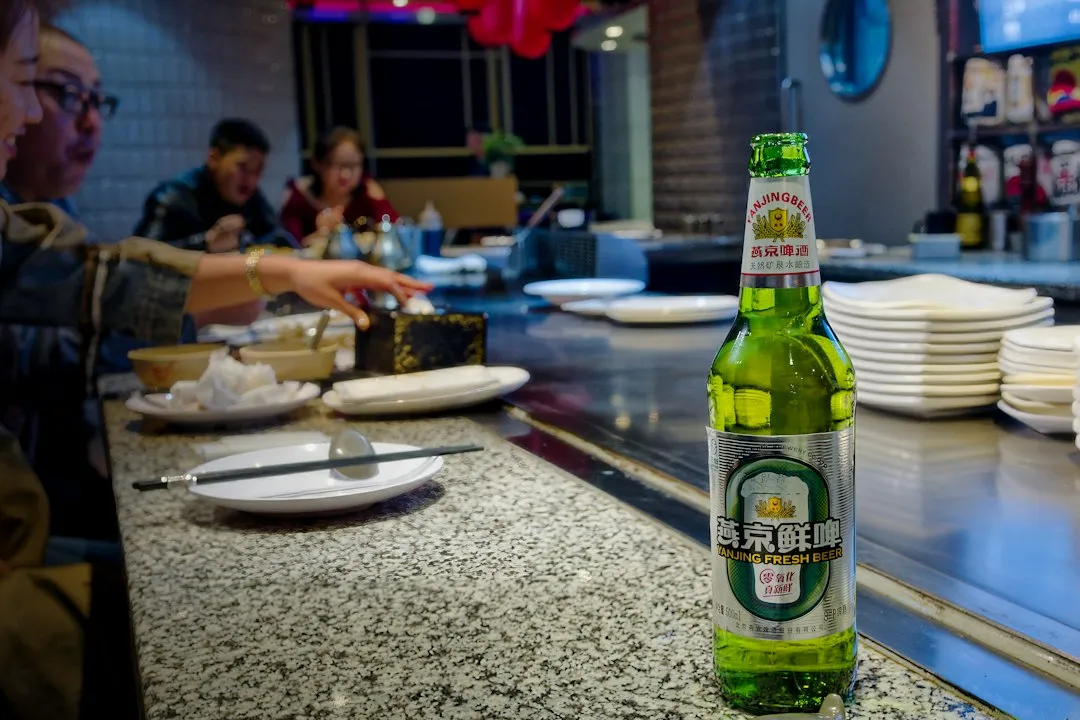
Resorts frequently advertise several specialty restaurants as included in the room rate, but same-week availability can be limited, with prime seatings booking out within hours of check-in. Guests paying for a week-long stay may find the “included” restaurants functionally rationed, with the buffet filling the remaining nights regardless of the marketed variety.
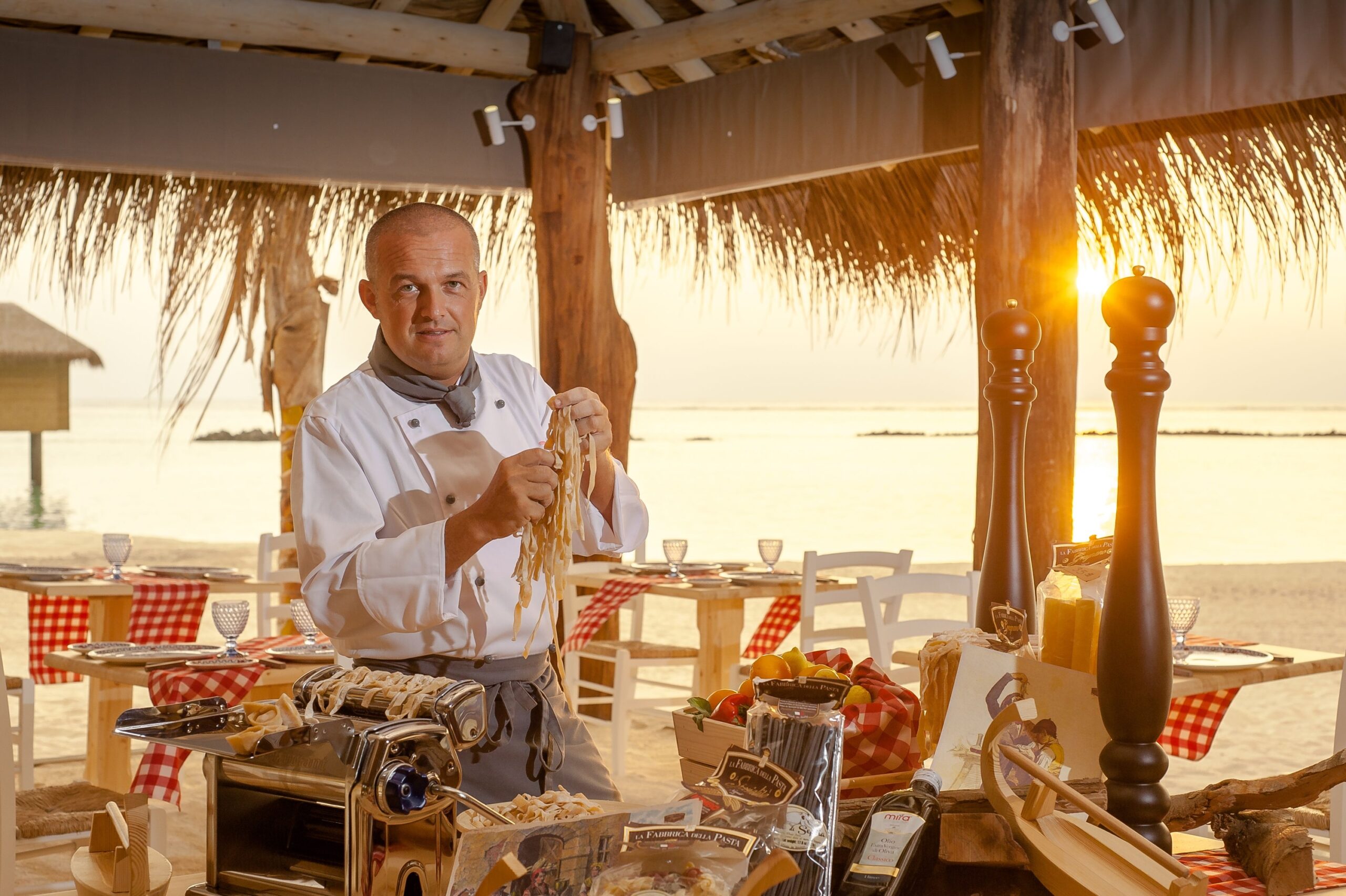
Yet the curious flip side is also true. Certain cuisines, particularly Japanese teppanyaki and Asian fusion, are consistently among the least booked at resorts that offer them. At properties like Impression Moxche by Secrets, the dedication to great food ranges from fine French dining to an open-fire grill and a modern Japanese restaurant with teppanyaki tables, including a seven-course dining experience unlike anything most guests expect from an all-inclusive resort. Many of those tables go unfilled.
When the Dining Room Has a Michelin Star
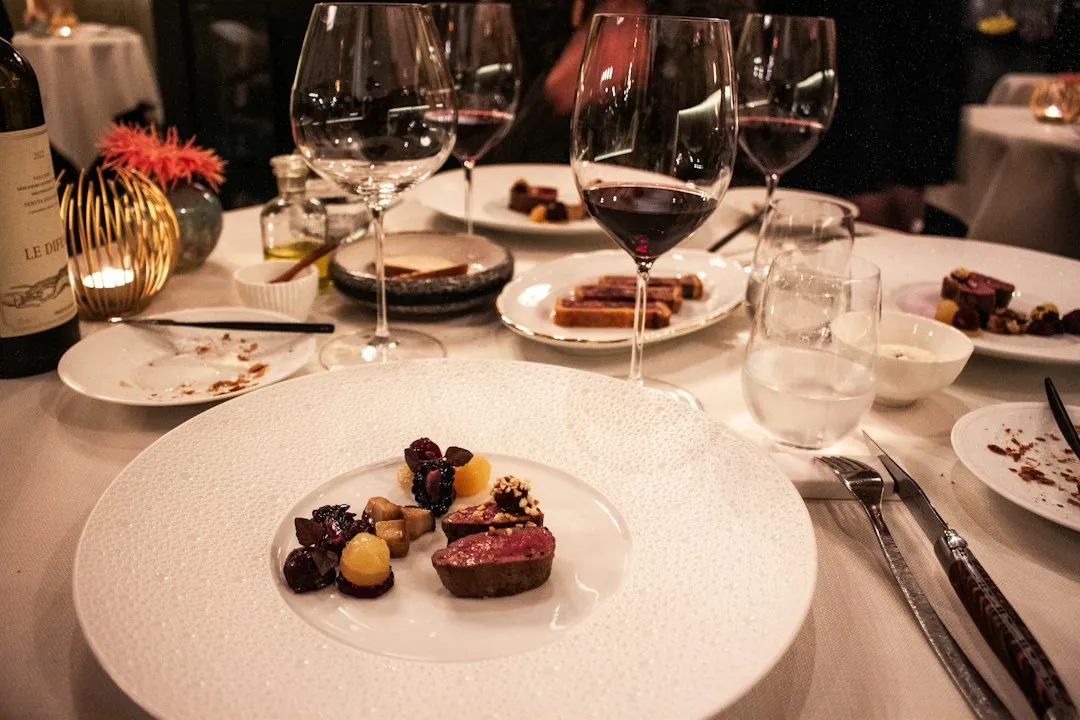
Grand Velas properties are known for their superior on-property gastronomy. The Grand Velas Riviera Maya offers an array of gourmet cuisine options curated by expert chefs from around the world, including the Michelin-starred Cocina de Autor. Guests can indulge in French-inspired dishes, Mexican cuisine, Asian fusion, Italian dining, and more across eight signature restaurants.
Cocina de Autor offers creative cuisine prepared with ingredients from various regions, and in 2024, Nahúm Velasco served as the head chef at the Riviera Maya location, while Francisco Sixtos and Sidney Schutte led at the Los Cabos resort. These are genuinely accomplished kitchen teams, operating inside a resort where plenty of guests never even make a reservation.
The Reservation Problem Nobody Warns You About
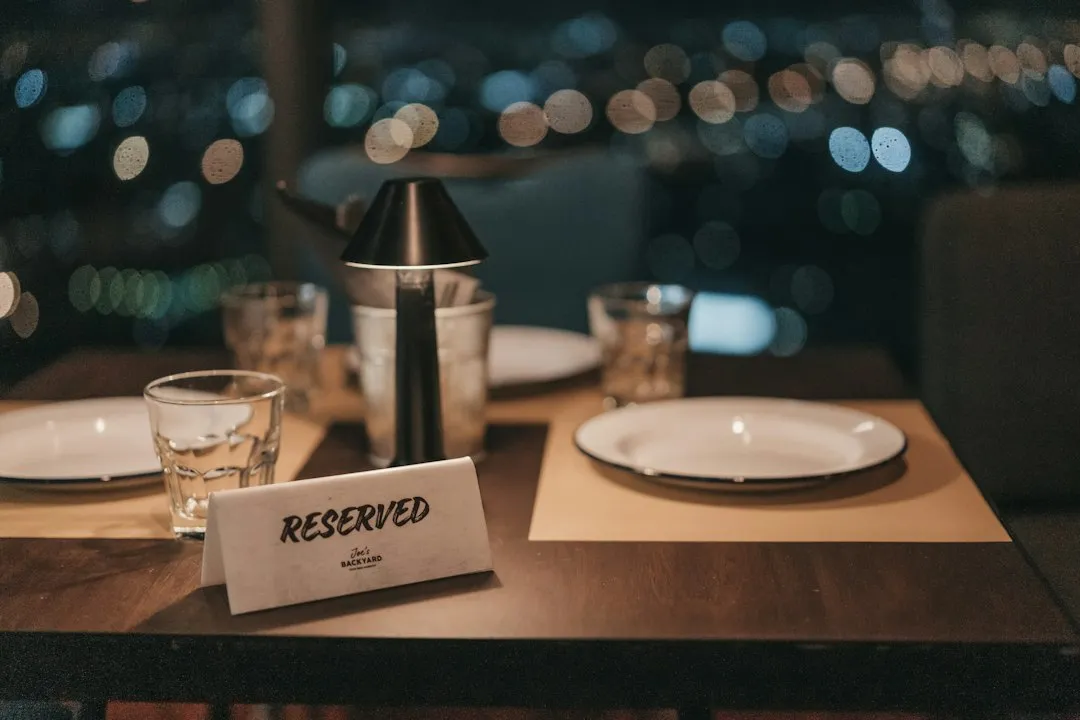
Specialty and a la carte restaurants are where the fine print matters most. Many all-inclusive resorts list four to eight dining venues in their marketing materials, but not all of them are freely accessible. At some mid-range properties, specialty restaurants require reservations and charge a per-person cover fee ranging from fifteen to forty dollars.
Most resorts limit the number of specialty restaurant visits per stay to ensure availability for all guests. A typical policy might allow one specialty restaurant dinner per person per night of stay, so a seven-night stay gets you seven specialty dinners. Knowing this ahead of time completely changes how you approach your week.
The Lunch Window Nobody Uses
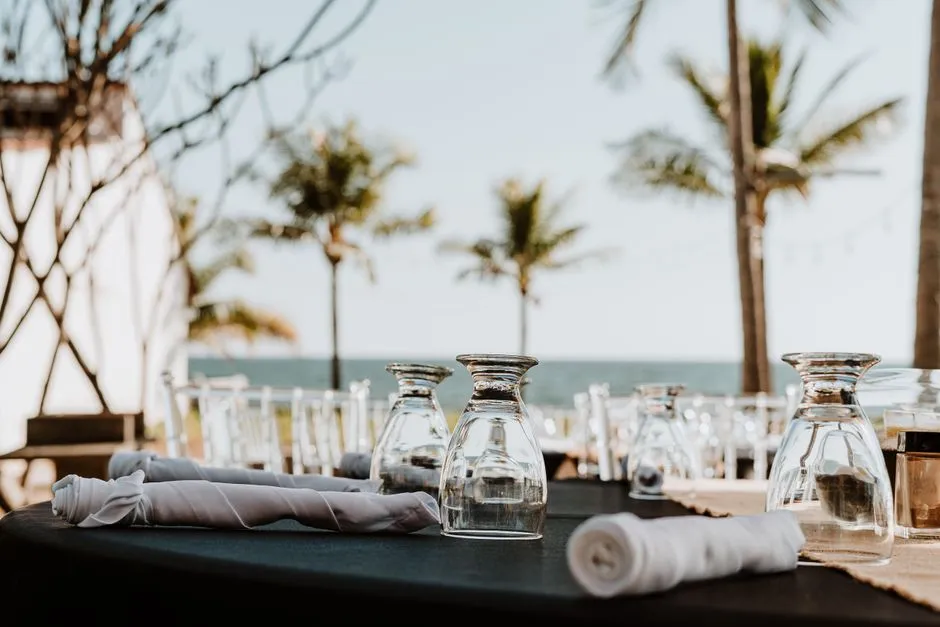
Timing meals strategically is one of the smartest moves at an all-inclusive resort. Lunch at specialty restaurants is an underused opportunity, since fewer guests make lunch reservations. This means you can often walk into the Asian fusion spot or the French bistro at midday without any wait at all, and frequently receive more attentive service in the process.
At resorts with multiple a la carte restaurants, the seafood and steakhouse options almost always have the highest food quality. These are worth prioritizing for reservation nights. Planning your specialty lunches around that knowledge is an approach most guests simply never consider.
How Much You’re Actually Leaving Behind
One Caribbean travel survey from 2023 showed that roughly three quarters of guests at big-name all-inclusive resorts found at least one menu item or drink not included in their initial booking. That sense of uncertainty around what’s covered leads many guests to play it safe, which usually means defaulting to the buffet.
Some travelers, especially those hoping for elevated cuisine, come away disappointed regardless of price point. One of the most common complaints about all-inclusive resorts is that food quality can feel mediocre, since with all food included at a set price, there is little incentive to provide gourmet cuisine at volume. What those guests often don’t realize is that the specialty restaurant operates by an entirely different standard, and they never tried it.
What the Chefs Are Actually Preparing
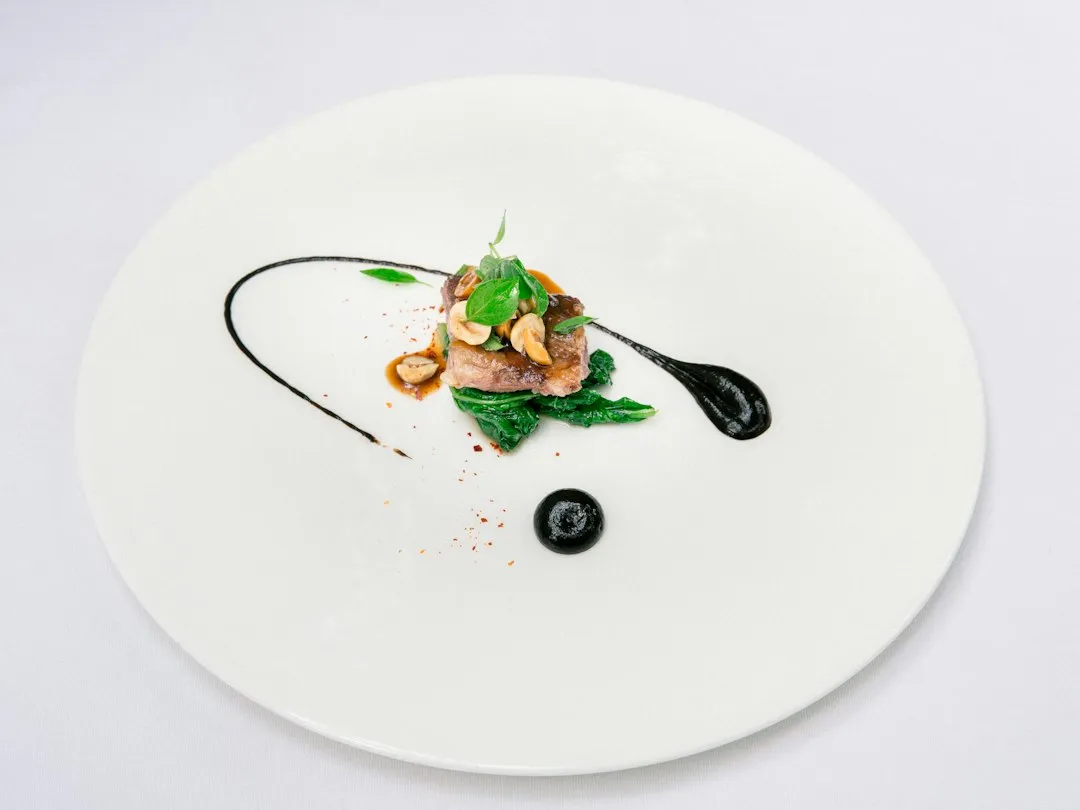
At properties like Ikos Andalusia in Estepona, Spain, the resort boasts a collection of nine restaurants featuring menus curated by Michelin-starred chefs including acclaimed names like Andoni Luis Aduriz and Ettore Botrini. Guests can dine on authentic Greek fare, classic Italian dishes, vibrant Asian fusion, and traditional Spanish tapas. This is not food designed for mass consumption.
Some resorts have gone further still, with farm-to-table programs sourcing ingredients from on-site organic gardens, while private chef experiences can be arranged for intimate dinners. These programs exist in part because culinary teams at higher-end all-inclusives are staffed by chefs who genuinely care about their craft. The empty tables aren’t a reflection of what’s being cooked.
How Sandals Changed the Game, and What Others Can Learn
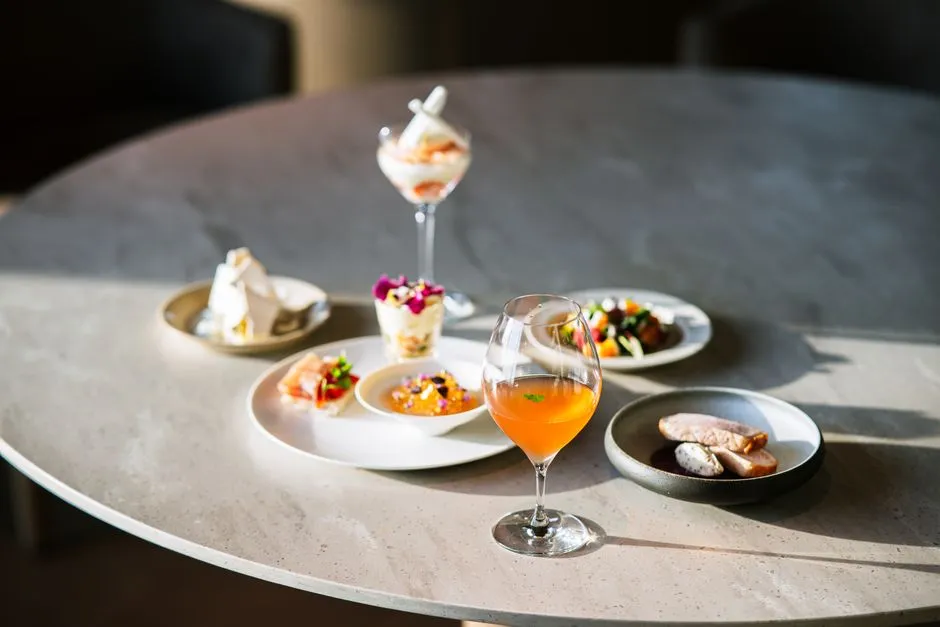
At Sandals, there are no limits on specialty dining. Guests can eat at a different specialty restaurant for every meal if they choose. That policy removes one of the biggest psychological barriers to booking, which is the anxiety about using up a “slot” on the wrong night.
At Sandals Royal Barbados, guests have access to over a dozen restaurants across the Sandals campus, all included without reservation limits or surcharges. The model proves that when the friction is removed, guests actually explore. Other resort brands have been watching, and the shift toward more flexible reservation policies is gradually spreading across the industry.
The Real Reason Guests Skip the Best Table in the House

Depending on the fine print and the traveler’s individual interests, an “all-inclusive” offer may eventually turn out more complex than the headline suggests. Ambiguity about what “all-inclusive” means sometimes leads to travelers being disappointed that services they expected are not available, or require payment of additional fees. That confusion creates hesitation, and hesitation keeps people in the buffet line.
The single most reliable way to understand what is included at a specific all-inclusive resort is to speak with a travel professional familiar with the resorts and their policies. A five-minute conversation before you pack your bags can be the difference between a forgettable holiday dinner and the best meal you’ve had all year.
The Takeaway

The specialty restaurant at your all-inclusive resort is almost certainly better than you expect, and far less crowded than it deserves to be. Chefs at these venues are often operating at a level that would hold its own in any city dining room. The only thing standing between most guests and that experience is the assumption that the buffet is good enough.
It usually is good enough. But good enough isn’t the reason you booked an all-inclusive in the first place. Make the reservation before you land. Show up on the first night. The table will be waiting, and the kitchen will be ready.
AI Disclaimer: This article was created with the assistance of AI tools and reviewed by a human editor.