
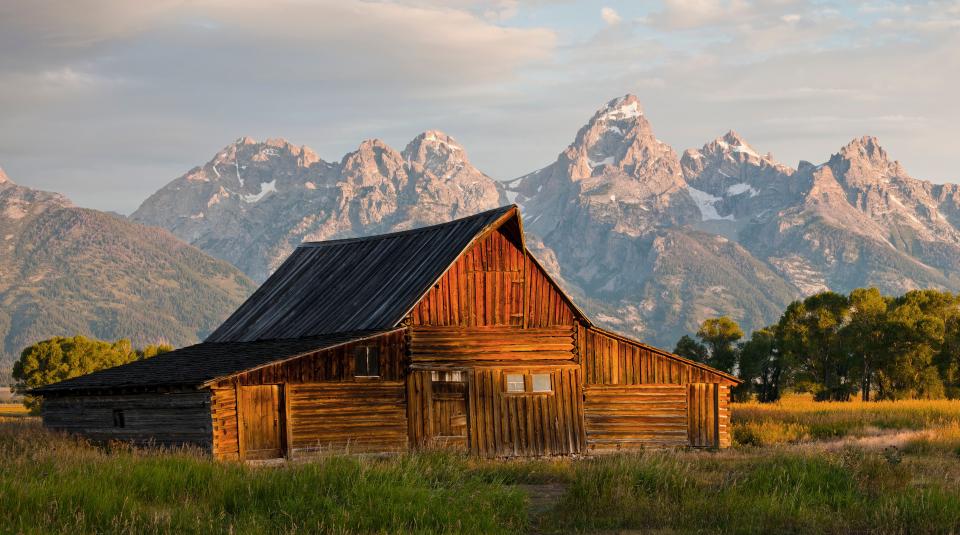

Every season, the same drama unfolds in mountain huts across the Alps, the Dolomites, and ranges far beyond. A hiker pushes through the door, pack on back, boots caked in trail mud, and then stops. Something is missing. It might be cash. It might be earplugs. It might be blister plasters they absolutely should have grabbed at the trailhead pharmacy.
About 63 million people went hiking in 2024 alone, making it the single most popular outdoor activity measured by the Outdoor Industry Association. With that many people heading into the mountains, the collective list of forgotten essentials has grown long and familiar. Hut keepers see it all, year after year. Here is what they consistently wish their guests had remembered.
Cash, Because Cards Don’t Work at 2,500 Meters

Mountain huts are not hotels and generally only accept cash, so depending on the length of the tour, hikers need to make sure they have enough with them. This catches more people off guard than almost any other oversight. Remote alpine huts frequently lose their internet connection, and if the cloud cover is thick, the card terminal simply won’t work.
Many huts only accept cash, and on multi-day routes like the Tour du Mont Blanc, hikers need to bring Swiss Francs for the Swiss leg of the trip, as not all locations will accept Euros on that side. Settle your bill the night before departure if possible. You are advised to settle your bill before you go to bed, so that you can get away quickly in the morning.
Earplugs: The Most Underestimated Item in Any Pack
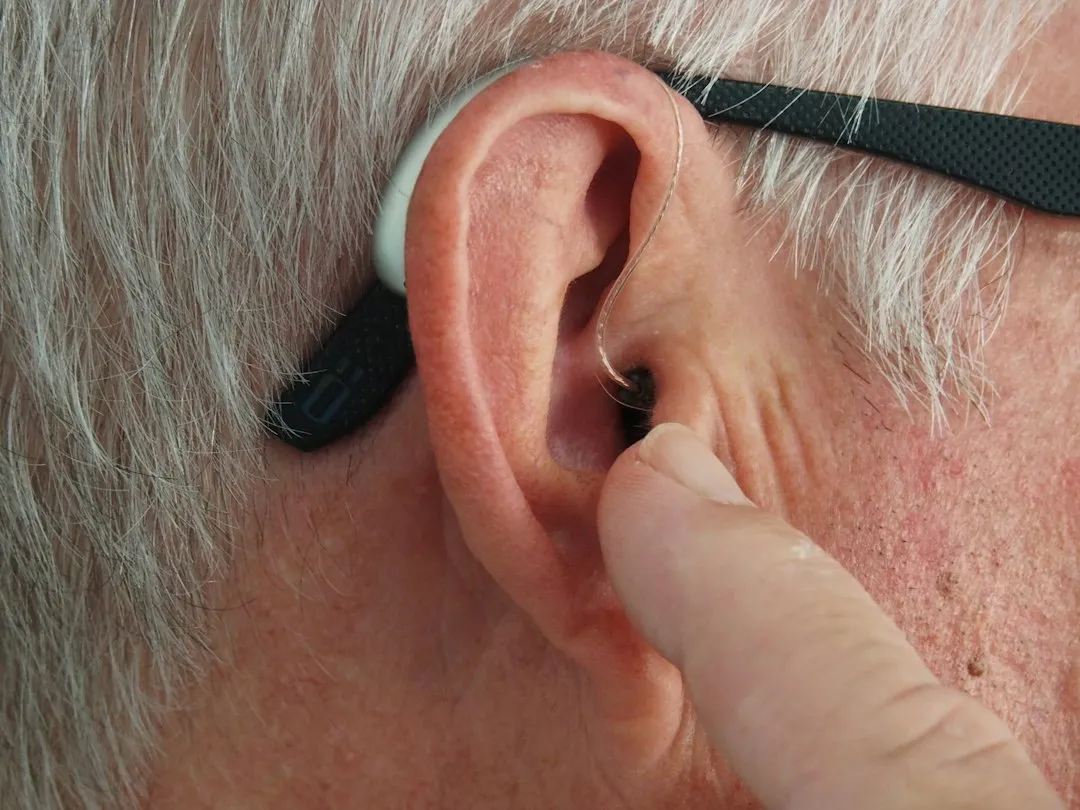
Sleeping accommodation in mountain huts is provided in communal rooms with anything from four to forty beds, so hikers should come prepared with earplugs. This is perhaps the single most repeated piece of advice from hut keepers worldwide, and still the item hikers most often skip.
A wide variety of people come together in the bed dormitories of mountain huts, including snorers, early risers, and those who need to get up in the night, so earplugs are strongly recommended to avoid being woken by the first type. Moldable silicone earplugs are worth the upgrade over foam ones, since they create a waterproof, soundproof seal that can block out even the loudest snorer in the bunk beside you.
A Sleeping Bag Liner: Compact, Lightweight, Non-Negotiable

Mountain huts in the Alps generally provide sheets, blankets, and pillows, but hikers need to bring a sleeping bag liner for hygienic purposes. It weighs almost nothing and packs down smaller than a water bottle, yet it remains one of the most commonly forgotten overnight items.
Generally, blankets are provided in alpine huts but not washed after every guest, so a sleeping bag liner is worth packing. For multi-day hut-to-hut hikes, a sleep sheet or sleeping bag liner is required at most rifugios. First-time hut visitors tend to assume bedding will be provided to hotel standards. Experienced hikers know better.
Blister Plasters: The Trail Emergency Nobody Plans For

At the first sign of a hotspot on your feet, treating it immediately with a blister plaster like Compeed can prevent a minor irritation from becoming a trip-ending problem. Hut keepers report that blister care is one of the most frequently borrowed or begged-for items from other guests. A compact first aid kit should include blister plasters, pain relievers, antiseptic wipes, and bandages, plus any personal medications.
Blisters don’t announce themselves at the trailhead. They build quietly over hours of wet socks and uneven terrain. Packing three pairs of moisture-wicking, quick-drying socks and changing them daily is one of the most effective strategies for staying blister-free on multi-day routes.
A Headlamp With Fresh Batteries
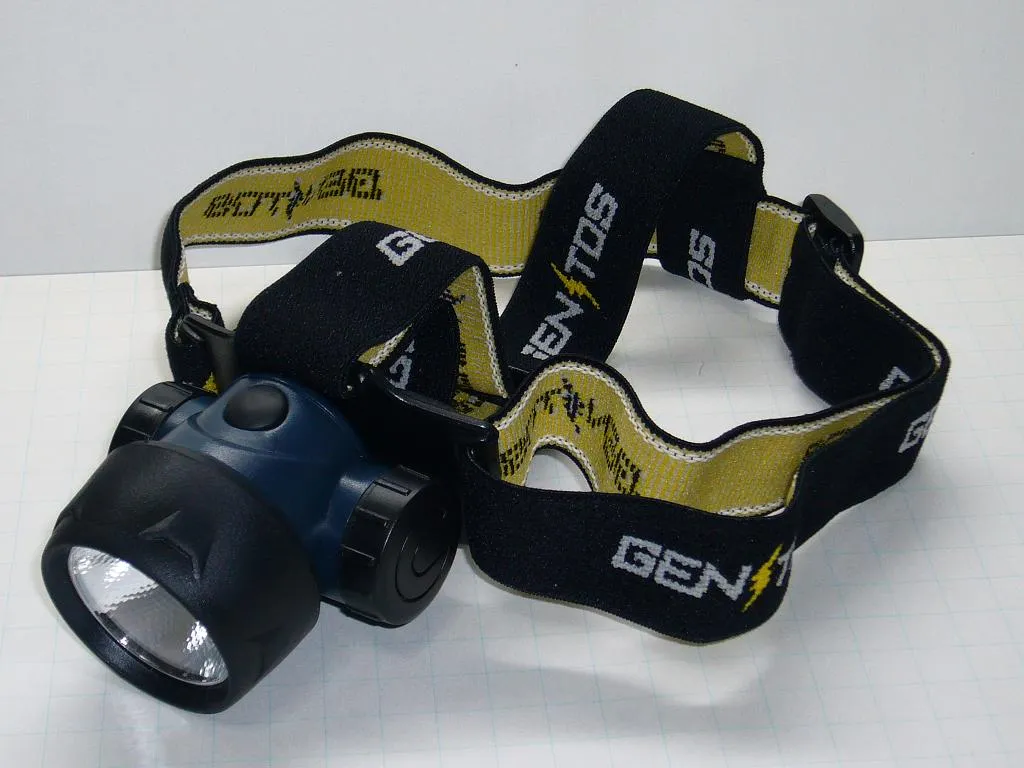
Having a headlamp handy for entering or leaving the communal sleeping room without turning the lights on is one of the most practical tips from experienced hut guests. Mountain huts typically operate on strict schedules, with early morning starts in the dark being entirely normal. Fumbling around a dormitory without a light is both frustrating for you and deeply unpopular with everyone else trying to sleep.
Results from the National Park Service’s 2024 study on hiker preparedness showed that most of those surveyed didn’t bring several items from the ten essentials list, including navigation tools and light sources. A headlamp is inexpensive and weighs almost nothing. The problem is not cost or weight. The problem is that people simply forget.
A Waterproof Jacket, Even on Clear Days

Mountain weather changes quickly, and a quality waterproof, breathable jacket is your most critical safety item, worth packing even on days that look perfect from the trailhead. This is one of those items that feels optional until it very much isn’t. A storm at 2,000 meters does not wait for a convenient moment.
Even in summer, nights in the mountains can be cold, and if you get wet, hypothermia can catch up with a hiker far faster than expected. Hut keepers across the Alps consistently see guests arrive soaked and underprepared, particularly during the shoulder season months of June and September.
Hut Slippers or Lightweight Camp Shoes

Wet, dirty, or bad-smelling hiking boots do not have a place inside the hut, so the protocol is to remove them, place them in the designated drying area, and change into thick socks or slippers. Most huts have a boot room near the entrance for exactly this reason. Arriving without indoor footwear leaves hikers padding around in damp socks all evening.
A pair of slippers or sandals for hut bedrooms and dining areas is a standard recommendation on multi-day hut-to-hut packing lists. They need not be heavy or expensive. A lightweight pair of packable sandals adds minimal weight but transforms the comfort of any hut evening considerably.
Sun Protection: Stronger Than You Think Up High

The sun is significantly stronger at high altitude, and sunscreen is one of the items hikers most often pack too little of or skip entirely. At elevations above 2,000 meters, UV exposure increases meaningfully with every few hundred meters of gain. The reflective effect of snow on early-season routes amplifies this further.
Sun protection for hikers should include sunglasses, clothing with UPF rating, and sunscreen as standard items in any mountain pack. The most-forgotten categories identified in the National Park Service’s 2024 preparedness survey included not only hydration and navigation, but also items like fire starters and emergency shelter, which points to a broader pattern of under-preparation among day hikers.
A Power Bank: Because Your Phone Is Now Your Map

Phones die and apps glitch, which is exactly why a navigation backup and a reliable power bank are essential for anyone spending multiple days in the mountains. Modern hikers rely heavily on GPS apps and digital maps, which means battery life is now a genuine safety concern, not just a convenience issue.
A power bank is listed as a core item for hut-to-hut hiking alongside a headlamp and GPS device, particularly for stretches of trail where there are no outlets nearby. Charging your phone or other electronic devices at a mountain hut without asking is considered poor etiquette, and some huts have limited power availability for guests regardless. Arriving with a fully charged power bank removes the problem entirely.
Extra Dry Layers: The Weight-to-Value Ratio Champion

Lightweight gloves, a beanie, and a packable windbreaker weigh almost nothing but make an enormous difference in comfort when temperatures drop unexpectedly on the mountain. The layering system is not a complicated concept, yet hikers routinely strip it down to just one layer to save pack weight, and then regret it by mid-afternoon.
A highly compressible down or synthetic insulated jacket is essential for sitting on the hut terrace in the evening, as temperatures near the hut can drop close to freezing after sunset. A moisture-wicking synthetic or merino wool base layer is equally important, since cotton, once wet from sweat, stays cold and can become a genuine risk in mountain conditions.
A Quiet Kind of Wisdom

The pattern across all of these items is the same: they are small, lightweight, inexpensive, and consistently forgotten. Hut keepers aren’t pointing fingers. They’ve simply watched enough hikers arrive unprepared to know that the gap between a good mountain experience and a miserable one is often a pair of earplugs, a blister plaster, or a handful of cash.
The mountain doesn’t adjust for what you forgot to bring. Planning carefully, even for the details that feel trivial at home, is the most reliable way to arrive at a hut feeling like you belong there rather than like you’re improvising your way through the night. The best gear is the gear that was actually in your pack.
AI Disclaimer: This article was created with the assistance of AI tools and reviewed by a human editor.