

Most travelers assume winter is the worst season to fly. Blizzards, icy runways, the familiar sight of a gate agent delivering bad news while snow piles up outside the terminal window. That assumption is understandable, but the data tells a more surprising story.
Summer thunderstorms, not winter snowstorms, consistently cause the greatest volume of flight delays across the United States. The reasons go deeper than simple bad weather, and the people who understand them best are the meteorologists working inside airline operations centers.
July Is the Worst Month to Fly, and It’s Not Even Close
The numbers from 2025 are hard to argue with. Only 69.2% of flights arrived on time in July 2025, making it the single worst month for on-time performance across the entire year. July is the worst month overall, with roughly one in three flights running late in 2024.
July was hit hardest by extreme weather in the prior year, with 7,996 delays recorded according to federal data. It was the worst month for those delays dating back to at least 2016, and the worst month of the year by that metric in six of the past eight years.
Between June and August alone, there were nearly 20,000 delays due to extreme weather, which is more than the number of those delays in the six least-affected months combined. That kind of statistical weight shifts the conversation away from winter entirely.
Weather’s Share of Delays Peaks Dramatically in Summer
Weather accounted for 30.2% of all delayed U.S. flights in 2025 overall, but that figure peaked sharply at 37.7% in July, before dropping to just 19.7% in October. The seasonal difference is significant.
Inside the air traffic system, weather drove 73.3% of July’s National Airspace System delay minutes, driven by the season of afternoon thunderstorms that close departure routes out of New York, Chicago, and Atlanta.
Transportation Department statistics show that weather accounts for the highest share of delays, often more than 60%, in the months between May and August. Winter snowstorms can be dramatic, but they don’t sustain that kind of month-over-month pressure on the system.
Thunderstorms Are the Single Most Disruptive Weather Event in Aviation
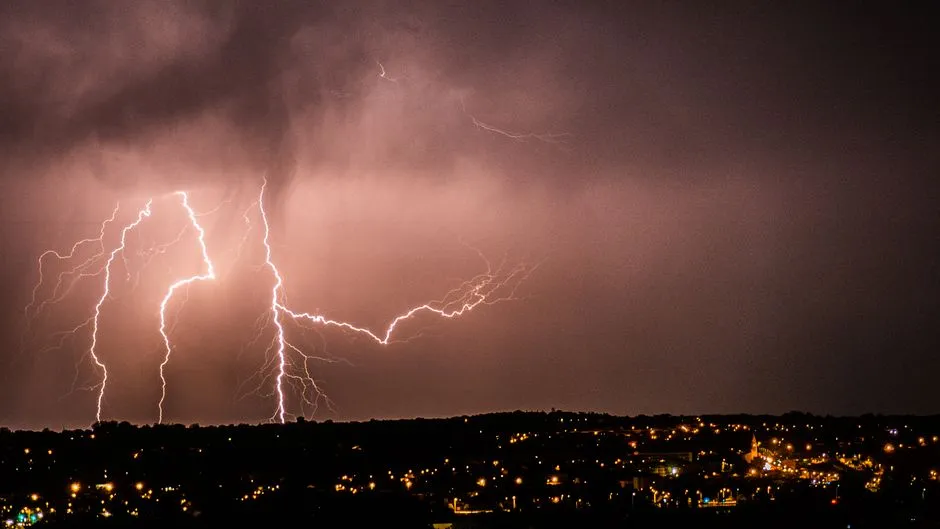
Thunderstorms are the most disruptive weather events for aviation, primarily because of the severe turbulence, lightning, and potential for wind shear they bring. They can cause en-route delays, necessitate re-routing, and even lead to flight cancellations if conditions are severe enough.
According to the FAA, weather remains the single largest cause of delays nationwide, responsible for over 371,000 late arrivals in the latest 12-month record, with thunderstorms delivering the most disruptions while fog and low cloud ceilings rank second.
According to The Weather Company, roughly 74% of U.S. aviation delays exceeding 15 minutes from June 2017 to May 2023 were caused by weather, and within that figure, thunderstorms consistently emerge as the primary driver during peak summer months.
Lightning Doesn’t Just Threaten Aircraft – It Shuts Down the Entire Ramp
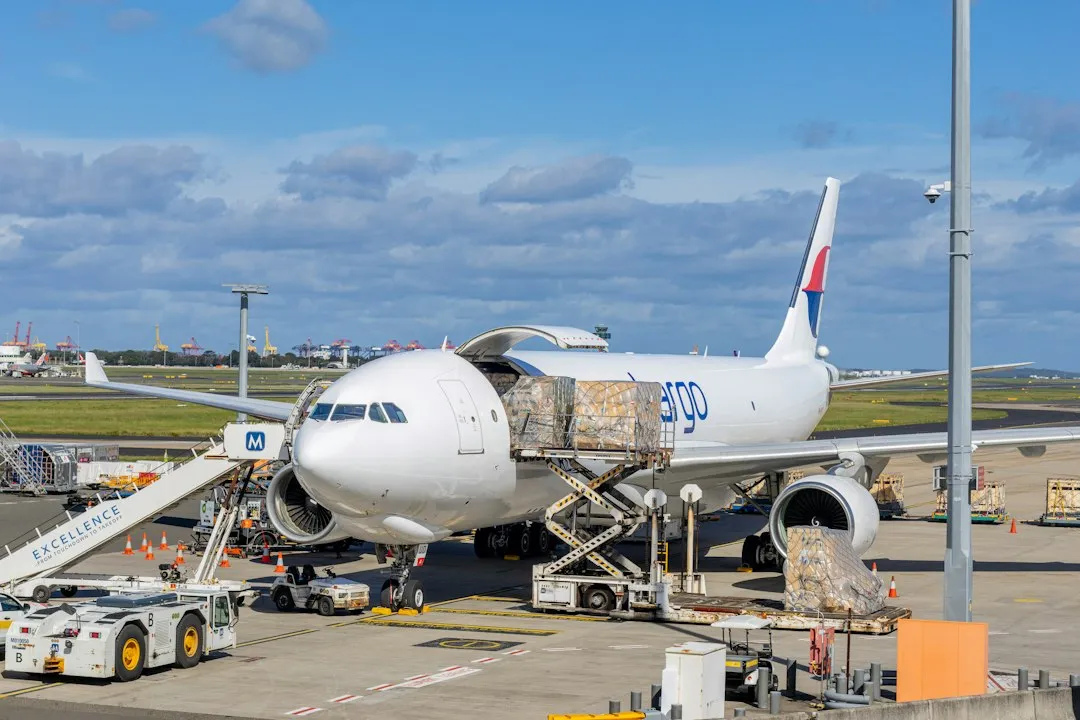
When lightning is within a certain radius of an airport, ramp crews are pulled off the tarmac for safety, meaning no baggage loading, no fueling, and no pushback. That detail alone explains a lot. A thunderstorm doesn’t need to be directly overhead to paralyze an airport’s ground operations.
FAA guidelines state that airlines should halt operations if a thunderstorm passes within a certain radius of the airport. A common alert condition is to cease operations when lightning is detected within a five-mile radius. Airport activity only resumes after a set time with no further lightning, typically 10 to 15 minutes, and this can lead to average downtimes of 30 to 60 minutes per lightning episode.
Lightning poses a significant risk to ground personnel and equipment, but shutting down operations for a prolonged period comes with significant costs. In 2023, it was estimated that delays cost airlines as much as USD 100 per minute per plane.
The Hub-and-Spoke Network Turns One Storm into a National Crisis
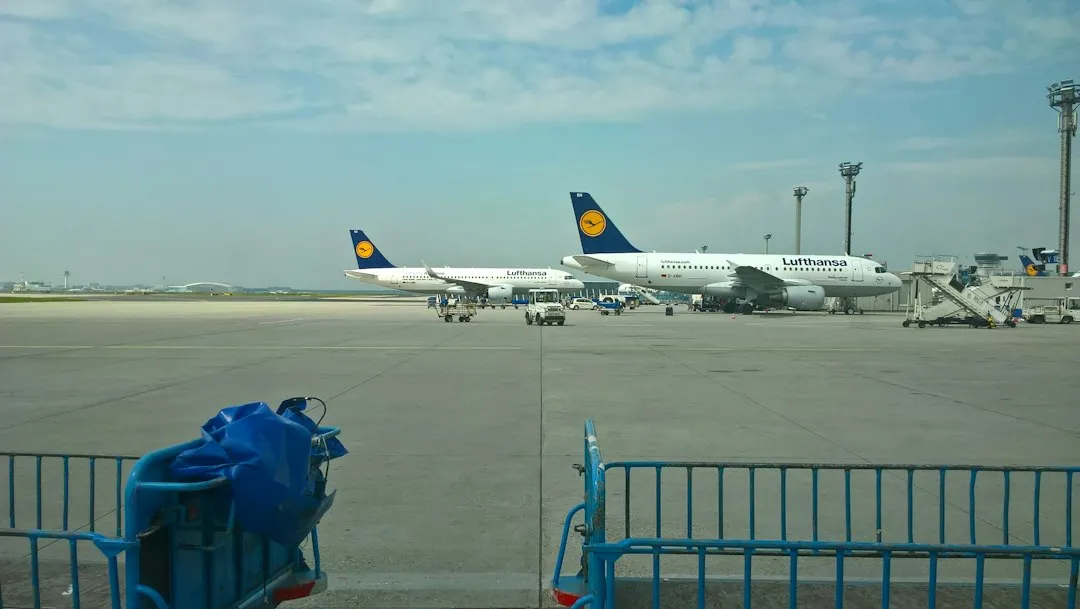
The U.S. airline system runs on a hub-and-spoke model, which means a relatively small number of airports handle a disproportionate share of the country’s connecting traffic. When severe weather parks itself over one of those hubs during peak summer travel, the disruption doesn’t stay local. It radiates outward across the entire network within hours.
A delay that starts with thunderstorms in one region can force reroutes, holding patterns, and ground stops elsewhere, and then follow an aircraft’s tail number across several later flights. This “propagation” effect is why passengers in cities with perfectly clear skies still find themselves stranded.
Much of the summer slump is knock-on delay. In July 2025, roughly 10.7% of all flights were late mainly because the aircraft arrived late from its previous trip, roughly double the 5.5% recorded in September.
Snow Is Predictable. Thunderstorms Are Not.
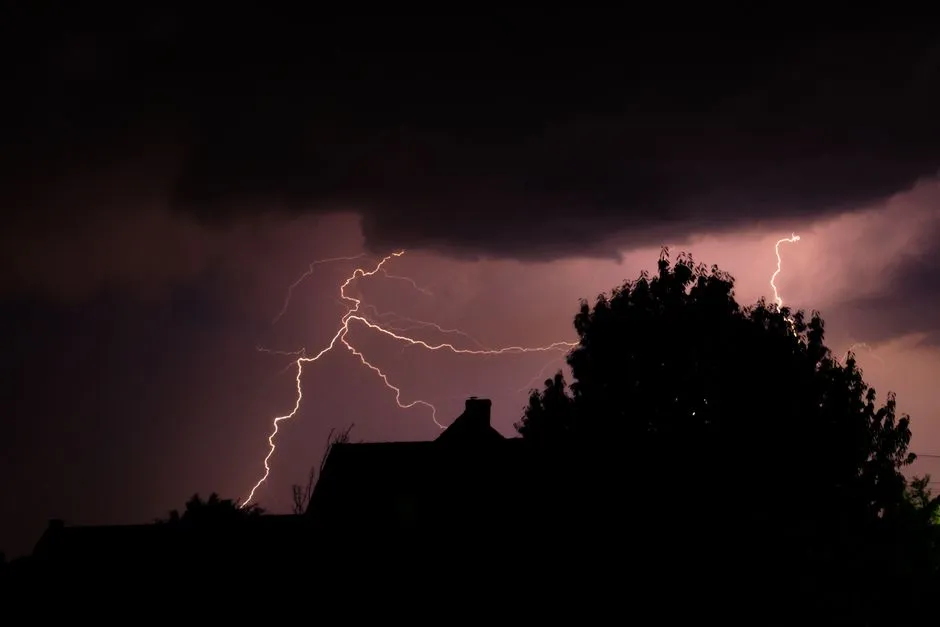
One underappreciated reason thunderstorms cause more cumulative disruption than snowstorms comes down to predictability. Airlines and airports can prepare for a snowstorm days in advance, staffing up for de-icing, adjusting schedules, and coordinating with the FAA well before the first flake falls.
Thunderstorms are a different challenge entirely. They can develop rapidly within hours, intensify without much warning, and move unpredictably. Analysis of data spanning more than a decade shows that thunderstorm disruptions tend to follow predictable patterns at a broad seasonal level, but within any given day, airlines still struggle to anticipate precise timing and location of individual storm cells.
Unexpected thunderstorms often lead to pilots taking an alternative route around the weather, causing further delays. Additionally, multiple planes rerouting can lead to overcrowded airspace. Snow rarely triggers that kind of system-wide airspace congestion simultaneously.
What Happens When En-Route Flights Encounter a Thunderstorm

The consequences of a major thunderstorm event in a busy airspace corridor are concrete and well-documented. Few flights can get through weather-impacted airspace during an active storm event, with many rerouted around active regions. Due to longer reroute times, flights bound for affected airports can’t arrive on time. In one recorded case, 108 aircraft diverted to alternate airports in the northeast region and 57 were assigned to holding patterns, resulting in 565 departure cancellations, 535 arrival cancellations, and 784 total delays.
If thunderstorms persist, holding aircraft will divert to alternate airports, wait out the bad weather, refuel, and fly again later to the original destination. Diversions are considered particularly undesirable because of the magnitude of passenger delay and cost to airlines.
Atlanta and Chicago: Two Hubs Where the Pattern Is Unmistakable
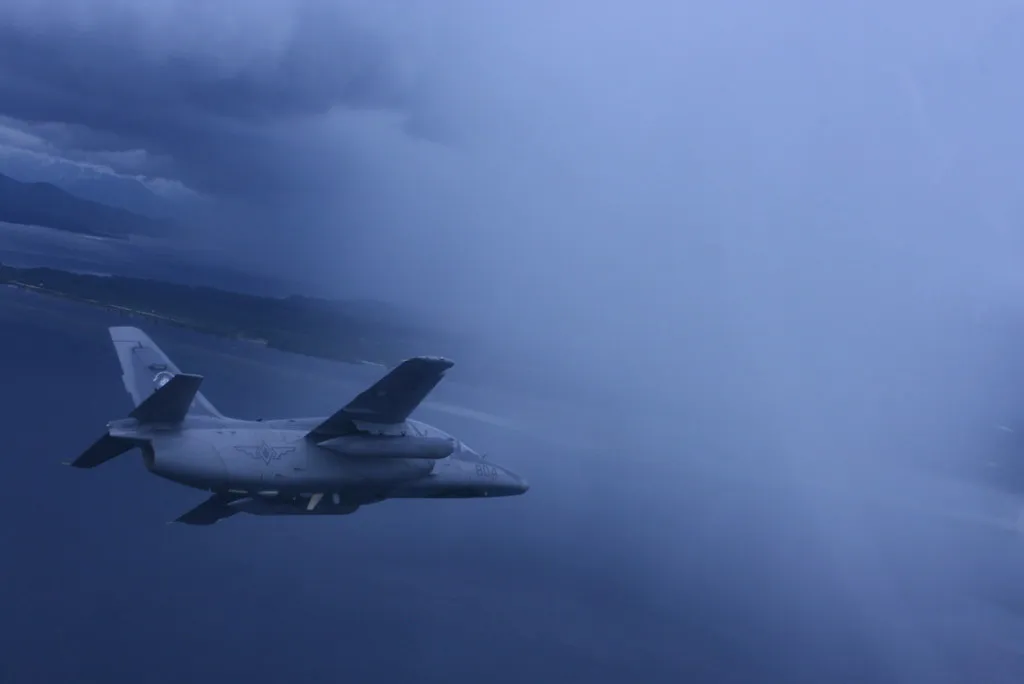
A severe thunderstorm event at Atlanta in June 2025 brought flash flooding, hail, and microburst winds that forced Delta to divert 90 flights to other Southeast airports and pull 100 planes from service for inspection. That single storm also forced the FAA to evacuate most personnel from the Atlanta control tower during strong winds.
Chicago O’Hare International Airport logged over 261,000 weather-related delays in a 10-year period and carries a 45.91% weather delay rate, making it one of the most weather-challenged major airports in the country. On average, the Windy City experiences roughly 38 days of thunderstorms per year at O’Hare, more than any other large airport in the Northeast.
When one of those thunderstorm days lands on a peak travel date during a summer holiday weekend, the cascading effects can stretch well into the following day’s schedule, compressing recovery windows and erasing operational buffers that airlines count on.
The FAA Has Taken Notice and Is Adapting
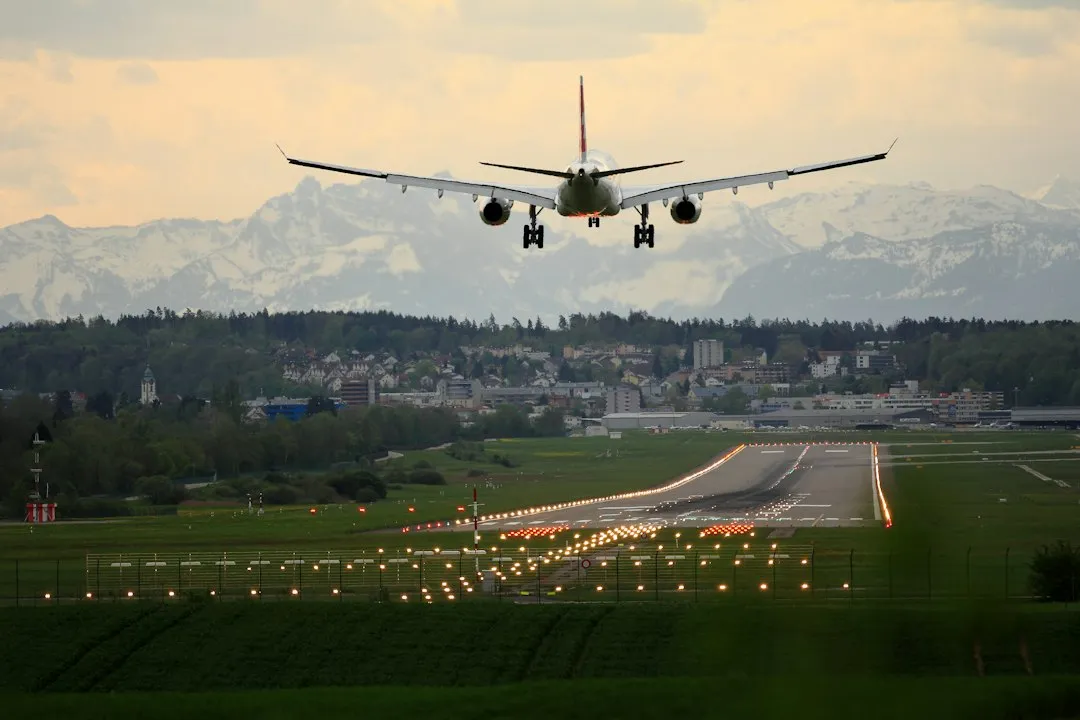
In 2024, weather caused a 40% increase in delays compared to 2022 and 2023. The FAA responded by having participants at its summer summit discuss playbooks to keep aircraft moving safely around summer thunderstorms, using alternate routes and altitudes and new strategies to deal with weather impacts, especially along the East Coast.
The FAA is implementing new ultra-high sector airspace over the Jacksonville Air Route Traffic Control Center in Florida, which allows for more efficient airspace “layers” over what has recently become one of the busiest corridors in the National Airspace System.
Summer flight schedules in 2025 were already up 4% compared to the prior year, and the FAA confirmed that weather remains the leading cause of delays across the National Airspace System. More flights sharing the same storm-prone airspace means the stakes for every disruption are higher than ever.
Winter Snowstorms Are Serious, but the Scale Differs

It’s worth being fair to winter. Major snowstorms do cause real, significant disruption. The January 2025 winter storm was responsible for the most significant daily delays since July 2024, with over 3,000 flights cancelled and at least 1,200 flights canceled at Atlanta alone, along with a full ground stop issued due to snow and icy conditions.
However, those events are episodic. They strike, cause acute damage to schedules, and then the system recovers. Summer thunderstorm peaks coincide with the highest passenger volumes, whereas winter snowstorms impose costly de-icing queues and runway closures but typically don’t sustain daily disruption for an entire season across hundreds of airports simultaneously.
The most impactful weather overall falls in the summer and winter months. Thunderstorms play an important role at major airports over summer months, and while winter weather is strongly related to flight cancellations in northern cities like New York, that is obviously not the case at southern airports, where thunderstorms dominate nearly year-round.
The Takeaway for Travelers
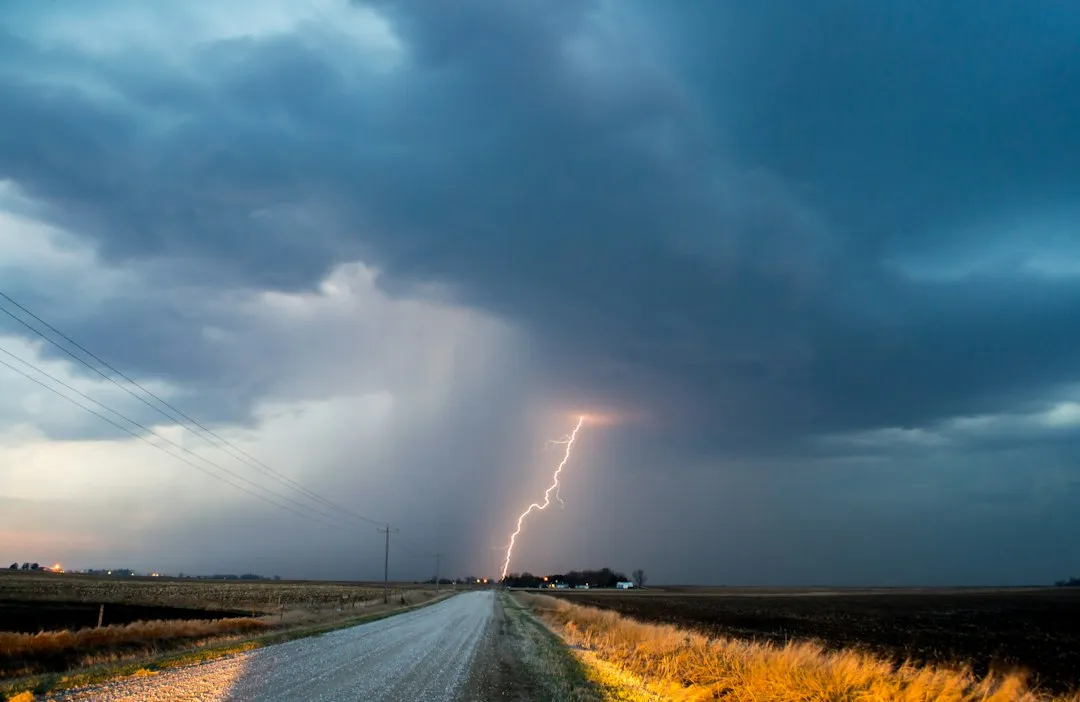
The image of winter as the dangerous season for air travel persists partly because snowstorms are visible and dramatic. Thunderstorms, especially the kind that build over the Gulf Coast on a humid July afternoon, can feel almost routine until they collide with a fully packed national schedule at peak demand.
Because airlines and airports can be strained during disruption peaks, travelers may benefit from checking flight status early, confirming the operating carrier on codeshare itineraries, and monitoring connections with tight transfer windows. When delays cascade, rebooking inventory can disappear quickly, especially at congested hubs where later departures are already full.
The meteorologists working inside airline operations centers already know what the data confirms. Summer is where the system gets tested most severely, and thunderstorms are the exam. Flying in July means accepting that the atmosphere itself is a variable no schedule can fully account for.
AI Disclaimer: This article was created with the assistance of AI tools and reviewed by a human editor.