


The Numbers Behind the Challenge
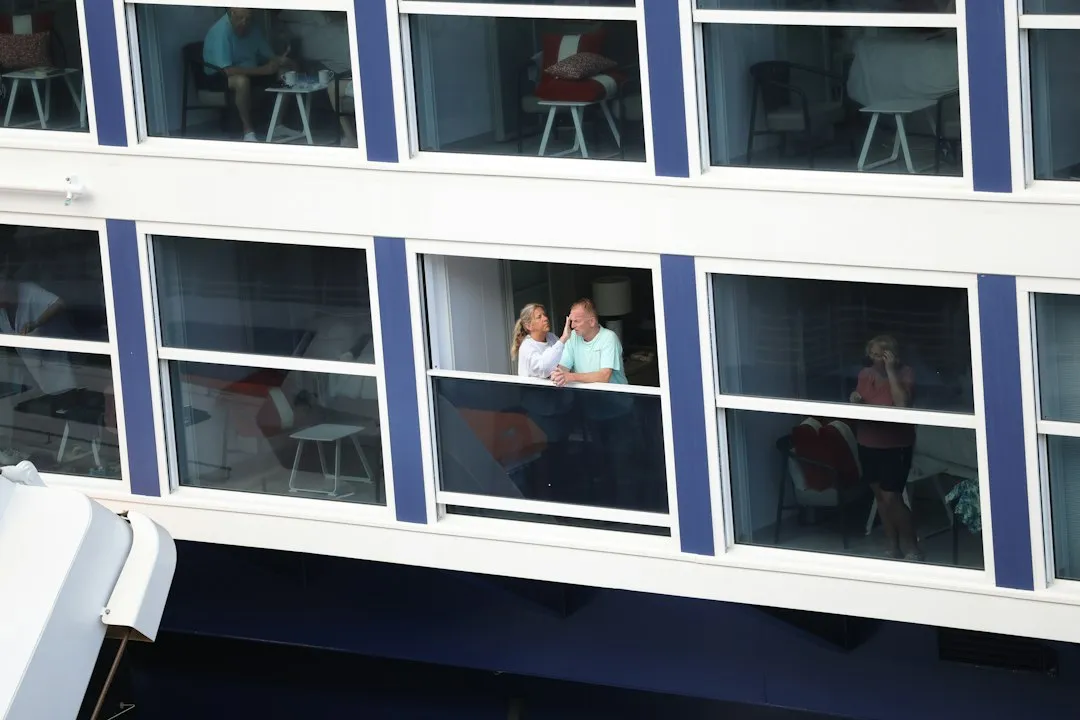
Most inside cruise cabins range from around 140 to 180 square feet, while balcony cabins tend to be larger, between 175 and 220 square feet. To put that into perspective, the average hotel room in the United States measures roughly 300 square feet, compared to the average cruise cabin at about 175 square feet.
Cruise ship cabins typically offer a range of closet and storage options, and most standard cabins feature an average of 40 to 60 square feet of dedicated storage, including hanging wardrobes and shelves. That sounds modest, but designers compensate in creative ways that aren’t immediately obvious to the untrained eye.
Under the Bed: The Most Overlooked Space on Any Ship
One of the most effective ways cruise ship cabins maximize storage is by turning the bed itself into a storage solution. The area beneath the bed is described by designers as “overlooked volume” that can be put to work without increasing a room’s footprint, and many cabins incorporate built-in drawers or hidden compartments within the bed platform.
Most cruise cabin beds have usable space underneath them, making them ideal for storing luggage. Even if a suitcase doesn’t fit immediately, most beds can be raised slightly to create enough clearance. On Holland America cruises, passengers have also found two hidden drawers tucked under the foot of the bed, useful for storing shoes and everyday essentials.
Mirror Compartments: Storage Hidden in Plain Sight
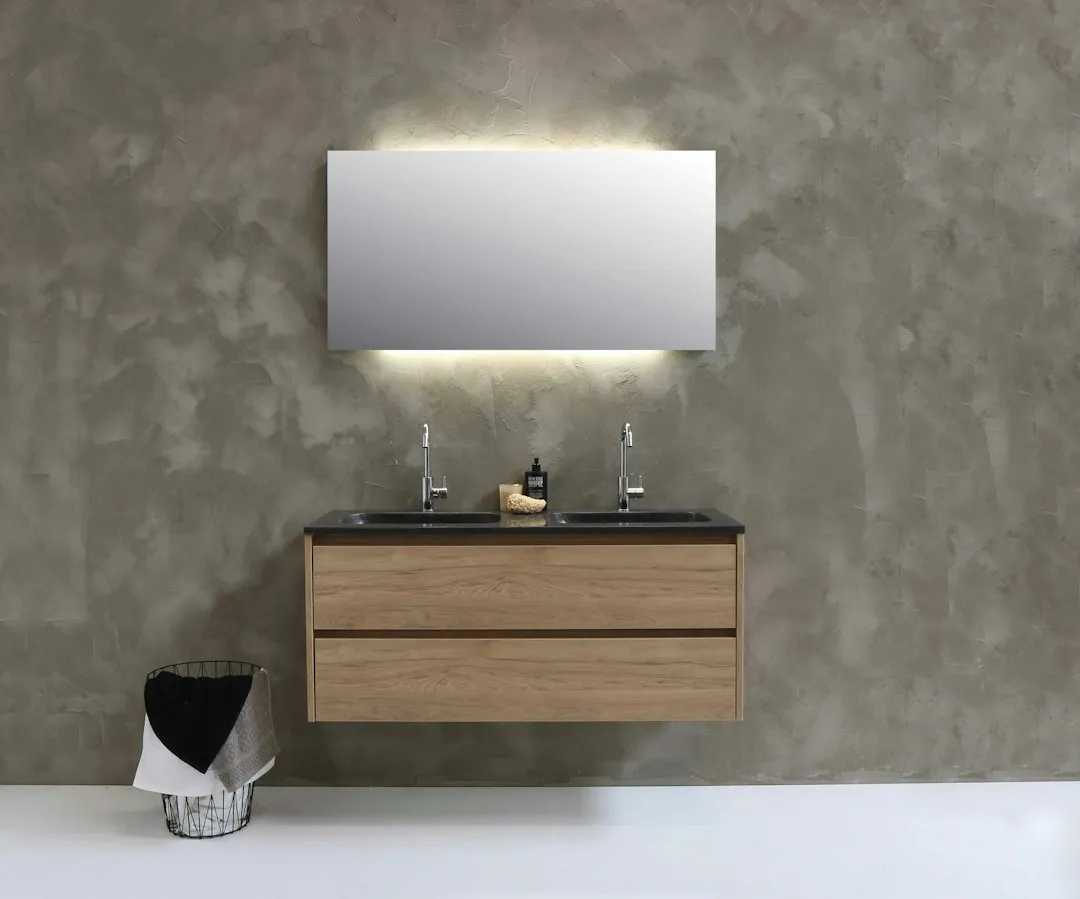
Some cabins have hidden storage spaces behind the bathroom mirror and the desk mirror, where guests can store toiletries, makeup, and other personal items. This is one of those features that genuinely surprises first-timers.
Many cruise passengers have spent half their voyage before realizing there was a large storage area behind the bathroom mirror. On Royal Caribbean’s Freedom of the Seas, for example, there is storage space behind both the bathroom mirror and the desk mirror. The compartments are slim but remarkably useful for keeping counters clear.
Ottoman Storage: Disney’s Quiet Masterstroke

When it comes to cruise ship cabins, storage can be found where you least expect it. On Disney Cruise Line ships, cabins feature ottomans that open to provide additional storage space. It’s a thoughtful detail that families traveling with young children especially appreciate.
A storage ottoman at the foot of the bed gives passengers a seat, a surface, and a hidden storage compartment all in one piece, making it a classic example of triple-purpose furniture that is central to marine interior design. The concept is simple, but the impact on cabin livability is real.
Magnetic Walls: The Feature Nobody Packs For
Most cruise ship cabin walls are made from metal, making them completely magnetic. That means inexpensive magnetic hooks can instantly create extra storage space for jackets, backpacks, hats, lanyards, or daily schedules without damaging the room.
Many people don’t know that the walls of their cruise ship cabin are magnetic, which is why magnetic hooks should be near the top of any packing list. They can be used to hang clothes, bags, or cruise line papers, and in rooms shared by multiple people, a curtain can even be hung this way to create a sense of privacy. It’s a low-cost solution with a surprisingly high return.
The Multitasking Media Wall
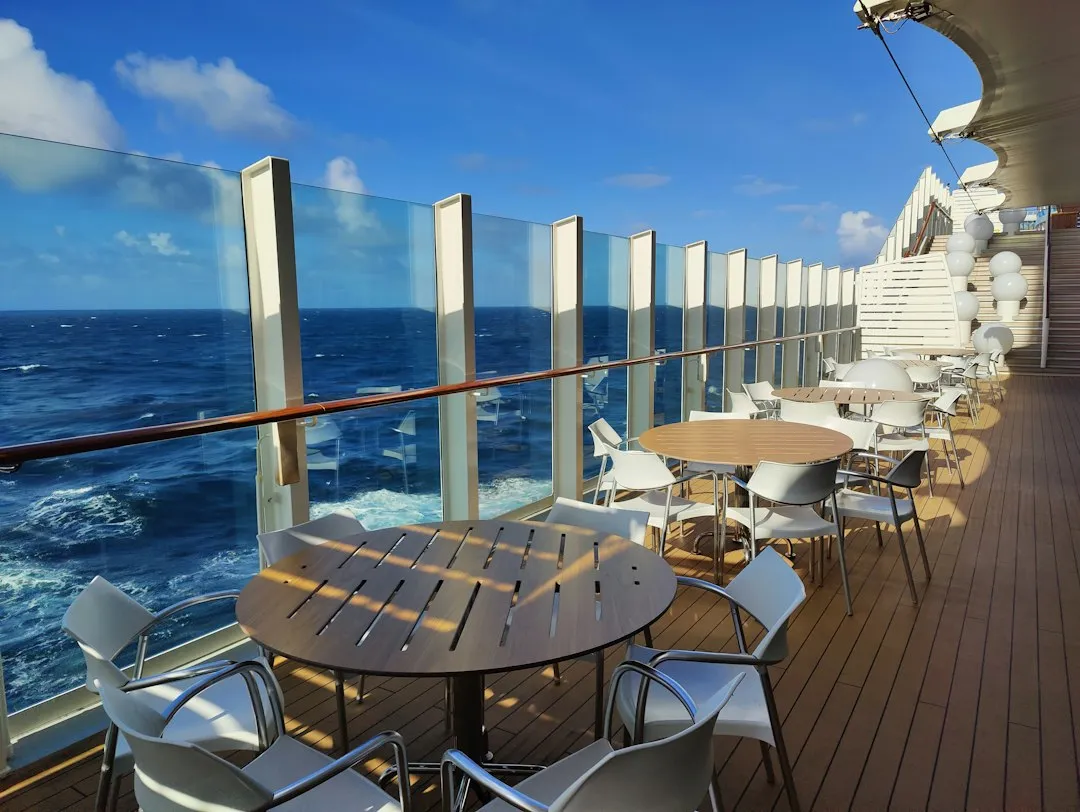
The most effective cruise ship storage solutions often hide in plain sight. Rather than relying on standalone furniture, designers frequently transform entire walls into multifunctional storage features that combine shelving, cabinetry, and entertainment elements within a single built-in unit.
Cruise ship designers don’t simply mount televisions on the wall. Some ships conceal televisions within custom millwork or cabinetry, while others utilize drop-down televisions that retract into the ceiling when not in use, freeing up wall space for artwork, windows, or additional storage. Behind-the-TV spaces sometimes even hide USB charging ports, as reported by Reader’s Digest.
Pullman Beds That Vanish Into the Ceiling
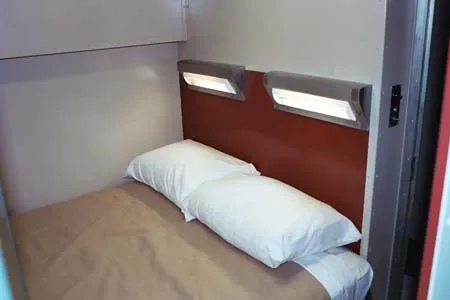
Many cruise lines, including Disney Cruise Line, have built in an extra bed so cleverly you would never notice it unless you were looking: a bunk bed that is tucked away into the ceiling of the cabin. It folds down when needed and disappears completely when it doesn’t.
Many cruise ships feature ingenious Pullman beds that fold down from the ceiling or wall. When stowed, the space above transforms into open headroom, which makes even compact interior cabins feel considerably less claustrophobic during the day. It’s a design decision that doubles the cabin’s functional flexibility without adding a single square foot.
Hidden Shelves and Sofa Compartments
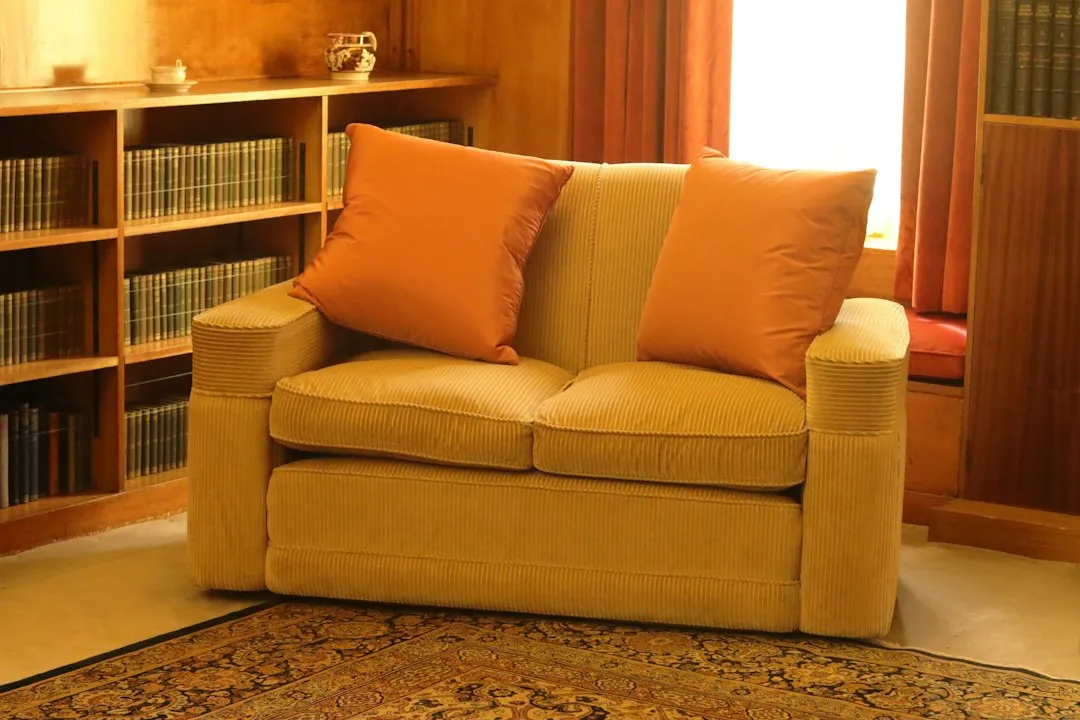
Certain cabins have hidden storage spaces inside sofas or couches, enabling travelers to store belongings discreetly. Some cabins also have drawers beneath the bed or extra shelves built directly into the walls. These are easy to miss during the initial walkthrough of a new cabin.
One common thread runs through nearly every cruise ship cabin: nothing serves just one purpose. Beds double as storage, desks transform into vanities, walls conceal cabinetry, and lighting is integrated directly into the architecture. That philosophy shapes every design decision from the ground up.
Transformative Furniture and Room Dividers
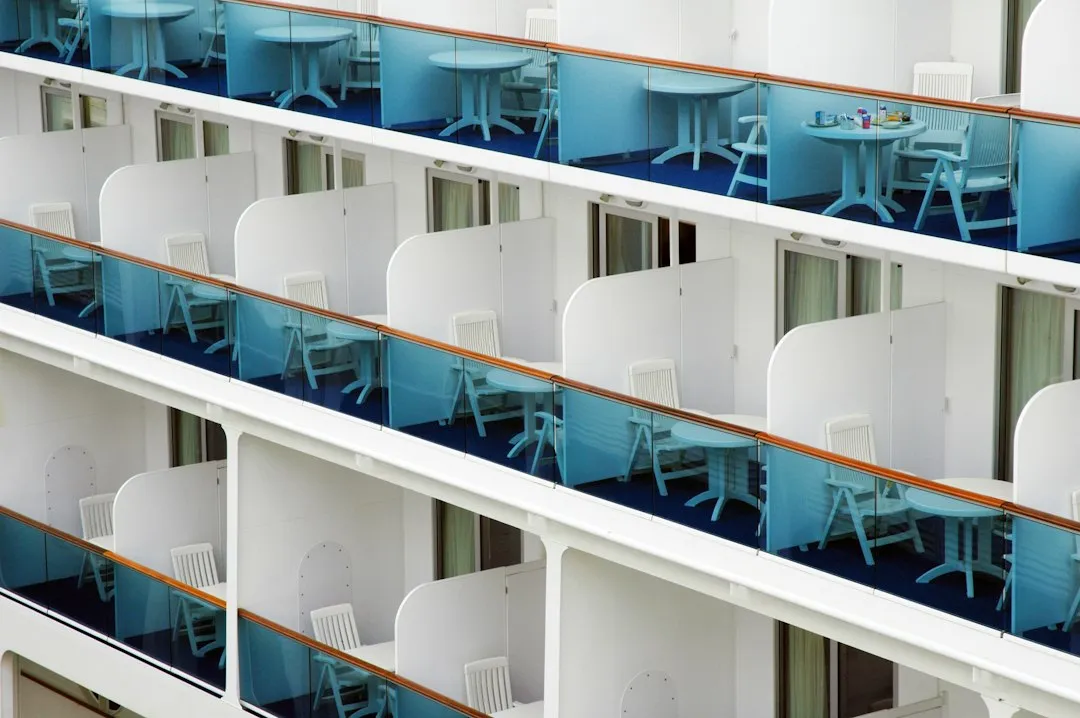
On Celebrity Beyond’s Infinite Veranda stateroom, passengers found an extendable desk that at first glance looked like a simple vanity with a mirror. When retracted, it revealed a full-length mirror, and when extended, it became a longer desk, ideal for getting ready or working remotely.
Cruise ship designers also frequently use architectural features to create distinct zones without sacrificing square footage. A room divider that functions simultaneously as wardrobe storage and a full-length mirror helps separate sleeping and dressing areas while serving multiple practical purposes. Form and function become genuinely inseparable in these spaces.
Closets With More Depth Than They Appear
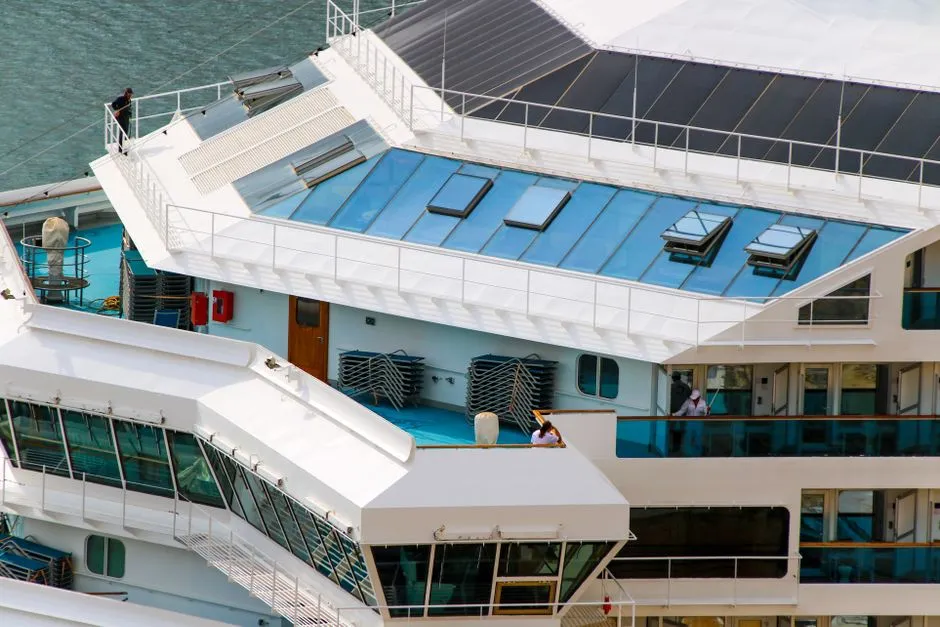
Cruise ship cabins typically have a closet with hangers and shelves, often accompanied by drawers for clothes. The desk or nightstands might feature additional drawers for smaller items. When packing for a week or a family trip, the closet and drawer space can feel tight, but there are ways to improve the situation.
Modern vessels often incorporate innovative storage solutions, maximizing use of every square foot for a more functional layout. Seasoned cruisers learn quickly to check the full depth of closet shelving and to look for secondary compartments near the hanging rail that are frequently left unused by guests who assume the space is decorative rather than functional.
The Takeaway
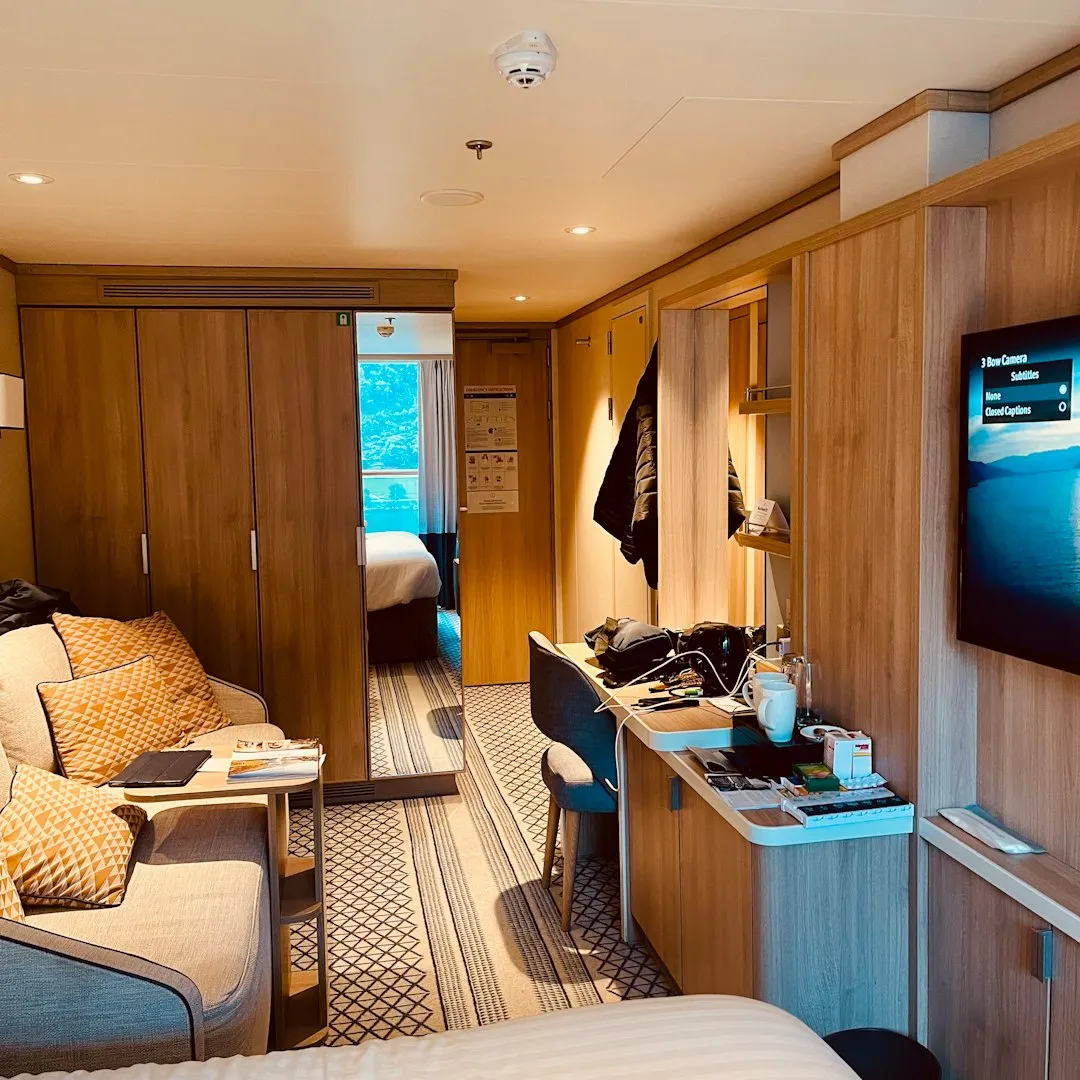
Cruise cabin designers are working within tight constraints by necessity, and the solutions they’ve developed over decades of iteration are genuinely clever. Cruise ship designers are masters of maximizing space. Cabins contain secret storage areas that aren’t immediately obvious, and guests are well-served by checking behind mirrors, under the bed, inside ottomans, and even behind the TV for hidden compartments and drawers.
The best approach is to treat your first hour onboard as a proper exploration. Open every door, lift every cushion, and pull on anything that looks like it might move. The room almost certainly has more to offer than it appears. Knowing that going in changes the whole experience of settling into life at sea.
AI Disclaimer: This article was created with the assistance of AI tools and reviewed by a human editor.