
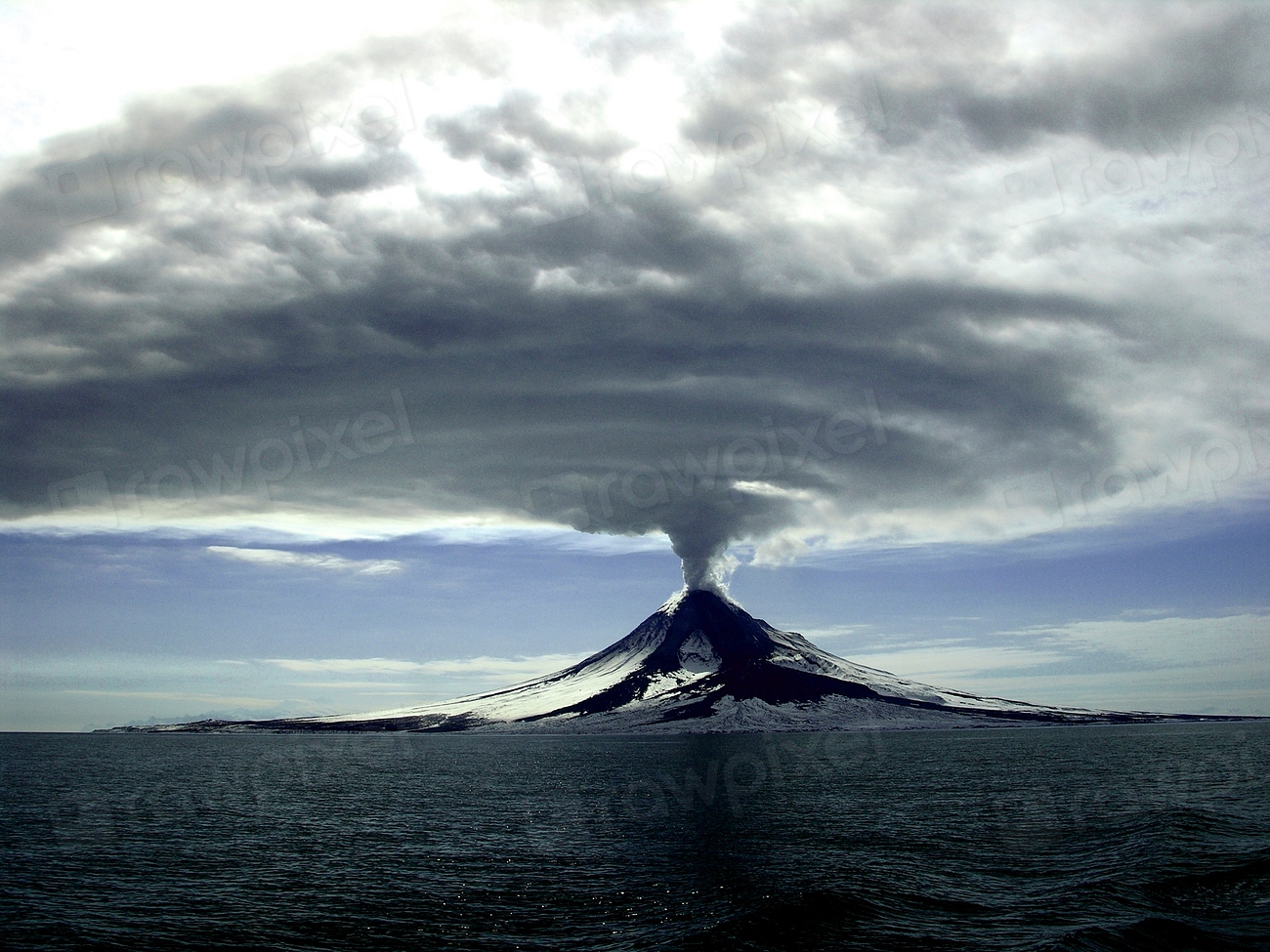

Alaska’s Staggering Lead in Volcanic Count
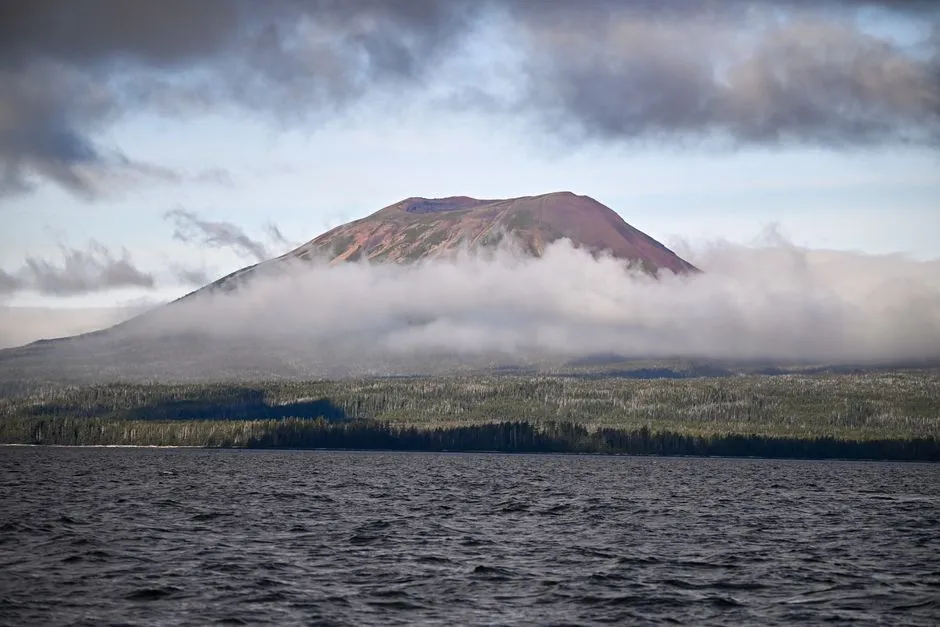
Alaska contains over 130 volcanoes and volcanic fields that have been active within the last two million years. Of these, about 90 have been active within the last 10,000 years, and more than 50 have been active within historical time since about 1760. That’s a remarkable concentration of geologic power inside a single state.
Hawaii, by contrast, has six active volcanoes as of recent counts. Ranked by total volcano count, Alaska leads with 141, followed by California with 18, Oregon with 17, Washington with 7, and Hawaii with 5. The difference isn’t even close.
Why Alaska Sits on So Much Volcanic Ground
Alaska sits at the northern end of the Ring of Fire, where the Pacific Plate dives beneath the North American Plate along the Aleutian Trench, a subduction zone stretching roughly 3,400 kilometers from near Anchorage to the far western Aleutians, just 300 kilometers from Russia. That continuous collision of tectonic plates is what feeds the fires below.
Alaska’s volcanic abundance stems from its position along the Ring of Fire, a region of intense seismic and volcanic activity encircling the Pacific Ocean. Most of Alaska’s volcanoes are located in the Aleutian Arc, where the Pacific Plate subducts beneath the North American Plate. The mechanics here are straightforward: as oceanic crust plunges downward, it melts, and that molten rock has to go somewhere.
The Aleutian Arc: A Chain of Fire Across the Pacific
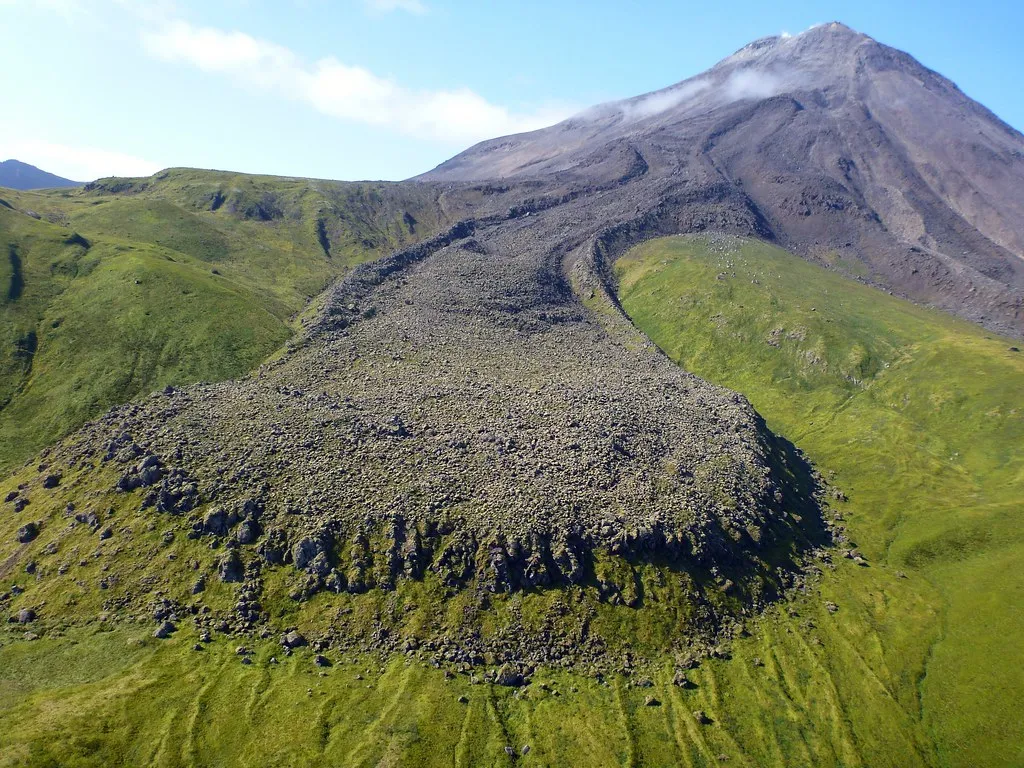
Alaska’s Aleutian Archipelago is an island chain spanning over 1,550 miles that reaches from mainland Alaska all the way across the Bering Sea toward Kamchatka in Russia. Running through those islands is one of the densest concentrations of active volcanoes on Earth.
Most of Alaska’s volcanoes are located along the 1,500-mile Aleutian Arc that extends westward to Kamchatka and forms the northern part of the Pacific Ring of Fire. Major eruptions along the Aleutian Arc occur almost every year. The Wrangell volcanic field in southeast Alaska and scattered volcanic centers along the Alaska Peninsula extend the volcanic zone across more than 3,000 kilometers of coastline.
Alaska Accounts for Most US Volcanic Activity
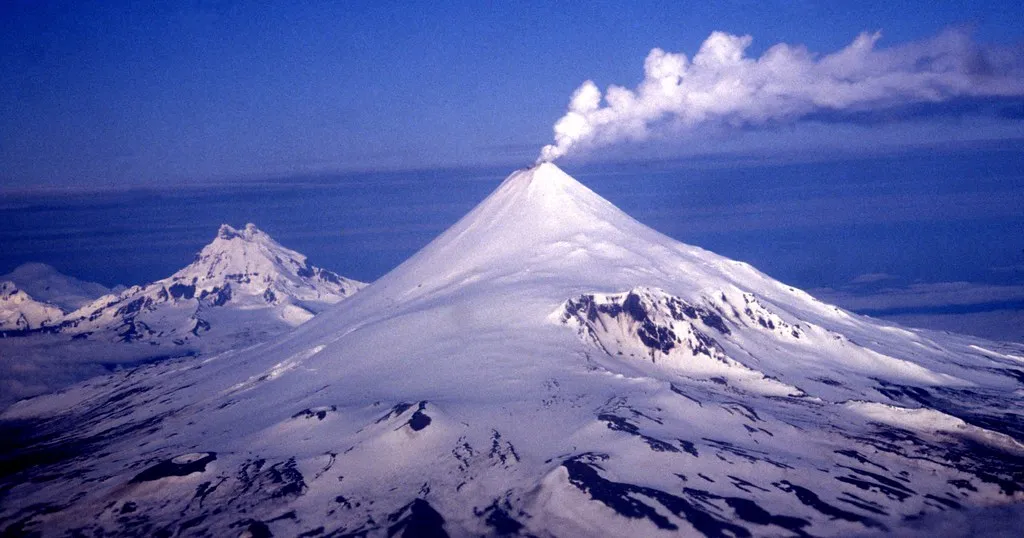
Because of the inclusion of Alaska, the United States has the largest number of active volcanoes in the world, many of them geologically young. That’s a striking fact that rarely appears in school textbooks.
Alaska accounts for roughly 80 percent of all US volcanic eruptions and about 8 percent of the world’s historically active volcanoes. Alaskan volcanoes have produced one or two eruptions per year since 1900. That kind of sustained output, year after year for well over a century, is genuinely extraordinary.
The 1912 Novarupta Eruption: The Biggest of the 20th Century
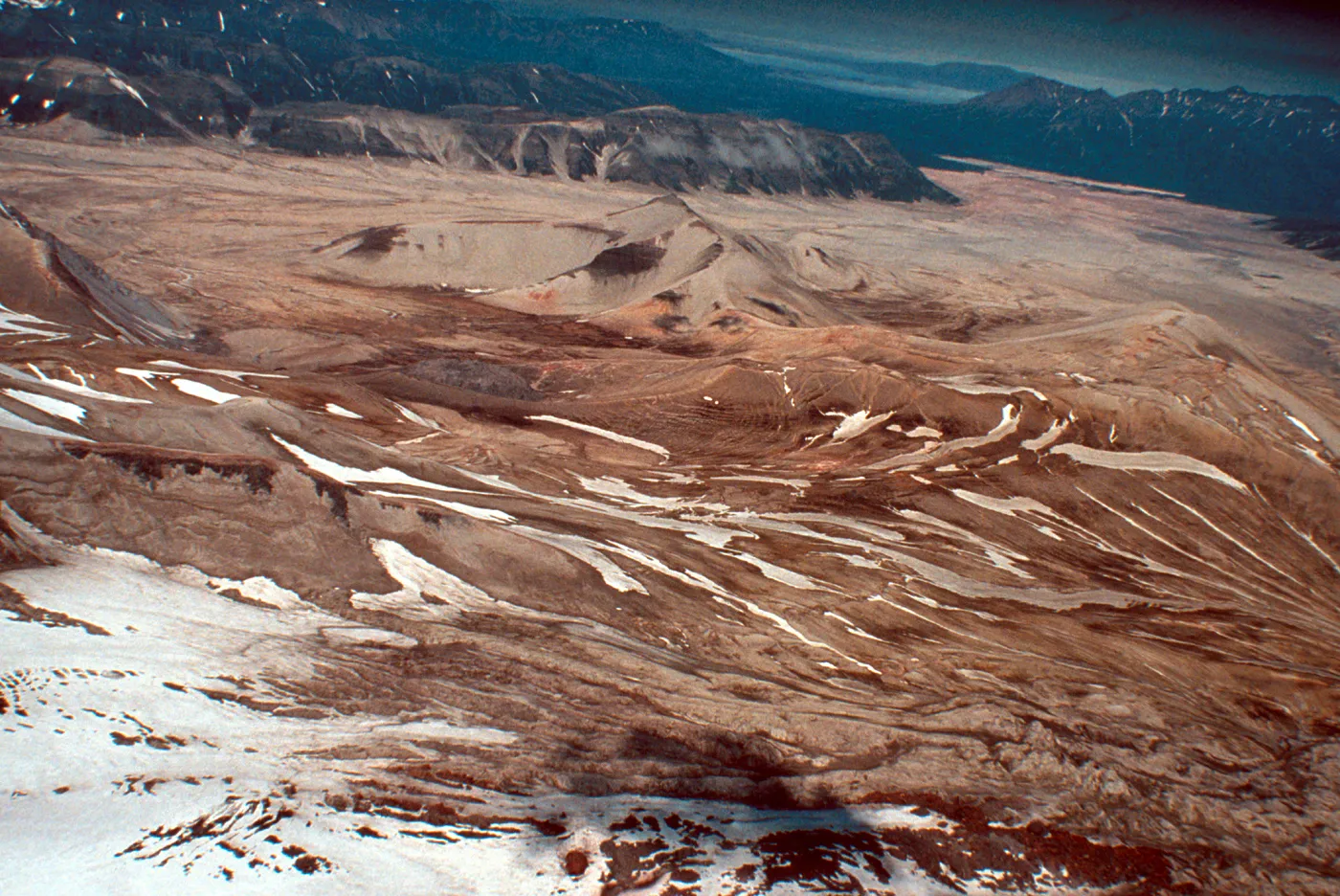
The 1912 eruption of Novarupta in the Katmai cluster remains the largest volcanic eruption of the 20th century worldwide. Most people are unfamiliar with this event, partly because its remote location meant relatively few people witnessed it directly.
At least 20 catastrophic caldera-forming eruptions have occurred in Alaska in the past 10,000 years, and the awesome eruption of 1912 at Novarupta in what is now Katmai National Park and Preserve is the most recent. Smaller ash falls from that eruption reached Fairbanks, 500 miles away; Juneau, 750 miles away; and Puget Sound, 1,500 miles away. The scale of it is difficult to absorb.
Monitoring All These Volcanoes Is Its Own Challenge
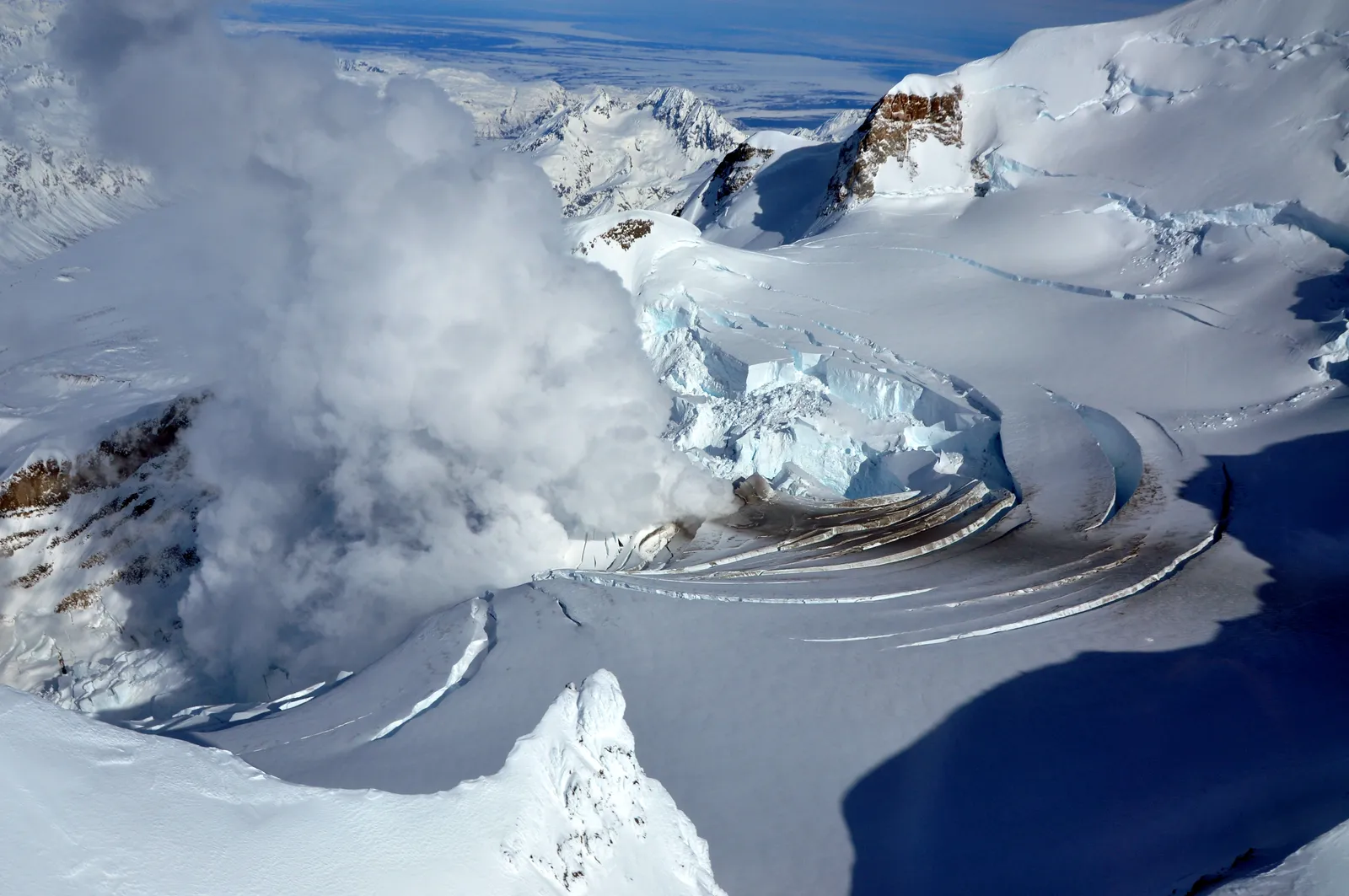
Because volcanoes in Alaska are distributed over such a large, remote geographic area, monitoring them is a unique challenge. The Alaska Volcano Observatory (AVO) was founded in 1988 and is tasked with monitoring and studying Alaska’s volcanoes in order to assess the nature, timing, and likelihood of volcanic activity and to provide timely and accurate information on volcanic hazards.
Alaska’s remote volcanoes may seem isolated, but they pose significant hazards to aviation. Ash clouds from Alaskan eruptions can reach 50,000 feet, endangering aircraft on trans-Pacific routes. The Alaska Volcano Observatory monitors these mountains continuously using seismic networks, satellite imagery, and ground-based sensors. Thousands of flights cross this region weekly, making real-time monitoring genuinely critical.
Active in 2026: Alaska’s Volcanoes Right Now
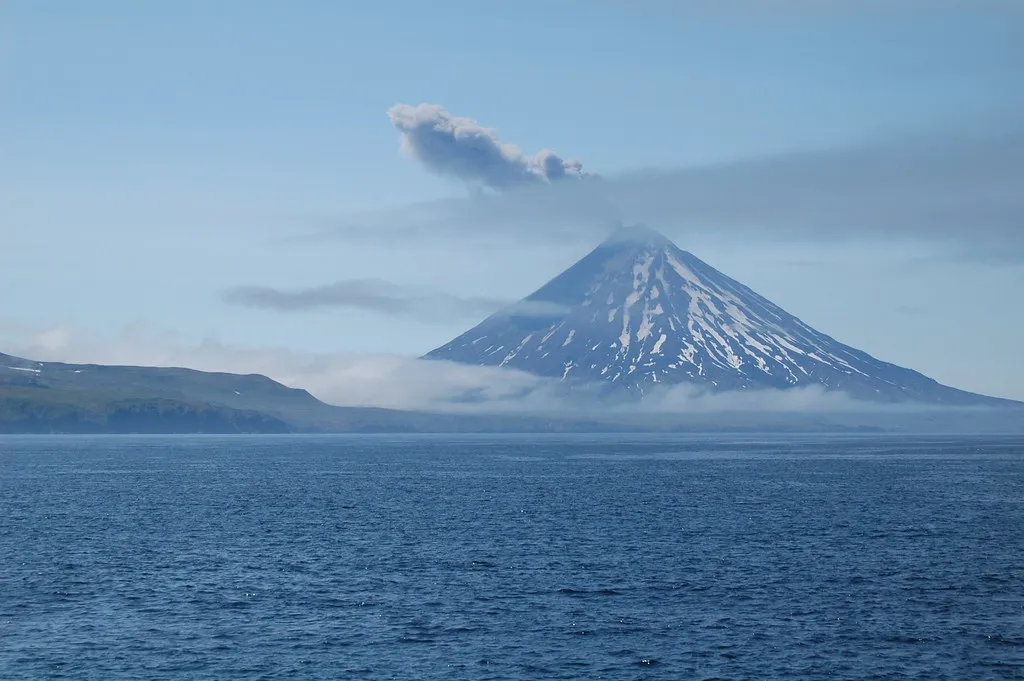
As recently as October 2026, lava continues to erupt slowly within the summit crater of Great Sitkin Volcano. This is not a historical footnote; this is happening now, in a state most travelers associate with glaciers and wildlife rather than flowing magma.
In May 2026, the Alaska Volcano Observatory raised the Aviation Color Code and Volcano Alert Level at Kupreanof volcano, citing increased seismic and gas activity. Seismic activity and volcanic gas emissions increased over the past few months and continue at elevated levels at Mount Kupreanof. New satellite deformation measurements also detected uplift of the ground surface around the volcano occurring since October 2025.
Hawaii’s Volcanoes Are More Famous, But Fewer in Number
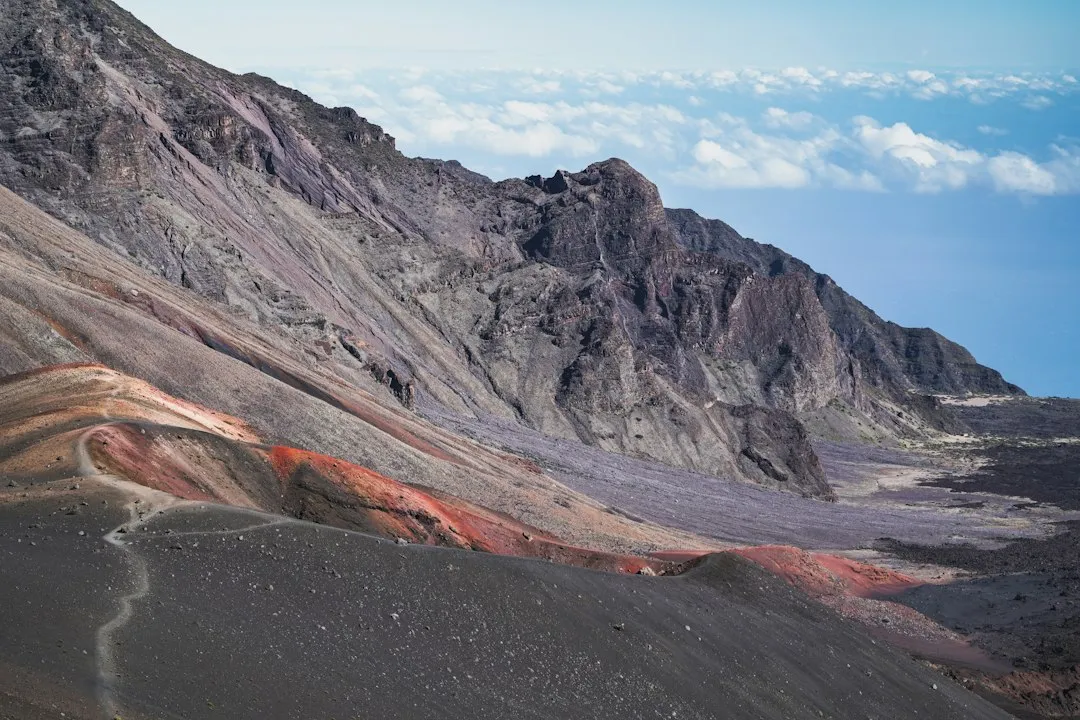
Hawaii’s eight main islands were entirely formed by volcanic activity, with the Big Island home to five volcanoes including Kilauea, one of the world’s most active. Unlike the explosive volcanoes of the mainland, Hawaii’s shield volcanoes typically produce flowing lava rather than violent eruptions. That visual drama is a big reason why Hawaii captures so much of the public imagination.
Though Hawaii is home to the most active volcanoes in terms of frequency and visibility, in terms of sheer numbers, it loses out to Alaska, which has the largest count of active volcanoes in the entire country. Hawaii’s geological story is compelling and real, but it represents only a fraction of the broader American volcanic picture.
The Lower 48 Has More Volcanic Hazard Than Most Realize
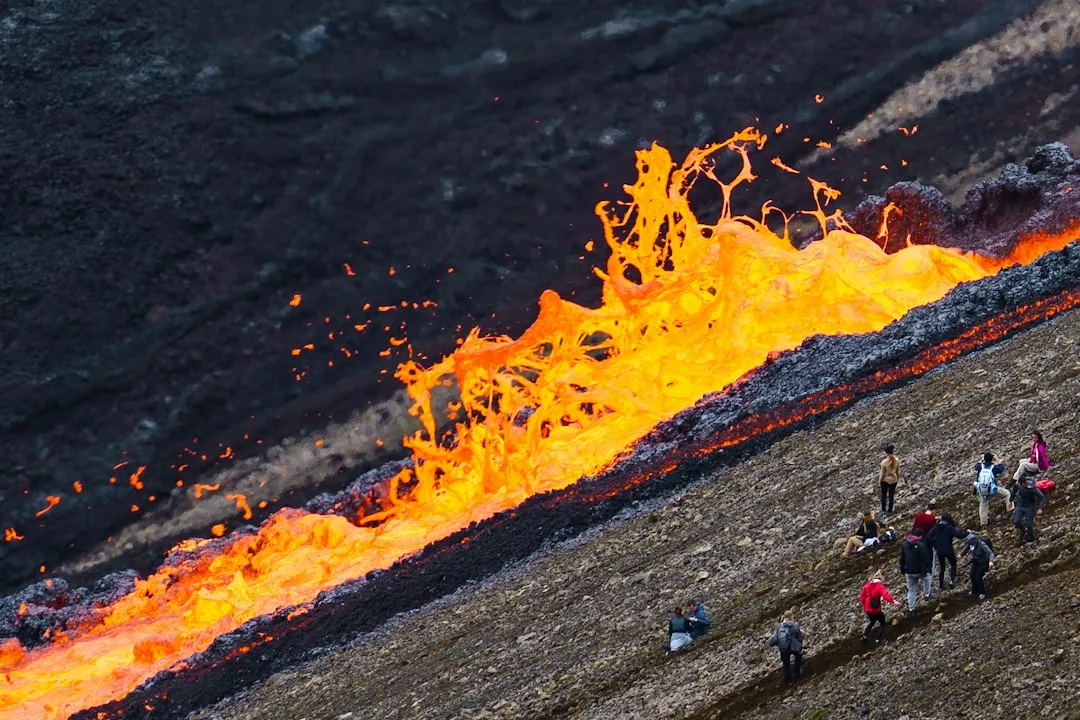
While Alaska and Hawaii dominate the sheer count, the Cascade Range poses the highest mainland threat due to its proximity to major metropolitan areas. Cities like Seattle and Portland sit within reach of volcanic hazards that don’t get the same cultural attention as Hawaii.
California follows Alaska in second place with 18 active volcanoes, while Oregon ranks third with 17. Washington state, known for the catastrophic Mount St. Helens eruption in 1980 that claimed 57 lives, has 7 active volcanoes of its own. The continental US is considerably more volcanically active than most residents appreciate.
Alaska’s Volcanic Landscape as a Place of Natural Wonder
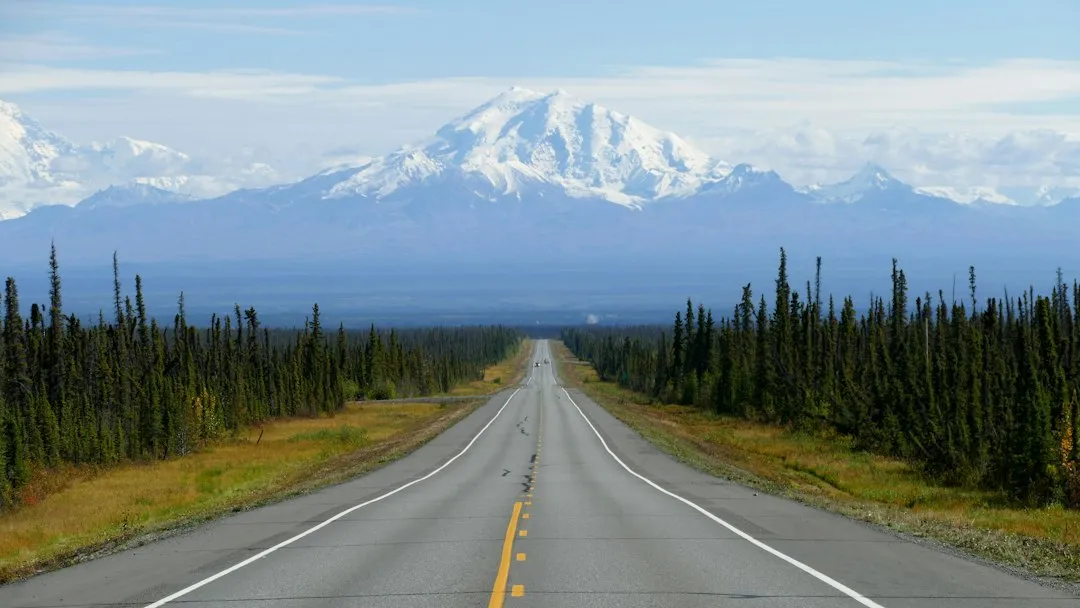
There’s a tendency to think of volcanoes purely as hazards, and the risk is real. Eruptions in Alaska pose numerous hazards including drifting ash plumes, ashfall, lahars and floods, tsunamis and earthquakes, lava flows, volcanic gases, and pyroclastic flows. Yet these same forces have built some of the most dramatic landscapes on the continent.
Twenty-five years of monitoring and studying Alaska’s volcanoes by the Alaska Volcano Observatory have improved global understanding of how volcanoes work and how to live safely with volcanic eruptions. Timely warnings throughout AVO’s history have helped reduce the impact of erupting volcanoes, protecting lives, property, and economic well-being. Science and landscape here are deeply intertwined, and the state’s volcanic identity is inseparable from its broader wild character.
The Bigger Picture of American Volcanism
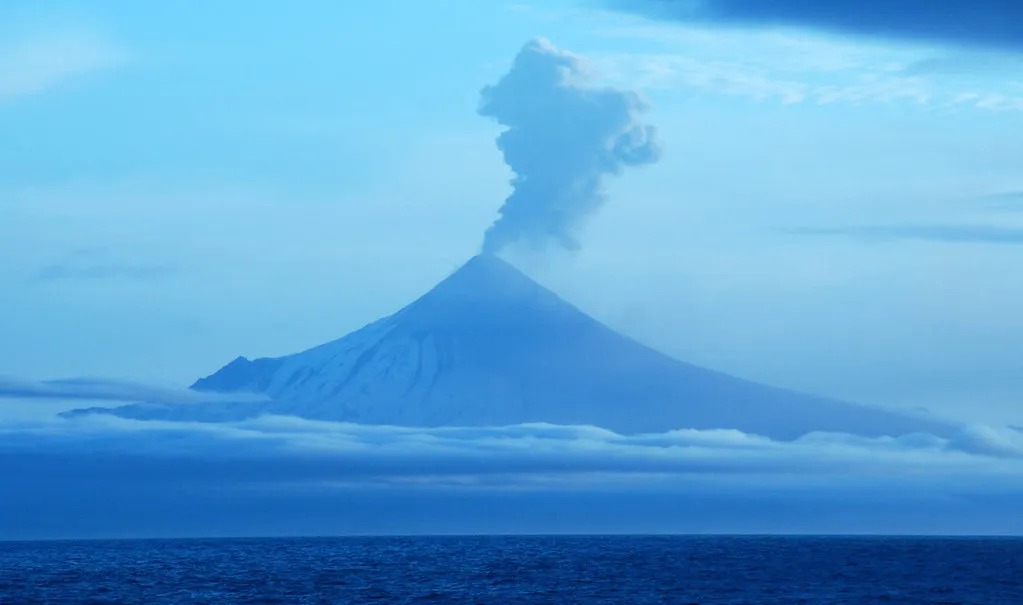
Alaska’s volcanic dominance is less a curiosity and more a window into how dynamic the American continent truly is beneath the surface. The United States is home to over 160 active volcanoes, more than any other country except Indonesia, and these volcanic features aren’t distributed evenly, with a handful of states containing the vast majority.
Hawaii deserves every bit of its geological fame. Its shield volcanoes are among the most continuously active on Earth, and Kilauea in particular holds a special place in volcanology. Still, the full story of American volcanism belongs to Alaska, a state so geologically restless that it averages one or two eruptions every single year. The numbers speak clearly, and the ground there hasn’t stopped moving long enough for anyone to argue otherwise.
AI Disclaimer: This article was created with the assistance of AI tools and reviewed by a human editor.