
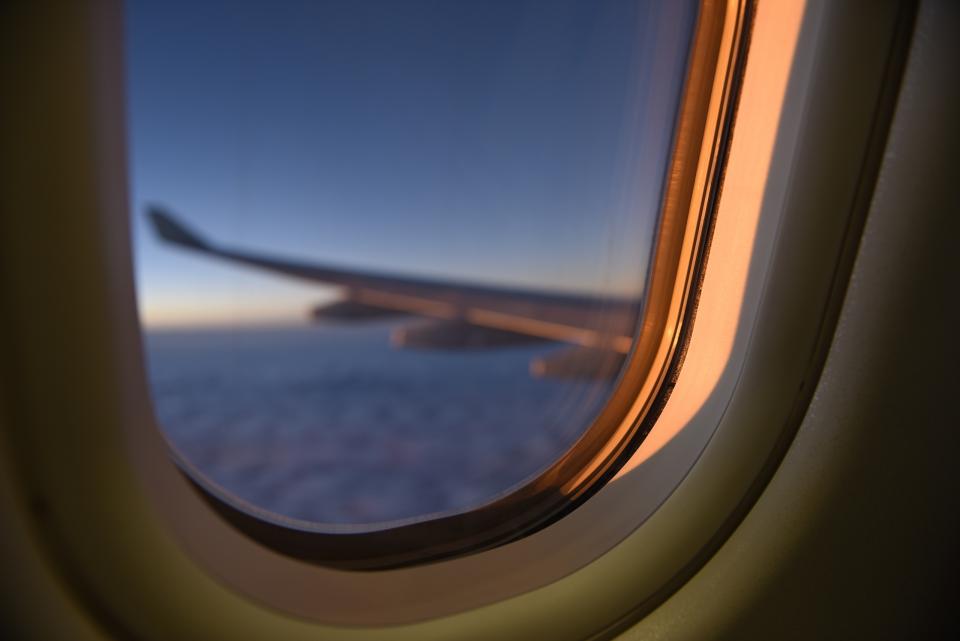

New York LaGuardia: The Left Side and the River Visual Approach

New York’s LaGuardia Airport often uses the “River Visual” approach, and on this route, the left side of the plane provides a breathtaking, unobstructed view of the Manhattan skyline and Central Park. The aircraft tracks along the East River before banking in to land, putting the entire midtown silhouette directly in your line of sight. Approaches into LaGuardia from south, west, or just about anywhere else often involve a flight along the East River, meaning passengers on the left side of the plane will be virtually directly above the iconic Manhattan skyline.
If you want to take it to the next level, plan for a sunset landing. The golden light over the Hudson is something that’s hard to replicate from any ground-level vantage point.
London Heathrow: The Right Side Usually Wins, With One Exception
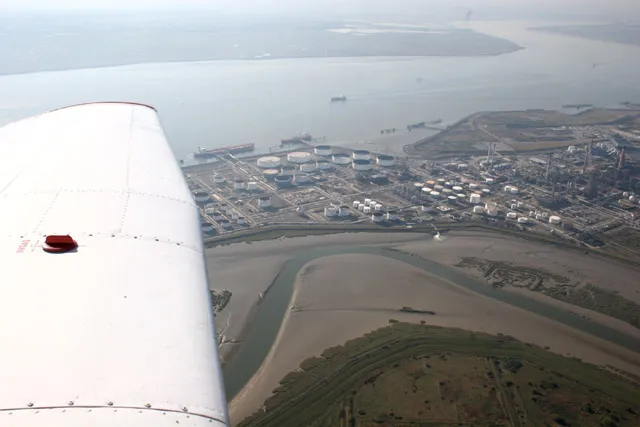
Most flights into Heathrow land towards the west. Passengers on the left side of the plane may get great views of central London during the initial approach, but on the final approach, the best views are always on the right side. The Thames becomes your landmark here, bending through the city in a way that orients you almost like a map.
Some London approaches come in over Windsor Castle and the countryside, in which case the left side is the best seat, but if you want to have the best view of the more commonly used approach along the Thames, the right side is your place to be. On approach into Heathrow, you’ll be treated to incredible views of the O2, Parliament, Big Ben and beyond. Weather plays its usual British role here, but on a clear day, the right side delivers something genuinely extraordinary.
Sydney Kingsford Smith: Left Side, Harbour Bridge in View
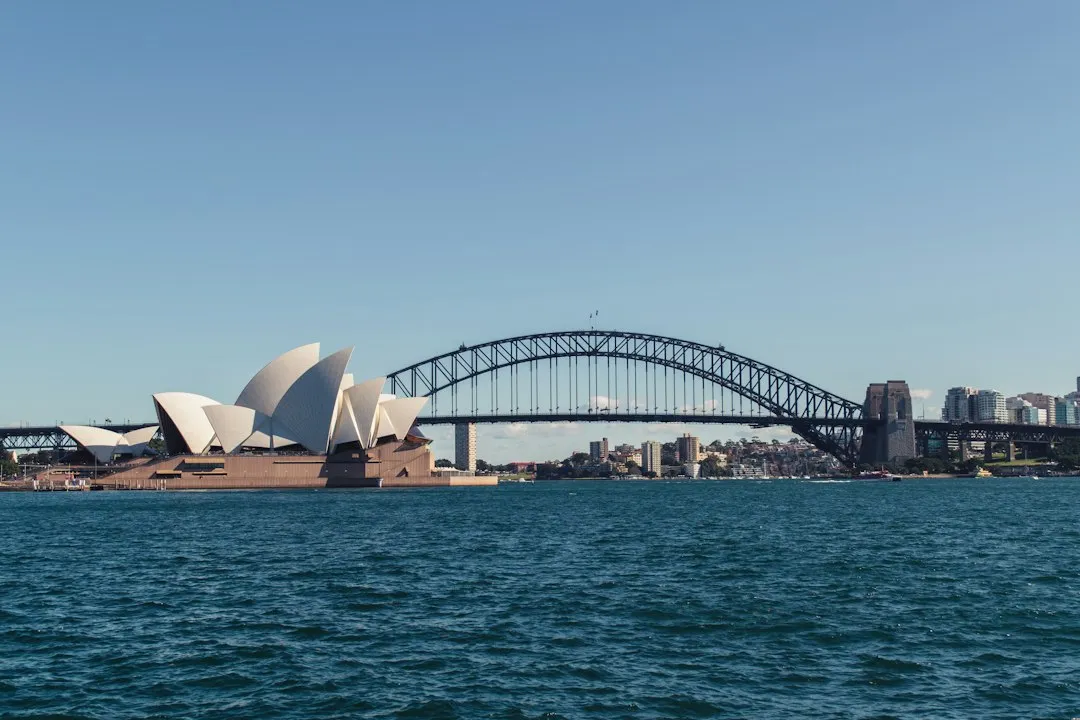
On approach to Sydney, if the flight uses the northerly approach, which is the only one low enough over land to get any decent views, then you want to be on the left hand side. You’ll have a good view of the CBD, bridge, and Opera House about five minutes before landing. It’s one of the most celebrated airport approaches in the world for good reason.
You pretty much can’t go wrong sitting on the left side into Sydney Kingsford Smith Airport. On many approaches you’ll get untouchable views of the Harbour Bridge and Sydney skyline, and on the off chance you approach from somewhere else, you’ll get solid beach views coming in to the coast. The Harbour Bridge and Opera House together in a single frame from 2,000 feet is not something you forget.
Los Angeles International: The Right Side Rules
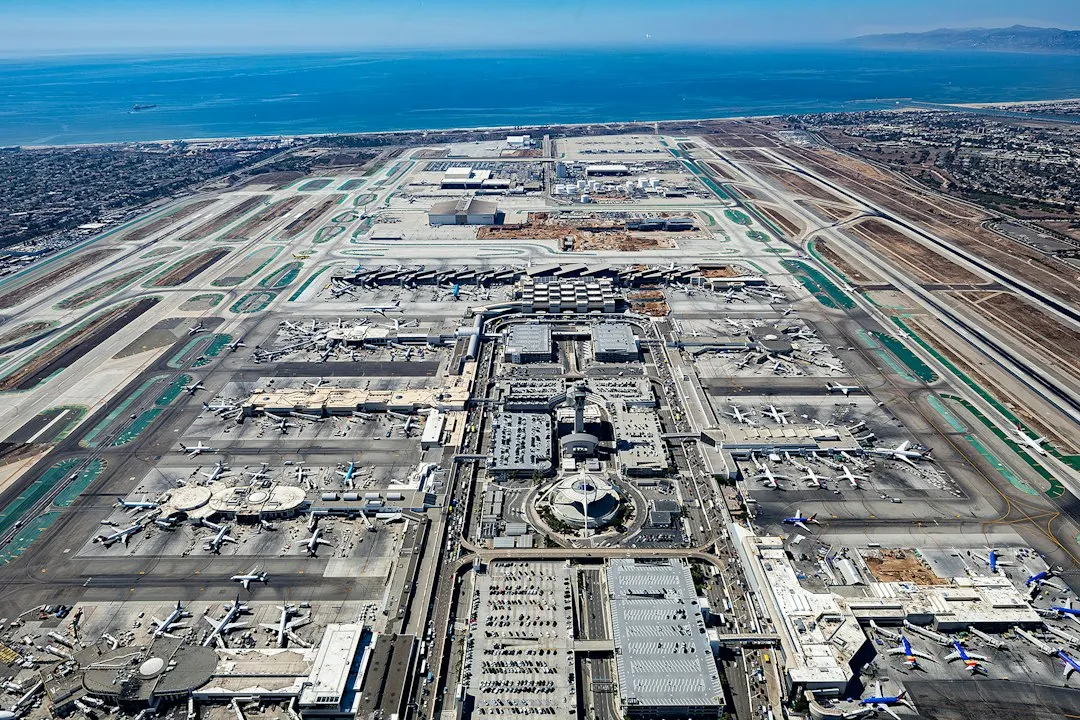
The right side is definitively better 99 percent of the time when arriving into LAX. The approach routes that planes take into Los Angeles tend to swing passengers on the right side of the aircraft over the northern coastline and city spread. At LAX, you want the right side for downtown views on approach.
You should also be able to catch the Las Vegas Strip on the right side about 45 to 50 minutes before landing on some routing profiles. That’s two rewards for a single seat choice, which is a pretty decent return on a bit of pre-flight research.
Cape Town: Wind Direction Decides Everything
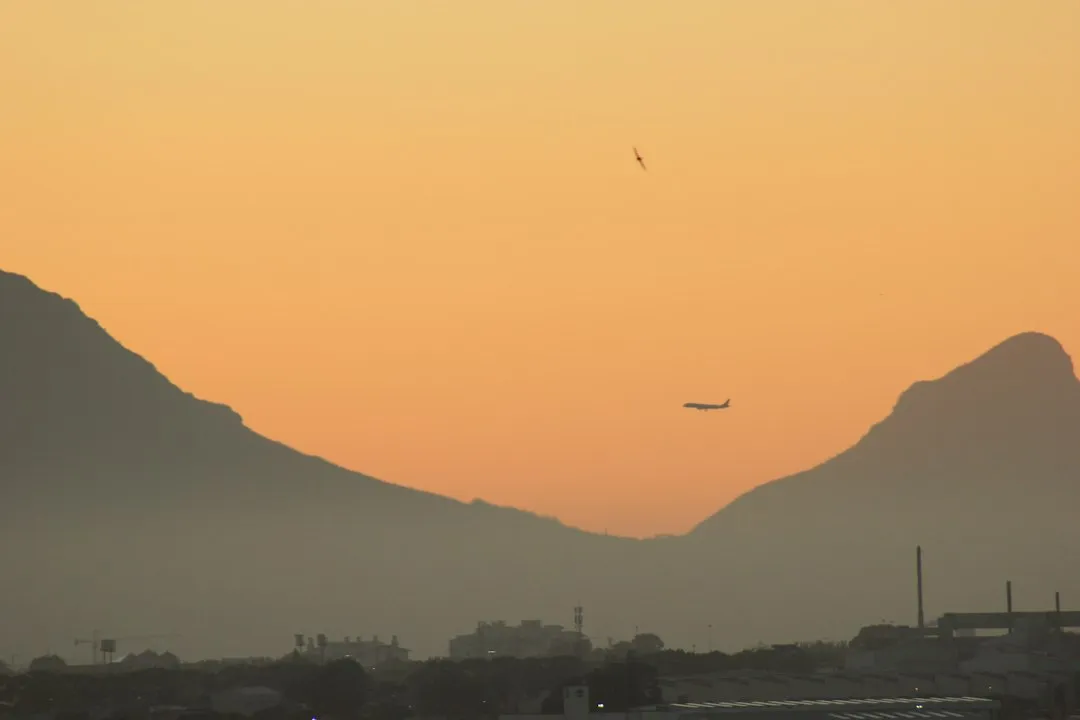
For Cape Town, check the forecast. If the wind is from the south, sit on the right-hand side of the plane. If it’s from the north, try the left, and enjoy views of the Cape of Good Hope in the last ten minutes or so before landing. This is one of the destinations where a single weather check before your flight can make all the difference.
The landscape around Cape Town is genuinely dramatic from the air, with Table Mountain, the peninsula, and the convergence of two oceans all within range during a clear approach. Neither side is a bad option here. It’s really a question of which icon you most want in your window.
Vancouver: Right Side for the Downtown Skyline

You’ll see the Coast Mountains from both sides approaching Vancouver, but the best views of downtown are usually from the right. The city sits between the mountains and the ocean in a way that makes it particularly photogenic from altitude, and the right side tends to frame it more directly on the most common approach paths.
Vancouver’s approach can also reveal the broad arc of English Bay and the dense greenery of Stanley Park just before the runway. Choosing the right seat involves more than just knowing whether row 14 or row 22 is better. It requires knowing which side of the aircraft faces the interesting view, which changes based on the specific route, the runway in use, the direction of travel, and the landmarks along the way.
Dubai International: Right Side, Daylight Required
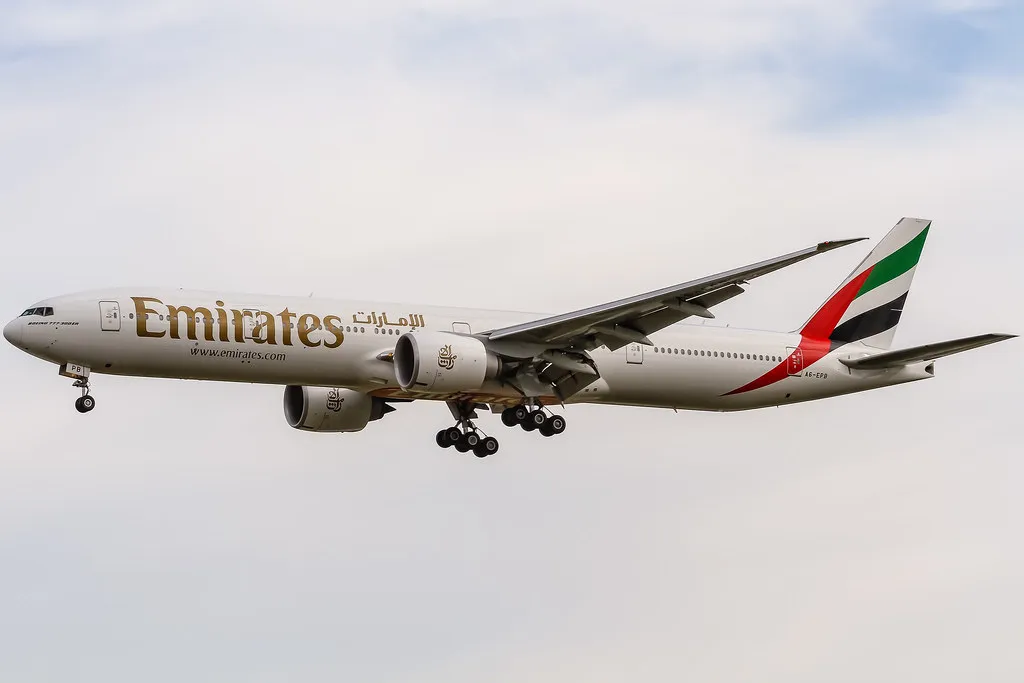
Dubai Airport is at its busiest in the small hours of the morning, but if you find yourself on a flight from the north that lands during daylight, you’re in for a treat. Irrespective of which runway you land on, there are great views to be had across the city. The Palm Jumeirah, the Marina skyline, and the broader desert sprawl are all visible when the conditions cooperate.
Most flights arrive from the northern side, so the right side is the better bet. That said, you need daylight and clear weather to see anything. Dubai’s haze is a real factor and it’s worth tempering expectations on summer afternoons, when visibility can be limited even on technically clear days.
San Francisco: A Route Where It Gets Complicated

The left side gets some ocean glimpses on approach to SFO, depending on fog, and a lovely view of the salt marshes along the bay. The right side gets views of the bay and the bridges crossing it, along with Mount Diablo to the east. Neither side is an obvious winner here, which is part of what makes SFO one of the more genuinely unpredictable approaches for view-seekers.
On takeoff, though, there are frequently great city views from the left side, as the planes take off to the north, then bank east. For this particular airport, it may actually be worth planning your seat choice around the departure rather than the arrival.
The Grand Canyon: Left on Westbound, Right on Eastbound
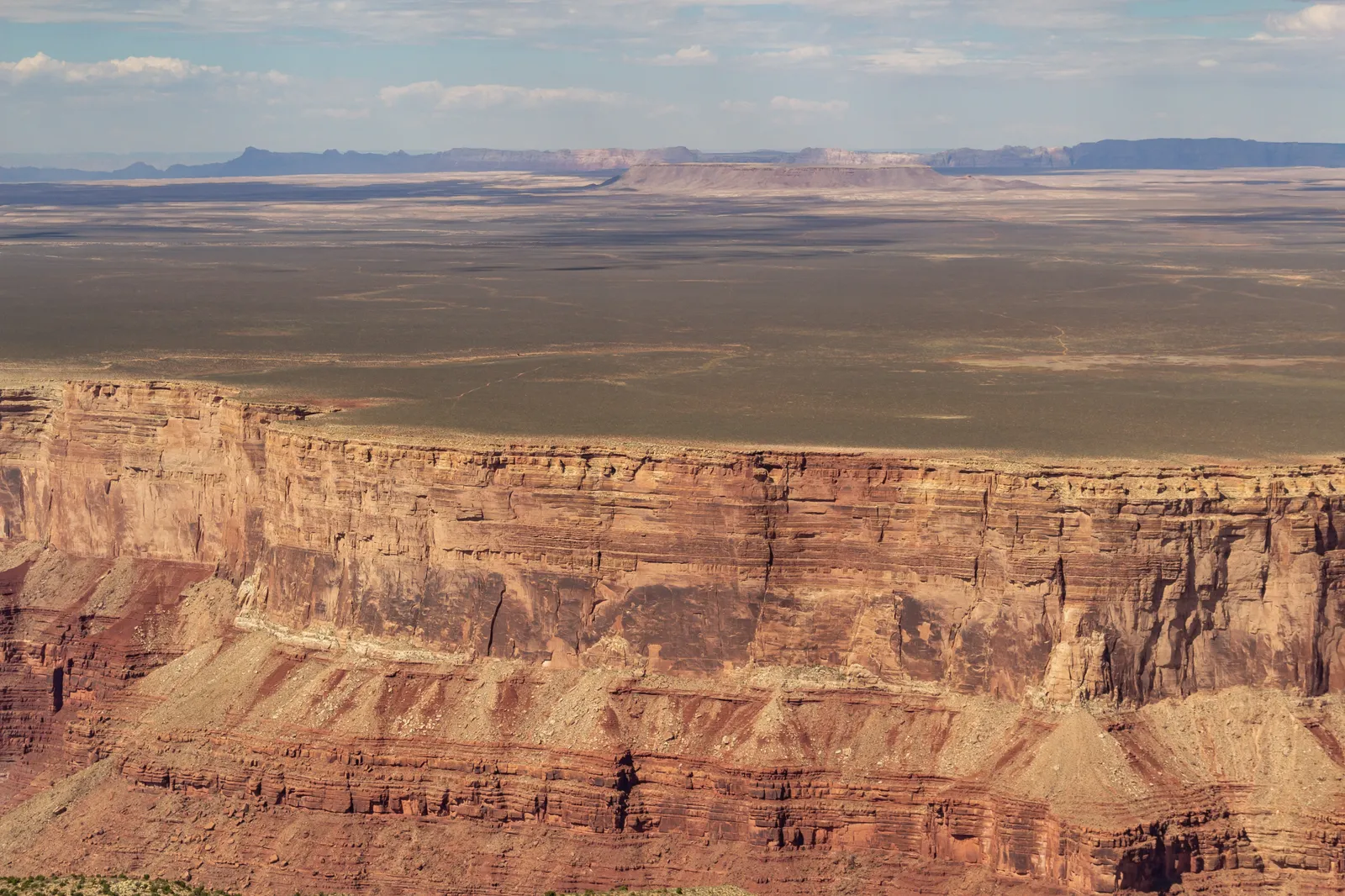
On westbound flights from New York to Los Angeles, sitting on the left side means you’ll potentially see the Grand Canyon, the Rocky Mountains, and the Mojave Desert on clear days. The canyon is one of those landmarks that’s simply staggering from altitude, with its scale becoming even more comprehensible from above than it does on the ground.
The best views of the Grand Canyon are usually south of the flight path, so on southern routing the left side heading to LA or the right side heading back east offers the best perspective. If you are flying eastbound from Las Vegas or Los Angeles, the left side usually offers the best perspective, though flight paths can vary based on air traffic control.
The One Rule That Ties Everything Together
The fundamental principle is straightforward: if you’re flying north and want to see a landmark to the west of your route, it will be on your left, which is the port side or A-seat side on most aircraft. Flying south, the same landmark would be on your right. This single rule lets you work out a large number of seat choices without any outside research at all.
The difference between the left and right side of the plane can mean the difference between a parking lot view and a jaw-dropping panorama. Researching the flight path can help determine the best side of the plane to sit on for takeoff and landing views. Tools like Flightradar24 let you track recent flights on your same route so you can see the actual approach path before you book your seat.
The Takeaway
There’s no single “best” side that applies everywhere, and wind direction means that even the most reliable recommendations come with a small element of chance. Still, a bit of preparation turns a passive flight into something more intentional. Knowing your route, checking the prevailing runway direction, and sitting forward of the wing for the clearest sightlines are all small moves with outsized rewards.
The pilots who shared these observations weren’t being precious about it. They just noticed what passengers rarely bother to look up. A window seat is only as good as the view it frames, and that view is almost always on one specific side of the aircraft. Now you know which one to ask for.
AI Disclaimer: This article was created with the assistance of AI tools and reviewed by a human editor.