
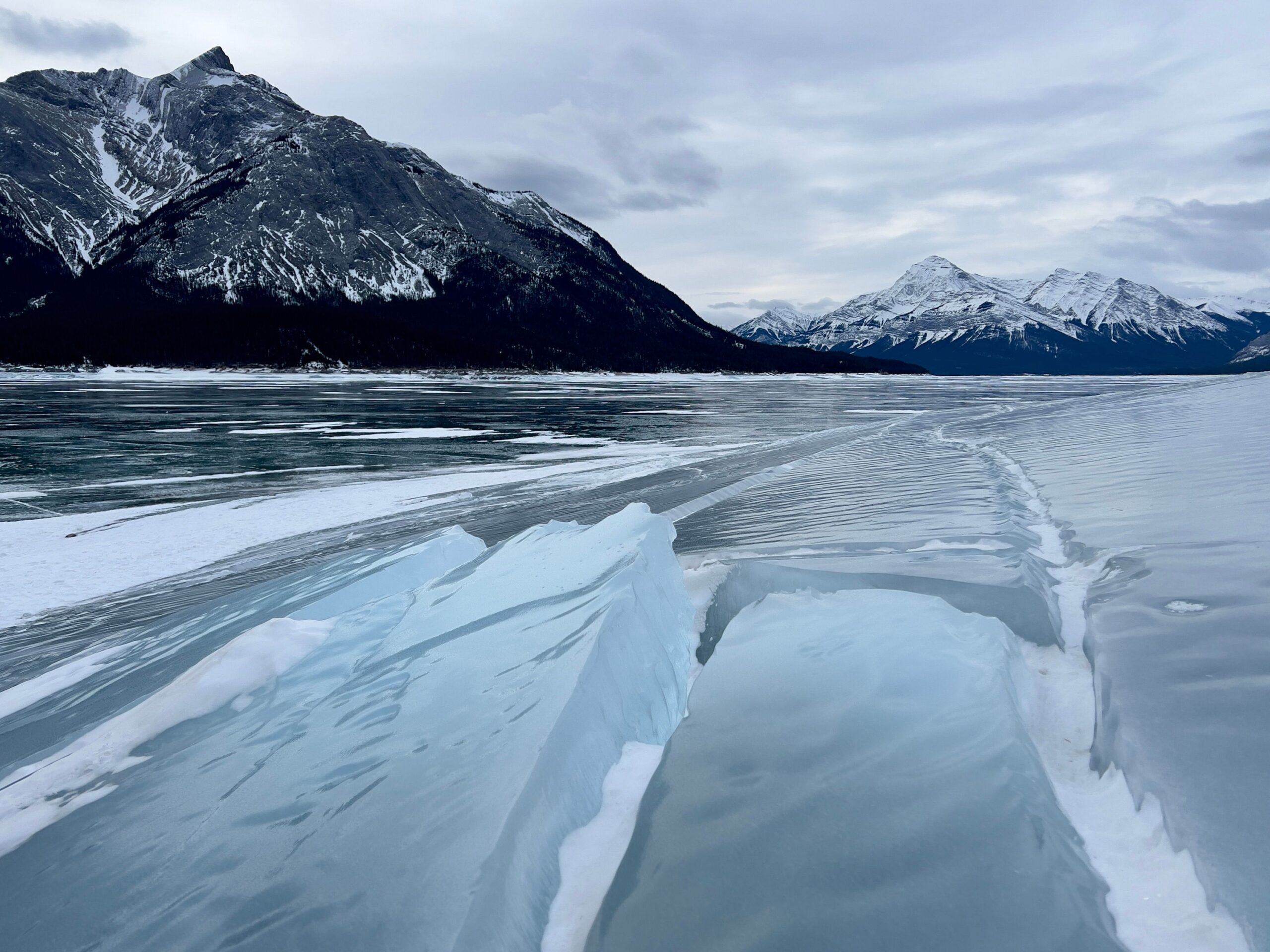
A Human-Made Lake With a Wild Secret
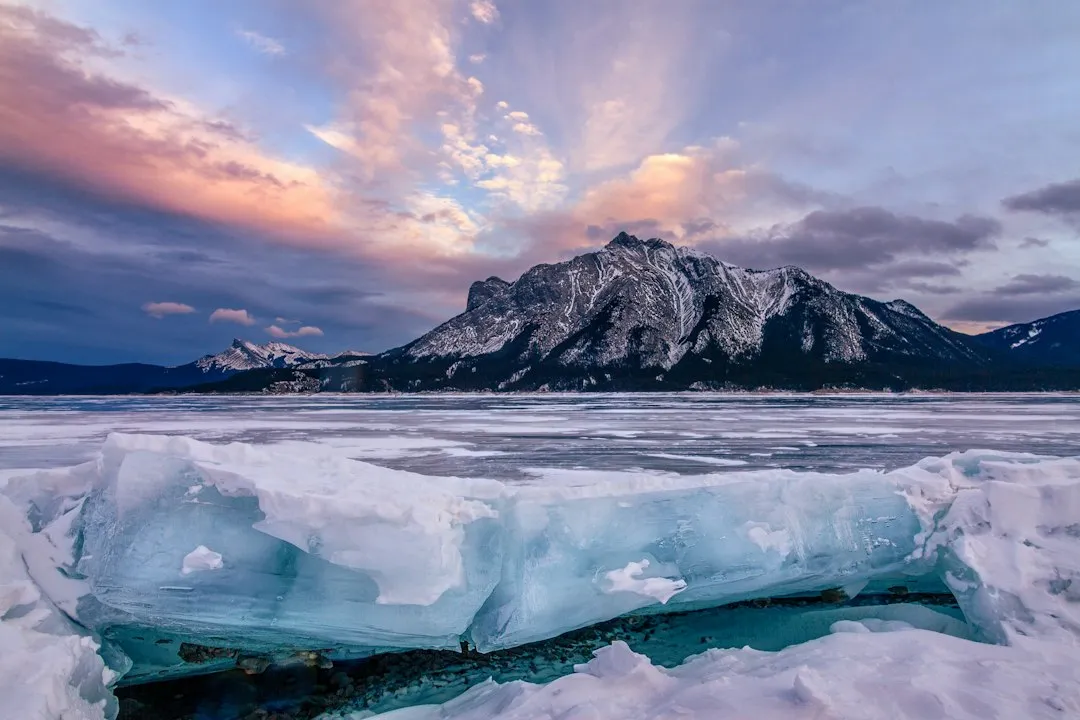
The Bighorn Dam is an embankment dam in Clearwater County in west-central Alberta, Canada, built in 1972 by Calgary Power, which led to the creation of Lake Abraham, Alberta’s largest reservoir. What the engineers who built it could not have predicted quite so vividly was the visual spectacle that would emerge from it every winter.
Unlike many natural lakes in the Canadian Rockies, Abraham Lake is entirely man-made, built to generate hydroelectric power. The lake was named in honor of Silas Abraham, a respected Stoney Nakoda guide who lived in the region during the 19th century.
Abraham Lake has a surface area of 53.7 square kilometres and a length of 32 kilometres, making it one of the largest lakes in Alberta and the largest reservoir in the province. That sheer scale matters when you are standing on its frozen surface in January, surrounded by mountain peaks in every direction.
The Forest That Was Swallowed
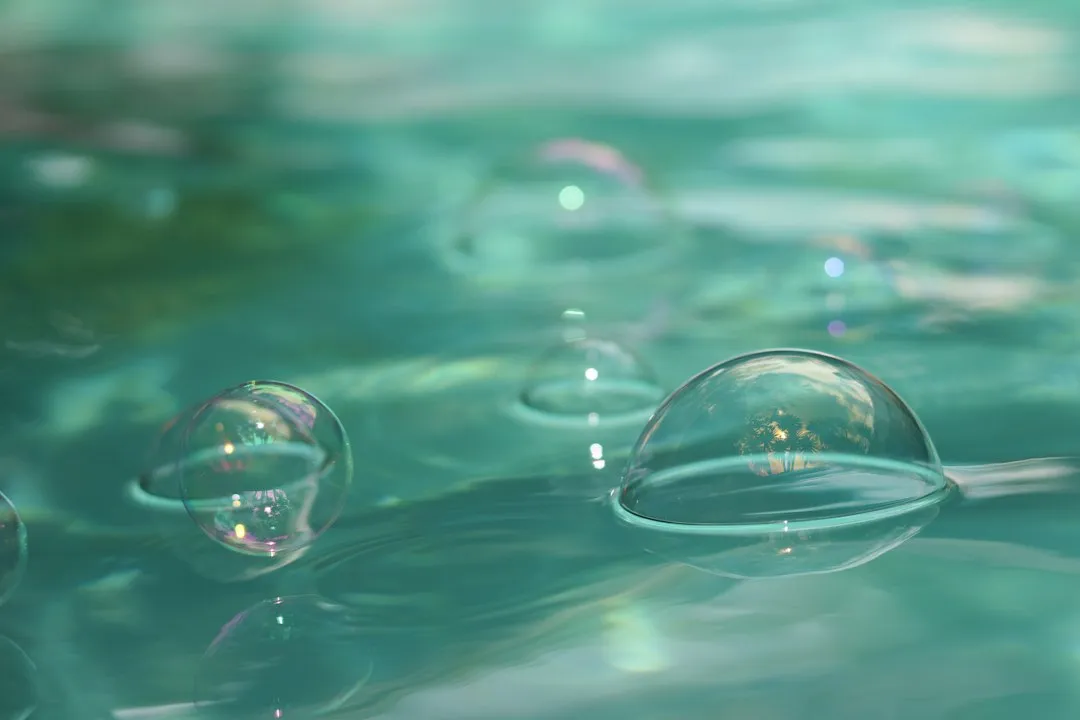
The bubbles happen at a higher rate at Abraham Lake because there is extra vegetation. Before the man-made lake came into being, the land was a forested ecosystem, and now those tree roots at the bottom of the lake produce extra methane when they decompose.
The methane is released by the decay of trees and grass that were covered by the water when the dam was created. Decades later, that submerged forest is still breaking down, still exhaling gas, still leaving its mark on the surface above in thousands of frozen orbs.
Lake Abraham’s man-made basin was filled with organic matter before the water poured in. Now that matter poses a continuing role in the lake’s remarkable winter character. It is a strange kind of legacy: a forest gone underwater, still making itself known.
What Actually Causes the Bubbles
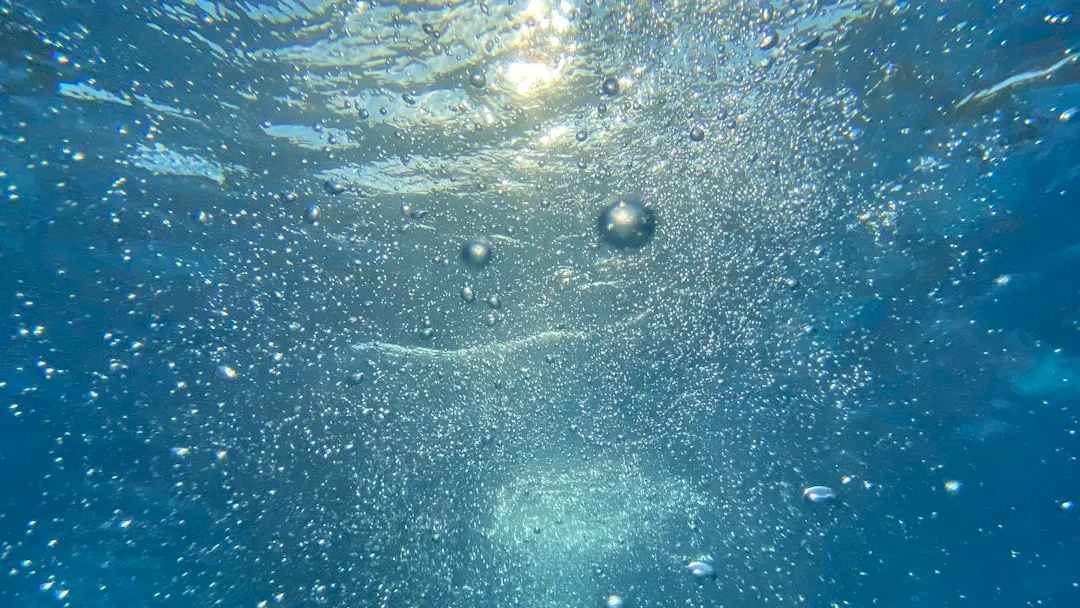
As organic matter, such as decaying plants and animals, accumulates at the bottom, anaerobic bacteria break it down through a process known as methanogenesis. This process releases methane, a potent greenhouse gas, which rises in bubbles through the water column. During the frigid Canadian winters, when the lake’s surface freezes over, these methane bubbles become trapped within the forming ice.
The bubbles trapped in the ice are not air, but methane. That distinction matters both visually and scientifically. Methane bubbles have a particular density and translucency that makes them appear bright white and almost luminous against dark ice.
How the Stacks Form
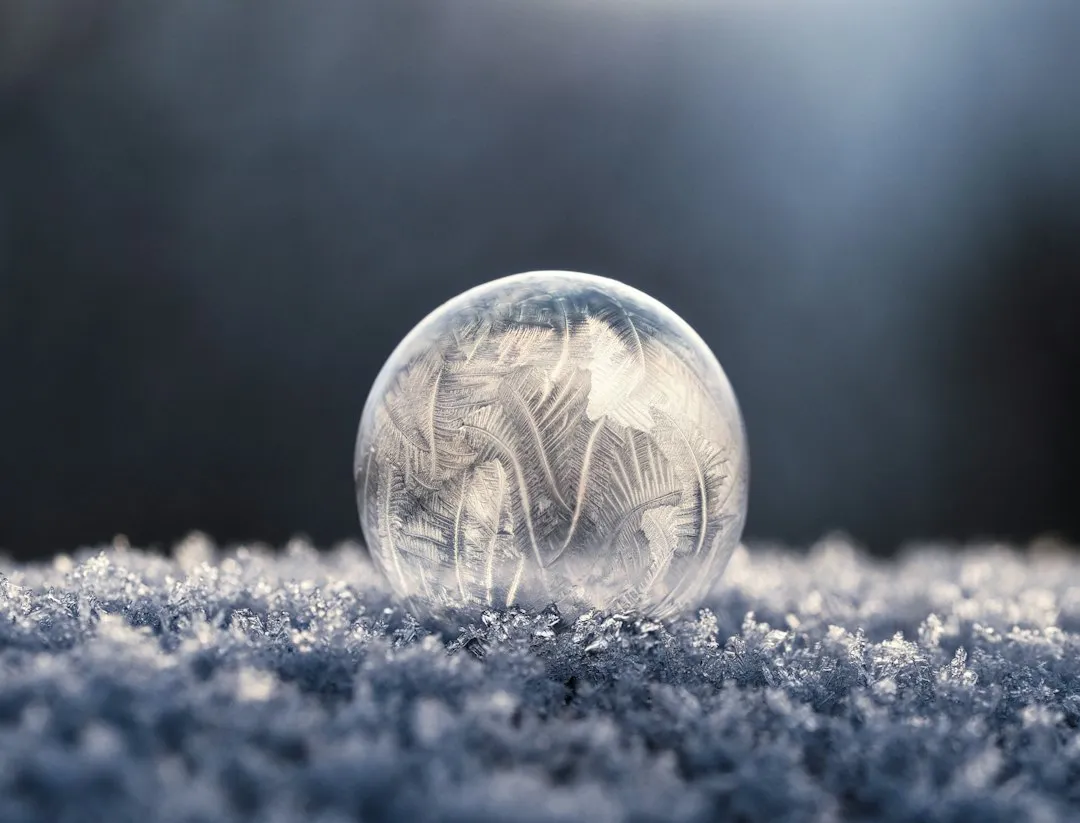
As the gas continually releases from the vegetation, you get a staircase effect from these bubbles. The bubble closest to the surface is the oldest and was the first one that floated to the top. Each subsequent bubble rises and freezes in place beneath the last, creating a vertical column of suspended time.
As the season progresses into late December and early January, the middle of the lake freezes, and the bubbles stack on top of each other as the ice grows thicker. From mid-January to mid-February, the bubbles in the belly of the lake are usually in good condition.
As the lake continues to freeze, vertical stacks of ice bubbles form, frozen in time. Some stacks can stretch several feet deep into the ice, a compressed record of weeks of microbial activity below.
The Ice That Makes It All Visible
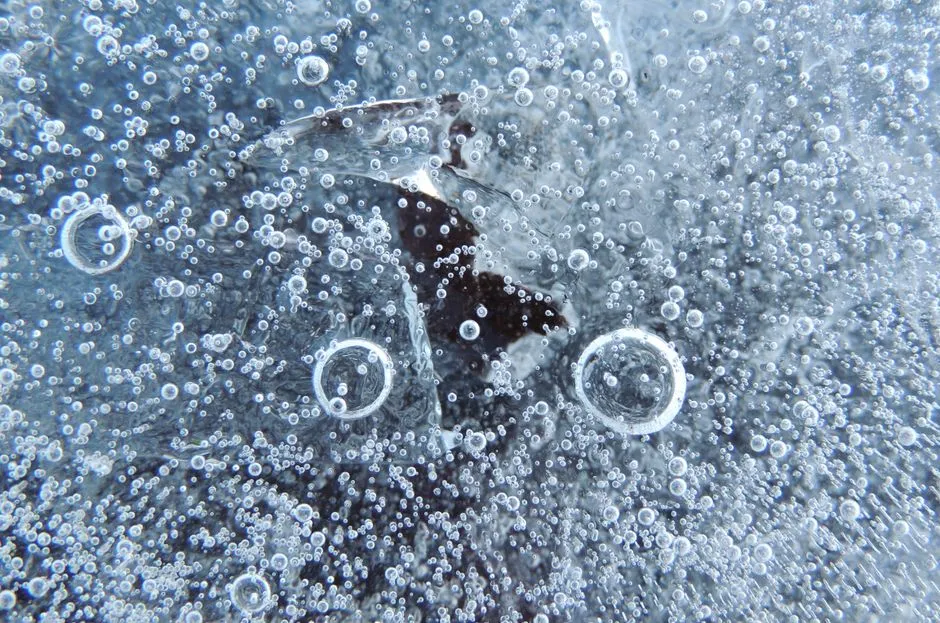
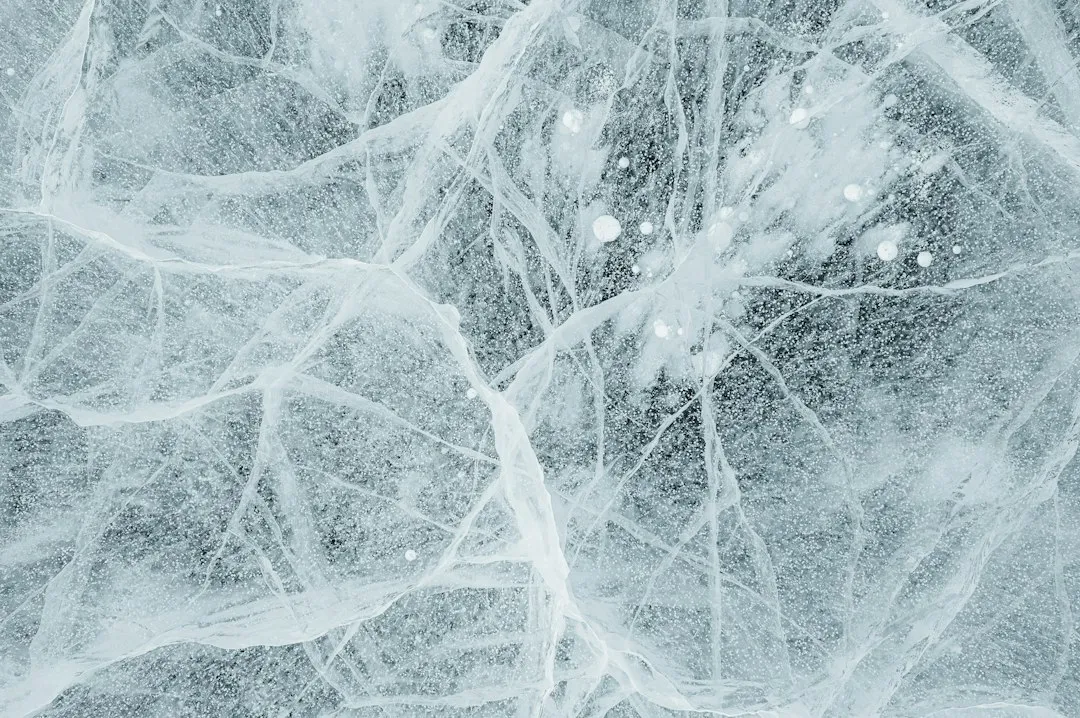
While all lakes naturally have organic matter decaying at the bottom, what makes Lake Abraham special is the clarity of ice and the high concentration of bubbles. The wind gusts in this area can be strong enough to blow off snow and polish the ice with a smooth, glass-like surface. As the blanket of snow is removed, thousands of frozen blobs are revealed.
Those snow crystals dancing across the ice surface are actually polishing the ice, making it extra clear for viewing ice bubbles. This, combined with the staggering number of bubbles, makes it one of the best places in the world to see frozen ice bubbles.
While other lakes in Canada have methane bubbles that freeze into the ice, Abraham Lake’s icy surface is usually clear of snow due to high winds in the area. Wind, in this case, is the unlikely hero of the whole experience.
The Best Window to See Them
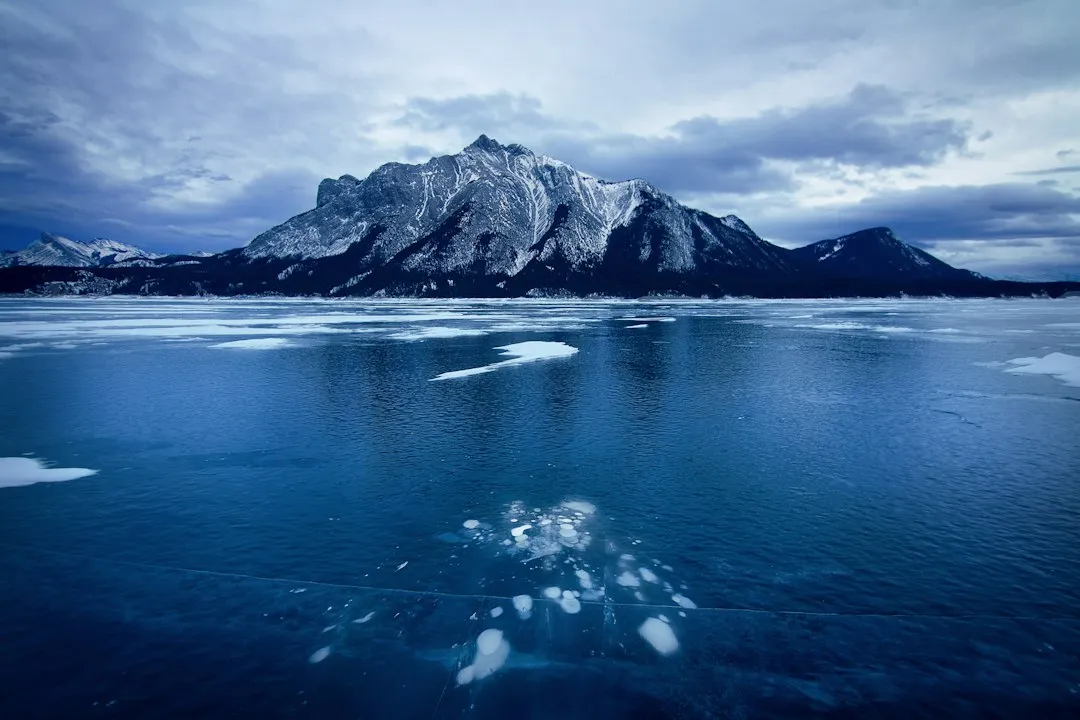
The best time to see the Abraham Lake bubbles is typically from mid-January to early February. The lake is usually frozen by late December, and a few weeks later the bubbles are at their best, having had some time to layer and freeze in thick ice.
By late February and early March, the ice becomes hazy and opaque due to repeated thaw and freeze cycles on the ice surface. The lake may also be covered with snow at any time during the winter after storms pass through. Timing a visit well is genuinely important. A visit one week too early or one storm too late can mean you see very little.
Abraham Lake usually freezes by the end of December or early January. In warmer winters, however, the first few months can be marked by above-seasonal temperatures, and the lake can remain wide open well into mid-January. Climate variability is already shifting the reliability of that freeze window in ways that visitors are beginning to notice.
The Climate Science Behind the Beauty
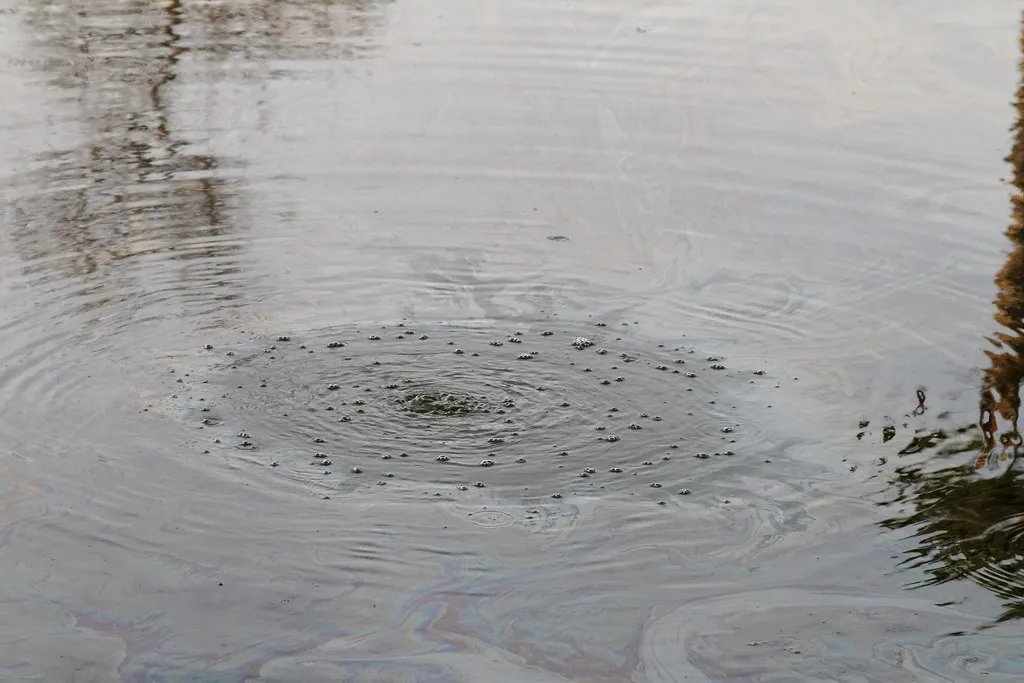
Although methane does not stay in the atmosphere like carbon dioxide, it has a heat-trapping effect that is 34 times stronger, making it far more dangerous to our climate. What looks like a serene winter gallery is also, quietly, a demonstration of one of the most potent greenhouse gases on Earth.
While those bubbles may be a photographer’s delight, it would actually be better for the environment if they remained frozen year-round. When Abraham Lake thaws each spring, the bubbles release a burst of methane gas into the air.
Scientists are racing to understand the extent of methane emissions from these frozen lakes and their potential impact on global warming. Studies have shown that methane release from thawing permafrost, which underlies many of these lakes, is increasing. Abraham Lake is not the source of a global crisis on its own, but it is a vivid, visible part of a much wider story.
A Global Phenomenon, Uniquely Visible Here
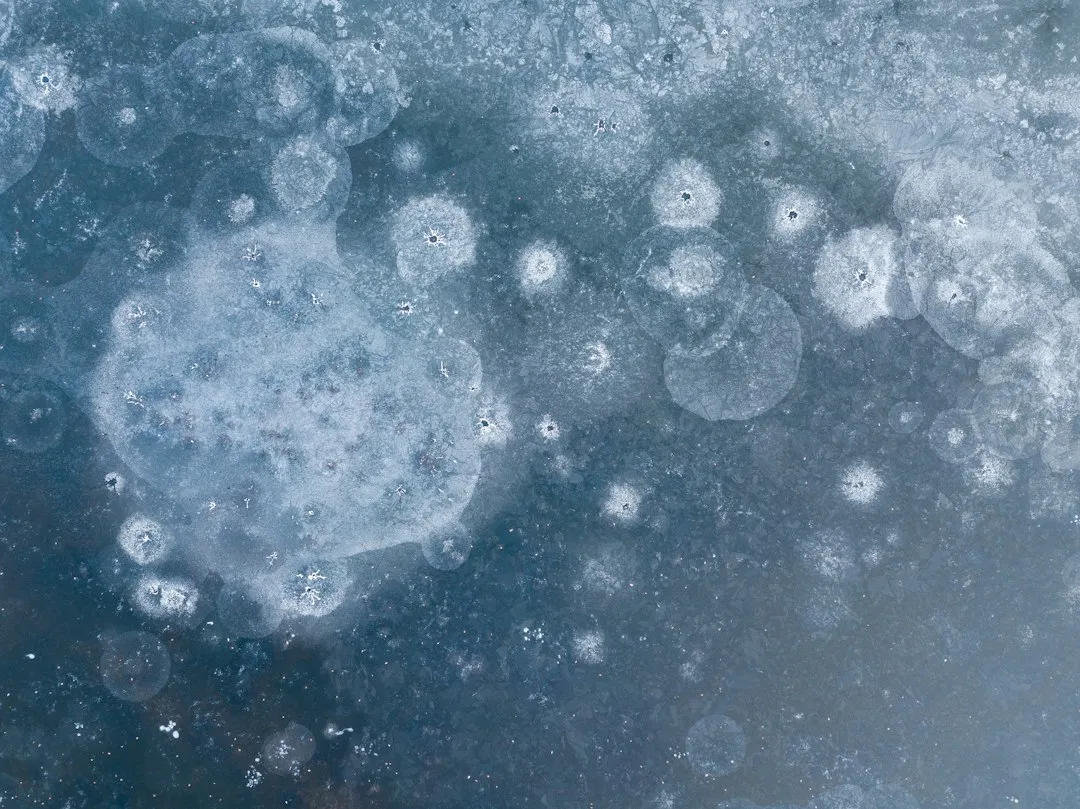
The phenomenon of frozen methane bubbles is not confined to Canada. Similar occurrences have been documented in lakes across the Arctic and sub-Arctic regions, including Siberia, Alaska, and Scandinavia. These vast reservoirs of methane, locked away in frozen environments, represent a significant and growing climate concern.
Lake Baikal in Siberia is also known for producing these natural creations. Yet Abraham Lake draws a disproportionate share of attention for one simple reason: nowhere else does the combination of ice clarity, wind exposure, and bubble density come together quite so reliably or so accessibly.
The Blue Water That Surrounds Them
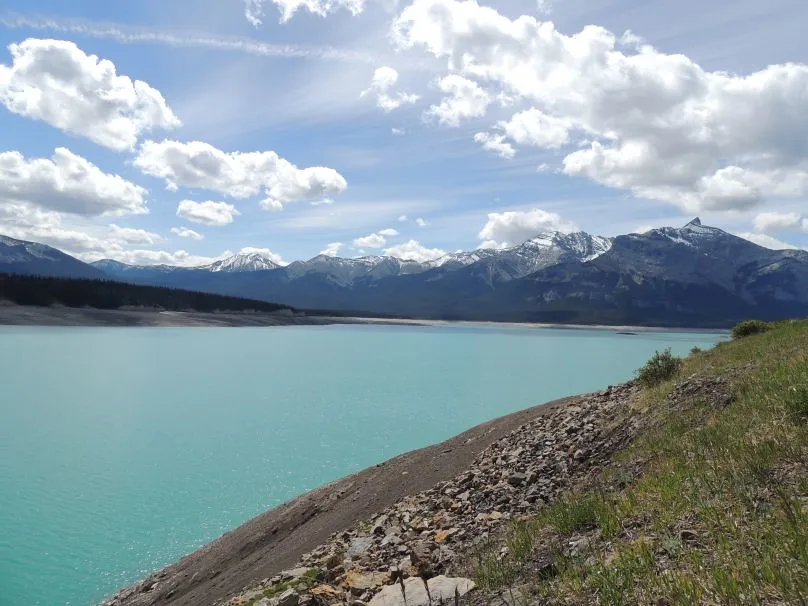
Although man-made, the lake has the blue colour of other glacial lakes in the Rocky Mountains, which is caused by rock flour. This fine glacial silt is ground from surrounding mountain rock by ancient glacial forces, suspended in the water, and scatters light in a way that gives the lake its vivid turquoise appearance.
Similar to other lakes in the area, Abraham Lake is filled with fine-grained glacial silt that has been deposited from the surrounding glaciers. That mineral content is what gives the water its vivid colour.
In summer, this colour dominates. In winter, it recedes beneath grey-blue ice, and the bubbles take over as the defining visual element. The lake essentially reinvents itself with the seasons, which is part of what keeps drawing people back.
Visiting Responsibly
The water levels fluctuate dramatically from season to season. More water leaves the reservoir than comes in from about November to June, resulting in very low water levels in late spring and early summer. In winter, this fluctuation creates real hazards for visitors walking on the ice.
Abraham Lake is a dam, meaning that water levels vary. This can become dangerous in the winter when people travel out to see the frozen ice bubbles. Guided tours with certified local operators provide a far safer way to experience the lake, and their knowledge of current ice conditions is genuinely valuable.
Every winter, people from all over the world visit Abraham Lake to photograph its frozen methane bubbles. Treading carefully, both literally on the ice and in terms of the ecological footprint of any visit, is the right way to approach a place this singular.
What This Lake Quietly Teaches Us
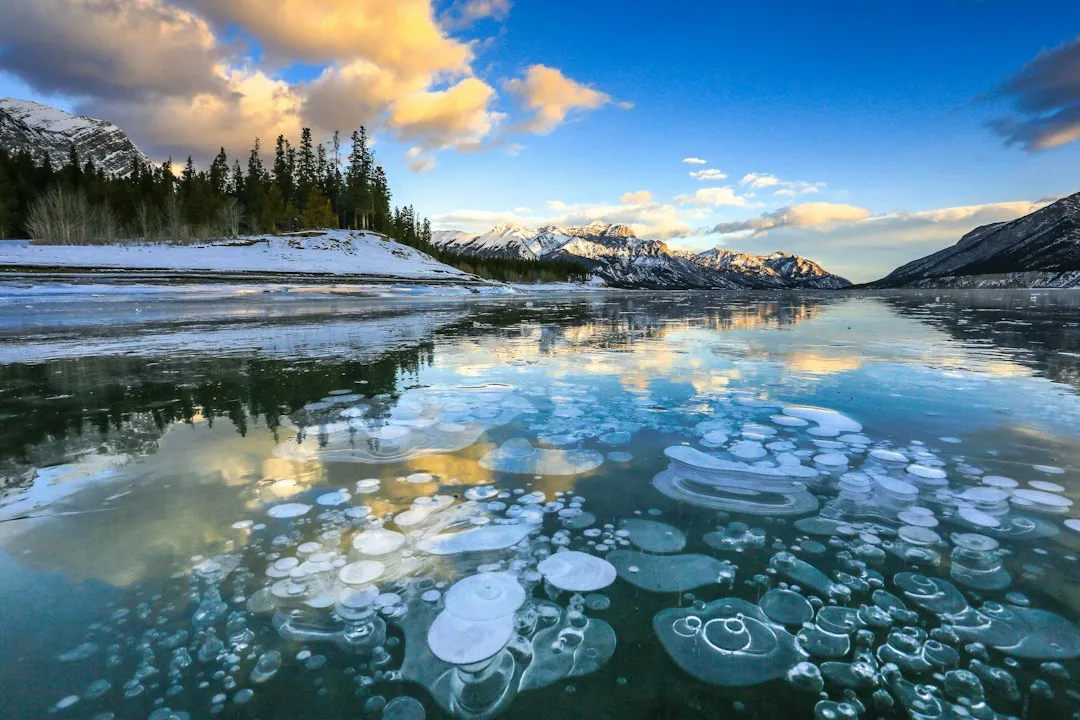
Abraham Lake is one of those rare places where natural beauty and natural warning exist in exactly the same frame. The bubbles are genuinely astonishing to look at. The lake takes on the look of a lava lamp in the wintertime as frozen shapes develop below the surface and form bizarre patterns, some of which look like white pancakes resting below the frozen surface.
Located roughly three and a half hours from Calgary or Edmonton, the man-made Albertan waterbody has become internet-famous thanks to a natural sensation that happens beneath its frozen surface. That fame is deserved, but the more interesting conversation is the one the lake is trying to have about decomposition, methane, and what warming winters mean for places like this.
Standing above those suspended columns of gas on a January morning, with the Rockies rising in every direction, it is hard not to feel that the lake is doing two things at once: offering one of the most extraordinary sights in Canada, and asking a quiet but important question about how long the conditions that create it will hold.
AI Disclaimer: This article was created with the assistance of AI tools and reviewed by a human editor.