

A Number That Barely Fits in Your Head
Alaska towers over all the other states with its staggering number of lakes, around 3.2 million in total, including 3,197 officially named lakes and millions of unnamed ones. The sheer scale of that figure is hard to absorb. If you visited one Alaskan lake per day, it would take you more than eight thousand years to see them all.
According to Alaska Department of Fish and Game data, the state has about 3 million lakes greater than 5 acres, a figure that reflects its immense size, glacial history, tundra wetlands, and remote basins. That threshold of five acres is important, because it’s the standard the state uses. Other states apply different measurements, which is part of why comparisons across state lines can get complicated.
Why Minnesota Gets All the Credit (But Doesn’t Deserve All of It)
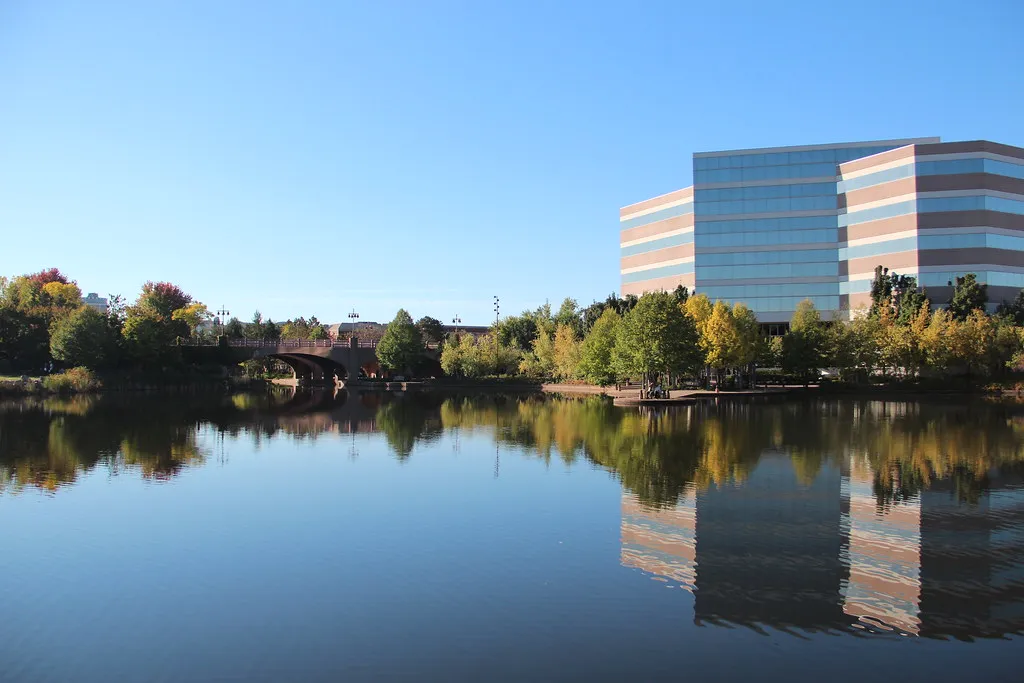
Minnesota calls itself the Land of 10,000 Lakes, yet the state’s own count is 11,842 lakes of at least 10 acres. That slogan has been on Minnesota license plates and tourism posters for generations, and it has stuck. The brand is genuinely powerful.
Contrary to popular belief, Minnesota isn’t the state with the most naturally occurring lakes. Although it is known as the Land of 10,000 Lakes, the state of Alaska holds the record for sheer number of natural lakes by number. Minnesota simply won the marketing battle. Alaska never tried to compete, perhaps because it didn’t need to.
How Glaciers Built Alaska’s Watery Landscape
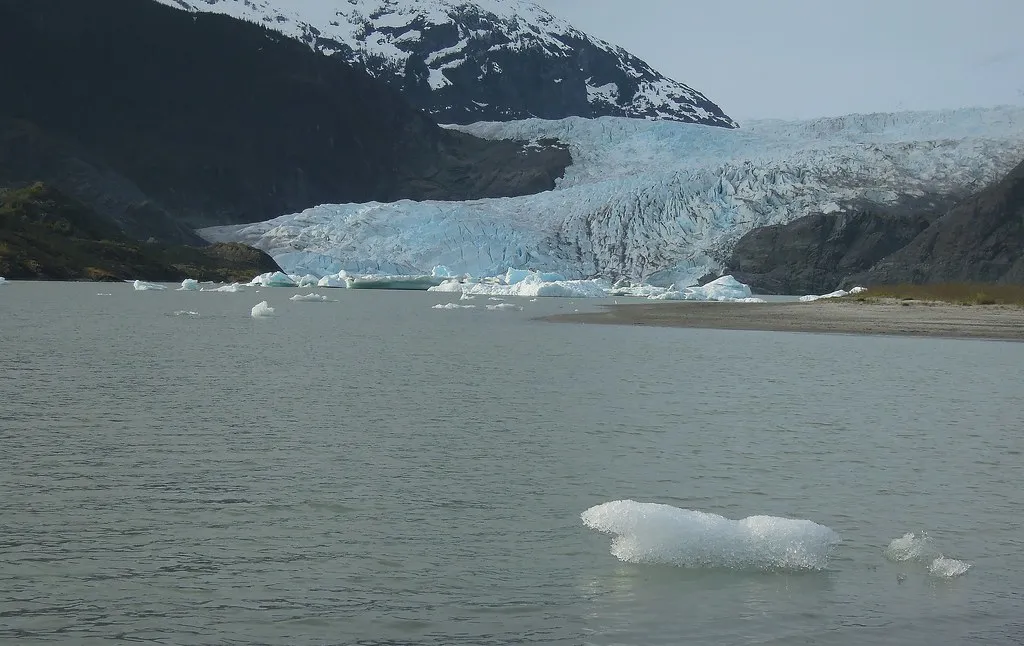
Alaska is home to such a vast amount of lakes because of its glacial history: During the last Ice Age, glaciers carved the region’s valleys, and over time, as the glaciers shifted, they left behind millions of lakes. This process played out across an enormous canvas. Alaska covers roughly 570,000 square miles, nearly two and a half times the size of Texas.
Alaska’s lakes are a result of the state’s complex geological history, with many formed by glacial activity, tectonic movement, and erosion. The lakes can be categorized into several types, including glacial lakes, tectonic lakes, and oxbow lakes. Each type tells a different chapter of the state’s deep geological story. Many of the tundra lakes in the far north are a category all their own.
Thermokarst Lakes: Born From Thawing Ground
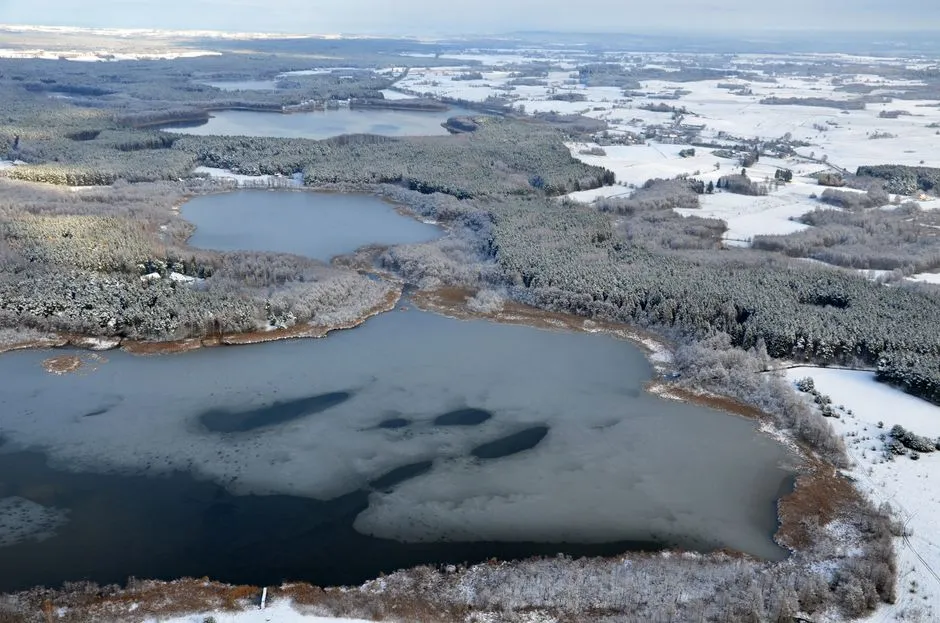
A significant portion of Alaska’s lake count comes from a process unique to permafrost landscapes. As a result of permafrost thaw, thermokarst lakes and ponds are either shrinking due to lake drainage or expanding due to lake shore erosion. These lakes form when frozen ground melts unevenly, causing the surface to collapse and fill with water.
On vast Arctic coastal plains, like in northern Alaska, permafrost thaw manifests in several types of landforms, including thermokarst lakes and lagoons, and thermokarst processes are accelerating in the Alaskan tundra. Climate change is actively reshaping which lakes exist and where. Some are growing. Others are draining away entirely. It’s a living, shifting system rather than a fixed map.
The Staggering Size of Lake Iliamna
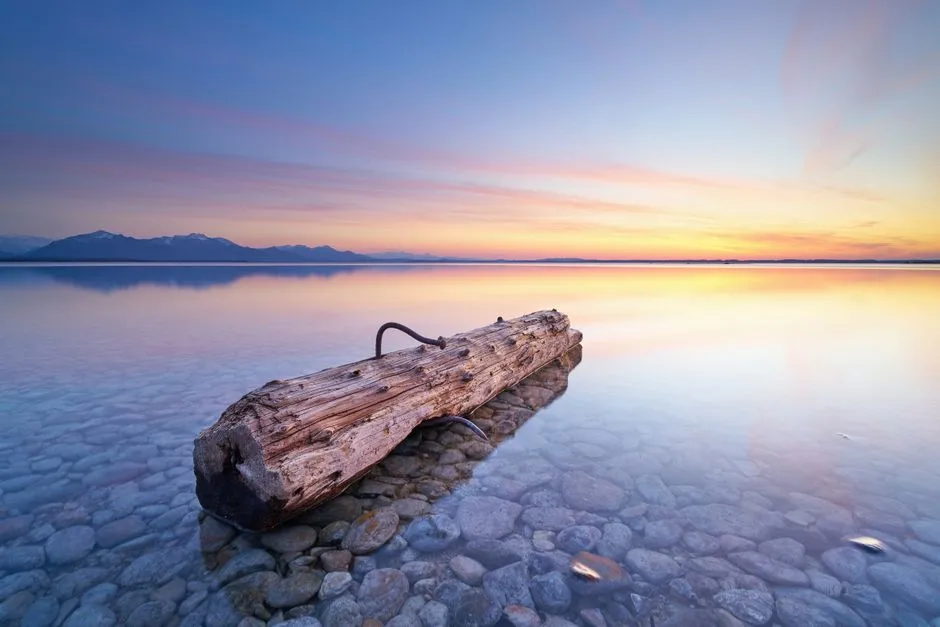
Alaska’s largest lake is Lake Iliamna, which is the second largest freshwater lake in the United States behind Lake Superior and covers an area of 1,115 square miles. To put that in perspective, the entire state of Rhode Island covers about 1,034 square miles. Lake Iliamna is literally larger than a U.S. state.
Iliamna Lake is the crown jewel, covering more than 1,000 square miles and ranking as the second-largest freshwater lake located entirely within the United States. It also serves as a critical nursery for the world’s largest sockeye salmon run. Beyond its size, Iliamna is an ecological powerhouse, supporting Indigenous communities and commercial fisheries that have depended on it for centuries.
Alaska Controls Nearly Half of America’s Surface Water
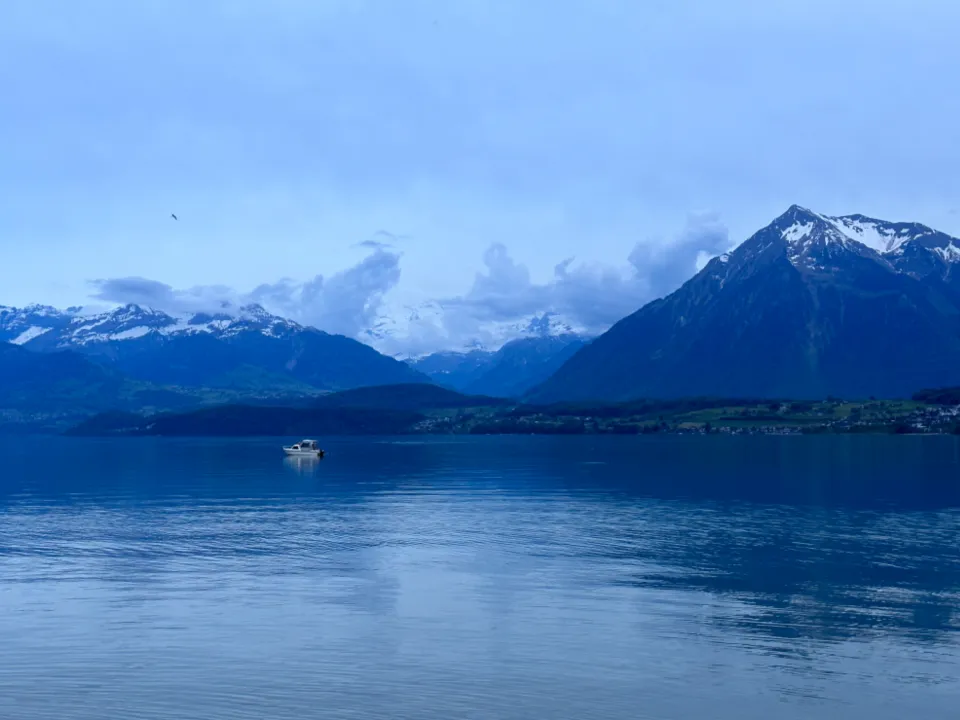
Alaska has more than 40% of the nation’s surface water resources, including over 12,000 rivers, 3 million lakes greater than 5 acres, and numerous creeks and ponds. This is a remarkable concentration of freshwater in a single state. No other state even approaches this figure.
When these lakes are combined with the state’s 12,000 rivers, Alaska accounts for nearly half of the nation’s surface water. That statistic puts the rest of the country’s water geography in a different light. The 49 other states share what remains after Alaska’s extraordinary portion.
Most of These Lakes Have Never Been Visited
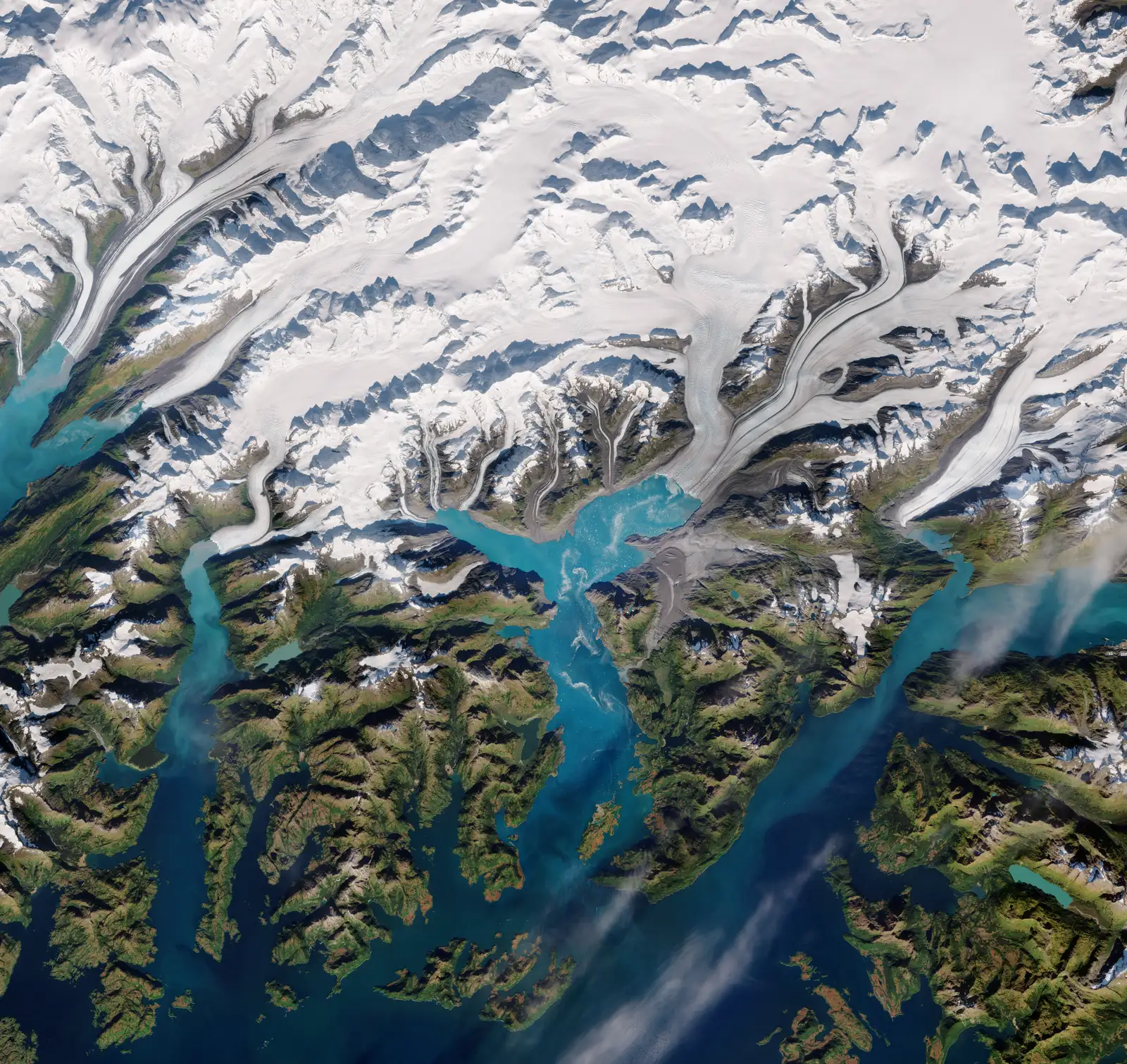
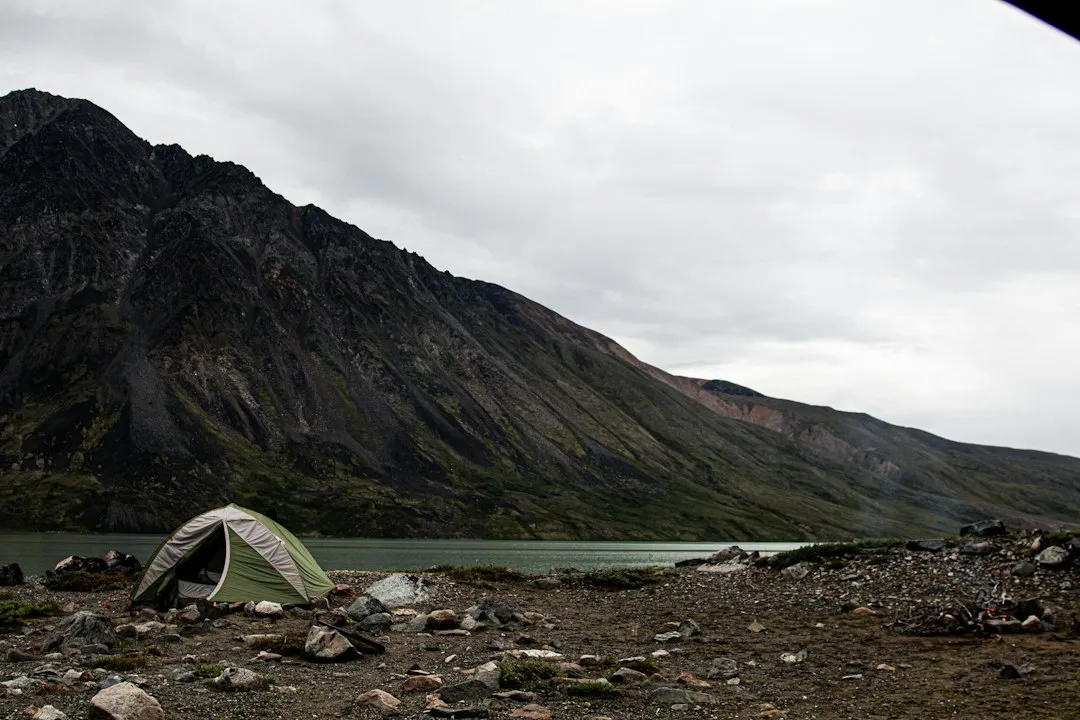
The sheer inaccessibility of many Alaskan lakes adds to their mystique. Alaska contains an estimated 3 million unnamed lakes that are greater than five acres, many of which are difficult to access on foot. Some have never been visited by humans. This is not a figure of speech. Remote sensing data has mapped lakes that no person has ever stood beside.
Reaching most of Alaska’s lakes requires a boat or small aircraft, which only adds to their legendary appeal. Floatplane pilots in Alaska often hold a kind of reverence for this fact. There are lakes out there that will remain unnamed for generations simply because no one will ever have a reason to go.
Alaska as a Fishing Destination
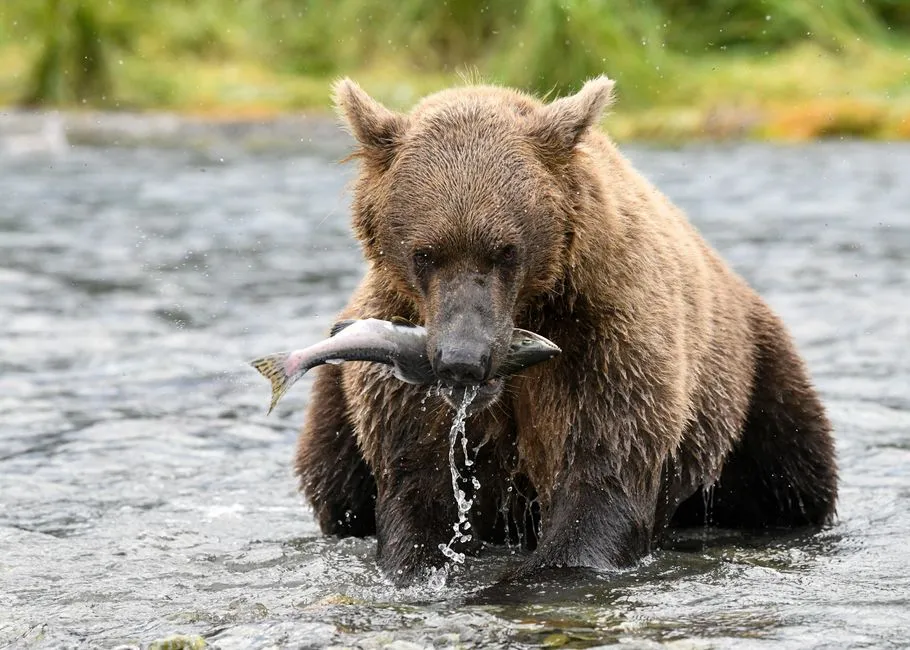
This is particularly true of the state with the most lakes, Alaska. The Alaska Department of Fish and Game has noted that Alaska is a world-renowned sport fishing destination, with over 12,000 rivers, 3 million lakes, and 6,640 miles of coastline, making choosing where and what to fish a genuine challenge. The fishing culture here is inseparable from the landscape itself.
Becharof Lake on the Alaska Peninsula ranks as the second largest lake in the state. These waters support salmon runs, migratory birds, subsistence fishing, and wildlife from bears to moose. For many rural and Indigenous communities across the state, these lakes are not recreational amenities. They are primary sources of food and livelihood.
Why the Numbers Differ Depending on Who’s Counting
These numbers are state-reported counts, not a uniform national survey. Alaska uses a threshold of greater than 5 acres. Minnesota counts lakes at 10 acres or more. Wisconsin applies a smaller threshold of about 2.2 acres. The result is that each state’s “official” number reflects its own definition more than any consistent national standard.
Approximately 3,197 lakes have official names, though the total unnamed count exceeds 409,000 for those at least one hectare in size, reflecting the challenges in comprehensive cataloging due to remote terrain. According to the USGS National Hydrography Dataset, over 409,000 unnamed natural lakes with surface areas of at least 1 hectare cover about 3.3% of Alaska’s land surface. Even the more conservative counts are staggering.
Where Wisconsin and Minnesota Actually Rank
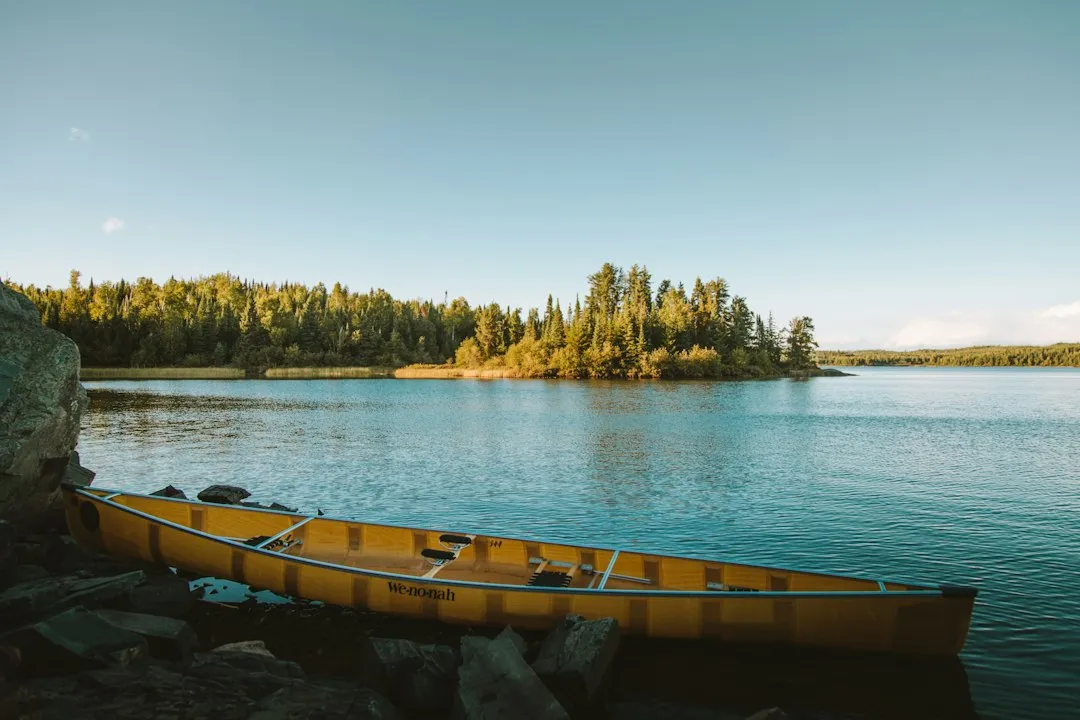
Wisconsin comes second with about 15,000 lakes. Minnesota, the famous “Land of 10,000 Lakes,” undersells itself: the official count is 11,842. So Minnesota’s famous nickname is actually modest by its own data. Wisconsin quietly edges it out in raw numbers, though the debate between those two states has gone on for years.
Michigan, often associated with its borders along four of the Great Lakes, has over 11,000 inland lakes measuring more than five acres. If smaller water bodies are included, this number leaps to over 64,000. The Great Lakes region as a whole is genuinely remarkable for freshwater. Still, none of these states occupy the same league as Alaska. The gap is simply too large.
The Quiet Takeaway
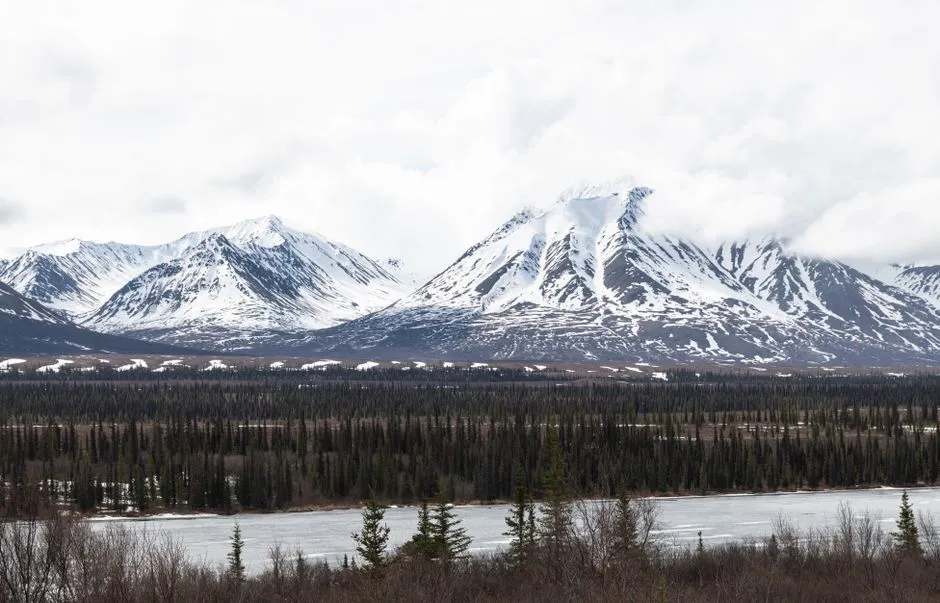
Alaska doesn’t advertise its lakes the way Minnesota does. There are no catchy slogans, no license plates celebrating the count. The lakes are just there, spread across a wilderness so vast that a significant portion of them remain unmapped and unnamed in any practical sense.
The story of Alaska’s lakes is ultimately a story about scale. No other state on this list even comes close to competing with Alaska, which sits in a category entirely its own with more than 3 million lakes documented across its vast terrain. Minnesota built the brand. Alaska holds the record. And somewhere out there in the Alaskan tundra, there is almost certainly a beautiful, still, unnamed lake that no human eye has ever seen.
AI Disclaimer: This article was created with the assistance of AI tools and reviewed by a human editor.