
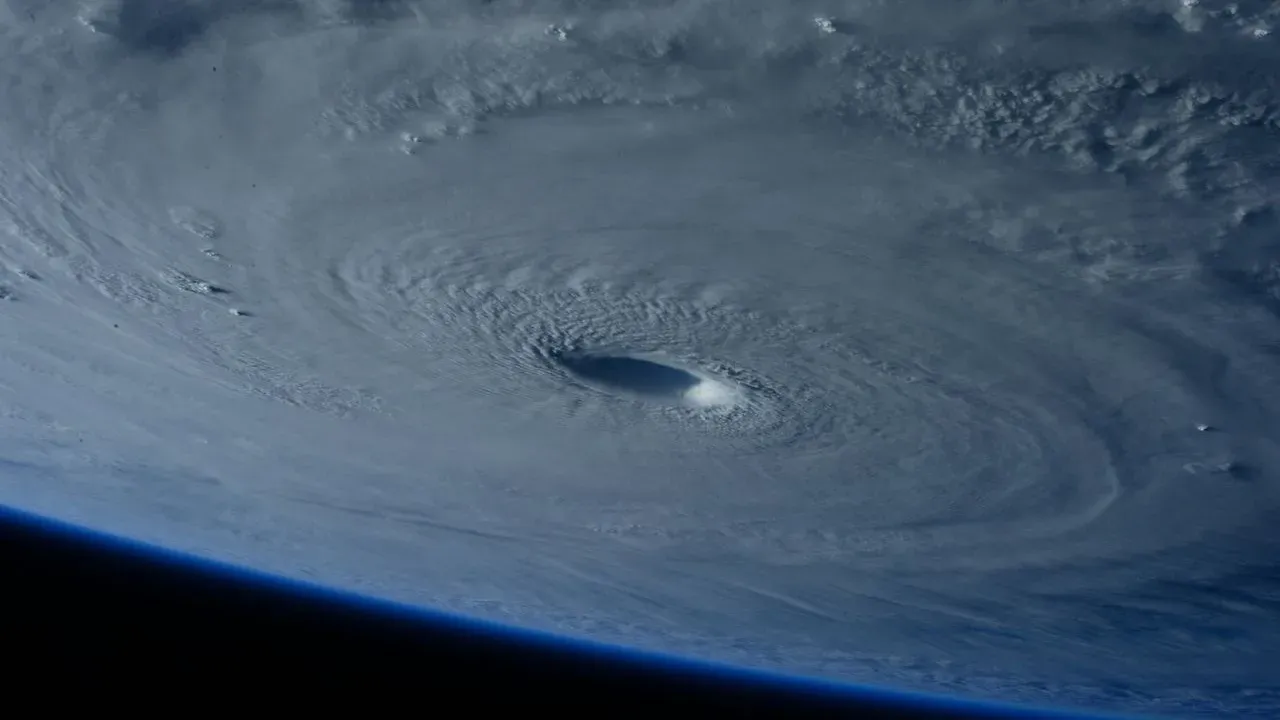

Gulf Coast communities from Mississippi through Alabama and into the western Florida Panhandle are tracking Hurricane Isaias, which strengthened into the Atlantic season’s first hurricane late on October 7. The system is forecast to approach the northern Gulf Coast late Friday or early Saturday, bringing the potential for heavy rain and coastal impacts. Travelers with plans in the region can stay ahead of developments by following official updates from the National Hurricane Center and state authorities. ([1])
Storm Path and Timing
Isaias currently carries maximum sustained winds of 75 mph and sits roughly 460 miles southwest of the Mississippi River mouth. Forecasters expect it to move north of Mexico’s Yucatán Peninsula before turning toward the U.S. coastline. A hurricane warning covers the area from Ocean Springs, Mississippi, across Alabama to Florida’s Bay and Gulf County line.
Additional tropical storm warnings extend along parts of Louisiana and farther east in Florida, while a storm surge warning reaches from the Mississippi River mouth to Yankeetown. Rainfall totals of three to seven inches, with isolated higher amounts, are anticipated across the central Gulf Coast and into the broader Southeast over the weekend and into next week.
State Preparations Underway
Florida Governor Ron DeSantis has declared a state of emergency for more than two dozen counties, directing resources to support readiness efforts. Alabama Governor Kay Ivey issued a similar declaration covering 40 counties. These measures help ensure local agencies can respond effectively as conditions evolve.
Travelers should monitor flight schedules and lodging policies directly with providers, as adjustments may occur in the coming days. Many operators already maintain flexible change and cancellation options during active weather events, allowing visitors to shift plans without penalty when official guidance recommends it.
Practical Steps for Visitors
- Review the latest National Hurricane Center forecasts and local emergency management alerts each morning and evening.
- Confirm travel insurance coverage and note any flexible rebooking windows offered by airlines and hotels.
- Pack a small essentials kit with medications, important documents, and a portable charger in case of temporary power interruptions.
- Support local businesses by honoring existing reservations where safe to do so or by choosing properties that communicate clear safety protocols.
Staying Informed and Flexible
Seasoned travelers know that conditions can shift, so building extra buffer days into itineraries remains wise. Checking directly with destination visitor bureaus and state tourism offices provides the most current, localized information on road access and attraction hours. Responsible planning helps protect both personal safety and the well-being of the communities that welcome visitors year-round.
AI Disclaimer: This article was created with the assistance of AI tools and reviewed by a human editor.