
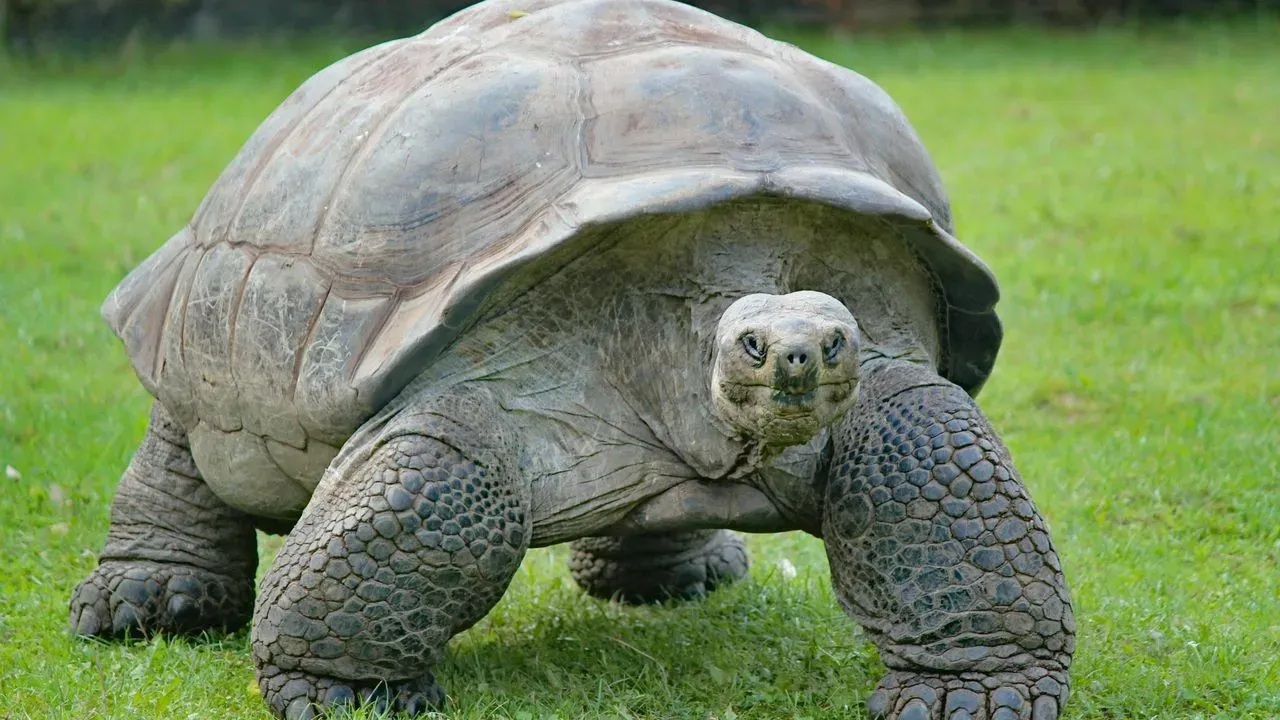

Seychelles – A recent survey has placed the giant tortoise population on one island at approximately 180,000, the highest number ever recorded for the species. The figure surpasses the total human population of the Seychelles and signals a notable conservation achievement in the Indian Ocean archipelago. The finding underscores how sustained protection efforts can restore wildlife populations that once faced steep declines.
A Milestone in Island Conservation
The survey result arrives as a quiet affirmation of decades of habitat management and anti-poaching measures across the Seychelles. Giant tortoises, once heavily exploited for food and oil, have benefited from protected areas and reintroduction programs that prioritize natural recovery. The new count reflects both improved survey methods and genuine population growth in a landscape where these reptiles play a central role in seed dispersal and vegetation control. Local authorities and conservation partners have long tracked the species through periodic counts. Each update adds to a clearer picture of how island ecosystems respond when human pressures ease. The latest estimate stands out because it exceeds previous benchmarks by a wide margin, offering measurable evidence that recovery is underway.
Why the Number Matters
Reaching 180,000 individuals on a single island changes the scale of what is possible for the species. It demonstrates that targeted protection can produce results visible within a human lifetime rather than requiring centuries. The comparison to the Seychelles human population further highlights the island’s capacity to support substantial wildlife alongside resident communities. Such abundance also reinforces the tortoises’ ecological function. As they move through forests and grasslands, they shape plant communities in ways that benefit other native species. Maintaining that balance requires continued vigilance against invasive plants, illegal collection, and the pressures of a changing climate.
Travel That Supports Recovery
For American visitors drawn to the Seychelles, the record count invites a measured approach to wildlife encounters. Responsible operators emphasize low-impact viewing from established paths, support for local guides, and contributions to habitat projects. These choices help sustain the very conditions that allowed the tortoise population to rebound. Travelers can seek out lodges and tours that partner directly with conservation groups. Small group sizes, seasonal timing that avoids sensitive nesting periods, and clear guidelines against feeding or touching animals all reduce disturbance. In return, visitors gain the chance to witness a living success story in its natural setting.
What the Record Suggests Next
The survey provides a baseline for future monitoring rather than an endpoint. Continued counts will reveal whether the population stabilizes, grows further, or faces new challenges from external factors. The Seychelles experience offers a reference point for other island nations working to restore their own endemic species. Ultimately, the 180,000 tortoises represent more than a statistic. They embody the outcome of patient, place-based stewardship that values both people and wildlife. For those planning a journey, the story encourages travel that leaves the islands stronger than found.
AI Disclaimer: This article was created with the assistance of AI tools and reviewed by a human editor.