
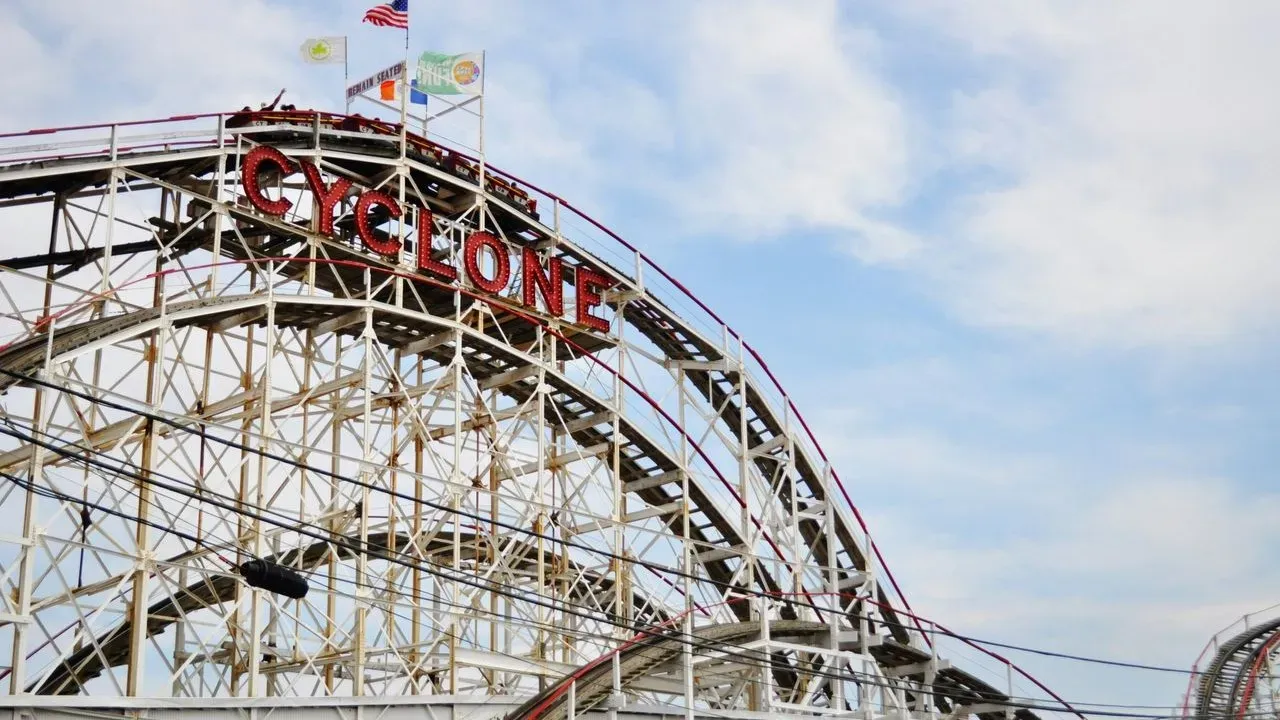

New York City is inviting proposals for the next steward of one of its most enduring landmarks. The Parks Department has opened a bidding process for the Coney Island Cyclone and the adjacent Parachute Jump, a rare chance to shape the future of a ride that has drawn generations of visitors to Brooklyn’s shoreline. With the Cyclone approaching its 100th anniversary in 2027, the timing underscores both the ride’s lasting appeal and the practical work required to keep it running smoothly for decades ahead.
A Landmark Rooted in Brooklyn’s Shoreline
The Cyclone first opened in 1927 and quickly became a defining feature of Coney Island. Its wooden structure and sweeping views of the Atlantic have made it a symbol of summer in New York, one that continues to welcome riders year after year. Designated a city landmark, the coaster represents a tangible link to an earlier era of American amusement parks while remaining an active part of the neighborhood’s daily life. Visitors who climb aboard experience more than a thrill. They ride through a piece of living history that has survived economic shifts, changing tastes in entertainment, and the natural wear of nearly a century of operation. The ride’s continued presence on the boardwalk helps anchor Coney Island’s identity as a place where families return across generations.
The Opportunity to Shape the Next Chapter
The current solicitation covers a 20-year concession that includes both the Cyclone and the Parachute Jump, the towering steel structure that has stood silent since 1964. While the Parachute no longer carries passengers, it offers potential for revenue through approved messaging displays, subject to Parks Department guidelines that prohibit certain content. Bidders will need to demonstrate a clear plan for ongoing maintenance and capital improvements. The Cyclone requires regular attention to its wooden framework, braking systems, and safety features, and the request for proposals asks for a detailed strategy to address these needs. Additional requirements include making ticket booths accessible, updating lighting to energy-efficient LEDs, and refreshing the appearance of key structures. The Parachute Jump itself calls for a structural assessment rather than extensive immediate work.
Balancing Heritage with Practical Realities
Operating the Cyclone has always involved both revenue and responsibility. Recent seasons have shown declining attendance figures, and the outgoing operator reported a net loss over several years despite generating millions in ticket sales. Price limits on basic concessions, such as hot dogs and beverages, are written into the proposal to keep the experience accessible to a wide range of visitors. At the same time, the broader Coney Island area is seeing renewed investment, including a new business improvement district and planned upgrades to the Riegelmann Boardwalk. These developments create a supportive context for whoever takes on the Cyclone, offering the possibility of increased foot traffic and complementary attractions nearby. The winning proposal will need to show how the ride can remain both financially viable and true to its historic character.
Preserving an Experience That Matters
The Cyclone is more than a mechanical attraction; it is a shared memory for countless New Yorkers and visitors who have felt the wind and heard the clatter of its tracks. Passing the operation to a new team at this moment offers an opportunity to honor that legacy while preparing the ride for its second century. Thoughtful stewardship can ensure that future generations continue to find the same sense of wonder and connection that has defined the Cyclone since 1927. The bidding process itself reflects a commitment to keeping this Brooklyn landmark alive and accessible for years to come.
AI Disclaimer: This article was created with the assistance of AI tools and reviewed by a human editor.