
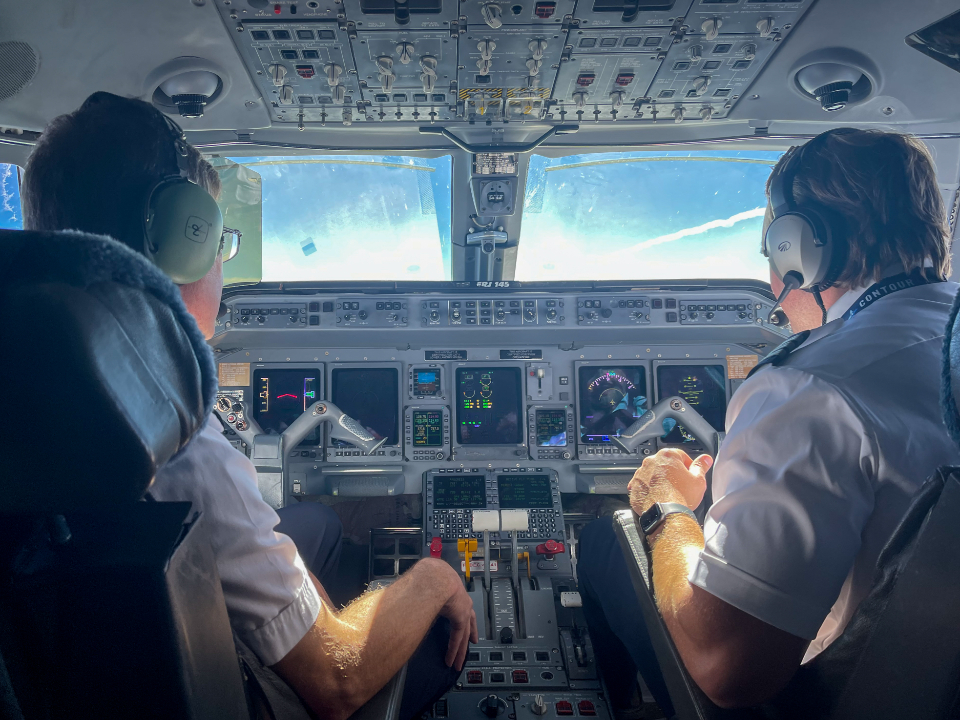

You board your flight, settle into your seat, and within minutes you’re reaching for your jacket. It happens on nearly every commercial flight, and it’s not a coincidence or a mechanical oversight. The cold air that greets you at 35,000 feet is there for reasons that are far more purposeful than most passengers ever realize.
From passenger safety to aircraft engineering, the chill in a plane cabin connects to a surprisingly layered set of decisions. Once you understand why it’s done, the experience of flying feels quite different.
The Target Temperature Is Actually Reasonable on Paper
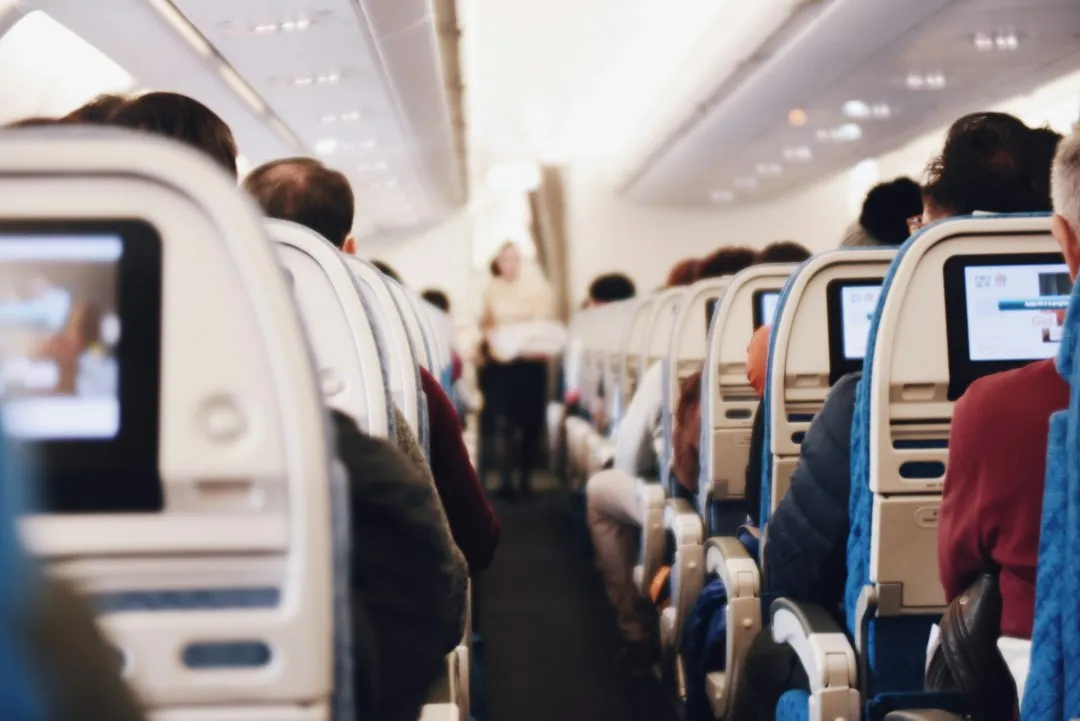
Airlines adjust cabin temperatures in an attempt to keep their paying customers comfortable, and cabin crew members typically aim for a range of 22°C to 24°C, which converts to roughly 71°F to 75°F in Fahrenheit. That’s not dramatically cold by most standards. Many passengers will agree, however, that the air actually feels cooler than those figures suggest, largely because the relative humidity in most commercial airplanes sits at just ten to twenty percent, and because passengers remain still throughout most of the flight.
Low Humidity Makes Everything Feel Colder Than It Is

Airplane cabins are already kept at a lower humidity, typically ranging from ten to twenty percent at cruising altitude, which is drier than most deserts, primarily to help prevent airframe corrosion. That extreme dryness amplifies the sensation of cold considerably. The lack of moisture causes the body to lose heat more quickly, and low humidity is an unavoidable consequence of the pressurization system, which mixes dry outside air with recirculated cabin air.
The Outside World Is Brutally Cold
Planes fly at altitudes where outside temperatures can plummet to around minus 70°F, or minus 57°C. The aircraft’s environmental control system has to work hard just to maintain a livable interior in the face of those extreme external conditions. At cruising altitude, air temperature outside is roughly minus 44°C, and without a temperature control system, the aircraft’s interior would quickly fall below freezing. The goal of the system is not to make you cold – it’s actually fighting a fierce ambient chill simply to deliver air that’s breathable and reasonable.
Hypoxia Is a Real Risk at Altitude

Most commercial airlines maintain cooler cabin temperatures for one central medical reason: to prevent passengers from fainting. On a plane, the danger of someone suffering hypoxia, a condition in which a person doesn’t get enough oxygen, is a genuine possibility. The cabin’s simulated air pressure remains at an altitude equivalent of roughly 1,800 to 2,400 meters above sea level, and passengers are actually exposed to about a quarter less oxygen than they would receive at sea level.
ASTM International conducted a study examining the correlation between people fainting during flights and cabin pressure and temperature, finding that people tend to faint more easily while flying because of hypoxia, and that high cabin pressure and warm temperatures can further that reaction.
Warmth and Fainting: The Research Connection
Literature analysis published through ASTM International provides evidence that hypoxia is a sufficient cause for fainting in a subset of otherwise healthy airline passengers, and that cabin pressure and temperature may contribute to the occurrence of syncope. Other factors that loosely promote hypoxia in the cabin include immobility, drowsiness, gastrointestinal distention, and a high cabin temperature. A study of in-flight medical emergencies found that syncope or presyncope accounted for more than a third of all in-flight medical cases recorded.
Warm temperatures make it harder for the body to maintain circulation, causing the heart to beat faster and pump blood harder, thereby requiring more oxygen, while cold air slows the heart rate, keeps breathing steady, and stabilizes blood oxygen levels.
Keeping Passengers Alert and Ready
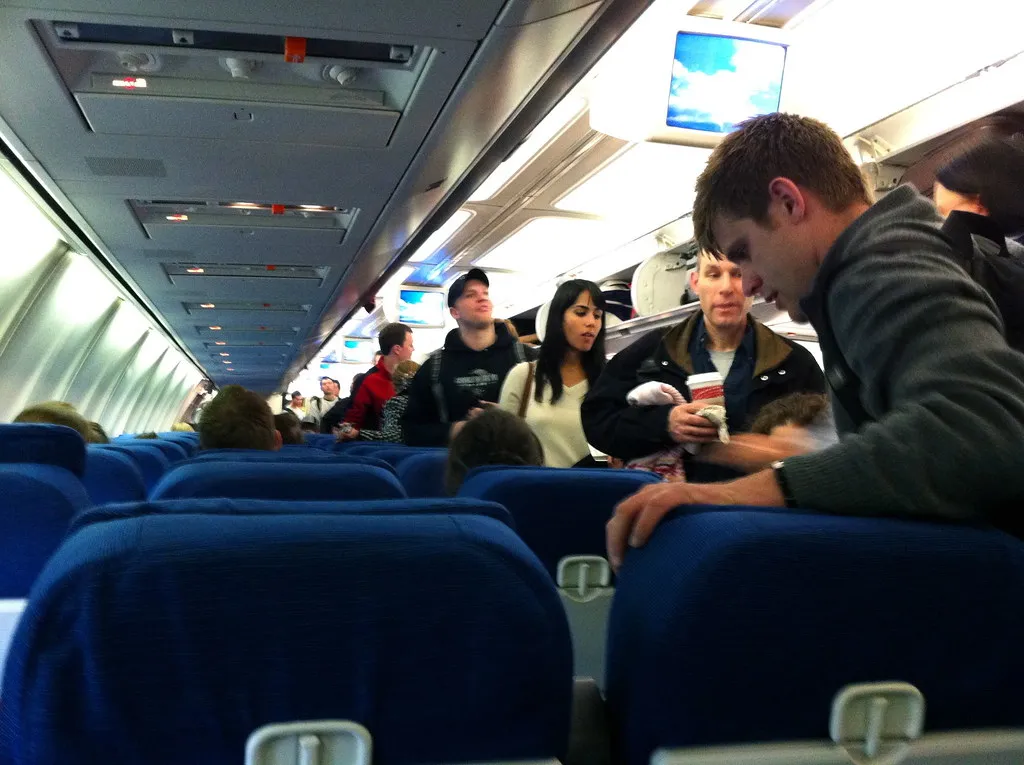
The sudden drop in oxygen at altitude can make passengers feel dizzy, lightheaded, or even faint, particularly during overnight flights, and so flight crews intentionally use the cooler air to keep passengers more alert, especially in case of sudden turbulence or the need for evacuations. Alertness in an emergency matters enormously in a confined pressurized tube moving at 500 miles per hour. Cooler temperatures can also help prevent motion sickness, which is a practical benefit that often goes unappreciated by travelers who are already bundled in a blanket.
Body Heat From Passengers Changes Everything
Since so many humans are packed closely together within a confined space, there is already plenty of heat generated by bodies alone, and cabin crew keep the interior cooler to err on the side of caution. Think about a full flight with over two hundred people sitting shoulder to shoulder for several hours. The collective warmth that generates is genuinely significant. Being hot results in blood vessel dilation and a drop in blood pressure, which further increases the risk of fainting, and cooler temperatures are considered essential to reducing the frequency of these types of health emergencies.
Dehydration Is Also Part of the Equation
Because the air at cruising altitude is drier, it’s easier for passengers to become dehydrated, which can produce headaches, dizziness, muscle cramps, and weakness, and a cool cabin temperature helps to mitigate this effect by minimizing moisture loss. Dehydration and cold often feel contradictory to most people – you associate cold weather with moisture, not its absence. On a plane, however, the two conditions reinforce each other in ways that make temperature management a genuine health consideration rather than a preference.
There Are No Federal Temperature Standards in the U.S.
Federal agencies currently have no specific guidelines for the temperature inside a plane cabin, though the Association of Flight Attendants, which represents fifty thousand members working at more than twenty airlines, has been campaigning for years to establish federal standards. Their recommendation is a range of 65 to 75 degrees Fahrenheit. Research published through the Journal of Aviation Technology and Engineering noted that roughly seventeen percent of passengers perceived the temperature as cold, a proportion far higher than the two percent predicted by guidelines, while the recorded average temperature in the aircraft surveyed was 70.4°F.
Newer Aircraft Have More Precise Temperature Controls
Older planes have a bigger tendency to be chilly due to their less developed air conditioning systems, while newer models are equipped with advanced thermostats that can adjust temperatures in parts or even specific rows of the cabin. While the thermostat is typically located in the cockpit, many newer aircraft have control panels that flight attendants themselves can use to manage cabin temperature directly. This zonal control matters more than many passengers realize, since there are generally three zones on most aircraft – aft, mid, and forward – and the temperature can vary meaningfully depending on where you’re seated.
Flight Attendants Feel It Differently
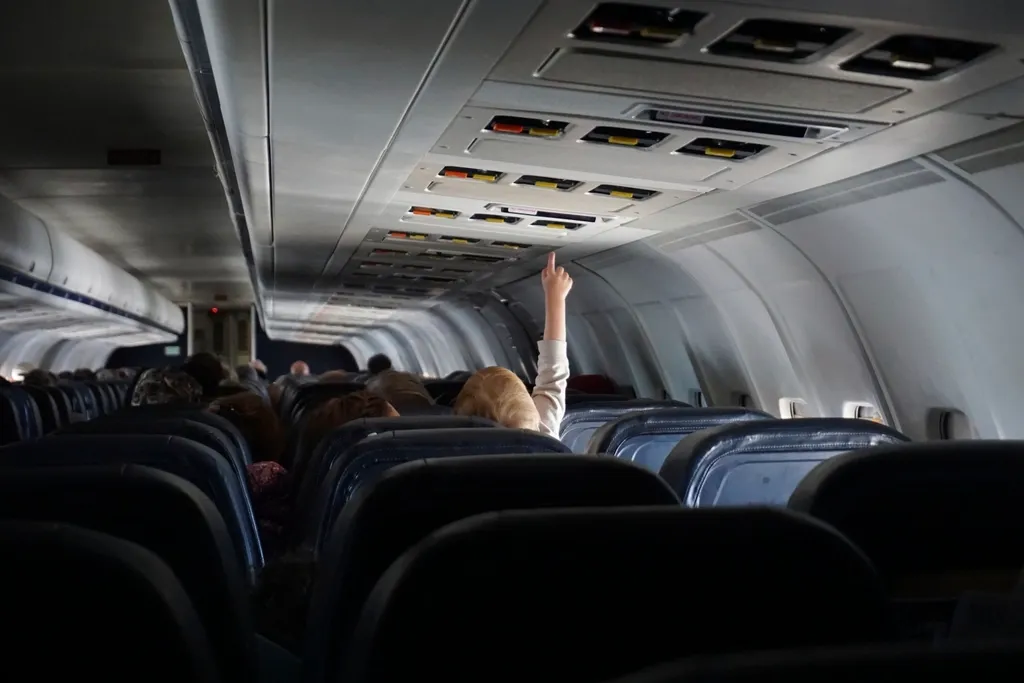
The optimal temperature according to industry professionals is around 75 degrees, a level that might feel cold for seated passengers but is considered comfortable for flight attendants who are working and walking the aisles throughout the flight. The physical activity of a working crew member produces body heat, which means a temperature that feels reasonable while moving can feel quite harsh when you’re sitting still for three hours. The fact that passengers tend not to move around and just stay in one space reinforces the feeling of being cold, and simply moving around the aircraft would reduce the sensation noticeably.
What You Can Actually Do About It
The most practical and proven solution is layering. Wearing clothes you can easily adjust allows you to respond to temperature fluctuations between boarding, cruising, and landing without discomfort. Staying well hydrated throughout your flight also makes a meaningful difference, since dehydration intensifies the body’s sensitivity to cold. Aviation professionals have also suggested staying away from tight shoes or tall boots that might restrict blood flow in the legs, since restricted circulation makes cold air feel much worse and raises your overall discomfort on longer routes.
The Bigger Picture
It’s easy to assume that a chilly cabin is an oversight or an inconvenience, but the evidence points consistently in the other direction. Temperature on a commercial aircraft touches safety, cardiovascular health, hydration, alertness, and mechanical engineering all at once. The research from institutions like ASTM International and peer-reviewed medical literature confirms that a cooler cabin is a deliberate protective choice, not an accident of design. Next time you reach for that thin airline blanket, it may feel less like a nuisance knowing it’s part of a calculated system built around keeping you safe at altitude.
AI Disclaimer: This article was created with the assistance of AI tools and reviewed by a human editor.