

Where Exactly Is Pfeiffer Beach?
Pfeiffer Beach is located along Highway 1, the Pacific Coast Highway, and sits about one hour’s drive south of Monterey and Carmel-by-the-Sea, in the town of Big Sur. Despite being so close to one of California’s most-traveled coastal routes, the beach stays remarkably hidden from passing drivers.
Sitting in the shadow of cliffs laced with quartz, Pfeiffer Beach lies along a stretch where the highway curves a mile or so inland, and the beach is invisible unless you turn off at the one access road that descends through Sycamore Canyon to its banks.
Pfeiffer Beach is part of the Los Padres National Forest. This means that if you have a California state park pass, it will not work here – something worth knowing before you arrive at the entrance gate.
The Science Behind the Purple Sand
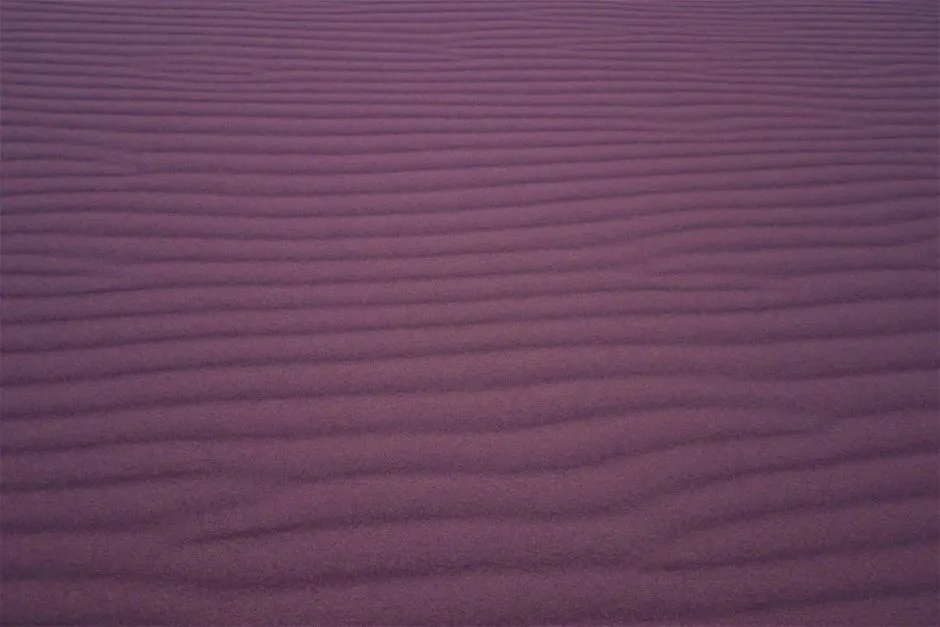
Pfeiffer Beach is distinguished by its striking purple sands, a rarity in coastal landscapes. This extraordinary coloration stems from manganese garnet deposits embedded in the surrounding hills. Over time, these minerals erode and are carried to the beach by streams, creating streaks of vibrant purple that mix with golden sand. This phenomenon is most pronounced after heavy rainfall, when erosion is most active, revealing the mineral-rich sands in all their splendor.
The purple hue comes from the presence of garnets specifically rich in manganese. These minerals are formed under high pressures and temperatures inside the rocks of the cliffs surrounding the beach.
Researchers suspect the specific garnet is Spessartine, a type of garnet whose chemical composition contains the element manganese and the rock-forming element silicon. Spessartine is approximately one and a half times denser than quartz sand, which means it requires greater force to move. The waves at Pfeiffer Beach appear to have just enough energy to carry away the lighter regular sand, but insufficient force to dislodge the Spessartine – leaving the purple sand behind.
What the Sand Actually Looks Like Up Close
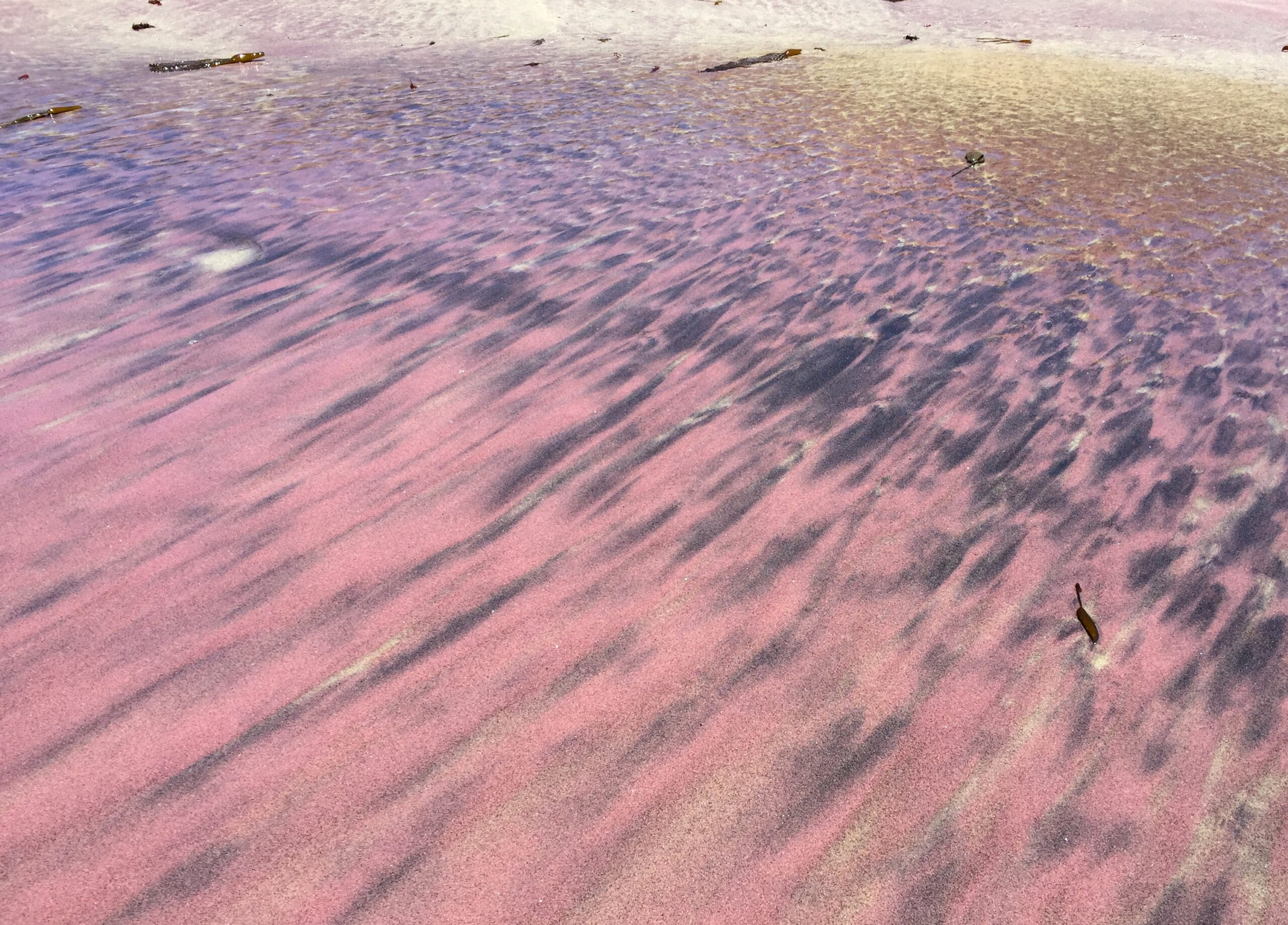
The sand at Pfeiffer Beach is not entirely purple. Rather, it is a mix of what you would likely consider normal sand and purple sand, and they mix and swirl in abstract patterns on the shore. The effect is more like brushwork than a solid color field.
While pure purple predominates in certain pockets, traces of lilac and magenta can also be seen. The purple is easier to see where the sand is wet, so look for the part where the waves wash up onto shore, as well as the creek that runs through the beach.
Most of the purple sand is found to the left of the main beach access, and if there has been a recent rainfall, there will be noticeably more purple sand than in drier times. Patience and timing genuinely reward visitors here.
The Role of Rainfall and Seasons
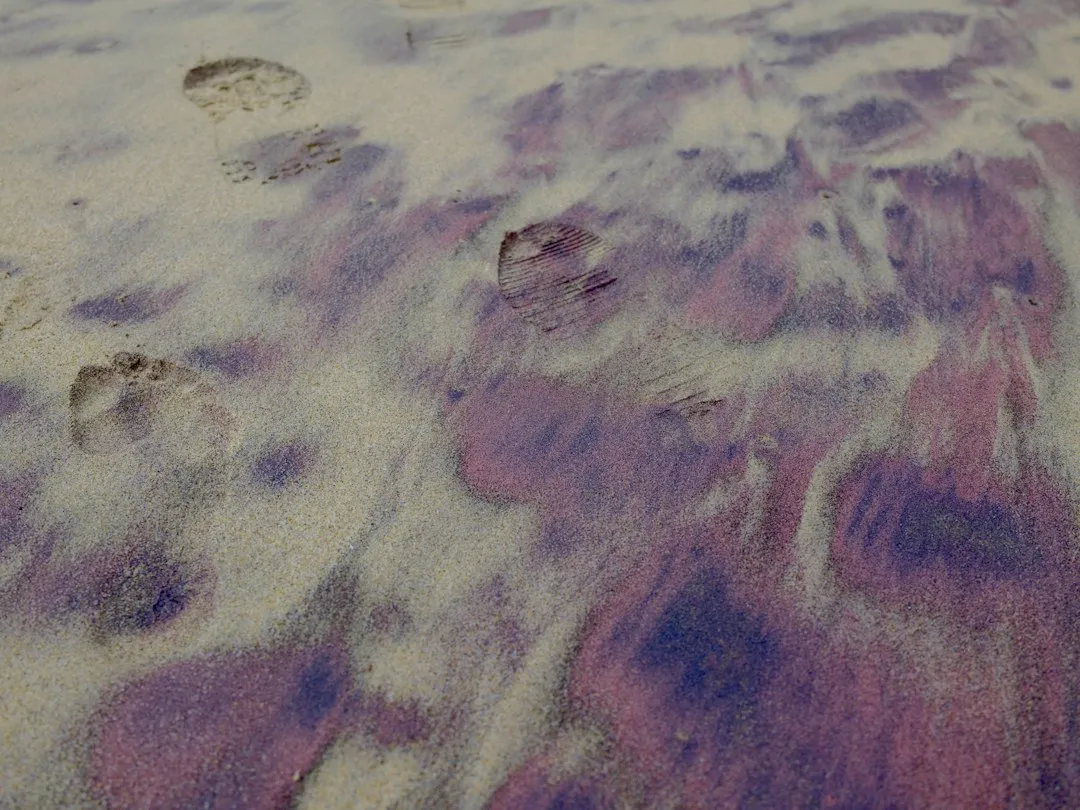
The purple sand is the result of manganese garnet deposits washing down onto the beach from neighboring hills. The streaks of purple are much more visible if you visit just after it has rained, which generally happens in winter and early spring in California – though pockets of purple sand may be found at other times as well.
Some beaches may regularly display their purple color, but at Pfeiffer Beach it depends on the time of year, the light, the current, and the weather. The purple color is especially visible after rain. It may also become more noticeable during high winds or other environmental circumstances, or during low tide after the waves have exposed new sediment.
Natural processes such as rain, wind, and wave action gradually wear down the surrounding rocks, and small fragments are released and transported toward the sea. With each winter storm, this process intensifies, with water flowing down the slopes and carrying mineral particles that end up deposited in the sand. Winter, then, is not just storm season – it’s the season the beach truly comes alive with color.
The Geology Beneath It All
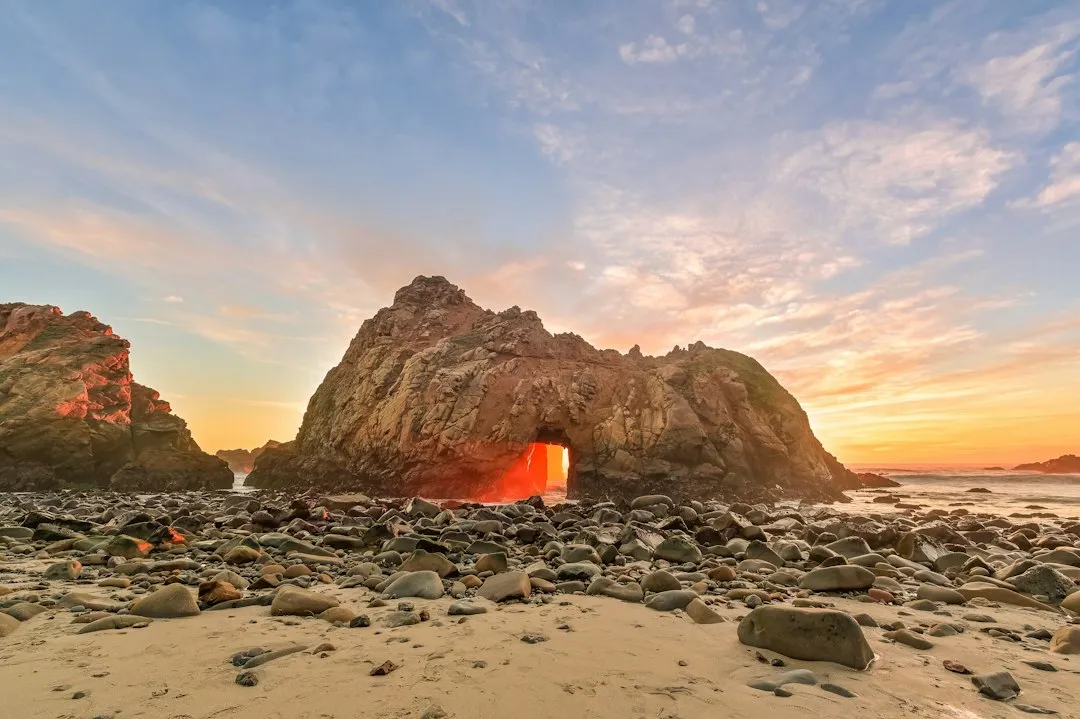
The rugged cliffs surrounding the beach are composed primarily of granitic and metamorphic rocks, remnants of ancient tectonic activity along the Pacific Coast. These formations bear witness to the dynamic geological processes that have shaped California over millions of years, including the grinding forces of the San Andreas Fault system.
Pfeiffer Beach’s purple sand and the nearby Santa Lucia Range are formed through tectonic activity, erosion, and sediment transport. The unique color of the sand comes from manganese garnet from the surrounding mountains, and these geological processes work together to create the stunning beach and landscape visible today.
This provides a naturally and continually renewing pigmentation of the beach – which means Pfeiffer Beach is not a fixed spectacle but a living, shifting one, replenished by every storm that passes through the Santa Lucia Range.
The Keyhole Arch: A Second Wonder
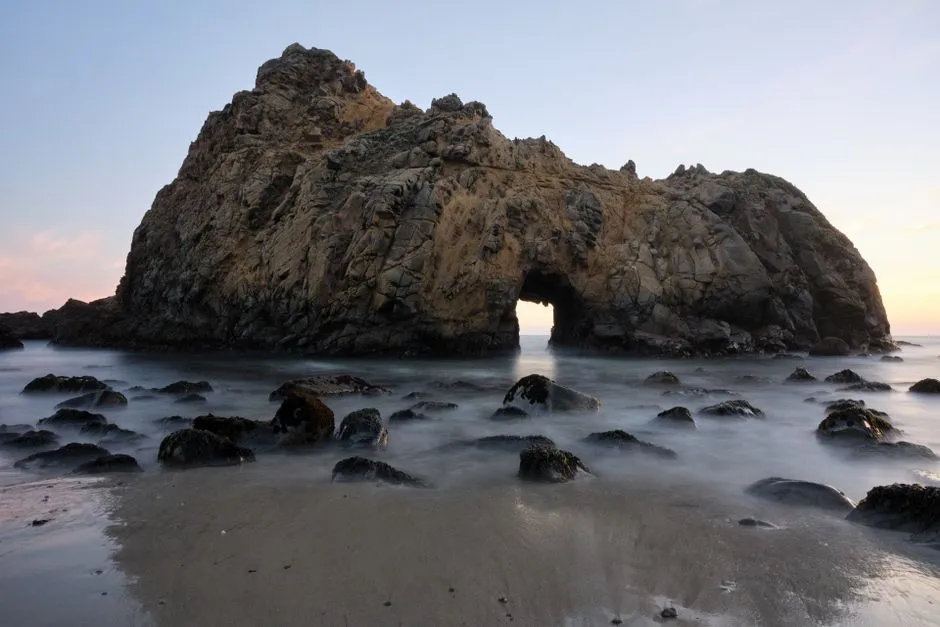
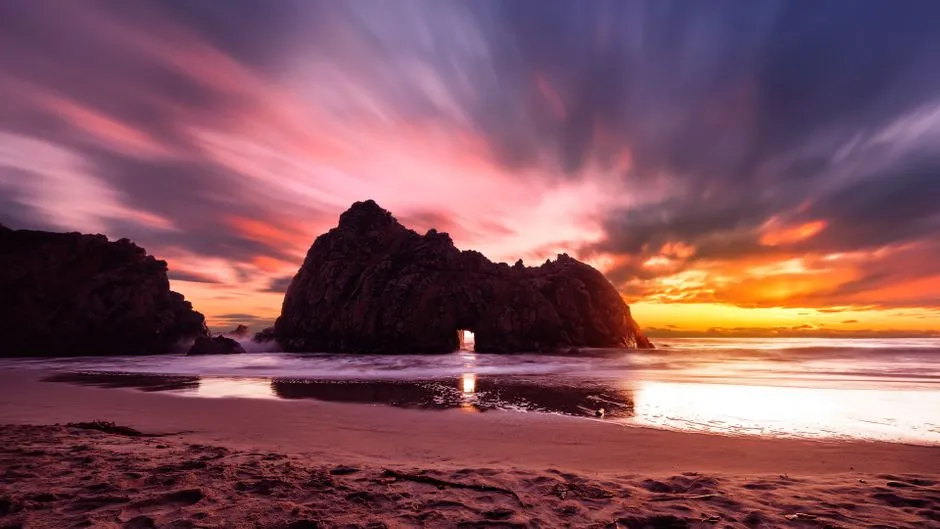
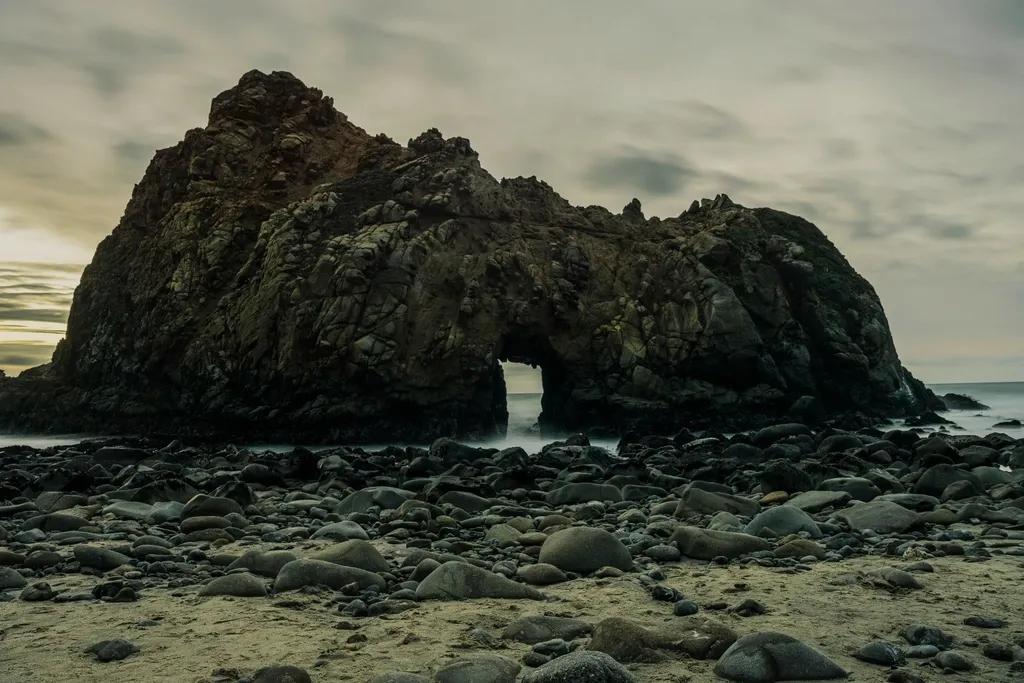
Pfeiffer Beach is famous as the “purple sand beach,” but that’s not its only claim to fame. Beautiful Keyhole Arch, which sits just offshore, is one of the most photographed spots in all of Big Sur.
The arch wasn’t carved by people. Persistent waves and weather gradually exploited weaker portions of the rock, enlarging an opening over time. At sunset during certain times of year, the sun aligns perfectly through the arch, casting golden light across the purple sand – a shot that has become one of the most celebrated images in California photography.
The Keyhole Arch phenomenon happens when the setting sun lines up perfectly with the natural rock arch, allowing light to stream through the opening and reflect off the wet sand and water below. When conditions are right, the light creates a brief but striking glow that lasts only a few minutes before the sun drops below the horizon. It isn’t something you’ll see every evening, and it depends heavily on timing, tides, and weather.
When to See the Winter Light Show
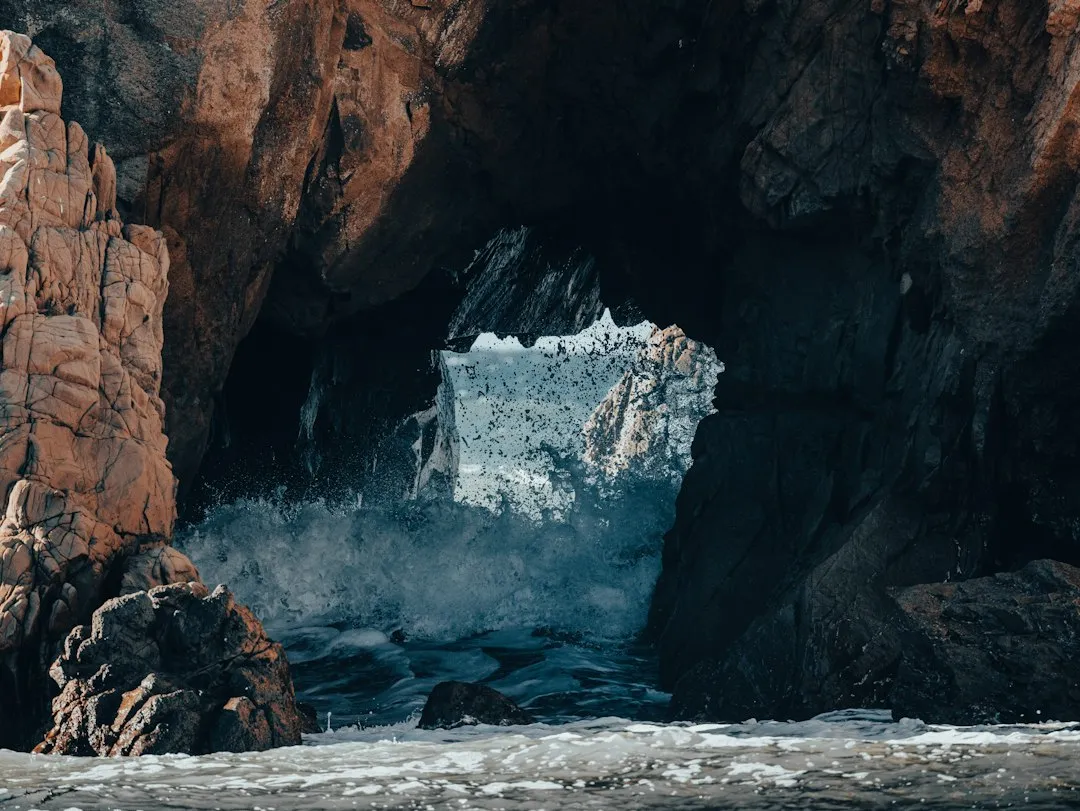
The Keyhole Arch phenomenon typically occurs in late winter between mid-December and mid-January, when the angle of the setting sun aligns just right with the arch. This natural phenomenon doesn’t have fixed dates, but the prime time for the best light is early January, with good-to-great light occurring from around mid-December to mid-January. As the angle of the sun gradually changes from day to day, the best days are right in the middle of that date range, when the sun is directly centered in the arch at sunset.
The light show itself lasts for about an hour from start to finish, but the peak lighting only lasts about 30 minutes, usually around 30 minutes prior to sunset – meaning arriving early and being patient is key.
During the winter weeks when the Keyhole Arch light phenomenon is happening, you may not find parking at Pfeiffer Beach for sunset viewing unless you arrive early and stay on through the day. Plan accordingly and give yourself a generous window.
Wildlife and Coastal Ecology
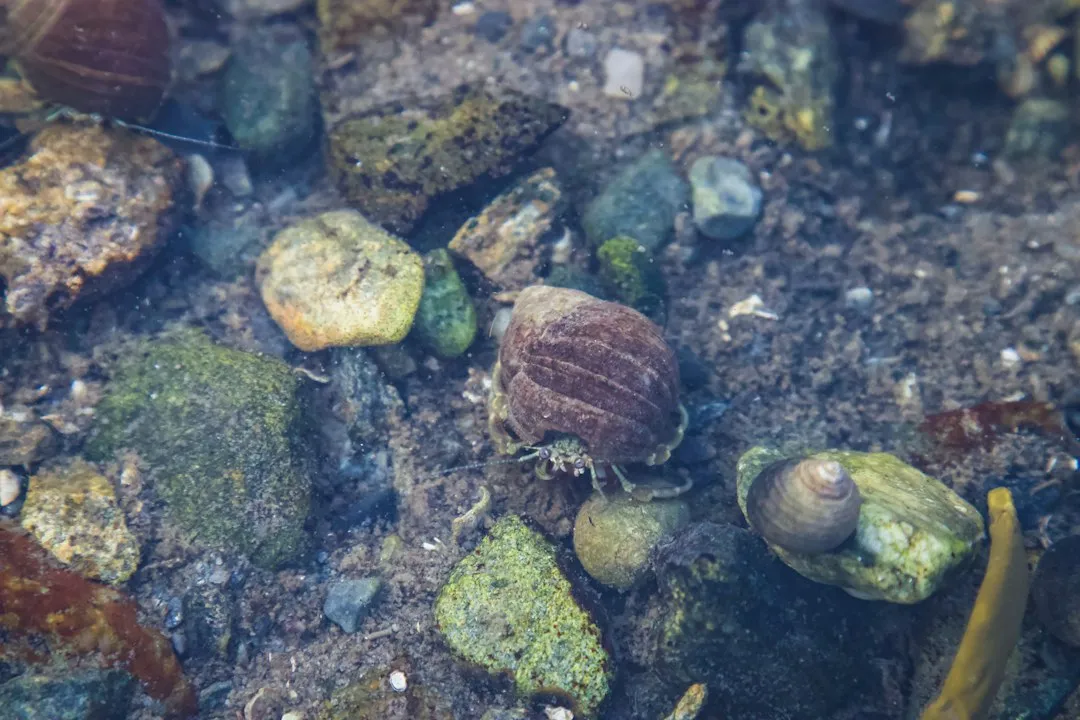
From an environmental perspective, the beach is a vital habitat for coastal flora and fauna. The tide pools host a diverse array of marine species, from sea anemones to hermit crabs, while the surrounding cliffs provide nesting sites for seabirds.
Pfeiffer Beach also features a natural archway and migrating monarch butterflies, and it is located just four miles from California’s famous giant redwoods. The surrounding landscape is layered with biodiversity, which makes the visit feel like more than a stop at a scenic beach.
At low tide, there are tide pools to explore as you walk the shore looking for purple sand. These small ecosystems are remarkably rich – and they’re a good reminder to tread carefully and leave everything exactly as you found it.
Practical Tips for Visiting Responsibly
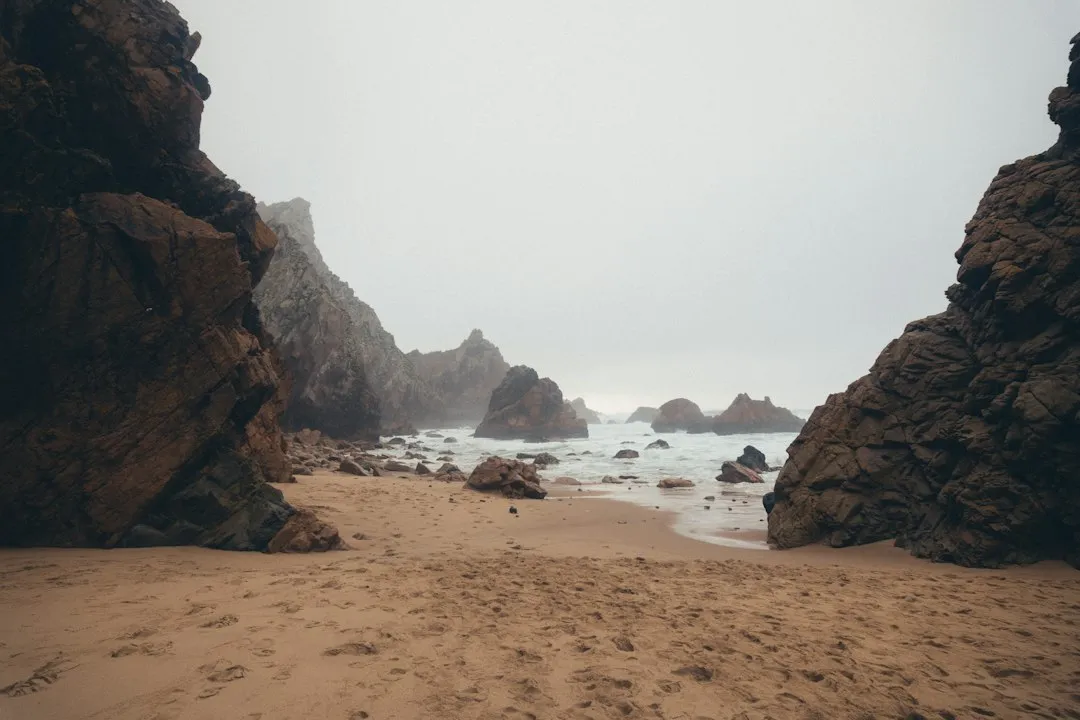
The beach is open all year, from 9:00 a.m. until 8 p.m., or sunset, whichever is earlier. There is a small parking lot near the beach, vault toilets, and some picnic tables.
Swimming is not recommended at Pfeiffer Beach. The purple beach is no exception to this rule – there are strong currents just beyond the break of the waves, and the conditions make rescue very difficult. It’s a beach for watching, wandering, and photographing, not for wading in.
Visitors are asked to take only photographs and not remove any of the sand. The purple color is a geological resource that replenishes slowly, and every handful taken away is one fewer swirl in the shoreline for the next visitor to discover.
Why This Place Still Feels Like a Secret
Despite its remarkable existence along one of the most incredible stretches of the California coast, Pfeiffer Beach remains relatively unknown due to its lack of signage and proximity to the Pacific Coast Highway.
The beach has attracted photographers and influencers from all over the world who come to capture its rare beauty, yet it retains a quality of quiet discovery that feels increasingly rare along the California coast. The interplay of sunlight and water through Keyhole Arch offers a visual spectacle that feels almost otherworldly, and the beach’s seclusion and relative obscurity lend it an air of mystery that makes it a bucket-list destination for adventurers and romantics alike.
Pfeiffer Beach also offers a secluded and relaxing experience that’s hard to find on more touristy beaches in California. That combination – geological rarity, natural drama, and genuine quiet – is a difficult thing to manufacture. Here, it simply exists.
A Beach Worth the Detour
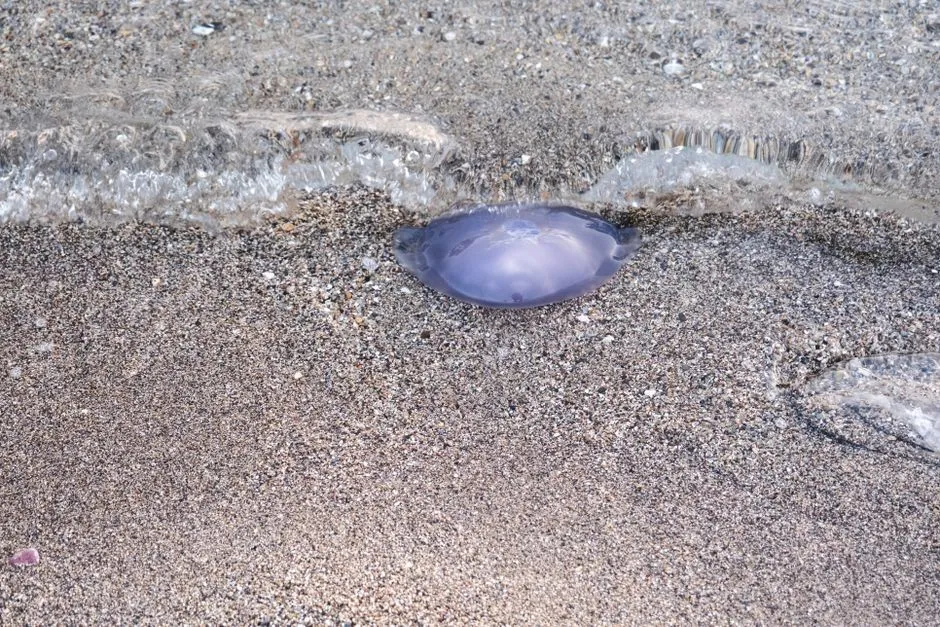
Pfeiffer Beach doesn’t advertise itself. There are no roadside banners, no visitor center gift shops, no queue ropes marking where to stand. You turn down a narrow canyon road, follow it until it opens up, and then the Pacific is in front of you – and the sand beneath your feet is the wrong color in the most wonderful way.
What makes this place genuinely memorable is that the beauty isn’t manufactured or curated. The coloration of the sand is neither artificial nor the result of a temporary phenomenon – it is a direct consequence of geological processes that have been occurring for thousands of years. The mountain gives, the rain carries, the ocean sorts. Purple is what remains.
Come in winter after a good storm. Stay for the light through the arch. Walk the beach slowly. The beach itself is approximately one mile long, making it entirely walkable – and every stretch of it rewards a careful eye. Some places earn their reputation quietly. This is one of them.
AI Disclaimer: This article was created with the assistance of AI tools and reviewed by a human editor.