
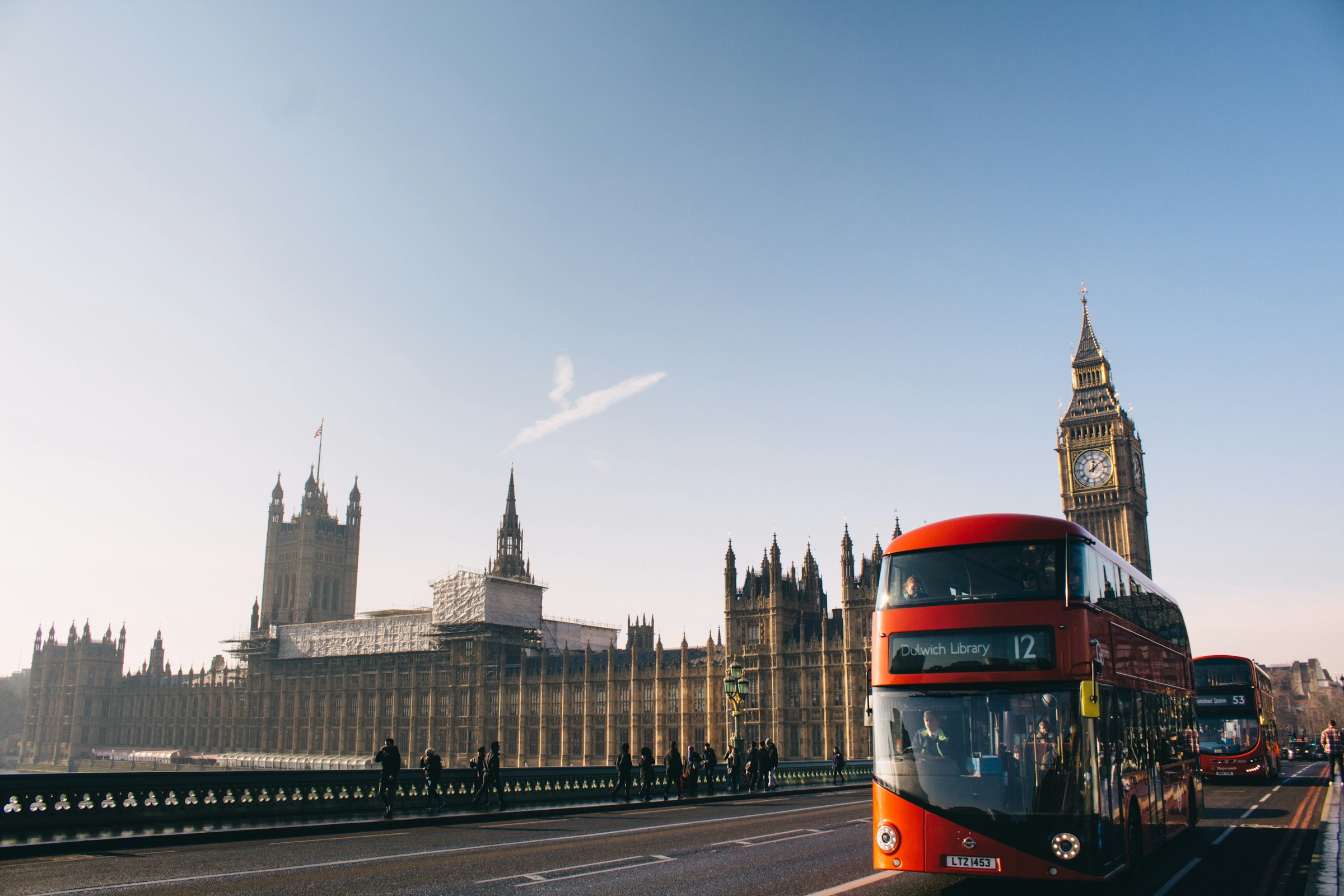

Why the Top Deck Matters More Than You Think
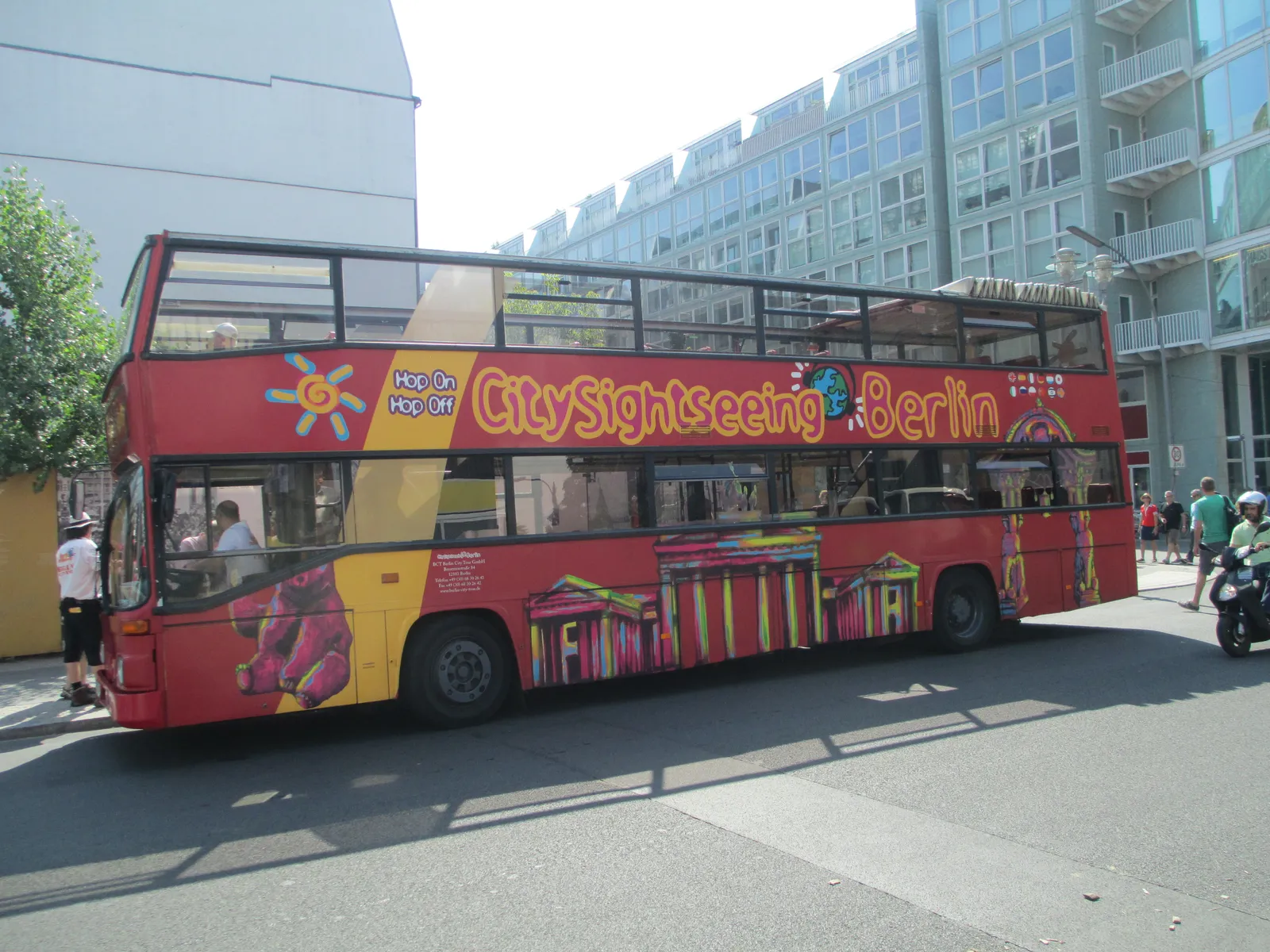
Open-top variants are especially popular for sightseeing tours, allowing passengers unobstructed views of landmarks like Big Ben, Buckingham Palace, and Tower Bridge. That elevation changes everything. Street-level visitors see facades; top-deck riders see rooflines, clock towers, and the full sweep of the Thames.
Spend a half hour gazing out the window as you go through the center of town and you’ll see heraldry plaques, Corinthian columns, and gargoyles you won’t know what century you’re in. What this top-deck travel really brings home is how old and solid and sturdy this city is. That context is simply not available from the pavement below.
The Right Side Wins on Route 11
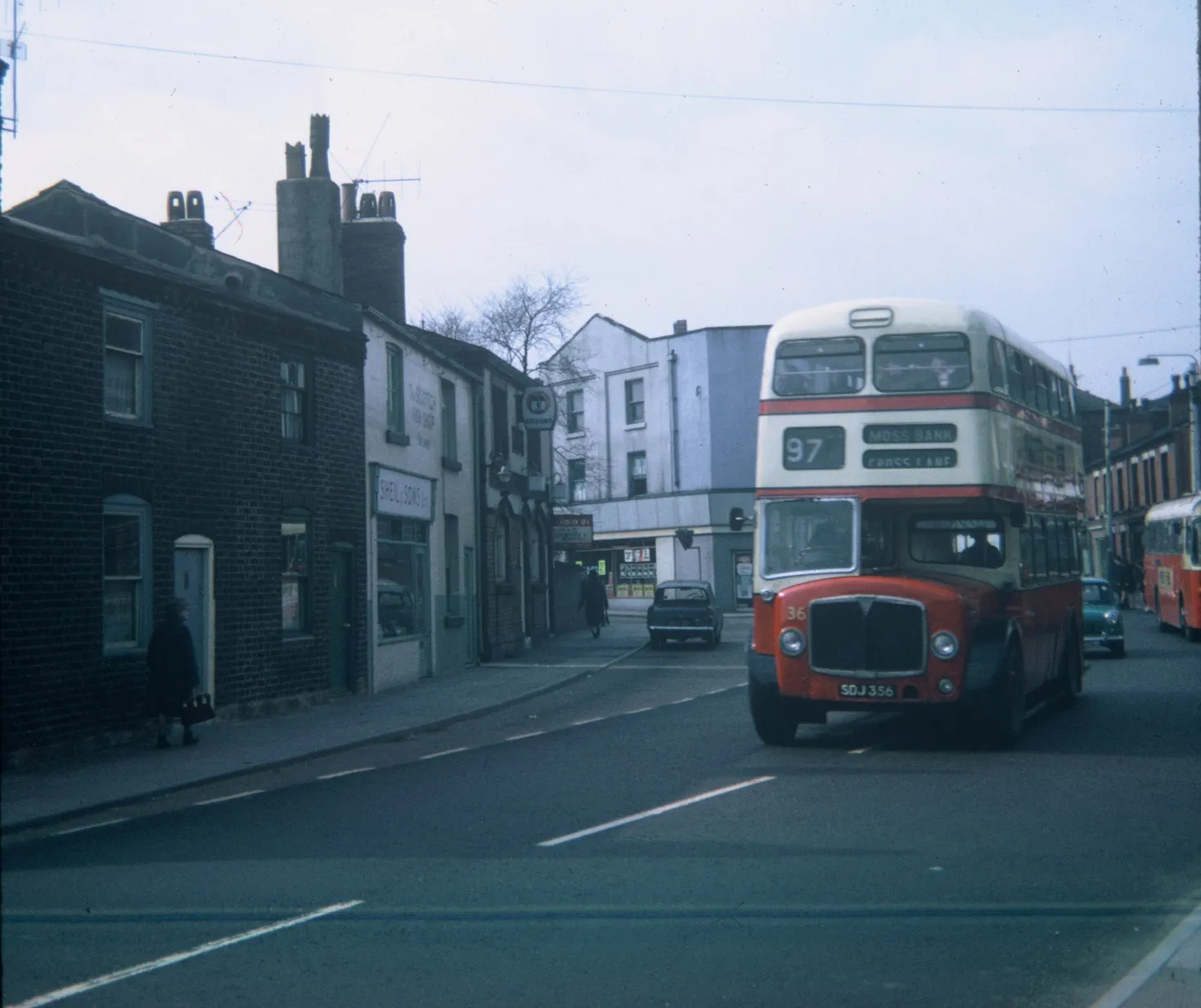
Route 11 passes Westminster Abbey, Big Ben, Trafalgar Square, St. Paul’s Cathedral, and the Strand – a lineup that makes it one of the most rewarding bus rides in any city, for free. The side you choose on this route, however, is specific.
This is a great, cheap sightseeing route. You want to try and get an upstairs front seat for best views, and sit on the right-hand side for this route. On the right, heading from Liverpool Street toward Victoria, the Royal Courts of Justice appear on your right, a grand Victorian building. Further along, Admiralty Arch appears straight ahead as the bus turns left onto Whitehall, and it’s straight down to see Big Ben. Look to the right for Horse Guards Parade to see the mounted cavalry.
Route 15: The City of London Side Question
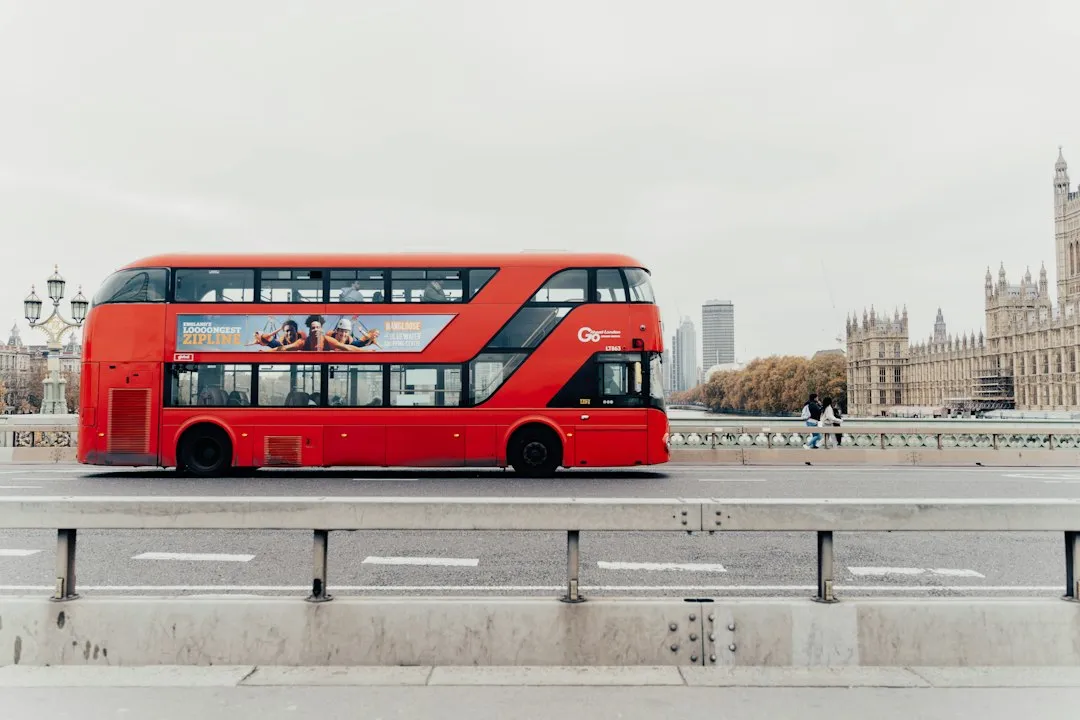
Route 15’s best section runs from Charing Cross to Tower Hill, passing the Strand, Royal Courts of Justice, St Paul’s Cathedral, Monument and the Tower of London. Route 15 connects the West End with the historic City of London. It’s arguably the most architecturally concentrated stretch in the entire network.
Route 15 is one of the only routes that sometimes still uses vintage Routemaster buses. You’ll pass the Tower of London, Monument, and Fleet Street. On this route, St Paul’s Cathedral sits to the left as you travel eastward from Trafalgar Square, making the left side preferable for that particular stretch of the journey.
Route 9: Kensington to Aldwych
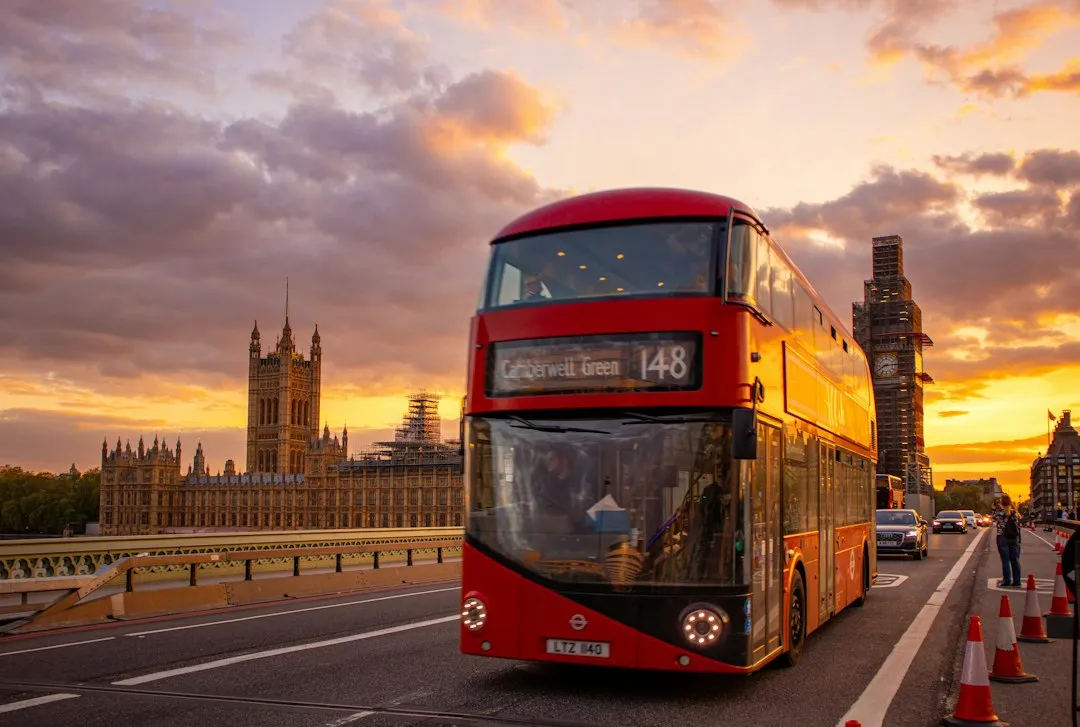
Route 9 is the best all-round option. Its central section connects Aldwych, Trafalgar Square, Piccadilly Circus, Hyde Park Corner, Harrods, the Royal Albert Hall, and Kensington Palace. Few other routes pack that range of architecture into a single loop.
Traveling westward on Route 9, the right side gives the cleaner look at Piccadilly Circus and the facade of the Royal Academy of Arts. Heading east toward Aldwych, the left side opens up toward Trafalgar Square and Nelson’s Column. The front row catches both, which is why the front seats are often the first to be taken, especially the ones right at the front where the views are best.
Route 24: Westminster to the North
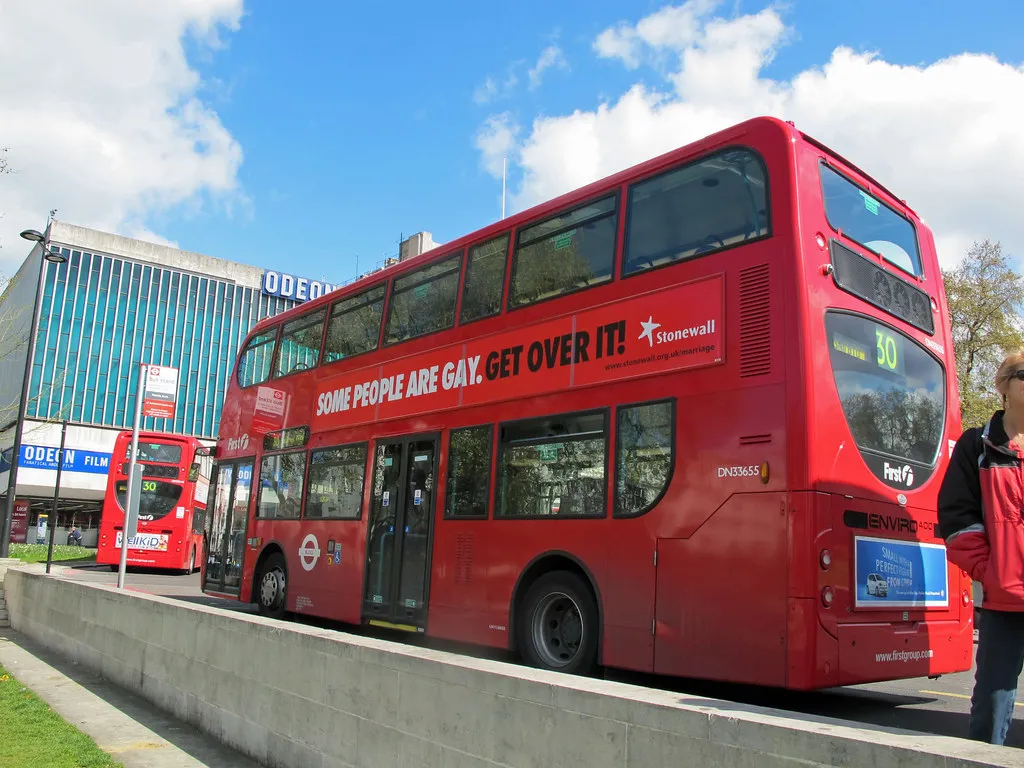
Route 24 serves Parliament Square and the Westminster area, close to Big Ben, the Houses of Parliament, and Westminster Abbey. It then heads northward through Trafalgar Square toward Leicester Square and Camden Town, giving riders a very different cross-section of the city compared to the east-west routes.
Route 24 continues past Westminster and Trafalgar Square, followed by Leicester Square, which is home to London’s Chinatown. On the southbound direction from Camden, the left side generally faces Parliament Square as the bus descends Whitehall, which is worth knowing before you sit down.
The Front Row Rules – But There’s a Catch
Sitting on the top deck, front row, is widely recommended as the best view in town. That front-facing panorama captures both sides simultaneously, which removes the left-or-right dilemma almost entirely. The trade-off is that the front row fills up fast, especially on tourist-heavy routes during mid-morning hours.
When riding a London double-decker bus, consider sitting on the top deck front-left side for the best panoramic views, especially on tourist routes like the 9, 15, or 24. Front-left positions you slightly toward oncoming street architecture while still catching river glimpses to the right at key crossing points.
Westminster Bridge: A Moment Where Both Sides Deliver
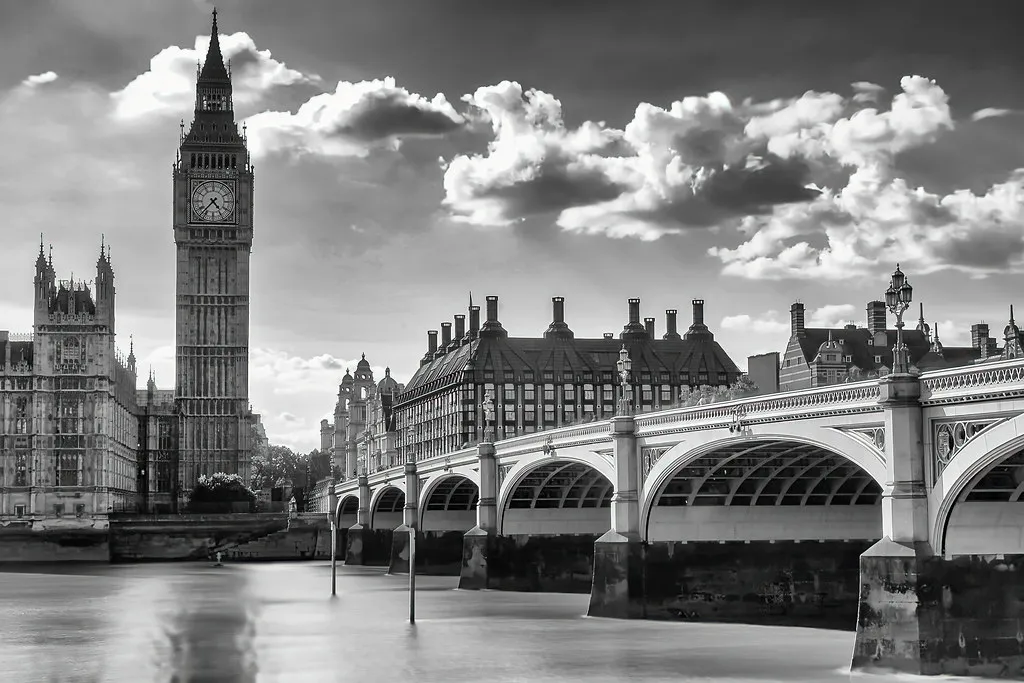
Westminster Bridge connects Lambeth and Westminster, and with panoramic views of Westminster Abbey, the Houses of Parliament, and Big Ben on one side, and the London Eye on the other, every first-time visitor to the capital should cross it at least once. On a double-decker crossing this bridge, it barely matters which side you chose – both deliver.
Open-top hop-on hop-off buses offer a unique vantage point of several Thameside landmarks. The moment the bus clears the bridge parapet and the full stretch of the Thames opens up, left and right both earn their keep. It’s one of the few stretches where seat selection becomes irrelevant.
What Guides Actually Tell Passengers to Do
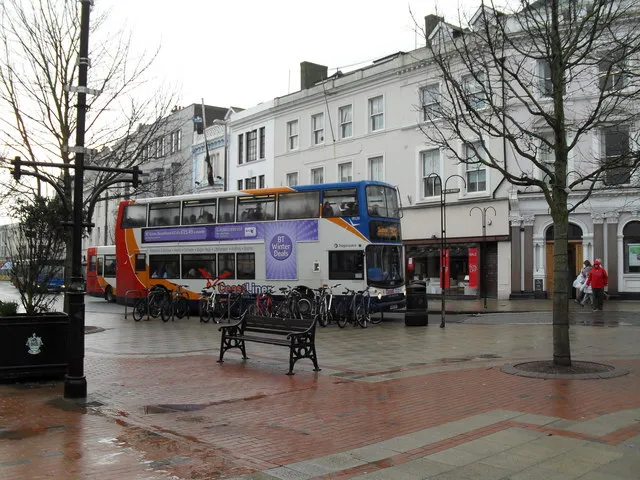
Professional guides bring London’s story to life with fascinating facts and engaging commentary – no pre-recorded tapes, just real interaction. Live guides consistently advise passengers to shift sides when passing certain turns, or to look across the aisle rather than just out their own window. The bus is narrow enough that most landmarks on either side are visible from almost any seat, if you’re paying attention.
As you settle in, the driver guides you through London’s most famous neighbourhoods, offering uninterrupted views of landmarks like the Tower of London, Tower Bridge, Big Ben, Westminster Abbey, and Trafalgar Square. You’ll pass bustling West End theatres, the historic City district, and the scenic Southbank, all from the comfort of your seat. The guides know the exact moments to point passengers across the aisle.
How Route Direction Flips the Equation
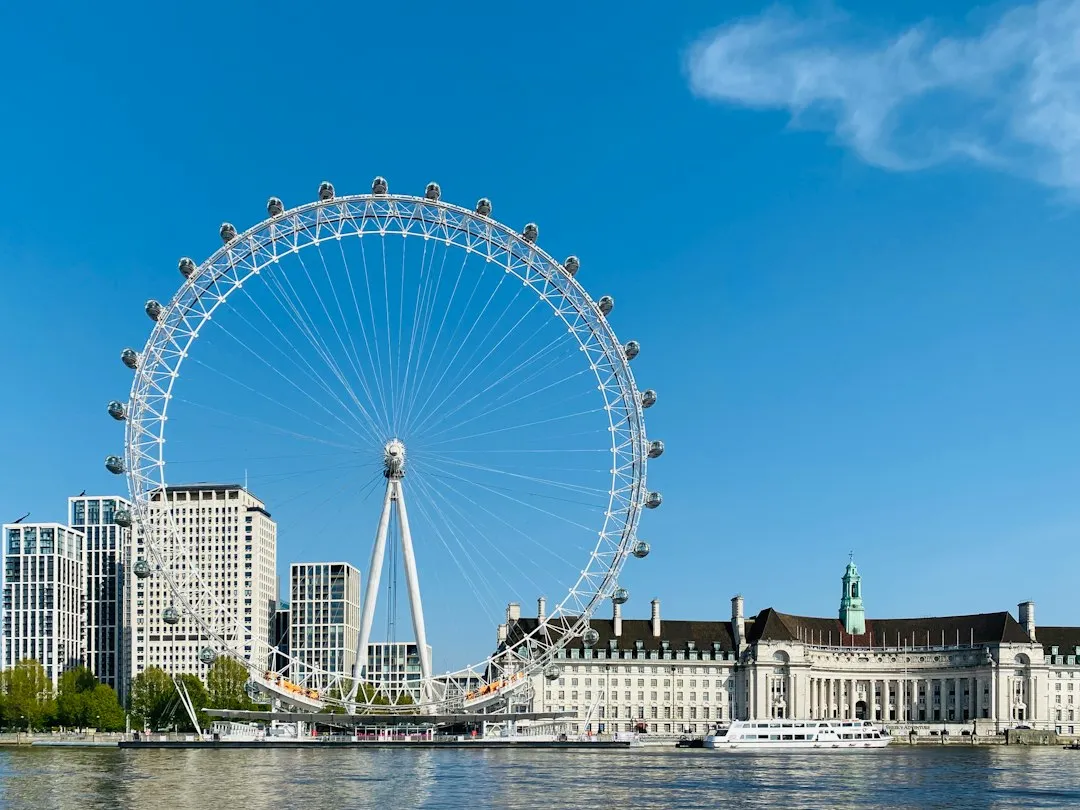
This is a detail many first-timers miss. The “best side” changes completely depending on which direction you’re traveling. The London Eye stands tall and impressive, offering a glimpse of the giant Ferris wheel when you drive towards Fulham Town Hall on Route 11, and not the other way. Direction isn’t a small variable – it can reverse every single seat recommendation.
Before boarding, it’s worth checking the direction of travel and mapping the key landmarks against the route. Route 11 from Liverpool Street takes you right next to Saint Paul’s Cathedral before heading down Fleet Street and along The Strand to Trafalgar Square, then travels south along Whitehall passing around Parliament Square near Big Ben. Westbound on this route, the right side dominates. Eastbound, the left side picks up more landmarks.
Open-Top vs. Closed-Top: Why It Changes the Side Debate
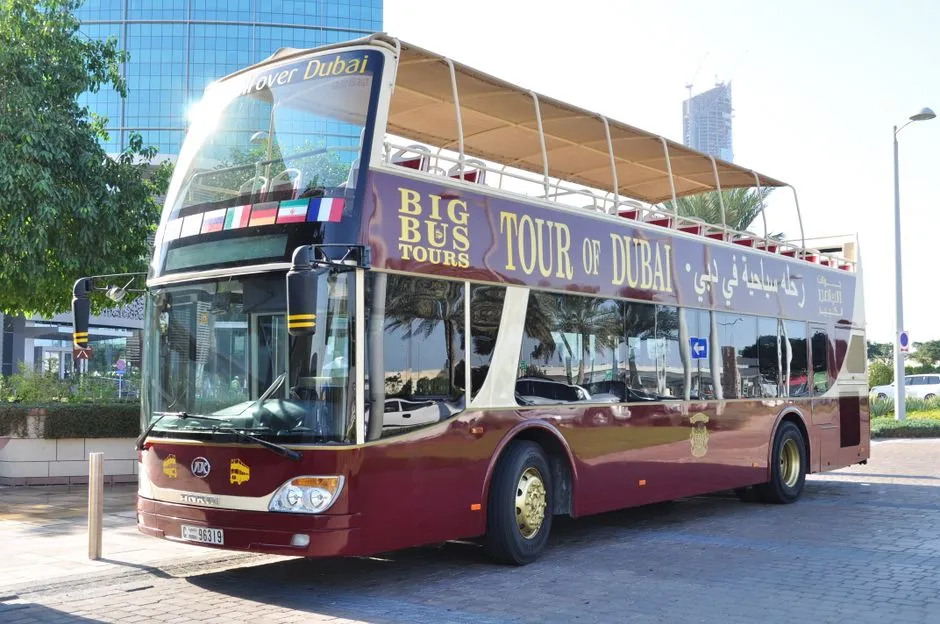
For tourists seeking an immersive experience in London, an open-top ride on one of these double-deckers offers unobstructed views of key attractions like Big Ben, the Houses of Parliament, Buckingham Palace, and the River Thames, all while gently navigating the famous bends and turns of central London streets. On an open-top bus, the lack of window frames and roof pillars means the side distinction matters less – you can physically lean and turn to follow a landmark as it passes.
On a standard closed-top bus, window frames and pillars can block sightlines at awkward moments, so side selection becomes more consequential. From Buckingham Palace to the Tower of London via the Houses of Parliament, The Shard, and St Paul’s Cathedral, seeing London without any of those annoying panes of glass in the way is a genuine upgrade for photographers and anyone who cares about getting a clean look at the city’s skyline.
The Honest Takeaway
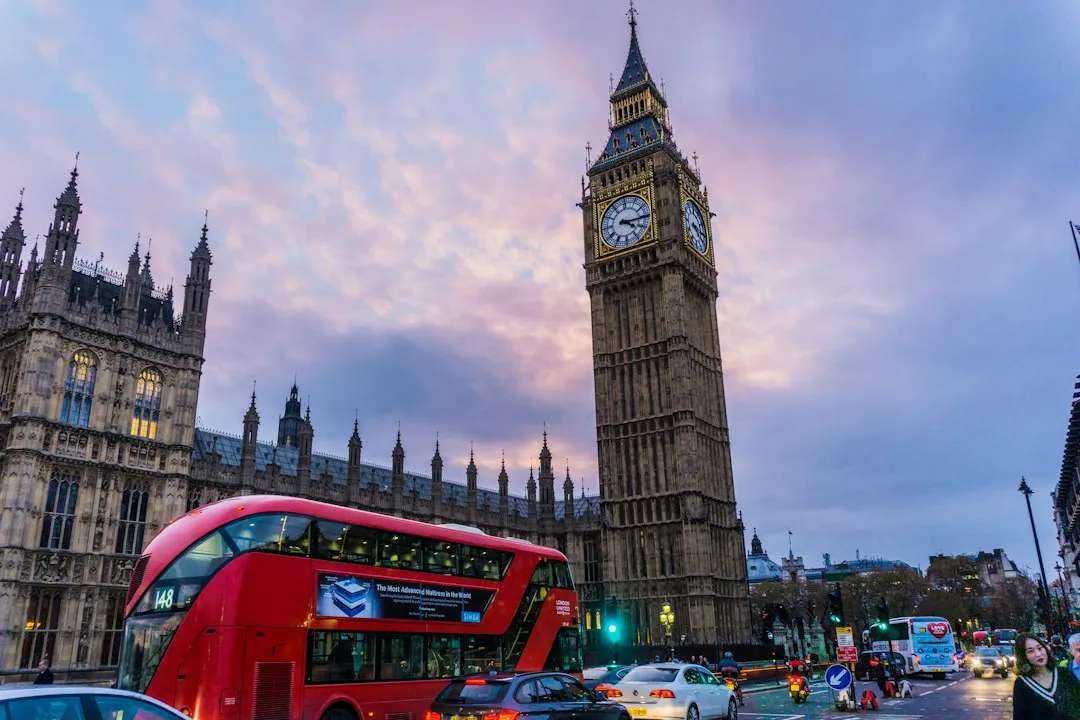
There isn’t one universally “correct” side on London’s double-decker buses. The right answer depends on the route, the direction of travel, and the specific stretch of road you’re on. Route 11 heading westward? Sit right. Eastbound on Route 15 past St Paul’s? Move left. Crossing Westminster Bridge? Sit anywhere and just look.
The guides who know these routes well don’t have a single answer either – they have a map in their heads that shifts block by block. To see as many sights as possible on a single bus journey, hop on the No. 11 for a seven-mile journey that’ll take around an hour and a half. Do that with intent, and the seat debate resolves itself pretty quickly once you’re moving through the city.
AI Disclaimer: This article was created with the assistance of AI tools and reviewed by a human editor.