
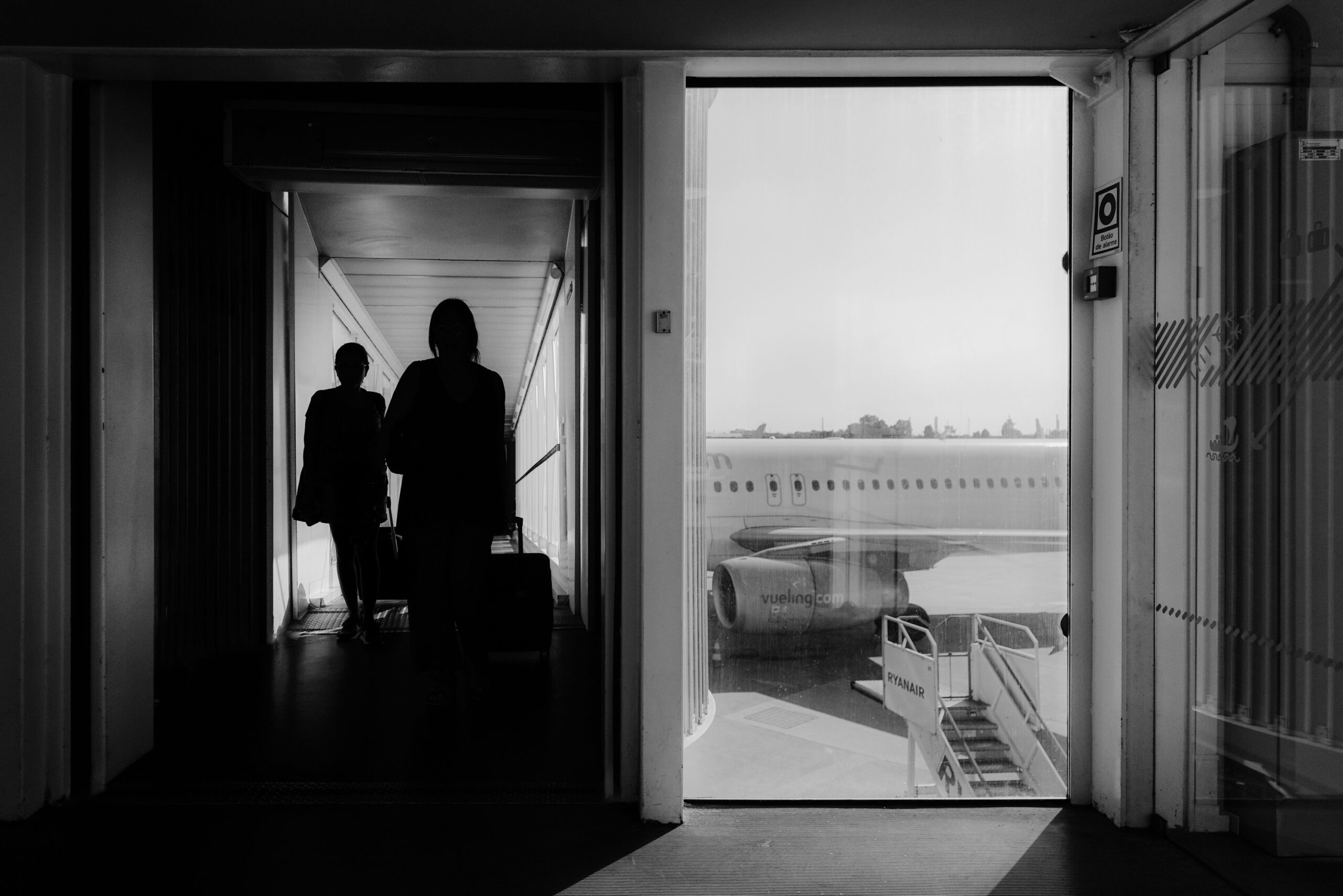
From the passenger’s side of the door, arriving at a gate feels almost effortless. The plane stops, a hollow thud echoes through the cabin, and within moments the forward door swings open. What most travelers never see is the coordinated sequence happening outside that door in the two to three minutes before it moves at all.
Jet bridge operators, formally known as passenger boarding bridge (PBB) operators, are the people responsible for making that moment happen safely. Their work is tightly procedural, genuinely skilled, and almost entirely invisible to the traveling public.
They Arrive at the Gate Before the Plane Does
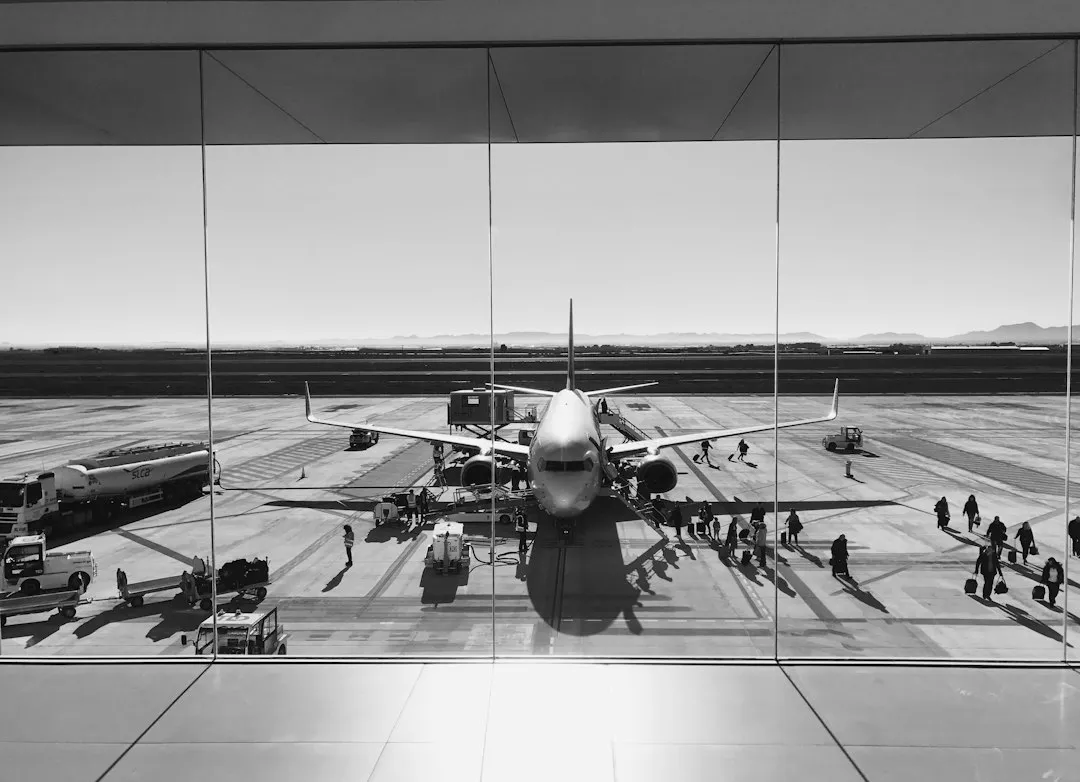
Operators are expected to report to the assigned gate twenty minutes before the estimated time of arrival, checking whether the bridge is in its correct parking position and whether any obstruction or equipment has been left inside the maneuvering area. That pre-arrival window is not idle time. It’s when the operator reviews the flight details, confirms the aircraft type, and runs through the bridge’s functional checks before anything starts moving.
In systems equipped with automated guidance, scanning of the area around the apron and bridge for obstacles or hazards typically begins around fifteen minutes before the anticipated arrival of the aircraft. Whether automated or manual, the purpose is the same: the ramp needs to be clear and ready well before the aircraft rolls in.
The Aircraft Has to Stop in Exactly the Right Spot
The pilot follows a marshaller or visual docking system to reach the designated stop mark. This precision matters more than most passengers realize. A common failure is parking short, long, or off the stand centreline. Even a movable bridge cannot safely compensate if reaching the door would exceed its operating limits or bring it too close to another part of the aircraft.
A stand guidance system gives information to a pilot attempting to park an aircraft at an airport stand, usually via visual methods, and this allows them to remain clear of obstructions and ensures that jetways can reach the aircraft. The visual docking guidance system is the array of lights and displays pilots reference as they creep toward the gate on taxiing power alone.
Wheel Chocks Go In Before the Bridge Moves
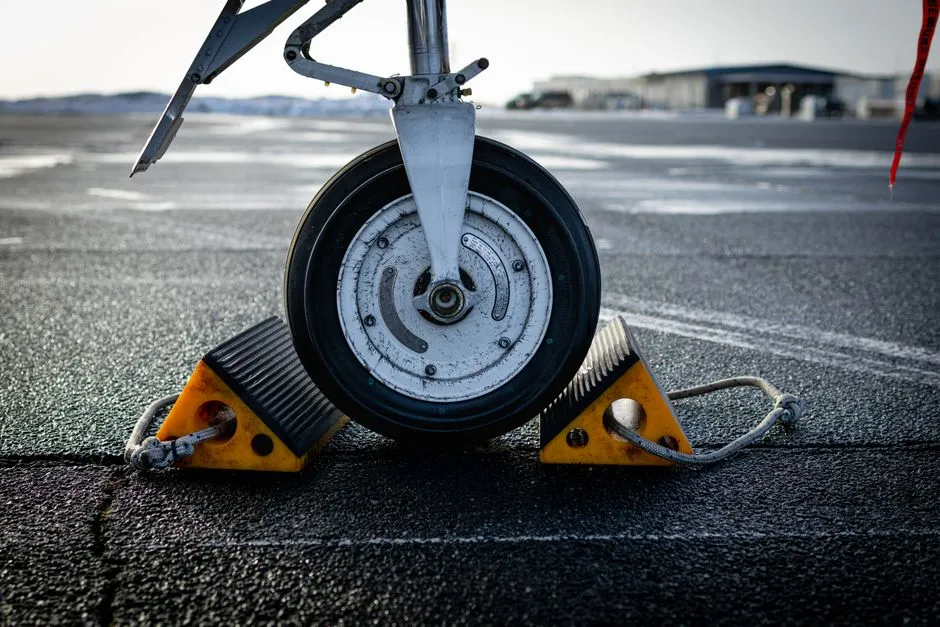
Engines are shut down as required, wheel chocks are installed, and the ramp team checks that the bridge movement area is clear. Only once those physical checks are confirmed does the bridge operator receive the clearance to approach. In past procedures, operators would approach the aircraft as soon as the plane had its wheels chocked and they had checked for a clear approach. Updated procedures now require waiting for a hand signal from the ramp crew before proceeding.
That hand signal requirement exists for a specific reason. The jet bridge is, by a wide margin, the heaviest piece of ground support equipment at any gate. Due to its large size, weight, and momentum, any collision between an aircraft and the jet bridge is likely to cause more damage than most other equipment on the ramp.
The Operator Works Alone Inside the Cab
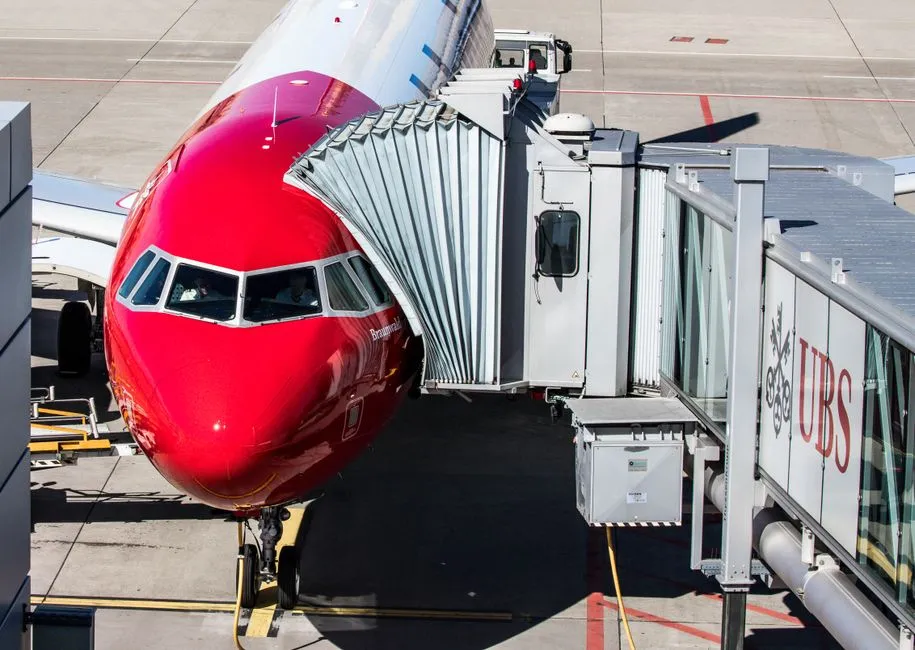
The jet bridge is controlled from its cabin by a single operator who cannot visually see how the boundaries, edges, and extremities of the jet bridge are moving on the ramp. This is precisely why strict protocols exist around who is allowed in that cab. It is absolutely necessary that no one other than the operator is inside the jet bridge cabin during operation, because additional personnel are a source of distraction.
A small control station in the cab allows the operator to maneuver the bridge. Older systems contained many individual motor control buttons, while modern systems have simplified control panels with an LED screen and a multi-axis joystick. The joystick setup demands fine motor control, situational awareness, and a clear view of the aircraft door ahead.
Aligning the Bridge to the Door Is the Most Demanding Moment
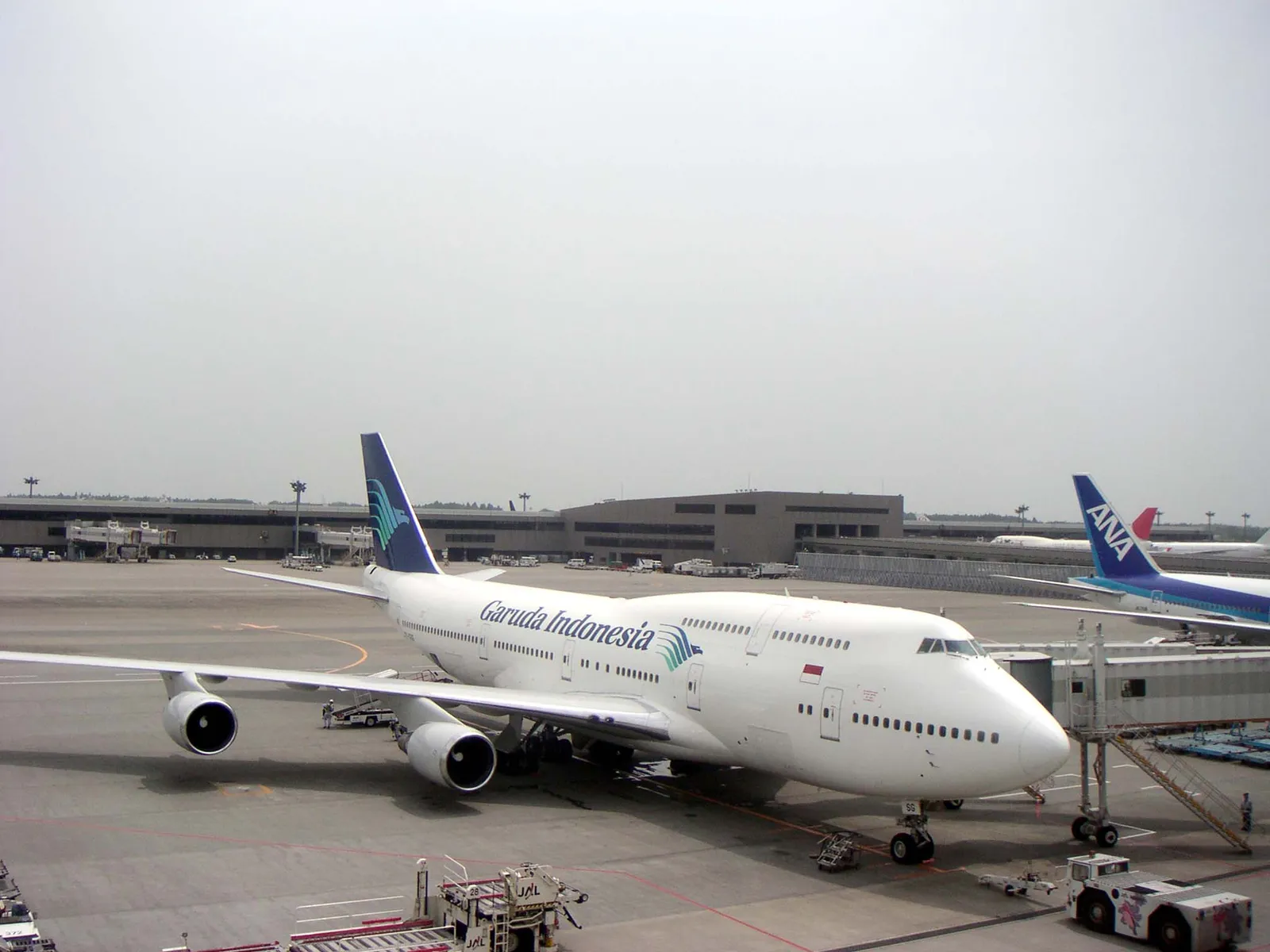
The bridge is raised, extended, and turned until its floor sits just below the door sill. Clearance must be left for an outward-opening door. Getting that vertical alignment right is not a matter of feel. As the height of the aircraft door varies based on the design of the plane, the operator may need to adjust the height of the loading bridge, and the inside of the bridge often has a slight incline or decline as a result.
During alignment, the operator has to precisely position the cabin bumper under the aircraft door so that no gap exists between the aircraft door and cabin bumper. A skilled operator will align the bumper so that passengers don’t feel they are stepping onto a different surface as they exit the airplane door. That seamless step-across feeling passengers take for granted takes real technique to achieve.
The Canopy Creates a Sealed Connection
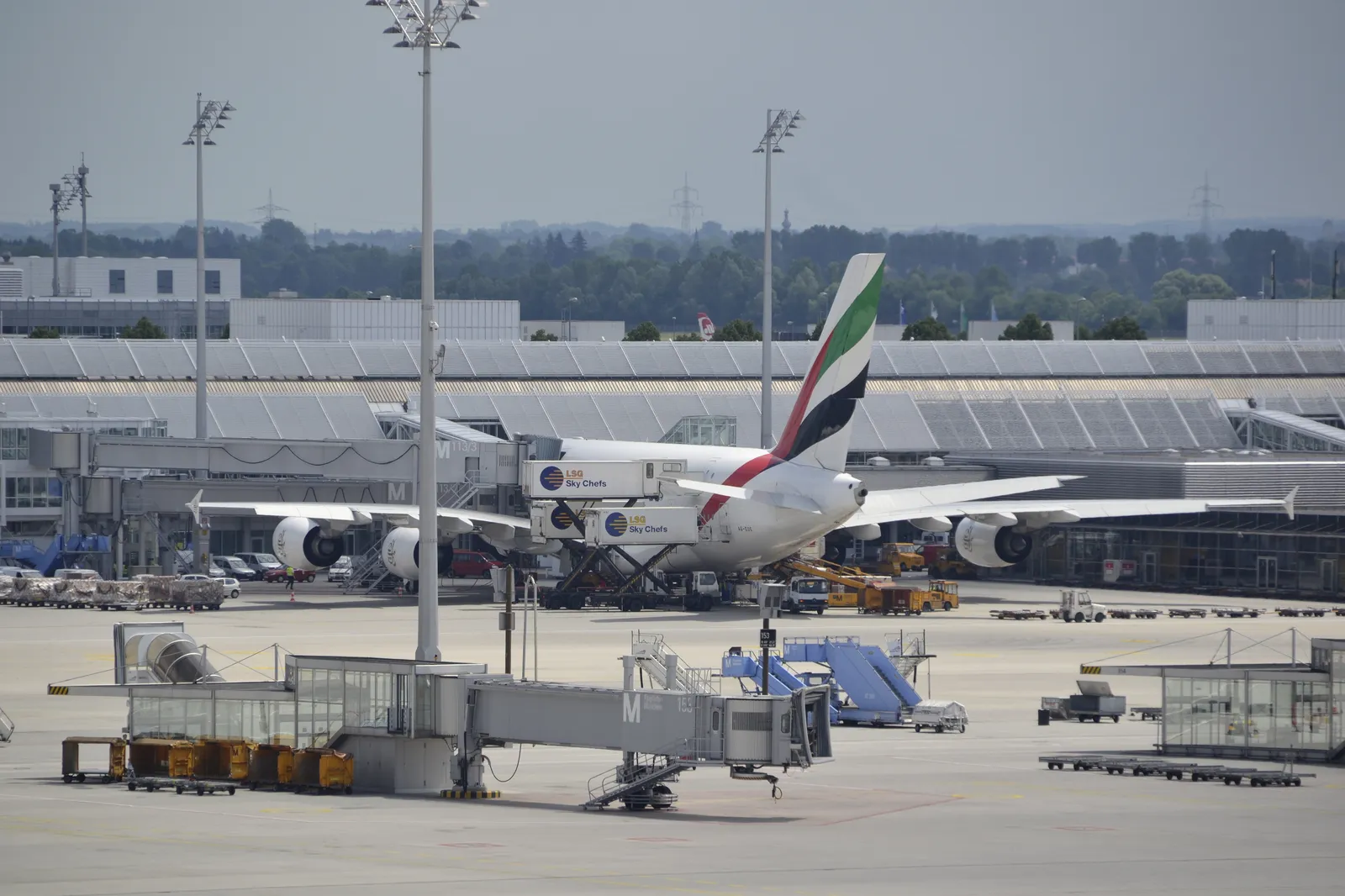
After the cabin bumper has been properly engaged, the operator must deploy what is known as the canopy. The canopy acts like a roof that completely engulfs the exit door of the aircraft, preventing passengers from exposure to external weather. Without the canopy positioned correctly, rain, wind, and noise from the ramp would pour directly into the boarding zone.
Once docked and stabilised, safety devices are engaged and auto-levelling is selected where fitted. Cabin crew then receive confirmation that the door can be opened. That confirmation is the signal everyone on the plane has been waiting for. Nothing opens until it arrives.
A Safety Shoe Sensor Guards Against Height Drift
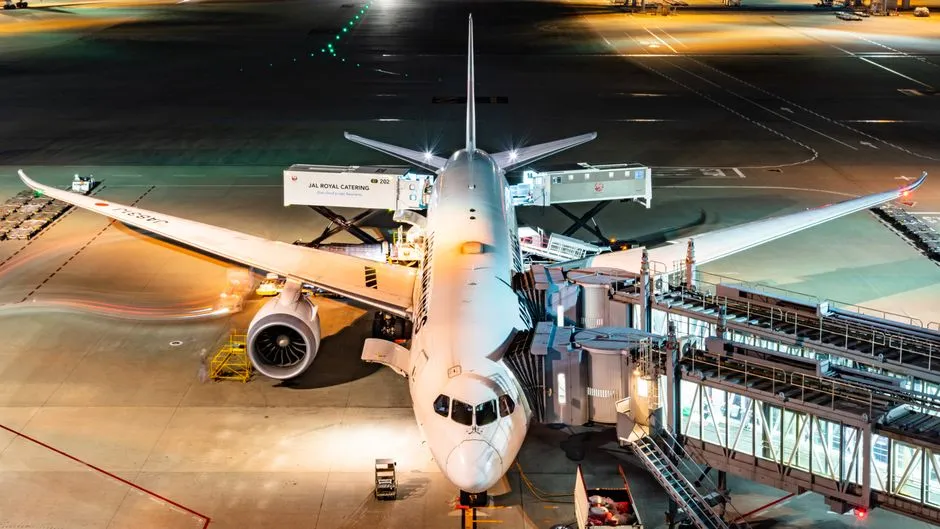
Aircraft don’t stay at a fixed height once parked. Passengers deplaning, bags being offloaded, and fuel being added all shift the aircraft’s weight and, in turn, its vertical position. After the jet bridge is engaged, the operator places a safety shoe sensor under the aircraft door. If a difference in height develops between the jet bridge and the aircraft, the door presses the safety shoe sensor and sounds an alarm.
Proximity switch failure, inadequate operator training, or poor operator technique can all lead to the bridge striking the aircraft with greater than intended force, which can lead to dents, skin puncture, or structural damage to the aircraft. The safety shoe is a last-resort physical failsafe when the automated systems don’t catch a shift in time.
Ground Power Connects Through the Bridge
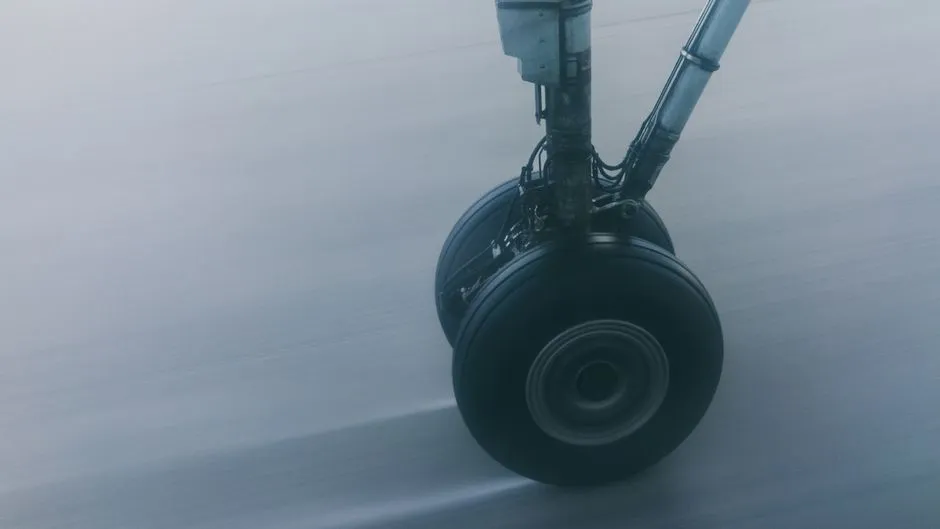
Most passengers assume the aircraft powers itself on the ground the same way it does in the air. In reality, a separate power source takes over the moment the plane parks. Ground support services such as ground power and aircraft environmental control, including heating and cooling, are often built into the passenger boarding bridge itself, eliminating the need for separate mobile equipment.
The passenger bridge operator drives the bridge to the aircraft door, and the marshaller then connects ground power from the bridge to the aircraft’s auxiliary power unit. Coordinating the GPU and preconditioned air connections with aircraft engineers and reporting verbally is part of the operator’s responsibilities, specifically to avoid miscommunication during the arrival process.
The Ramp Crew Is Always Watching the Floor Level
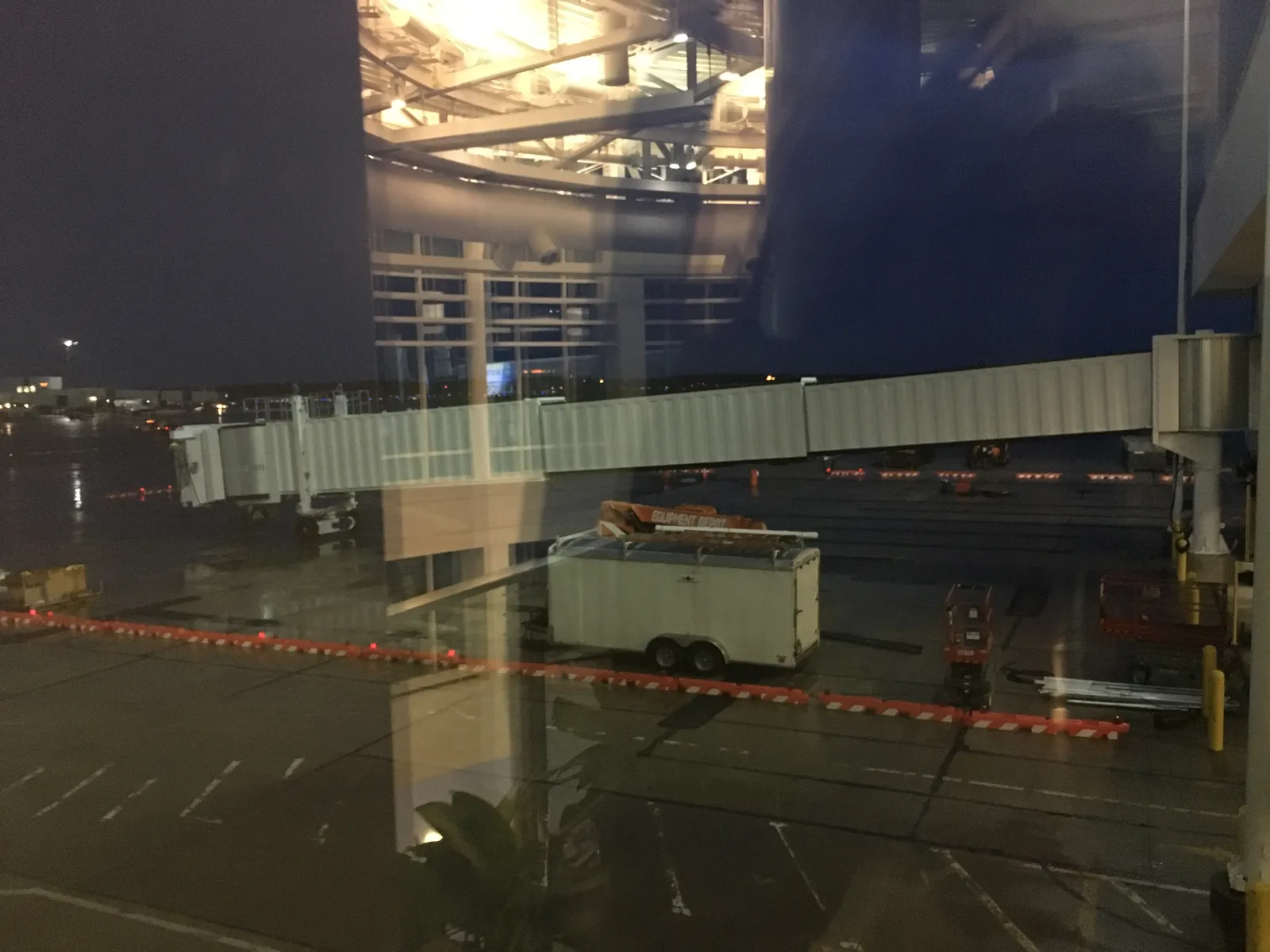
Once passengers begin moving, the operator’s job isn’t quite finished. Operators are responsible for monitoring the bridge level and cabin floor throughout loading and unloading, waiting with the group before transferring responsibility. The bridge must track the aircraft’s changing weight distribution in real time, adjusting automatically or manually to keep the floor level safe.
This is especially relevant on widebody aircraft where cargo and fuel loading happens simultaneously with passenger deplaning. The jet bridge operator is expected to either just touch the cabin bumper with the aircraft body or keep it at a hairline distance. This final phase is where the operator’s skill is tested most acutely. A millimeter too much pressure against a fuselage under load can cause damage that grounds the aircraft for hours.
Operator Training Is Ongoing, Not a One-Time Event
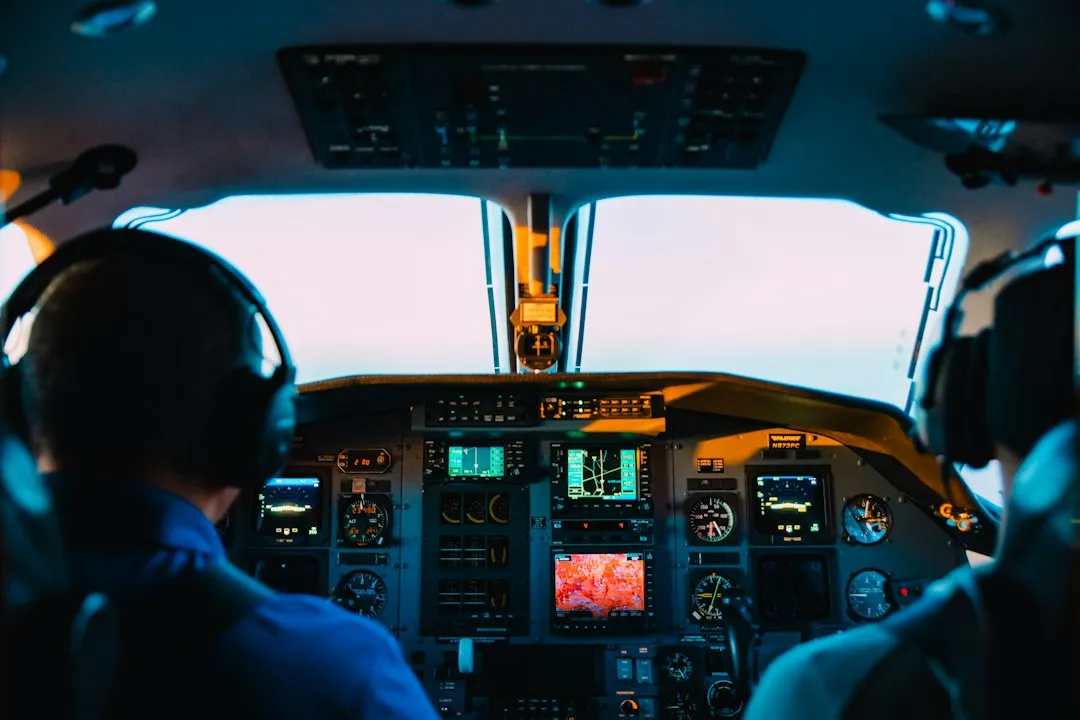
Regulatory bodies such as the Civil Aviation Authority recommend that airports establish systems for training, testing, and licensing airbridge operators. In practice, that training covers both classroom safety procedures and hands-on work across multiple aircraft types. Recurrent training typically includes computer-based safety and procedures assessments as well as on-the-job practice meeting different types of aircraft from different bridge configurations, with annual recurrent training taking roughly half a day per year.
Composure is considered an essential trait in jet bridge operation. There are times when the bridge experiences a technical issue at the last moment, causing delays. Under those conditions, the operator faces pressure to connect quickly because the flight is already running late. Staying methodical under that pressure, and not rushing the final docking phase, is what separates a competent operator from one who creates a ramp incident.
The Quiet Choreography That Precedes Every Arrival
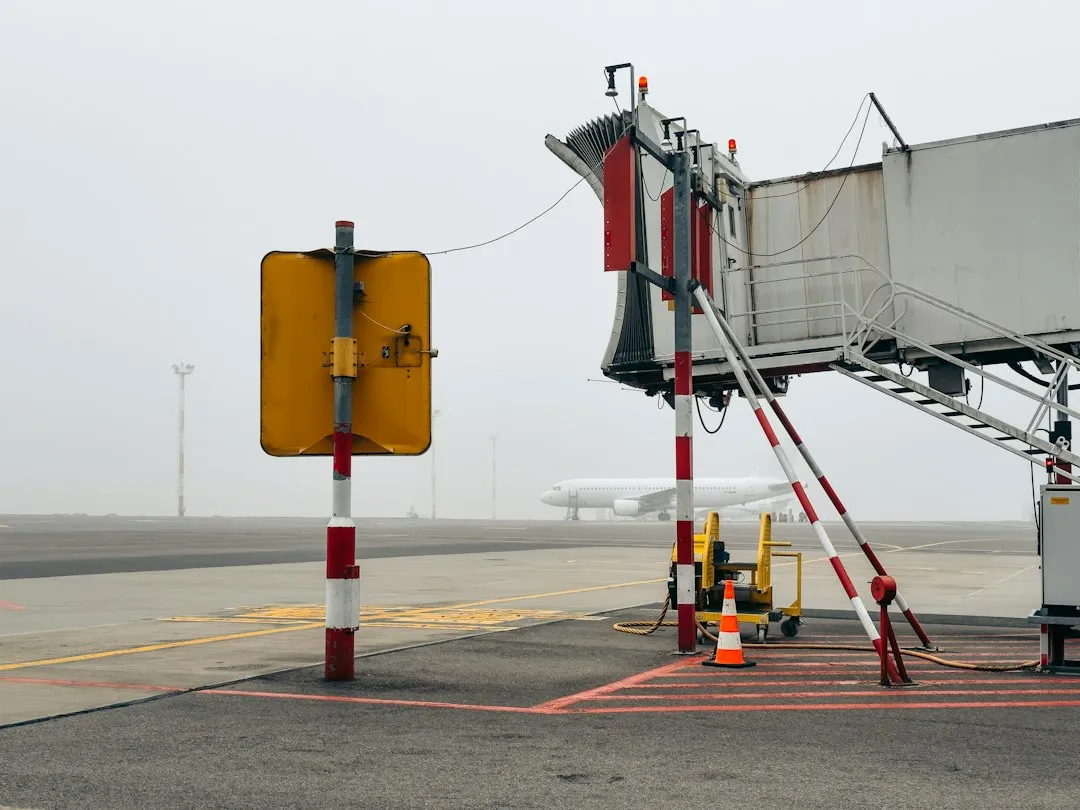
The two or three minutes between an aircraft stopping at the gate and the cabin door opening represent a concentrated burst of coordinated activity. Pre-arrival checks, chock placement, hand signals, bumper alignment, canopy deployment, safety sensors, ground power connection, and continuous floor-level monitoring all happen in a sequence most passengers will never think about.
There’s something worth appreciating in that invisibility. When a system works well enough that no one notices it, that’s usually the result of trained people doing careful, procedural work under real pressure. Jet bridge operators are, in a quiet way, the last line of preparation before every flight’s arrival becomes real for the people on board.
AI Disclaimer: This article was created with the assistance of AI tools and reviewed by a human editor.