
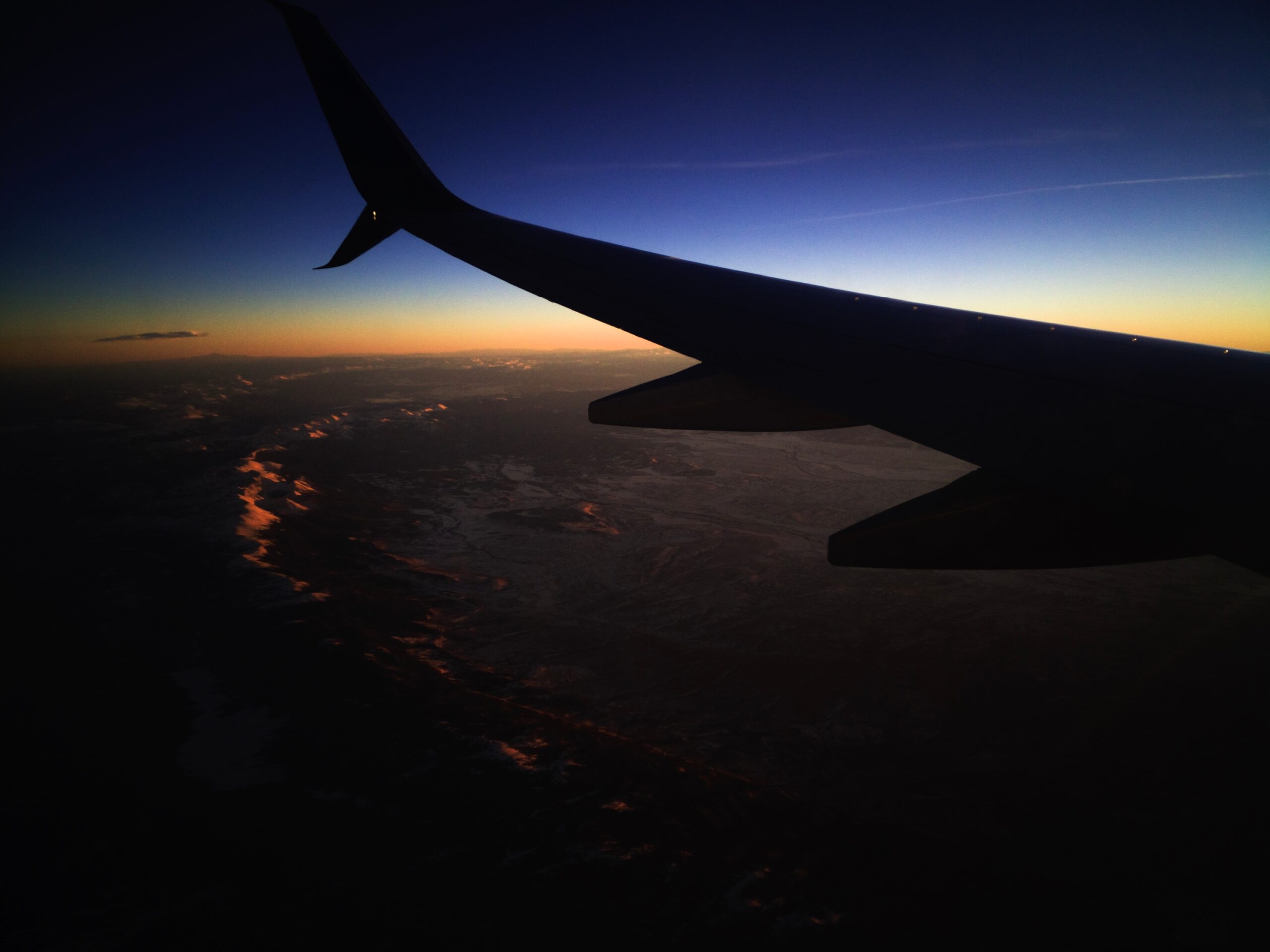

Most passengers who catch a glimpse of a wing bending visibly in mid-flight feel a quick jolt of alarm. It looks wrong. It seems like something that shouldn’t be happening on a machine carrying hundreds of people through the sky at 35,000 feet. The reality, though, is almost the opposite of alarming.
Wing flex is not a sign that something is breaking. It’s the clearest sign that the engineering is working exactly as it should. Understanding why that bend happens, and what it’s doing for you, changes the way you look out that window entirely.
Wings Are Designed to Bend, Not to Stay Rigid
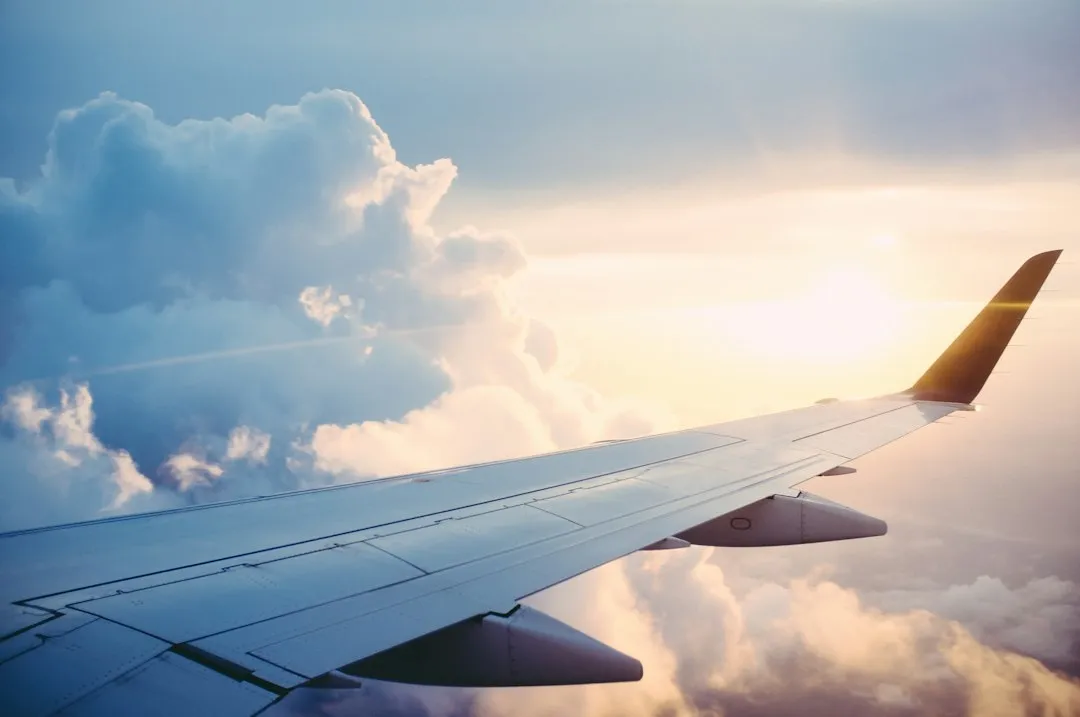
Aircraft wings flex during flight because they are purposefully designed to bend under aerodynamic stress. Far from being a structural flaw, this flexibility is one of aviation’s greatest safety assets. The logic is straightforward when you think about it: a structure that can absorb and distribute a force is far more resilient than one that tries to resist it entirely.
Aircraft wings flex in flight because lift, aircraft weight, manoeuvres, and gusts apply changing loads to a lightweight structure. Smooth, controlled bending is normal and intentional – the wing is designed to deform elastically, then return to shape. Think of it less like a rigid steel beam and more like a very well-engineered diving board.
The Physics Behind the Bend
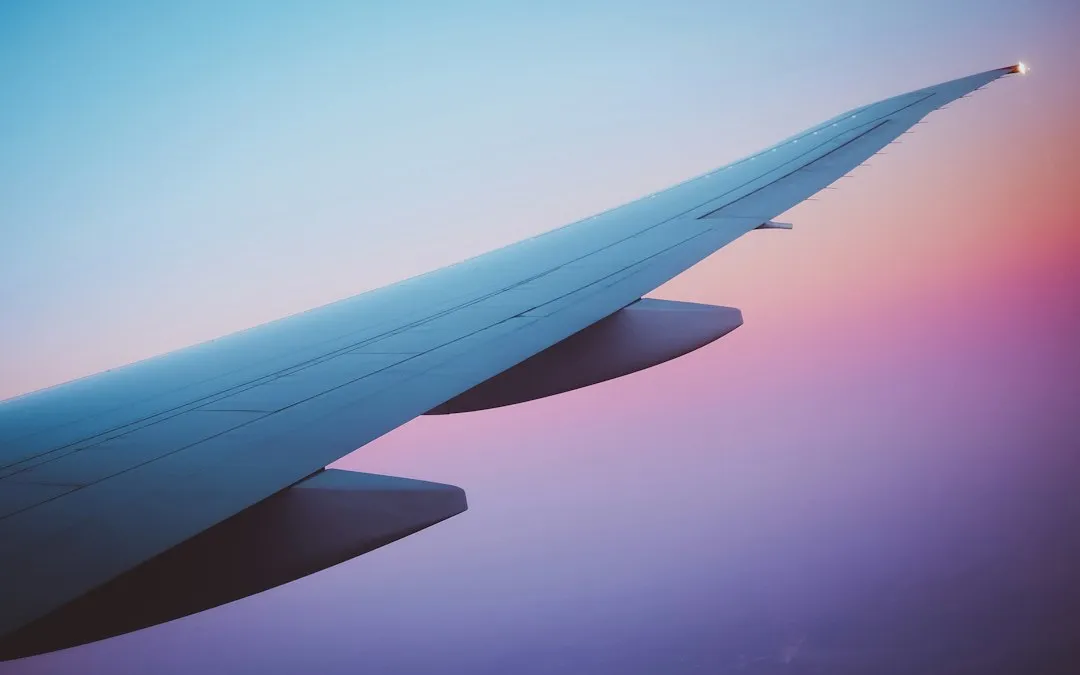
A wing bends because distributed aerodynamic lift acts upwards while the fuselage and the masses carried by the wing resist that upward acceleration. This creates a bending moment that is usually greatest near the wing root. The further out toward the wingtip you go, the more visible this bending becomes from a window seat.
To survive this, the wing must absorb energy like a spring, not resist it like a rigid rod. That spring-like quality is deliberate, and it’s built into every calculation engineers make when designing a new aircraft. Rigid wings would simply transfer all of that stress directly into the fuselage – a much worse outcome for passengers and structural longevity alike.
What Happens During Takeoff and Landing
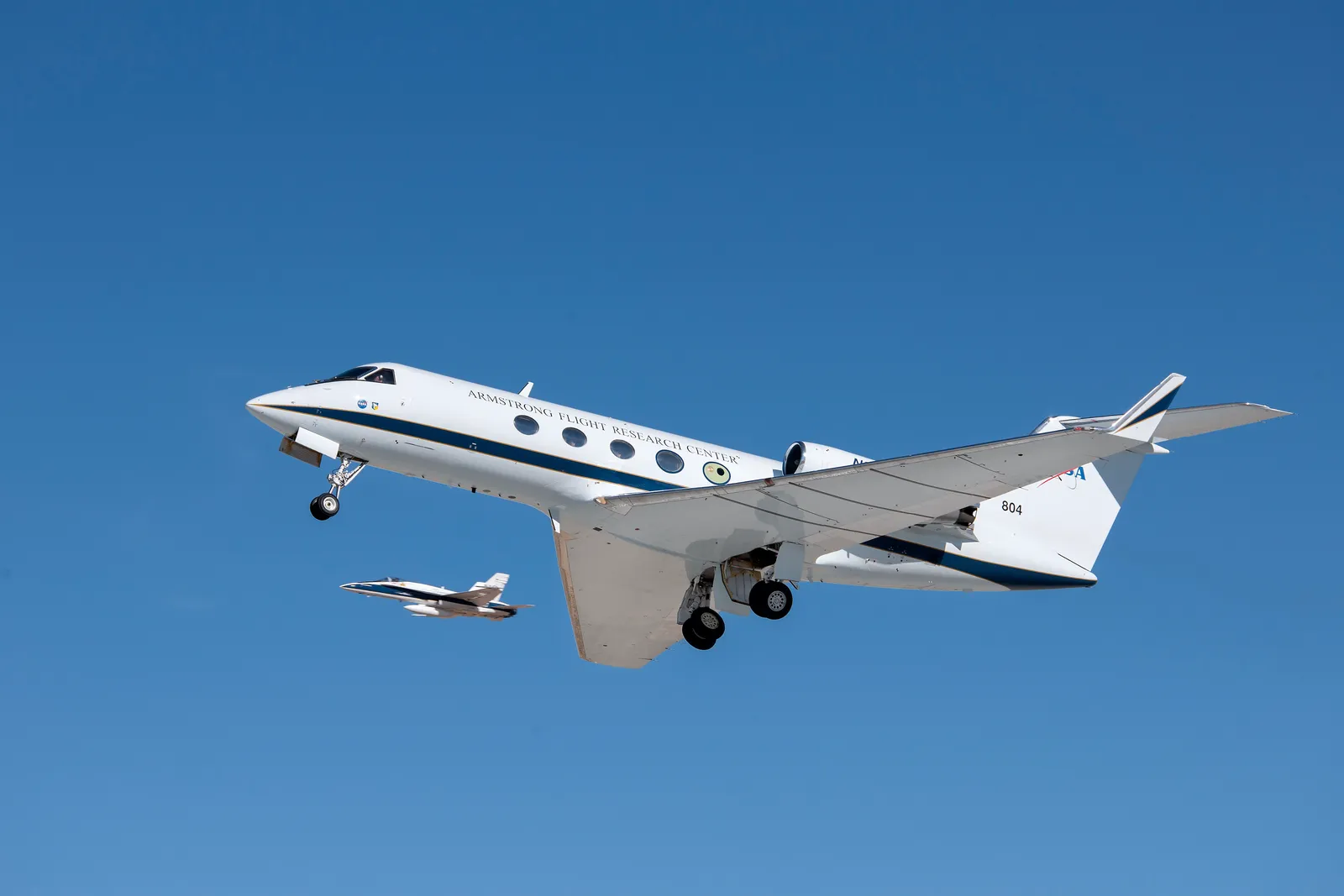
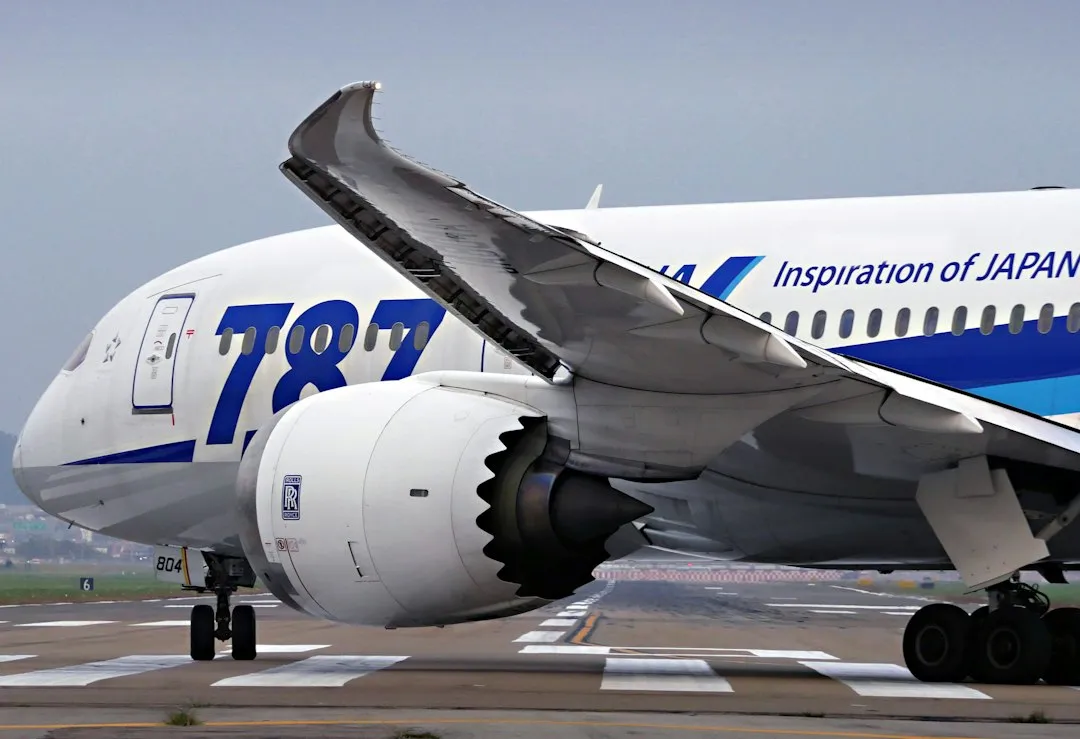
On the ground, there is little or no aerodynamic lift, so a long wing may droop under the weight of its structure, engines, and fuel. During takeoff, it bends upward as lift builds. After touchdown, lift falls and spoiler deployment can make the wing settle visibly toward its ground shape. That drooping arc you sometimes see from the gate before departure is the wing simply resting under its own weight.
Flexing at takeoff and climb, when the jet is at its heaviest, helps it slice through the air more efficiently. As the aircraft burns fuel, the wings gradually relax, flexing less as the aircraft gets lighter. It’s a continuous, dynamic relationship between weight, lift, and structure throughout every phase of flight.
How Much Can a Wing Actually Flex?
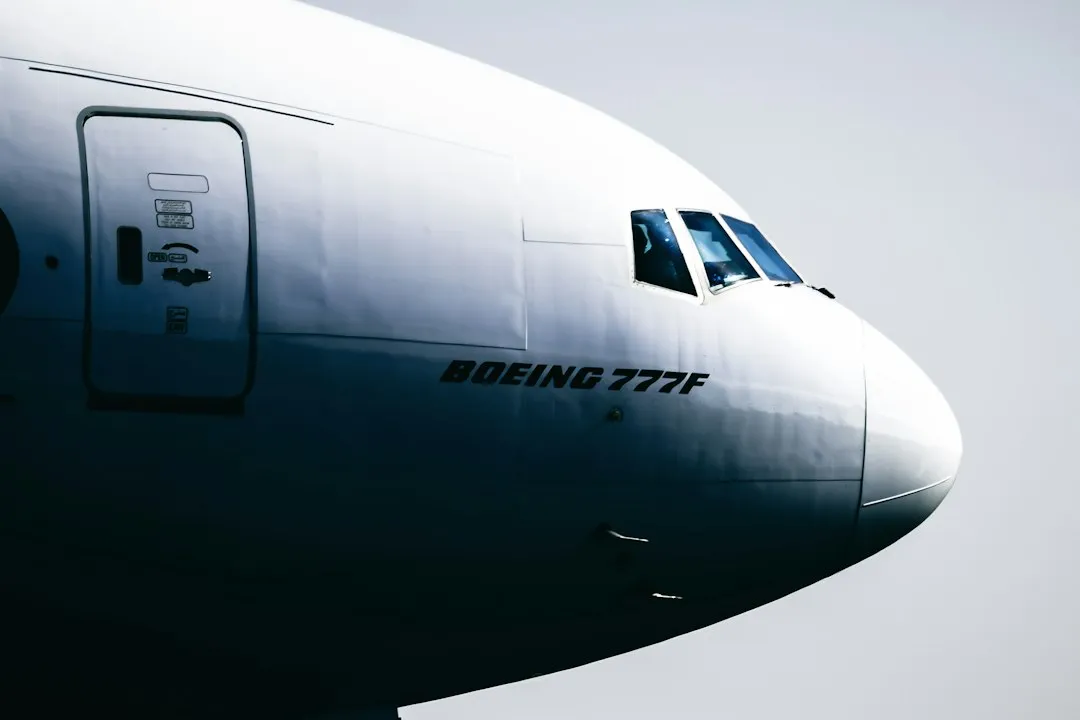
The Boeing 787 Dreamliner’s wing flex stands out as one of its most defining features. The plane’s wings are engineered to bend upwards by up to 25 feet (7.6 meters) during flight – a remarkable sight that showcases cutting-edge engineering. That’s roughly the height of a two-story house, and it happens routinely on every commercial flight this aircraft makes.
A modern airline wing can flex upward by up to 10 to 12 feet during heavy turbulence, and up to 25 feet during structural tests without breaking. The gap between those two figures is where the safety margin lives. In-flight flex is well below what the wing can actually handle.
The Role of Carbon Fiber and Composite Materials
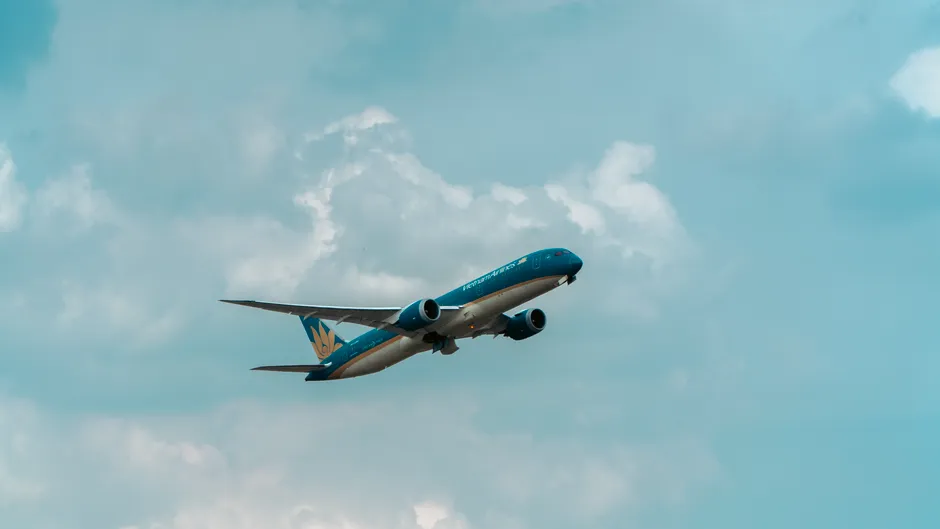
Traditional aircraft wings, made of aluminum, are strong but relatively heavy and limited in their ability to flex. Boeing’s focus on wing flex coincided with the adoption of advanced materials like carbon fiber-reinforced polymer (CFRP). These composite materials are lighter and more flexible than aluminum, allowing for greater wing flex while maintaining strength.
Carbon fiber composites enable the selective application of stiffness, supporting areas that require it while allowing movement elsewhere. This selective stiffness is one of the key advantages composites have over traditional metals. Engineers can essentially tune how a wing bends, stiffening some sections while leaving others more compliant.
Flex as a Passenger Comfort Tool
The flexibility also acts like a built-in suspension system for the sky. Instead of tossing turbulence straight into the cabin, the wings absorb the stress, smoothing out the ride. The 787 uses software-driven gust-suppression systems to keep the experience stable for passengers.
Fly-by-wire systems reduce wing stress by electronically counteracting control surfaces during gusts or turbulence. Load alleviation systems onboard aircraft such as the A350 and 787 automatically deflect control surfaces to minimize structural stress, thereby enhancing ride comfort and extending airframe life. The wing is not working alone – it’s part of a coordinated, software-managed system.
The Danger of Too Much Flex: Flutter
There is a limit to how much flex is beneficial, and engineers spend considerable effort making sure aircraft never get close to it. When the flow over a wing interacts with the aircraft structure and the natural frequencies of the wing are excited, wing oscillations can be amplified and grow exponentially, leading to potentially catastrophic failure. Part of the testing process characterizes aeroelastic instabilities like flutter so that in actual flight, those instabilities can be safely avoided.
Due to their flexibility, wings can dissipate energy and absorb aerodynamic loads without exerting excessive stress on the fuselage or control structures. However, excessive flex results in failure, posing threats such as oscillatory instability and flutter. Engineers employ aerodynamic shaping, mass-balanced distribution, and internal dampers to avoid this and ensure a stable response across the flight envelope.
How Wings Are Tested Before You Ever Board
Commercial aircraft must pass strict certification tests, including static load tests where wings are bent to 150% of their maximum expected operational load without failure. Boeing’s 787 Dreamliner wings were tested to deflect over 25 feet before reaching their breaking point. These tests provide critical assurance that actual in-flight bending remains well within safe margins.
Commercial aircraft, under regulations by the FAA and EASA, generally need to be able to withstand at least plus 2.5g and minus 1.0g. Wings must also endure the “ultimate load” at certification, which is 1.5 times the “limit load,” to ensure safety in extreme and exceptional conditions such as steep maneuvers or strong gusts. Every flight you take has already survived these tests on paper, in wind tunnels, and on the ground.
The 777X and the Future of Wing Innovation
Boeing credits much of the 777X’s improved fuel efficiency to the aircraft’s composite wings, which stretch 71.8 meters (236 feet) from wingtip to wingtip. To ensure that the 777X will fit in existing airport gates, the wingtips are able to fold upward by 3.5 meters on each side. It’s an elegant solution to a practical constraint, and it has no parallel in commercial aviation history.
The 777X’s wingtips span 235 feet 5 inches in flight but reduce to 212 feet 9 inches on the ground. Pilots activate extension via an overhead cockpit switch, and systems confirm deployment visually and lock mechanically. Boeing found the folding tip required 3% less block fuel compared to a wing with a blended winglet that truncated the span at standard airport dimensions.
NASA and Boeing Are Now Testing Even More Flexible Wings
NASA and Boeing are testing longer, thinner wings that can provide a smoother plane ride while saving fuel. These wings would represent a revolutionary design for commercial aircraft, but like any breakthrough technology, they come with their own development challenges. The research is ongoing, and the results so far are promising.
A first set of tests, conducted in 2024, gave experts baseline readings that they compared to NASA computational simulations, allowing them to refine their models. A second set of tests in 2025 used the additional control surfaces in new configurations. Most recently, testing has identified that the latest capabilities dramatically reduce the wings’ shaking, which could be applied to the next generation of aircraft wing design.
What It All Means When You’re in the Window Seat
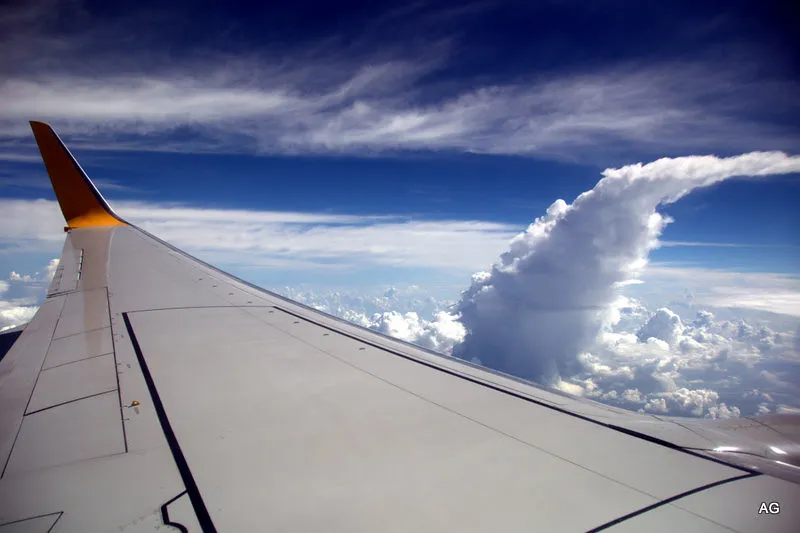
The next time you’re aboard a flight and the wing outside your window begins to bow gently skyward, or shimmy through a rough patch of air, there’s no reason to grip the armrest. Airplane wings bend because they are designed to flex under lift, turbulence, and turns instead of staying rigid. This controlled flex acts like a spring, spreads loads through the wing structure, and is a normal part of safe aircraft design.
Certified transport-category airplanes must withstand 150% of their expected limit loads before structural failure. Wing flex in turbulence usually means the wing is absorbing energy, not approaching a breaking point. Decades of research, testing, and refinement went into that bend. It is, quietly and reliably, one of the safest things happening on the entire aircraft.
The Takeaway
Wing flex is one of those engineering realities that looks alarming precisely because it works so well. A wing that bends is a wing that’s doing its job, protecting the airframe, smoothing the ride, and managing forces that a rigid structure simply couldn’t handle. The more you understand the physics, the more the window seat becomes a front-row view of something genuinely impressive.
As aircraft grow longer and more fuel-efficient, wings will only become more flexible. The research from NASA and Boeing confirmed through tests in 2024 and 2025 points toward even more adaptive, responsive designs in the years ahead. What looks unsettling from the cabin is, in truth, the leading edge of aviation’s future.
AI Disclaimer: This article was created with the assistance of AI tools and reviewed by a human editor.