

Most Guests Are Beginners, and That’s Completely Normal
Learning to ride horses on vacation is not only possible but the norm. Roughly seventy to eighty-five percent of dude ranch guests are complete beginners or have ridden fewer than five times. That’s a majority, not a small minority. Wranglers are not surprised by nervous first-timers; they’re built for them.
Beginner-friendly ranches specialize in teaching first-timers through careful horse matching, progressive instruction building from mounting basics to confident trail riding, and patient wranglers who’ve taught thousands of anxious beginners. Knowing this before you arrive can take the edge off entirely.
The One Request That Changes Everything: Ask for the Calmest Horse Available
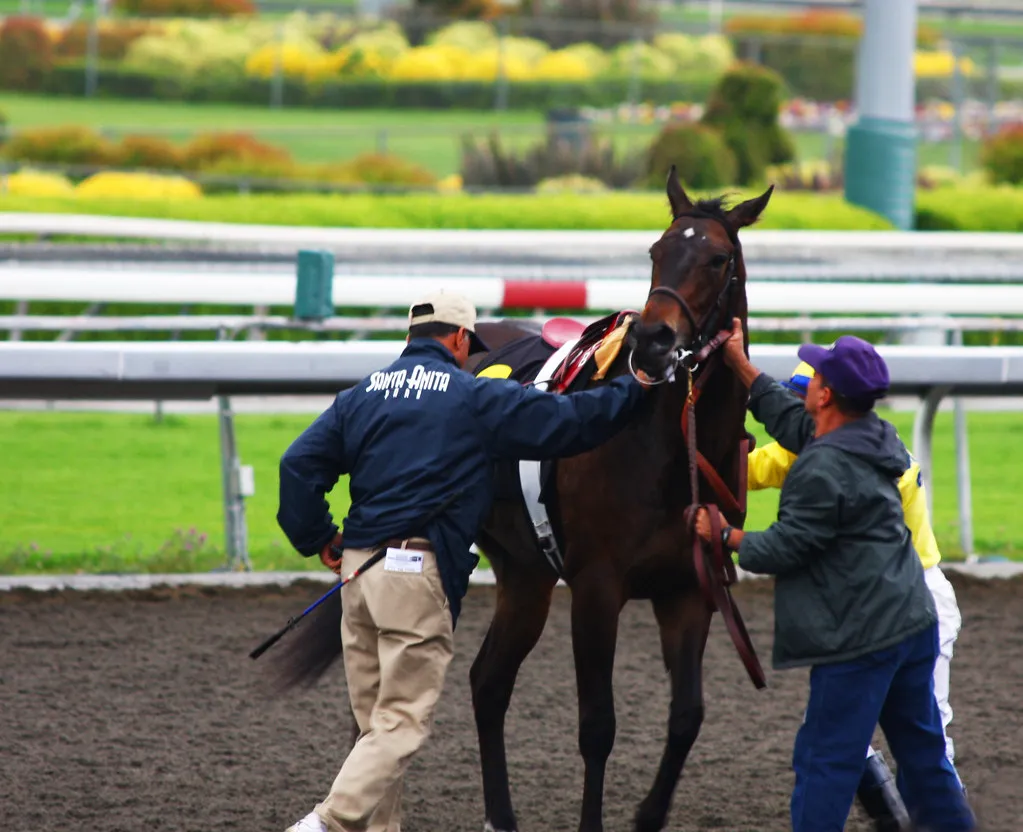
A major reason horseback riding ranch vacations feel safe for beginners comes down to the horses themselves. Ranch horses are typically calm, well-trained animals accustomed to carrying riders of all skill levels. Ranches often maintain a string of horses specifically known for being gentle and patient, and these horses are reserved for first-time riders and children.
Tell your wrangler about your anxiety. They’ve heard it before and won’t judge. They’ll pair you with the calmest horse in the string, provide extra instruction and support, and never push you beyond your comfort zone. That one honest sentence sets the whole experience in a better direction.
Why Wranglers Already Know Which Horse You Need
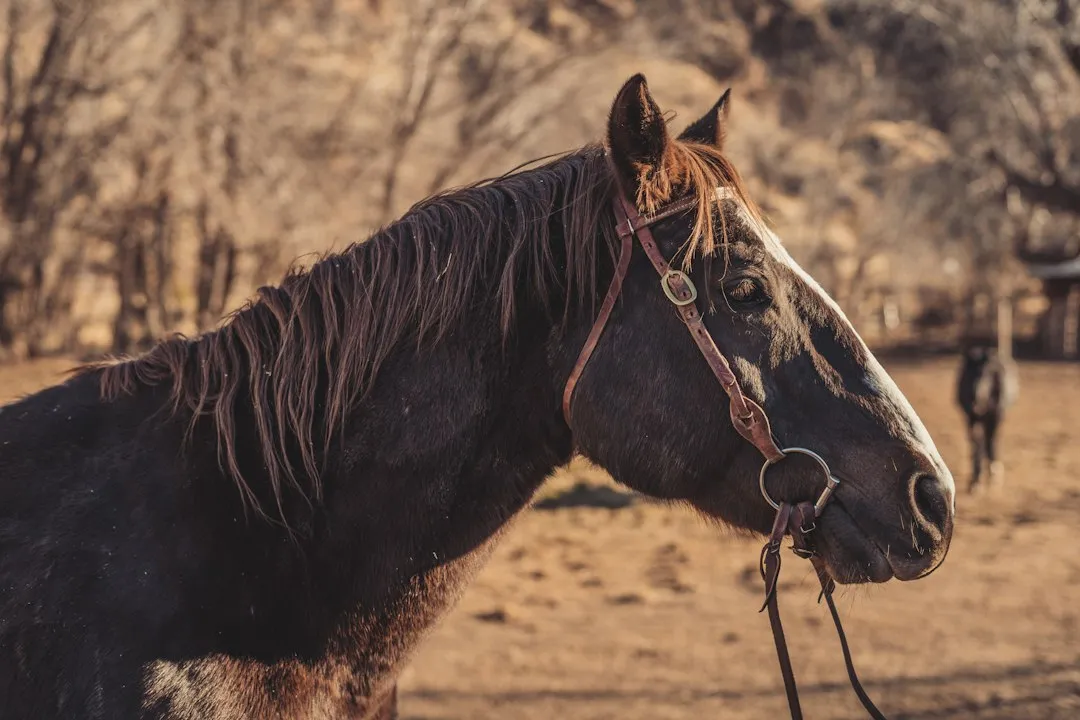
Experienced wranglers know each horse’s personality and quirks, which allows them to pair guests thoughtfully. A nervous adult might be matched with an older, steady horse that has spent years working with beginners. A more confident rider might be given a horse with a bit more energy.
On arrival day, head wranglers speak with each guest about their previous riding experience. This one-on-one conversation is a great chance to voice any concerns and ask questions. Some ranches also send pre-arrival questionnaires. Before arriving, guests may be asked to fill out a questionnaire describing their riding history and what they’re looking for in a horse, with the head wrangler selecting a horse that meets those criteria for the week.
The Science Behind Why Calm Horses Matter for Nervous Riders
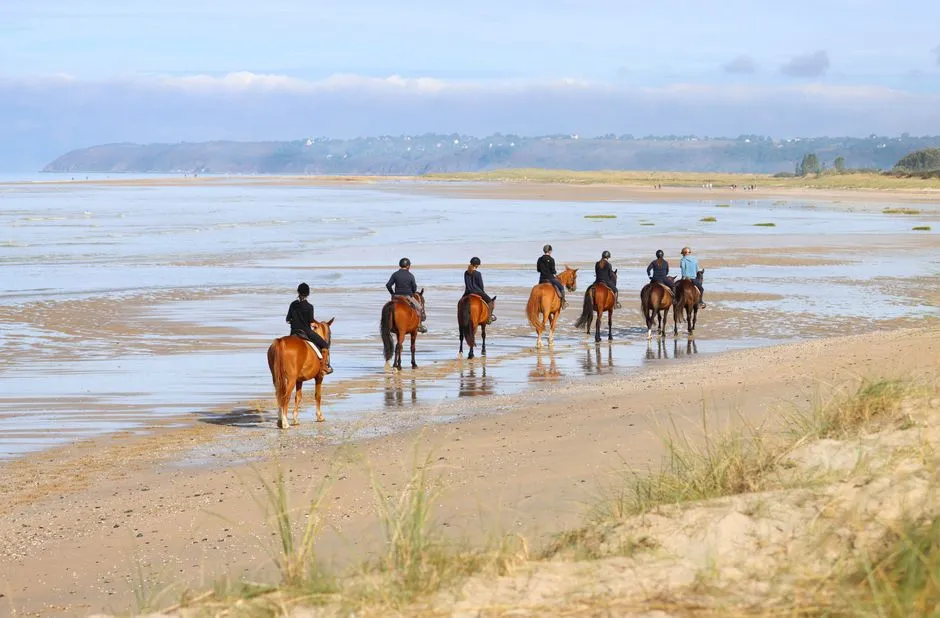
Horses are very sensitive animals. A 2016 study showed that horses could actually distinguish between happy and angry faces, exhibiting signs of stress and elevated heart rates when viewing the latter. This is not a small detail. A nervous rider on a responsive horse can create a feedback loop that neither one enjoys.
This careful matching process significantly reduces the anxiety that often comes with riding for the first time. Starting on a forgiving, steady animal gives a beginner room to breathe, make mistakes, and settle into the saddle without compounding tension on both ends of the reins.
What “Calm Horse” Actually Looks Like in Practice
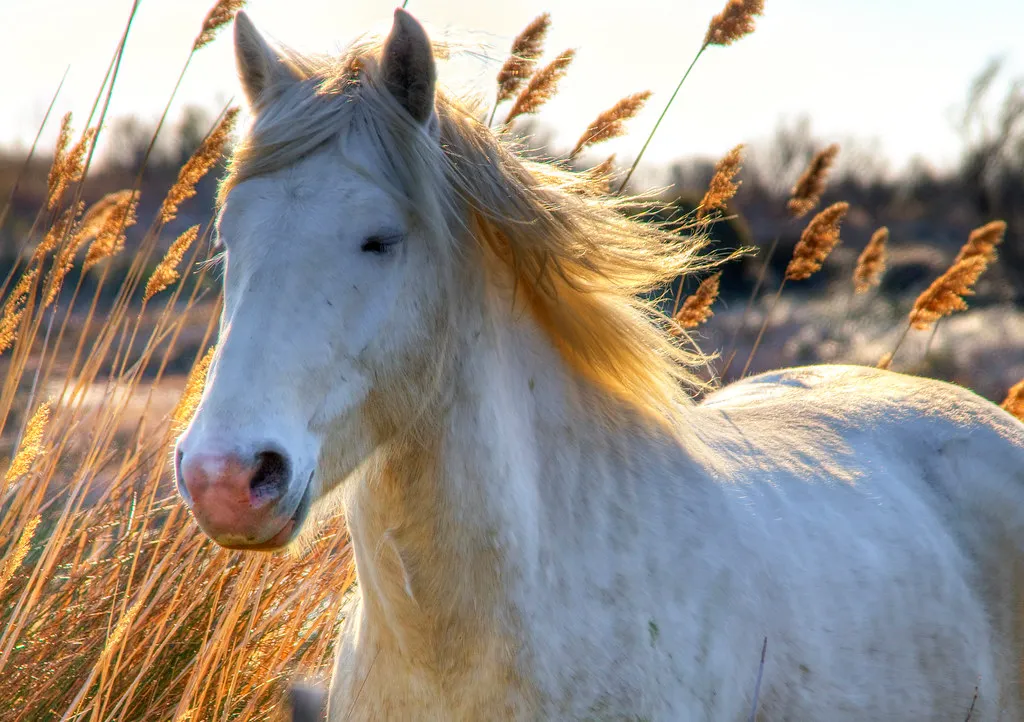
Dude ranches primarily use Quarter Horses, which make up approximately sixty to seventy percent of ranch horses, followed by Paint Horses, Appaloosas, and various crossbreeds selected for calm temperament, surefootedness on mountain trails, and endurance. Quarter Horses dominate because they’re bred specifically for ranch work with compact builds, calm dispositions perfect for nervous beginners, and natural cow sense.
The perfect ranch horse has a calm, forgiving personality. Ranches need horses that tolerate beginner mistakes, don’t spook easily, remain patient when riders mount awkwardly, and handle the constant parade of new riders. Knowing what you’re actually asking for helps you advocate for it confidently.
How Wranglers Handle Nervous Riders from the Start
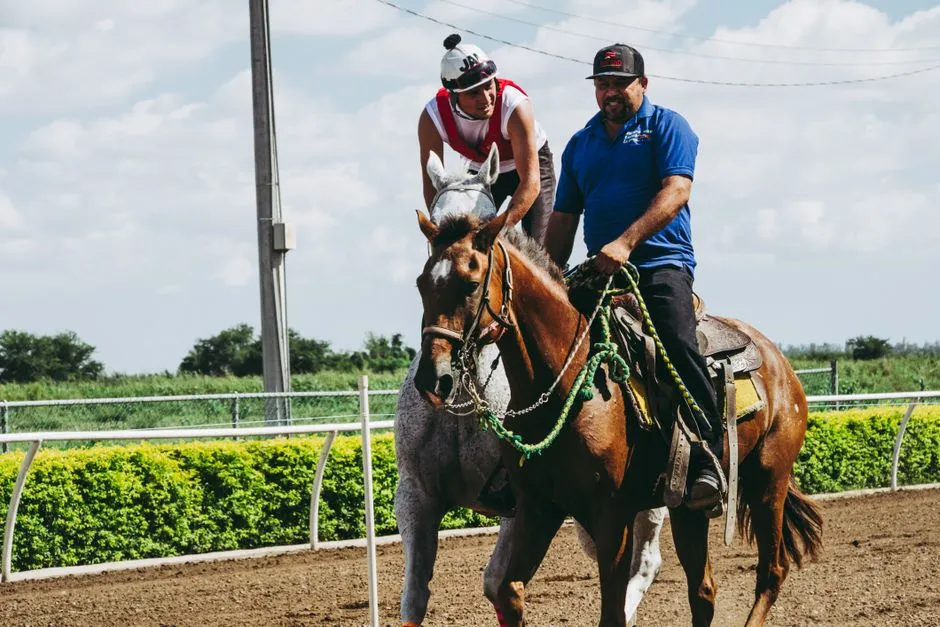
Wranglers are trained to work with nervous or inexperienced guests, and most ranches keep group sizes small enough that everyone gets individual attention. It is common for a wrangler to walk alongside a nervous beginner for the first ride or two, offering guidance and reassurance until the guest feels more confident.
Many ranches let nervous guests spend time with horses on the ground first, through grooming, feeding, and leading them around. This builds comfort before mounting. Some guests start with very short thirty-minute rides and gradually extend as confidence builds. This graduated approach is the norm, not the exception.
The Arena Lesson: Your First Ride Happens Before the Trail
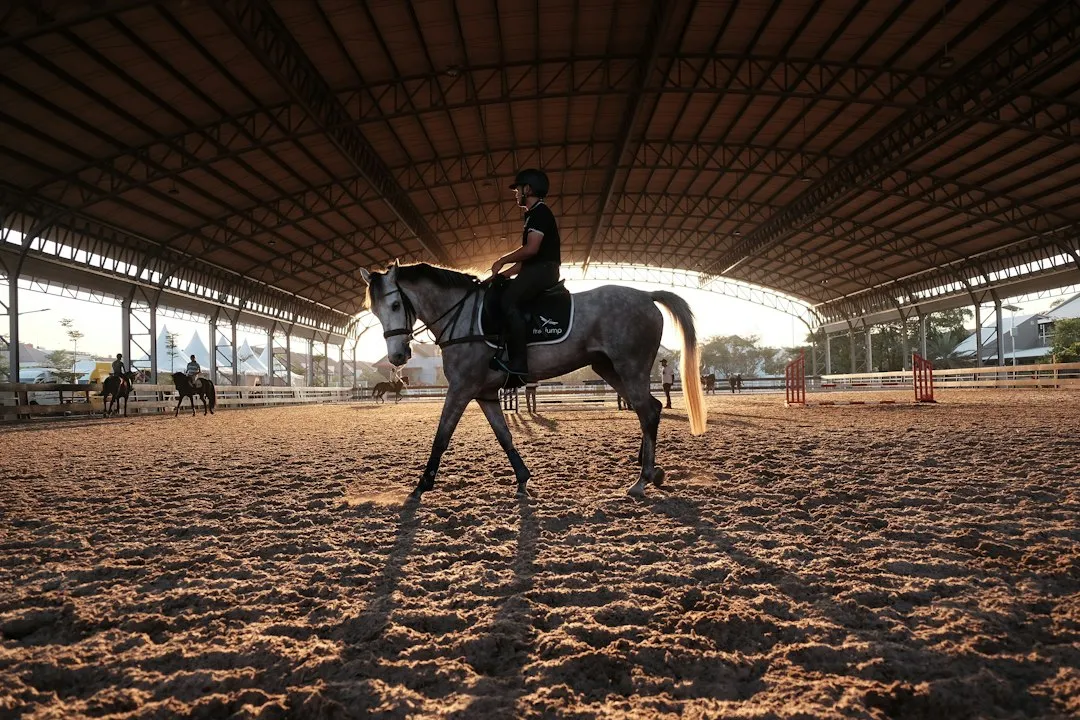
Soon after arriving, guests mount the horse and get the first feeling of height in the saddle, before moving to the arena for their orientation. The arena is a flat, enclosed space that allows riders to feel safer while they learn the motions. The wrangler teaches how to steer, stop, move forward, and turn.
An arena lesson is as short or long as needed for a beginning horseback rider to be comfortable on their first ride. The wrangler will wait until the guest is ready before heading out on a slow ride through gentle terrain. This isn’t a formality. It genuinely makes the trail feel less overwhelming when you get there.
Don’t Overstate Your Experience
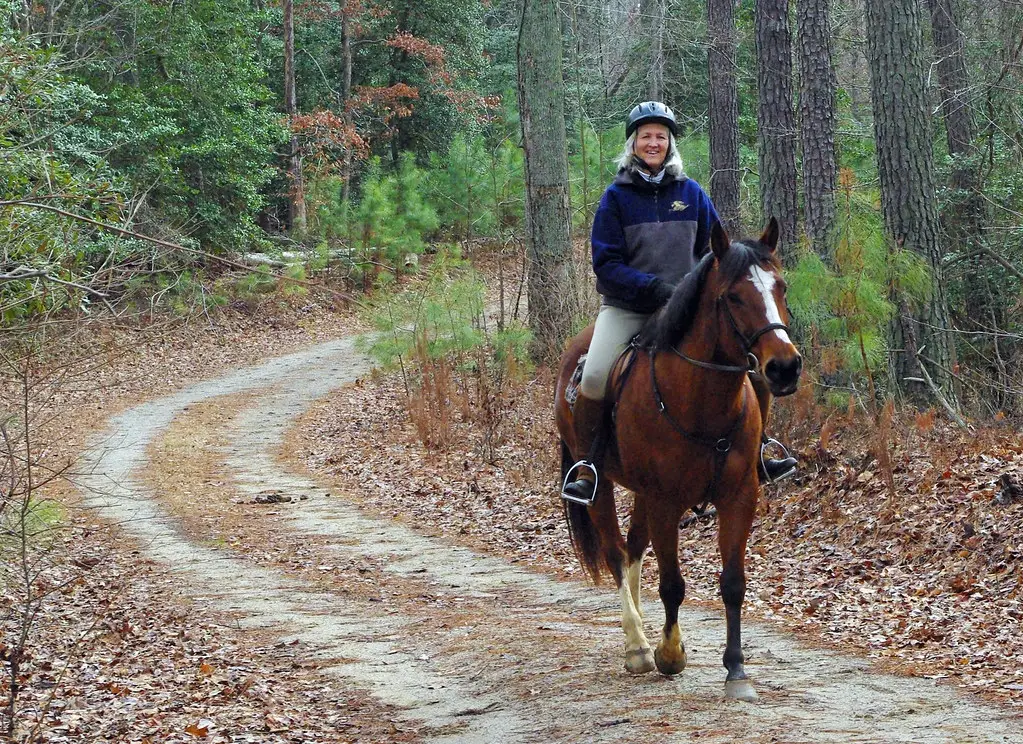
Horseback riding is not one of those situations where faking it until you become an expert is good advice. Safety is the top concern at guest ranches, and trail rides tend to be done in groups that may include more experienced riders. Being honest about your skill level protects you and the riders around you.
Ranches encourage every guest to go at the pace they’re most comfortable with. There is no need to try and push yourself or go faster if you’re not ready. The trail isn’t a race, and wranglers genuinely don’t mind slowing things down. Overstating experience tends to backfire in ways that are hard to recover from mid-ride.
Gear and Body Prep That Support Your First Day
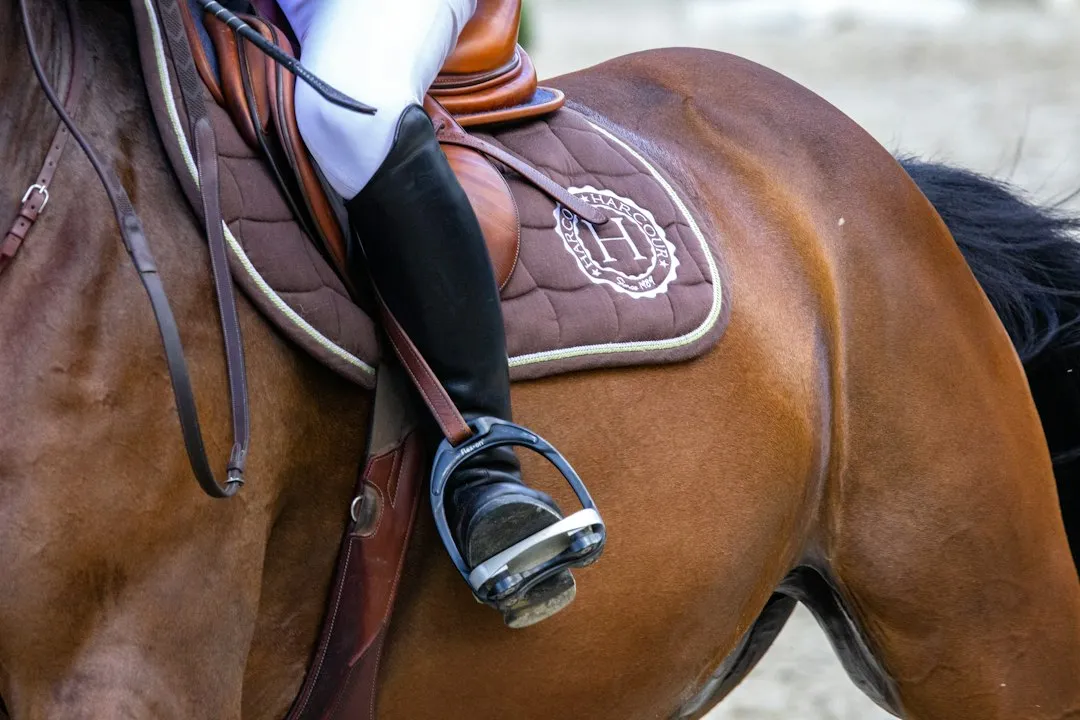
Riding boots are essential, but don’t wear brand-new ones for the first time on a trail ride. Break them in thoroughly over several rides before you arrive. Riding boots must be closed-toe with a small heel. Footwear is one of the things wranglers notice immediately, and the wrong shoes can end a ride before it begins.
Yoga, pilates, or stability ball workouts can help build core strength, which is essential to being strong in the saddle, and improve posture and riding control. Even a few weeks of light preparation makes the first day physically more enjoyable. There are typically two trail rides offered per day, which can be a significant amount of muscle strain for those not used to that type of workout.
The Dude Ranch Industry Is Growing, and Wranglers Are Ready
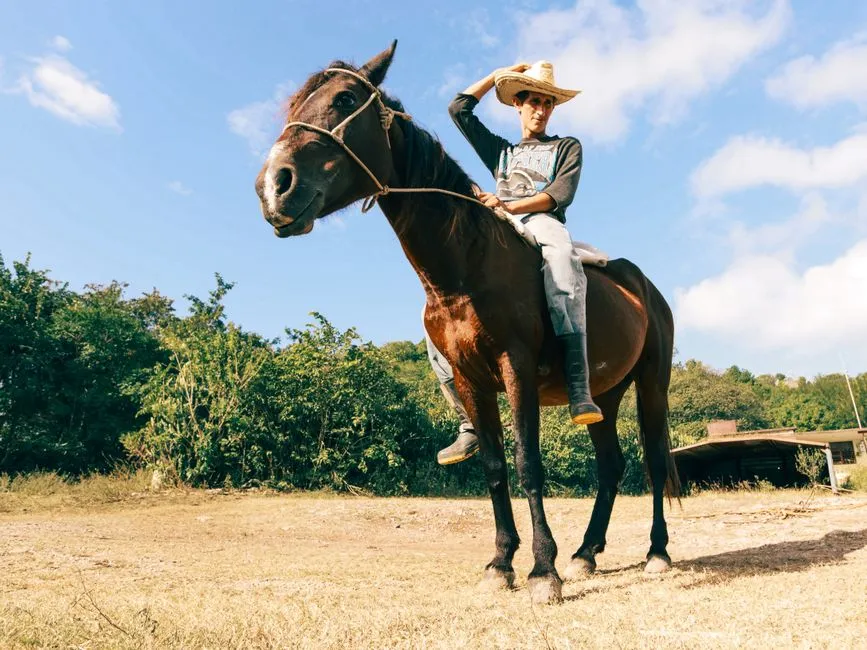
Travel data from platforms Tripaneer and Skyscanner reveals that interest in horse trail riding has soared by ninety-four percent, while demand for U.S. ranch stays has jumped forty-two percent over the past year. Bookings for holidays featuring horseback riding are also up eighteen percent. This surge means ranches are welcoming more first-timers than ever before.
According to the Dude Ranchers’ Association, approximately three hundred to three hundred fifty operating dude ranches exist across the United States, with guest satisfaction ratings consistently exceeding four and a half out of five stars and repeat visitor rates of forty to fifty percent. The infrastructure for beginner riders has never been stronger or more thoughtfully designed.
The DRA Horse Safety Program continues to produce liability claims results well below industry averages. General liability insurance rates for DRA member ranches have not increased for over a decade. That track record reflects how seriously wranglers and ranch operators take rider safety and horse management.
The Takeaway
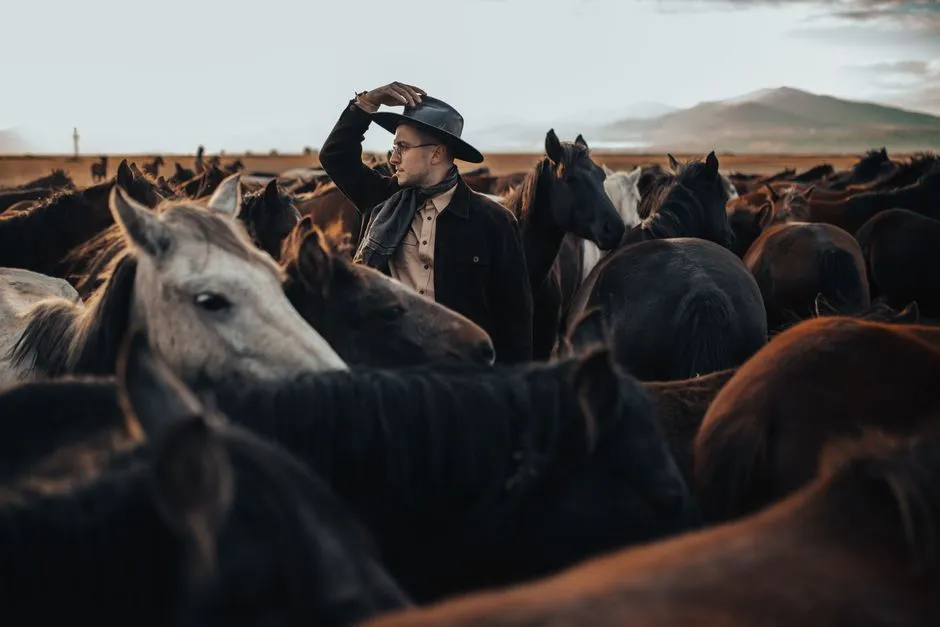
The horse request that makes day one easier isn’t complicated. It’s simply walking up to your wrangler before the first ride and saying, honestly and without embarrassment, that you’d like the calmest horse available. That one sentence opens the door to a better match, more attentive guidance, and a first day built on solid footing rather than quiet anxiety.
Wranglers aren’t looking for confident riders on day one. They’re looking for honest ones. The guest who speaks up gets paired thoughtfully, learns faster, and usually ends the week wondering why they ever felt nervous at all. That’s not an accident. It’s the whole point of a good wrangler’s job.
AI Disclaimer: This article was created with the assistance of AI tools and reviewed by a human editor.