

The Fundamental Problem: Thousands of People, One Satellite Link

Cruise ship connectivity is the internet access system that allows passengers and crew to go online via satellite links and shipboard Wi-Fi networks, even hundreds of miles from the nearest coastline. That sounds reassuring enough, until you consider what happens when thousands of people try to use that single connection at the same time.
Every passenger and crew member on the ship shares the same satellite uplink. Bandwidth contention from simultaneous users causes most daily slowdowns, not signal absence. A ship carrying 3,000 passengers all streaming after dinner creates a very different experience than the same connection at 7 a.m.
Onboard internet depends on satellite connections, which are shared among all passengers. Speeds tend to decline during peak usage, think evenings when everyone’s uploading travel photos or chatting through messaging apps.
The Golden Window: Early Morning Is When It Shines
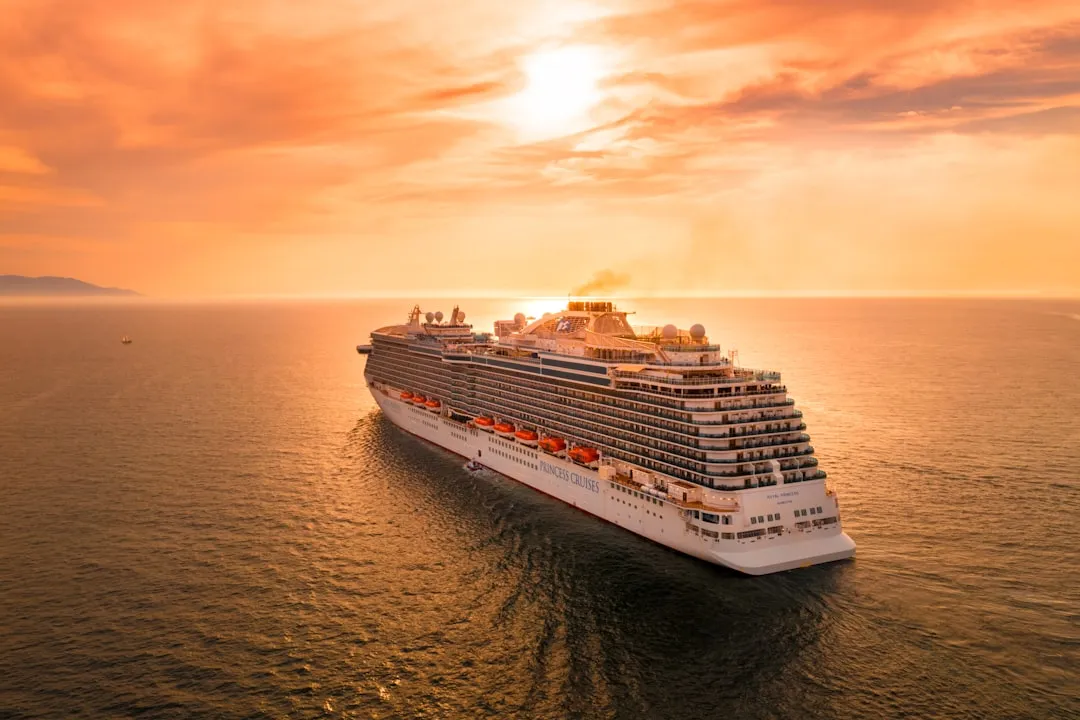
Wi-Fi is usually faster early in the morning or late at night. From real-world experience, when fewer people are on the Wi-Fi, the internet works faster. This is the most consistent piece of advice that comes directly from those who manage shipboard networks.
The best connection windows for crew are typically very early morning, from 4 a.m. to 6 a.m. ship time, and late afternoon before guest activity peaks. These hours exist in a kind of quiet pocket of the ship’s digital life, before the breakfast rush and well before the post-dinner scroll session begins.
Using the internet when others are not is one of the top tips shared by cruise ship internet managers. It’s simple advice, but on a ship, acting on it can genuinely be the difference between a smooth video call and a frozen screen.
The Worst Hours: Why Evenings Are a Near-Disaster

Peak usage typically occurs between 8 p.m. and midnight. Scheduling video calls or large uploads for early morning or late afternoon produces a measurably better experience. The evening pattern is almost universal across all cruise lines.
The morning rush, evening wind-down, and full sea days create predictable surges. When 3,000 passengers all try to post their sunset photos at 7 p.m., the network buckles. It’s not a technical failure, it’s simply math.
During peak hours from 7 to 9 p.m., even premium cruise systems can struggle significantly. Saving streaming for the very early morning hours or port days is the practical workaround.
What the Speed Data Actually Shows
Recent performance data illustrates just how dramatic these swings can be. Starlink cruise speeds recorded by Ookla in the first half of 2025 show median download speeds of 80 to 200 Mbps on cruise ships. Those are genuinely impressive numbers, at least on paper.
At the 10th percentile, meaning during the worst 10 percent of measured sessions, download speeds fall to just 21 Mbps, and upload speeds drop to a painful 1.74 Mbps. That gap between best and worst tells the whole story about why timing matters so much.
Measured speeds on the Allure of the Seas in January 2026 reached 38 Mbps and 44 Mbps on the Icon of the Seas during morning off-peak hours. Evening speeds dropped to 15 to 22 Mbps during peak usage, still usable, but congestion is noticeable with thousands of passengers all streaming after dinner.
Port Days: A Hidden Speed Advantage Most Passengers Miss
For the fastest internet possible on your ship, try to use the internet when others aren’t. Early mornings and port days are good times, as are late nights. You’ll find the slowest speeds during the day, especially when the ship is at sea.
The reason port days are so valuable is straightforward. When the gangway goes down and most passengers pour off the ship to explore, the shared satellite connection suddenly has far fewer people drawing from it. Those who stay on board, or get up early before disembarkation, often enjoy notably faster access.
Using the internet when you’re closer to land is also a genuine advantage. Waiting until you get to port can make a real difference for connectivity. Proximity to terrestrial infrastructure simply improves signal conditions for many ships.
Starlink Has Changed the Baseline, But Not the Pattern

Royal Caribbean’s Star of the Seas employs equipment capable of delivering up to 10 Gbps in satellite internet. All of Royal Caribbean’s ships are serviced by Starlink internet, which provides high-speed internet. It represents a meaningful leap from the satellite systems of just a few years ago.
Several major cruise lines have been rolling out Starlink Maritime across their fleets, and it does represent a meaningful improvement over older geostationary satellite systems. Starlink Maritime can deliver 50 to 200 Mbps in ideal conditions, but that bandwidth is shared across thousands of passengers.
The practical result is video calls that actually work, Netflix that buffers less, and Instagram uploads that don’t take five minutes. It’s not perfect, as heavy passenger usage and bad weather still cause slowdowns, but it’s a genuine step change from where cruise Wi-Fi was three years ago.
Where You Sit on the Ship Also Matters
Performance depends on your route, time of day, and even cabin location. Caribbean routes have the best coverage, late night offers the fastest speeds, and balconies or public areas beat interior cabins for signal strength. The physical layout of the ship creates real differences in what you experience.
Stateroom location matters, as interior cabins often get weaker signal than balconies or public areas. Moving to a lounge or deck if speeds are poor is a practical fix. Many passengers don’t realize this and spend time troubleshooting a problem that’s really just about position.
Getting a better connection to the ship’s Wi-Fi signal is especially important if your cabin isn’t close to one of the antennas. The ship’s access points are distributed but not uniform in their coverage strength.
Turn Off Everything That Runs in the Background

Cruise IT managers consistently advise passengers to turn off automatic updates, especially large operating system ones. Once you’re at a port, or back at home, simply turn those updates back on again. A single phone silently downloading a software update can consume an outsized share of shared bandwidth.
Streaming services like Netflix or Spotify, automatic cloud backups from phones and laptops, and video conferencing platforms consume enormous amounts of data. One user streaming 4K video can use more bandwidth than 20 users simply browsing the web. That’s a striking ratio worth keeping in mind.
If you don’t need a particular program or app, shut it down. On most devices you can go into your apps list and turn them off completely. It’s a small action that adds up quickly when you’re sharing scarce bandwidth with thousands of others.
The Route You Sail Changes What’s Possible

Satellite service can be spotty, and cruise ships do not guarantee continuous connectivity, especially far at sea or in stormy weather. Caribbean and Mediterranean sailings usually have the fastest internet, and newer ships tend to offer better connectivity than older vessels.
Caribbean routes have strong coverage. Remote itineraries such as Alaska, Antarctica, and polar regions can be spotty. The geography of your sailing isn’t something you can change mid-voyage, but it’s worth knowing before you book if reliable connectivity is a priority.
Environmental factors matter too: heavy rain, rough seas, and certain ocean regions have weaker satellite coverage. Weather affects satellite signal quality in ways that no amount of off-peak timing can fully compensate for.
How Crew Members Actually Navigate the Same System

The ships where connectivity genuinely works well aren’t necessarily the ones with the biggest bandwidth budgets. They’re the ones where a senior officer talked openly about internet etiquette during onboarding, where someone pinned a simple “peak hours” chart in the mess hall, and where crews checked in with each other about heavy downloads before launching them. The human side of bandwidth management turns out to be just as important as the technology.
Satellite bandwidth is shared across hundreds of passengers and crew simultaneously. During peak hours, typically mornings when guests are waking up and evenings after dinner, the network slows to a crawl. Video calls are possible but unreliable. Streaming is largely impractical during busy periods.
Assigning a bandwidth coordinator on each shift, usually the senior communications officer or IT contact, to monitor usage and flag issues is a common practice. Using a basic tracking sheet to estimate which departments consume the most data, then rotating heavy-use slots fairly, helps manage the shared resource. Passengers never see this coordination happening, but it shapes the experience everyone has on board.
The Takeaway: Set Your Alarm, Not Your Expectations
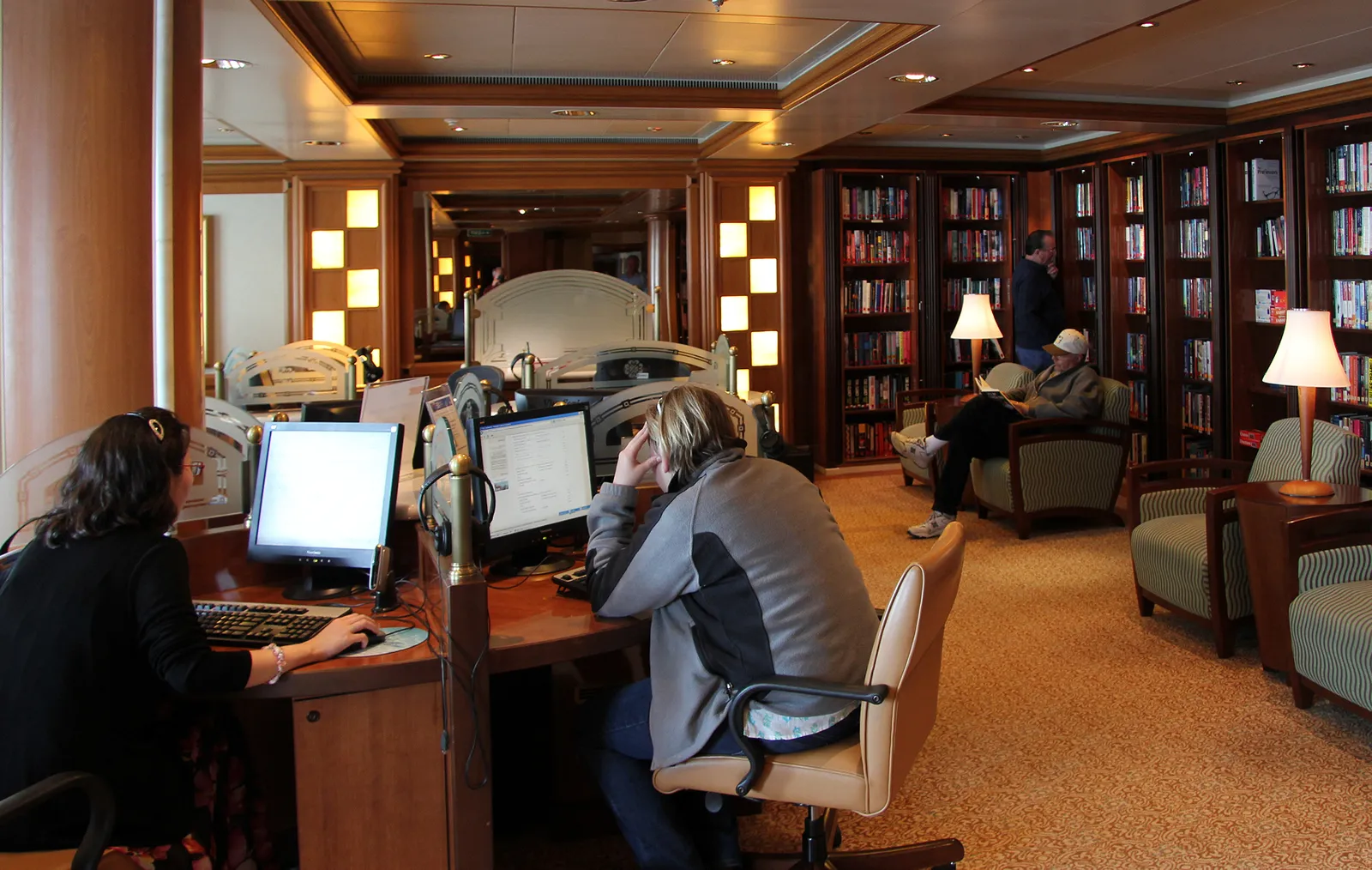
The single most useful thing any cruiser can take away from what shipboard IT professionals consistently report is this: internet speed often slows down during peak hours when many passengers are online, so planning to use the connection early in the morning or late at night gives a smoother experience.
Around nine percent of cruise complaints are directly related to slow internet speeds or high data costs. That frustration is real, but a good chunk of it is preventable simply by adjusting when you connect rather than how much you pay for the plan.
Cruise ship Wi-Fi has genuinely improved in the last few years, particularly with Starlink arriving across major fleets. The technology ceiling is higher than it’s ever been. The behavioral ceiling, meaning when thousands of passengers decide to log on simultaneously, has not changed at all. That’s precisely why the early morning hour remains the insider’s secret that IT staff have known for years.
AI Disclaimer: This article was created with the assistance of AI tools and reviewed by a human editor.