
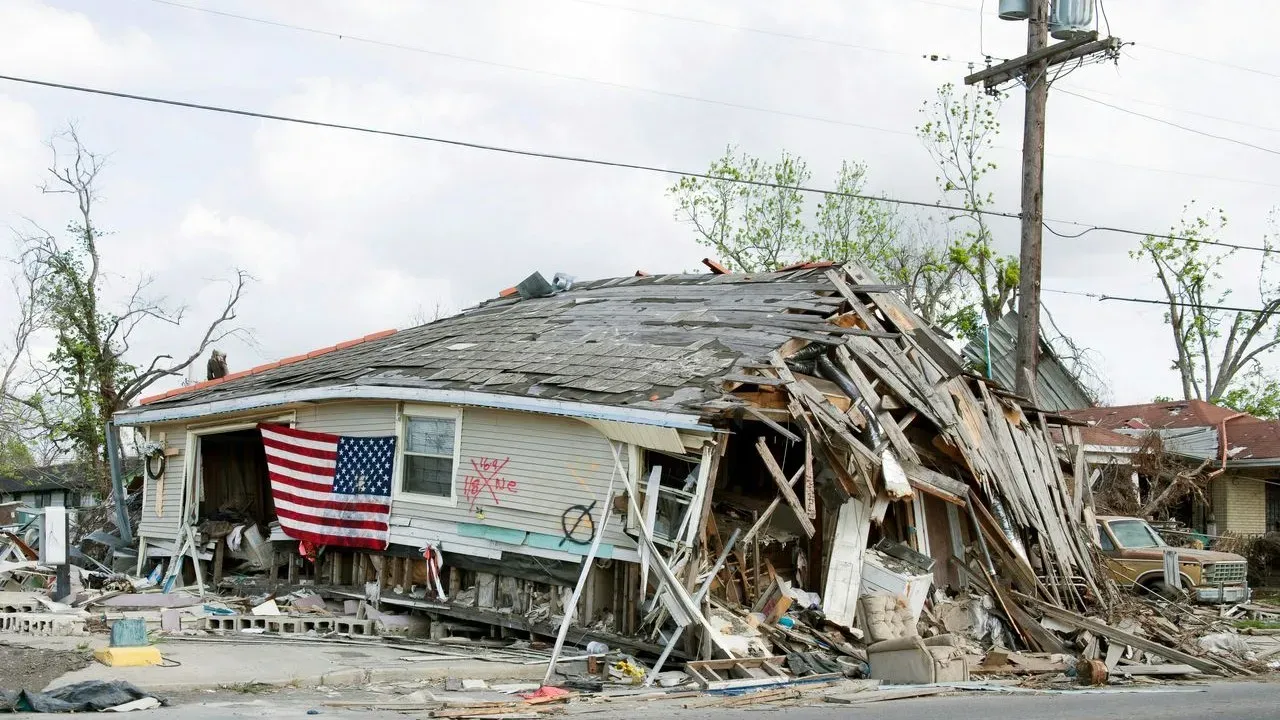

Florida’s northern Gulf Coast often moves at a measured pace, with quiet stretches of shoreline and small communities that draw visitors seeking both relaxation and connection to the water. That rhythm shifted when Isaias made landfall as a hurricane on the northern Gulf Coast near Destin, Florida, on Friday night. Hundreds of thousands of people were without power in the aftermath, a reminder of how quickly conditions can change along this stretch of coast. Travelers planning time in the Panhandle now have clear steps to take before finalizing any arrangements. ([1])
The Timeline of Landfall
Isaias reached the northern Gulf Coast as a hurricane late on Friday, bringing strong winds and heavy rain to areas around Destin and nearby communities. The storm’s arrival marked the latest chapter in a season already marked by shifting weather patterns across the Southeast. Local officials and emergency teams responded quickly, focusing first on safety and essential services. Power outages spread rapidly, leaving many residents and businesses without electricity in the hours and days that followed.
Recovery efforts began almost immediately, with crews working to restore service and clear debris. The focus remained on supporting those most affected while keeping essential routes open. Travelers watching from afar noted the contrast between the usual calm of the Panhandle and the sudden need for coordinated response. Official updates from the National Hurricane Center continued to provide the most reliable picture of evolving conditions.
Power Outages and Community Effects
The loss of power for hundreds of thousands of residents created immediate challenges for daily life along the coast. Families relied on generators where available, while businesses paused operations until service could be restored. Communities in the region have long demonstrated resilience in the face of seasonal weather, drawing on local networks and mutual support. The scale of the outages underscored the importance of patience and preparation in the short term.
Local leaders emphasized that recovery would unfold in stages, with priority given to hospitals, water systems, and critical infrastructure. Visitors who had already booked stays received guidance to monitor developments closely rather than assume normal operations. The human element remained central, as neighbors checked on one another and shared resources where possible. This period highlighted the quiet strength that defines many Gulf Coast towns.
Practical Steps for Travelers
Anyone considering a trip to the Panhandle in the coming days or weeks benefits from direct confirmation with airlines and lodging providers. Policies on rebooking and refunds often adjust during periods of disruption, and many operators extend flexibility to accommodate changing plans. Checking official local sources and National Hurricane Center updates supplies the clearest information on road conditions and service availability.
Travelers are encouraged to build extra time into itineraries and to keep contact details for accommodations readily available. Flexible booking options can reduce stress when circumstances shift, allowing visitors to adjust without added pressure. Communication with hosts or property managers often reveals the most current on-the-ground details. These steps help ensure that any journey aligns with both personal safety and respect for local capacity.
Respectful Ways to Support Recovery
Communities along the northern Gulf Coast value visitors who arrive with awareness and a willingness to contribute positively once conditions stabilize. Supporting locally owned businesses, when they reopen, helps sustain the economy that depends on both residents and thoughtful tourism. Many travelers choose to extend their stays or return later, allowing time for full restoration of services and amenities.
Simple gestures, such as following posted guidelines and showing patience during any lingering adjustments, demonstrate respect for the ongoing work of recovery. The Panhandle’s appeal lies in its natural beauty and welcoming character, qualities that endure beyond any single weather event. By planning with care and remaining attentive to local needs, visitors can enjoy the region while playing a small part in its continued well-being. Responsible travel in this setting means moving at the pace the community sets.
AI Disclaimer: This article was created with the assistance of AI tools and reviewed by a human editor.