


The Moment the Switch Is Thrown
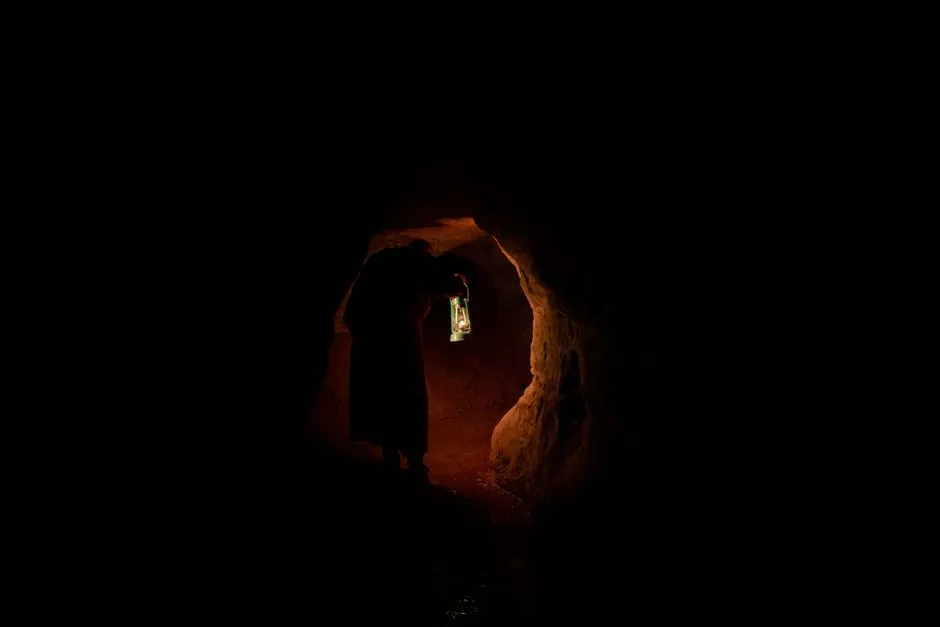
Cave darkness is a special kind of darkness. If every single light goes out, you cannot even see your own hand in front of your face. If you think you can, it’s actually your brain trying to compensate for the utter lack of light. There is dark, and then there is cave dark.
With a click, the room goes completely dark, and even the silhouette images retained briefly by the back of the eyes fade into nothing. The room goes silent, and then a few people utter quiet reactions: “wow,” “ooo,” “oh my” – utterances all whispered but well carried through the wide cavern.
One of the highlights of any cave tour is the moment when the tour guide extinguishes the lights, thrusting visitors into what is called “cave darkness.” Guides who run this moment regularly describe it as the single most reliable equalizer they know: scientists, children, and seasoned hikers all react with the same held breath.
Your Eyes Will Search for Something That Isn’t There
Your eyes will try to adjust and seek out any small source of light, but there will be none. This is not simply a matter of waiting for pupils to dilate. In true underground darkness, there is nothing for the visual system to work with at all, and that gap between expectation and reality is genuinely disorienting.
Surrounded by complete and utter darkness, the eyes strain to find some source of light, with nothing to show for it. Even a person standing only inches away becomes completely invisible. Guides are used to hearing visitors reach out instinctively for whoever is standing next to them.
The darkness that results after that final bulb is extinguished is almost suffocating. Waving a hand in front of your face produces no visual feedback whatsoever. Just utter blackness. That specific detail – waving your own hand and seeing nothing – is something guides say visitors bring up again and again, sometimes years later.
The Brain Tries to Invent Its Own Light
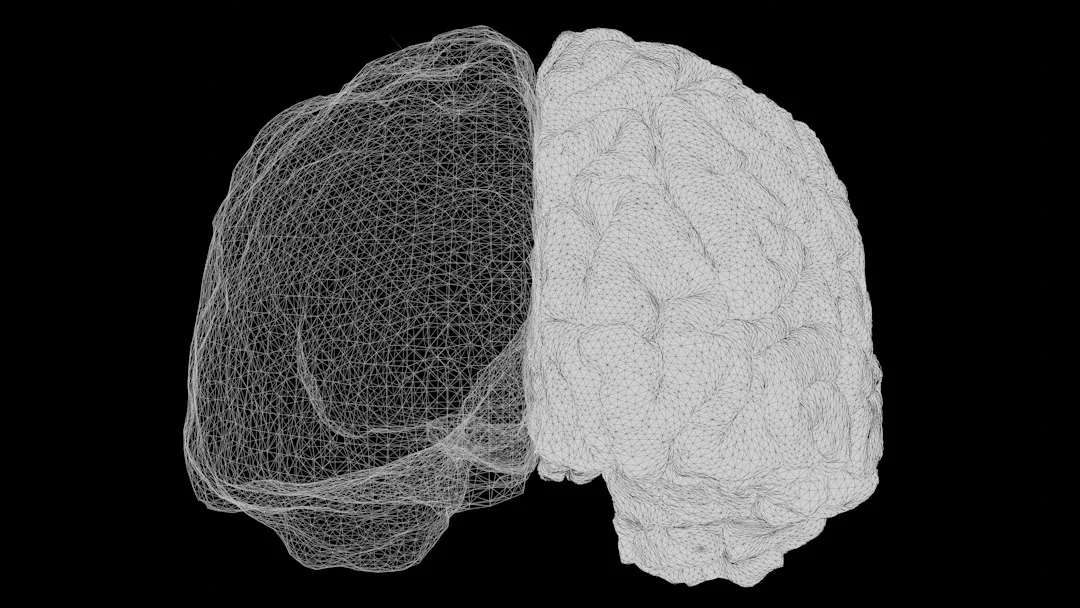
Many people report seeing their own hands moving in the dark. In these people, brain areas responsible for motion appear to fool the vision centers into seeing what they would have – if there had been enough light to do so.
Moving a hand triggers cell activity in areas of the brain involved in controlling hand motions. The brain may translate that activity into a kind of perceived sight, even in total darkness. This is not hallucination in the clinical sense. It is the visual cortex doing its job in the absence of any raw material to work with.
Experiencing sensory deprivation, in particular the lack of vision in dark zones, precipitates the enhancement of abstract and magical thinking. Results from eye-tracking research indicate that eye-movement patterns during darkness resemble those during activities involving abstract and divergent thinking. Darkness seems to provoke and facilitate creativity. That finding, from a University of California study on cave environments, helps explain why ancient peoples consistently chose deep cave chambers for ritual activity.
Sound Fills the Void Almost Immediately
One thing guides consistently note is how the group goes quiet within the first few seconds, and then sound sharpens. Visitors start hearing the cave itself: water dripping somewhere far off, the faint rustle of clothing, their own breathing. The auditory system compensates with surprising speed once the visual channel shuts down entirely.
Underground, we are cut off from the guidance of the stars, the sun, and the moon. Even the horizon vanishes. All of the subtle cues that might orient us on the surface – cloud formations, wind direction, plant-growth patterns – disappear. What remains is sound, touch, and whatever the brain decides to manufacture on its own.
Experienced guides describe this as the moment a tour group transforms from a collection of sightseers into something more attentive. People stop talking casually. They listen differently. The darkness creates a kind of involuntary presence that no interpretive display can replicate.
Time Begins to Slip Almost Immediately
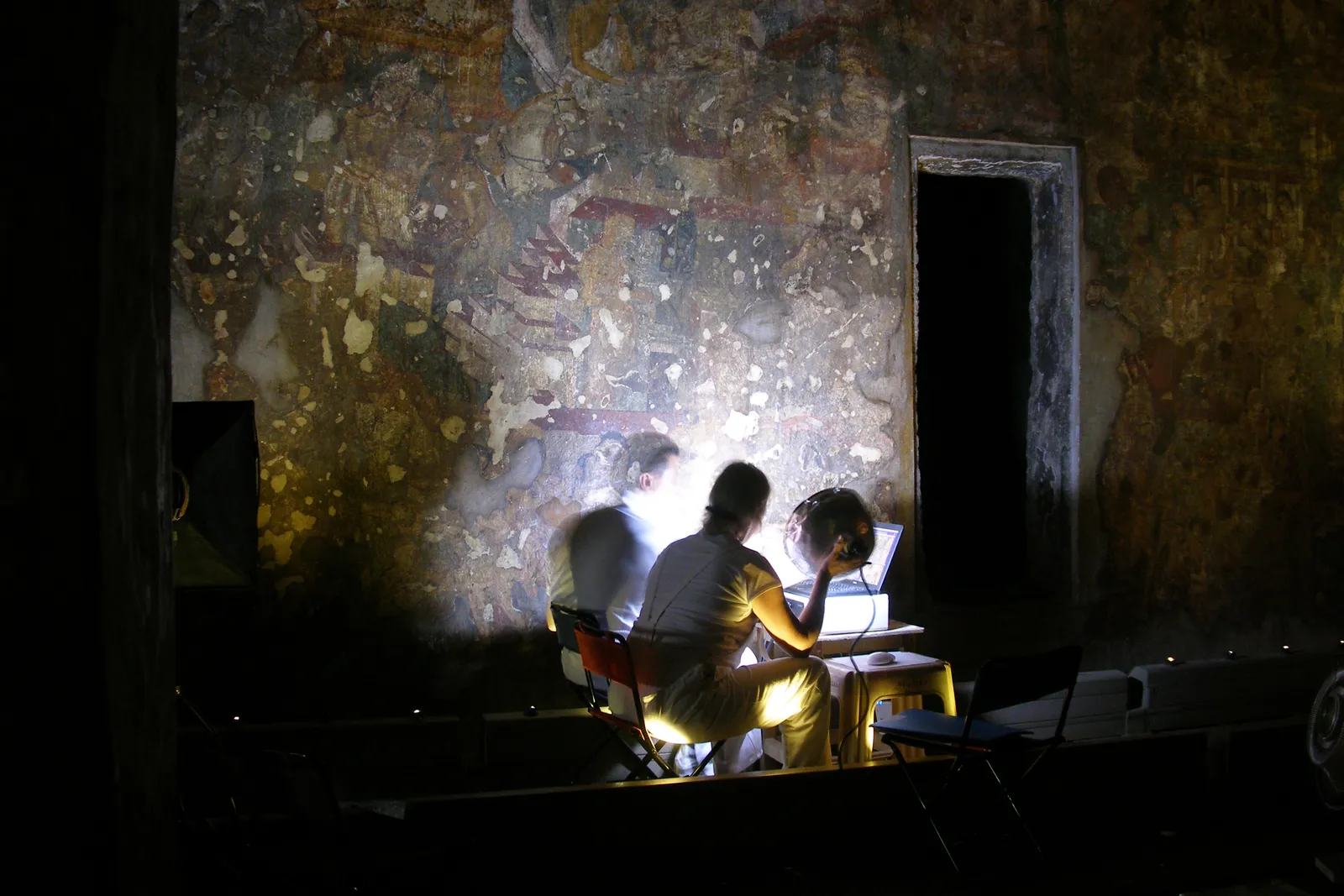
People in complete darkness quickly lose track of real-world time. A person might “wake up” thinking it’s morning when it’s actually the middle of the night outside, and their perceived week might contain only five or six subjective days instead of seven. Even in a brief cave tour, visitors often misjudge how long the lights have been off by a wide margin.
When study participants Josie Laures and Antoine Senni emerged from separate caves in the French Alps after more than twelve weeks in total isolation, researchers discovered both Laures and Senni’s perceptions of time as well as their sleep patterns were drastically altered while they were underground. Their experience was extended, but the mechanism starts the moment light disappears.
One striking demonstration involved fifteen adults who lived for forty days inside Lombrives Cave in France with no daylight, clocks, or outside communication. Their rest-activity cycles gradually stretched. Before entering the cave, their cycles averaged roughly twenty-four hours. Inside, cycles ballooned to an average of roughly thirty-two hours, with individual cycles ranging anywhere from about twenty-four to over forty hours.
What Melatonin Does Underground
Light exposure impacts many physiological and metabolic processes including circadian rhythm, mood, metabolism, and eye growth. Light contributes to circadian rhythm by synchronizing the diurnal activity of intrinsically photosensitive retinal ganglion cells, which modulate the release of the hormone melatonin. Remove the light entirely, and that entire regulatory system begins to drift.
A study looking at just four days in near-total darkness found that total melatonin output actually dropped by roughly a third. The overall amount secreted over a twenty-four-hour period decreased significantly, suggesting the pineal gland doesn’t simply produce more melatonin without light. Instead, it seems to recalibrate, possibly because some of the neurochemical pathways that regulate melatonin also depend on periodic light exposure to stay active.
This is worth sitting with for a moment. Most people assume that total darkness would flood the body with sleep hormones. The reality is more nuanced, and it illustrates just how precisely calibrated humans are to a world with a regular sunrise.
Lantern Tours Offer a Slower, Older Kind of Darkness

Most cave tours hand you electric lighting, paved paths, and a comfortable walk through the dark. A growing number of parks and attractions, however, still offer something far more raw: a lantern, a guide, and a passage that has barely changed since the first curious explorer crawled through it.
The Historic Lantern Tour at Timpanogos Cave National Monument in Utah switches off the cave’s normal electric lighting entirely. Visitors carry park-provided lanterns through Hansen, Middle, and Timpanogos caves, navigating narrow passages and stairways in conditions that closely mirror what early explorers encountered.
At Mammoth Cave National Park, only visitors aged sixteen and over may carry lanterns on certain tours. The rugged nature of the experience includes steep hills, low lighting, uneven terrain, and no handrails or electric lighting infrastructure. To preserve the nostalgic nature of the tour, the use of flashlights is prohibited. Some of these routes cover three miles and include over two hundred sets of stairs.
How Lighting Shapes the Entire Cave Experience
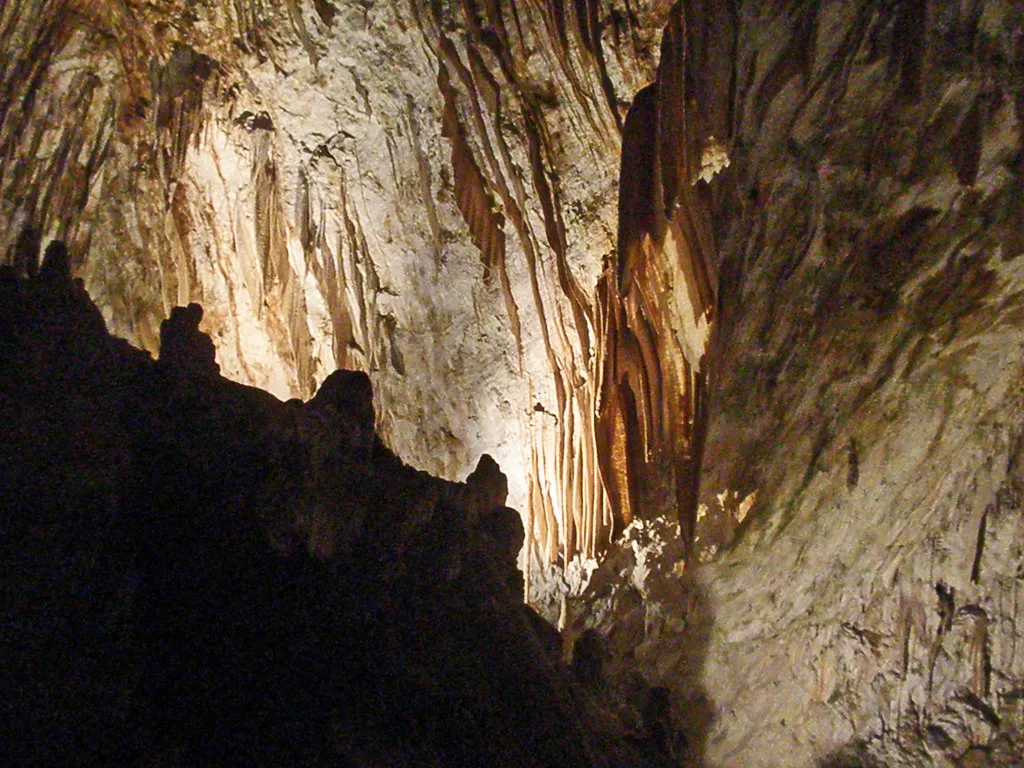
Despite increasing interest in immersive experiences within tourism, the specific psychological mechanisms that shape visitor engagement in show caves remain underexplored. A 2025 study investigated how aesthetic and escape experiences contribute to visitor satisfaction in cave tourism, with particular focus on the mediating role of decorative lighting.
Data were collected from 408 visitors to Gökgöl Cave in Türkiye and analysed using structural equation modelling. The results show that aesthetic experience significantly influences both escape experience and satisfaction, while lighting enhances aesthetic perception. Indirect effects further reveal that lighting improves satisfaction through its impact on aesthetic and escape experiences.
What this research confirms is something guides already know intuitively: the manipulation of light underground is not cosmetic. It changes how people feel, what they remember, and whether they feel the cave has revealed something genuine to them. The moment of total darkness is arguably the most deliberate and impactful tool in a guide’s entire repertoire.
Ultraviolet Light Reveals a Cave Within the Cave
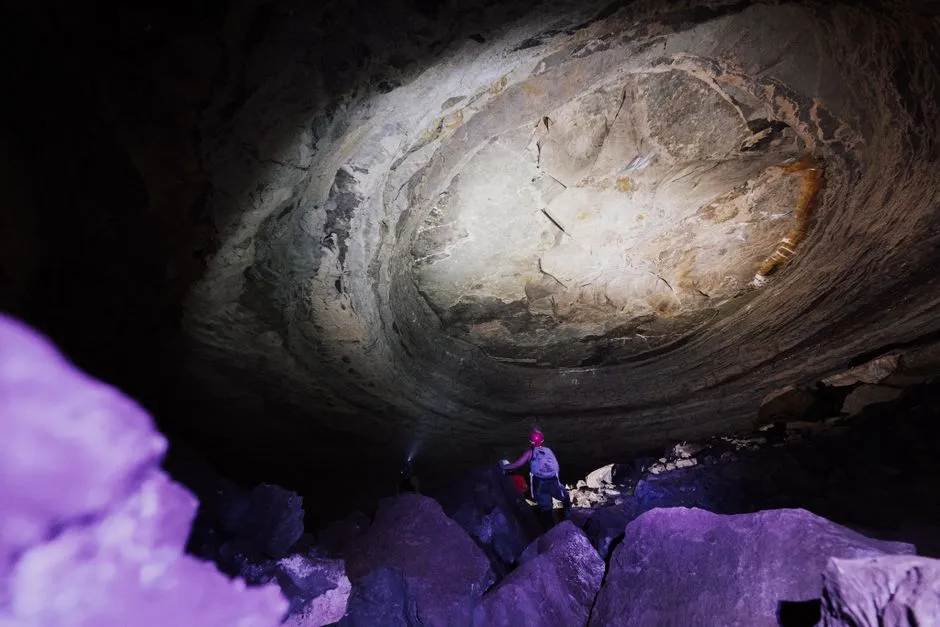
Ultraviolet underground cave tours turn off the electricity entirely and provide guests with a black light as their only source of illumination as they discover the hidden beauty that is only revealed under ultraviolet light. Many cave formations are naturally fluorescent and phosphorescent, visible only under these conditions.
Shining a UV torch on the rocks reveals lustrous veins of calcite flashing in the darkness, uncovering hidden details that are invisible to the naked eye. Stump Cross Caverns in Yorkshire is a calcite cave, and calcite is a phosphorescent crystal – it absorbs UV light and then casts it back out like an ancient natural lamp.
There is something quietly wonderful about the idea that caves have always contained this hidden palette. The formations were glowing long before any visitor arrived with a torch. The guide’s job, in these ultraviolet moments, is simply to introduce two things that were already there: the rock and the light it was always capable of returning.
What Guides Say Visitors Take Home
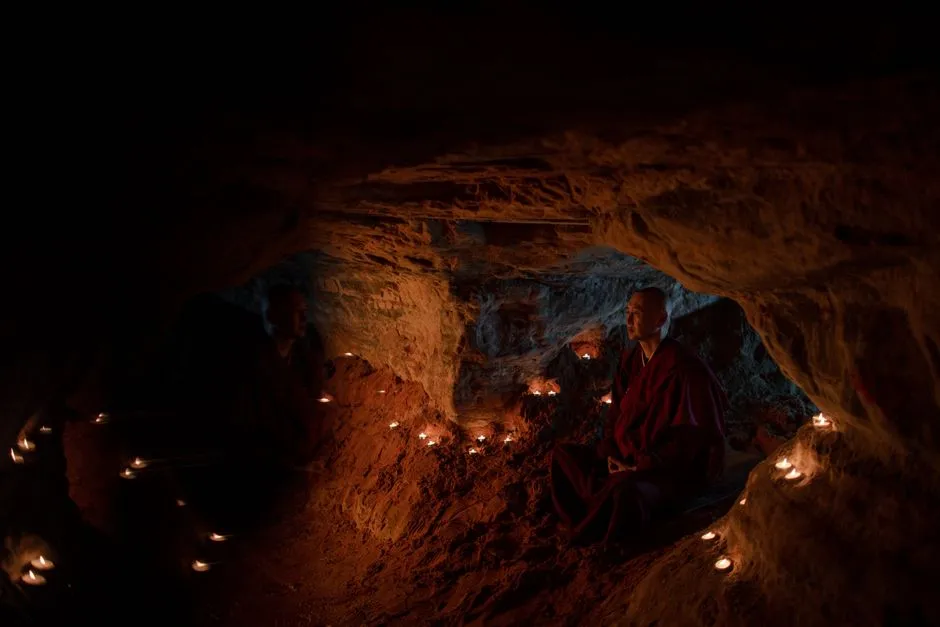
Ask a cave guide what they notice after the lights come back on, and many describe the same thing: the group is different. Quieter. More careful where they step. People tend to reach for the wall or for another person in those first seconds of restored light, as if the cave has briefly reminded them what it means to be dependent on something they can’t control.
The experience of true darkness can be genuinely overwhelming, instilling a quiet sense of panic. Once the lights return, the world snaps back into clarity – and with it, a sharpened appreciation for what that clarity costs in terms of ordinary assumptions. Guides describe this as the moment when geology stops being a subject and becomes a feeling.
Just how black total darkness is, and how powerful even a small light can be in such a large room, are the two things the experience reliably teaches. A single candle flame held in a cavern the size of a cathedral is, apparently, enough to see by. Most visitors have never tested that boundary before, and the surprise of it stays with them.
The Takeaway
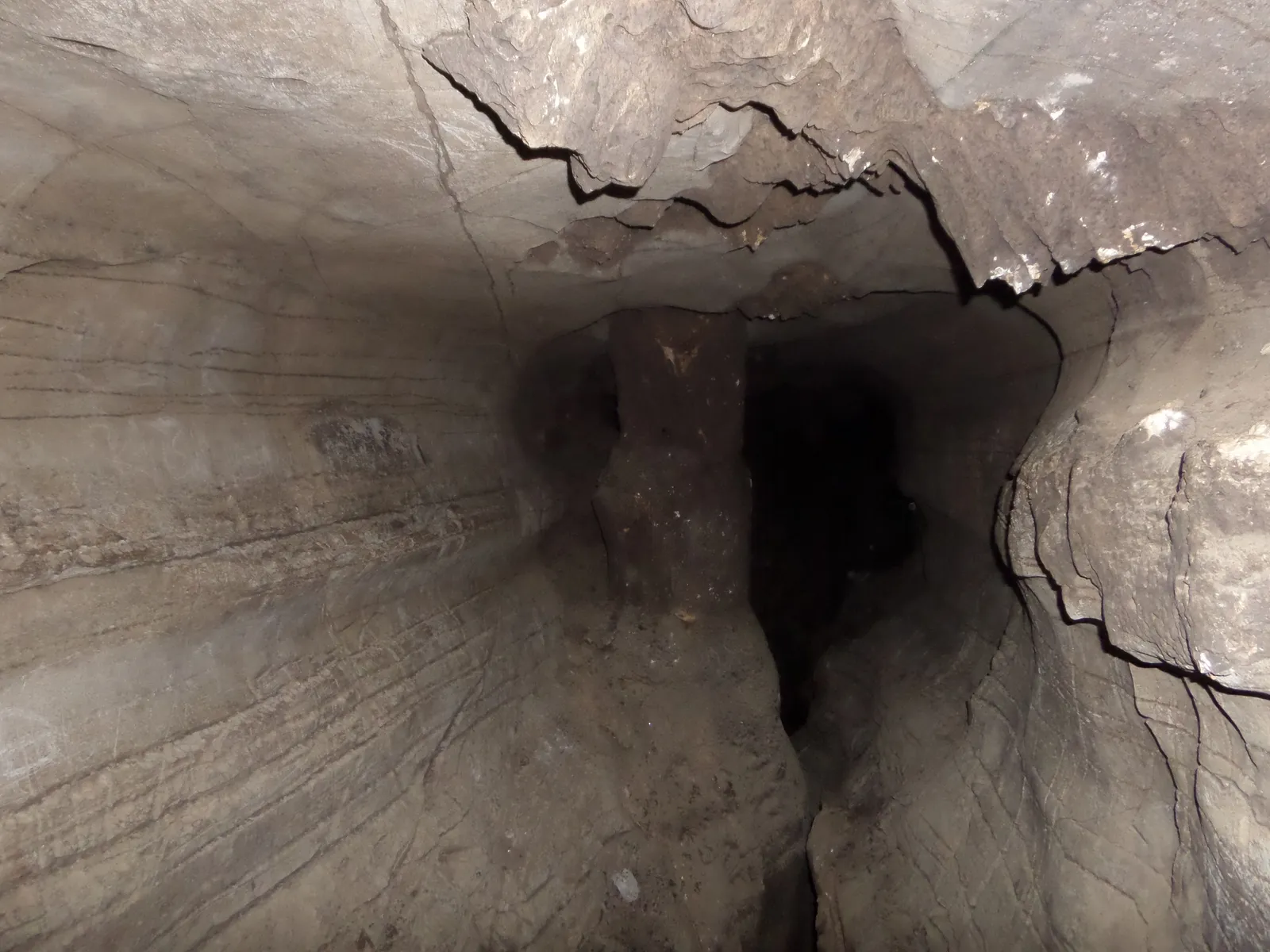
Switching off every light underground is not a gimmick. It is arguably the most honest thing a cave guide can do. For roughly sixty seconds, visitors are handed something that almost no other tourism experience can offer: genuine sensory limitation, and the quiet clarity that follows when it lifts.
The science backs up what guides have observed for generations. The brain reaches for light, time loosens its grip, sounds sharpens, and creativity stirs. These are not romantic metaphors. They are measurable responses rooted in how human physiology actually functions without its most relied-upon input.
There is a reason this single moment tends to outlast everything else in the memory of a cave visit. It is not the formations, not the geology, and not the history. It is the thirty seconds of nothing, and what it quietly says about everything we take for granted above ground.
AI Disclaimer: This article was created with the assistance of AI tools and reviewed by a human editor.