
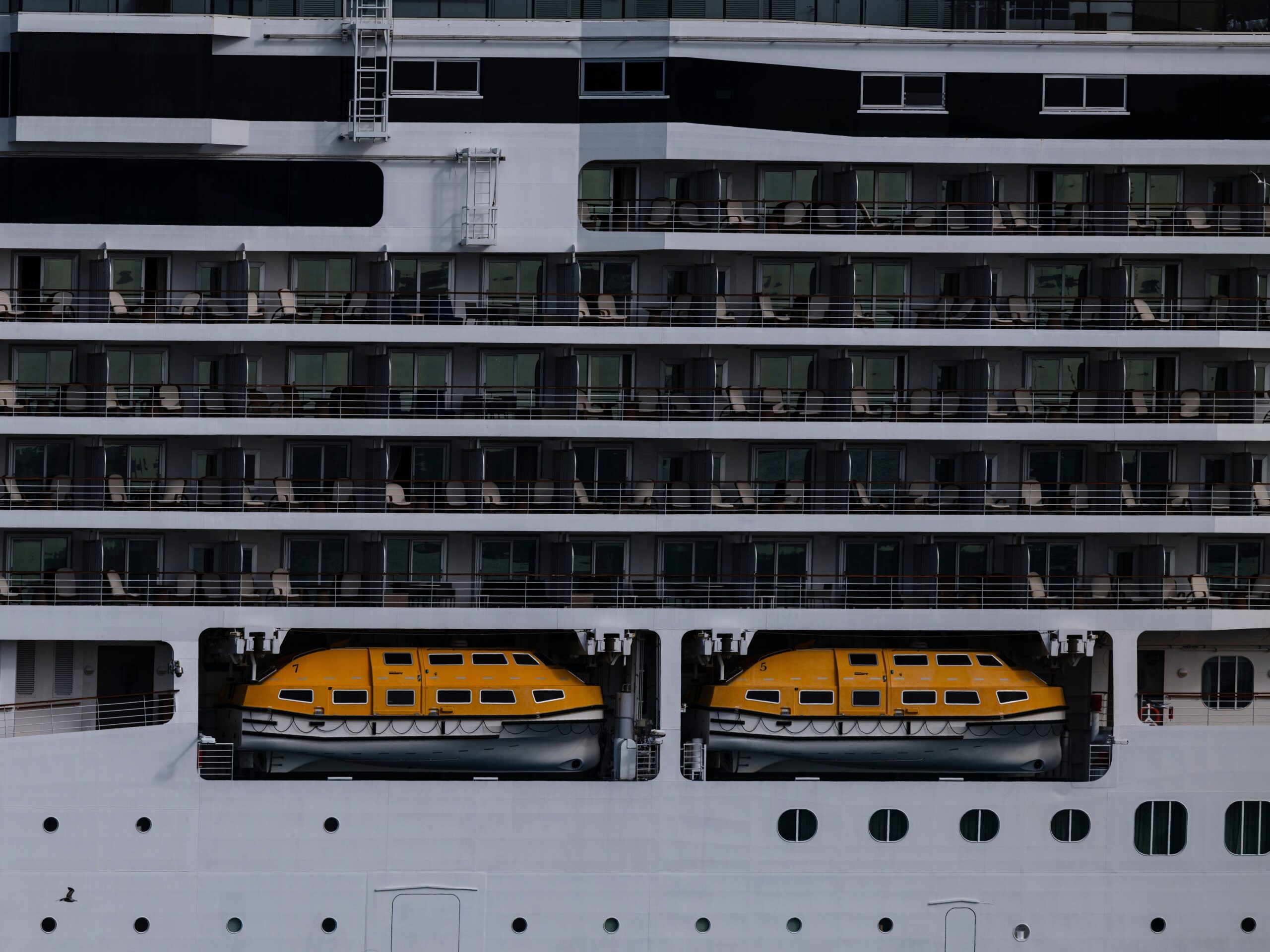

Walk through any busy cruise terminal on embarkation day and you’ll notice something that first-timers rarely expect: a table near the security checkpoint stacked with bags, appliances, and oddly shaped parcels that aren’t going anywhere. Thousands of passengers board cruise ships every week, and a surprising number of them are stopped before they ever reach the gangway.
The reasons range from simple oversight to genuine misunderstanding of the rules. Most people aren’t trying to do anything wrong. They’re just packing the way they always do, without realizing that life aboard a ship operates under a very different set of safety standards than life on land.
The Clear Number One: Clothing Irons and Steamers
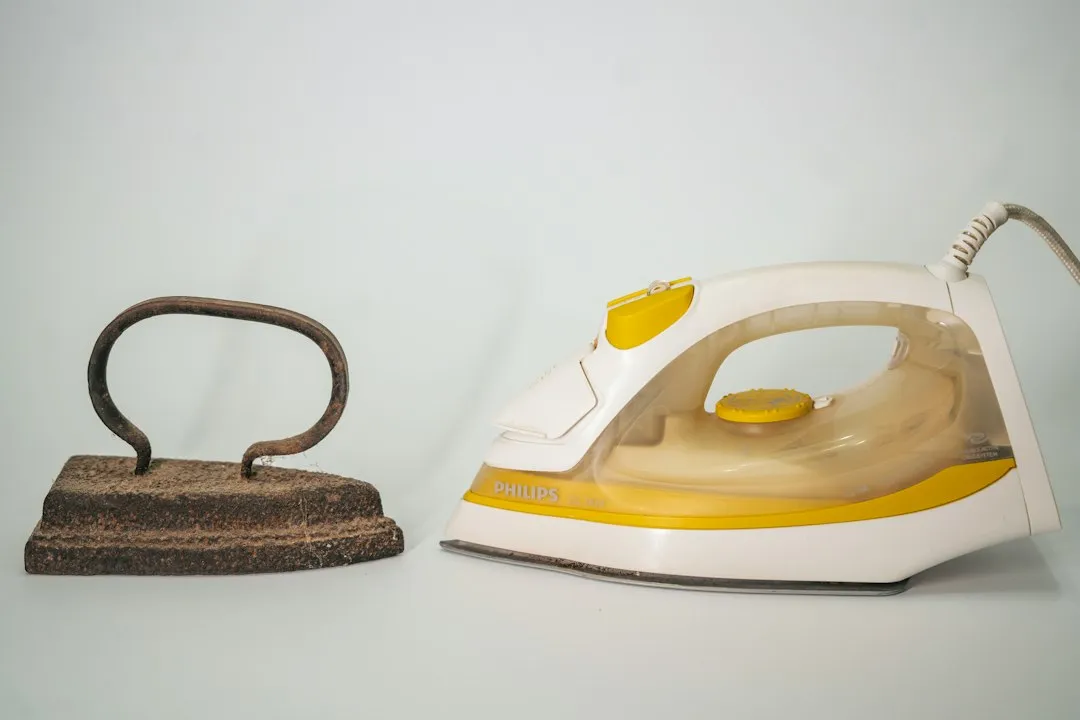
If you ever pass by the table of confiscated items at the end of a cruise, you can pretty much guarantee you’ll see mostly clothing irons and steamers. So many people mistakenly believe they can bring them on a cruise, but they’ll be taken away as soon as they’re spotted in bags, because irons and steamers are considered a fire hazard.
Clothing irons and steamers are flagged by security as the number one confiscated item at embarkation. The logic is straightforward: a ship is a densely populated, enclosed environment at sea, where a small cabin fire can escalate in ways that simply aren’t possible in a hotel room.
An estimated roughly seven in ten gangway confiscations are tied to fire-hazard items like irons, candles, and unapproved power strips. If you want wrinkle-free clothes, the practical fix is wrinkle-release spray or the ship’s own laundry service.
Power Strips and Surge Protectors

If clothing irons are the most confiscated item, power strips are probably number two on the list. You cannot bring a power strip or surge protector on a cruise, because it too is considered a fire hazard. Cabins on most ships already have limited outlets, which makes this one of the most frustrating confiscations for passengers who pack multiple devices.
Royal Caribbean also prohibits bringing multi-plug outlets, which is a more recent change in policy. Irons, steamers, surge protectors, and extension cords are confiscated at embarkation security on every cruise line, but a USB charging hub without surge protection is generally a permitted alternative.
Excess Alcohol and Smuggling Attempts
Every week, cruise security catches dozens of hopeful guests trying to sneak alcohol onboard, and people get creative: gin disguised in water bottles, rum hidden in fake shampoo containers, wine bladders stuffed into socks. The motivation is usually straightforward: avoiding onboard bar prices.
Most cruise lines only permit a small alcohol allowance, typically one sealed 750 ml bottle of wine or champagne per adult. Anything beyond that, especially hard liquor or beer, is confiscated. Some lines will return it at the end of the cruise; others pour it away immediately.
Security teams are experienced at spotting creative smuggling attempts, including modified water bottles and fake sunscreen containers, and these tricks are caught routinely. Hard liquor and beer are completely prohibited in passenger luggage, with no exceptions for duty-free purchases or gifts.
Kitchen Appliances and Small Electronics
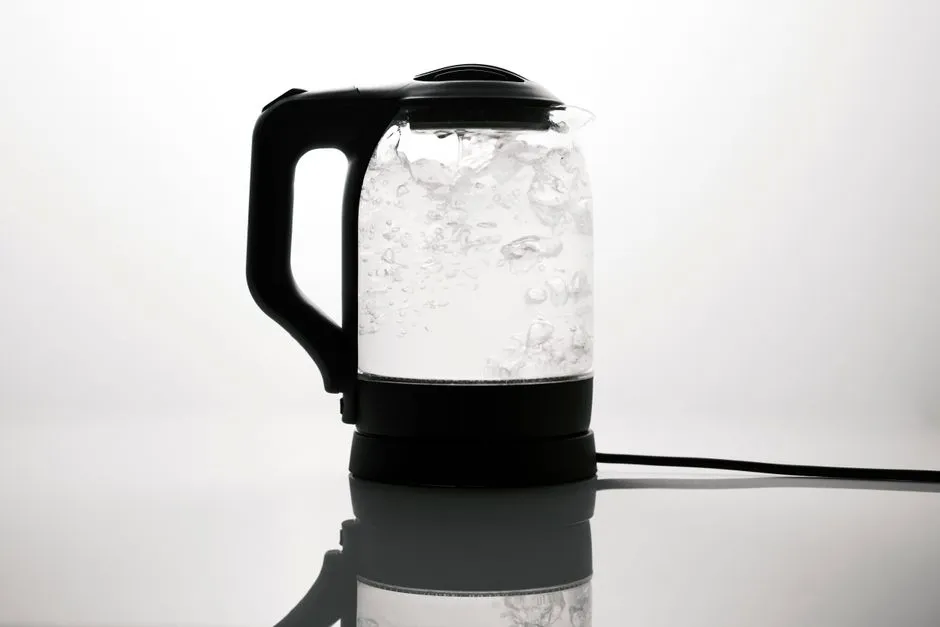
As a general rule, you can’t bring kitchen appliances onboard, and rice cookers, electric kettles, and coffee machines regularly appear on the confiscated items table because people think they can save money and make certain foods in their cabin. It’s one of those packing decisions that makes sense on paper but fails at the scanner.
Heat-producing items are among the most commonly confiscated categories, including clothing steamers, irons, hot plates, heating coils, and coffee makers with exposed heating elements. These items aren’t illegal – they’re considered fire hazards in a ship environment.
Candles and Incense
Candles, incense, hot plates, clothing irons, and any device with an open flame or uncontrolled heat source are universally banned across cruise lines. People often pack candles for ambiance or aromatherapy, not realizing that open flames are treated with extreme caution at sea.
Cruise lines universally prohibit flammable materials for safety reasons, and fireworks, candles, and incense are included in this list. Passengers are typically advised to use battery-operated candles or LED lights instead. Torch lighters and novelty lighters shaped like guns are also banned, though matches and standard lighters are generally allowed.
Drones

Even if you plan to fly a drone only in port, the drone itself cannot be stored onboard on most major cruise lines. Several cruise lines enforce a zero-tolerance policy, placing drones directly on their banned and prohibited items lists, and passengers who attempt to launch a drone from a ship balcony or a private beach face immediate gear confiscation, guest conduct warnings, and potential forced disembarkation at the next port at their own expense.
Norwegian Cruise Line does not allow drones onboard at all, not even stored in a cabin for shore use. Drones are confiscated at the embarkation scanner, and passengers are advised to leave drones at home or in port-side storage before boarding. Policies do vary: Carnival requires guests to surrender their drone to the Chief Security Officer upon boarding, checking it out for port use and back in upon return.
Multi-Tools and Pocket Knives

Multi-tools are one of the most commonly confiscated items at cruise terminals. Travelers often carry them out of habit, especially small pen knives or tools like a Leatherman, but the issue is that most multi-tools contain blades, scissors, or serrated edges – and these are considered weapons under cruise security policies.
Unlike airlines, where some items can go in checked luggage, cruise lines typically do not allow these onboard at all. Confiscated items may not always be returned, so it is safest to leave multi-tools at home. It’s a small inconvenience compared to losing a tool you use every day.
CBD Products and Cannabis

CBD and marijuana are banned on Carnival cruises, even with a prescription, because cruise lines follow U.S. federal law and maintain a strict drug-free policy onboard, regardless of state or port laws. This surprises many passengers who travel from states where cannabis is fully legal.
All cannabis products, including medical marijuana, and all CBD products – including hemp-derived CBD oils, candies, and gummies – are explicitly prohibited regardless of state legality or a doctor’s authorization. Penalties include immediate disembarkation at the next port without refund and possible referral to law enforcement. The rule applies across virtually every major line.
Celebrity Cruises explicitly prohibits all CBD products regardless of source-state legality or medical authorization, and CBD is treated identically to cannabis at the scanner and onboard. It’s an area where passenger assumptions frequently clash with maritime law.
Fresh and Unsealed Food

Food rules surprise many cruisers, which is why food often shows up among confiscated items. Fresh fruit, homemade foods, open or unpackaged items, and certain agricultural products brought back from port are all frequently taken.
All fresh or unsealed food gets confiscated for health-and-safety reasons: perishables can attract pests, spoil in luggage, or violate import laws at different ports. Lines like Carnival and Royal Caribbean now specify sealed cans or cartons only for soft drinks, and unsealed or oversized bottles are thrown away at security.
Self-Defense Items and Less Obvious Weapons

Many self-defense items surprise passengers at security. Pepper spray, mace, stun guns, and tasers are prohibited even if legal for personal protection in a passenger’s home state. Martial arts and self-defense items, as well as disabling chemicals including mace and pepper spray, are prohibited across Royal Caribbean’s fleet.
Attempting to bring prohibited items can delay boarding, trigger additional security screening, and in extreme cases result in denied boarding. Even seemingly innocent items – travel kettles, Bluetooth speakers, certain aerosol sprays – can violate safety regulations designed to protect thousands of passengers and crew living together at sea.
What Happens to Confiscated Items
Non-illegal items like steamers, alcohol, and certain electronics are usually held by security and returned at the end of the cruise. Only illegal or high-risk items are discarded; most prohibited but non-illegal items are logged, stored, and returned. Still, losing access to something you packed intentionally makes for a frustrating start to any vacation.
All items remain subject to review by the ship’s security team, which retains sole discretion to determine whether any item is allowed. Items deemed questionable are reviewed and decided upon by the Chief Security Officer and the Staff Captain. If a prohibited item is discovered onboard after sailing, security may remove it from a cabin and arrange for later return.
The Simple Fix Before You Pack
Most major cruise lines, including Royal Caribbean, Carnival, MSC, Norwegian, Princess, Costa, Holland America, and Disney, share similar prohibited item lists, with minor variations. Each cruise line publishes its complete prohibited list on its official website, and the general rule is: anything that creates a fire hazard, security risk, or interferes with ship operations is banned.
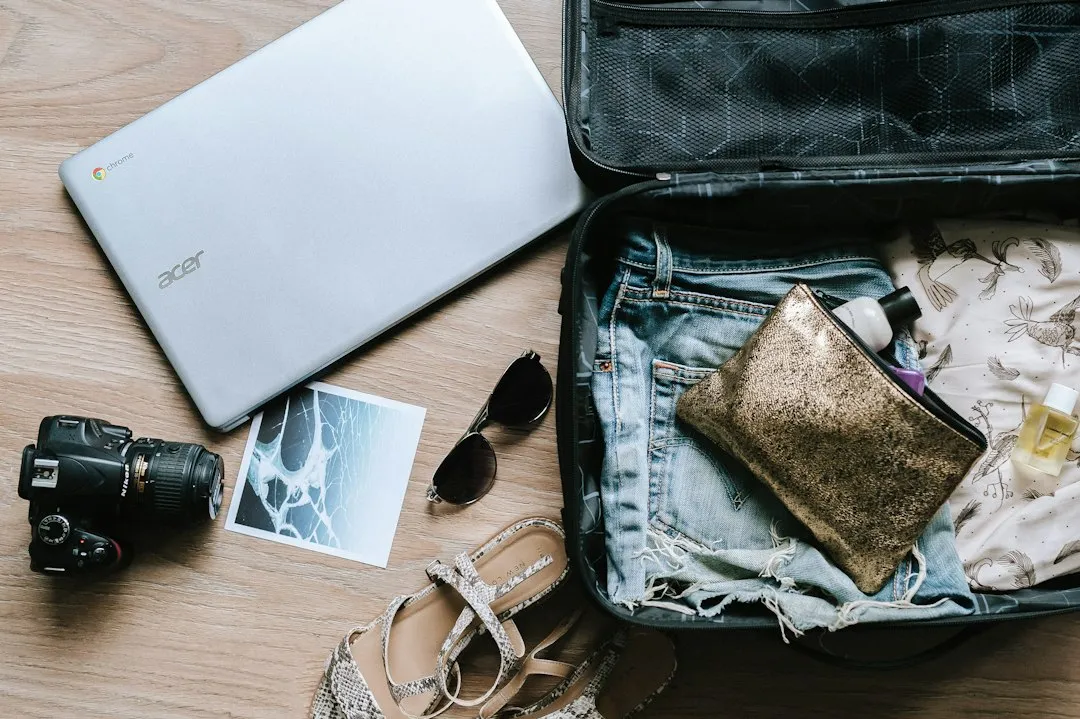
Checking your specific line’s prohibited-items list before you pack takes roughly four minutes and prevents gangway confiscations entirely. That small step is genuinely the most useful thing a first-time or returning cruiser can do – and it costs nothing except a few minutes of honest attention before you zip up your bag.
A Practical Takeaway
The items that get stopped at embarkation aren’t exotic or obscure. They’re everyday objects that people pack without thinking: the iron from the bathroom shelf, the power strip from the home office, the multi-tool clipped to a bag. The common thread is that cruise ships have genuine, well-founded safety requirements that simply don’t apply to a hotel stay or a car trip.
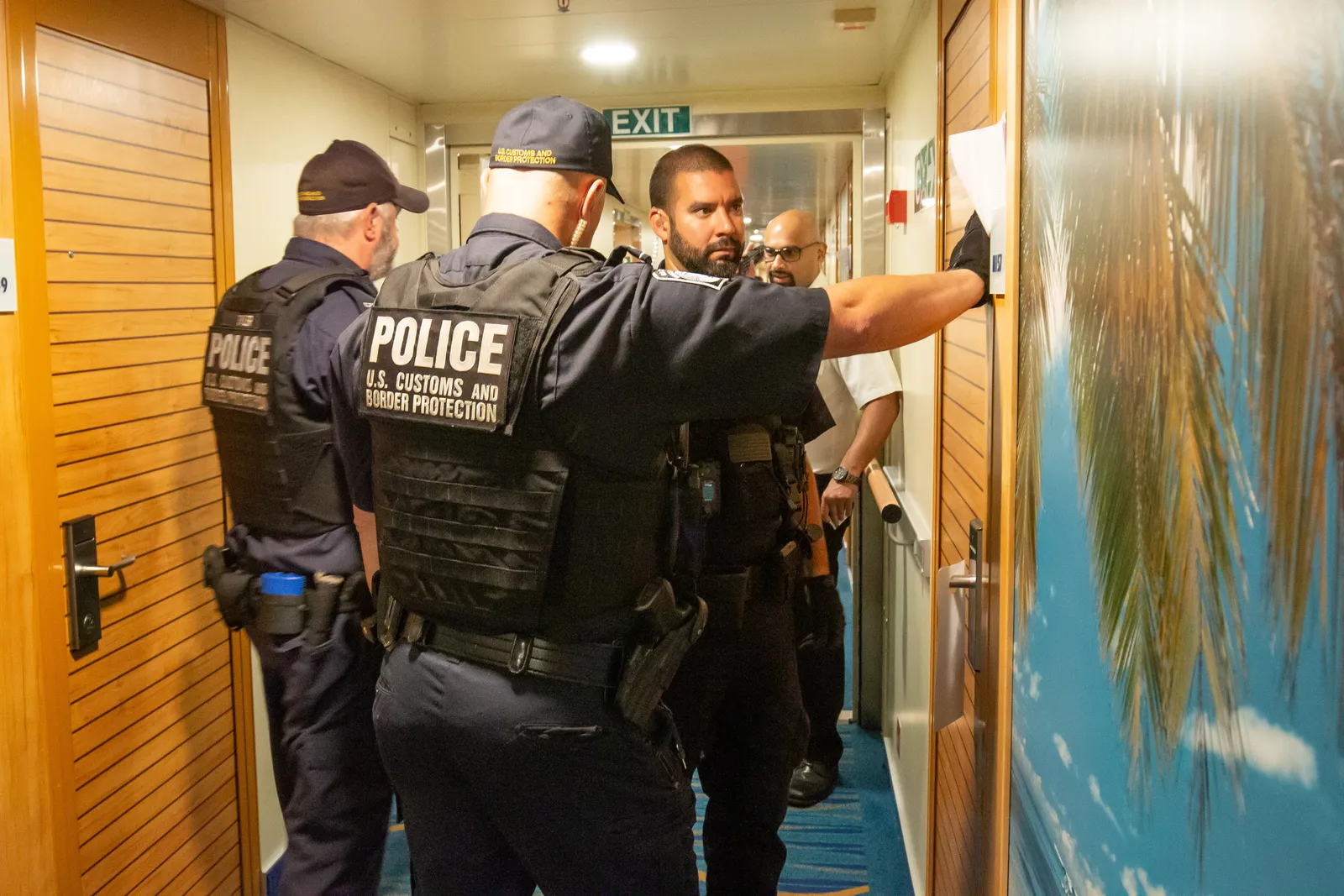
Security officers are not trying to complicate anyone’s vacation. They’re managing fire risk, maritime law, and the safety of several thousand people sharing a floating city. A few minutes spent reviewing your cruise line’s prohibited items list before you leave home is a genuinely small investment. It keeps the start of your journey exactly where it belongs: on the ship, not at the confiscation table.
AI Disclaimer: This article was created with the assistance of AI tools and reviewed by a human editor.