
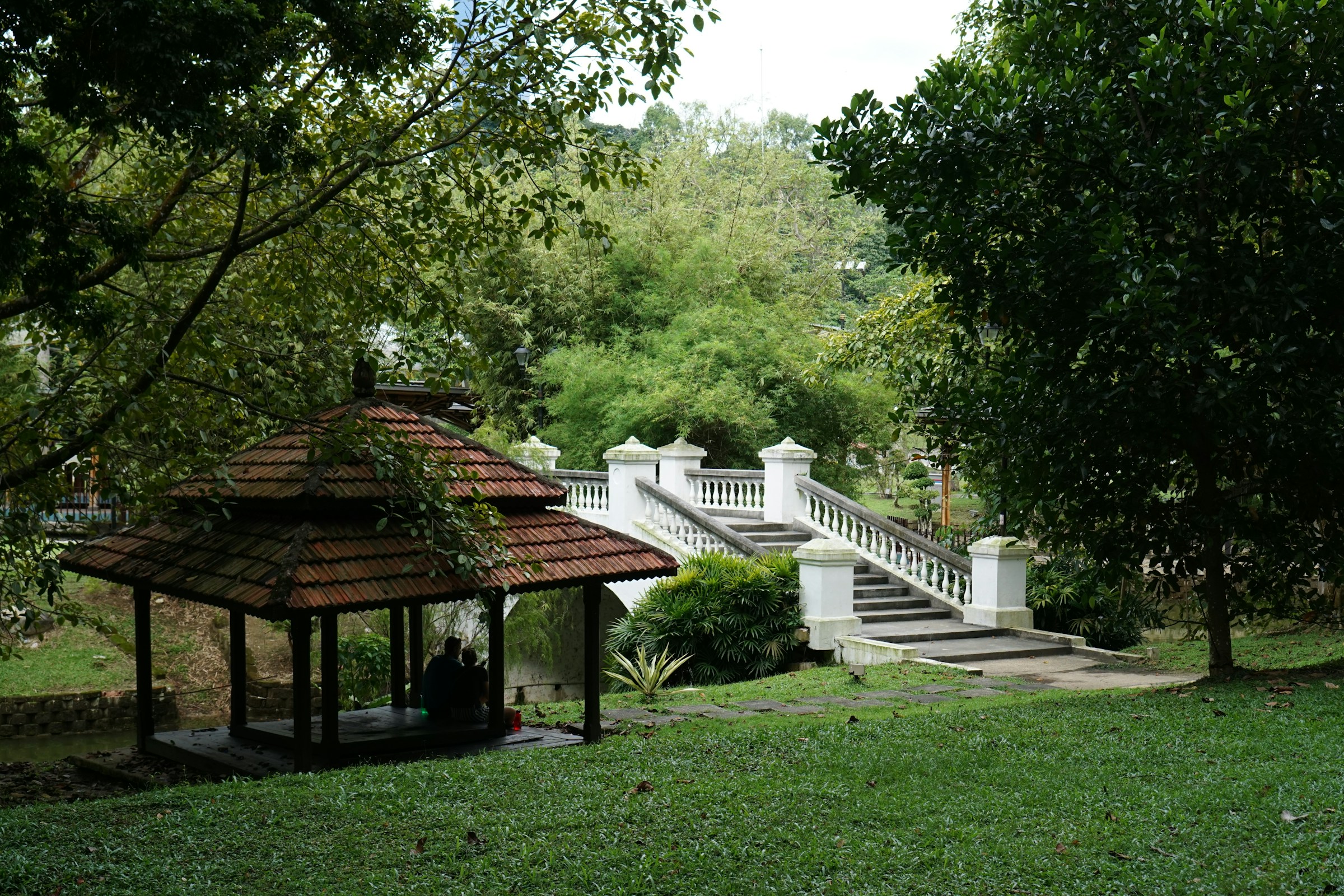

There’s a corner of almost every well-run resort that quietly does its work without being noticed. It doesn’t appear on the welcome map. The concierge probably won’t mention it unless you ask twice. Tucked behind service corridors, nestled below rooftop terraces, or woven into back gardens framed by old stone walls, these are the spaces that resort groundskeepers know best and guests rarely discover at all.
The people who tend these gardens often describe them as the soul of the property. Chefs depend on them. Spa therapists harvest from them. Bees navigate toward them at dawn. What follows is a closer look at why these hidden gardens exist, what makes them remarkable, and why finding one on your next trip might quietly become the best part of your stay.
The Kitchen Garden Operating Out of Sight
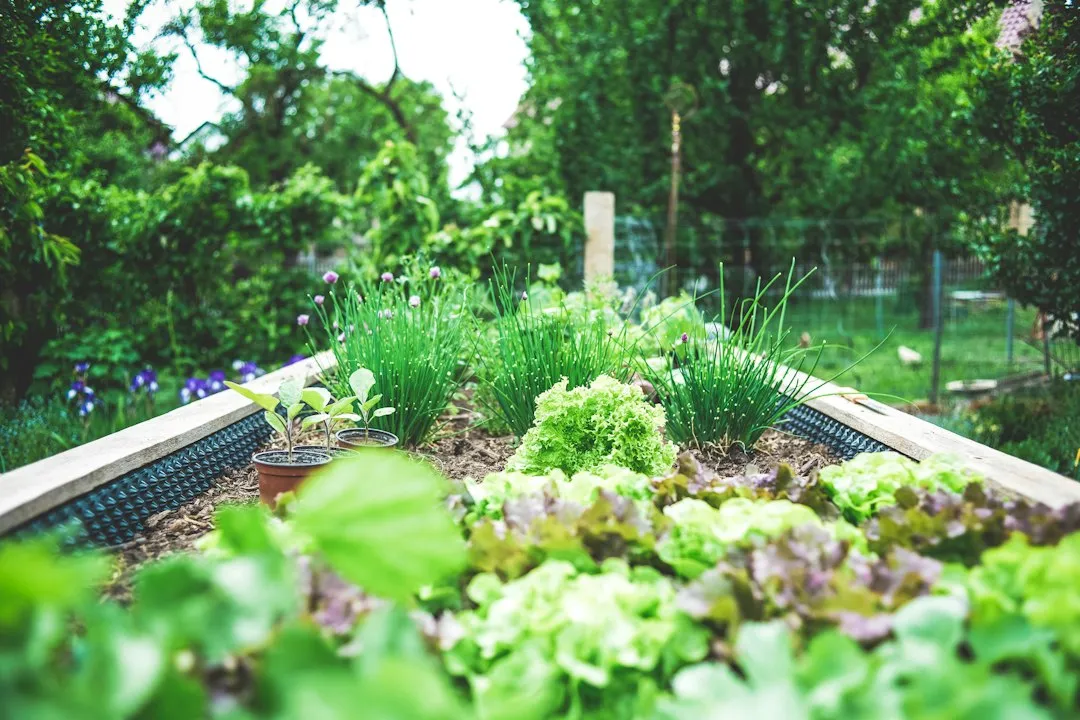
At the heart of many hidden resort gardens is something wonderfully purposeful: an edible landscape producing real food. At Conrad Koh Samui in Thailand, a lush regenerative farm known as Project Iris produces an astonishing 3,000 kilograms of fresh fruit and vegetables per month, supplying roughly sixty to seventy percent of the hotel’s total kitchen produce by weight depending on the season. That’s not a decorative gesture. It’s an operating farm concealed within a luxury resort, and most guests checking in by the pool never see a single row of it.
Across Latin America, Hilton properties are transforming terraces and hotel grounds into thriving edible landscapes. At Hilton Bogotá, an organic kitchen garden supplies a rotating harvest of herbs and vegetables to the hotel’s restaurants, creating a hyper-local dining experience while reducing environmental impact. The produce arrives at the kitchen already warm from the sun, hours earlier still in the soil.
Why Groundskeepers Guard These Spaces
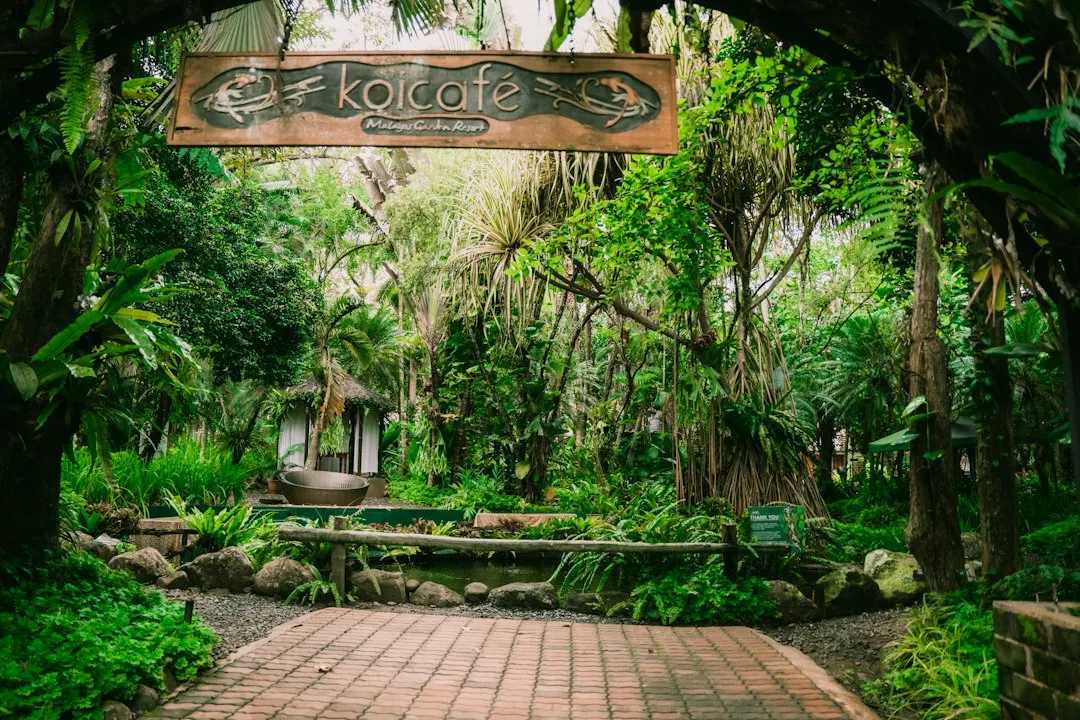
Resort gardeners aren’t protective out of secrecy for its own sake. Many of these gardens simply weren’t designed for foot traffic, and the people who tend them know how fragile a well-established herb row or heirloom seedbed can be. At properties like Erinvale Estate Hotel and Spa in Cape Town, five permanent gardeners work to ensure the garden’s upkeep and maintenance year-round. Their commitment runs deeper than aesthetics.
At Fairmont Le Chateau Montebello, visitors are invited to approach the resort’s chefs and ask about the fresh produce, and the kitchen team is notably enthusiastic about discussing the garden with curious guests. That kind of open-door attitude is the exception rather than the rule, which makes it worth seeking out.
The Medicinal Garden Few Know Exists
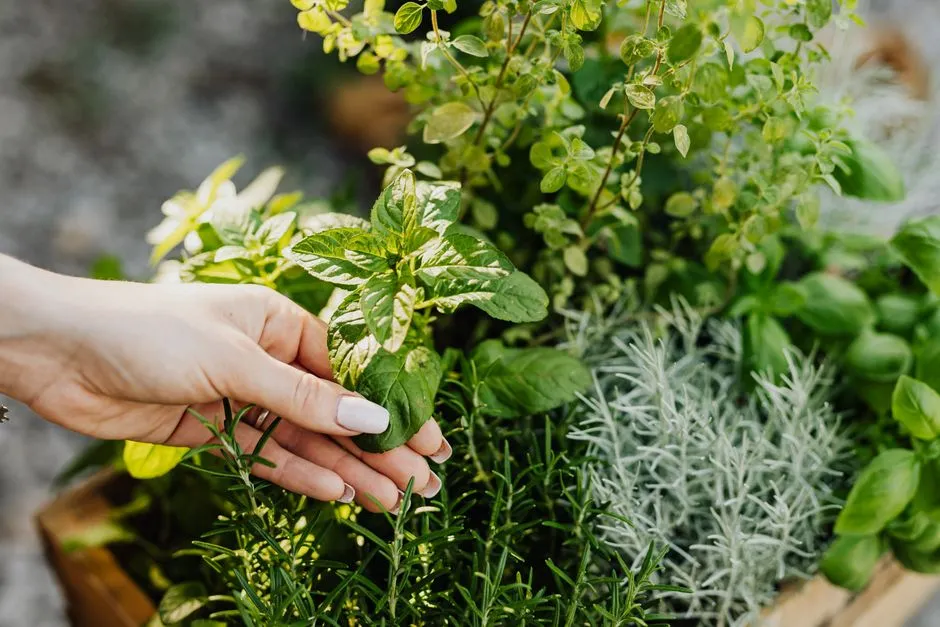
Some of the most quietly extraordinary hidden gardens at resorts aren’t food gardens at all. They’re medicinal. At La Donaira in Andalusia, Spain, the estate runs entirely off-grid and the medicinal garden alone holds more than 350 plant species, many of which are used directly in the spa. That’s a level of integration between landscape and wellness programming that most guests never connect back to the garden that made it possible.
Elsewhere in Europe, a six-acre medicinal herb garden feeds an on-site laboratory producing Seed to Skin skincare products, and a Michelin-starred restaurant uses only ingredients grown, raised, or foraged on the estate. These spaces require years of knowledge to build. The groundskeepers who manage them often have training closer to botany or traditional plant medicine than conventional landscaping.
The Rooftop Garden Hidden Above the City
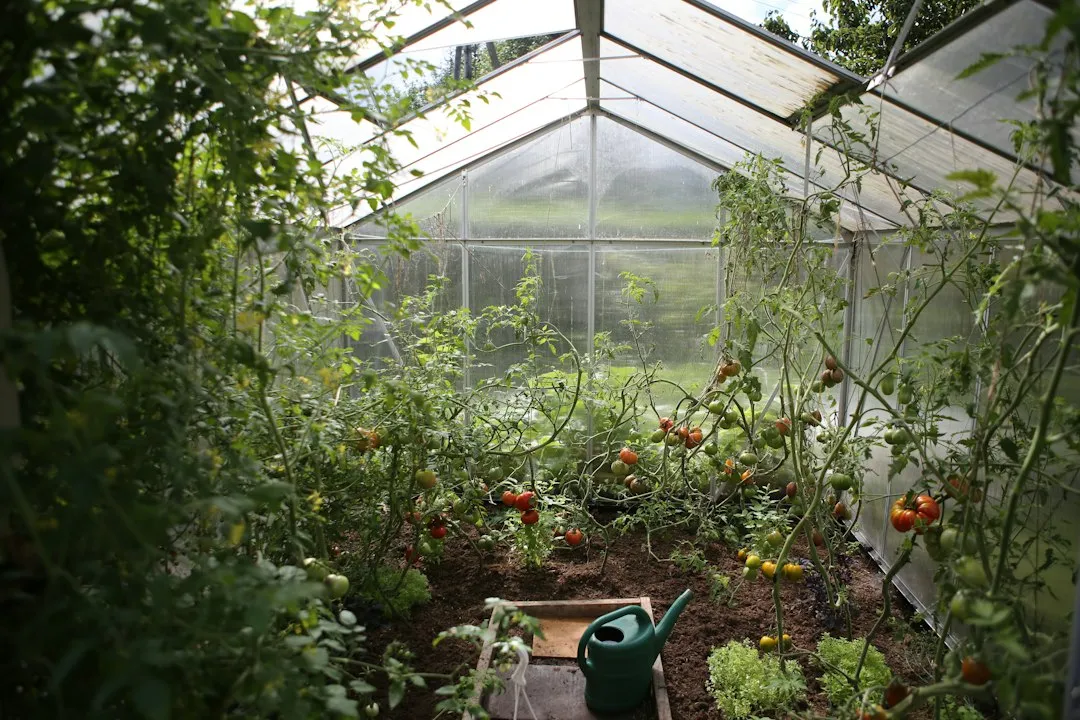
Not every hidden garden sits at ground level. Some of the most surprising ones are directly overhead, completely invisible to a guest wandering the lobby. The Langham in Sydney has transformed its rooftop into a lush garden that provides herbs and vegetables for its kitchen, while also partnering with local environmental organizations to promote sustainability. The produce carried down each morning in a small basket rarely announces where it came from.
At 1 Hotel Toronto, the rooftop garden supplies herbs to the in-house restaurant, emphasizing a farm-to-table concept that underscores the property’s connection to nature. Their onsite organic composter reduces waste that is used to feed more than 2,500 plants throughout the grounds. The entire system runs quietly behind the scenes of what looks, from the street, like an ordinary luxury hotel.
What the Science Says About Garden Spaces and Guests
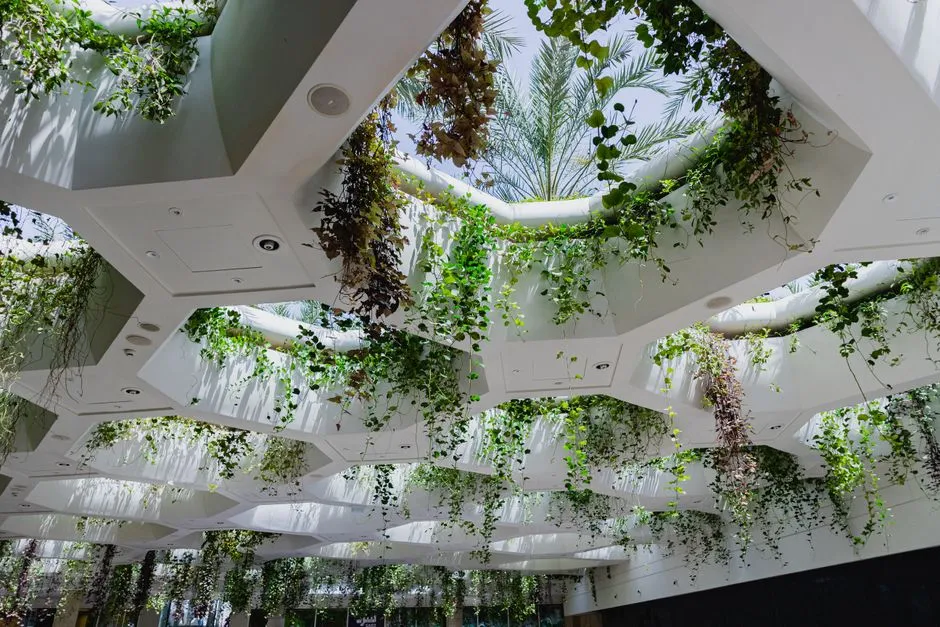
There’s growing research behind why these hidden spaces matter beyond the kitchen. Research by sustainability consulting firm Terrapin Bright Green and commercial flooring company Interface showed that guests spent thirty-six percent more time in biophilic-inspired hotel lobbies than in less nature-forward environments. When that nature extends into a private garden, the effect on perceived calm and wellbeing tends to deepen even further.
Evidence suggests that hotel spaces featuring biophilic design attract approximately thirty-five percent more guests compared to non-biophilic spaces. The proven health benefits of being among nature include stress reduction, higher attention spans, improved air quality, and increased happiness. A quiet garden in the back of a resort isn’t a luxury detail. It turns out to be good hospitality strategy, backed by data.
Resorts Where Guests Can Actually Join In
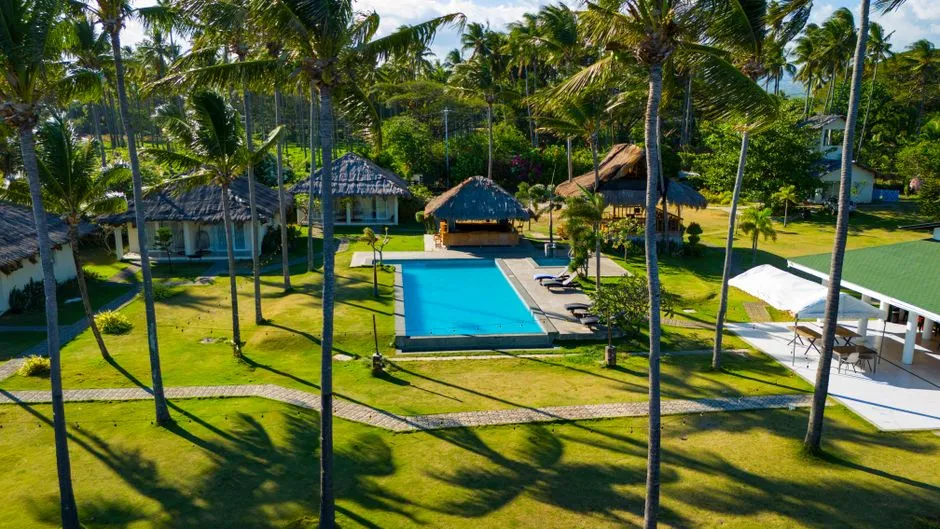
A few forward-thinking properties have made the hidden garden accessible rather than simply preserving it for operational use. At The Farm at Carneros in California, guests can participate in gardening workshops, and the resort hosts seasonal events that highlight the local harvest and further engage guests with the land. The shift from passive visitor to active participant changes the way people relate to the place entirely.
At The Rooster in Antiparos, Greece, each morning guests might pick herbs and cherry tomatoes alongside the chef for their omelet, and weekly farm-to-table dinners happen in the garden under the stars. That kind of experience turns a meal into a memory rooted in soil and season. It’s genuinely difficult to replicate from a buffet line.
The Sensory Garden Designed for Stillness
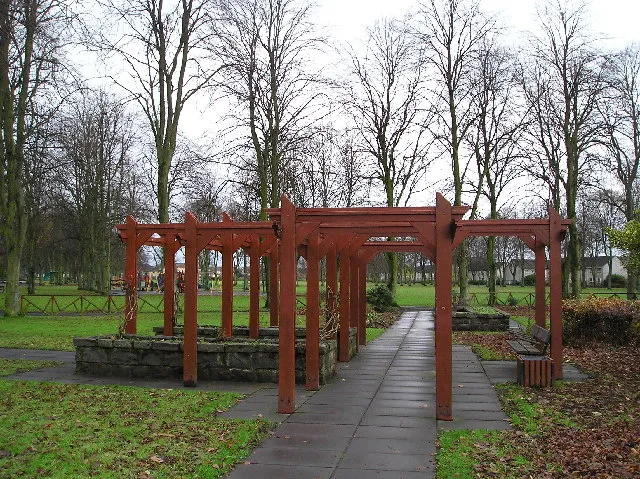
Biophilic design has become a defining trend in hospitality, focusing on the integration of natural elements into indoor and outdoor environments to create spaces that promote relaxation, comfort, and well-being. In an industry where guest experience is paramount, incorporating biophilic principles allows resorts to offer guests more than just a stay. They provide an immersive, calming connection to nature.
Hotel gardens have transcended mere backdrops to become immersive havens offering respite, promoting wellness, and inspiring eco-conscious exploration. From lush Arabian oases to grand English estates, these spaces are vibrant settings bursting with color, fragrance, and life. The best hidden resort gardens are designed to slow a person down rather than impress them at a glance. Scent, texture, and shade do the work that a dramatic view might do somewhere else.
The Role of Native Plants in the Hidden Garden
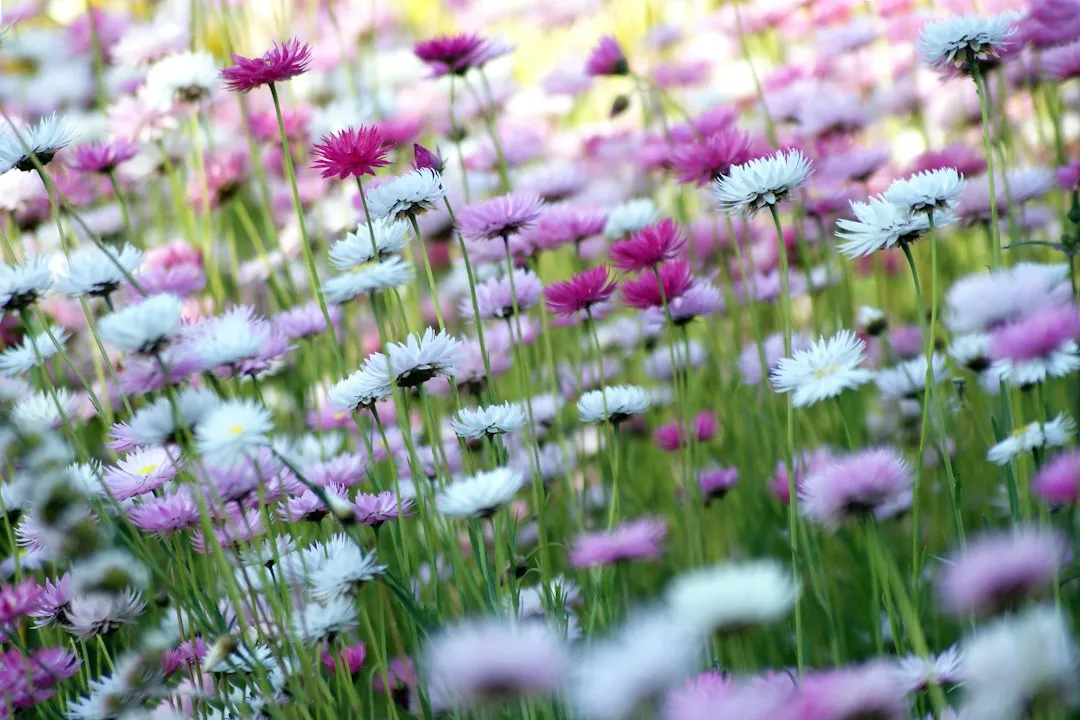
Groundskeepers at the most thoughtfully managed properties tend to emphasize native and regionally adapted plants over imported ornamentals. Alila Villas Uluwatu in Bali incorporates traditional Balinese gardening techniques into its landscape design, and the resort’s gardens feature native plants and herbs used in local cuisine. That rootedness in place is what separates a living garden from a decorative one.
At La Donaira in Andalusia, the estate runs entirely off-grid and everything served in the kitchen is foraged, raised, or grown on the property. Native planting also supports local pollinators and insects, making the garden an active part of a regional ecosystem rather than an enclosed feature. Groundskeepers who work with native species often describe their work as more listening than directing.
When the Bar Menu Comes from the Garden
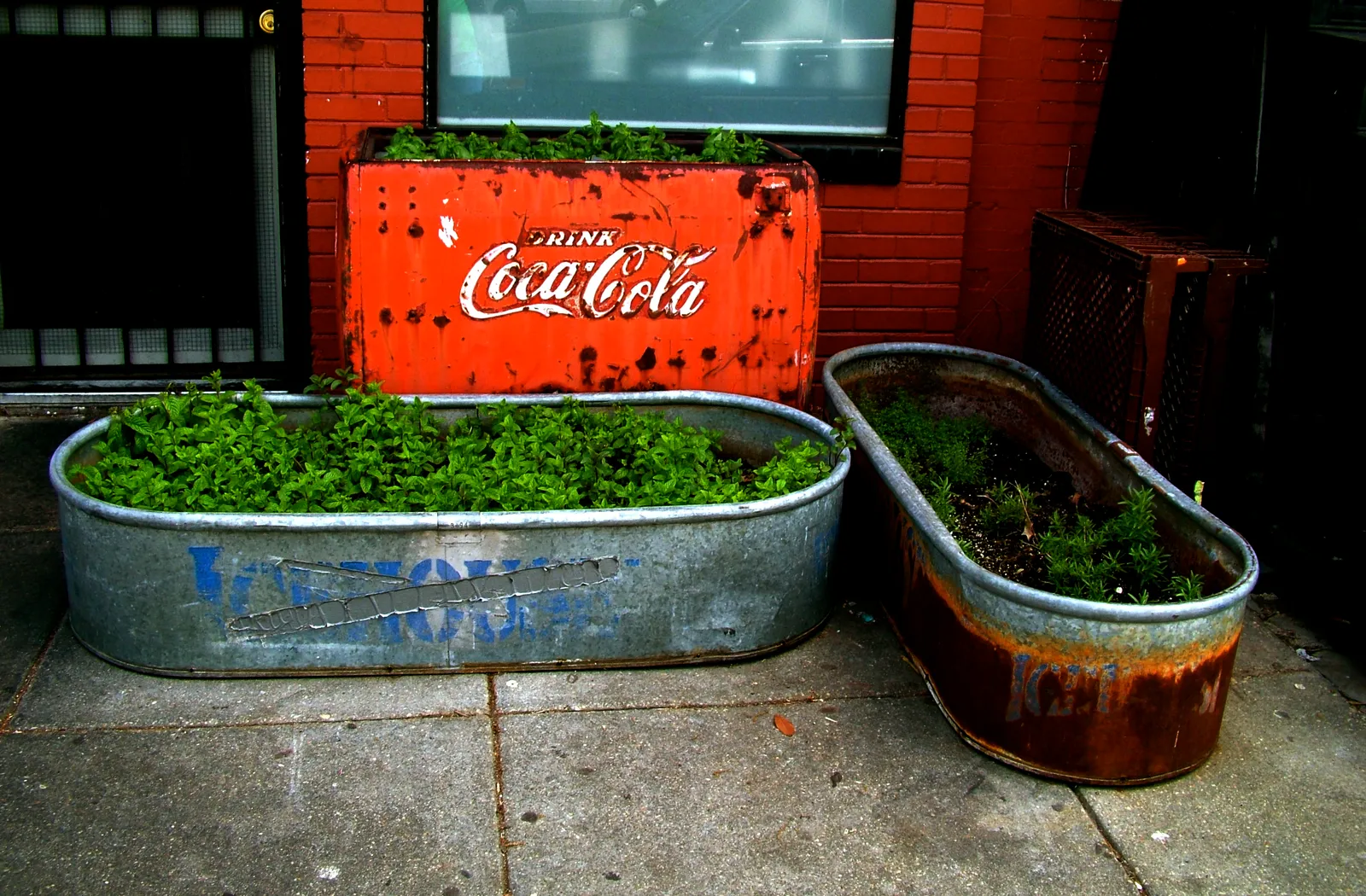
One of the more unexpected connections between a hidden resort garden and the guest experience turns up at the bar. At one UK property, herbs from the executive chef’s kitchen garden are not only used in the cuisine, but are also infused into a signature house-made gin, bringing a fragrant, botanical flair to the bar menu. Guests sipping that drink rarely imagine it started twelve meters away in a bed of soil behind the laundry building.
At Heckfield Place in Hampshire, England, the market garden grows sixty to seventy different vegetable crops and forty to fifty different cut-flower crops, and in peak summer the kitchens receive 5,000 flower stems per week from the gardens alone. The scale of quiet productivity happening out of sight at certain properties is genuinely startling once you start asking questions.
How to Find the Garden Nobody Shows You
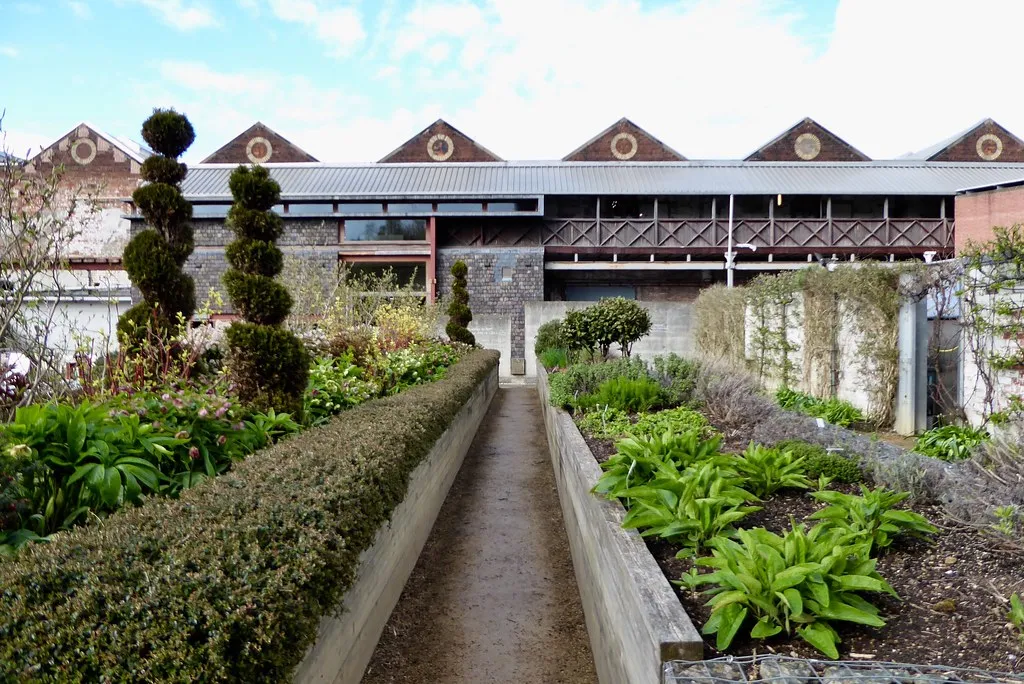
The most direct approach is simply asking the right person. Groundskeepers and chefs are typically far more willing to share these spaces than front-of-house staff might expect. Knowledgeable guides and garden staff can provide insights into the history, design, and maintenance of each space, from expert tips on cultivating native plants to stories about the families and teams who have lovingly tended these green spaces over the years.
As the hospitality industry moves deeper into the wellness and experience economies, the opportunity for resorts is no longer simply to add greenery, but to weave nature into architecture, operations, wellness programming, and brand storytelling. Guests increasingly seek environments that support restoration, authenticity, and a connection to place. The hidden garden is often where all of that actually lives, quietly and without ceremony, waiting for a curious guest to simply wander past the signposted path.
The Quiet Reward of Slowing Down
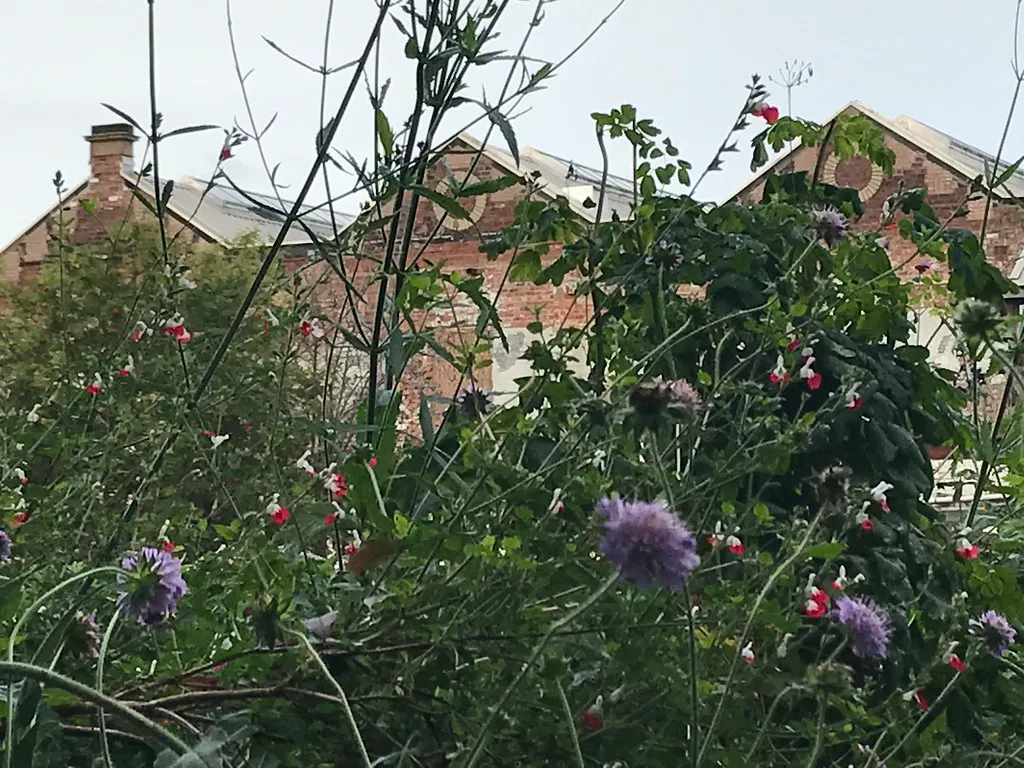
There’s something quietly satisfying about finding a space at a resort that wasn’t handed to you on a welcome card. The hidden garden, wherever it sits on a property, tends to reward people who move slowly, ask questions, and pay attention to what’s growing just outside the frame of the official experience. It’s the kind of discovery that stays with you longer than a suite upgrade or a cocktail at sunset.
Groundskeepers have always known this. The garden they tend before breakfast, the rows they water before the first guest has ordered coffee, the heirloom tomatoes coming in quietly for tonight’s dinner menu. These spaces are the living proof that the most meaningful parts of a place are rarely the ones most loudly advertised. You just have to know to look.
AI Disclaimer: This article was created with the assistance of AI tools and reviewed by a human editor.