
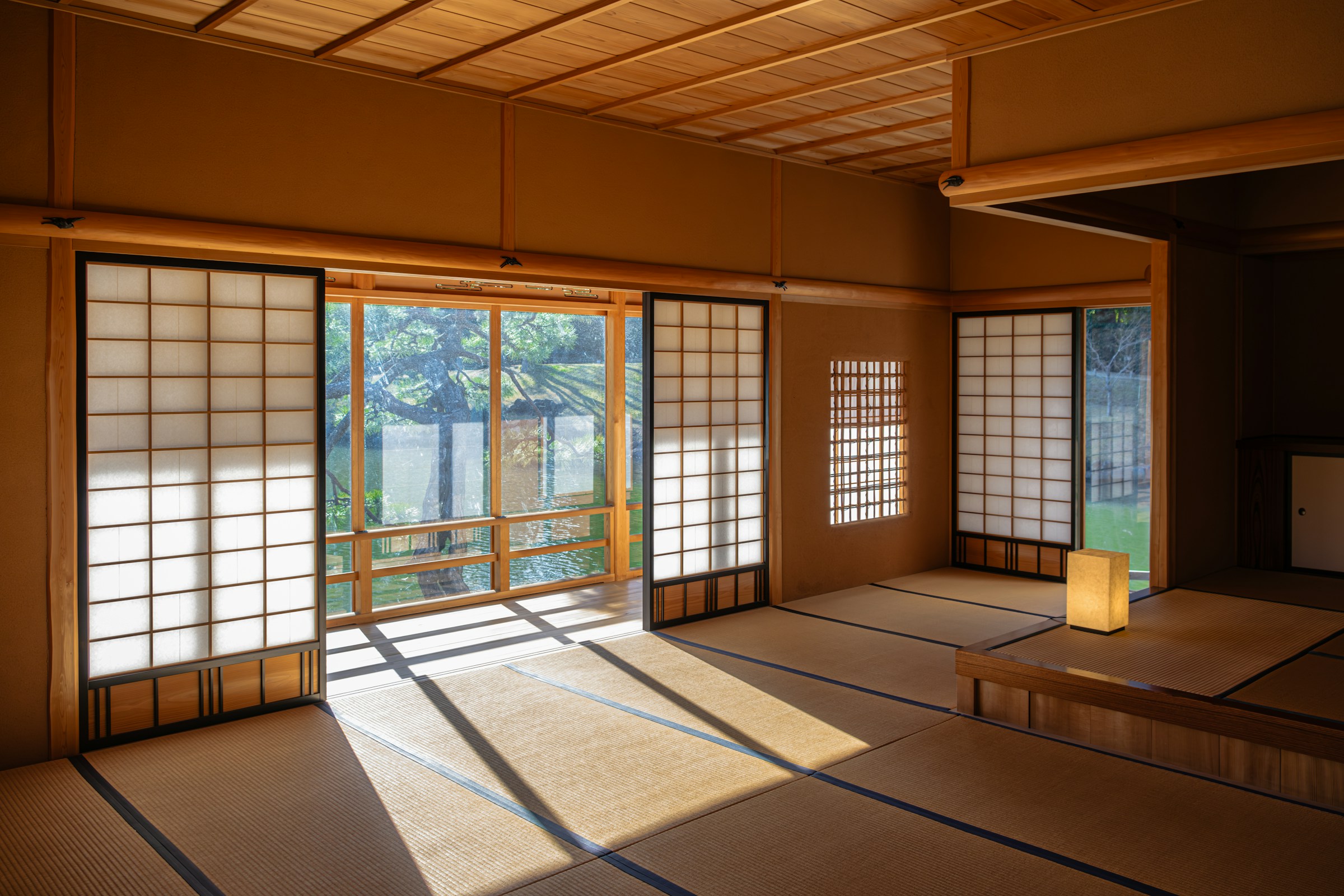

The Genkan: Where It All Begins
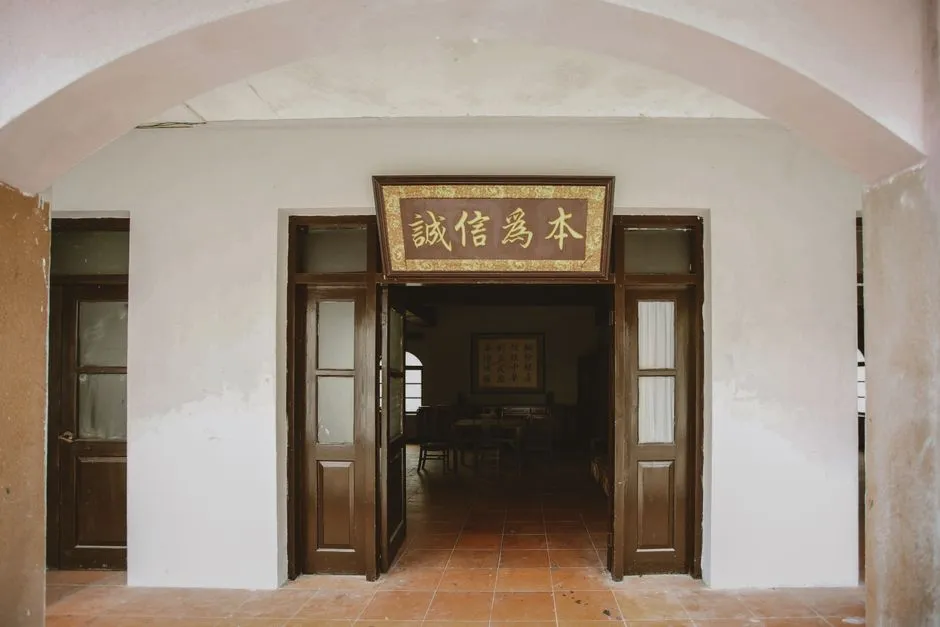
The genkan is the lowered entryway at the entrance of Japanese homes, ryokans, and traditional buildings, and it serves as the designated zone for removing shoes. The transition from the lower genkan floor to the raised interior marks the boundary between “outside” and “inside,” and shoes must never cross that line.
Upon entering a ryokan, guests are required to take off their shoes and don the slippers provided at the genkan, the traditional entryway, before stepping up into the inn proper. It is considered very dirty and offensive to fail to take your shoes off beforehand.
In very old ryokans, you will find what is called a genkan at the entrance. The raised floor signals that you are leaving the outside world to enter the actual building, and you are expected to wear slippers or socks from that point on.
The First Surprise: Slippers Are Not for Everywhere
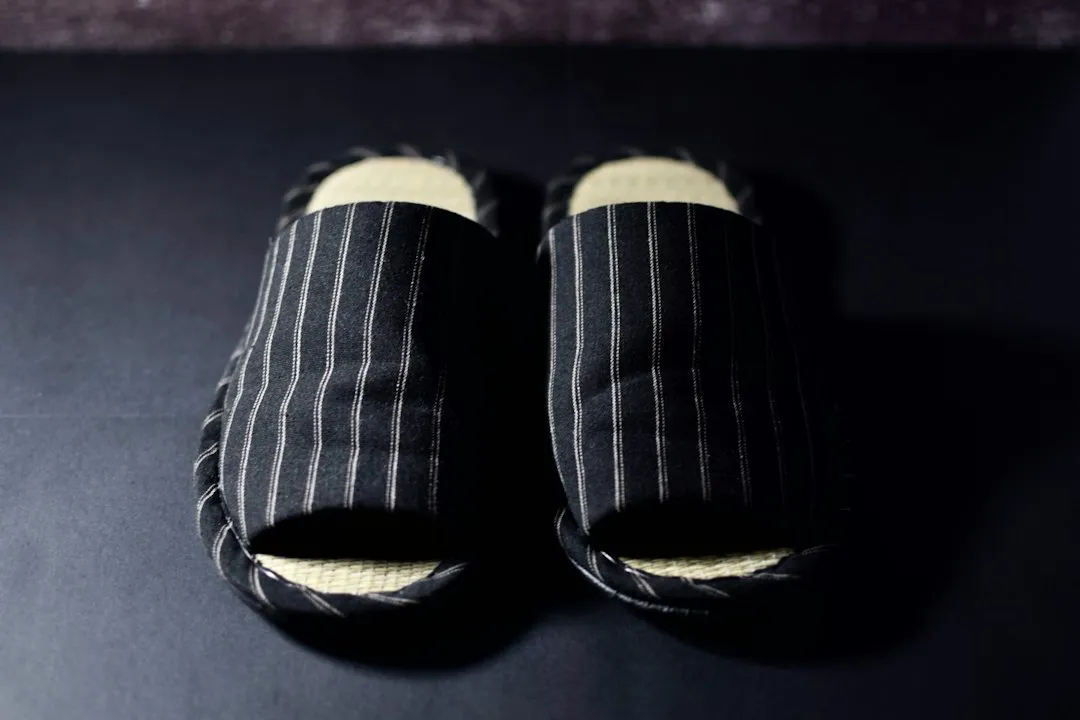
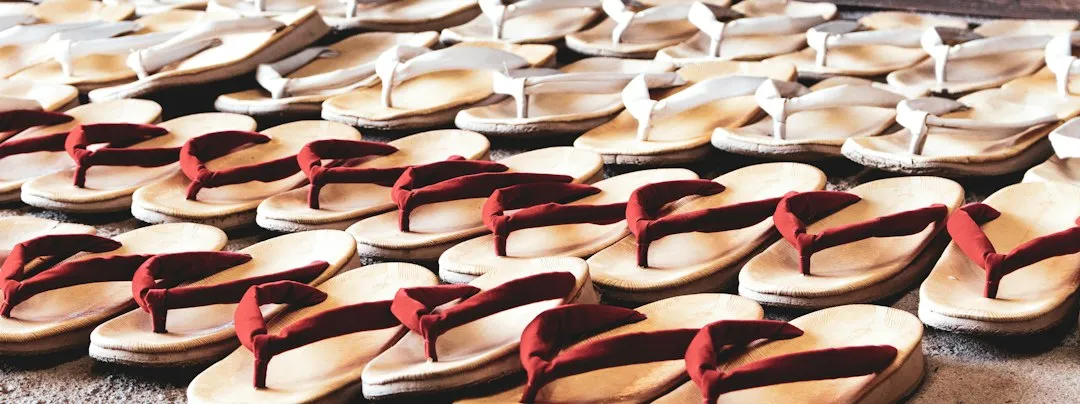
Once guests have removed their shoes, they are provided with indoor slippers for walking in the hallways, lounges, and any non-tatami areas. However, there is a critical exception: slippers are never worn on tatami mats. These traditional woven straw mats are delicate and are considered an extension of the indoor living space.
When guests enter their room or any other tatami-matted area, they must slip off their slippers and leave them in the hallway. Walking on tatami in socks or bare feet is entirely correct.
Bedrooms in ryokans have tatami matting on the floor, and guests should never walk on it in shoes or slippers, only socks or bare feet. Doing so is considered just as offensive and unclean as wearing shoes upon entering the inn.
The Three-Zone Slipper System
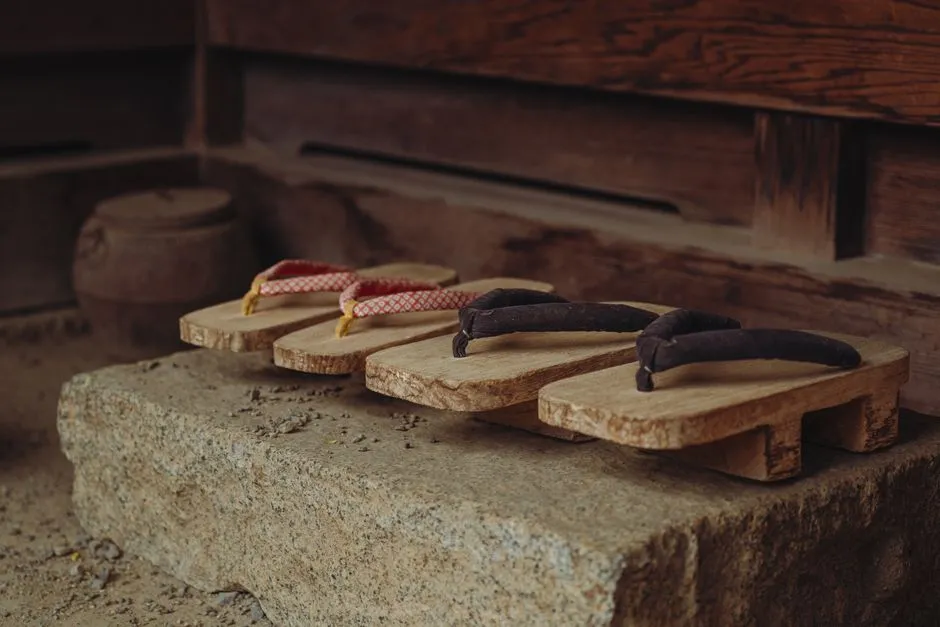
Slippers are for corridors only, never on tatami. Guests remove slippers when entering their tatami room and step directly onto the matting in socks or bare feet.
Ryokans also provide a distinct pair of slippers specifically for the toilet room. Guests change into them on entry and change back on exit. Wearing toilet slippers into a tatami room is considered a significant etiquette failure.
So there are essentially three distinct footwear zones in a single ryokan stay: outdoor shoes at the genkan, indoor slippers for corridors and wooden floors, and bathroom-only slippers for the restroom. Most guests have never navigated anything remotely like it before arrival.
The Toilet Slipper Mistake Almost Everyone Makes
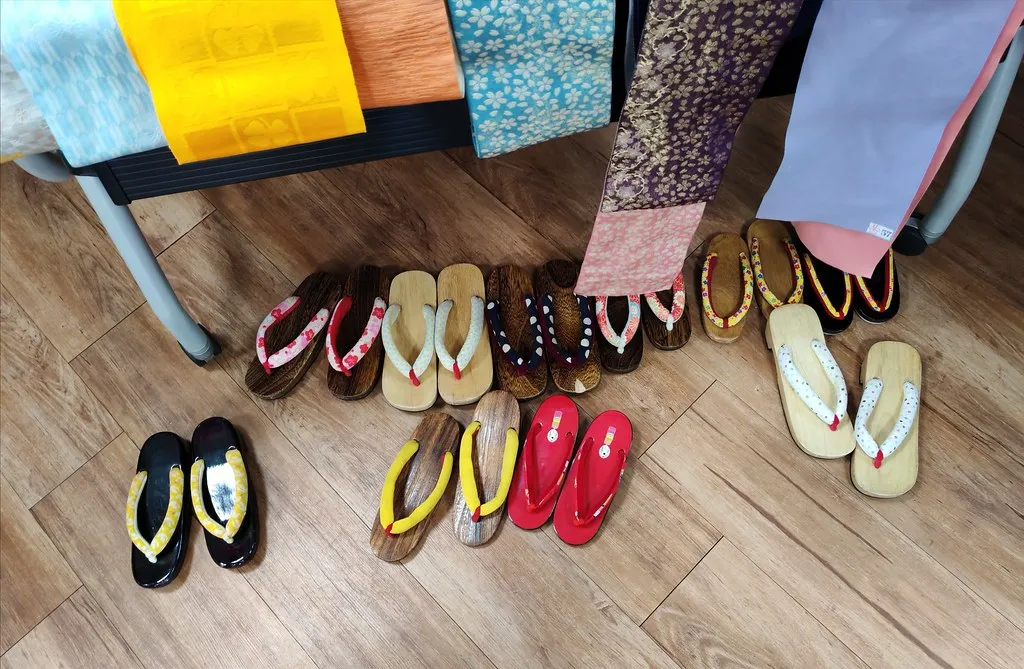
There will usually be a separate pair of slippers to use in the toilets, and the host will usually make this clear. Guests are expected to leave their ryokan slippers outside the restroom and switch to the restroom slippers just outside the doorway. Forgetting to switch back is the most common Western tourist faux pas in Japan.
Accidentally wearing the toilet slippers back into the main ryokan area is a common and slightly embarrassing mistake for first-time visitors. It happens so often that ryokan staff are well practiced in handling it with grace and without judgment.
Guests should not step on the bathroom floor when switching footwear, or walk out wearing the bathroom slippers, as Japanese people consider bathroom floors very unclean. The logic behind the rule makes perfect sense once explained, though it tends to arrive after the mistake, not before.
How Staff Handle the Rule Without Making It Awkward
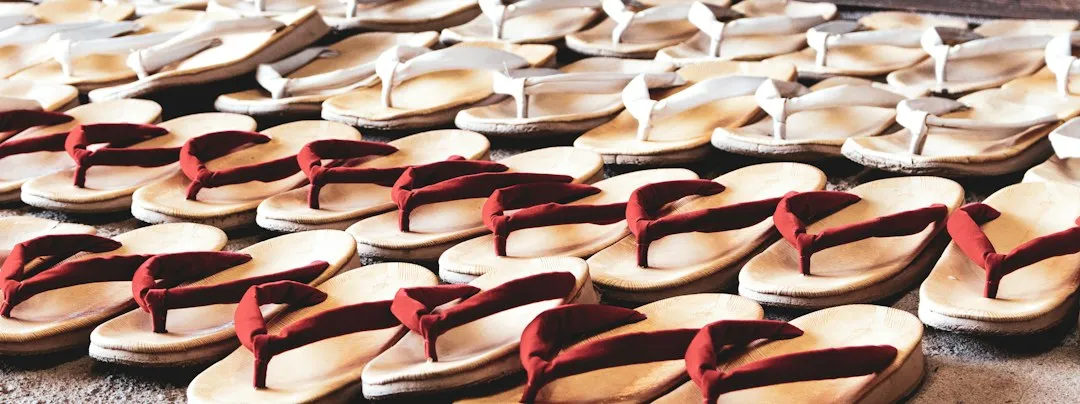
Nobody is going to shout at a guest who gets it wrong. A staff member might gently point at the guest’s feet and then at the toilet with an apologetic smile, or quietly move the slippers back to the correct zone without comment.
There is also a small bonus rule worth knowing: when guests take off their shoes at the genkan, Japanese hosts traditionally turn them around so the toes point back toward the door. This means when they leave, guests can step straight into them without turning them with their hands. Ryokan staff will often quietly do this for guests who forget.
The care and subtlety with which staff handle these moments is itself part of the ryokan philosophy. Correction is never confrontational. It’s offered as quiet guidance, which is, in many ways, far more memorable than any posted sign could be.
Why Tatami Demands Such Respect
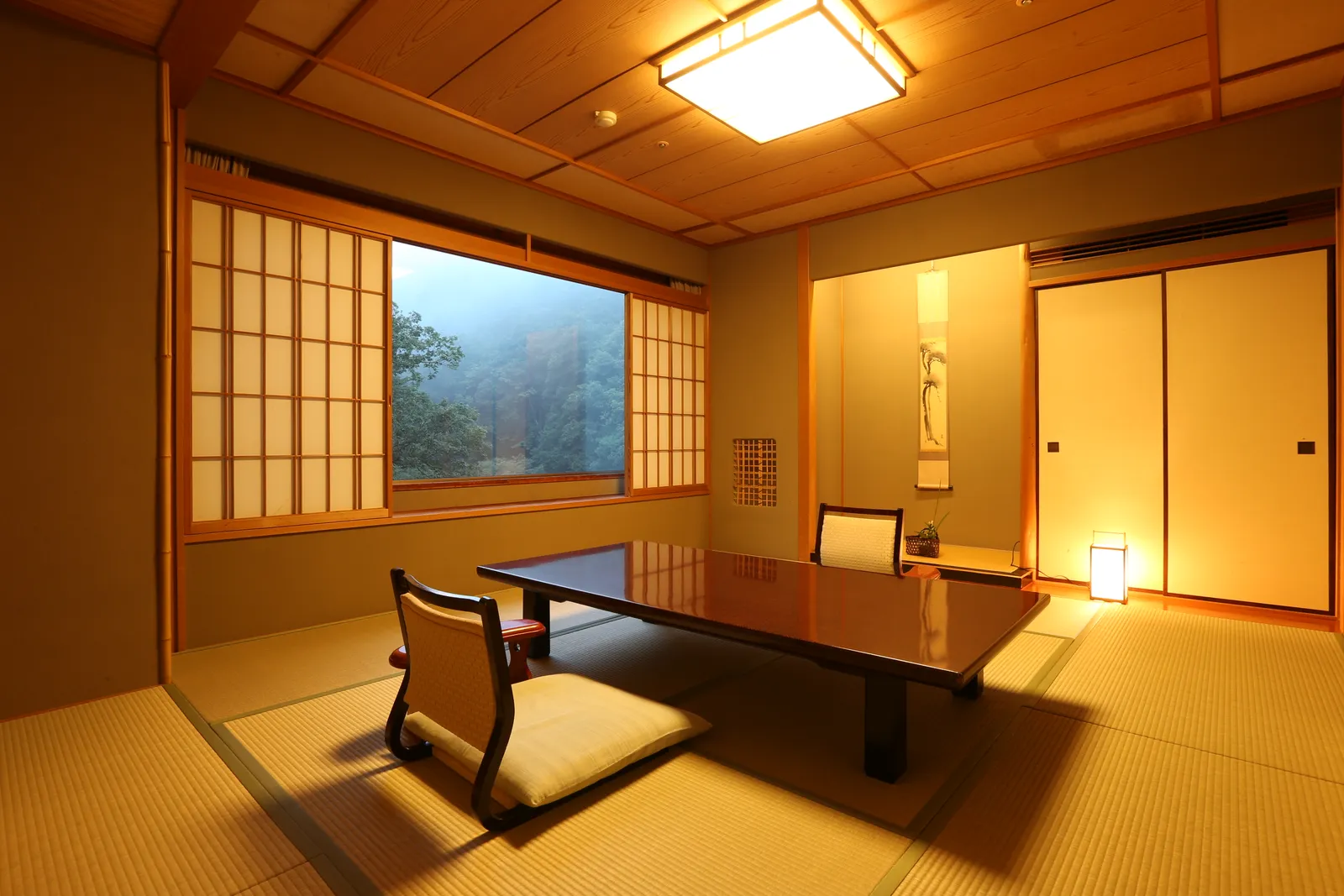
Wherever there is tatami, slippers must come off. Only bare feet, socks, or stockings should be worn on tatami. This isn’t arbitrary formality. Tatami is a living surface made from woven rush grass, and it absorbs pressure, moisture, and oils from footwear in ways that cause lasting damage.
Tatami mats easily get damaged when large pieces of luggage are dragged around on them, and the same logic applies to slippers. The surface is genuinely fragile, and the rule reflects both hygiene and material preservation.
Guests should remove slippers before entering tatami rooms, walk softly to avoid damaging the mat, and keep food and drinks off the tatami. The totality of care expected around tatami underscores how central it is to the ryokan experience itself.
The Yukata Connection: Slippers and Robes Go Together
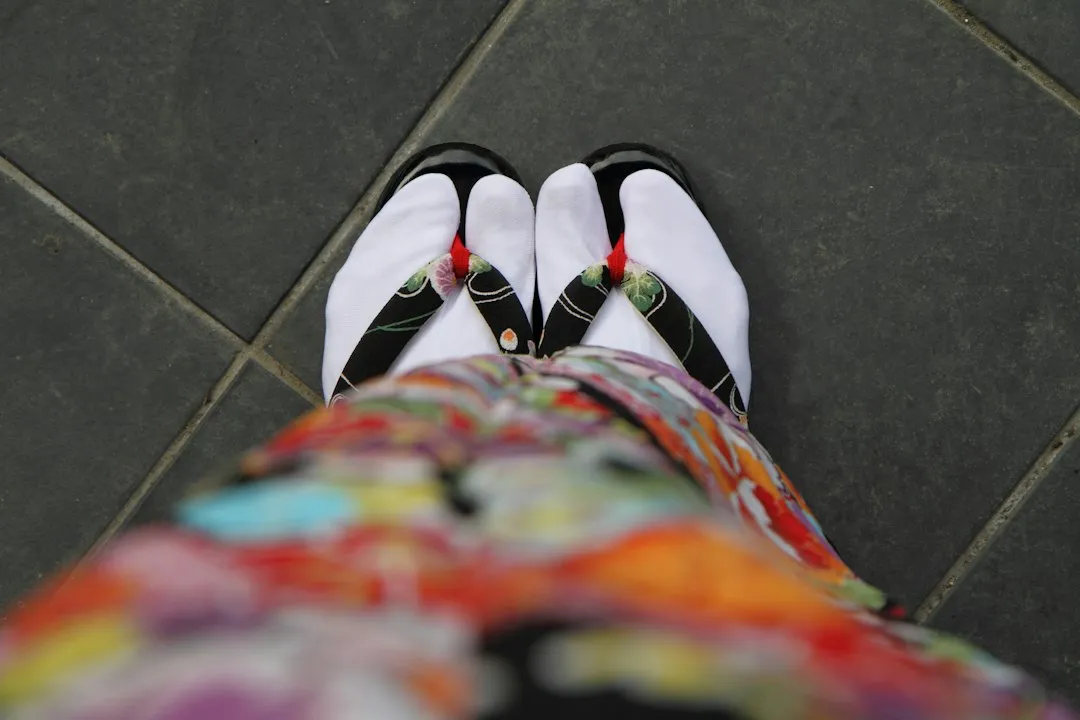
Guests can walk around inside the ryokan dressed in a yukata, the traditional Japanese cotton robe, and slippers. The two go together by design, and wearing them throughout the inn, including to dinner and to the baths, is entirely expected.
The yukata’s left panel always crosses over the right, as right over left is reserved for funerals in Japan. The obi sash is tied in a simple bow at the front or back, and the hem should fall to the ankle. Walking to the onsen or dining room in a yukata is entirely correct, as it is the expected attire.
Slippers worn with a yukata in the corridors aren’t casual, they’re ceremonial in their own quiet way. The combination signals that a guest has genuinely settled into the rhythm of the place, which is precisely what the ryokan experience is designed to create.
The Rising Wave of International Guests and What It Means
For ryokans specifically, the ratio of foreign visitors increased to nearly 15 percent from under 10 percent in 2019, a roughly 49 percent increase. Small ryokans saw the largest increase in foreign occupancy, jumping from around 12 percent to more than 19 percent.
We have entered an era in which more than one in four guests checking into hotels and ryokans nationwide is a foreign visitor. That shift is reshaping how ryokan hosts prepare, communicate, and gently educate guests who arrive with little prior knowledge of the customs.
Australia and European travelers express the highest inclination to stay in a ryokan, meaning the guests most drawn to the authentic experience are often those arriving with the least familiarity with its specific etiquette. The slipper rule, in that context, becomes one of the first real cultural lessons of the trip.
Rules That Vary Between Ryokans
The rules do vary from ryokan to ryokan, so guests are encouraged to check with staff on arrival. Some establishments maintain stricter protocols around footwear, while others, particularly those catering increasingly to international guests, offer more relaxed guidance and multilingual signage.
More modern ryokans have adapted to accommodating foreign tourists and may not ask guests to remove their shoes until they arrive at their guest room. Even so, the underlying logic of clean and unclean zones remains consistent across virtually every traditional inn in Japan.
The slipper rule is not so much a rigid law as it is a reflection of deeply held values around cleanliness, spatial order, and respect for shared spaces. Whether a particular ryokan enforces it strictly or introduces it gently, the spirit behind it remains the same everywhere.
What Happens When You Simply Ask
One of the most underused tools available to first-time ryokan guests is also the simplest: asking. Most ryokan hosts welcome questions about footwear, meal timing, yukata etiquette, and onsen protocols. The guidance they offer is usually warm, patient, and far more specific than anything found in a travel guide.
As there are many Japanese customs, rules, and forms of etiquette at a ryokan, including the Japanese-style room, Washoku dining, and onsen, it can be difficult to learn and follow everything. At traditional ryokans, all staff try to welcome guests with warm hospitality.
The magic words if a guest realizes they made a mistake are simply “sumimasen,” meaning “sorry.” Say it once, quietly, fix the mistake, and move on. Ryokan culture is not about perfection. It’s about genuine effort and mutual respect.
A Quiet Lesson in Awareness

AI Disclaimer: This article was created with the assistance of AI tools and reviewed by a human editor.