
The Scale of Enrichment Programs Is Bigger Than Most Passengers Realize
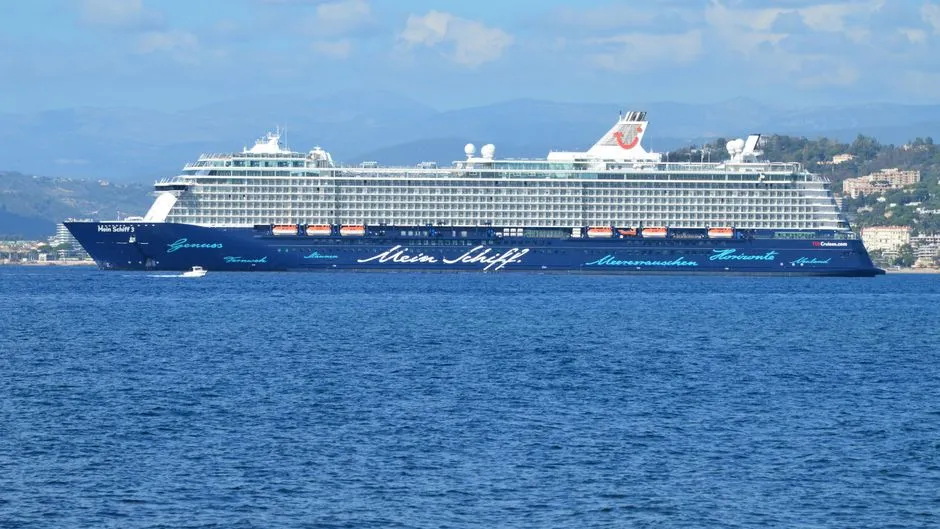
In 2024 alone, Cunard deployed no fewer than 430 experts across its fleet, delivering more than 2,000 exclusive talks through its Insights Speaker programme. That’s not a niche side feature – it’s a full academic calendar floating across oceans. The programme brings celebrated authors, explorers, filmmakers, and other notable experts aboard to inform and entertain passengers.
Regent Seven Seas Cruises, announcing an enhanced programme in April 2025, revealed a lineup that includes cultural historians, rocket scientists, and ambassadors sailing alongside guests. All lectures and performances are complimentary as part of Regent’s all-inclusive cruise fare, meaning there’s no financial barrier – only the choice of whether to show up.
Two Types of Lecturers, One Underappreciated Category

Cruise lecturers generally fall into two categories: destination lecturers, who present topics related to the ship’s itinerary, and enrichment lecturers – also called special-interest lecturers – who may cover anything else the cruise line thinks passengers will find interesting. The distinction matters more than it might seem.
Destination lecturers are typically about twice as much in demand as enrichment lecturers, and may cover many aspects of a region’s recent and ancient history, politics, arts and culture, geography, or wildlife and food. Enrichment lecturers, covering broader intellectual territory, tend to draw smaller and less consistent audiences – even when their material is arguably more surprising.
Maritime History: The Talk Most Passengers Walk Past
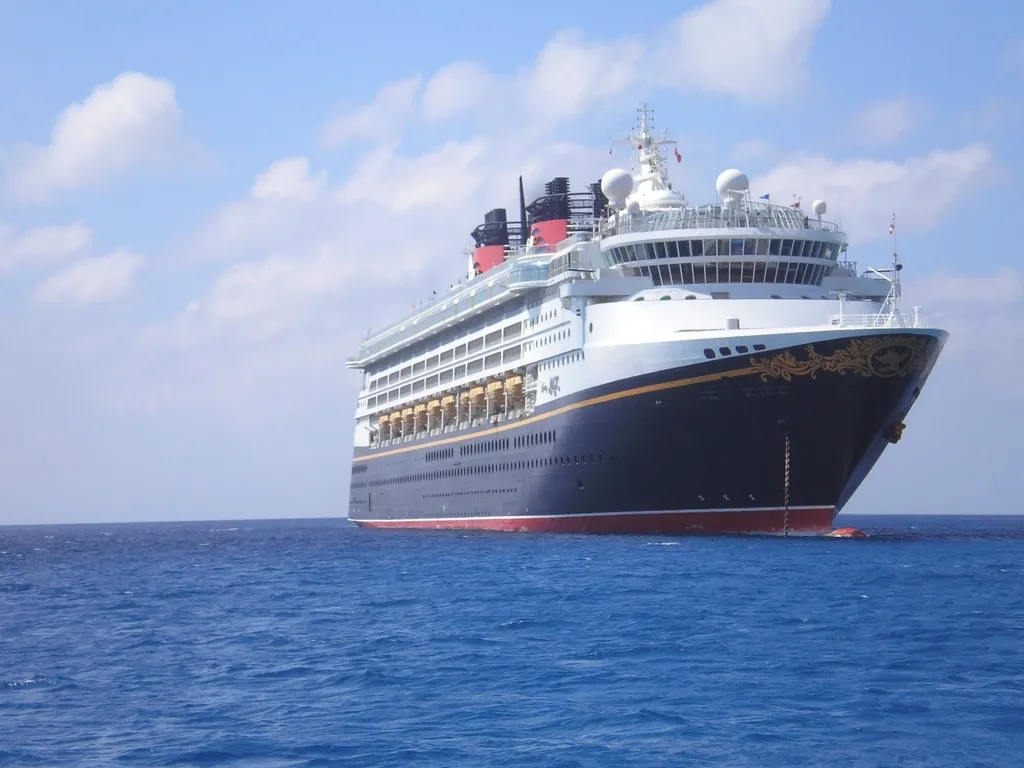
Among enrichment topics, maritime history is described as a perennial favorite among lecturers themselves – yet passenger turnout for these sessions is routinely lower than for cooking demonstrations or celebrity Q&As. The topic sits at the intersection of navigation, geopolitics, trade, and human endurance, yet it rarely gets the credit it deserves as a conversation starter.
Lecturers who specialize in maritime history often note that passengers who do attend leave visibly engaged, asking questions long after the formal session ends. On educational voyages, experts are on hand throughout the voyage for casual discussions, giving guests one-on-one opportunities to dig deeper into topics that resonate. The subject connects directly to the physical experience of being at sea, which makes it uniquely suited to the cruise environment – and that’s precisely the point that gets lost in the scheduling.
Astronomy Lectures: Where the Ship Itself Becomes the Classroom
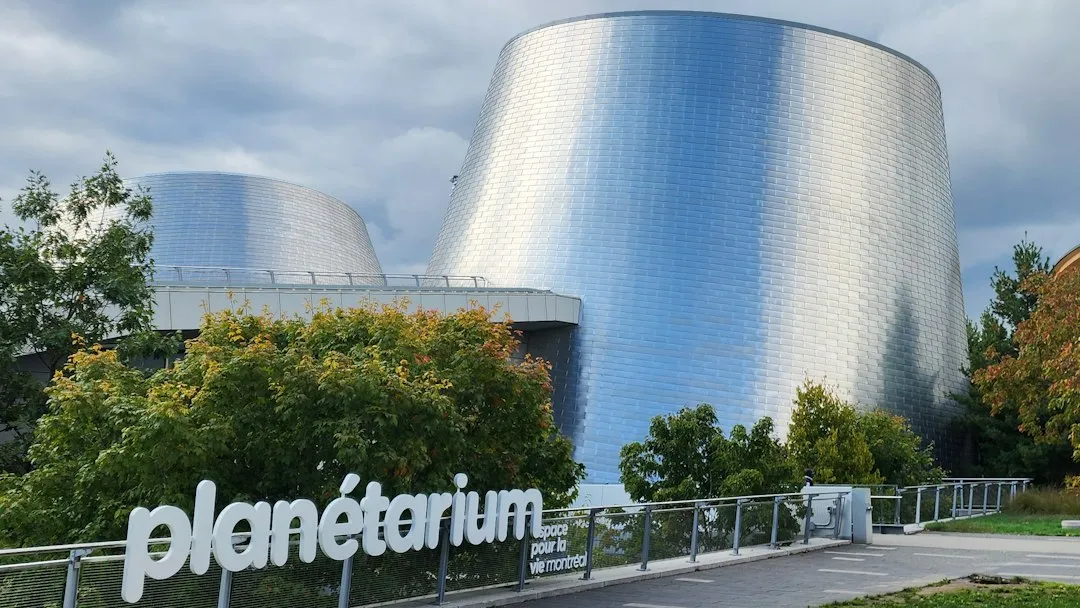
Stargazing is a longtime maritime tradition, both for navigation and for pleasure, because the lack of light pollution makes heavenly objects brighter at sea. Astronomy talks on cruise ships lean into exactly that advantage, yet they consistently see lower attendance than poolside entertainment on the same days.
Viking Orion is the only ship in the fleet to feature a planetarium, with shows and lectures offered free of charge; a resident astronomer is onboard to speak on topics such as using stars for navigation and teaching passengers to stargaze with the ship’s onboard telescope. Atlas Ocean Voyages introduced stargazing and astronomy workshops on select 2024 and 2025 expeditions, with talks covering topics ranging from the birth of the universe to the latest astronomical discoveries. It’s a genuinely rare offering that’s easier to access than most people expect.
What the Lecturers Themselves Bring to the Table
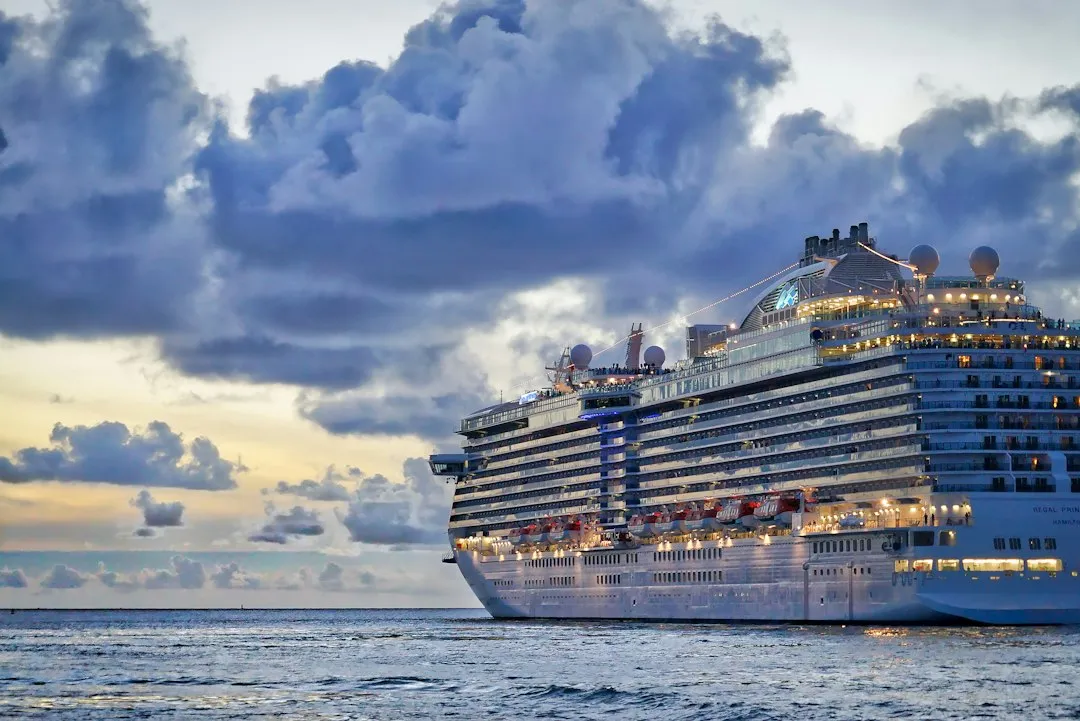
As special interest speakers, cruise enrichment lecturers deliver presentations to guests on sea days, typically lasting between 40 and 60 minutes and attracting audiences ranging from intimate groups to more than 200 guests. The range in audience size tells its own story about variability in passenger engagement.
Many lecturers are required to prepare a series of at least four to five distinct 45-minute talks, especially for longer cruises, with content tailored to the itinerary and passenger demographics. These aren’t generalist presentations pulled from a drawer. They’re carefully constructed for the specific voyage – the ports, the history, the likely questions. That level of preparation rarely gets communicated to passengers in advance, which is part of why so many miss out.
The Luxury Segment Gets It Right – and Here’s Why
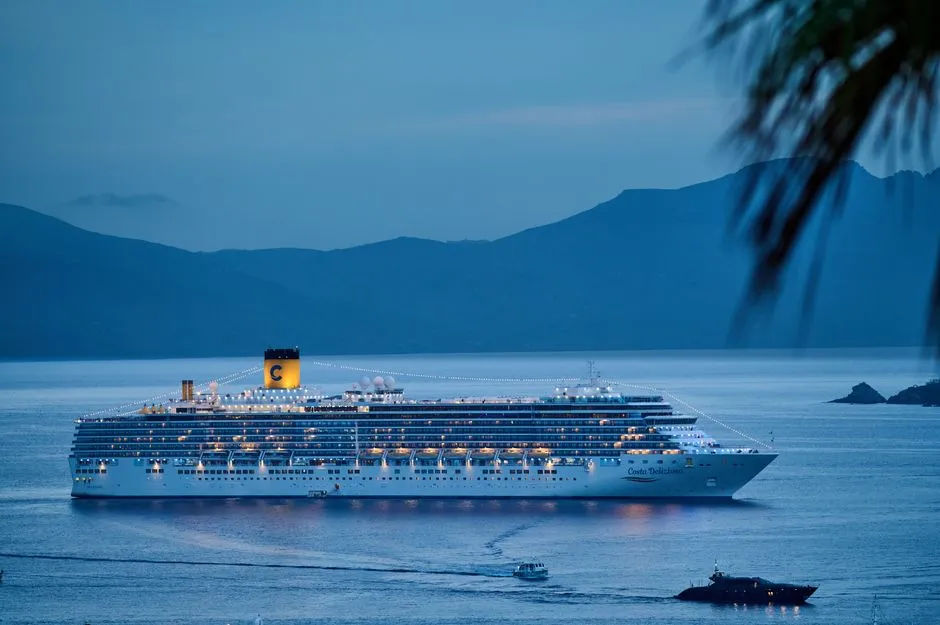
Luxury is the segment where enrichment genuinely thrives. Small ships, longer itineraries with sea days to fill, and educated guests create an ideal environment in which speakers can draw crowds and also mingle easily with passengers. The intimacy of a smaller vessel removes the anonymity that allows passengers on mega-ships to drift past lecture schedules without a second glance.
Retirees who choose premium and luxury lines tend to value fine dining, enrichment lectures, and attentive service, and are less interested in water slides or late-night parties. This passenger profile is arguably more aligned with what enrichment lectures actually offer – and attendance figures on these lines reflect that. The format works when the audience self-selects for curiosity.
Viking’s Resident Historian Model: A Blueprint Worth Noting
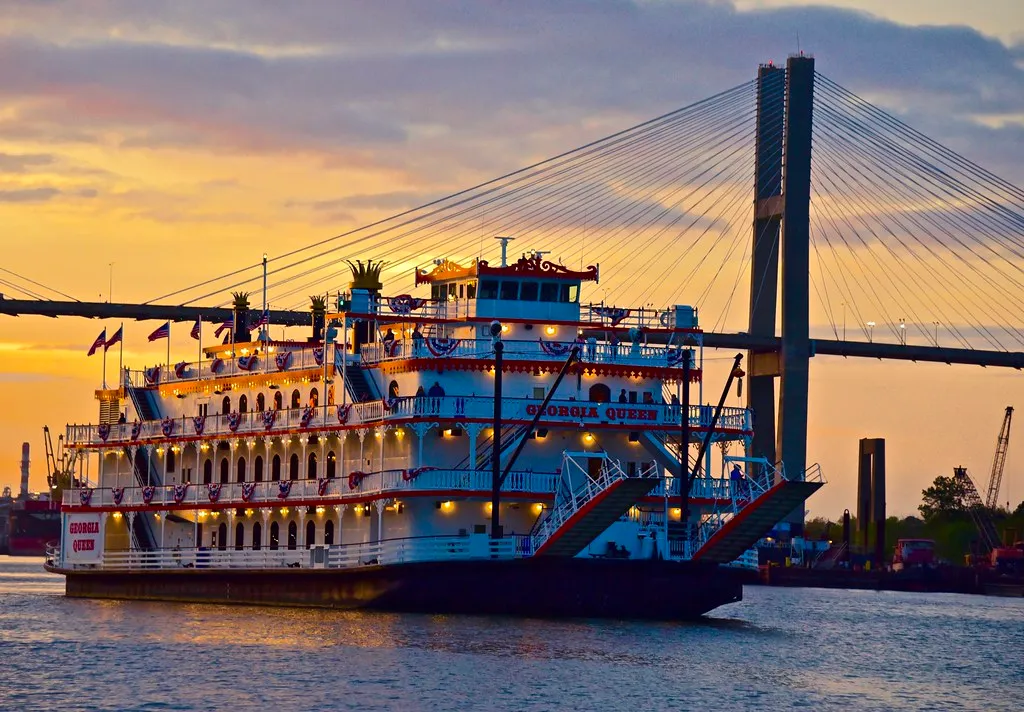
Viking’s faculty of resident historians provide an enhanced level of enrichment, delivering high-level historic lectures specific to each journey, supplemented by roundtable discussions where guests can engage in smaller, more intimate group settings, and daily office hours for one-on-one time. That last element – scheduled office hours – is what separates the model from a standard lecture format.
Viking Ocean Cruises offers Resident Historians on all sailings to give lectures, lead roundtable discussions, and book time with passengers to answer questions one-on-one about the history of the destinations visited. The accessibility component transforms the experience from passive listening into something closer to a genuine academic dialogue. It’s a quiet innovation that more lines are beginning to study.
Expedition Cruising and the Rise of Science-Led Sea Days
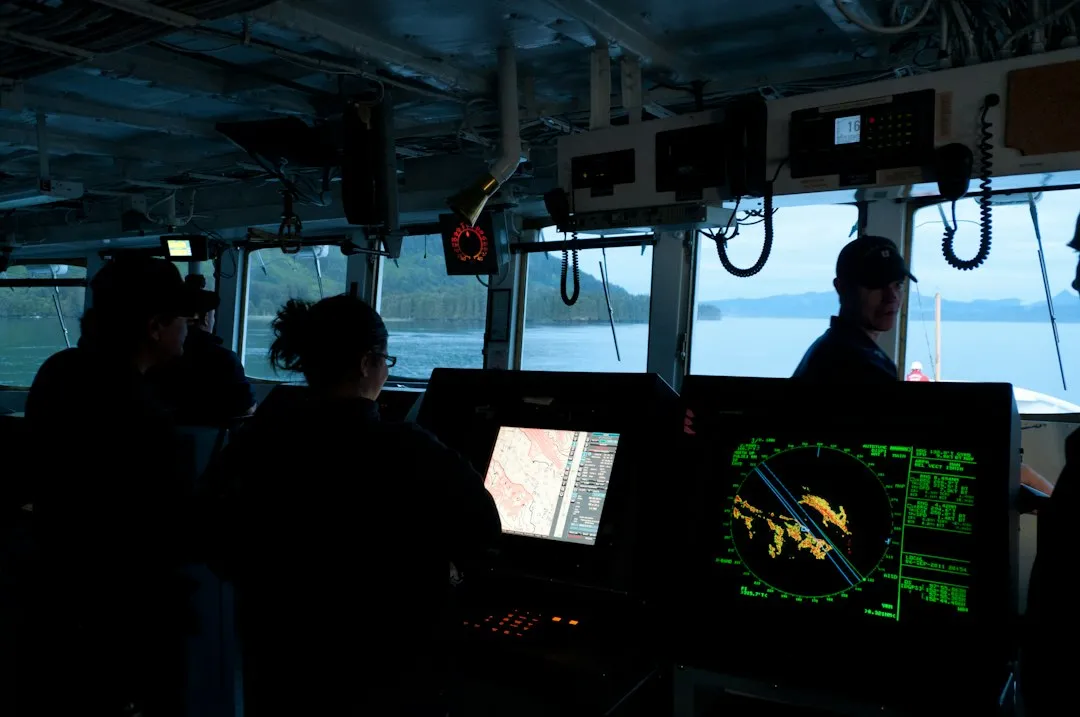
Scientists from the Scott Polar Research Institute and other renowned academic institutions undertake fieldwork onboard Viking expedition ships, forming part of a 36-person expedition team that leads excursions and gives lectures on each sailing. This integration of real, active research into the passenger experience is something that mainstream cruising is only beginning to approximate.
Holland America Line hosts a Science at Sea cruise with a team of naturalists in Alaska, while Ponant runs Antarctic sailings focused on climate change through expert discussions. These aren’t enrichment sessions tagged on as an afterthought – they’re the structural core of the voyage. Passengers who book them know what they’re signing up for, and attendance is predictably strong as a result.
The Passenger Profile Is Changing – and That Changes the Calculus
A key consumer trend driving cruise demand is the growing preference for experience-led tourism. Travelers are prioritizing immersive, multi-dimensional vacations that offer relaxation, entertainment, cultural exposure, and social engagement, and cruises align well with this by enabling passengers to visit multiple destinations while enjoying curated onboard experiences. That shift in expectations should, in theory, benefit enrichment programming.
According to the CLIA’s 2025 State of the Cruise Industry Report, 82% of cruisers say they will cruise again, and 31% of passengers in the last two years were brand new to cruising. New cruisers tend to explore the ship more openly, without the habitual routines that lead repeat passengers to the same spots every sea day. That curiosity, if captured early, is exactly the opening enrichment programmers are looking for.
Why the Most Skipped Talk Is Often the Most Memorable One
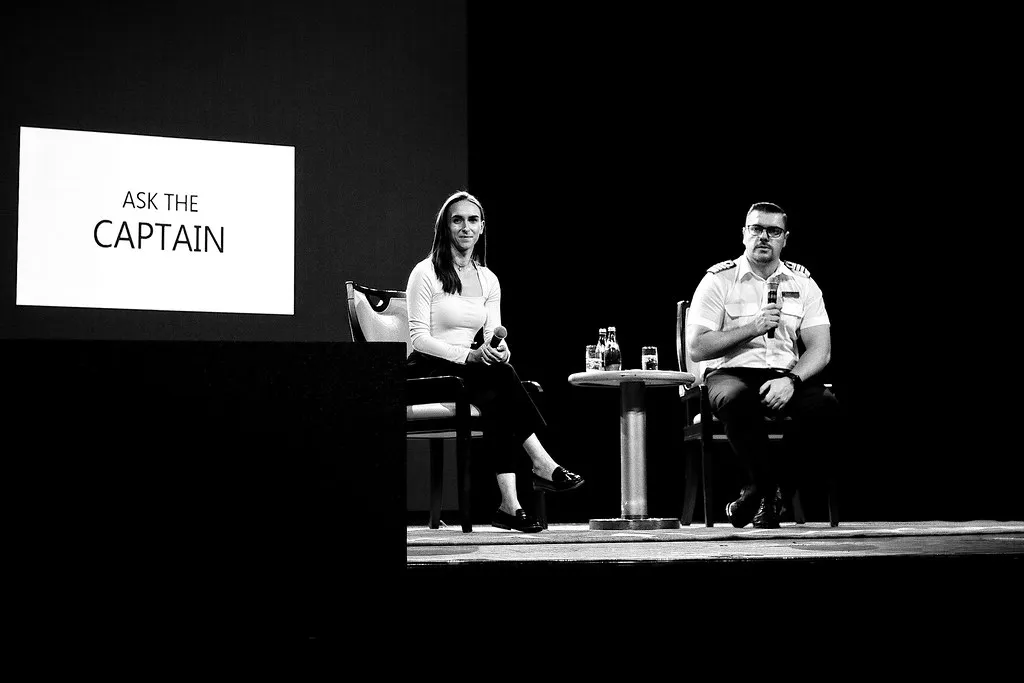
Cruising has evolved well beyond simple relaxation and leisure into an opportunity for personal growth, cultural immersion, and intellectual enrichment. The enrichment lecture – particularly the one on a topic passengers didn’t know they cared about – tends to be the experience people describe most vividly when they return home. Not the waterslide. Not the cocktail hour. The unexpected hour in a lounge where someone changed how they thought about the ocean beneath them.
Enrichment lecturers cover an enormous range of subjects – from the creative arts including music, film, literature, and photography, to scientific disciplines spanning archaeology to zoology – in short, a range that is intriguing and at times even bewildering. The sheer breadth is itself an invitation. There is almost certainly a topic on the schedule that would reward the effort of showing up.
The Takeaway
Sea days have a way of sorting cruise passengers into two camps: those who treat them as transition time between ports, and those who treat them as the point. Enrichment lecturers – the maritime historians, astronomers, cultural experts, and field scientists who share their knowledge in ship lounges and theaters – represent the clearest case for the second approach.
The most skipped talk on the schedule is often the one that costs the least to attend, requires the least planning, and delivers the most unexpected return. It sits quietly in the daily program, between trivia and the pool bar, waiting for whoever decides today is a good day to be genuinely surprised by something.
AI Disclaimer: This article was created with the assistance of AI tools and reviewed by a human editor.