
The Temperature Inside Is Far Milder Than You’d Expect
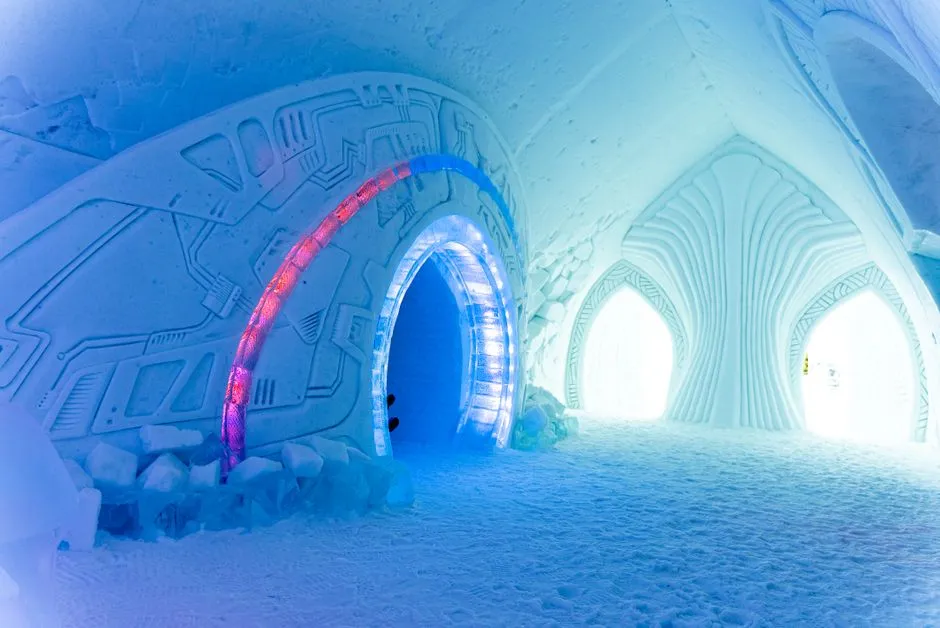
Ice hotels don’t feel like outdoor Arctic conditions once you step inside. The rooms are kept at a temperature of around -5°C (23°F) in order to keep the ice intact. That’s cold by any standard, but it’s controlled and consistent.
The rooms hold about -5°C – warmer than the air outside, which in midwinter can fall to -40°C in Jukkasjärvi. So relative to the world just beyond the walls, the interior is practically sheltered. Kept at a constant -5°C to -8°C, the interior actually feels quite pleasant, especially when outside temperatures can drop to around -37°C.
The ice and snow act as incredible insulators. The walls are thick, the air is still, and there are no drafts. This natural insulating quality is what makes the whole idea viable in the first place.
The Evening Briefing Is Non-Negotiable
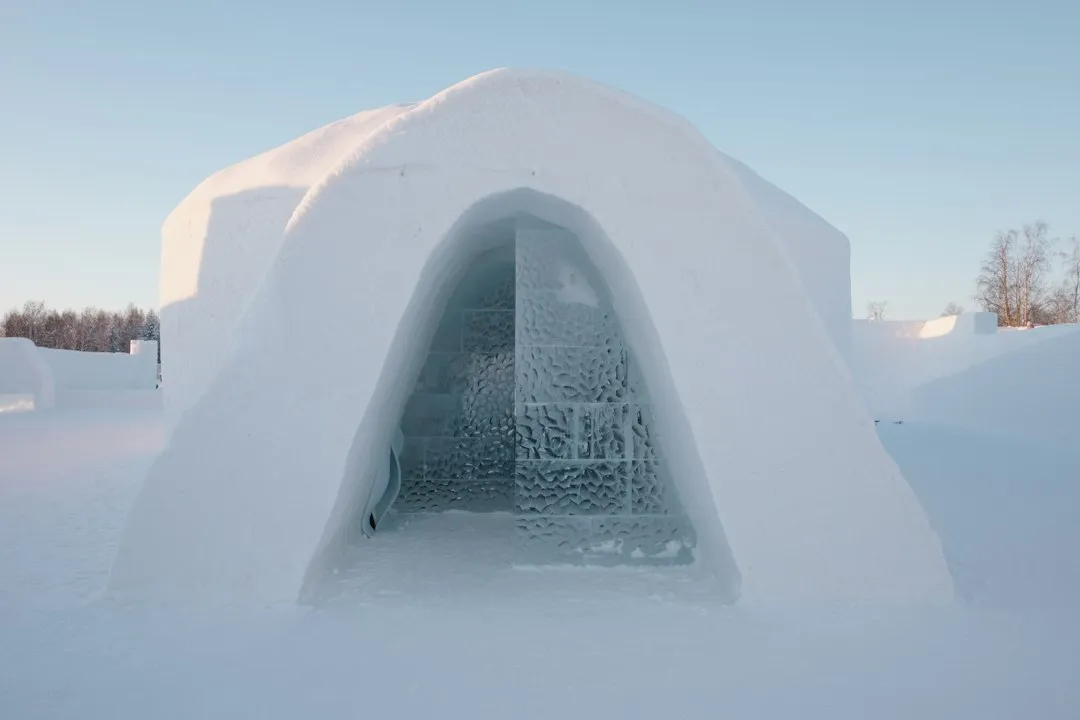
ICEHOTEL guides hold “survival courses” every evening for guests staying the night in the hotel. The introduction includes the guide informing you on how to dress appropriately and how to make the bed with the Arctic sleeping bags. This isn’t optional theater – it’s genuinely essential preparation.
Before bunking at the ice hotel, guests must go through a 45-minute training session complete with instructions on what to wear – cotton of any kind is prohibited, as it absorbs humidity, the enemy when it comes to staying warm. That detail about cotton surprises a lot of guests. Most people pack it instinctively.
Staff walk through the entire evening routine step by step, covering everything from how to position the sleeping bag to what to do if you need a bathroom break in the middle of the night. The staff will give you a brief and routine to follow as you must get into a thin liner before getting into the sleeping bag.
The Sleeping Bag Is the Real Star
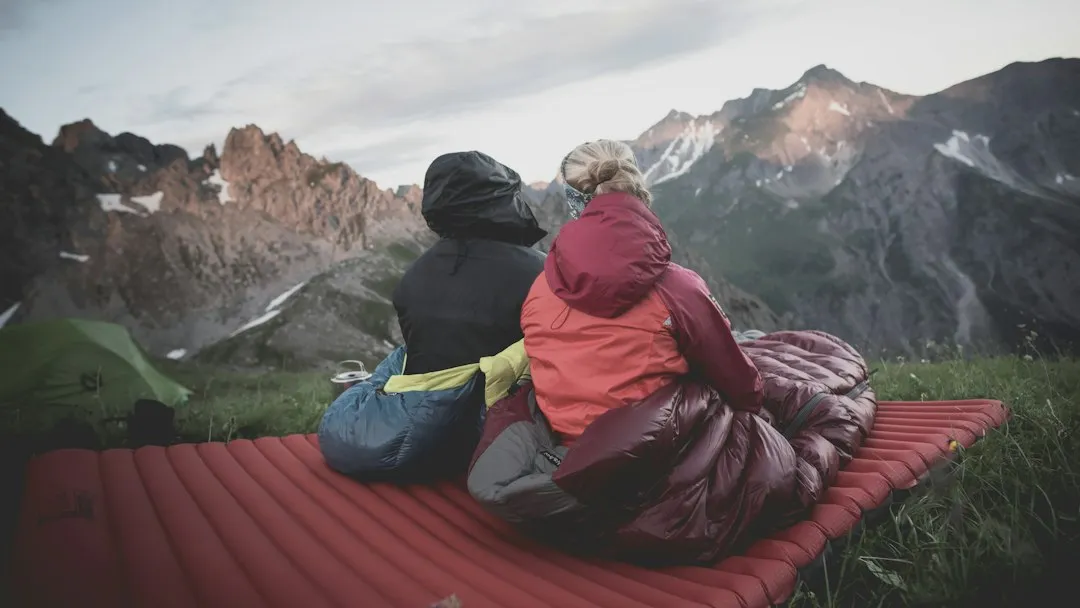
No single piece of equipment matters more than the sleeping bag. The sleeping bags are made for temperatures as low as -25°C (-13°F), but the temperature inside the hotel never drops below -5°C (23°F), so they are more than sufficient to keep guests warm. That margin is intentional and significant.
Before heading to your room in the evening, you’ll receive a warm sleeping bag suitable for temperatures down to -25°C. When you tuck in for the night, a good base layer, thick socks, and a hat are usually all you need. If you tend to feel cold, a thick sweater may be helpful, but your sleeping bag will keep you warm and comfortable throughout the night.
The sleeping bags generally cover the entire body and head so that the only part of the body exposed directly to the cold overnight is the area around the nose and mouth. Guests are advised not to pull the bag over their face, for reasons explained in the next section.
Why Wearing Too Much Is Actually the Problem
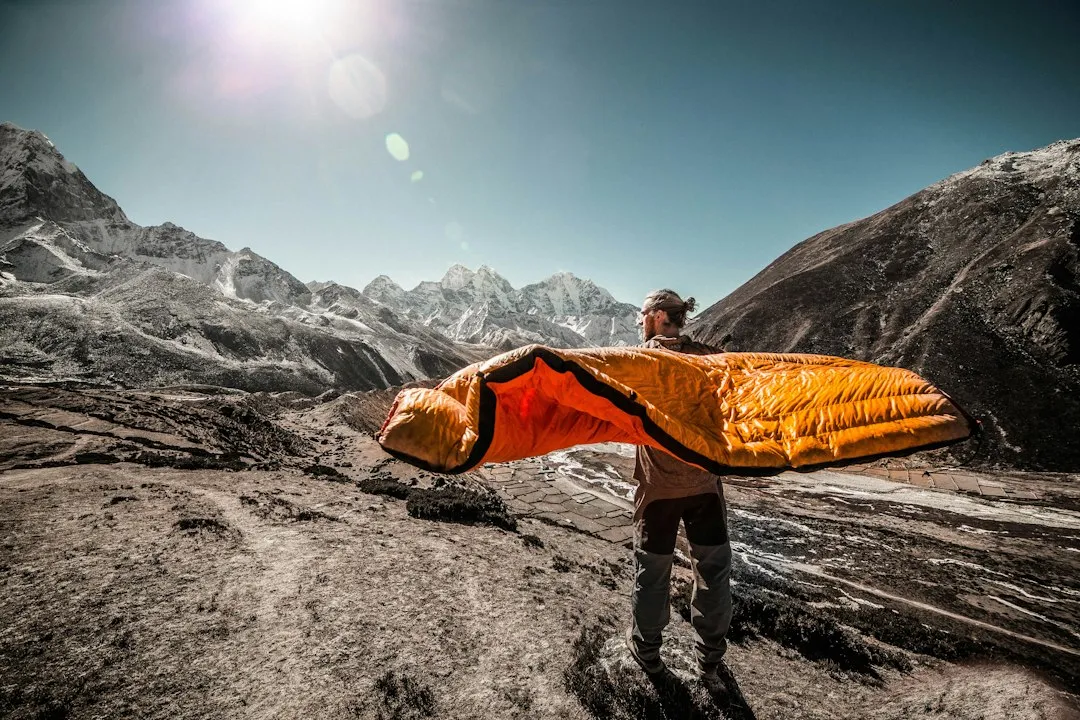
This is the counterintuitive truth that catches most guests off guard. The heat from your body warms up the air within the sleeping bag, and additional clothing just slows down the process. Over-dressing traps moisture against the body before that warmth can build properly.
It’s the air pockets held close to your body that keep you warm rather than the thickness of the material, so thin layers are best. Having lots of layers means you can control your body temperature easily by adding or taking away. Staff repeat this consistently because guests consistently resist believing it.
Wool and cotton are warm to a point, but their tendency to gather moisture overnight into fabric makes them uncomfortable and cold after a few hours. Synthetic base layers and moisture-wicking fabrics are far more reliable through a full night in the cold.
The Bed Itself Is Built to Insulate
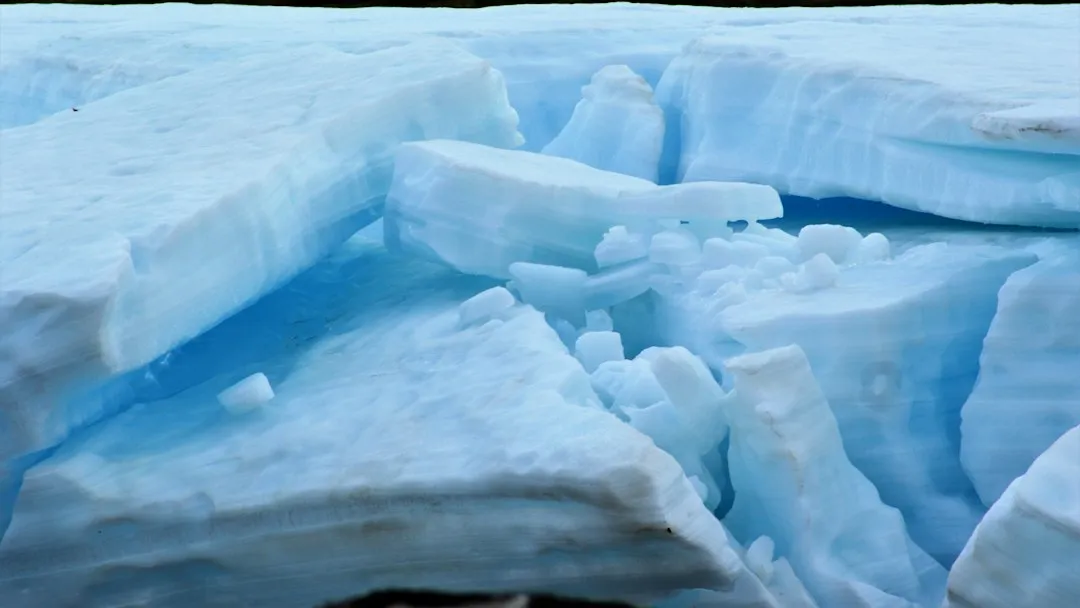
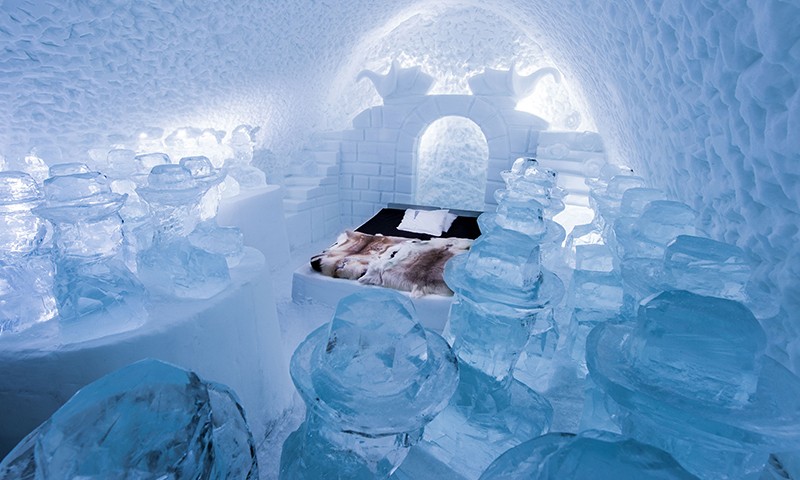
The real secret to a good night’s sleep isn’t a heated room, but rather the ingenious bedding system. Each bed, while carved from a block of ice, is topped with a thick wooden base, a comfortable mattress, reindeer hides, and most importantly, an expedition-grade sleeping bag designed for extreme cold.
You want to make sure you sleep on top of the reindeer hides which are on top of the mattress. These serve an important insulation function because reindeer fur is hollow, so it provides a barrier between your sleeping bag and the freezing cold mattress. That hollow-fiber structure is the same principle behind high-quality technical insulation.
Inside your room, you’ll find a bed frame made of ice with a wooden platform in the center. On top is a mattress covered with reindeer hides for insulation and two pillows. The wooden platform matters too – it keeps the mattress from direct contact with the ice below.
Don’t Cover Your Face While Sleeping
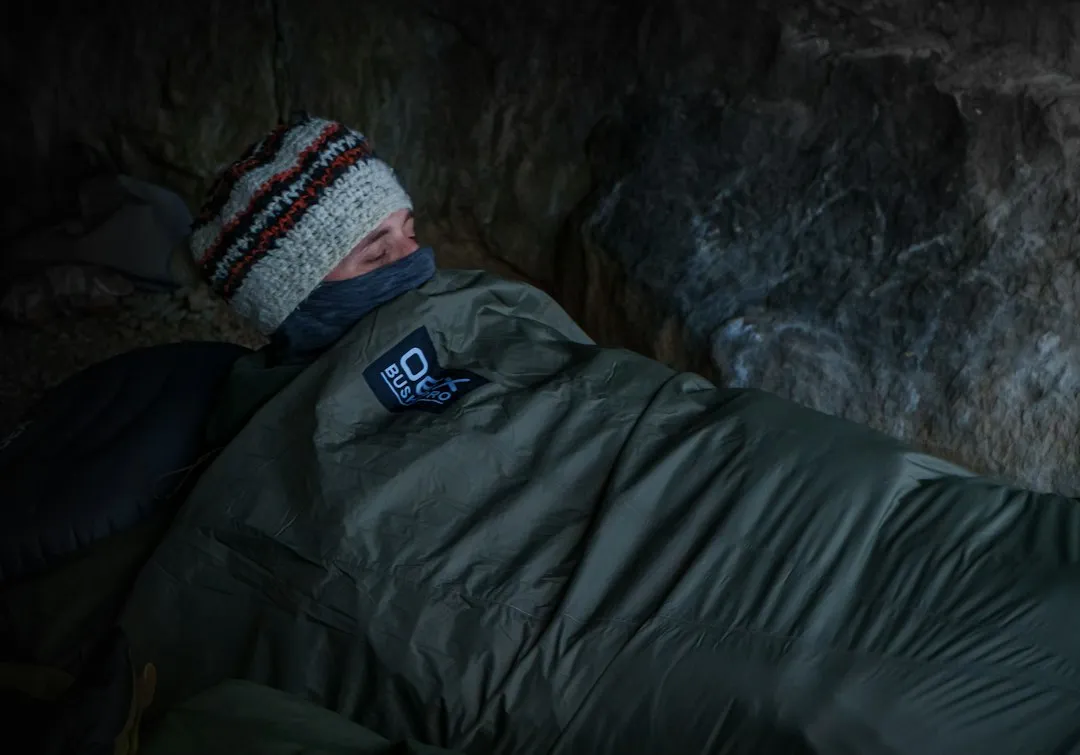
Although it might be tempting, covering your face while you sleep in an ice room can actually make you colder. Moisture from breathing is the culprit. It soaks into any fabric across the face, and wet fabric in sub-zero air becomes genuinely cold against the skin.
Avoid covering your face with a scarf, as it would gather moisture. The same goes for tucking your nose inside the sleeping bag, as breathing can create steam. Your nose will get used to the chill. Most guests find that within a few minutes, the exposed skin adjusts without much discomfort.
A hat, on the other hand, is essential. As the only body part being exposed is your head, the hat is essential. You’ll want to keep your head warm throughout the night. Warmth lost through an uncovered head in a -5°C room adds up quickly over several hours.
The Sauna and Hot Tub Ritual Raises Core Temperature Before Bed
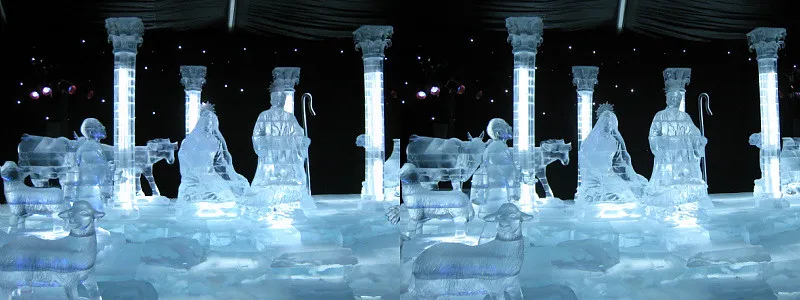
Staff at nearly every ice hotel actively encourage guests to use the sauna or hot tub before heading to their room. It’s not just a relaxation perk – it’s functional preparation. Most hotels encourage guests to take advantage of a Nordic relaxation routine. The idea is to raise your body temperature before sleeping in the cold so you stay warm and cozy through the night.
Before heading to bed, the hotel staff recommends overnight guests soak in the hot tub and dry off in a sauna. Both activities raise guests’ body temperatures before tucking in for the night. Starting the night with elevated core warmth gives the sleeping bag system much more to work with.
One practical detail: showering immediately before sleeping is discouraged. You should go to bed as dry as possible to avoid feeling cold during the night. The timing matters. Getting into the sleeping bag while still damp from a shower works against everything else the staff are trying to achieve.
Warm Facilities Are Always Just Steps Away
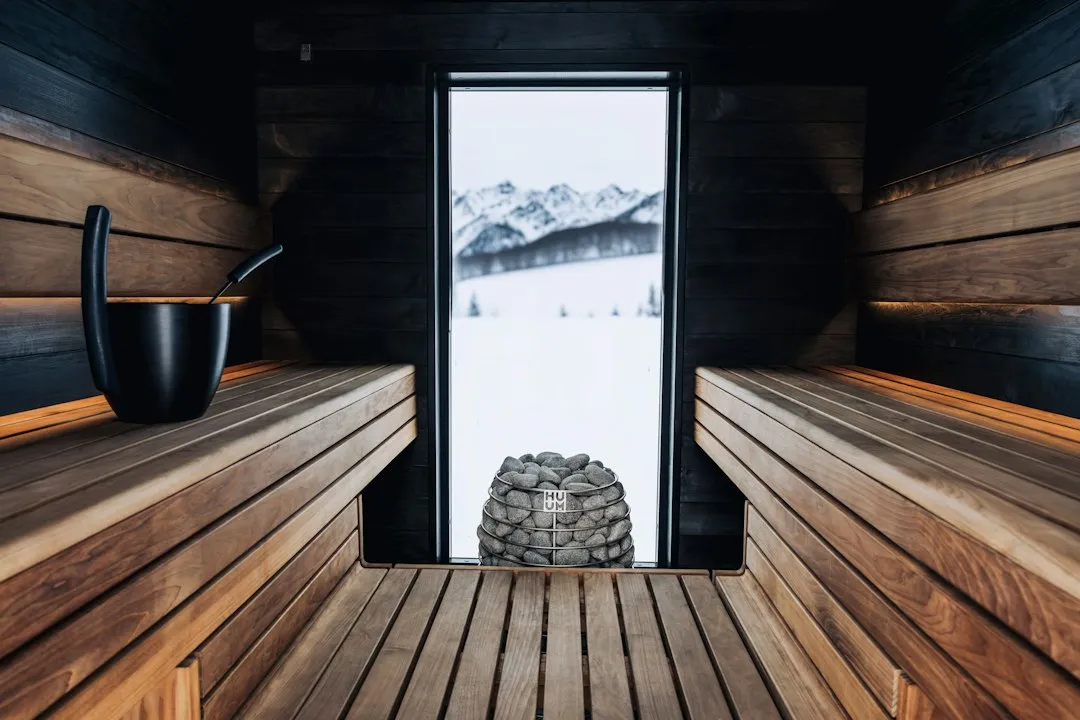
Ice hotels are not isolated experiments in suffering. Every property maintains a warm building where guests can retreat at any hour. Toilets, showers and storage are located in the warm section of ICEHOTEL, staffed 24 hours a day – it can be a five-minute walk from your room. That walk in the cold is real, but it’s manageable.
Guests have access to a warm communal space with showers, saunas, and places to hang out that aren’t well below freezing. Knowing that option exists tends to reduce anxiety considerably, which itself helps guests sleep better. You can place your jacket between the sleeping bag and mattress so it remains warm and dry overnight. This way it also remains comfortable to slip on if you have to go to the toilet during the night.
Store any clothes you remove during the night at the bottom of your sleeping bag so that they are warm to put back on when you wake up. It sounds minor, but pulling on warm clothes versus cold ones at three in the morning is a meaningful difference.
The Morning Wake-Up Is a Deliberate Part of the Experience
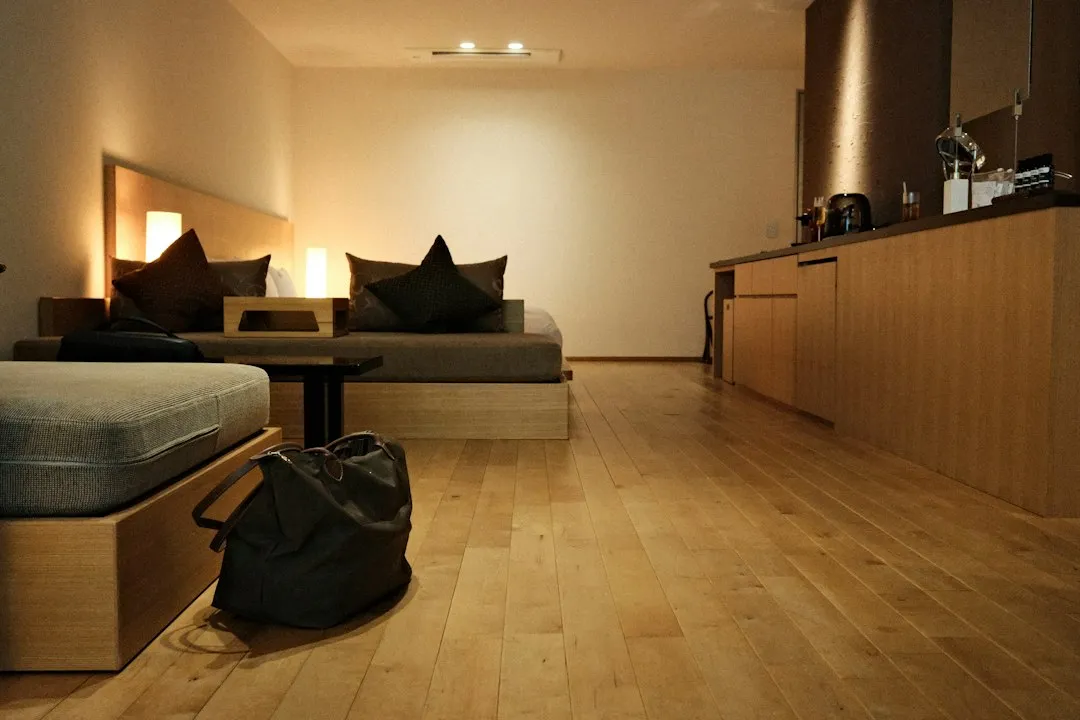
Checkout at an ice hotel doesn’t involve a phone alarm or a knock on a conventional door. There are no doors to the art suites, winter suites and ice rooms, so in the morning, a member of staff draws the curtain that covers the doorway and wakes the guests up with hot lingonberry juice in bed. It’s a considered touch.
The snow walls are very sound-insulating, so you can be sure of a peaceful night. You will be awakened by one of the hotel guides and served hot lingonberry juice in bed. Guests who successfully complete the night at the ICEHOTEL in Jukkasjärvi also receive a small diploma as a memento, marking the indoor and outdoor temperatures from their specific night.
After what you’ll find is a surprisingly comfortable night’s sleep, you’ll be woken by staff usually with some hot berry juice local to the area. For most guests, the surprise isn’t that they survived – it’s that they actually slept.
One Night Is the Standard Recommendation
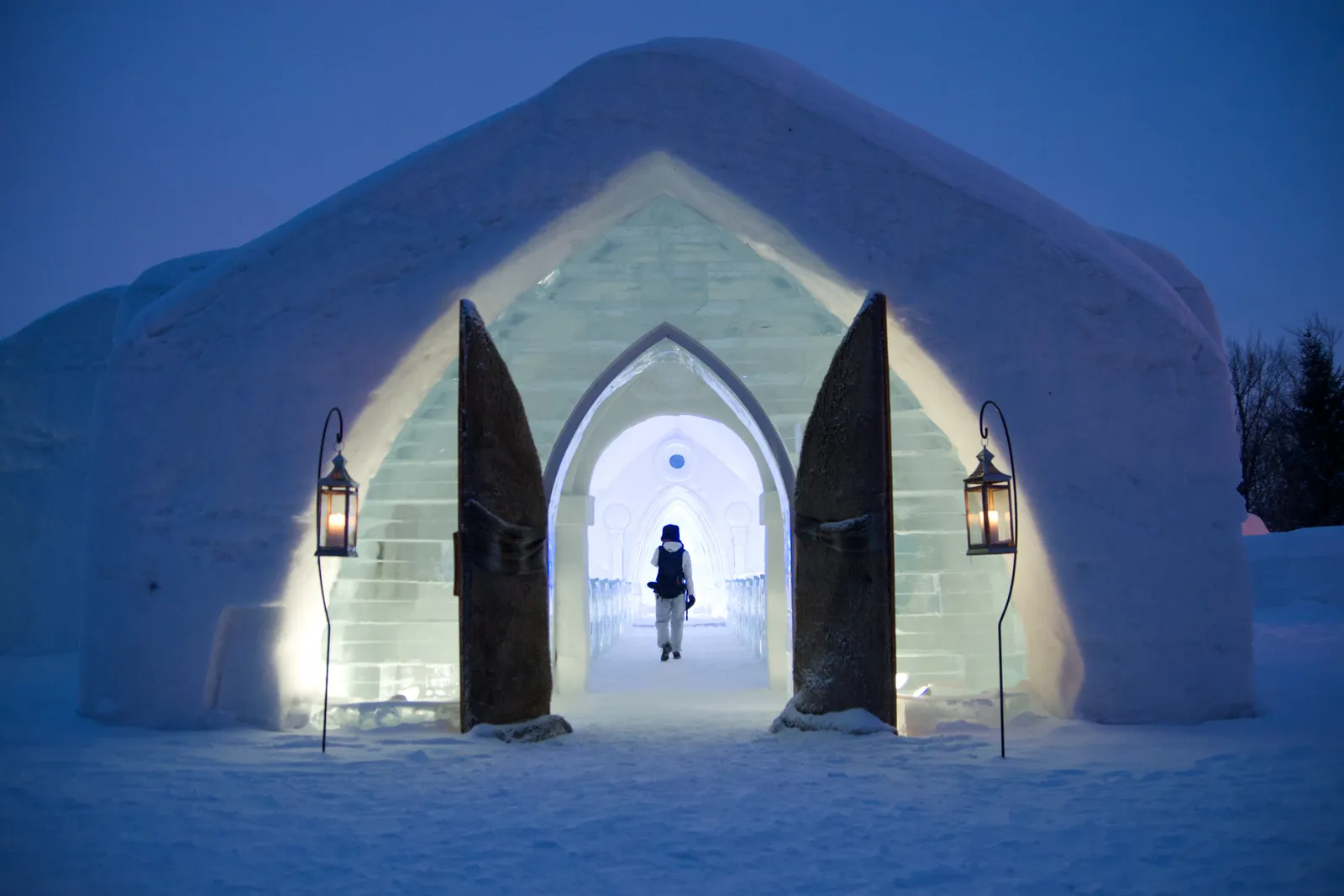
Staff at virtually all ice hotels suggest booking just one night in the ice room itself. The rooms are kept at a temperature of around -5°C in order to keep the ice intact. It’s typically recommended that you only spend one night in an ice room. Subsequent nights can be spent in warm cabins or chalets nearby.
As it can be very cold, one night in the ice hotel is enough. Staying one night in the Arctic is not long, so it’s worth booking a few nights in other forms of accommodation such as a glass Aurora Hut, chalet, or a Tree Hotel. This is genuine staff advice, not just a sales pitch for additional rooms.
One-night sleeping on ice is recommended with additional nights spent in warm accommodation surrounding the Icehotel. The reasoning is simple: the experience is immersive and memorable the first night. Beyond that, the novelty fades while the physical challenge remains.
The Real Takeaway from the Staff
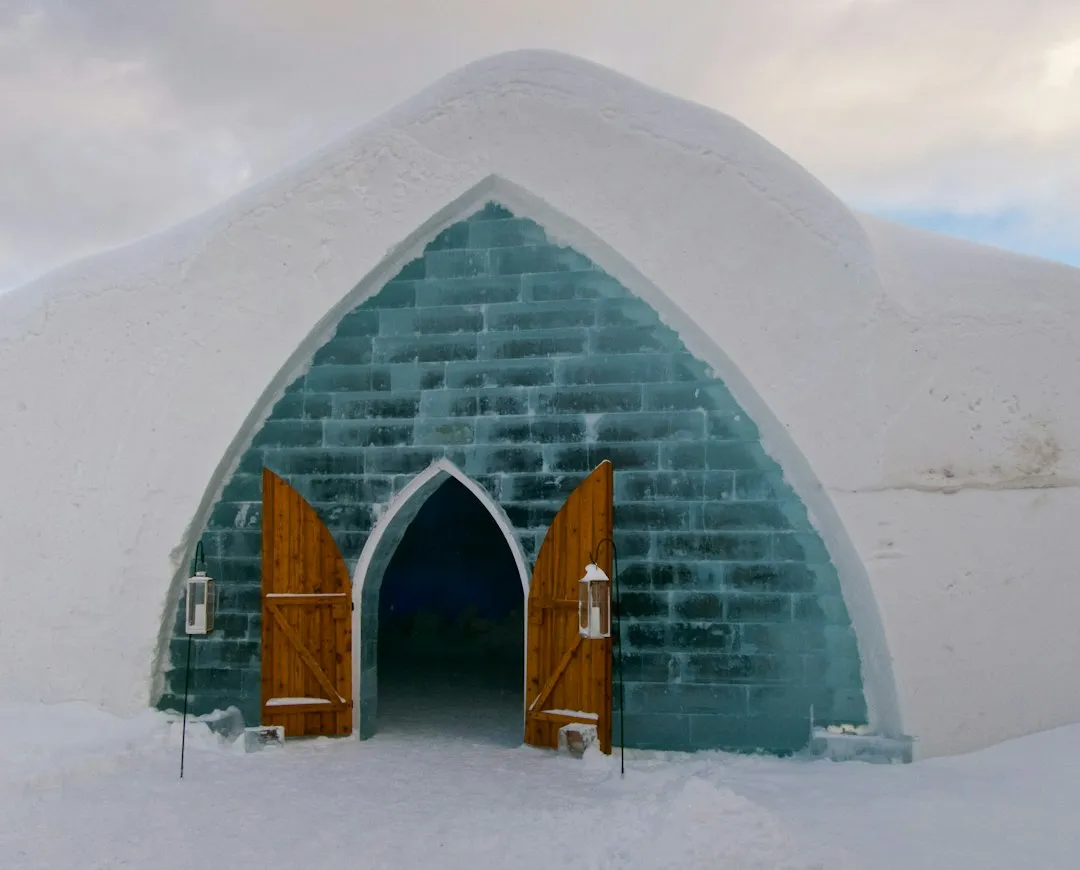
What ice hotel staff have essentially spent years teaching guests is that warmth, at this level of cold, is an active process rather than a passive comfort. The sleeping bag does the heavy lifting, the layering system supports it, and the body does the rest – provided you follow the briefing and trust the system.
The guests who struggle are almost always those who ignore the advice: they overdress, they shower right before bed, they pull fabric over their faces, or they pile on extra layers that trap sweat. The guests who sleep soundly tend to be the ones who listen carefully during that evening session and let the equipment work as designed.
There’s something quietly instructive in all of this. Sometimes the most extreme environments are navigated not with brute force, but with precision and restraint. The ice hotel, for all its drama, is really just a very well-engineered night’s sleep – as long as you pay attention to the people who know it best.
AI Disclaimer: This article was created with the assistance of AI tools and reviewed by a human editor.