

The “Whumpf” Sound Is the Mountain Talking to You
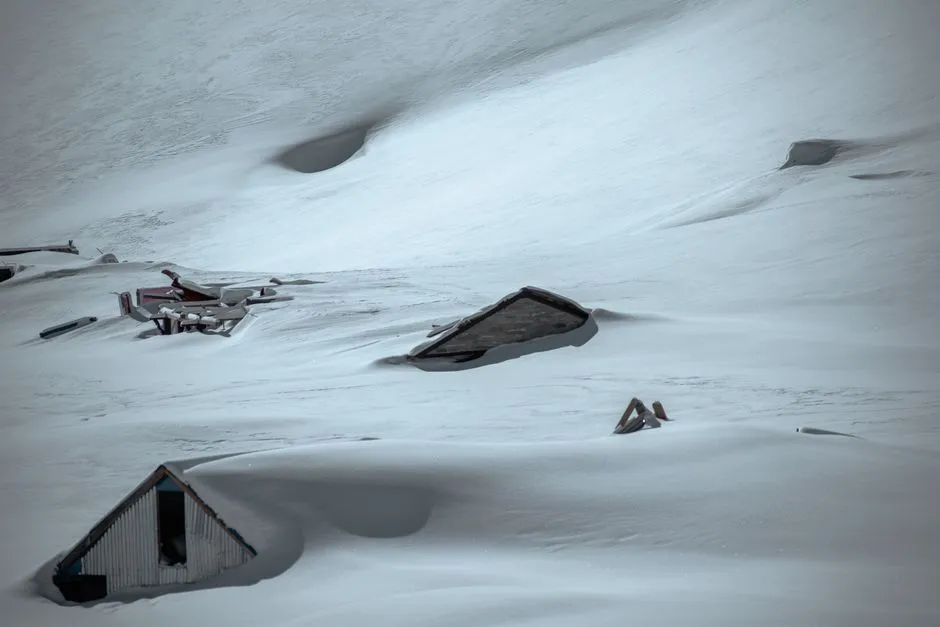
Of all the things you might hear in the backcountry, few demand more immediate attention than a deep, hollow thud beneath your skis. A collapse or “whumpf” is a sudden drop in the upper snowpack caused by the fracture of a lower snow layer, usually accompanied by an audible sound as air escapes from the collapsing weak layer. It’s essentially the structural skeleton of the slope giving way under your weight.
On a steep slope, collapses will often result in an avalanche. Low angle slopes may produce shooting cracks after they collapse. If you hear or feel the snowpack collapse under your feet or snowmachine, it is a clear indication that the snowpack is unstable. Do not wait for a second signal.
Shooting Cracks Are the Snowpack “Zippering” Apart
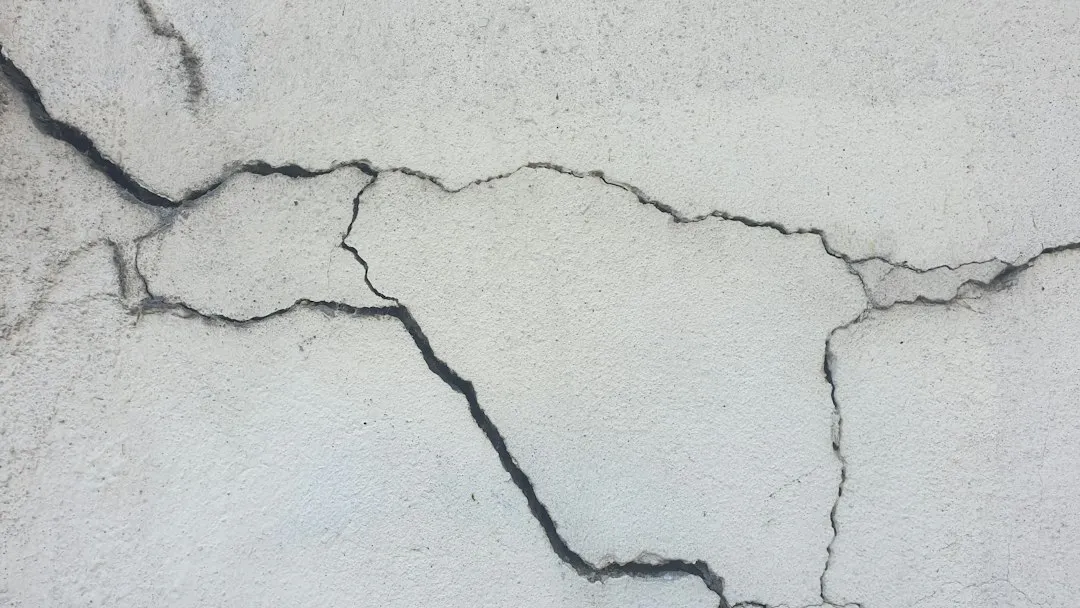
Shooting cracks are a clear sign of high danger. If you see cracks radiating out from your skis, snowmobile, or boots, it means the slab is stressed and looking for a reason to slide. These cracks show that the snow has enough internal cohesion to act as a single unit, which is exactly what creates a dangerous slab avalanche.
Whumpfing and shooting cracks together indicate the snowpack is primed for avalanches on a sufficiently steep and open slope. Even if the slope you’re standing on isn’t steep enough to avalanche, the cracking is a sign that steeper slopes in that area are primed for a slide and should be avoided. The crack doesn’t need to be dramatic to be dangerous.
Persistent Weak Layers Are the Backcountry’s Hidden Threat
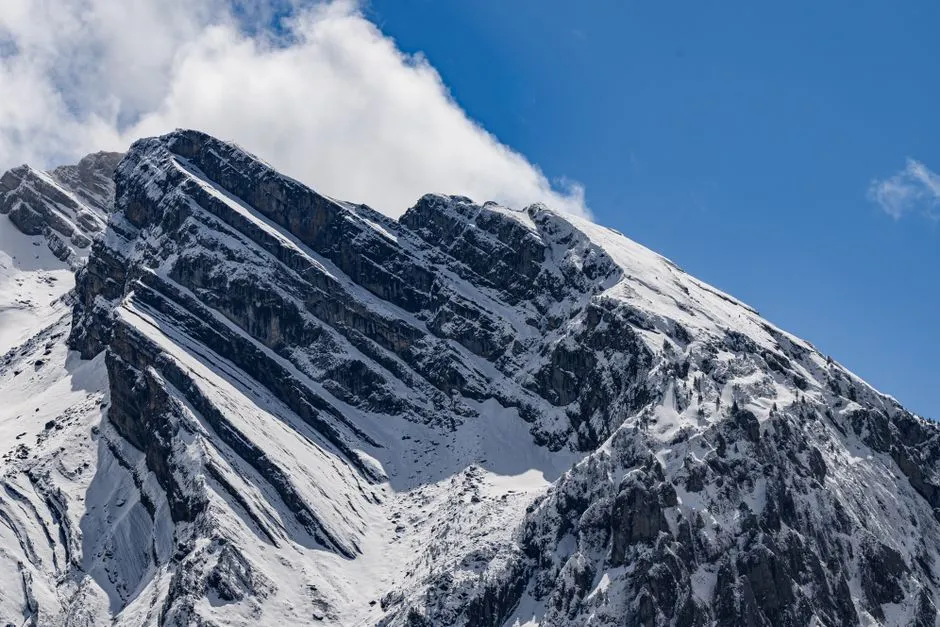
The persistent weak layer problem is difficult to identify. The problem, which is the weak layer, is “hidden” in the old snowpack. This problem is often a long-lasting, faceted weak layer in the snowpack, and the danger can last days or weeks. This is the scenario that keeps forecasters up at night.
This weak layer in the old snowpack is often “reactivated” by new snow or wind-drifted snow. The additional load or altered slab characteristics can cause the crack in the existing weak layer to suddenly continue propagating. The trap here is that the surface might look perfectly inviting while the problem is buried far below where you can see it.
Recent Avalanche Activity on Similar Slopes
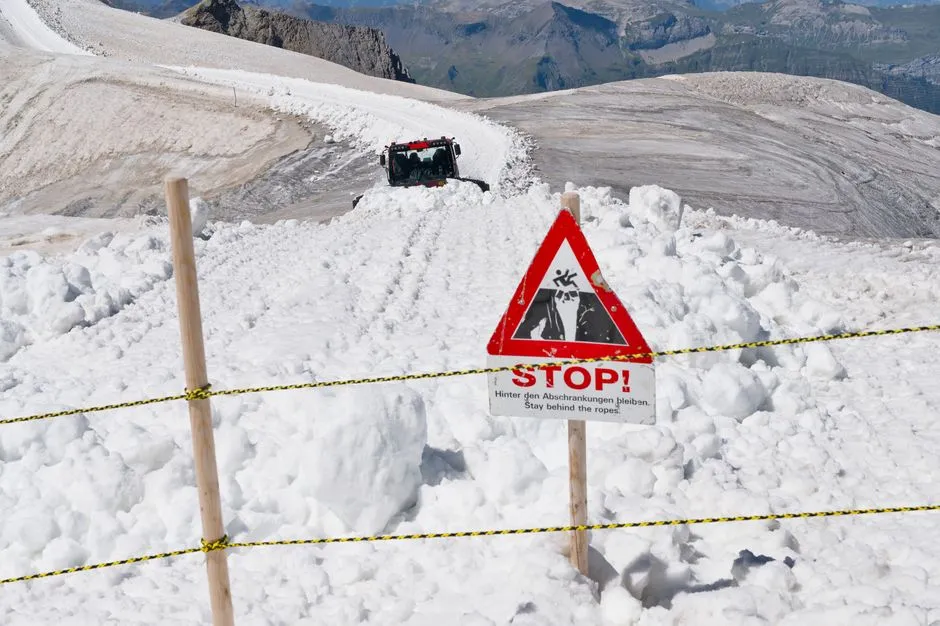
If avalanches have recently occurred in the area, conditions are dangerous. Avalanches don’t happen randomly or in isolation – if one slope slides, other slopes with similar conditions could be next. The pattern of instability tends to be regional, not limited to a single run.
If you see evidence of recent slides on similar slopes, the snowpack is unstable. Fresh debris fields, broken cornices, and crown lines visible from a distance are all telling you the same thing. Pay attention to aspect and elevation when reading those clues, since slopes that face the same direction and sit at similar altitudes share nearly identical snowpack structures.
Slope Angle Is the Factor Most Skiers Underestimate
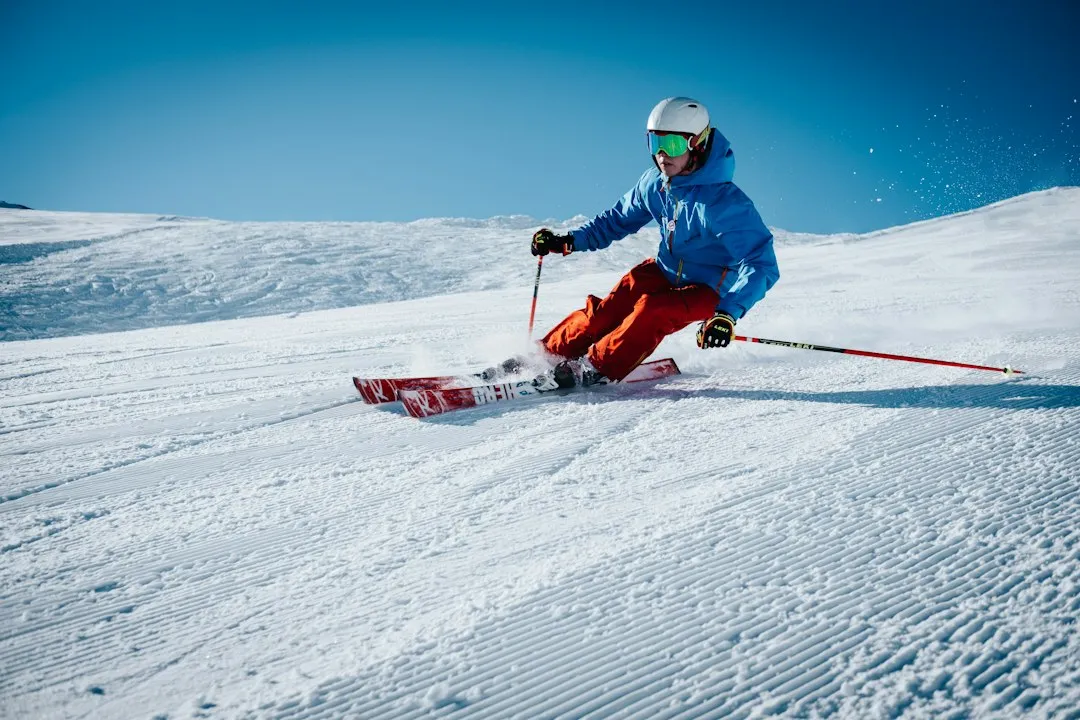
Most avalanches occur on slopes between 30 and 45 degrees, with peak activity around 38 degrees. Slopes steeper than 50 degrees typically don’t accumulate enough snow to produce large avalanches, while gentler slopes lack sufficient gravitational stress to initiate failures. The dangerous window is narrower than many people assume.
That 30 to 45 degree zone covers a lot of the terrain that intermediate and advanced backcountry skiers find most appealing. The pitch that feels just right for a satisfying descent is often the one sitting squarely in the highest-risk range. Carrying a simple inclinometer or using a smartphone with a clinometer app can give you a real number rather than a visual guess.
Wind Slabs Are Dense, Quiet, and Often Invisible
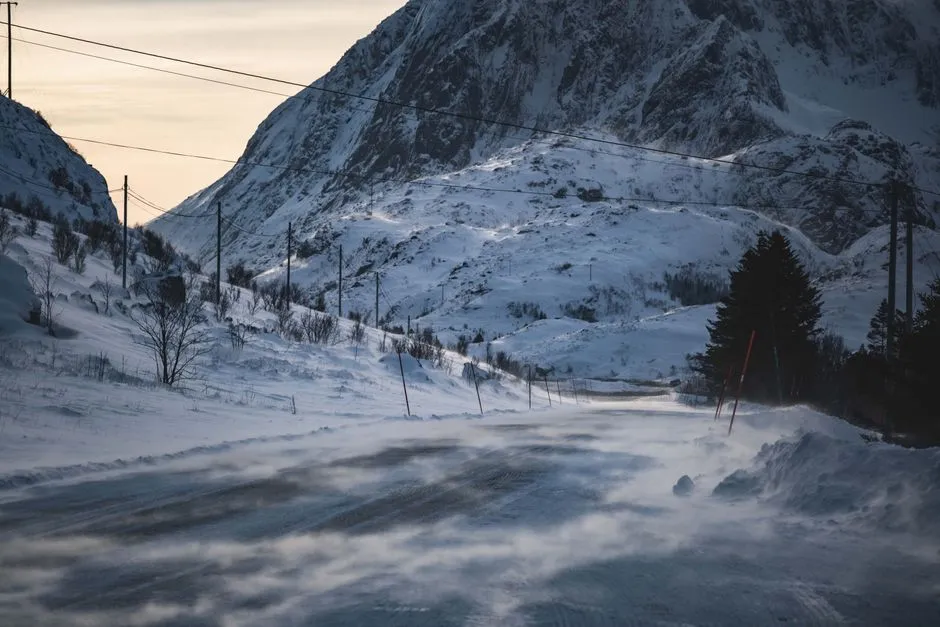
Wind can move snow ten times faster than it falls from the sky, depositing it on leeward slopes, the side sheltered from the wind. This creates wind slabs which are dense, heavy, and often sit precariously on top of lighter, fluffier snow. They can form in a matter of hours after a storm, sometimes even in clear weather if winds are strong enough.
The wind slab problem is given when fresh or recently wind-drifted snow is of concern. Wind slabs are typically found on sheltered aspects such as in gullies or bowls, also close to distinct changes in terrain such as behind ridgelines, and are more common above treeline. Tapping the snow with a pole and listening for a hollow sound is a quick field check worth making a habit.
New Snow Loading Is a Time-Sensitive Hazard
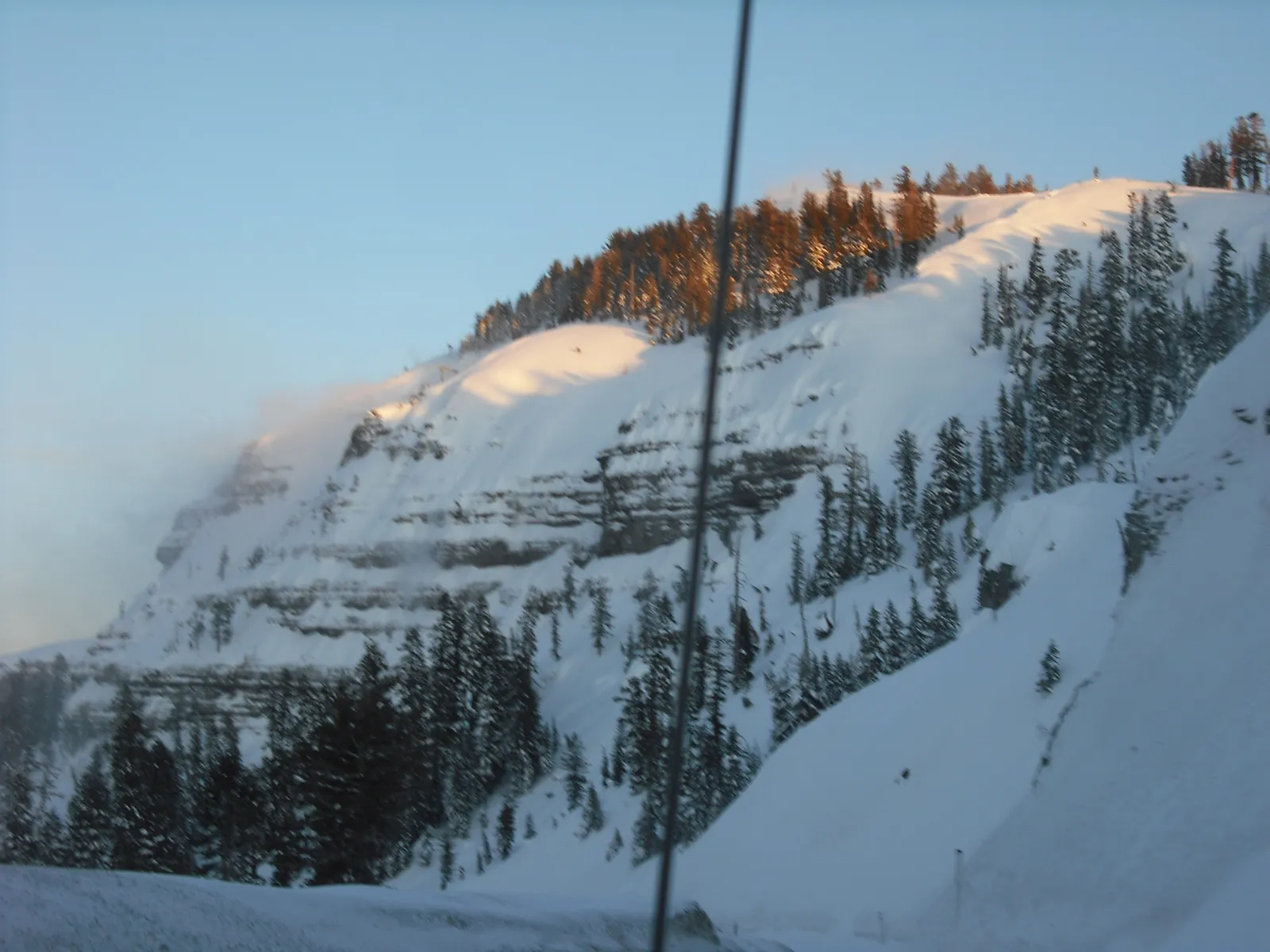
The new-snow problem indicates that the current or most recent snowfall can be released. When heavy snowfall piles up quickly, the fresh layer sits on top of whatever structure existed before the storm, and that interface is where failures begin. Significant precipitation in the last 24 hours is a red flag.
Extended high pressure for much of December can do significant damage to the snowpack. While deep snow totals across the Mountain West can look promising on the surface, new snow landing on weak layers will continue to pose a problem well into the new year. The postcard conditions after a storm are sometimes the most dangerous window to be out there.
Wet Snow Avalanches Are a Spring Danger That Extends Year-Round
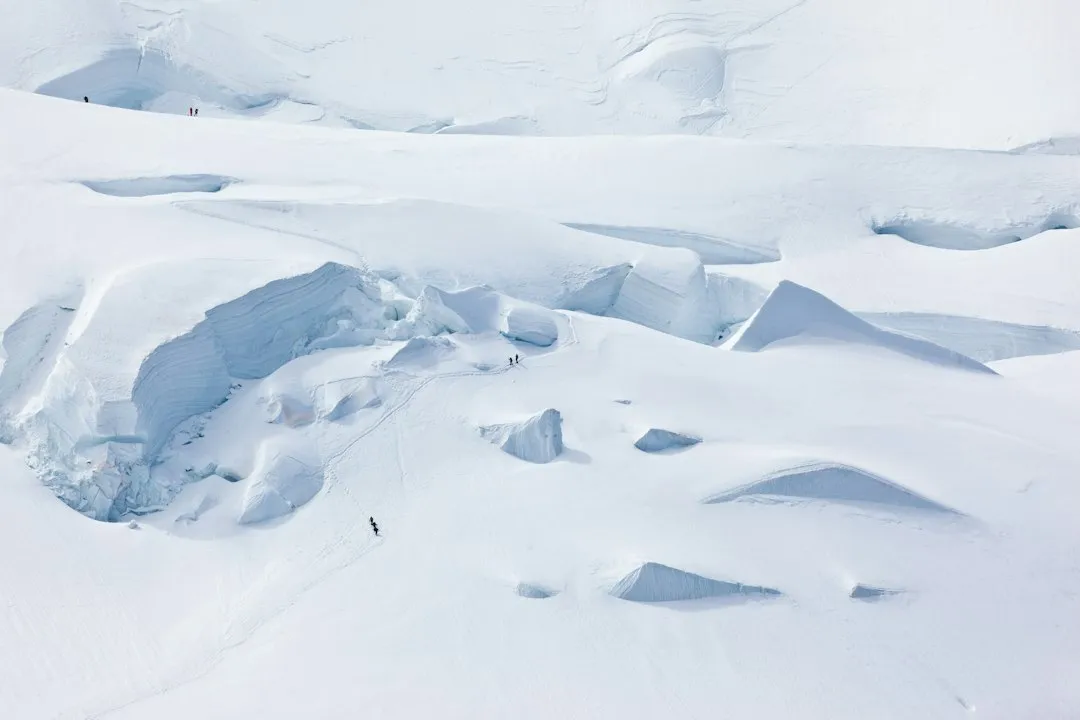
The Colorado Avalanche Information Center recommends that backcountry travelers begin and end their days early. As the sun melts the snow, the risk of wet loose avalanches can increase. Timing your descent matters as much as reading the terrain itself.
Skiers and snowboarders should move off steep slopes whenever there’s a rain-on-snow event, track overnight temperatures, and favor areas with deeper snowpacks. As the Colorado Avalanche Information Center has noted, avalanche years rather than seasons are a more accurate way to think about it, because avalanches can happen any time of year where there’s snow on steep slopes. Spring skiing demands the same respect as midwinter backcountry travel.
Classic Warning Signs Can Disappear as the Season Progresses
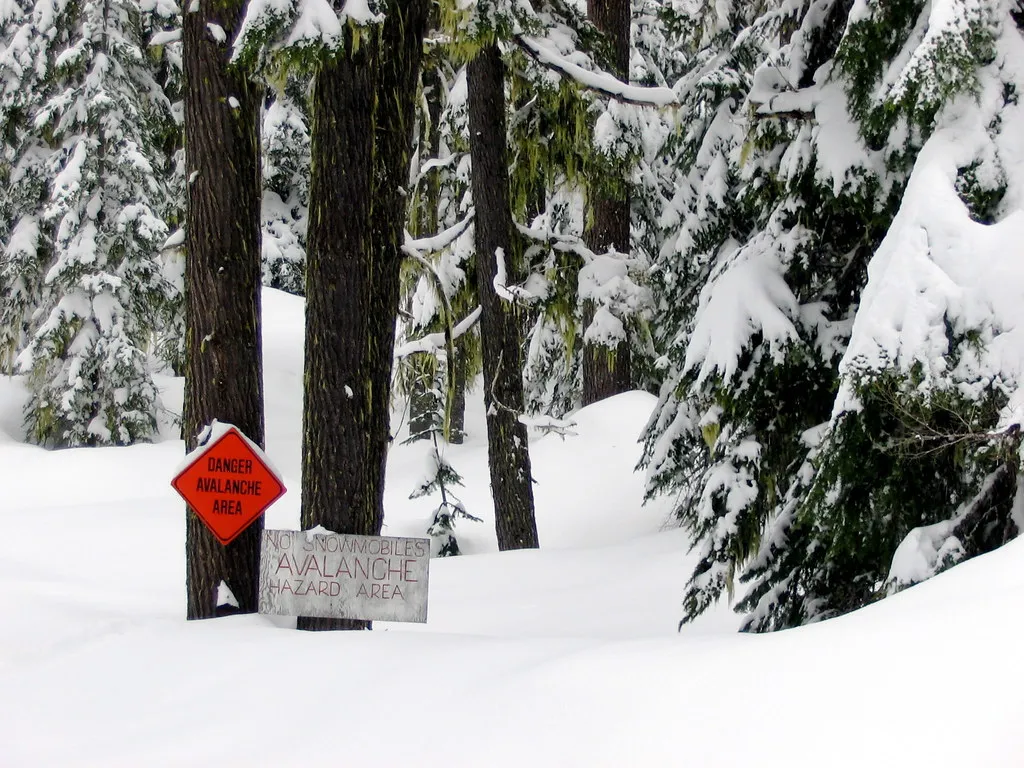
Complicating matters further, classic warning signs backcountry users rely on may become harder to detect as conditions evolve. Forecasters have noted that we may see a decline in the signs the mountain gives us, meaning you may not see shooting cracks or hear audible collapses even when dangerous layers remain active.
Keep in mind that an absence of signs of instability doesn’t mean an absence of instability, particularly in cases of persistent slab and deep persistent slab avalanche problems. While the likelihood of triggering an avalanche may slowly decline without new snowfall, the size and consequences of avalanches are not changing. Very weak layers in the middle of the snowpack and near the ground are hard to manage and can produce large, dangerous avalanches.
The Avalanche Forecast Is Still Your Most Powerful Tool
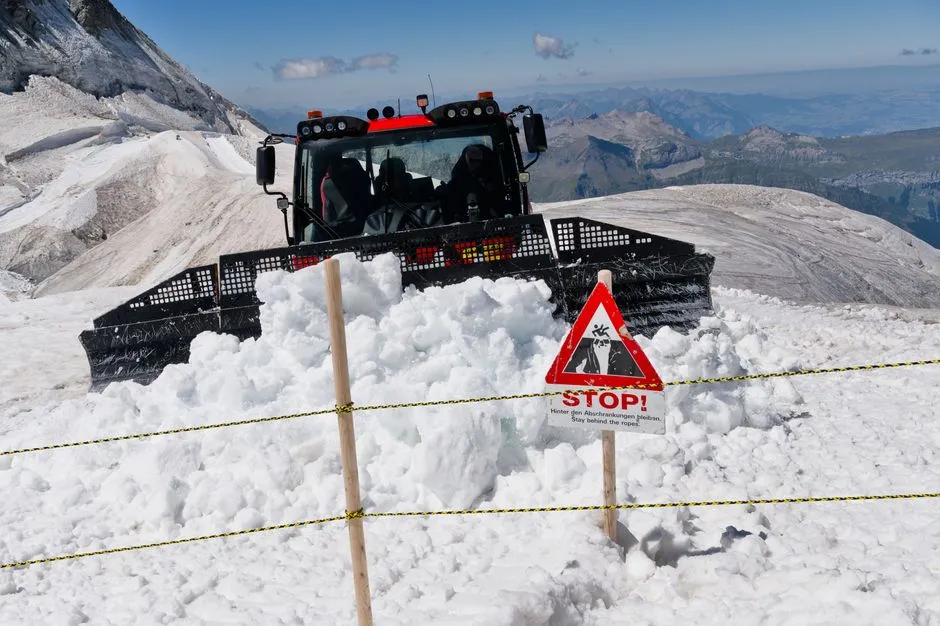
Avalanche centers publish daily forecasts rating the danger level from Low to Extreme, based on weather and snowpack analysis. Checking these forecasts before heading out is the single most effective preventive measure. Everything you observe in the field is more useful when you already know what problems forecasters have identified for the day.
The Colorado Avalanche Information Center’s Avalanche Accident Data display chronicles avalanche accidents in Colorado and across the U.S., and now includes fatal avalanche accidents dating back to 1997 and non-fatal accidents dating back to 2011. That database exists precisely so that skiers can learn from patterns over time. During the 2024–2025 season, the Northwest Avalanche Center alone published 1,345 avalanche forecasts and sent forecasters on 329 field days to analyze local snowpack conditions. That is an extraordinary amount of collective knowledge made freely available to anyone who chooses to use it.
Reading the Mountain Takes Practice, Not Luck
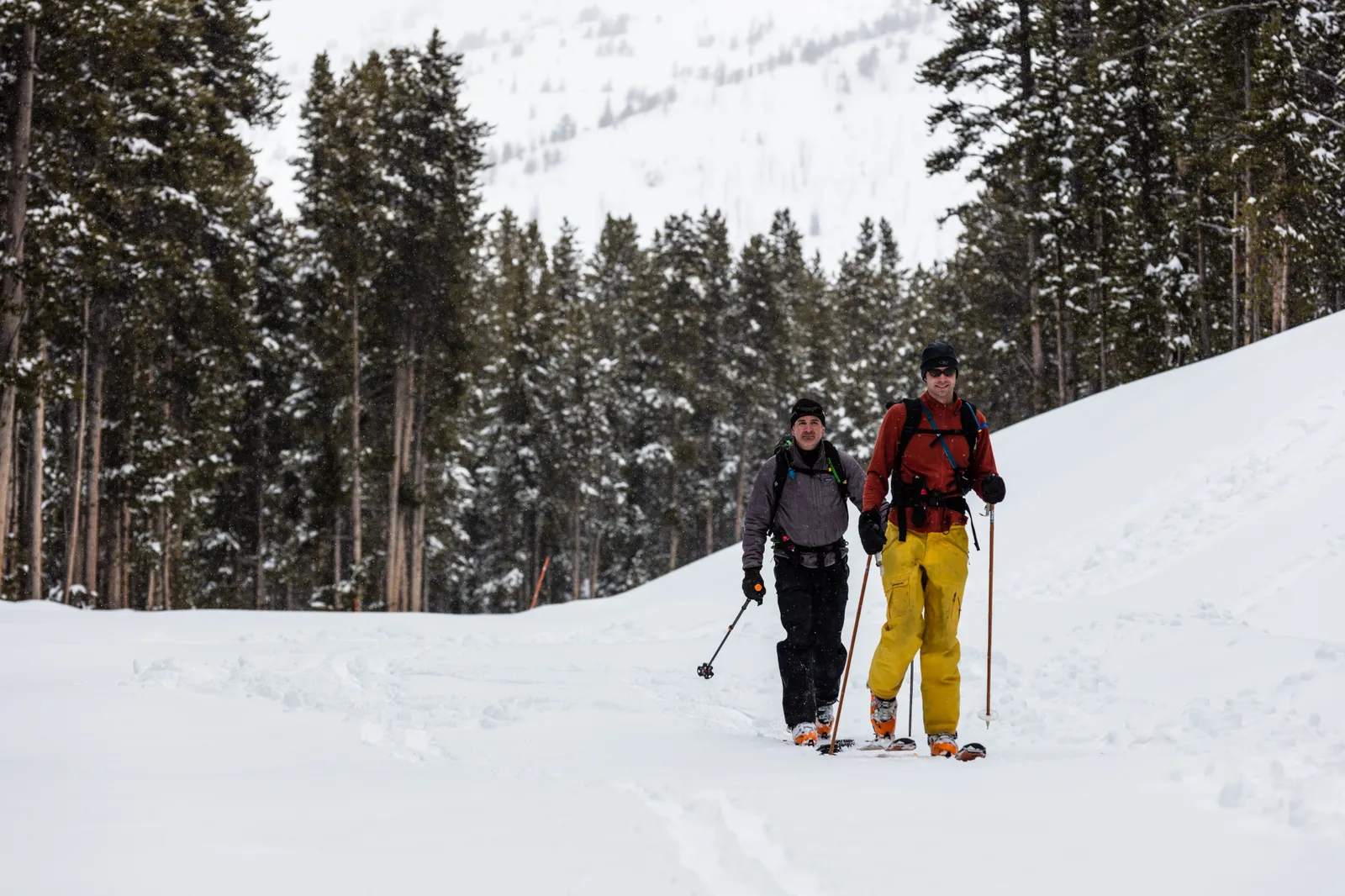
The signs described here are not obscure or technical. They are observable, learnable, and consistently documented by professional forecasters across North America and Europe. Understanding the layered history of the snowpack enables backcountry skiers to predict how the snowpack will respond to additional loading, and recreational skiers can develop basic snow reading skills that dramatically improve their safety margins.
Persistent weak layers are very challenging to recognize. Signs of instability such as whumpfs are typical but not necessarily present. Stability tests can be helpful to detect persistent weak layers, and knowledge of snowpack evolution is required alongside reference to the avalanche report. No single check is enough on its own.
The backcountry rewards patience and preparation. The skiers who move through steep terrain safely are not the ones who got lucky – they’re the ones who listened, looked carefully, and turned around when the mountain said to. That habit is worth developing long before the next big storm rolls in.
AI Disclaimer: This article was created with the assistance of AI tools and reviewed by a human editor.