
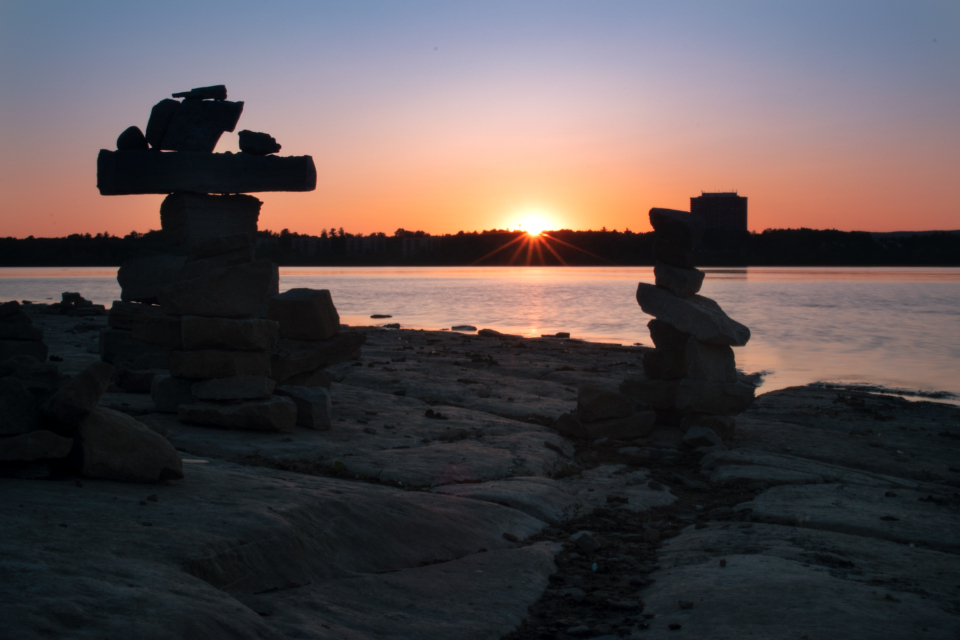

What Exactly Is a Cairn, and Where Did It Come From?
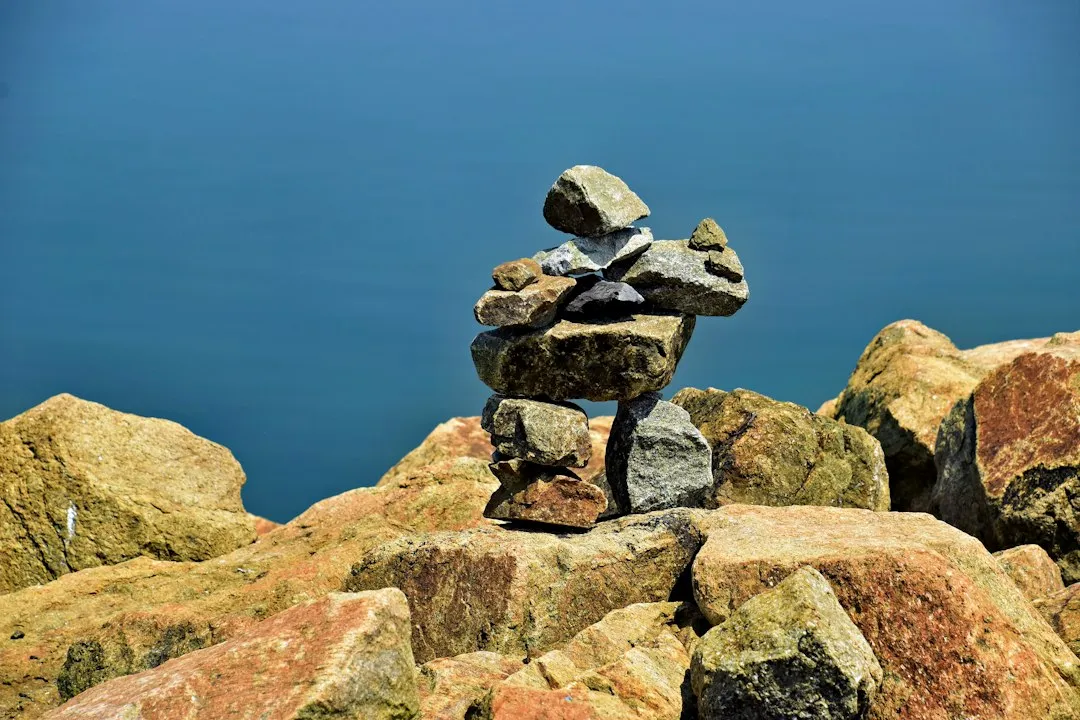
Carefully constructed stacks of rocks along trails, sometimes called cairns, have been important wayfinding tools for hundreds of years, especially in areas where installing signposts isn’t feasible. Indigenous cultures across many continents used them for navigation, ceremony, and memory. They were never casual.
In barren and treeless Arctic regions of the U.S. and Canada, the indigenous Inuit people built more elaborate cairn structures called inukshuks, which helped them find their way in winter when the snow renders the sweeping landscape all but featureless. These were functional, deeply meaningful, and placed with purpose. The recreational rock tower someone builds for a photo is a fundamentally different thing.
The National Park Service Has a Clear Position
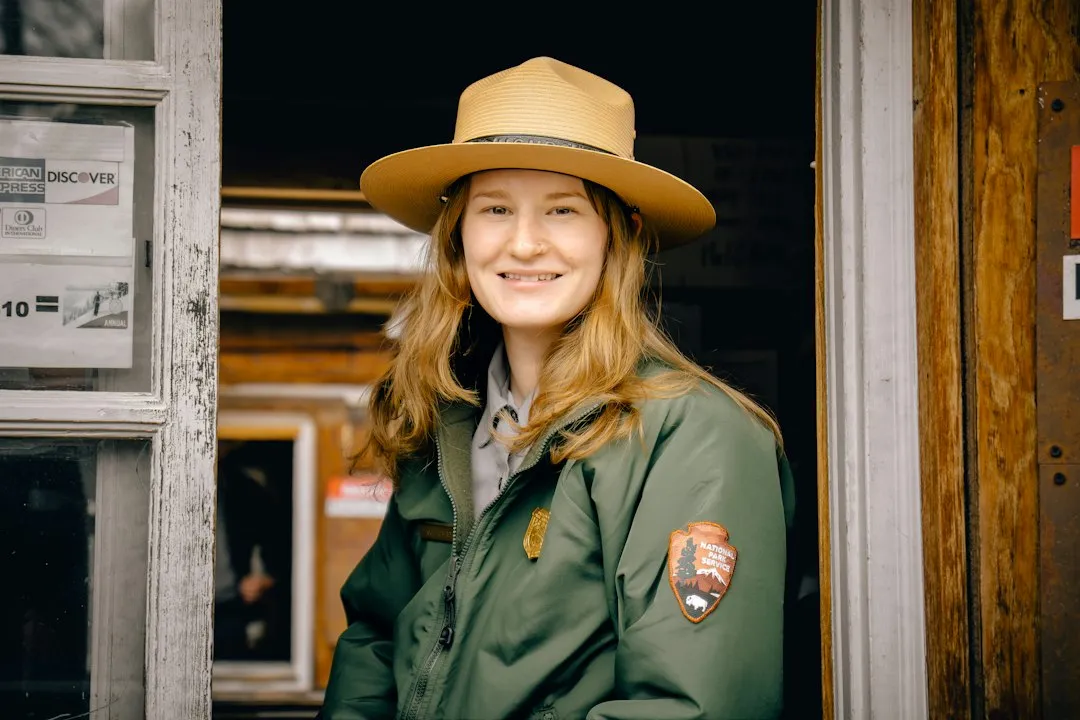
In the United States, the National Park Service, its park rangers, and other volunteers strictly prohibit hikers and park visitors from disturbing or relocating any rocks or other natural features within national parks or backcountry areas. This isn’t a vague suggestion. It’s tied directly to the legal mandate to preserve natural and cultural resources.
In recent years, cairns, specifically rock stacking, have become more prevalent in National Park sites. Building cairns and moving or removing rocks from their original location can damage archeological and cultural sites. In April 2024, Petroglyph National Monument in New Mexico issued a partial trail closure specifically to address this kind of damage at Boca Negra Canyon.
The NPS notes that moving rocks disturbs the soil and makes the area more prone to erosion, and that disturbing rocks also disturbs fragile vegetation and micro ecosystems. These are the kinds of impacts that build quietly and are very hard to reverse.
Small Creatures Live Under Those Rocks
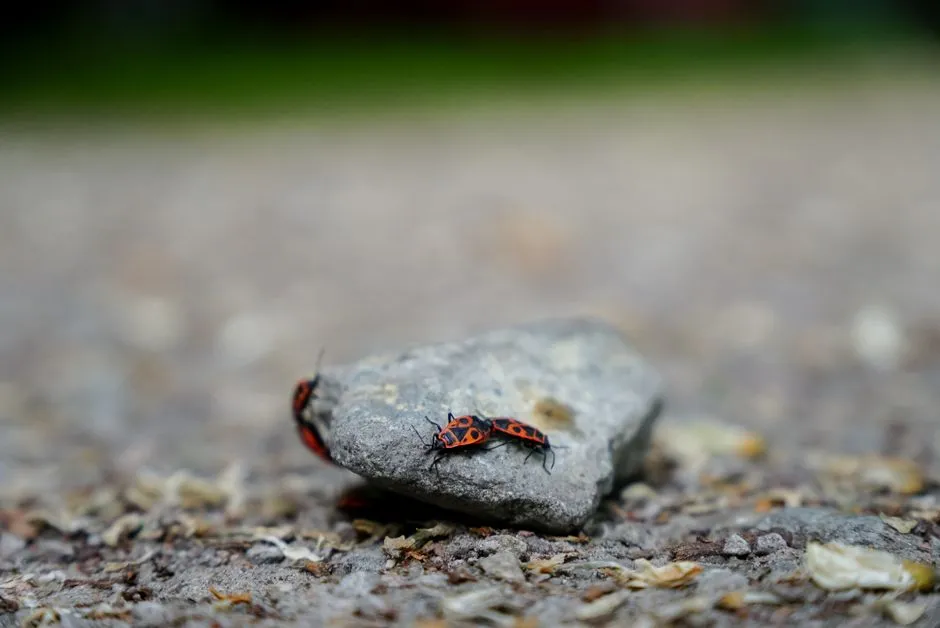
Rangers object to recreational cairns because the rocks from which they’re constructed normally provide shelter for insects and small mammals, and moving the rocks from their natural locations destroys those creatures’ homes. It’s not a dramatic effect you’d notice right away. The damage plays out slowly and beneath the surface, literally.
Micro-organisms and tiny wildlife species such as worms, some snakes, and bugs live in the dirt under many of the rocks best selected for building cairns. These rocks ensure that moisture under them can be trapped so that ecosystems can thrive. When the rock is removed, the sun and humidity reach the dirt and dry up the moisture, killing everything living that required the moist environment.
Waterways Suffer a Special Kind of Harm
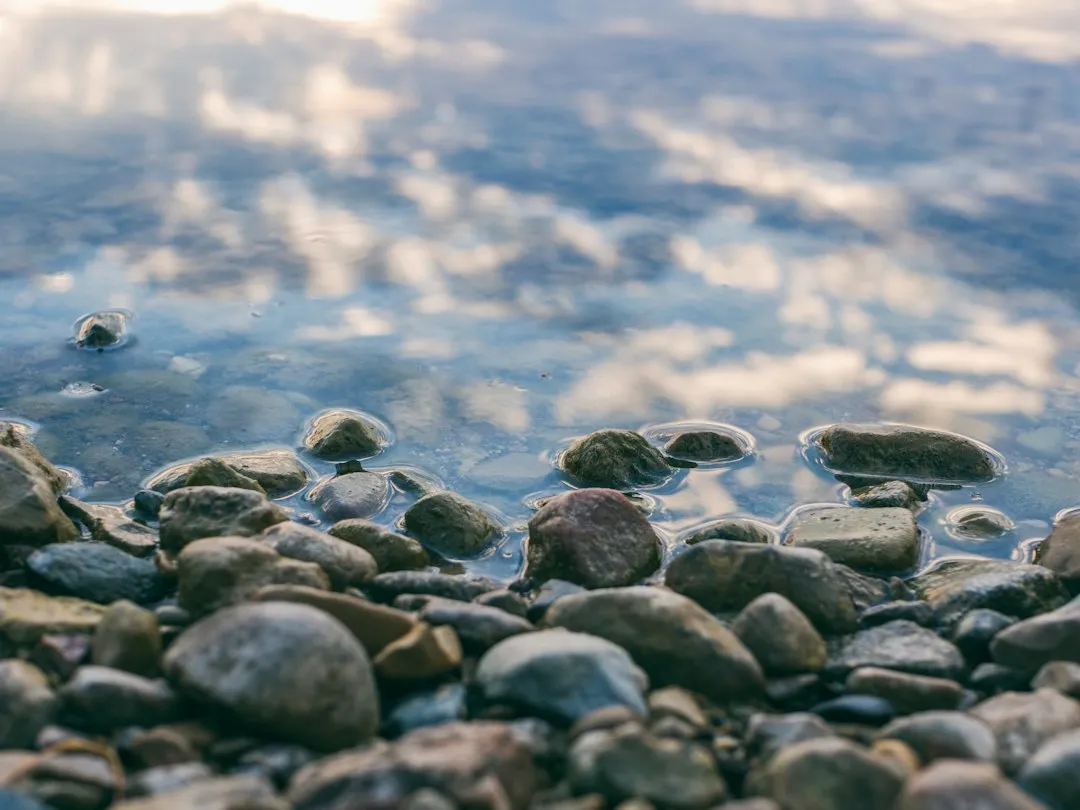
There are entire ecosystems living under rocks that get disturbed when people build cairns. Rocks around waterways are particularly important for wildlife, as insects, fish, crustaceans, and other animals lay eggs or make their homes under them. Even the algae that forms under and around rocks is an important part of river ecosystems, and when people pick up rocks to pile into a cairn, all of that gets disturbed or destroyed.
Rangers at Dinosaur Valley State Park in northeast Texas say that rock stacking can disturb the habitat of many small aquatic creatures like frogs and insects. Freshwater ecosystems are among the most sensitive on the planet, and the loss of key indicator species has cascading consequences for water quality that extend well beyond the trail.
Erosion Is a Bigger Problem Than Most Hikers Realize
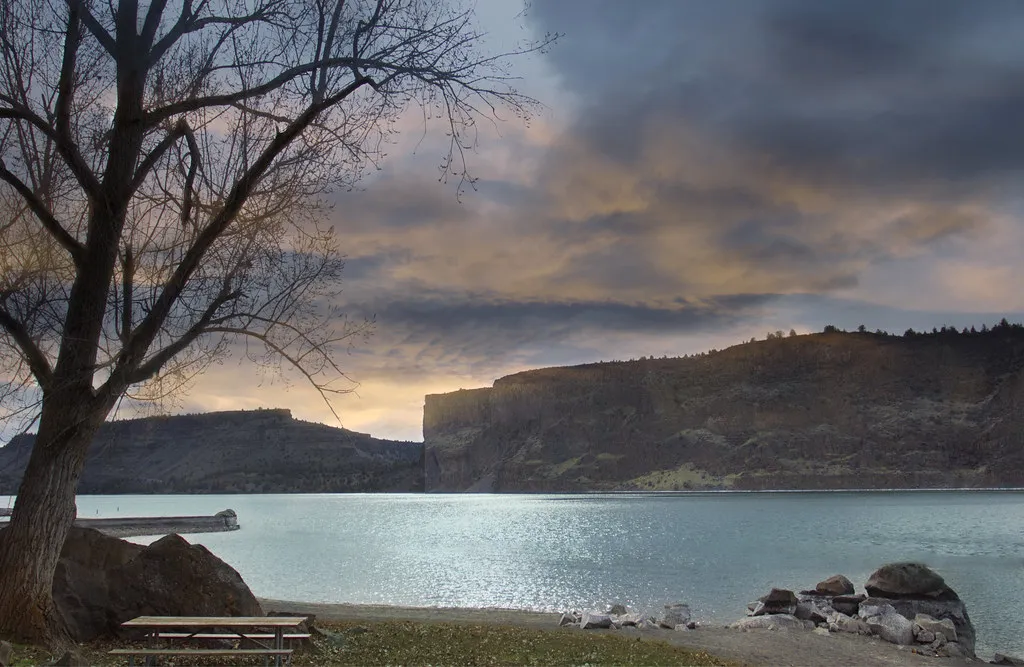
Rock stacking can destabilize the shoreline, increase the risk of erosion, and damage ecosystems. The cumulative impact of many people moving and disturbing rocks can lead to soil erosion, especially on slopes or in areas with a high concentration of rocks. One cairn built by one hiker seems trivial. Multiply that across thousands of visitors a season and the math changes fast.
This erosion can cause sedimentation in nearby water bodies, negatively impacting aquatic habitats and water quality. In mountain areas, rocks also serve as natural anchors that hold soil in place on steep terrain. Removing them, even a handful at a time, degrades slope stability over time.
Unauthorized Cairns Create Real Safety Risks for Hikers
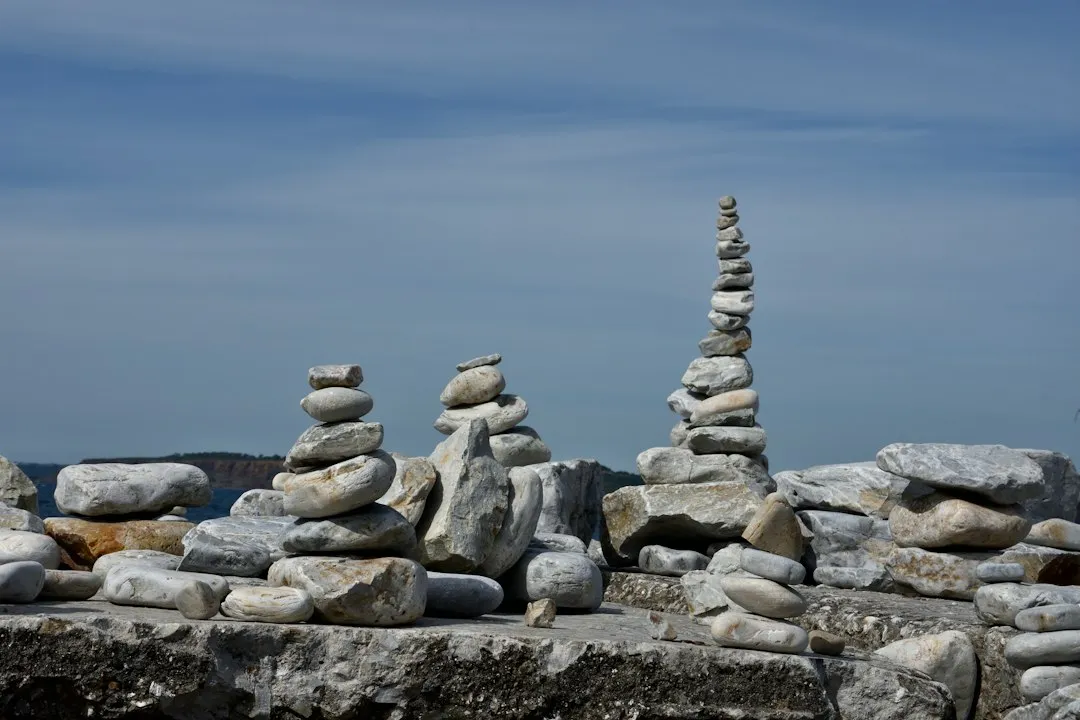
Park rangers maintain some stone stacks to make sure that nobody wanders off the trail and into a dangerous area. If you’re stacking your own for personal reasons, it has the potential to confuse hikers about where they’re supposed to go. In dense backcountry, that confusion can turn a wrong turn into a genuine emergency.
The NPS warns that if an intentional cairn is tampered with or an unauthorized one is built, future visitors may become disoriented or even lost. Other parks, like Capitol Reef National Park in Utah, don’t build or maintain rock cairns at all and warn visitors not to rely on these rock piles to guide their hike, because any rock cairns there are ornamental and can often become a problem for hikers who think they are supposed to follow them.
The Social Media Effect Has Made This Worse
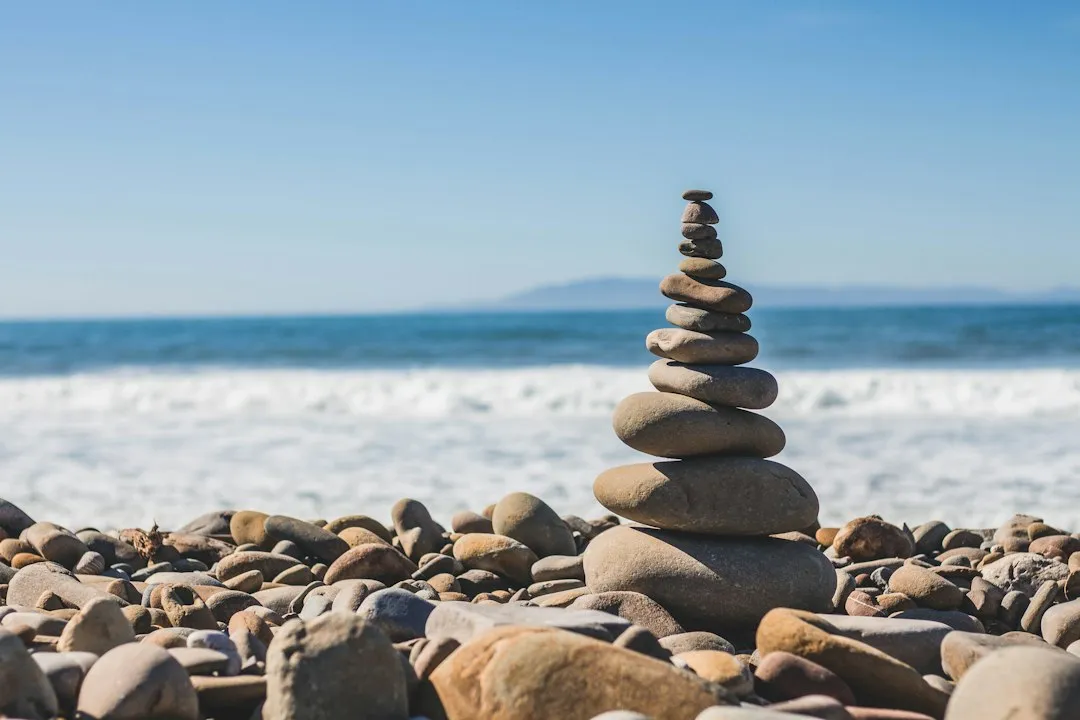
The popularity of rock stacking, fueled by social media trends, has led to an increase in cairn formations in parks like Zion and Acadia, raising concern among conservationists about their ecological impact. When an image of a beautifully balanced stone tower goes viral, it sends thousands of people directly to that location to replicate the shot. The concentration of that foot traffic, combined with the rock removal it encourages, compounds the damage significantly.
Instagram phenomena such as the hashtags for stone stacking and stone balancing, where people balance stones on top of each other and then post pictures on social media, may be one of the reasons for an increasing desertification that worries both nature managers and archaeologists. The concern isn’t hypothetical. Land managers in Norway have documented visible landscape degradation in areas that trend online.
It Can Also Be a Form of Cultural Disrespect
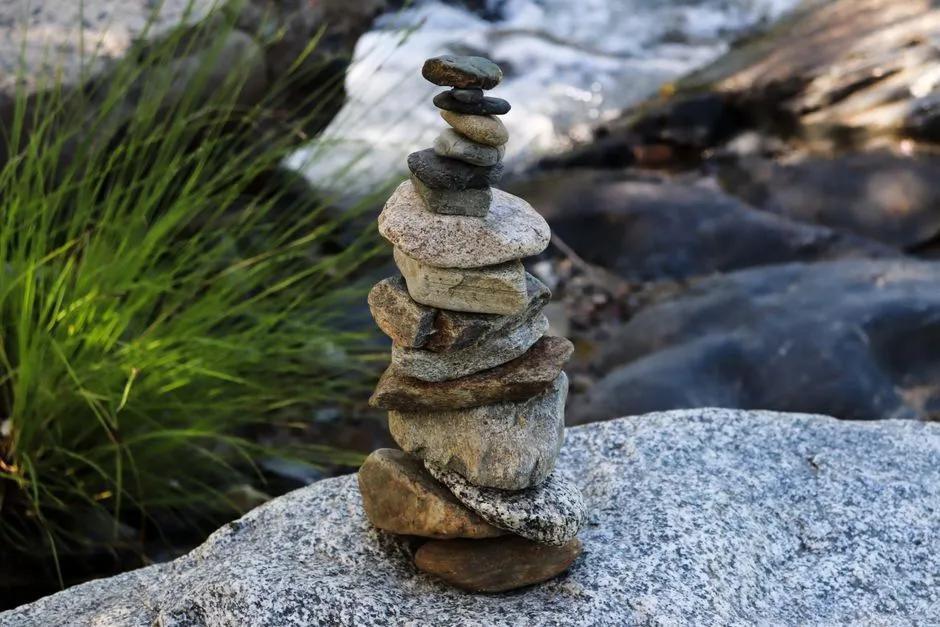
Indigenous Hawaiian stone structures, such as ahu (altars or shrines) and heiau (temple platforms), are sacred. Tourists stacking stones nearby can confuse authentic heritage features or cause unintentional disrespect. In many parks across the Pacific and across North America, the rocks themselves are considered part of living cultural landscapes, not neutral decoration.
Rangers throughout the Northern Territory of Australia have increasingly encountered rock stacks in culturally significant areas. While stacking rocks may seem harmless, it can disturb ecosystems, interfere with the natural environment, and disrespect ancient Aboriginal stone arrangements that have existed for centuries. Good intentions don’t cancel out the impact.
Communities and Conservationists Are Already Responding
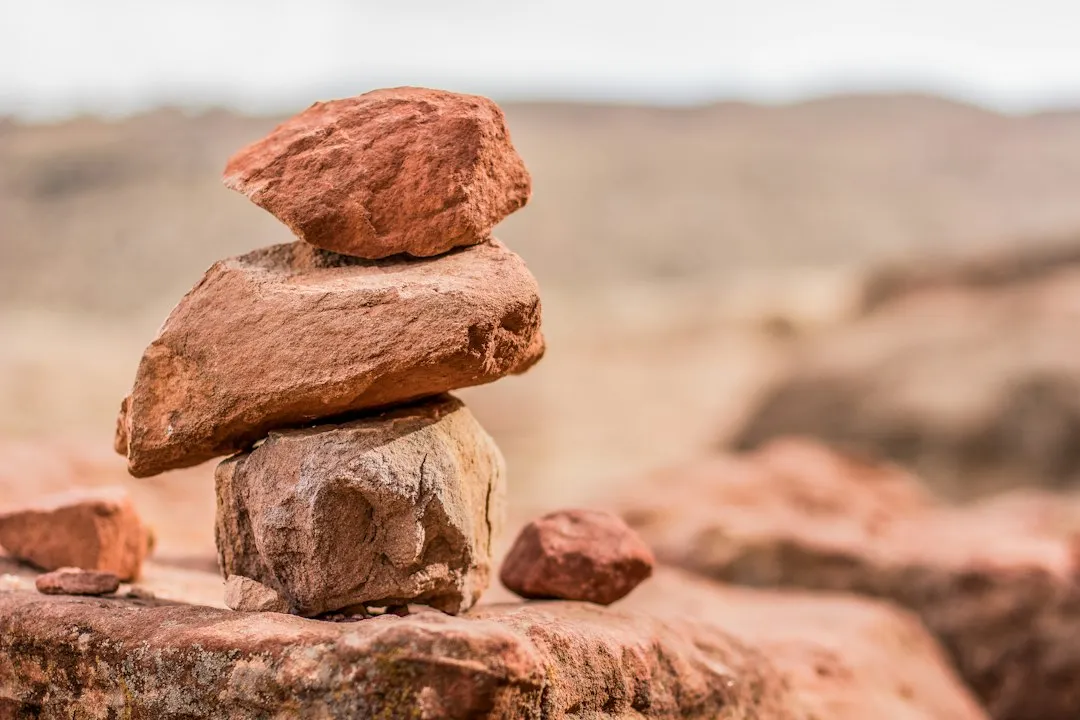
On Scotland’s Isle of Skye, locals dismantled hundreds of tourist stacks at the Fairy Glen to restore the natural landscape. This wasn’t a top-down government decision. It was a community, exhausted by watching its landscape altered for the sake of social media content, taking direct action.
In North America, volunteers in national and provincial parks regularly remove unauthorized piles. South African National Parks has also addressed the issue directly, noting that building rock stacks can alter the area’s natural beauty and be seen as a form of vandalism or desecration of a cultural or natural heritage site, and can even pose a safety hazard, particularly to small children if the rocks topple over. For these reasons, creating rock stacks is strictly prohibited and violating this rule may result in a penalty in protected areas.
What the Leave No Trace Principle Actually Asks of You
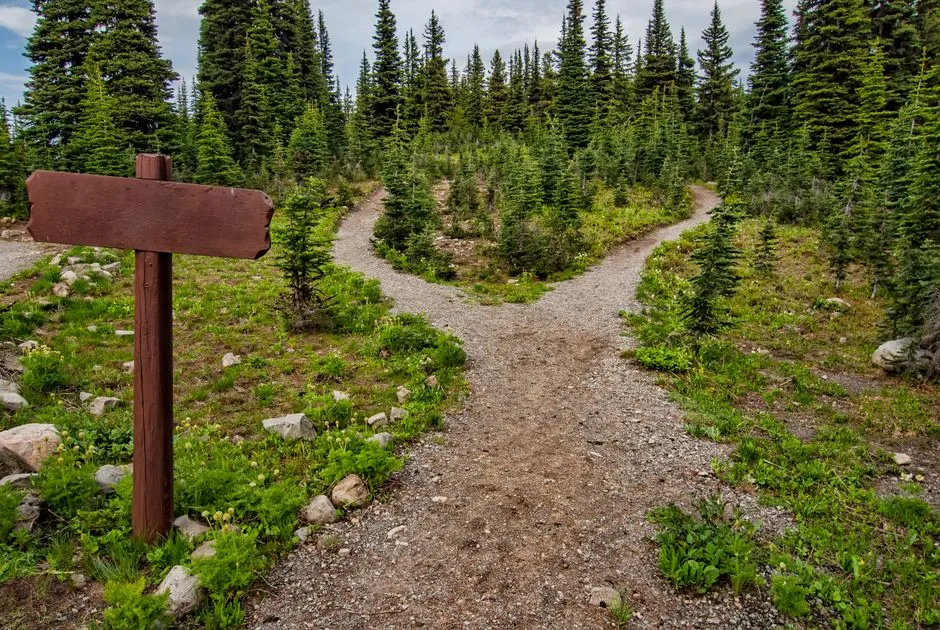
According to Leave No Trace, a nonprofit advocating for outdoor ethics, rock stacking can harm national parks in three critical ways: ecological disruption, habitat destruction, and safety risks for hikers. The Leave No Trace framework isn’t a bureaucratic ruleset. It’s a shared ethic built on the simple idea that wilderness should look the same after you leave as it did when you arrived.
According to park rangers, Leave No Trace ethics states that when recreating in wilderness spaces, the goal is to leave no signs of human impact on the land, so as to respect the other creatures living in it. When you skip the cairn, you’re not giving anything up. You’re simply leaving the landscape intact for every person and creature that comes after you.
The Bigger Picture: What This Tells Us About Responsible Travel

Rock stacking feels personal and harmless. That’s precisely what makes it easy to dismiss the harm. But the science and the testimony from rangers, ecologists, and Indigenous communities all point in the same direction: moving rocks in protected spaces carries consequences that are real, cumulative, and often irreversible at the local scale.
When exploring protected or sacred lands, it’s essential to remember that responsible travel isn’t just about preserving the environment. It’s about honoring the cultural significance of the places you visit. That’s a wider and more meaningful standard than simply following the rules.
The most honest measure of a good hiker isn’t the photos they take. It’s the absence of any trace that they were ever there at all.
AI Disclaimer: This article was created with the assistance of AI tools and reviewed by a human editor.