


The Stiff Arm: The Single Trick That Changes Everything
If you speak to golfers who fly frequently with their clubs, one piece of kit comes up more than any other: the stiff arm. The Club Glove Stiff Arm Club Protector is designed to eliminate club breakage and damage during travel, fitting into any travel bag and providing rigid protection against the bag crushing or folding. It’s a deceptively simple device that solves a deceptively common problem.
Acting as a shock absorber inside your travel bag, it helps prevent damage caused by forceful impacts or drops at airports and during handling. The stiff arm extends vertically through the bag, keeping heavy bags stacked on top from collapsing the whole structure inward onto your shafts.
Most stiff arms feature an adjustable three-piece telescoping design that fits most travel bags, with a cushioned oversized disc to absorb vertical impact, constructed from lightweight and durable aluminum tubing. At roughly thirty to fifty dollars, it may be the most cost-effective piece of golf travel gear available.
Why the Baggage Carousel Is Genuinely Dangerous for Golf Clubs

The risk isn’t imaginary. SITA estimated the cost of mishandling to the airline industry at US$6.3 billion in 2025, or about US$260 for each affected bag. Golf bags, given their awkward shape and length, are particularly exposed to that mishandling.
In 2025 the global figures were 9.12 mishandled bags per 1,000 passengers on international routes against 1.65 on domestic routes. For golfers flying internationally to courses in Scotland, Japan, or South Africa, that’s a meaningful risk that deserves a meaningful response.
Bags can also be damaged during travel, and most damage such as broken wheels and handles is not covered under the airlines’ contract of carriage. Some airlines, however, will still repair such damage as a good faith gesture, or offer a discount voucher for a future flight. The practical takeaway is that protection before departure is far more reliable than compensation after the fact.
Hard Shell vs. Soft Shell: What Actually Works
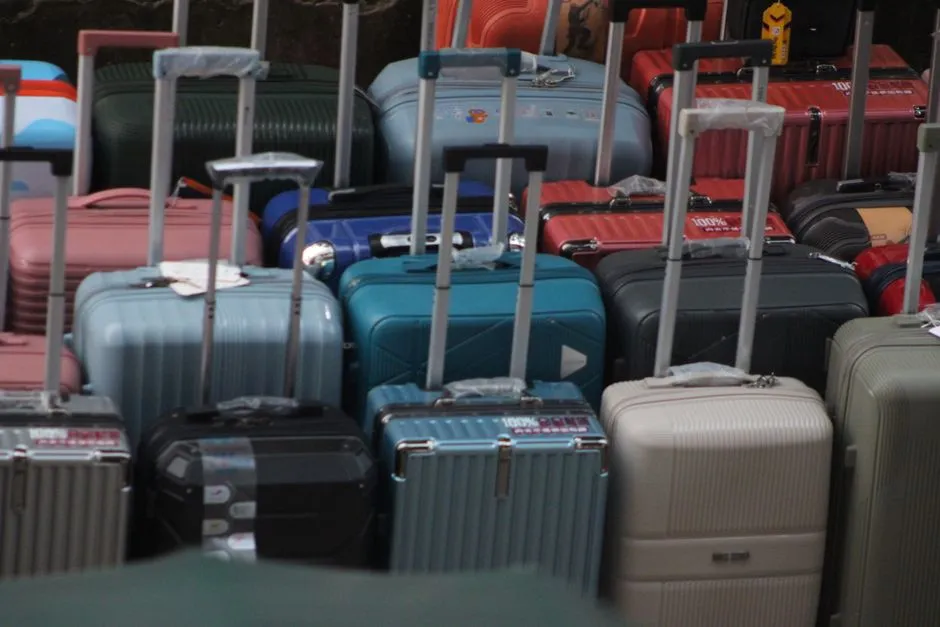
Hard-shell cases prioritize maximum protection through rigid construction. ABS plastic shells prevent crushing and puncture damage that could compromise club integrity. The trade-off involves increased weight and reduced storage flexibility. Still, for golfers with high-value clubs and frequent international schedules, that trade-off is often worth making.
Hard-shell cases offer maximum protection against impact and crushing, with clubs essentially stored in a hard box. Using either approach plus a stiff arm and TSA-compliant locks dramatically reduces damage incidents from the industry-average fifteen percent per flight to under two percent. That’s a remarkable reduction for a relatively small investment in the right gear.
The best way to protect your clubs, according to Southwest Airlines, is to use a hard travel case. When golf clubs are transported in a hard, plastic travel case, the airline does not require the customer to sign a limited release of liability, meaning they will compensate the passenger for reasonable, documented damages incurred. That airline policy detail alone shifts the calculus for many golfers.
The Denier Rating Most Golfers Have Never Heard Of
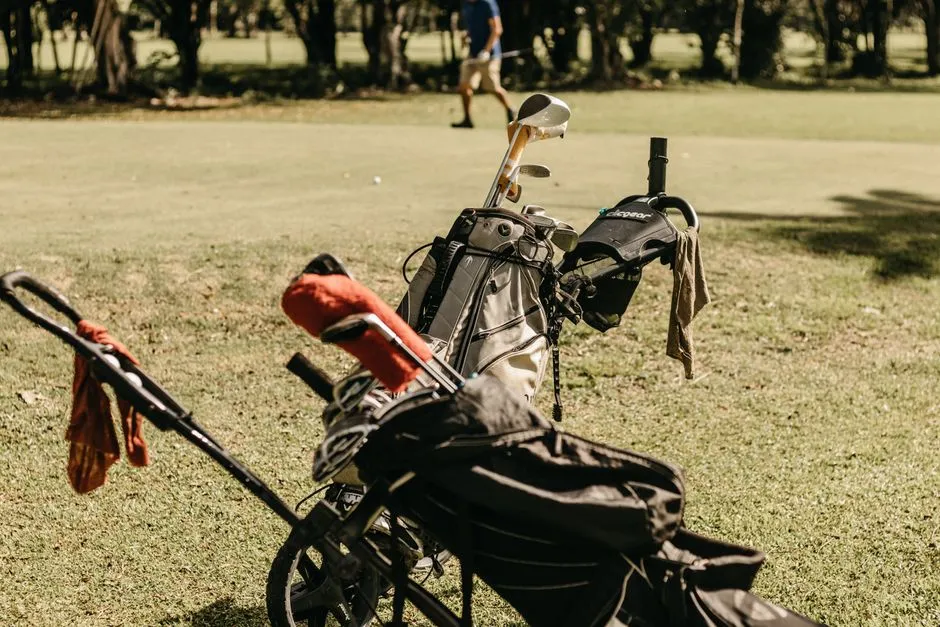
If you go the soft-shell route, material quality matters far more than most golfers realize. When it comes to toughness, look out for denier ratings. Anything over 1,000 puts a bag in the “armour for your clubs” category. Most budget soft bags sit well below that threshold, which explains why they rarely survive more than a season or two of serious travel.
Built from strong, durable nylon with generous padding, the best soft bags offer outstanding protection especially around the clubheads, against heavy-handed baggage handlers and luggage carousel knocks. The clubhead zone is the most vulnerable point in a soft bag, so that’s where padding thickness matters most.
Photographing Your Clubs Before Every Flight

This one habit costs nothing and has saved countless golfers during damage disputes. Take quick photos of your clubs and bag before you check them, as this helps with damage claims. A time-stamped photo showing the condition of your driver before check-in is genuinely powerful evidence if something arrives bent or snapped.
Most travel insurance specifically covers golf clubs at $250 to $500 per club, and golfers should verify the limits match their club values before buying coverage. Some credit cards such as the Amex Platinum and certain Visa Signature cards include lost or damaged luggage protection that covers golf equipment. Knowing what your card covers before you book is a habit worth building.
How to Pack the Inside of Your Bag Like a Veteran
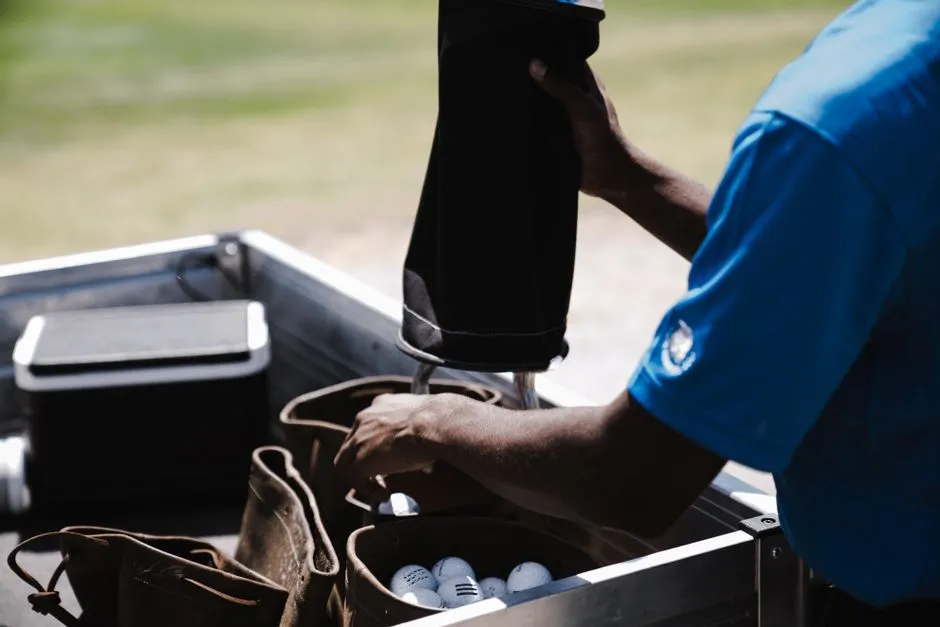
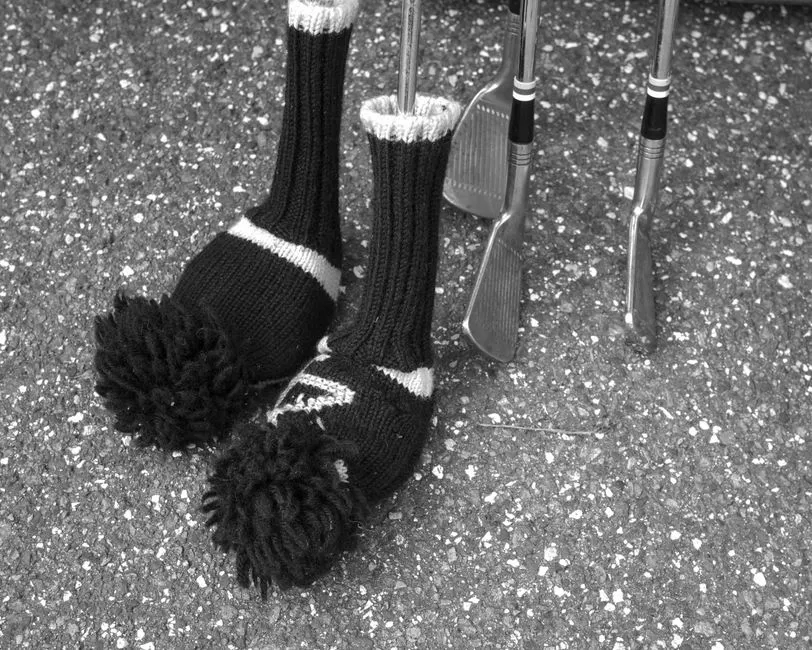
Pack your bag with extra towels in between all of your irons and wedges, since your woods should already have headcovers. You can also put your socks for the trip on your irons and wedges for added protection. It sounds low-tech, but towels and clothing act as remarkably effective impact buffers that cost nothing extra.
The goal is to have everything in your golf bag immobilized as much as possible, to keep it from bouncing and banging around. Your travel case should ideally have strapping inside to securely attach itself to the golf bag. Movement inside the bag is often what causes the most damage, not external impact alone.
Use a luggage scale to check the weight of the entire bag. If you are still within your weight limit, you can pack some additional soft items such as t-shirts or shoes to provide additional padding and protection. Filling empty space inside the bag with soft clothing is one of the smarter dual-purpose packing moves available to the traveling golfer.
The Driver Head Removal Trick

Many golfers don’t know this is even possible, but it’s one of the most effective ways to protect your most expensive club. Focus protection at the top of the bag, where damage usually happens. Remove wood heads when possible, use a stiff arm, and pad around clubheads to prevent bending or impact damage. Modern drivers with adjustable hosels make head removal genuinely simple.
With the head detached and stored in a side pocket of the travel bag, the long shaft becomes far less vulnerable to snapping under compression. The shaft itself can then be cushioned with a towel or soft fabric, making the whole assembly dramatically more resilient. It takes about two minutes and can save you from replacing a driver that might cost several hundred dollars.
Securing the Outside of Your Bag Before Check-In
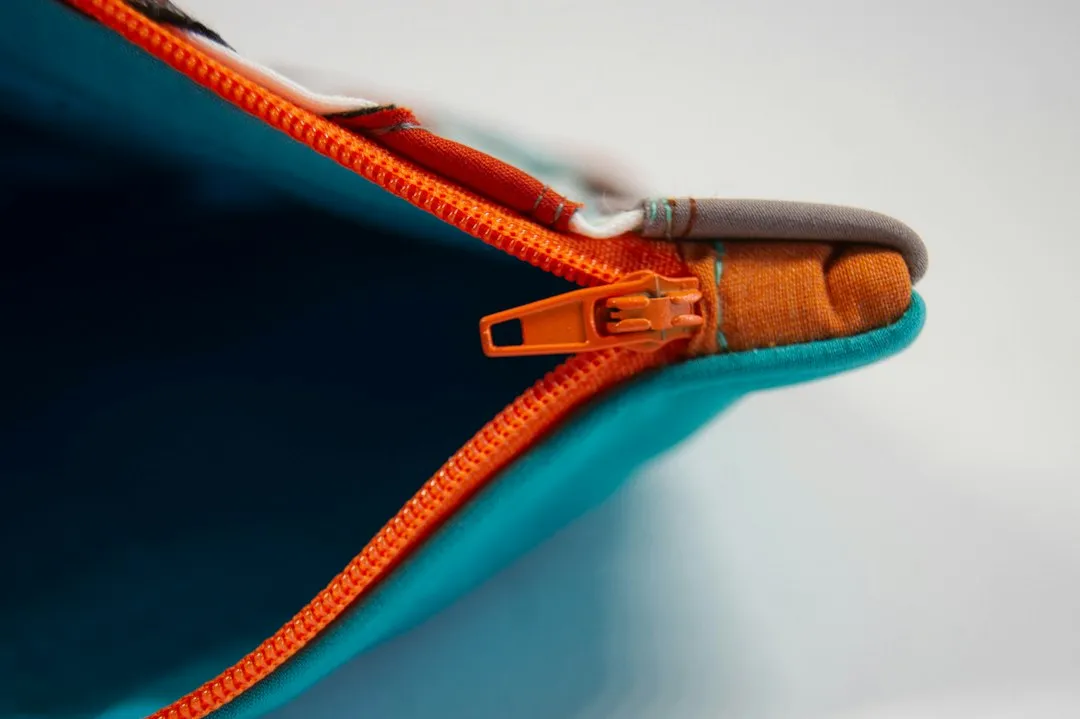
Close all zippers completely, fasten any external compression straps, and attach a visible luggage tag with your name, phone number, and destination address. These three steps sound basic, but a bag with a half-open zipper arriving at the carousel is a bag that may have had its contents shifted or damaged along the way.
Airports are chaotic, and luggage carousels even more so. A ribbon, strap, or bright luggage tag makes your bag stand out instantly, helping you grab it quickly and avoid mix-ups. A golf bag that sits on the carousel an extra five minutes while handlers load it back on and off suffers more wear than one that’s identified and collected immediately.
TSA Inspection and Why You Should Stay Close at Drop-Off
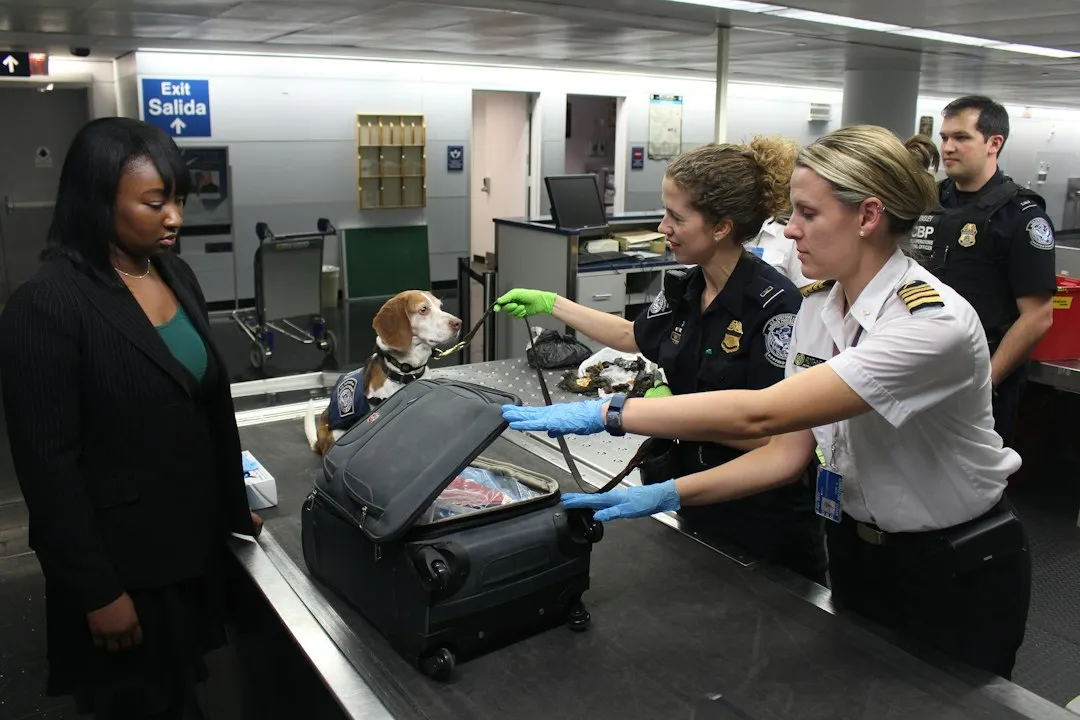
You may be asked to drop off your golf bag at the Oversize Baggage area rather than the standard baggage drop. Your bag will be X-rayed and may be opened up to be inspected. Stay with your bag until it is inspected to make sure it is closed properly and everything is still safely packed. This is a small time investment that many golfers skip and later regret.
You do not want TSA agents to leave your golf clubs vulnerable to damage by not re-packing your bag correctly. It doesn’t happen often, but an improperly re-packed bag after TSA inspection is a known cause of club damage that’s entirely avoidable by simply waiting nearby.
The Insurance Layer That Most Golf Travelers Skip

Travel insurance typically covers golf equipment up to $1,000 to $2,500, and using a stiff arm protector can decrease club damage risk by sixty percent. Most casual golf travelers carry neither. That’s a meaningful gap in protection, especially if your irons alone represent a significant financial investment.
Note your driver’s serial number and photograph it before any trip, as this documentation is required for filing damage claims with most airline insurance policies. Airlines and insurers move quickly to decline claims that lack supporting evidence, so serial numbers and photos are your baseline protection before any other measure kicks in.
Dedicated sports equipment insurance policies are also worth exploring for golfers who travel more than a few times per year. Purchasing additional insurance for your clubs to cover potential loss or damage is a step that many frequent golf travelers take after their first negative experience, though it makes far more sense to arrange it before one ever occurs.
Making It All a Pre-Flight Routine

Pairing any case with a stiff arm and following pre-flight procedures such as removing driver heads, padding with towels, photographing contents, and using TSA locks reduces damage incidents from the industry-average fifteen percent to under two percent. Written out like that, the gap between an unprotected bag and a properly prepared one is almost startling.
The golfers who never seem to have travel horror stories aren’t simply lucky. They’ve turned these steps into a ritual as automatic as their pre-shot routine. The stiff arm goes in first, the photos get taken at home before leaving, the towels fill every gap, and the zippers are confirmed closed twice at the check-in counter.
None of it is complicated. The whole system costs relatively little and takes under twenty minutes to execute properly. What it buys is the quiet confidence of arriving at a beautiful course knowing your clubs made the same journey you did, intact and ready to play.
The Takeaway

Golf travel should feel like an extension of the game itself, purposeful, well-prepared, and ultimately rewarding. The baggage carousel doesn’t have to be a moment of tension if the groundwork has been laid before departure.
A stiff arm, a high-denier travel bag, a few towels, TSA locks, a pre-departure photo, and a clear understanding of your insurance coverage: these aren’t complicated measures. They’re the accumulated wisdom of golfers who’ve learned, sometimes the hard way, that the best protection is the kind you build in before the bag ever leaves your hands.
Every club in that bag has a history with you. The preparation to protect it on the road is simply a continuation of that relationship.
AI Disclaimer: This article was created with the assistance of AI tools and reviewed by a human editor.