
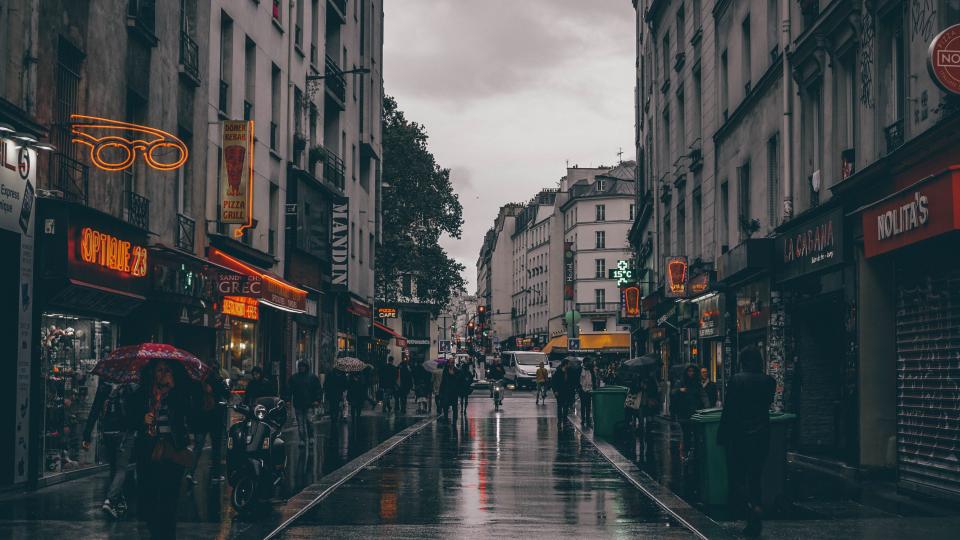

Walk the streets of Seattle or Portland on a drizzly November morning, and you’ll notice something unexpected. Almost nobody is holding an umbrella. Not because the rain stopped, but because locals long ago decided the umbrella simply isn’t worth the trouble.
This isn’t coincidence or stubbornness for its own sake. There’s a real logic behind it, shaped by the particular character of Pacific Northwest rain, the practicality of hands-free movement, and a gear culture that runs deep. Here’s what veterans of rainy cities actually reach for instead.
The Hooded Rain Shell: The True Local Uniform
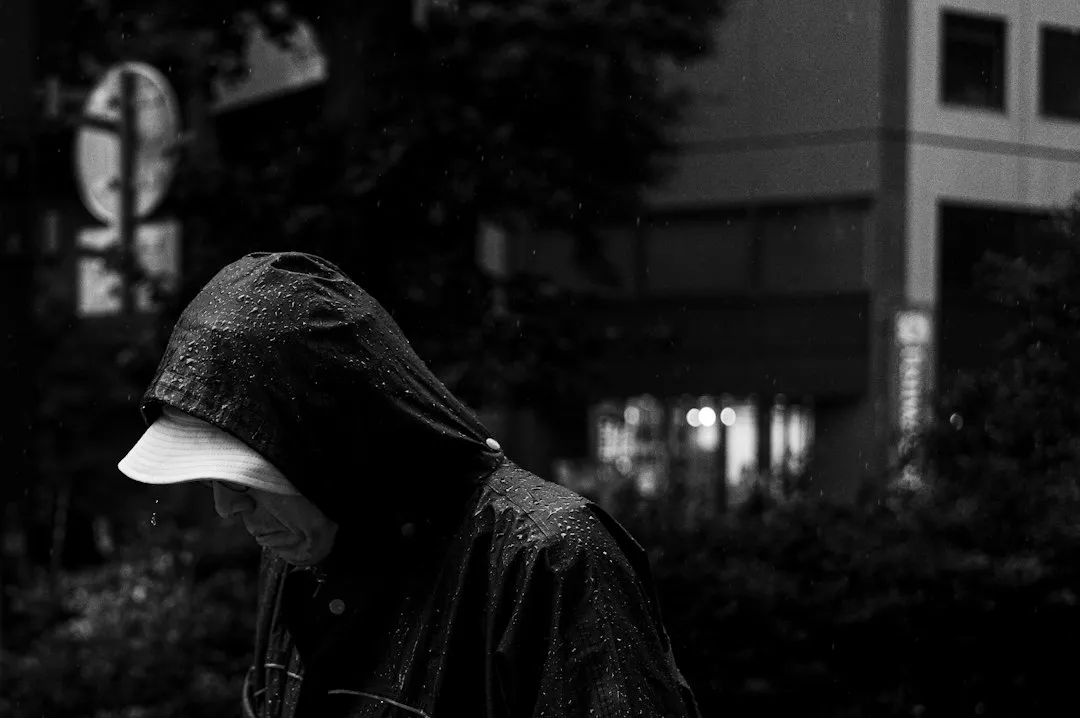
If there’s one item that defines how people in chronically wet cities actually dress, it’s the hooded waterproof shell jacket. According to an Axios Seattle survey of 287 readers, while the vast majority said they own an umbrella, only about one in seventeen reported using one exclusively in wet weather. Instead, roughly three in five opt for a rain jacket alone.
The local uniform isn’t a heavy winter parka. It’s a waterproof, breathable jacket layered over a sweater or fleece. The hood does the work an umbrella would, without tying up your hands or fighting the wind.
Seattleites are fond of dressing for the elements. Outdoor wear is viewed as both appropriate and practical fashion. Fleeces, flannels, beanies, and boots keep locals warm during dank winters, while hooded Gore-Tex raincoats act as a kind of armor once the drizzle starts coming down.
Waterproof Pants That Pull On Over Anything
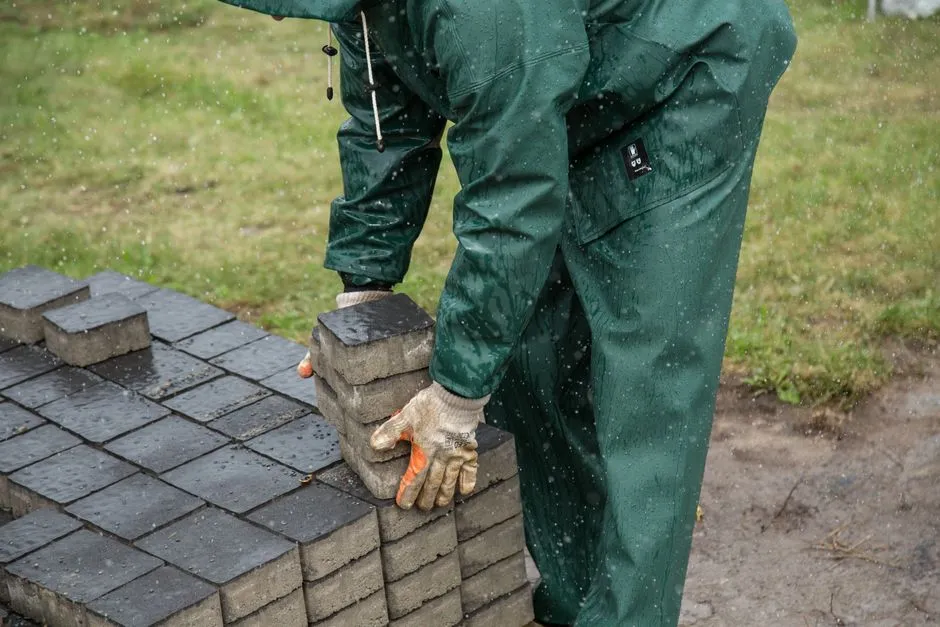
A great rain jacket only solves half the problem. Waterproof pants, like the Helly Hansen Moss style, are easy to pull on over an existing outfit when heading out into the storm. Even with a good raincoat, legs will likely still get soaked without waterproof gear from head to toe.
Locals in cities like Portland and Vancouver treat waterproof pants as a practical layer, not a hiking accessory. They’re pulled on over work clothes, cycling gear, or whatever the day calls for. It’s a small habit that keeps the rest of the commute comfortable.
A Beanie or Waterproof Hat for Head Coverage

As one Portland respondent in the Axios survey noted, any beanie, hoodie, or weather-resistant jacket, even wool, can adequately handle a little water. A wool or fleece beanie worn under a jacket hood adds real warmth and absorbs light mist without soaking through quickly.
When it comes to hats for rainy days, it’s recommended to go for a comfortable and waterproof hat that keeps your face, head, and possibly your neck dry as well, depending on your needs. Some locals opt for a waterproof bucket hat, which keeps rain off the face more effectively than a hood alone. It’s a small upgrade that makes a surprisingly big difference on sideways-rain days.
Waterproof Footwear: The Non-Negotiable Item
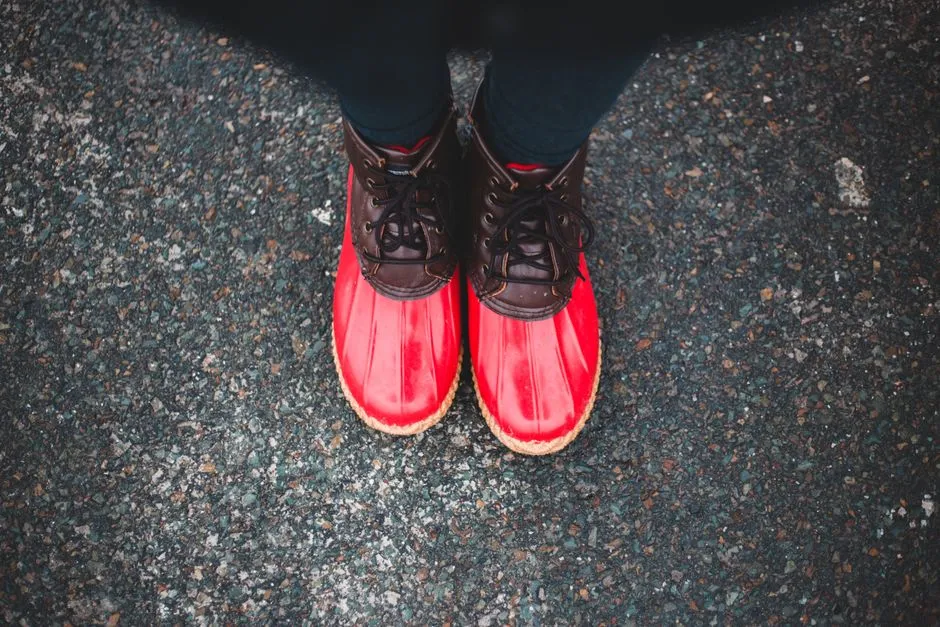
Waterproof shoes are non-negotiable in the Pacific Northwest, unless you want to feel like you’re slopping through a swamp all day. Soaked shoes don’t just feel miserable, they stay wet for hours, making everything else harder to bear. Locals in rainy cities have learned to invest in footwear that holds out properly.
Waterproof walking shoes are considered a must for navigating wet city streets. Whether it’s a pair of Gore-Tex trail runners or simple rubber-soled waterproof boots, the point is function over appearance. Keeping feet dry is where most rainy-city locals draw their firmest line.
A Waterproof Bag or Hip Pack for Your Essentials
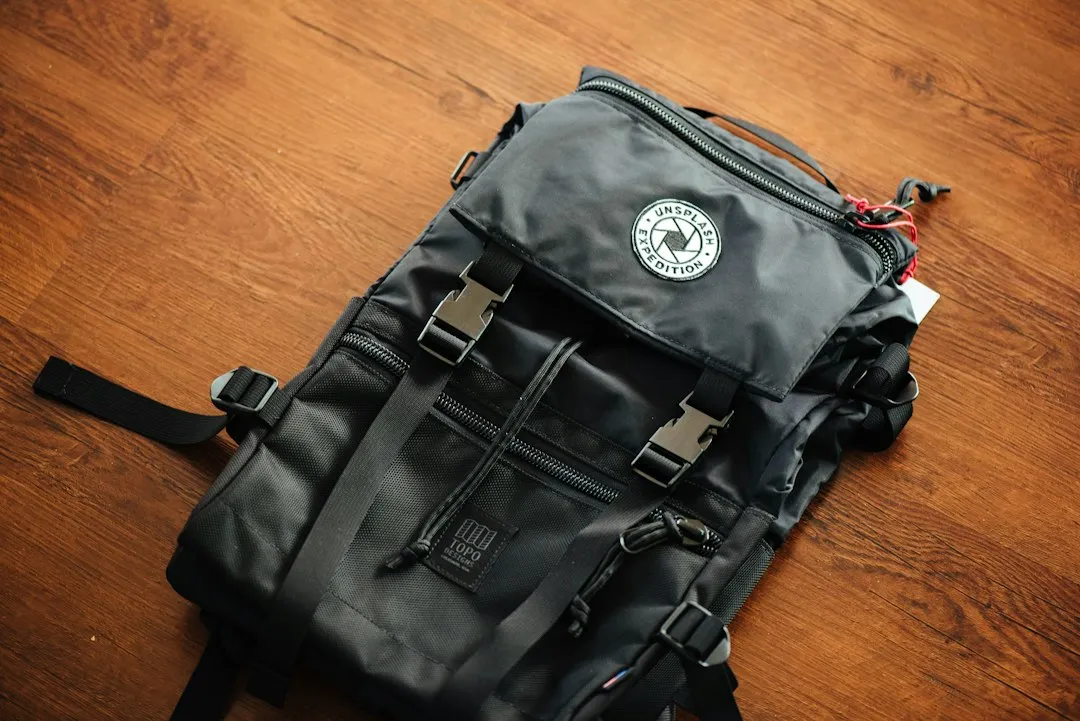
An often overlooked piece of the puzzle is the bag you’re carrying. Your waterproof outfit can only do so much without a waterproof bag to hold your things. Locals make sure to pack their phone, wallet, keys, and other small essentials in a waterproof or water-resistant pack like a waterproof hip pack or crossbody bag.
For a longer outdoor adventure, something bigger like a backpack with a packable rain shell makes more sense. For running errands in the rain, a waterproof fanny pack or crossbody bag is often the preferred option. It keeps your hands free, your essentials dry, and the whole system streamlined.
A Backpack Rain Cover for Commuters
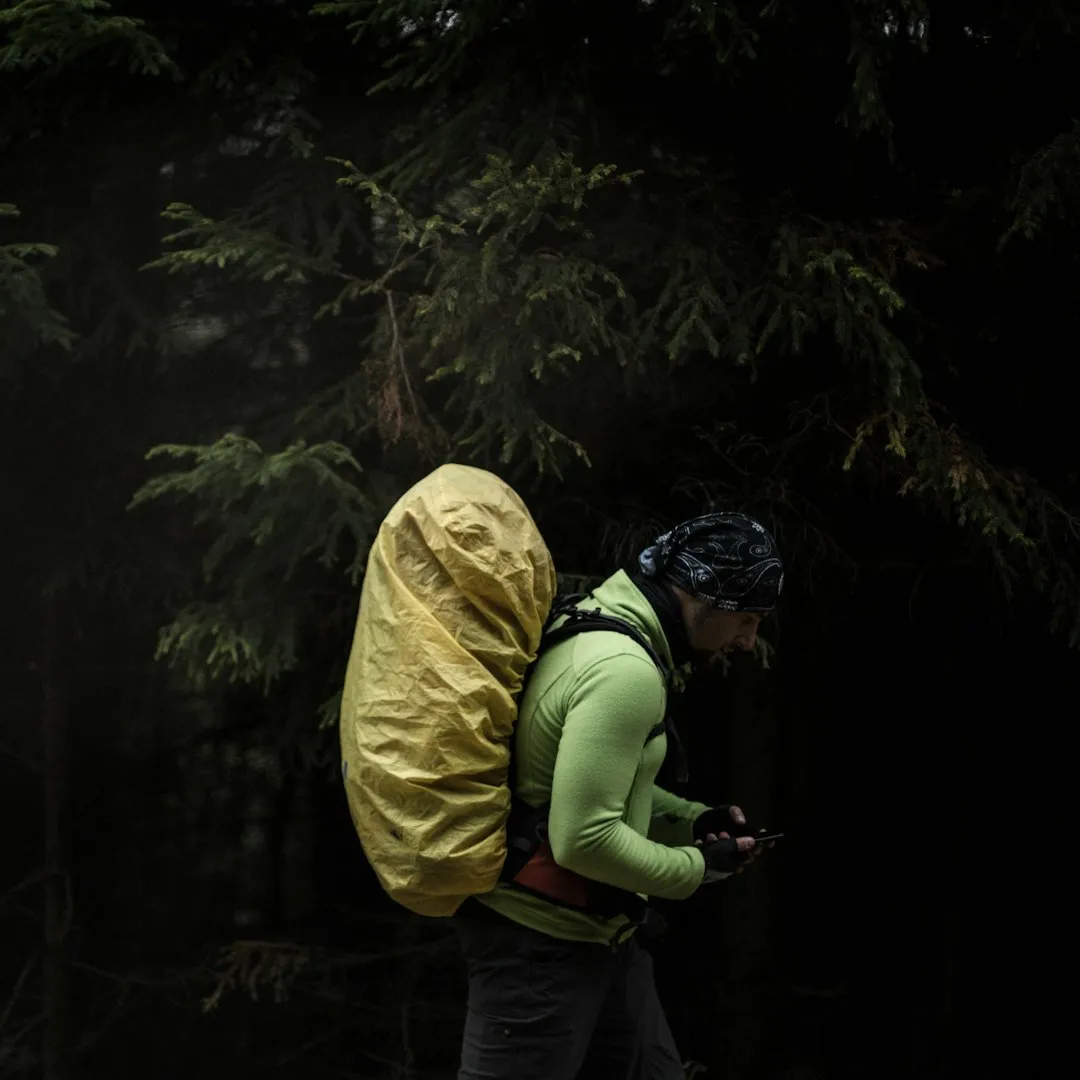
Many Northwest city dwellers carry their gear around in backpacks. It’s like one big college campus. The problem is that most everyday backpacks aren’t built to be fully waterproof, which means contents can get damp even when the exterior looks fine.
Getting stuck in the pouring rain with a bag full of precious contents is frustrating, but backpack rain covers offer a simple solution. They’re designed with strong waterproof materials and can do a good job of keeping a bag dry without spending much money at all. They compress into almost nothing when not in use, which makes them easy to keep tucked in an outer pocket year-round.
A Poncho: The Hands-Free Option for Heavy Rain Days
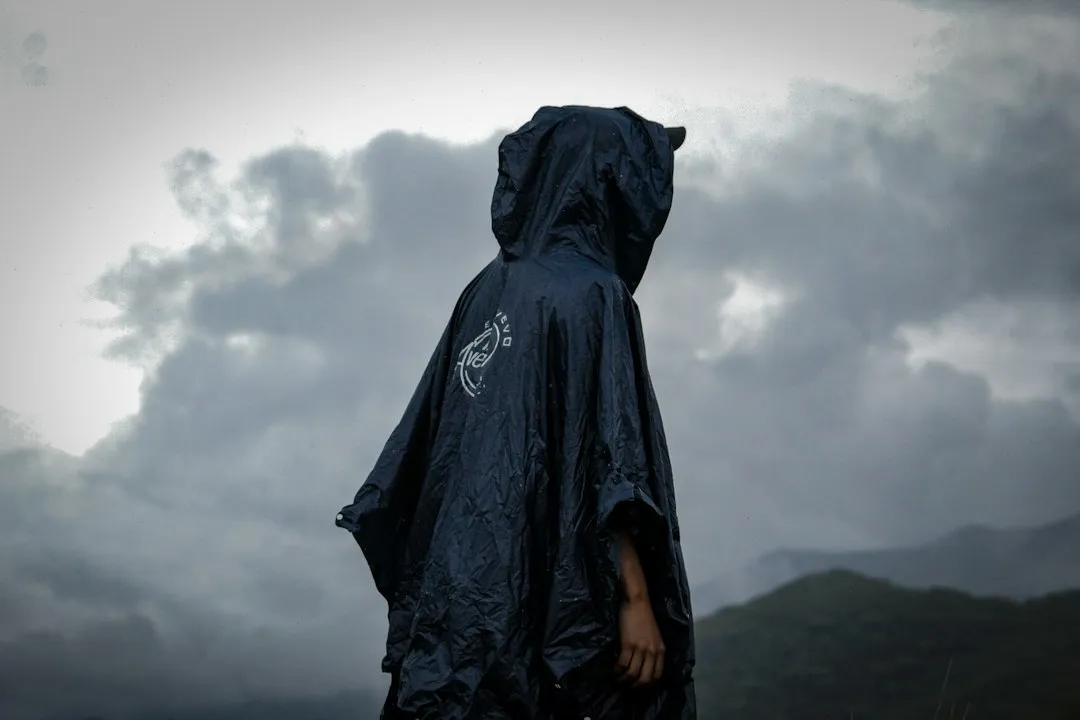
When the rain gets serious, some locals reach for a packable poncho rather than wrestling with a jacket. A rain poncho will cover yourself and your gear, and if, after the rain stops, you need to sit down for a while on the ground while waiting for a bus or train, you have a waterproof blanket to sit on. That versatility is hard to beat.
In metro crowds, a hooded jacket or a small hands-free poncho helps you stay dry without blocking space around other pedestrians. This matters more than it sounds. Anyone who has navigated a packed bus shelter under a full-size umbrella understands the social awkwardness immediately.
Packable Layers That Respond to Fast-Changing Weather
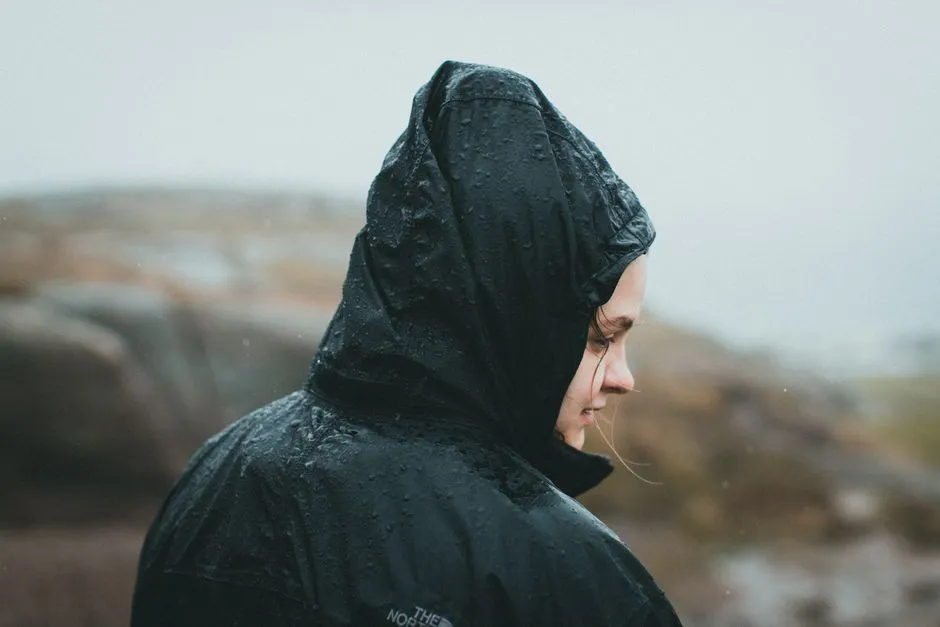
Rainy cities aren’t just wet; they’re unpredictable. From October to June in the Pacific Northwest, residents are constantly prepared to get soaked, even if the day starts out sunny and warm. This is why packable layers, items that compress into a pocket or small pouch, are so popular among longtime locals.
Many lightweight waterproof jackets fold into themselves in an inside pocket, with some even having a clip-on snap so they can be hooked onto a bag. You barely notice them until you need them. That’s precisely the point: the best rain gear in a drizzle-prone city is the gear you actually carry every day without thinking about it.
Moisture-Wicking Base Layers That Keep You Comfortable Inside and Out
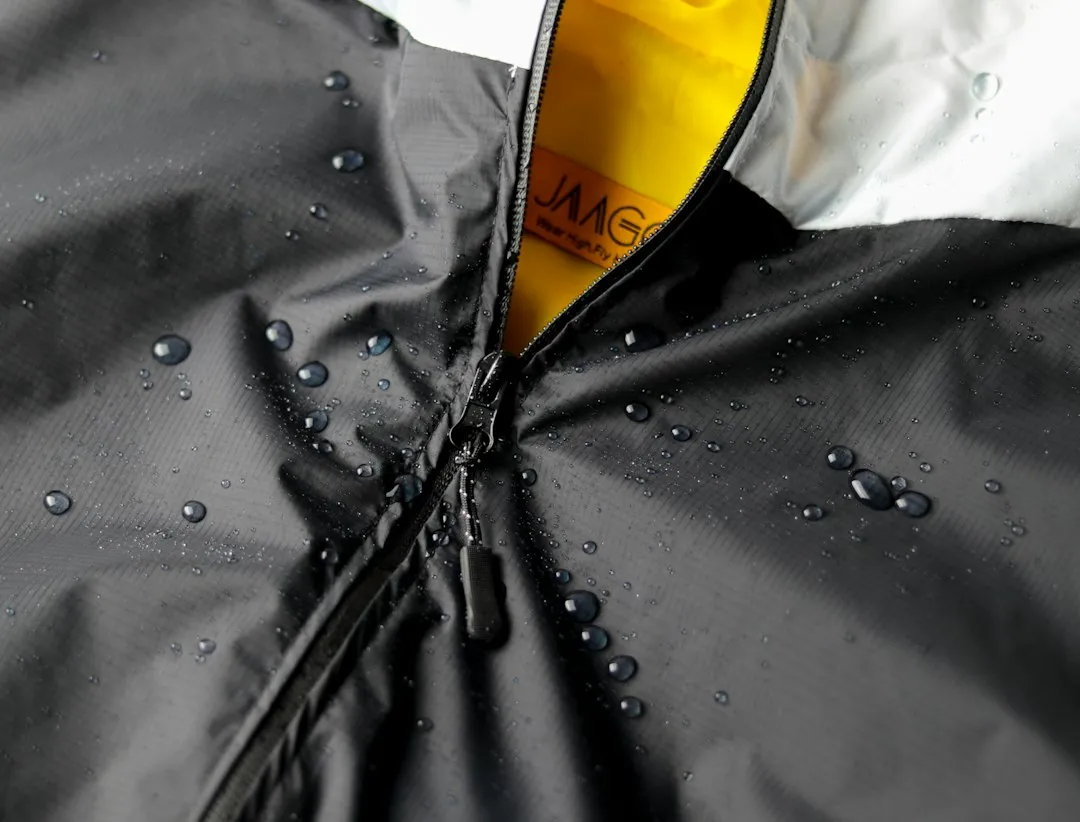
Staying dry on the outside is only part of the equation. When you’re moving through a city in waterproof gear, your body generates heat and moisture from within. A good moisture-wicking base layer pulls sweat away from the skin, keeping you comfortable whether you’re warm or cool.
A hood is great for blocking wind and rain, but adding a micro fleece hat worn under the hood takes care of sensitive ears on damp, chilly days. A pair of micro fiber glove liners fit easily into a jacket pocket and are genuine lifesavers when conditions get cold and wet. It’s this kind of layering system, built from experience rather than fashion, that keeps rainy-city locals genuinely comfortable throughout the season.
The Right Mindset: Embracing a System Instead of a Single Tool
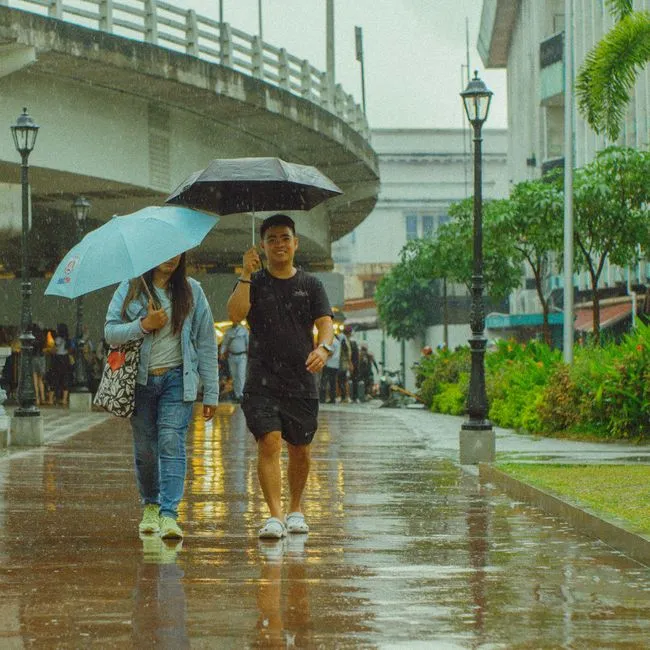
What’s most striking about how locals in rainy cities approach wet weather isn’t any single item. It’s the shift in thinking. Many residents say the region’s typical drizzle combined with gusty winds means proper rain gear, from jackets to hats, pants, and shoes, gives better overall protection than an umbrella ever could.
Many longtime residents say that their type of rain, somewhere between drizzle and intermittent showers, makes a hooded raincoat a better option, particularly when it’s windy. The umbrella assumes rain falls straight down. In cities where the wind routinely sends it sideways, that assumption fails almost immediately.
Nearly two-thirds of Northwest residents say they enjoy the stereotypical grey Northwest climate and nearly three in four say they aren’t too bothered by the rain itself. While many other regions may reach for an umbrella when it starts to rain, roughly three in five Northwest residents say they rarely or never use one when the skies open. That’s not denial of the weather. It’s a fully considered response to it.
A Quiet Wisdom Worth Borrowing
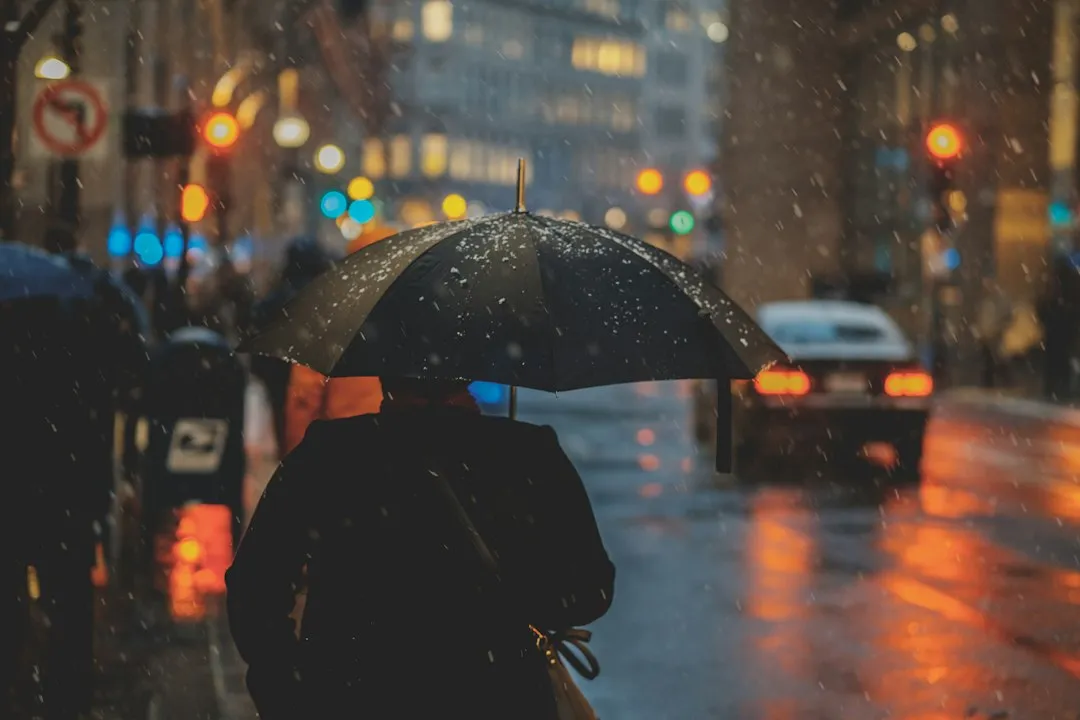
There’s something genuinely instructive about the way people in chronically rainy cities approach wet weather. They’ve moved past the idea of resisting rain with a single tool and landed on something more durable: a system of layers, waterproof materials, and hands-free freedom that makes daily life under grey skies feel genuinely manageable.
The umbrella isn’t wrong, exactly. It’s just incomplete. For occasional city visitors or formal occasions, it still earns its place. For the everyday reality of living and moving through a wet city over months and seasons, the locals’ approach, built piece by piece from experience, holds up far better in a real downpour.
AI Disclaimer: This article was created with the assistance of AI tools and reviewed by a human editor.