
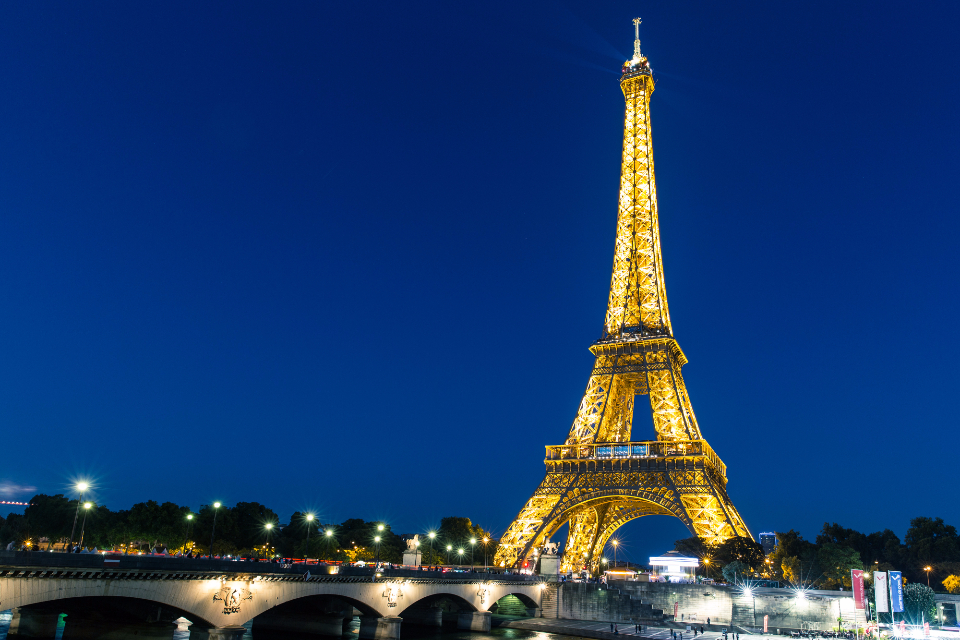

The Tower Itself Is Free to Photograph
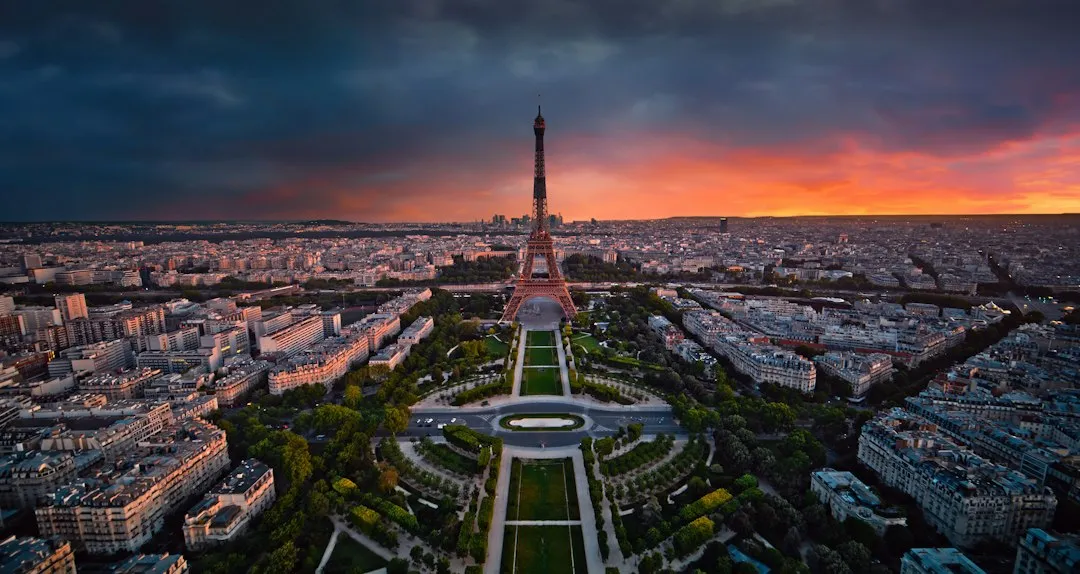
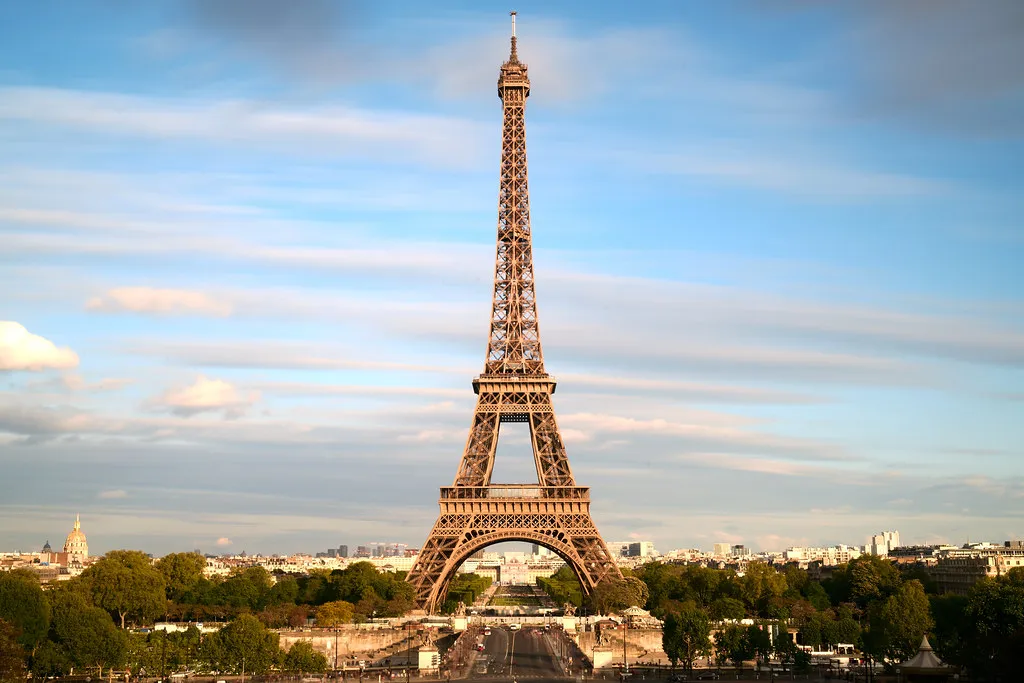
The Eiffel Tower was completed in 1887, so it no longer has copyright protection, and anyone is free to take photos or create an image of the iconic structure. That’s an important starting point. Gustave Eiffel, the engineer behind the tower, passed away in 1923, so in 1993 the structure itself entered the public domain.
There are thus no major copyright concerns when it comes to daytime Eiffel Tower photography. Shoot all day, from any angle, sell prints, publish them in a travel book. The iron lattice is yours to capture freely. The complication arrives precisely at sunset.
The Lights Are a Different Story
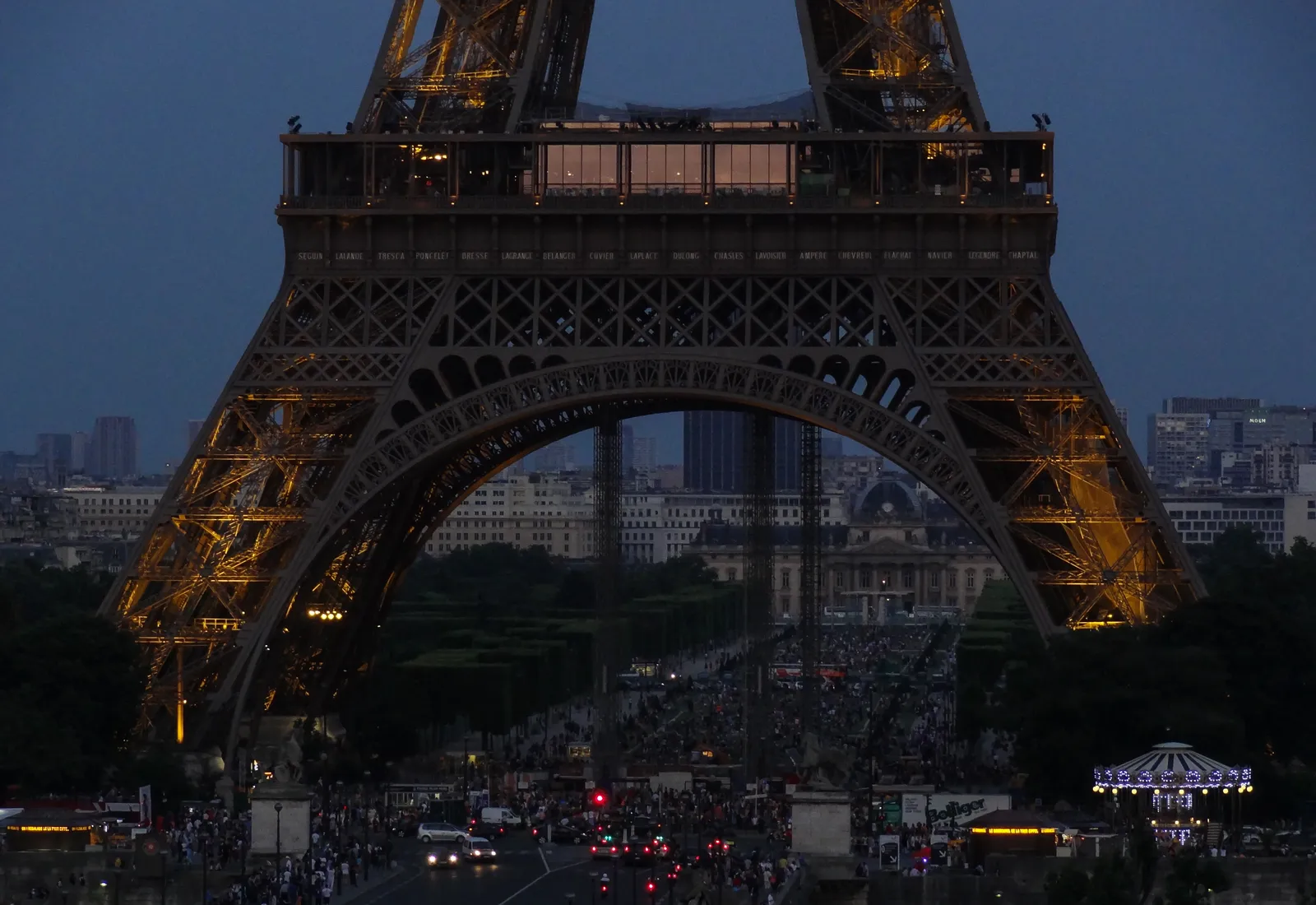
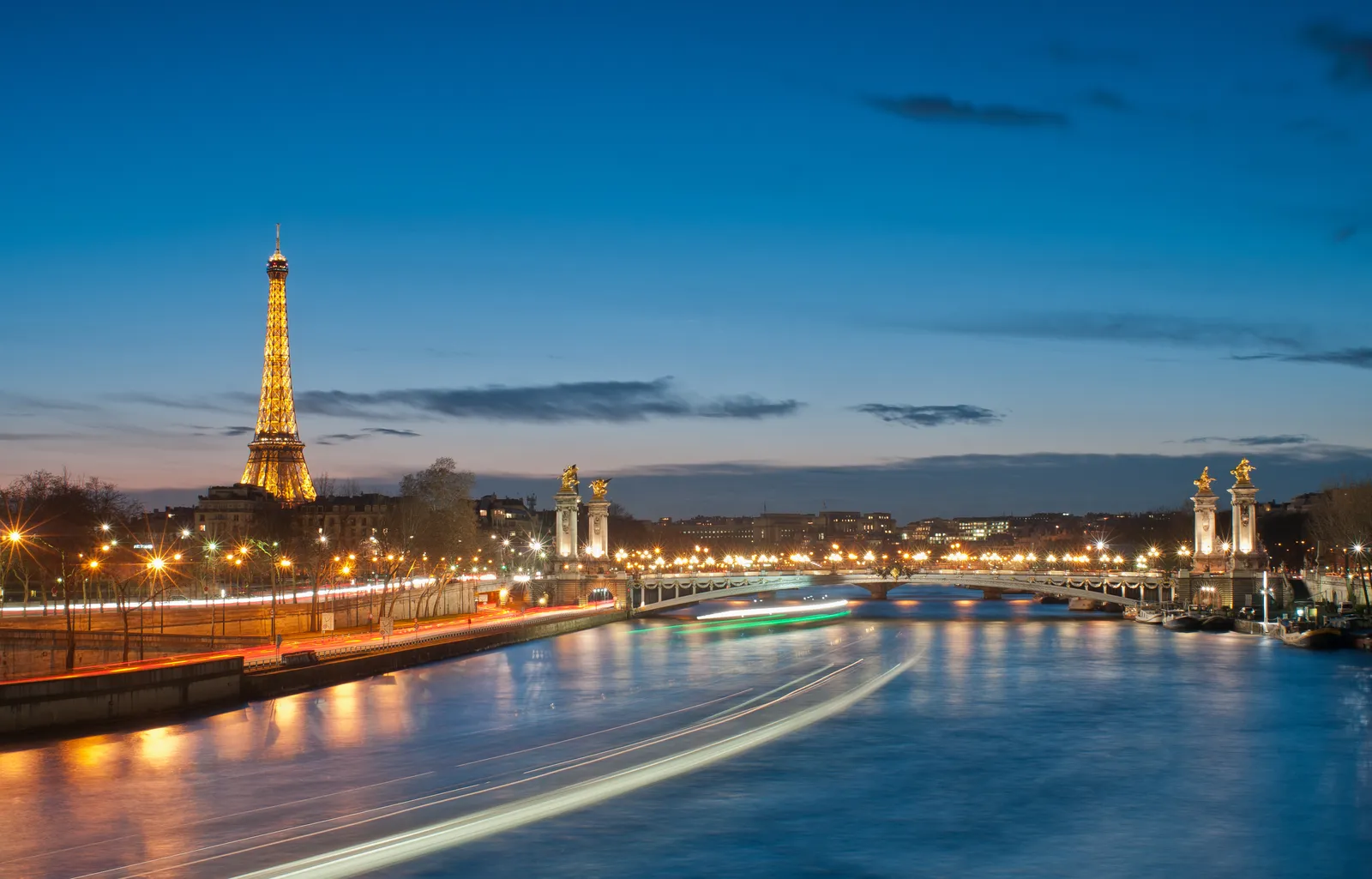
At night, the tower lights up, and that lighting is considered a “separate artistic installation” with protections of its own. In 1985, Pierre Bideau debuted his nighttime lighting system, which illuminates the tower after sundown and entertains viewers with an hourly twinkling.
According to the Société d’Exploitation de la Tour Eiffel, which owns and operates the tourist attraction, while the Eiffel Tower itself is not protected by copyright, the light show is protected. This distinction, between the physical tower and the artistic display projected onto it, is the crux of the entire issue. The organization that manages the Eiffel Tower considers the lighting to be an artistic work that is separate from the tower itself.
Who Was Pierre Bideau?
The tower’s evening light display was designed by lighting engineer Pierre Bideau and installed in 1985, and is owned by the artist. Bideau created something that would become one of the most photographed light displays on earth, though for most visitors his name remains unknown.
Under European Union copyright law, the artist or their estate retains rights until 70 years after their death. Bideau died in 2021, so that restriction will last until 2091. A Paris photographer’s blog notes the protection will remain in force until at least 2094, while the Eiffel Tower structure itself is public domain by day. Either way, it’s a long time.
What the Law Actually Covers
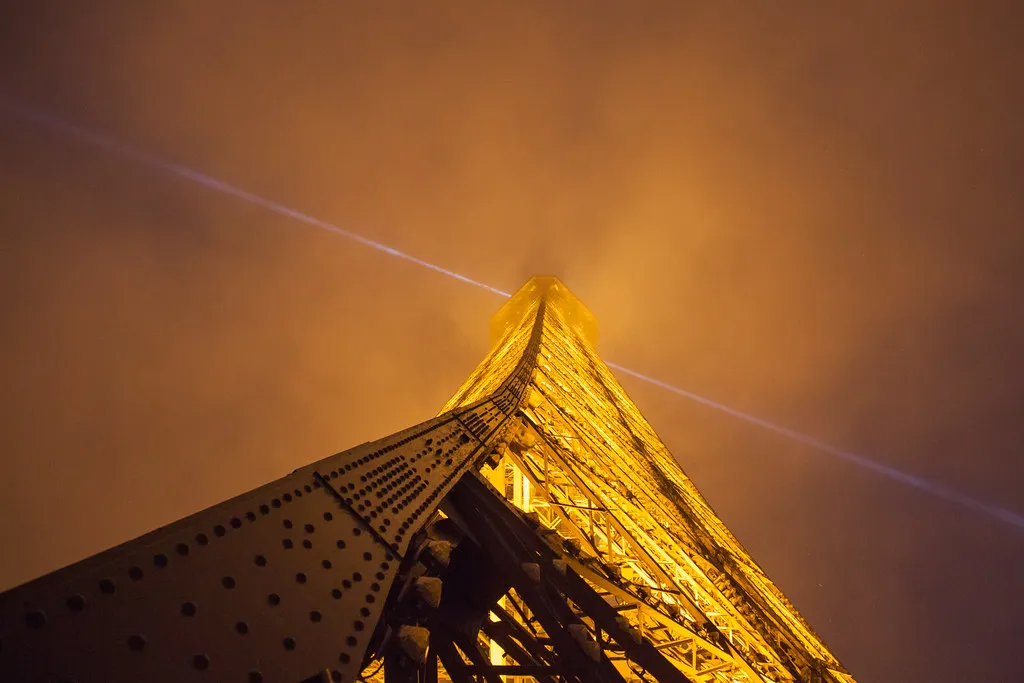
Technically, the copyright holder of the Eiffel Tower’s lighting can prohibit photographing the Eiffel Tower at night, as well as posting them on social media or personal websites, selling them to publishers, or making prints available for sale. That’s a wide net in theory.
Because the lighting is attached to the Eiffel Tower, and since any photographs of the Eiffel Tower taken at night aren’t likely to be terribly interesting without the lights, the practical effect is that nighttime images of the Eiffel Tower are a violation of the artist’s copyright under French law. The tower and the lights are visually inseparable, which is exactly what makes this situation so unusual.
Personal Use vs. Commercial Use
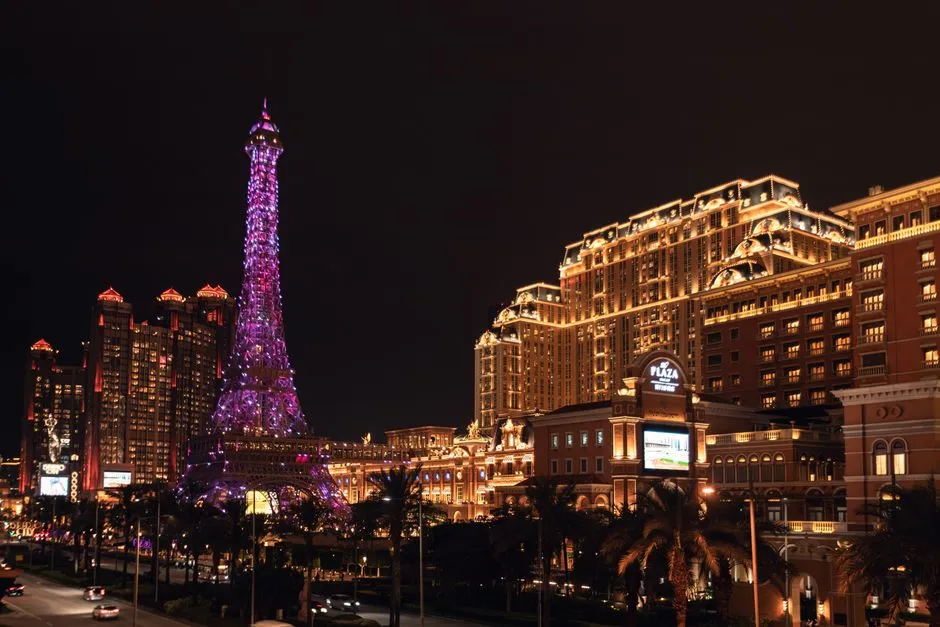
Taking pictures or videos of the Eiffel Tower at night is perfectly legal for personal use. Snapping a romantic shot or posting on your social media accounts privately will not get you into hot water. The restrictions specifically target commercial use scenarios, including books, websites, advertising, or any situation where profits could potentially be generated.
You run afoul of the law when you distribute a photo or video of the Eiffel Tower at night in any way that might benefit you financially, without purchasing the rights from the owner of the copyright. The line between personal and commercial isn’t always obvious, particularly for bloggers or content creators who monetize their platforms in any way.
What SETE Says Officially
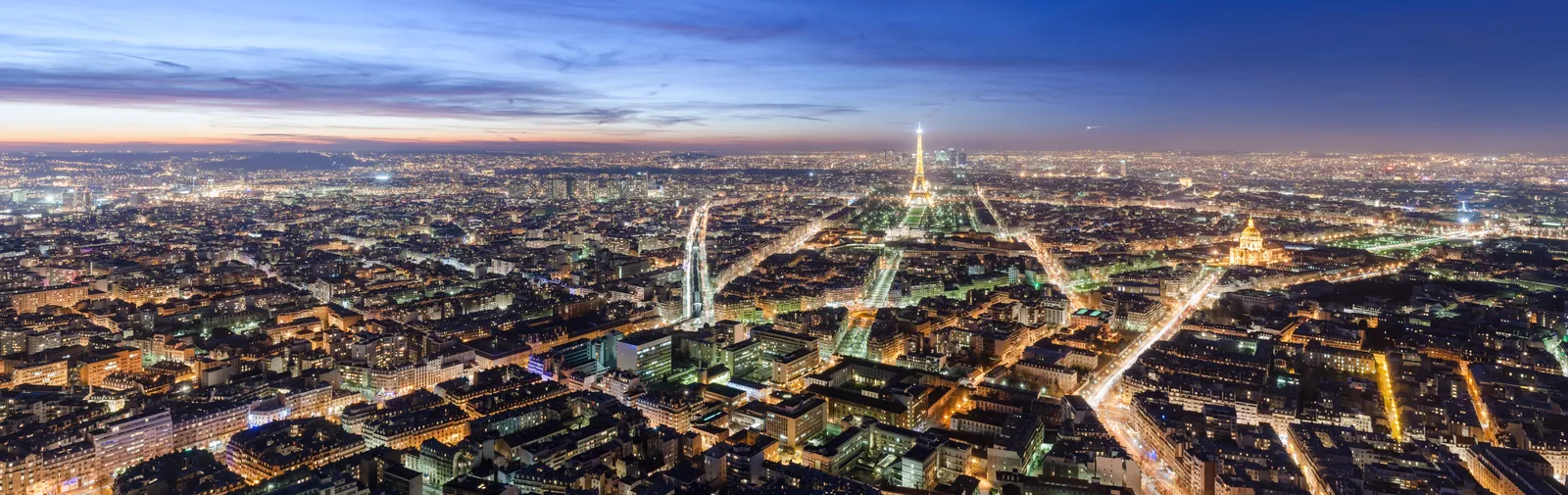
The situation is different for professionals. The Eiffel Tower’s lighting and sparkling lights are protected by copyright, so professional use of images of the Eiffel Tower at night requires prior authorization and may be subject to a fee. Professionals should therefore contact the Eiffel Tower’s management company to learn about conditions for using the images depending on the case.
If you run a blog, website, advertising campaign, or any platform where you’re generating revenue, using nighttime imagery of the Eiffel Tower requires prior permission, fees payment, and appropriate image credit. Otherwise, you risk legal action and fines. The fee amount varies depending on the intended use and the scale of distribution.
France’s Limited Freedom of Panorama
On 7 October 2016, the French parliament approved a law recognizing a limited version of the freedom of panorama that authorizes the reproduction by individuals (not organizations) of buildings and sculptures permanently located in public space, but only for non-commercial utilizations. This was a meaningful step forward, though a narrow one.
Under current EU law, the freedom of panorama exception is merely optional, which means that Member States can decide to introduce it into their national law, as the UK or Germany have done, or not, as France and Italy chose. France’s 2016 adoption of a limited panorama exception helped tourists, but left commercial photographers in the same uncertain position as before.
The Enforcement Gap
Any attempt to keep millions of people from taking photos of the Eiffel Tower would require security to enforce the ban, which would be costly and impractical, if not impossible. After all, only a tiny percentage of people would know that the lighting is copyright protected. The reality on the ground is that enforcement simply doesn’t happen at the individual tourist level.
There is a difference between owning a copyright and actually enforcing it. Millions of night shots flood Instagram and travel blogs every week with no legal consequence. Still, the rights themselves remain legally intact, and SETE retains the authority to pursue commercial infringers if they choose to.
The Gray Zone for Content Creators
Not having a clear definition of what must be considered commercial use will undoubtedly chill the enthusiasm of photographers, who may hesitate to post on their websites, blogs, or on social media the images they have taken. It is not even clear from the wording of the French law if it is only the individual who took the picture who must not benefit commercially for this use, or if anybody, including any platforms, must not benefit from that use. Many websites or blogs, while not commercial, are participating in advertising programs.
This ambiguity is genuinely difficult for anyone building an audience online. A travel photographer with a monetized YouTube channel, for instance, occupies a murkier legal position than a student posting a trip photo in a private album. Commercial use of nighttime Eiffel Tower photos, such as selling prints or using images on monetized blogs, requires formal authorization from SETE and payment of copyright fees.
The Broader Copyright Principle at Work
Creative works, including buildings, sculptures, or street art are, as a matter of principle, subject to copyright protection under EU law. However, Article 5(2)(h) of the 2001 Copyright Directive states that Member States may limit copyright for the use of such works located permanently in public places. The Eiffel Tower’s situation illustrates exactly why that optional clause matters in practice.
The creator of the Eiffel Tower died back in 1923, meaning the restrictions on photographing it expired in 1993. However, the lights installed on the tower in 1985 are considered an independent work of art, and thus, the right to legally take photos of the structure at night is still many decades away. It’s one of the more striking examples of how a relatively modest addition to a structure can carry significant and long-lasting legal weight.
The Takeaway for Travelers and Creatives
For the vast majority of visitors to Paris, nothing about the copyright on the Eiffel Tower’s lights will ever touch their daily life. The legal provisions are generally geared toward commercial usage, like selling photo prints and postcards, publishing images in magazines, and peddling them to stock photo companies. So you probably don’t need to ask SETE for permission to send your family lovely Eiffel Tower light show photos you snapped with your phone.
Professionals, publishers, and commercial content creators, however, genuinely need to pause before using that glittering night shot in a campaign or storefront. The rights are real, the holder is identifiable, and the protection runs well into this century. The Eiffel Tower at night is among the most beautiful sights in the world. It just happens to be one that carries a legal footnote few people read before pressing the shutter.
AI Disclaimer: This article was created with the assistance of AI tools and reviewed by a human editor.