
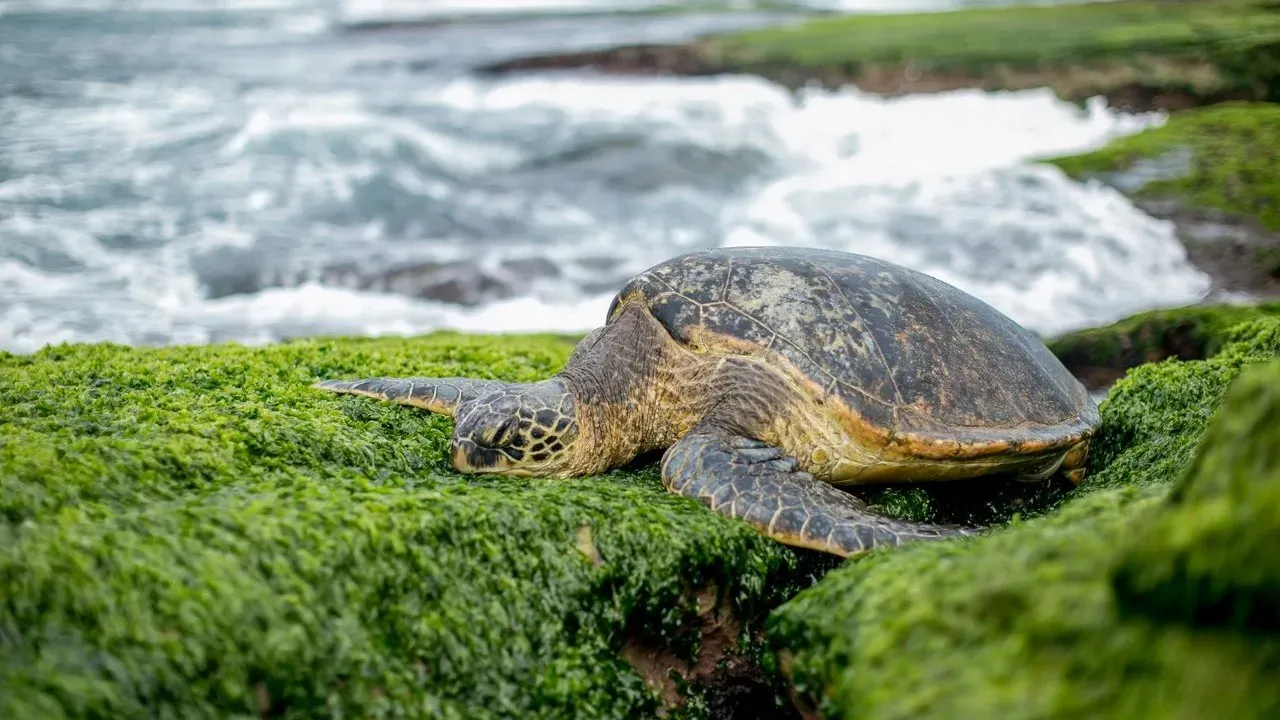

Florida’s Gulf Coast holds a quiet rhythm that draws travelers year after year, its waters supporting both recreation and a rich marine community. On a routine patrol one Sunday, a U.S. Coast Guard crew from Station Cortez spotted a loggerhead sea turtle in distress roughly a mile offshore between Venice Inlet and Big Sarasota Pass. The animal had become entangled in a crab pot line wrapped tightly around its neck. The crew moved carefully to free it before releasing the turtle, estimated to be between 25 and 40 years old, back into the open water.
A Routine Patrol Turns Into a Quiet Act of Care
The encounter unfolded during standard coastline monitoring rather than a dedicated rescue mission. Crew members noticed the turtle’s restricted movement and approached with the measured caution that comes from years of working around protected species. Once they confirmed the line as the source of the problem, they worked methodically to remove it without causing further stress. The entire process remained brief, allowing the turtle to swim away under its own power. Such moments highlight how everyday presence on the water can intersect with wildlife protection. The Gulf’s clear shallows and deeper passes create habitat that supports loggerheads alongside countless other species, and the presence of trained responders adds a layer of reassurance for those who spend time on the water.
Why These Encounters Matter for Coastal Travelers
Loggerhead turtles play a steady role in the marine ecosystem, helping maintain healthy seagrass beds and coral communities that in turn support the fish populations many anglers and divers seek. When gear becomes lost or improperly managed, it can create unintended hazards that affect both wildlife and the long-term vitality of the places visitors return to season after season. The Coast Guard’s action serves as a reminder that the same waters offering memorable paddling, fishing, and wildlife viewing also require ongoing attention to how equipment is handled. Travelers who choose responsibly operated charters or who follow local guidelines contribute directly to keeping these habitats intact.
Practical Steps for Boaters and Anglers
Those who spend time on Florida’s Gulf Coast can take straightforward measures that reduce risk to marine life while preserving the quality of their own experiences.
- Use weighted lines and traps designed to sink fully to the seafloor so they remain visible and retrievable.
- Retrieve all gear at the end of each outing and dispose of damaged equipment through proper channels rather than leaving it behind.
- Report any observed entanglements or abandoned gear to local wildlife authorities or the Coast Guard so trained teams can respond safely.
- Choose tour operators and marinas that follow best practices for marine mammal and turtle protection.
These habits require little extra effort yet help maintain the clear, living waters that make the region distinctive.
Looking Ahead on the Water
The turtle’s release after a simple, careful intervention offers a small but tangible example of how human activity and wildlife can coexist when attention is paid. For visitors planning time along Florida’s west coast, the story reinforces the value of traveling with awareness. Whether casting a line, paddling a kayak, or simply watching the horizon from a charter, the choices made on the water help shape the health of the ecosystem that continues to welcome new generations of travelers.
AI Disclaimer: This article was created with the assistance of AI tools and reviewed by a human editor.