
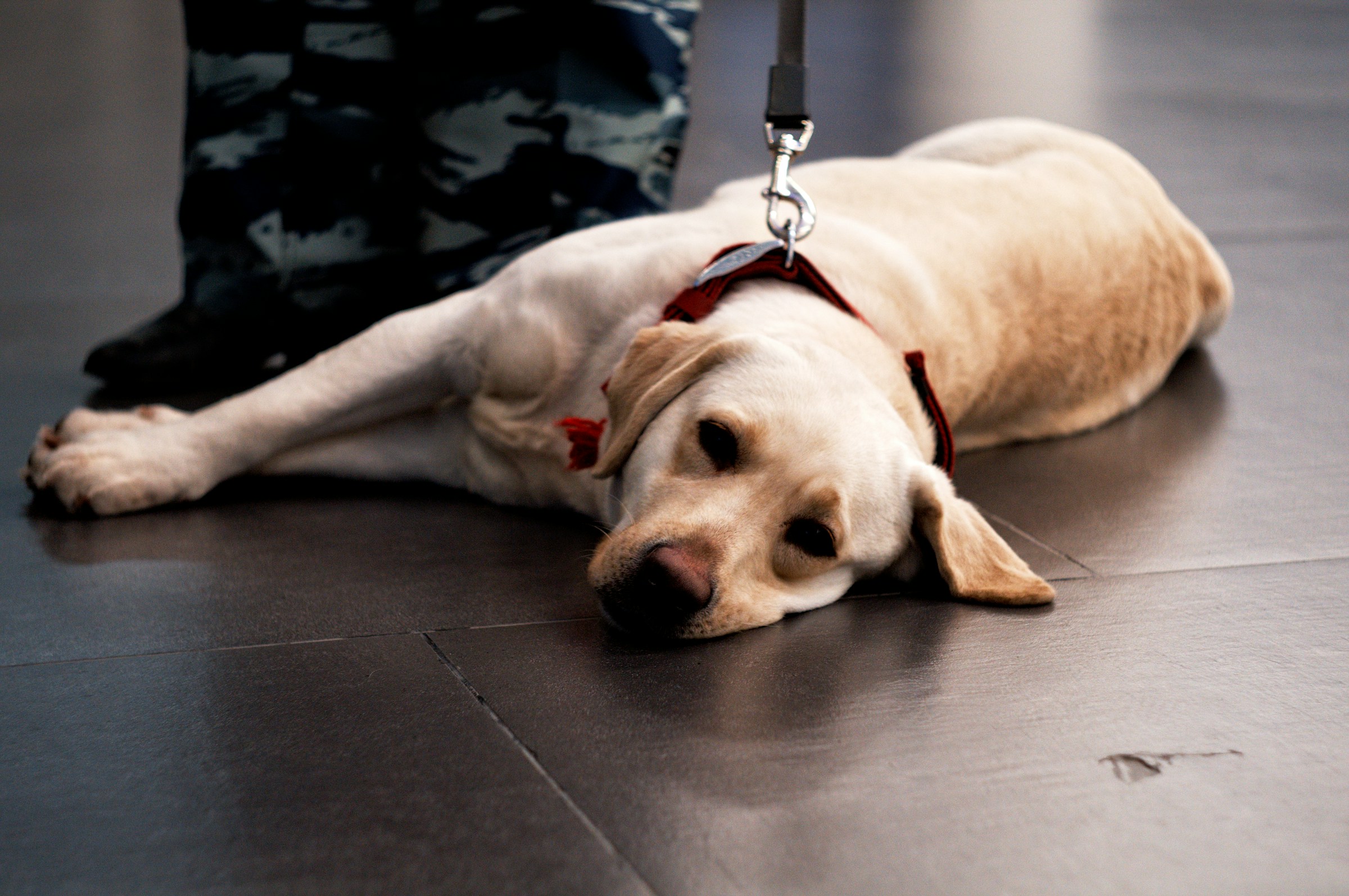

Where It All Began: A Boxer Named Orion
The first airport to introduce therapy animals was San Jose Mineta International Airport, where in the weeks following 9/11, the airport’s volunteer chaplain asked to bring in her trained therapy dog, a boxer and Great Dane mix named Orion, to help calm passengers’ nerves about traveling again after the terror attacks.
The idea was an immediate hit with passengers, and today the airport has more than 50 certified therapy animals in the SJC Happy Tails program. What started as a single volunteer and one dog became the blueprint for a global practice that now spans dozens of countries.
Airport therapy dogs came about in the aftermath of the 9/11 terrorist attacks, and the timing was no accident. Flying had become loaded with fear and uncertainty, and airports needed something no signage or announcement could provide: genuine human warmth, channeled through the uncomplicated goodwill of a dog.
How Far the Movement Has Grown

You can now find therapy animals, primarily dogs, roaming the terminals at approximately 30 airports across the U.S. The numbers, though, keep shifting upward. Research by airport wellness advocate Cristina Alcivar indicated that 87 airports in North America had therapy dog programs before the pandemic hit.
Many airports in Canada have similar programs, and Istanbul’s new airport in Turkey launched a therapy dog program in 2024. In early August 2025, Hyderabad’s Rajiv Gandhi International Airport launched India’s first airport therapy dog program, named Paws and Peace.
Denver International Airport has what is considered the world’s biggest airport therapy animal program, with more than 90 trained animals involved with its Canine Airport Therapy Squad, and a goal of eventually having a team of 200. The scale is hard to picture until you’re standing in a terminal and one of them simply walks up to you and sits down.
The Moment After Security: When Stress Peaks
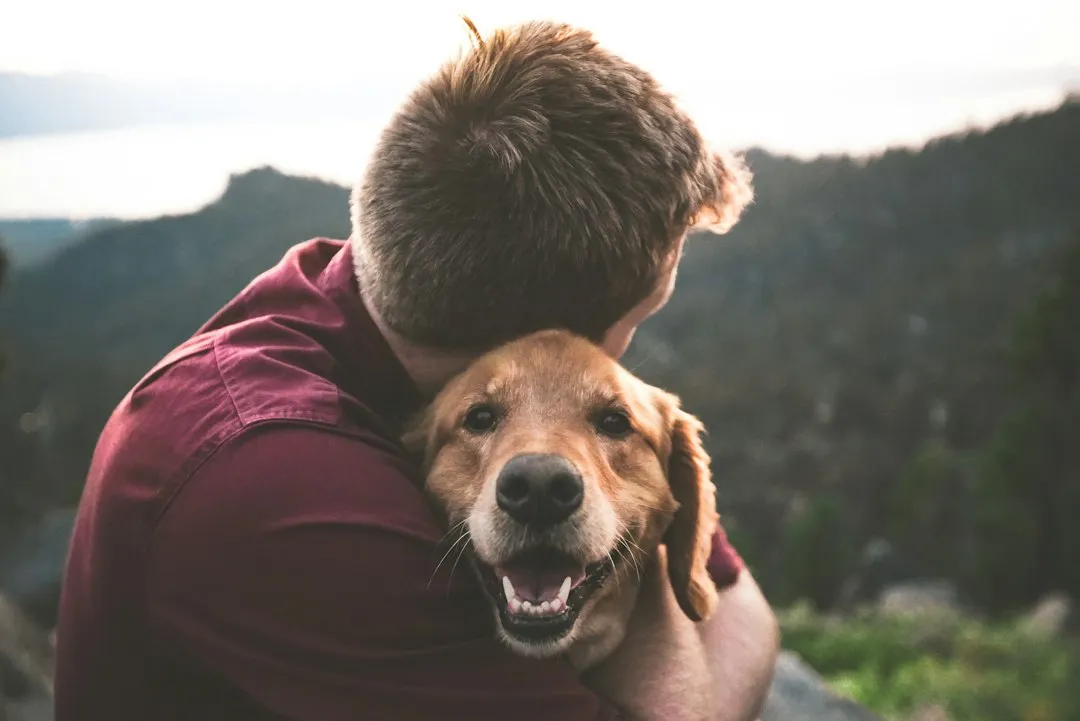
One of the dog handlers at Miami International Airport explained that their role is to wander the airport on the hunt for people who seem stressed out after making it through the TSA checkpoint or getting lost in the terminal’s unfamiliar terrain.
Handlers across multiple programs consistently identify the post-security zone as one of the most emotionally charged places in any airport. Pretty much every traveler can relate to needing a little animal bonding after surviving a brutally long wait at airport security. The combination of physical discomfort, time pressure, and the abrupt transition from the outside world creates a kind of compressed stress that can arrive fast and linger.
A handler’s dog, Brody, will just sense when someone could use a bit of his attention and comfort, according to reports from the Miami Hound Machine program. That instinctive gravitating toward need, rather than waiting to be approached, is something handlers describe again and again across different airports and different dogs.
The Weight of the Gate: Grief, Fear, and Long Goodbyes
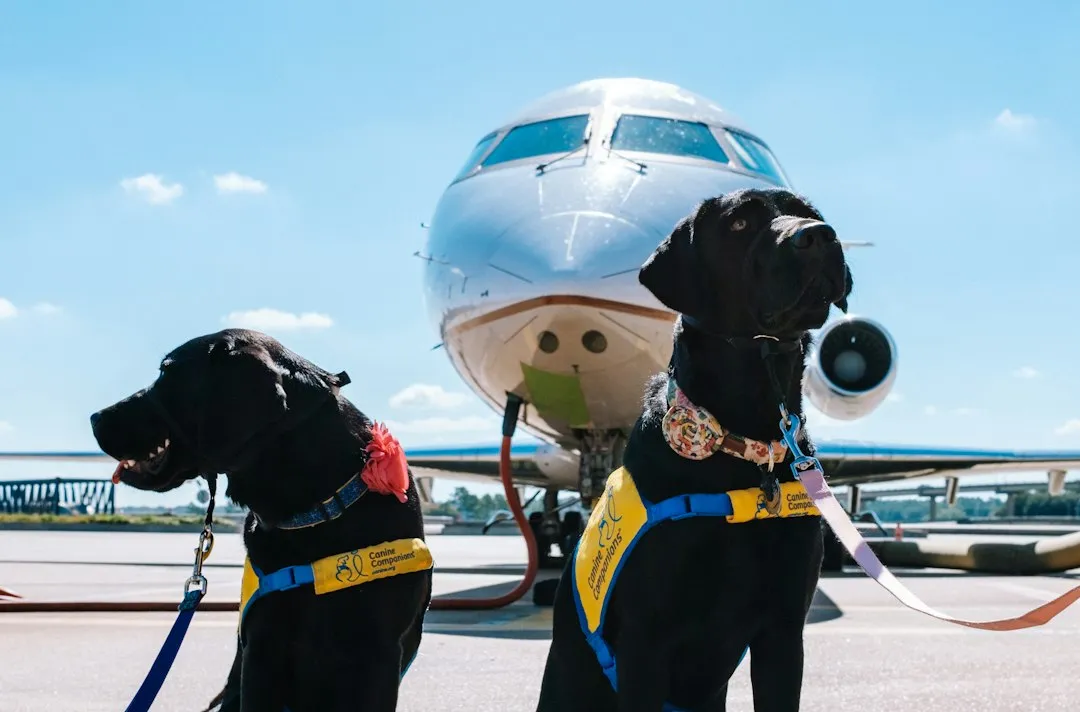
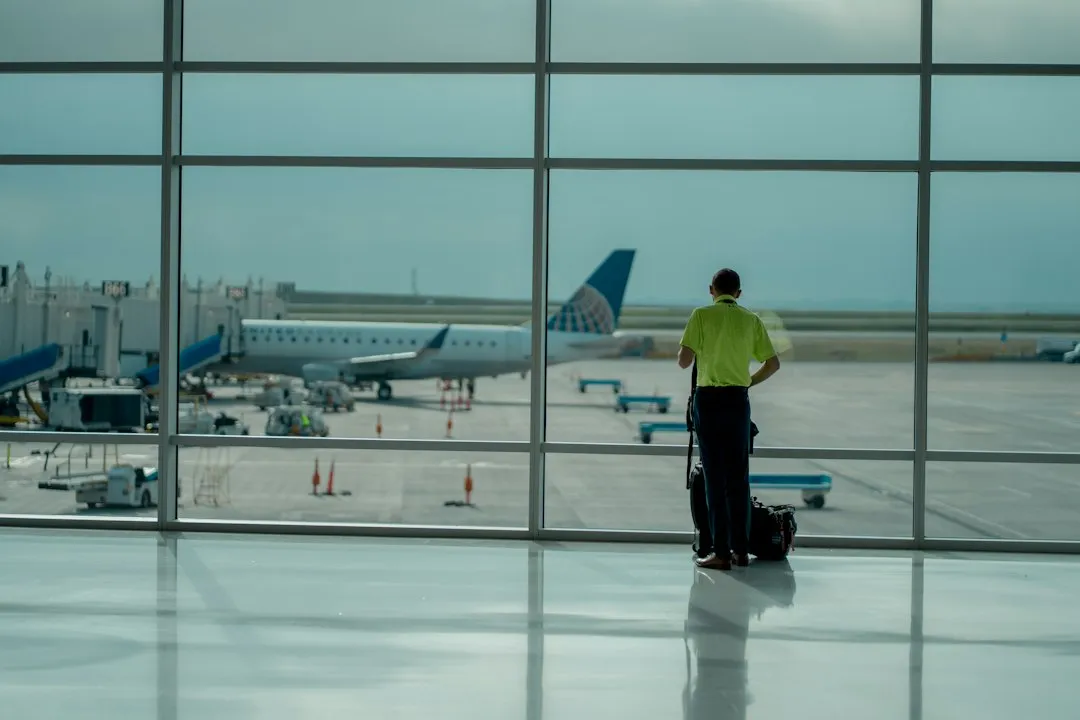
Gates are where the full emotional range of travel tends to land. People are saying goodbye to family, processing diagnoses they’ve just received, or sitting alone for the first time in years. Therapy dogs are there for nervous flyers, families with kids, people dealing with delays, and people carrying grief through an airport.
At Albany International Airport, volunteer handler Terry Brown notes that the dogs “change the mood almost immediately.” People smile, stop what they’re doing, and sometimes tell him about a dog they lost years ago. “Sometimes they just need a moment to breathe,” he said.
Sometimes the canine crews are just what travelers need because you never know what brings people to the airport. That quiet truth is something handlers carry with them on every shift. A person petting a dog for thirty seconds might be doing the hardest thing they’ve done all year.
Military Families and the USO Corridor
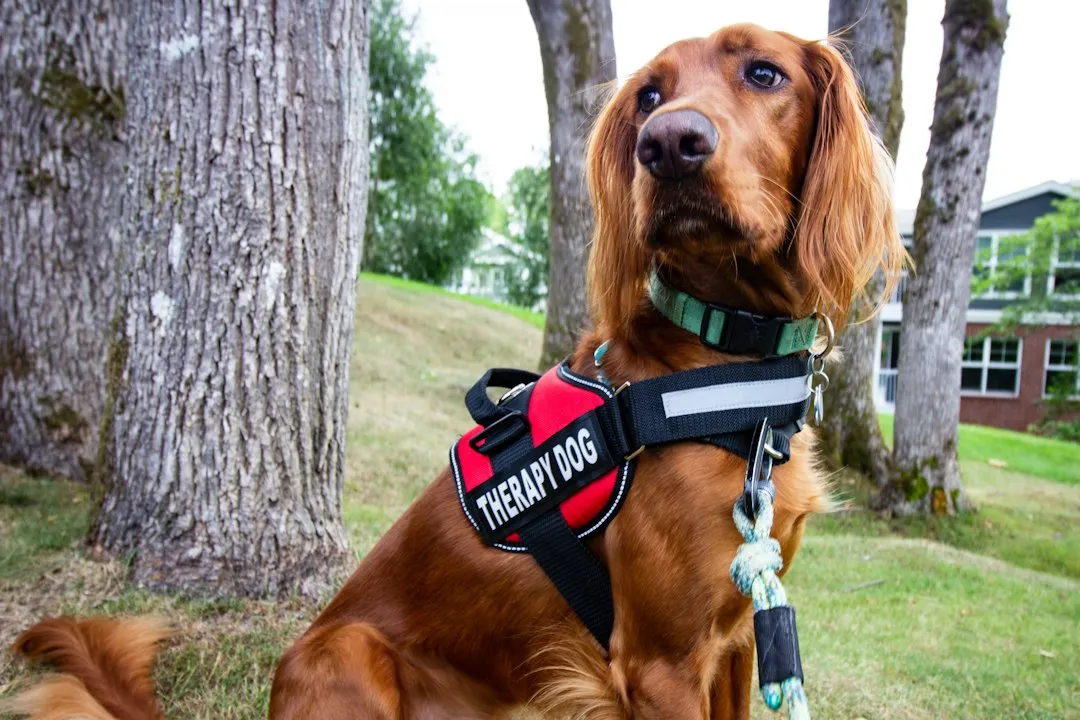
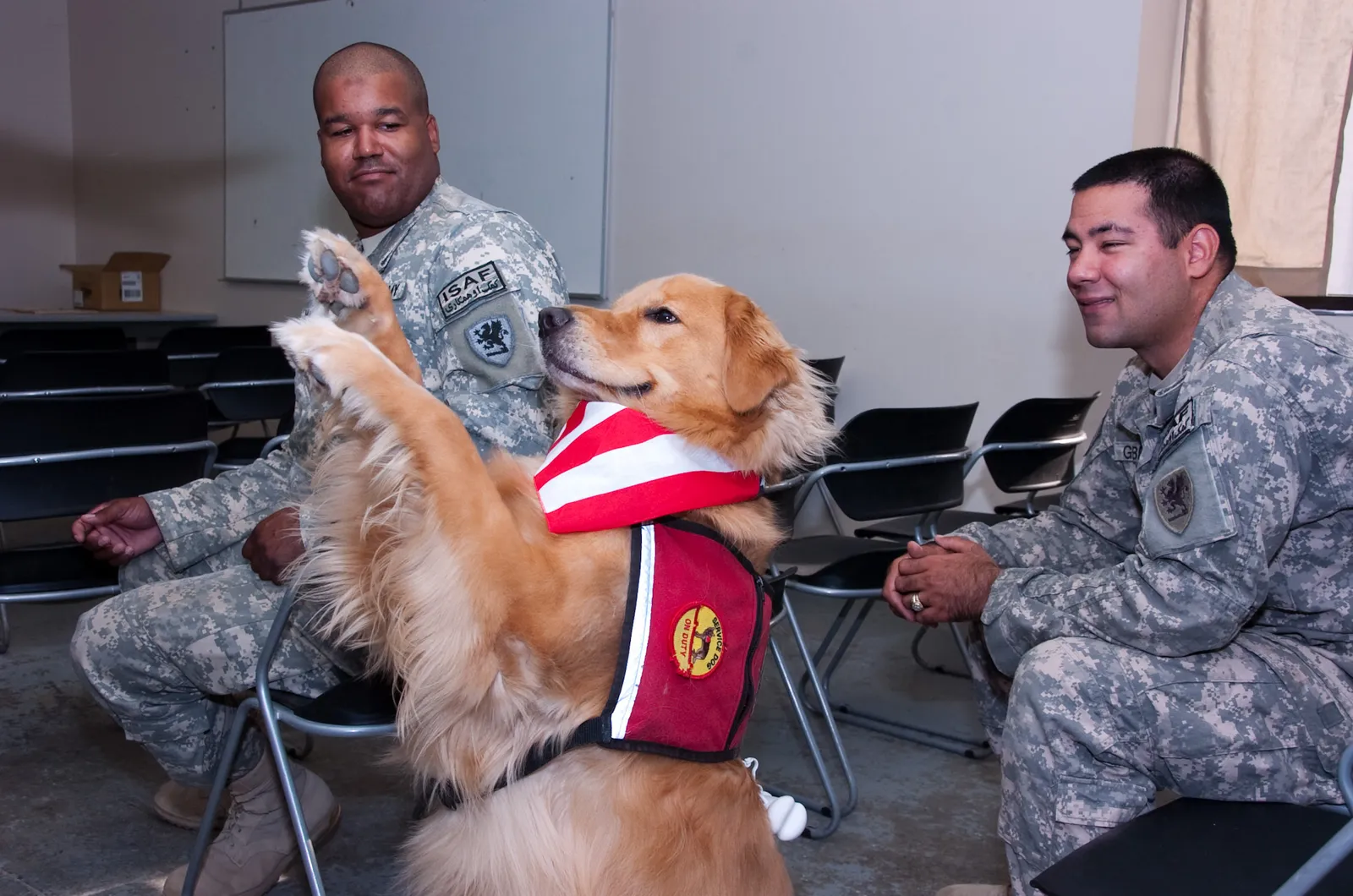
At San Antonio International Airport, the dogs are especially active around the airport’s United Service Organizations area, where military families often appreciate an extra source of comfort before departures and reunions. It’s a setting where the emotional stakes are particularly high, with families facing long separations or anticipating reunions that carry their own weight.
The Pups and Planes program operating at San Antonio International Airport currently includes 17 certified therapy dogs and their handlers who regularly walk through airport terminals to interact with passengers. Handlers in these corridors often note that veterans and active-duty military members, who might otherwise seem composed, sometimes respond most visibly to the dogs.
There’s something about the uncomplicated, judgment-free nature of a dog’s attention that seems to reach people who’ve been trained to hold themselves together. Handlers don’t have to do anything except let the dog be present. That’s often enough.
What Handlers Actually Watch For
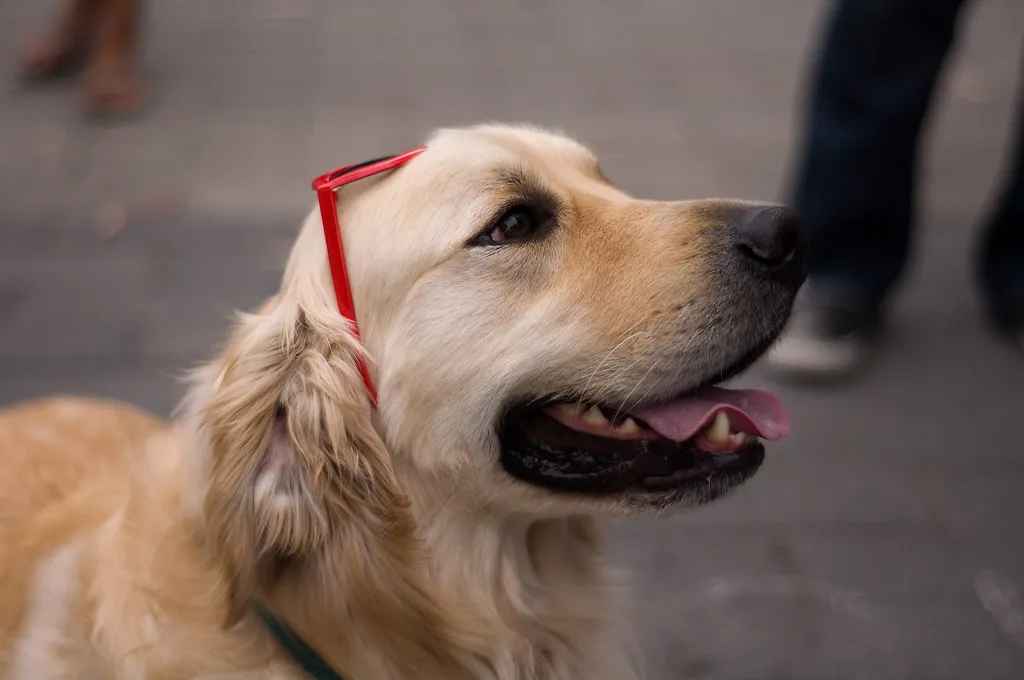
Therapy dogs are trained to recognize travelers who may be struggling emotionally or showing signs of stress. Rather than waiting for attention, many dogs naturally gravitate toward people who seem to need a friendly visit.
Handlers develop their own instincts to match their dogs’ intuition. The therapy dogs are trained to recognize travelers who may be struggling emotionally or showing signs of stress, and handlers learn to read the same cues: a person sitting alone at the edge of a gate area, someone whose shoulders are drawn up tight, or a child who’s been crying and doesn’t quite know why.
Each dog touches around 100 to 200 customers per shift, getting to a lot of people and bringing smiles and stress-free moments to those passengers who really need it. That number is striking. Over a single two-hour shift, one dog and one handler can meaningfully affect the experience of more than a hundred people.
The Rigorous Path to the Terminal
The certification process tests both handler and dog through four challenging stages. Each dog must stay calm with strangers, handle airport chaos, and move confidently across various surfaces. Failed tests mean waiting before another try.
San Francisco International Airport is highly selective about who it accepts because the airport can be such an intense place. Only around 10 to 15 percent of the animals that apply are chosen. The airport environment, with its constant noise, unpredictable movement, and thousands of strangers, demands a very particular temperament in both dog and handler.
Istanbul Airport’s program requires dogs to go through a year-long process of training. They are there only because they have been successful. That level of preparation reflects how seriously these programs take the responsibility of putting animals into a high-stress public environment.
What the Science Actually Says
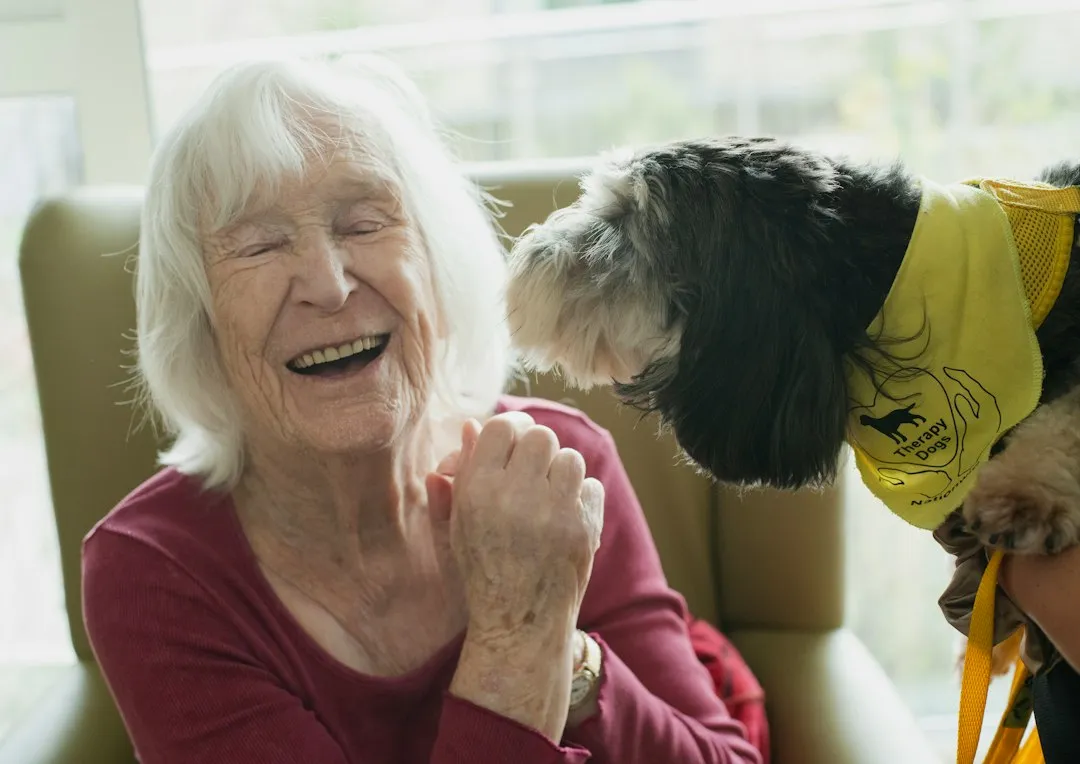
A study published in PLOS One found that interaction with dogs may reduce stress and depression in humans. Researchers found that when playing with, walking, or stroking dogs, human cortisol levels were reduced, and oxytocin levels increased.
Interacting with dogs for 15 minutes significantly reduces stress in humans, as evidenced by decreased self-reported stress, heart rate, and cortisol levels. For airport programs where handlers work in two-hour shifts, that means the potential physiological benefit for a traveler who stops even briefly is real, not just anecdotal.
A scoping review of scientific literature explored what is known about the impacts of canine-assisted interventions on molecular biomarkers such as cortisol and oxytocin, and found that canine-assisted interventions have consistently been demonstrated to elicit positive changes in human stress markers. Airports, in adopting these programs, are applying peer-reviewed behavioral science to the everyday travel experience.
The Handlers: Volunteers With a Purpose
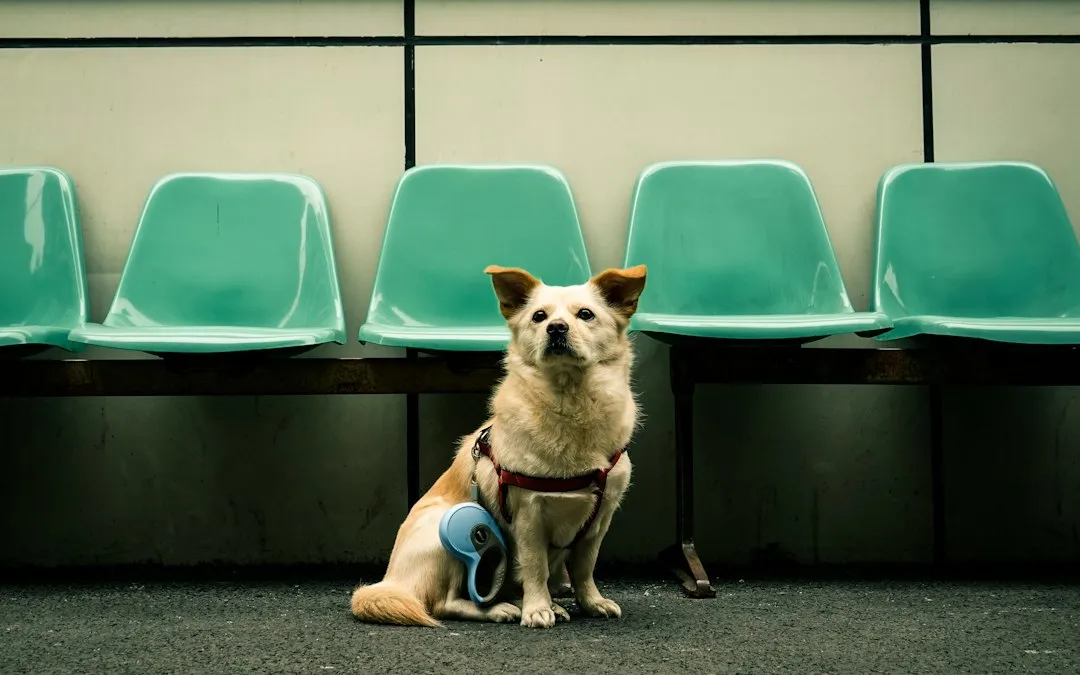
Detroit Metro Airport’s program runs with 29 dogs and 27 handlers, each working twice monthly at the busy hub. Two-hour shifts split between terminals keep the furry helpers busy, with teams switching locations to reach as many travelers as possible.
The entire program exists because people simply wanted to help. Every handler has chosen to give their time so strangers can feel a little calmer and a little more cared for while traveling. There are no salaries, no frequent-flyer points, no tangible reward beyond knowing something shifted in someone’s day.
Albany’s program includes 31 volunteer handlers and 36 certified therapy dogs who roam the terminal offering comfort, distraction, and companionship to passengers and airport staff. It’s worth noting that the dogs also support airport staff, who face their own accumulated stress across long shifts in a demanding environment.
A Global Expansion Still in Motion
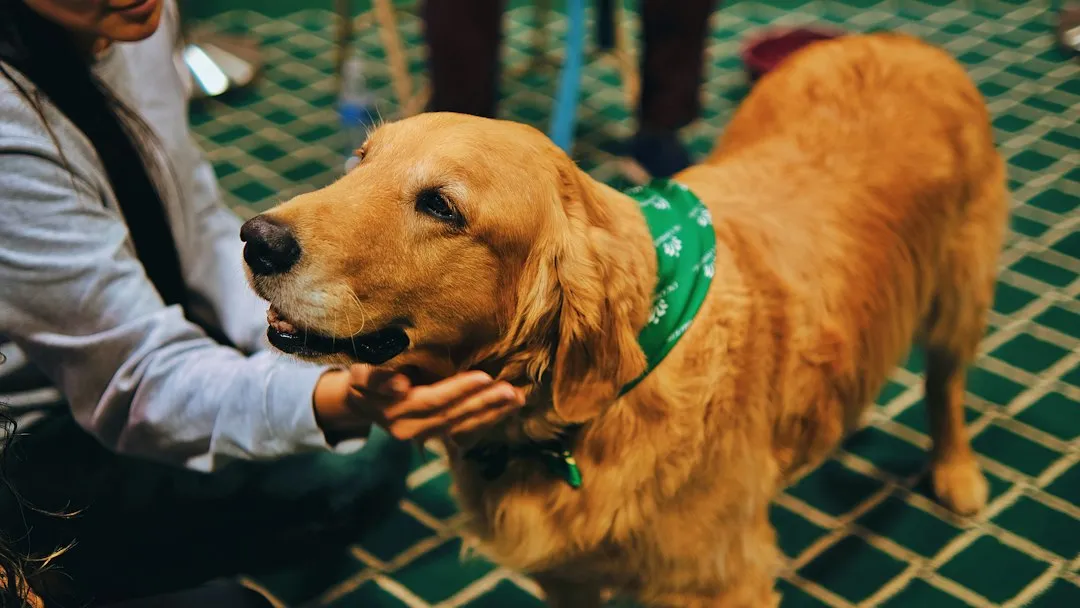
Logan Airport now offers a therapy dog program called BOS PAWS, a partnership between Massport and the Alliance of Therapy Dogs. The program launched in 2025 and is backed by research showing that having pets around can reduce blood pressure and stress, particularly in a travel environment that can be stressful for any number of reasons.
Hyderabad’s Rajiv Gandhi International Airport launched India’s first airport therapy dog program, with four Toy Poodles and certified handlers now roaming the departures areas including domestic and international zones. The initiative reflects a growing global recognition that airports are not just transit hubs but emotional spaces.
LAX has assisted 91 other airports in the United States and abroad with developing their own animal therapy programs. That kind of institutional generosity, one airport actively helping others build what it has built, speaks to how seriously these programs are now taken within the aviation industry.
The Takeaway
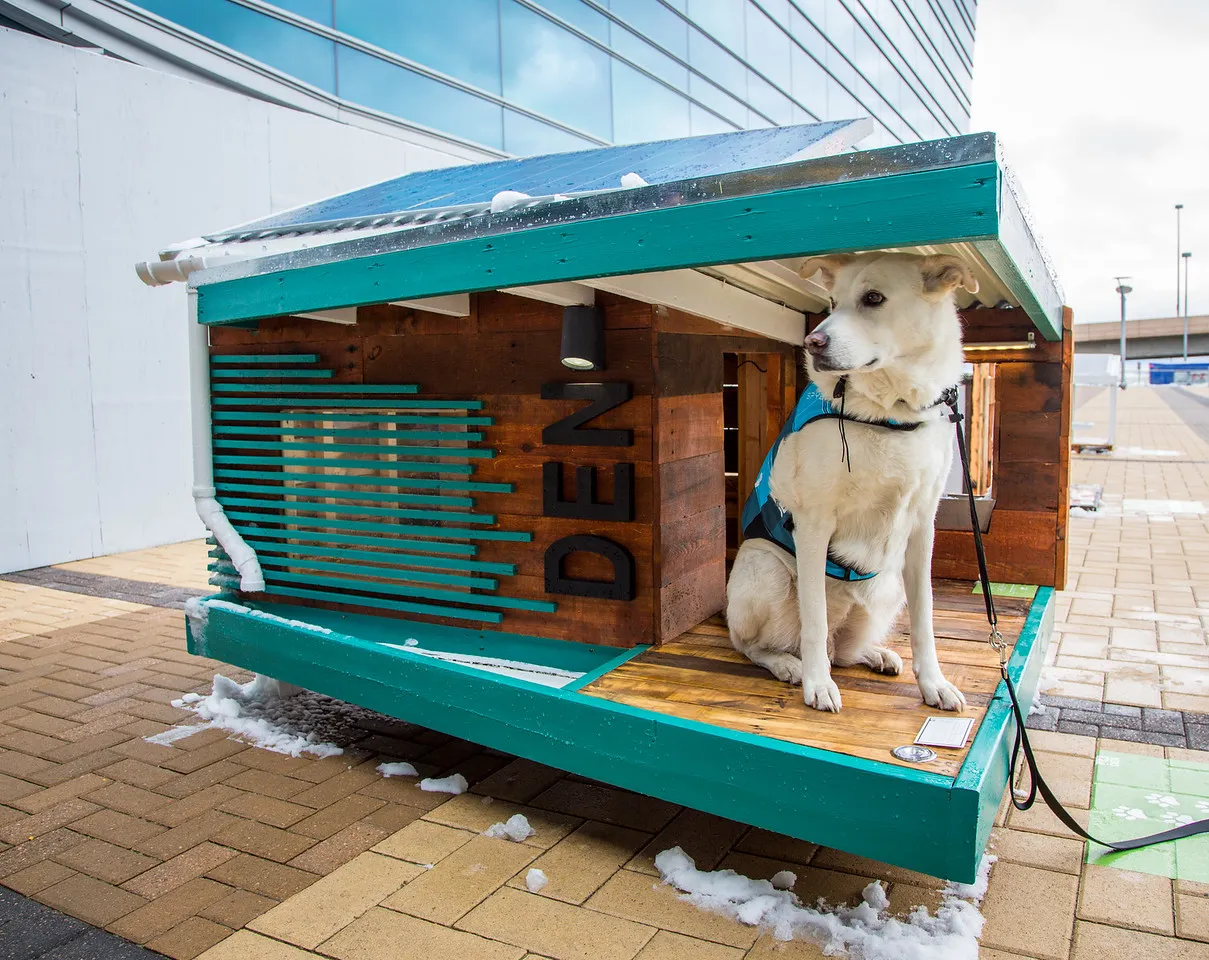
Airport therapy dog handlers have spent years watching thousands of travelers move through some of the most emotionally loaded moments of ordinary life. What they’ve learned isn’t complicated: people need connection, especially when they’re afraid, grieving, or simply exhausted. A dog doesn’t require anything from you. It doesn’t need context or explanation. It just shows up.
At an airport that welcomes more than 3 million travelers each year, anything that can ease that stress and bring a little comfort to the journey matters. That sentiment, expressed by one airport spokesperson, captures what these programs offer at their most honest. Not a solution to travel anxiety, but a pause in it.
The moment travelers need these dogs most, it turns out, is rarely dramatic. It’s quiet, ordinary, and deeply human. It’s the moment when someone is sitting alone at a gate, holding a lot more than a carry-on bag, and a dog simply walks over and leans in.
AI Disclaimer: This article was created with the assistance of AI tools and reviewed by a human editor.