
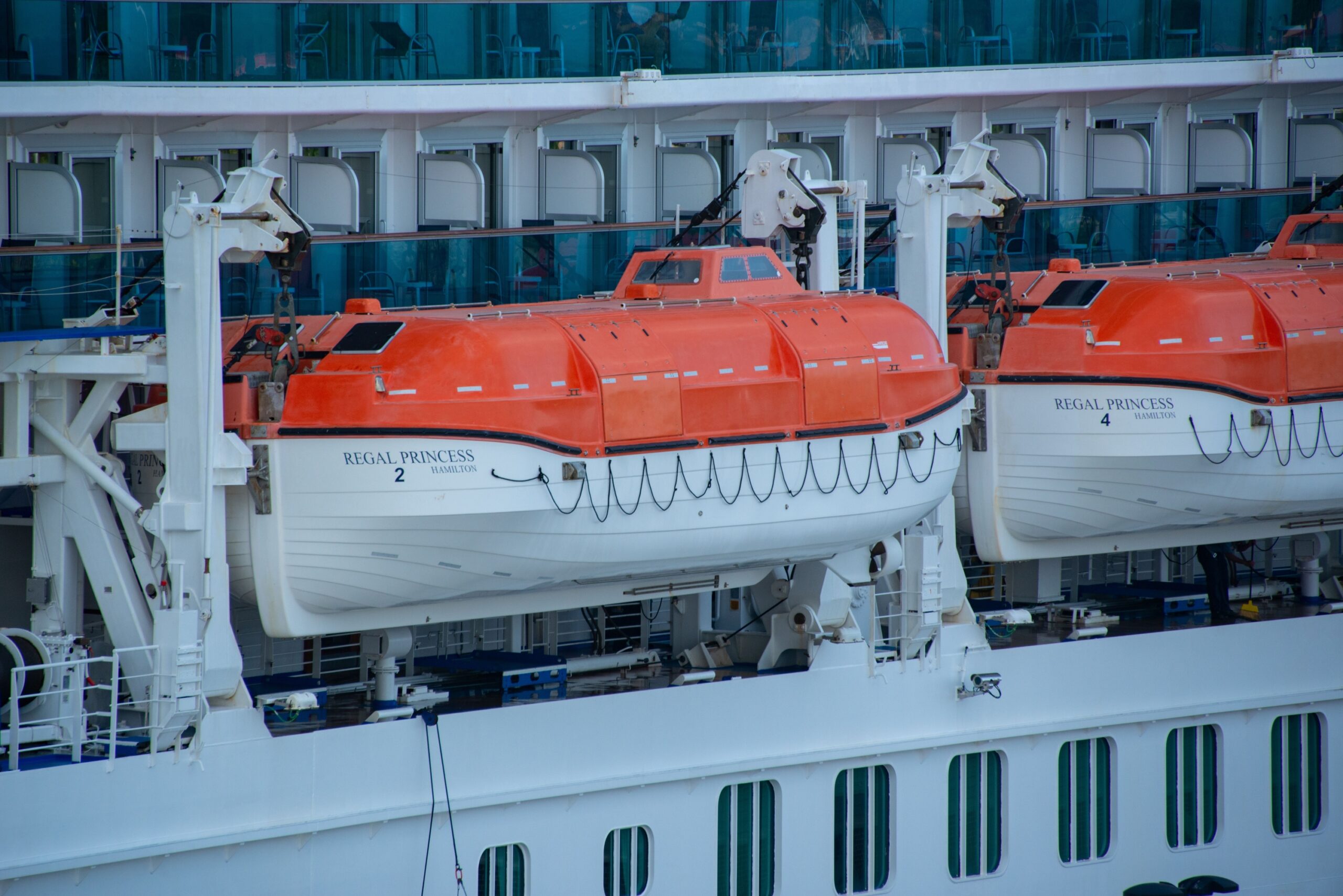

Alpha: The Most Common Code You’ll Hear
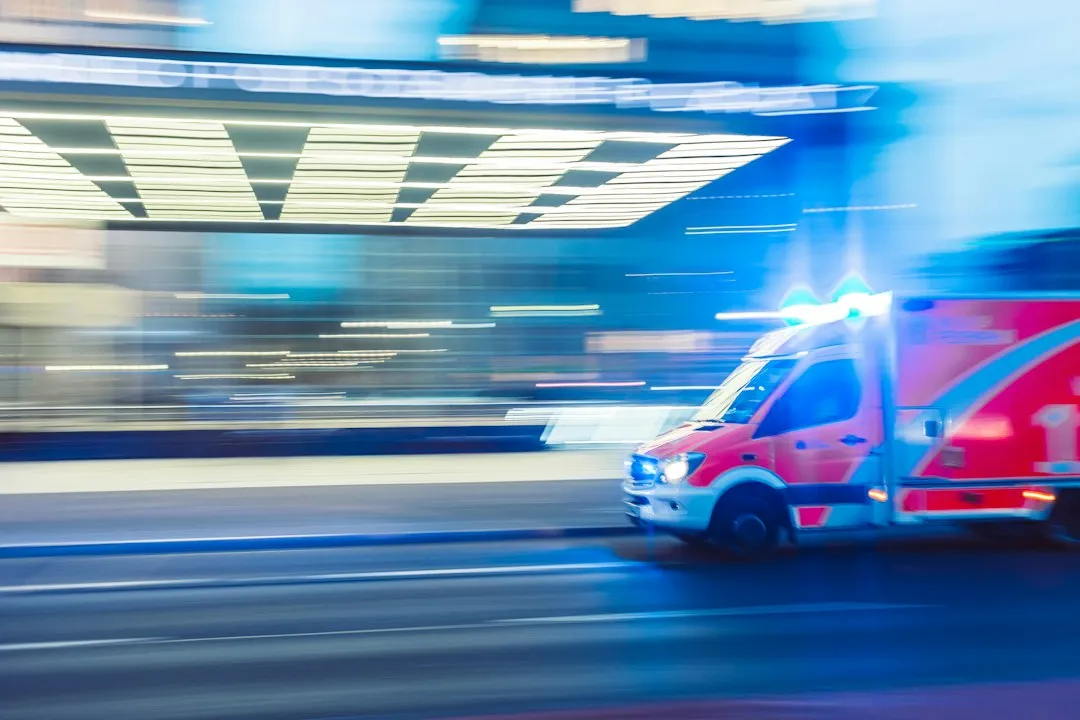
“Alpha” is used to indicate a medical emergency, and when announced, it’s typically repeated and followed by a specific location, such as Deck 11, Portside, Aft. This precision lets the appropriate crew members know exactly where to respond without causing unnecessary panic among passengers.
Situations requiring Code Alpha can range from minor injuries to severe health conditions, including cardiac issues or fainting. Most cruise ship companies use a single “Alpha,” though some cruise lines like Royal Caribbean repeat it three times.
Usually, the ship’s medical staff will respond to the call. Passengers can generally go about their day, but those in the area of the emergency should stay out of the way of the first responders.
Bravo: There’s a Fire on Board
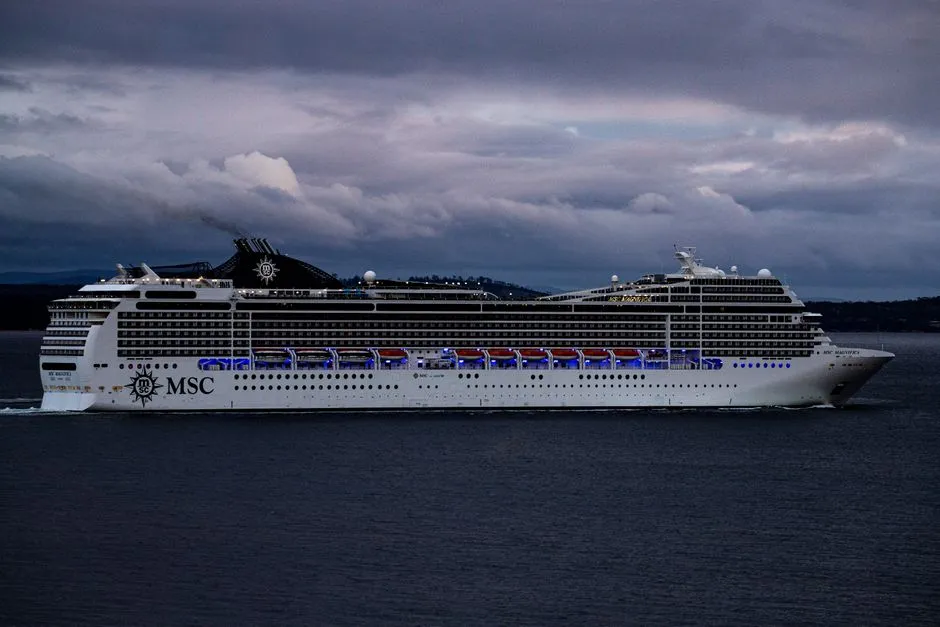
“Bravo, bravo, bravo” is used by many cruise lines to alert crew to a fire or other serious incident on board without alarming passengers. Cruise ships are equipped with advanced fire suppression systems, and crew members undergo rigorous fire safety training.
Code Bravo triggers a response that often includes the ship’s fire response team, who work to contain and extinguish the fire quickly. If you hear this code, don’t panic. Someone from the crew will give you further instructions if there’s something you need to do.
Oscar: Man Overboard
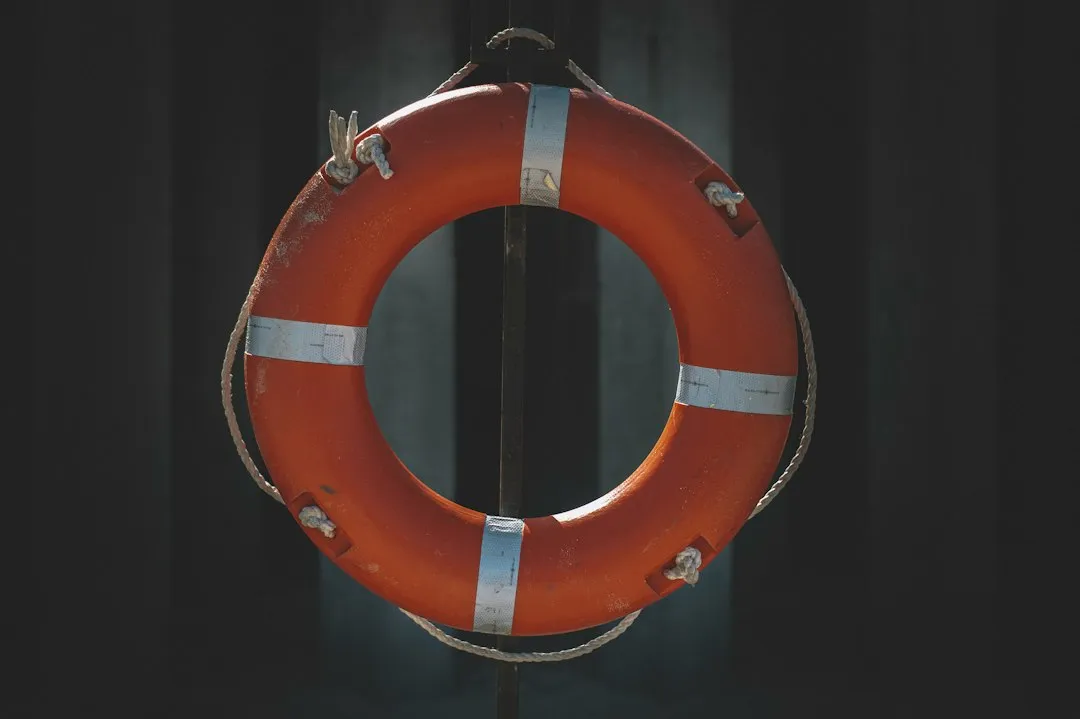
The cruise code “Oscar” is one of the most important and urgent there is. It’s used by both Royal Caribbean and Celebrity Cruises to alert the crew to a man overboard.
When this code is triggered, the crew initiates a man-overboard rescue operation, often involving life buoys, searchlights, and alerting nearby ships if necessary. Many ships are also equipped with advanced surveillance systems to detect and respond to overboard incidents quickly.
Rather than using “Oscar” to signal a possible man overboard situation, Disney Cruise Line uses “Mr. M.O.B.” Several Disney Dream passengers reported on social media that they heard the vessel emergency code Mr. M.O.B. announced on board and then witnessed the ship’s crew spring into rescue mode.
Charlie: A Security Threat Onboard
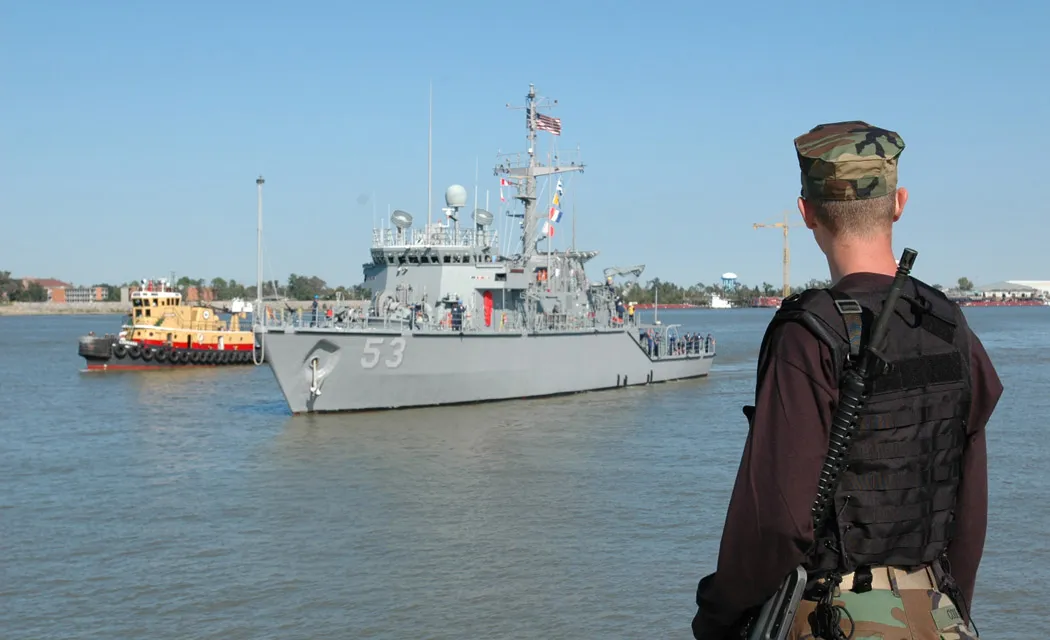
The ship captain is not looking for someone named Charlie if you hear “Charlie, Charlie, Charlie!” Repeating this name three times means the captain is informing the crew that a security threat has occurred onboard.
“Charlie, Charlie, Charlie” is the code for a security threat aboard Royal Caribbean ships and also the code for upcoming helicopter winch operations aboard certain accommodation vessels. It’s worth noting that not every use of this code points to a criminal situation. It can be triggered by a range of security concerns, and the crew’s response will reflect the actual severity.
If you hear crew members calling out that secret code, it usually means that there’s a security threat onboard. As a passenger, keep calm and wait patiently to see if there are announcements or instructions you’ll need to follow for your safety.
Echo: The Ship Is Starting to Drift
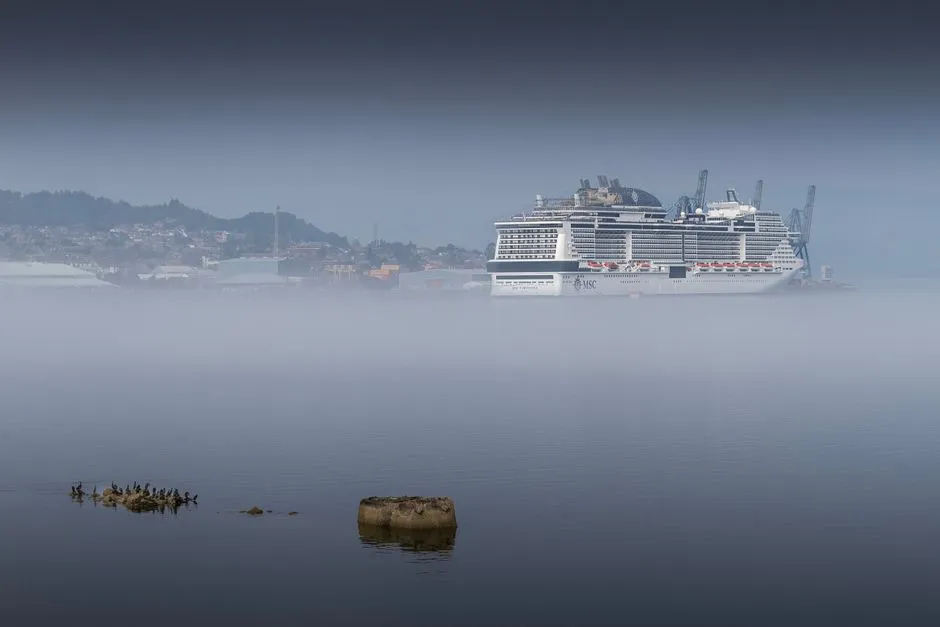
Echo, echo, echo is the code for a possible collision with another ship or the shore aboard Royal Caribbean ships, or if the ship is starting to drift. On board some cruise lines this means danger of high winds while at port. It alerts the crew responsible for the gangway, thrusters, and similar systems to get into position and be ready for new maneuvers.
If you hear the “Echo” cruise code, this means that the ship has started to drift. It’s possible that the captain will get the ship back under control, and the crew will certainly have a procedure for correcting the problem.
Kilo: All Hands to Emergency Stations
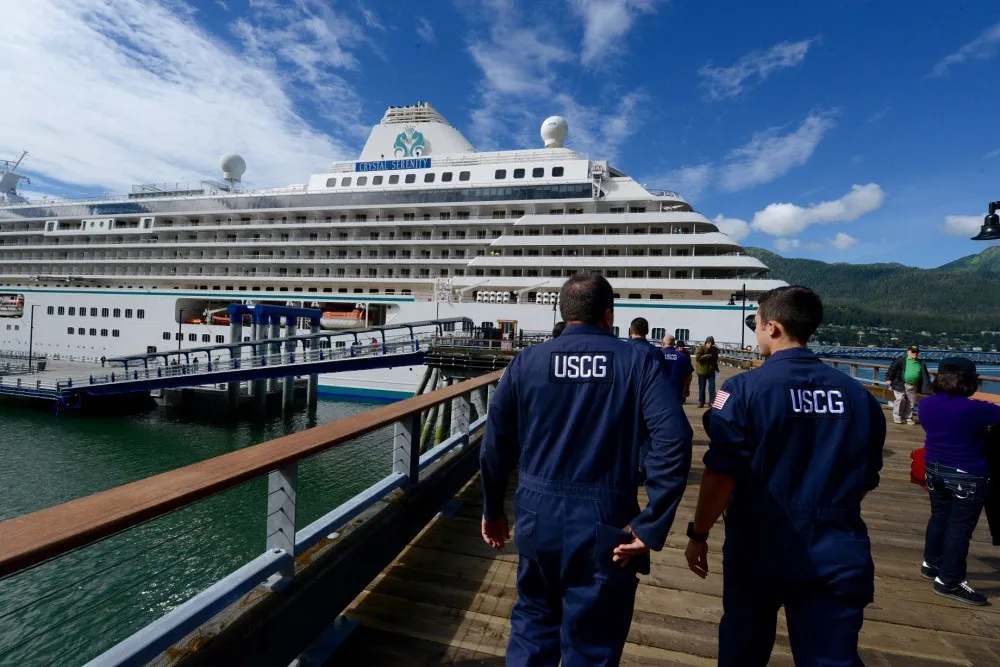
The cruise code “Kilo” is used when the captain needs to request that all crew members report to their emergency stations. The code “Kilo” is known to be used on Royal Caribbean ships, and it may be said three times.
Other common code words used aboard cruise ships include “Kilo, Kilo, Kilo,” which requests all crew to report to their emergency stations. Think of it as a ship-wide mobilization signal. It doesn’t mean disaster is imminent, but it does mean every trained crew member is needed in position simultaneously.
Operation Brightstar and Operation Rising Star
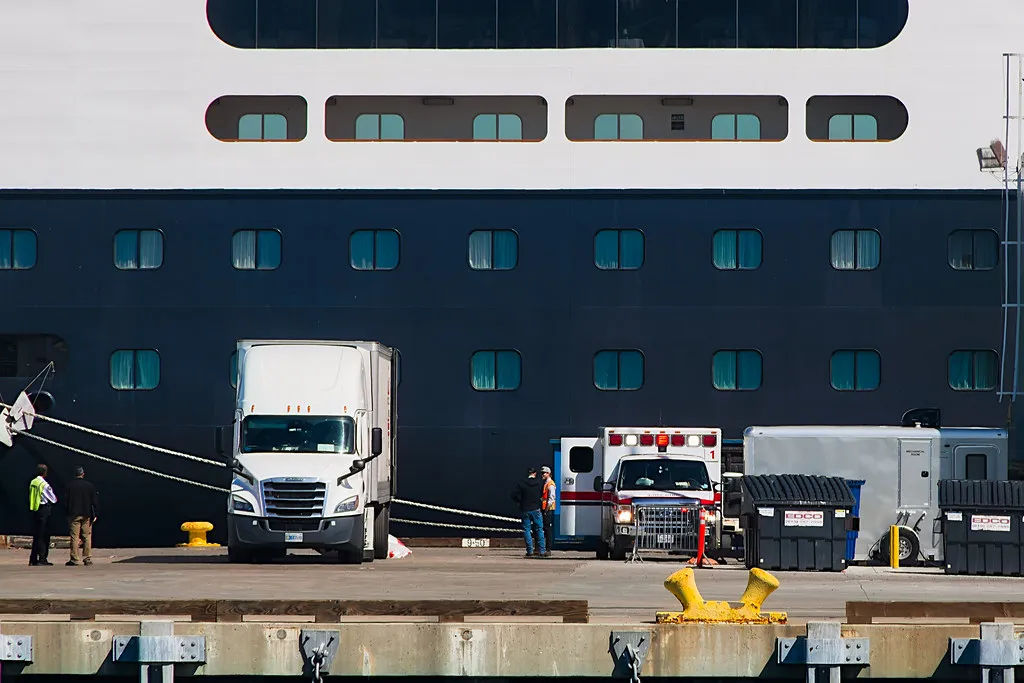
Operation Brightstar designates a medical emergency, such as cardiac arrest or stroke, on Carnival and Disney cruise line vessels. It can only be requested by one of the medical team or an officer with advanced medical training. The spoken word Brightstar over the PA, sometimes supplemented by a group signal on the pager system, will alert the medical team including all doctors and nurses to attend the location.
One step up from “Alpha,” you may hear “Operation Rising Star,” which refers to a critical medical emergency or death onboard. The cruise staff will have already informed who the deceased was traveling with before making an official announcement. Cruise ships also have international regulations and standards they must adhere to, including the legal requirement to have a morgue on board in case of fatalities.
After a person has passed away, the body is discreetly placed in a body bag and put in the morgue. Most morgues have enough space for one to three bodies, with larger ships having the capacity for six to ten.
Delta: Hull Damage or Biohazard Alert
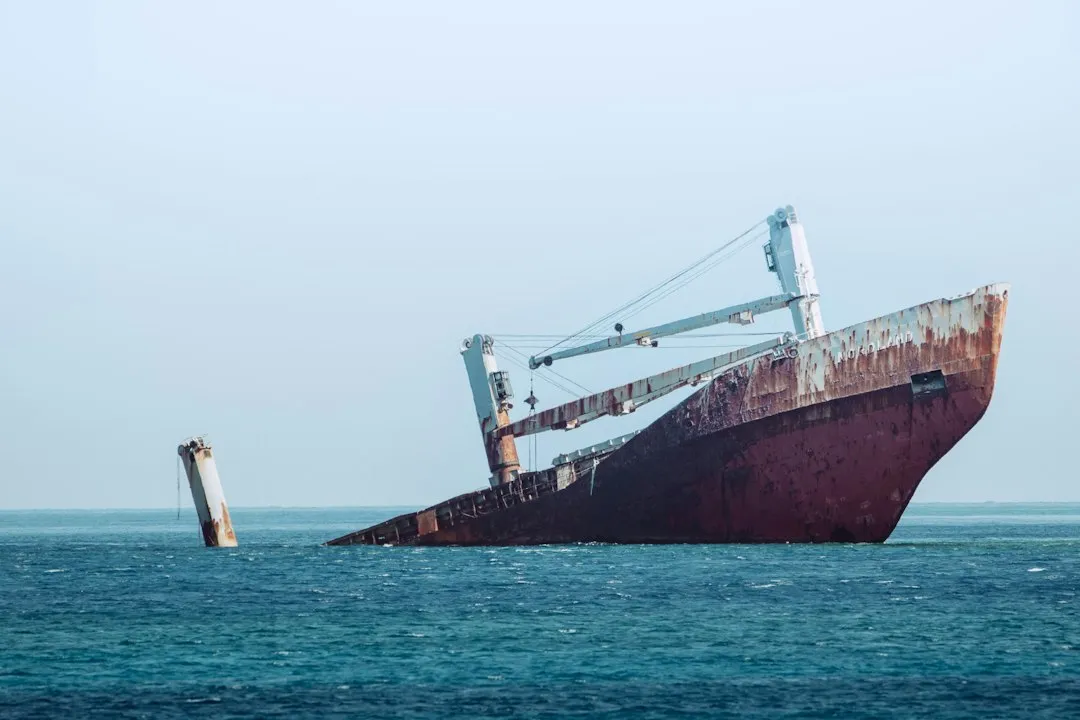
Code Delta signals structural damage to the ship or a flooding emergency. This code may activate if there’s a breach in the hull or significant water intrusion that could compromise the ship’s stability. The crew is trained to respond by isolating affected areas, securing watertight compartments, and implementing damage control measures to ensure passenger safety.
Delta, delta, delta is the code for a possible biohazard among some cruise lines, and is more commonly used to alert crew to hull damage on board some lines as well. The dual use of this code illustrates why crews must know each line’s specific system thoroughly before sailing.
Zulu and PVI: Fights, Spills, and the Unglamorous Stuff
Zulu, Zulu, Zulu means there is a fight aboard the ship. “Zulu” is a code used aboard Carnival Cruise Line to indicate a fight onboard. It’s one of those codes that reminds you a cruise ship is, in many ways, a floating city, with all the messy human situations that entails.
PVI, which stands for a public vomiting incident, is used to discreetly request cleanup of such an event. Similarly, “Purell, Purell, Purell” signals that cleanup is needed in a public area. These lower-stakes codes exist for the same core reason as the serious ones: to handle situations professionally without drawing attention or causing embarrassment to anyone involved.
Disney’s Character Codes: Mufasa and Winnie
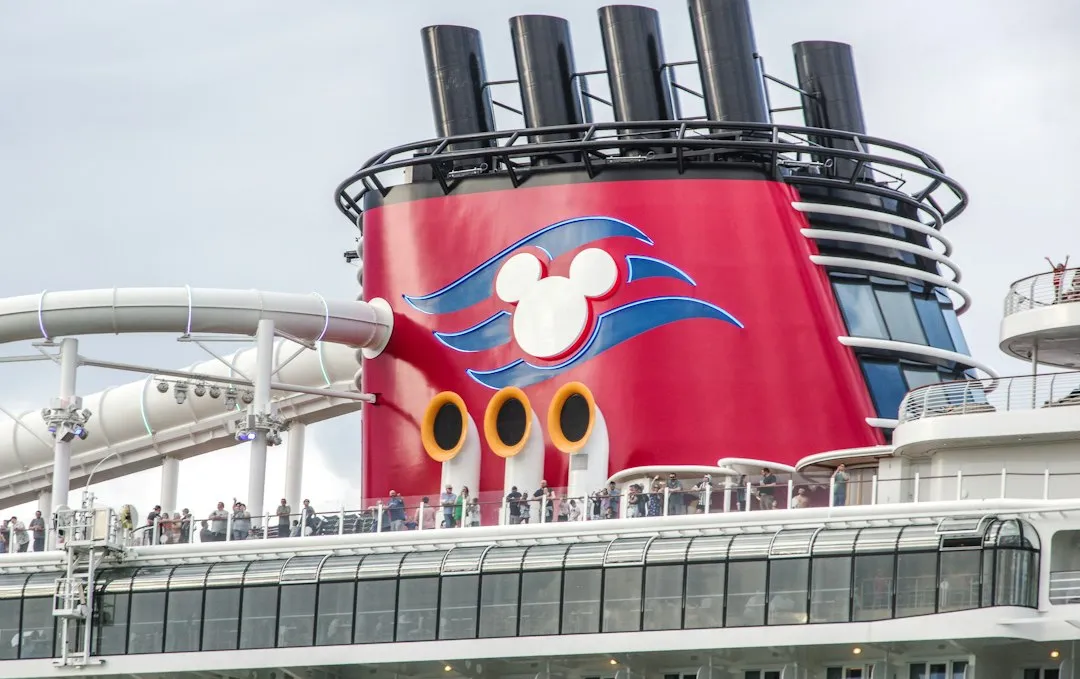
On Disney Cruise Line, “Code Mufasa” is used when a child has been separated from their parent. It’s a clever choice for a line whose passengers include families with young children, keeping the tone calm while still triggering an immediate search response.
Disney also uses “Operation Brightstar” to tell the crew about medical emergencies, and “Red Party” to disclose the location of an onboard fire. And “Operation Winnie” allegedly means there has been a pool contamination incident in the children’s pool. Whether that last one brings a smile or a grimace probably depends on where you are when you hear it.
Why the Codes Exist and How Crews Learn Them
These codes not only help to suppress alarm among passengers, but also prevent misunderstandings among crew and mean that training for emergency responses can be standardized. Emergency codes are an integral part of crew training. They enable the crew to conduct realistic drills and ensure preparedness for various emergencies, from medical incidents to fire outbreaks.
Not all cruise lines have the same code words. Crew members must adapt to different code systems when moving between cruise lines. Many maritime industry codes are standardized, forming a foundation that crew members can build upon.
The codes are used when notifying crew from various departments who are needed quickly. It is quicker and causes less concern among the passengers. If the passengers need to be notified, there will be a plain language announcement, according to Don Goldstein, a retired Commander of the U.S. Coast Guard.
The Takeaway
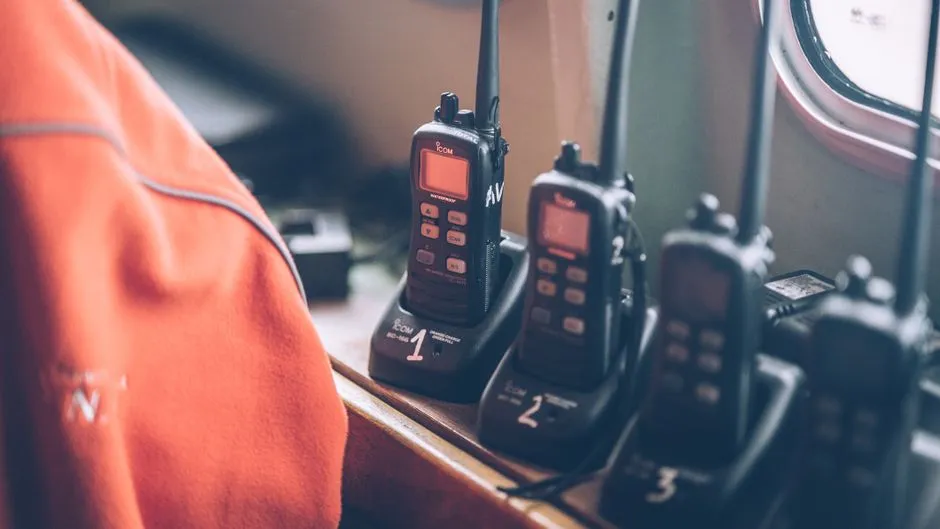
Knowing these codes won’t turn you into a maritime safety officer, but it does change your relationship with the ship around you. The next time a crew member murmurs something quietly into a radio, you might just recognize the shape of it.
While codes are a communication tool, they can take on added importance in unfortunate incidents. If a medical emergency isn’t responded to quickly after a Code Alpha, or fire procedures aren’t followed during a Code Bravo, investigations later may review what happened and when the code was sounded. For most guests, though, they are simply background noise, faint words over the PA while life onboard continues as normal.
There’s something quietly reassuring about this whole system. Thousands of people are sailing thousands of miles, and behind every calm corridor and cheerful announcement is a crew fluent in a language specifically designed to keep everyone safe and at ease. That’s not deception. That’s professionalism.
AI Disclaimer: This article was created with the assistance of AI tools and reviewed by a human editor.