
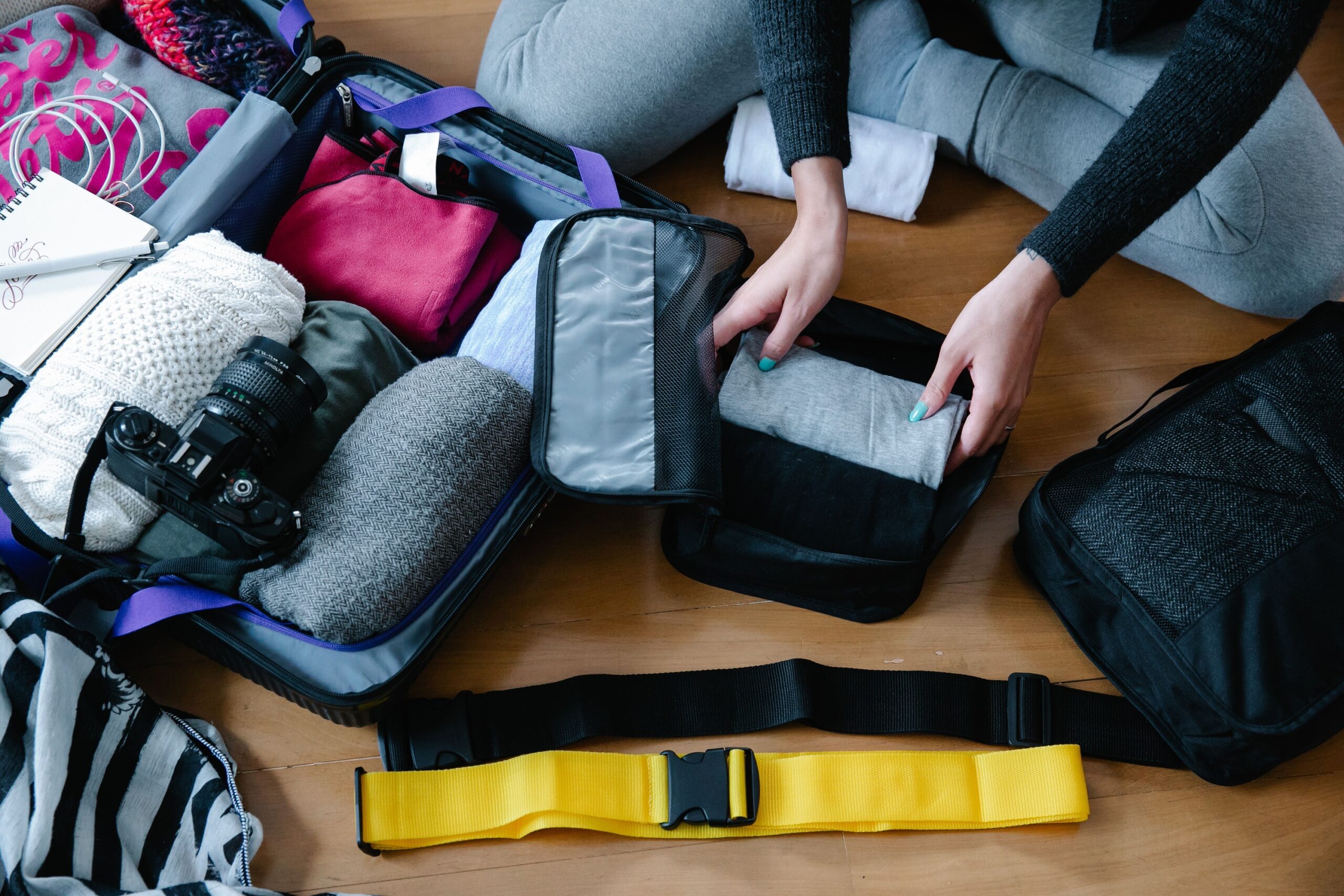

Somewhere between the gate and the baggage carousel, a business trip can quietly unravel. The presentation suit doesn’t arrive. The charger is in the hold. The meeting starts in three hours. This is not a rare catastrophe – it’s a statistically predictable event that frequent flyers are learning to design around entirely.
The rule most seasoned road warriors follow is deceptively simple: never check anything you can’t afford to lose before a meeting. In practice, that usually means going carry-on only. What looks like a packing preference is actually a professional risk management decision, built on real data and hard-earned experience.
The Scale of the Problem Is Bigger Than Most Travelers Realize

Some 33.4 million bags were mishandled by airlines worldwide in 2024, at a rate of 6.3 per 1,000 passengers, and the industry spent an estimated $5 billion dealing with the fallout. That’s not a fringe issue – it’s a systemic one. For a traveler doing eight or ten trips a year, those odds compound into a near certainty that something will go wrong eventually.
In a detailed 2024 breakdown, delayed bags represented 74% of mishandling, damaged or pilfered bags accounted for 18%, and lost or stolen bags made up 8%. Most mishandled bags do come back, but “eventually” is a word that doesn’t fit neatly into a Tuesday morning client pitch.
Connecting Flights Are Where Bags Disappear Most

Luggage is more likely to be lost or misdirected if a journey has several legs, as each transfer between different vehicles increases the chance of mishandling. SITA attributed 39% of all mishandling in 2025 to transfers between flights, and reported that the more numerous and tighter a journey’s connections, the higher the probability of mishandling.
International services mishandle bags at far higher rates than domestic ones: in 2025, the global figures were 9.12 mishandled bags per 1,000 passengers on international routes against 1.65 on domestic routes. For anyone flying internationally to a critical meeting, the checked bag risk multiplies sharply. This is precisely why the rule among veteran travelers is especially firm on multi-leg trips.
The Carry-On Rule: What It Actually Means in Practice

The primary objective of a carry-on-only strategy is not to pack less. The objective is to pack precisely. A strong carry-on-only strategy solves three operational problems. It eliminates baggage delay risk so your meeting wardrobe stays with you, increases airport efficiency with predictable security and boarding flow, and preserves mobility when moving between hotels, rideshares, and conference venues.
Carry-on-only travel saves roughly 30 minutes per trip at baggage claim and eliminates lost luggage risk for trips under five days. Over the course of a full year of business travel, that time savings alone adds up to several working hours recovered.
Pack for the Schedule, Not for Every Scenario
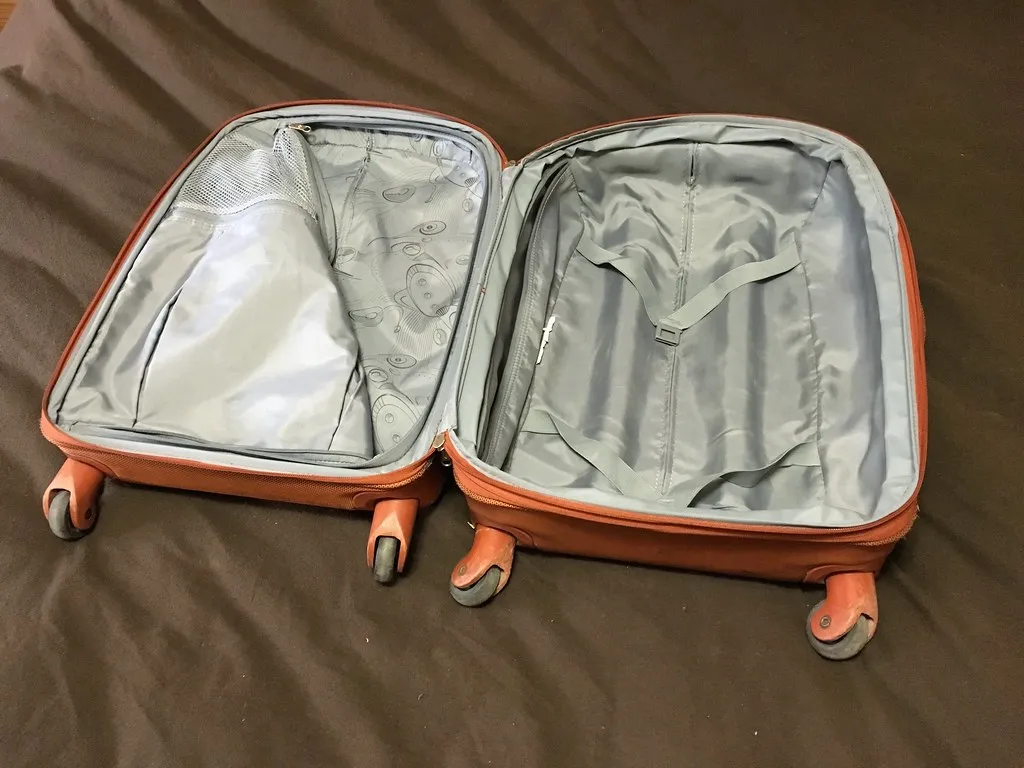
Most people pack by instinct – “I might need this” – instead of by schedule – “I will need this on Wednesday afternoon.” The difference is usually 30 to 40% less volume in the bag. This mental reframe is where the discipline actually starts. The bag becomes a decision made before you leave, not a collection of safety nets.
Research suggests that roughly two in five travelers come home with clothes they never wore. That’s dead weight carried through security, up the jetbridge, and into the overhead bin for nothing. Building around what you’ll actually wear – not what you might conceivably need – is the foundation of the carry-on-only approach.
The Capsule Wardrobe Is a Professional Tool, Not a Style Trend

The capsule wardrobe principle is the organizing idea behind carry-on-only clothing. Instead of packing outfit-specific combinations, the idea is to pack items that mix and match with each other. For business travelers, this means neutral colors, wrinkle-resistant fabrics, and pieces that work across meetings, dinners, and airports without needing a full outfit change each time.
Unless it’s a particularly lengthy trip, a single neutral-colored suit can be mixed and matched with different shirts, ties, and accessories. Fabrics like merino wool and fast-drying blends resist odors, pack small, and look good after hours in a bag – fewer items that can be worn more often with less washing. That kind of fabric intelligence matters more than any packing hack.
Packing Cubes Changed the Math on What Fits
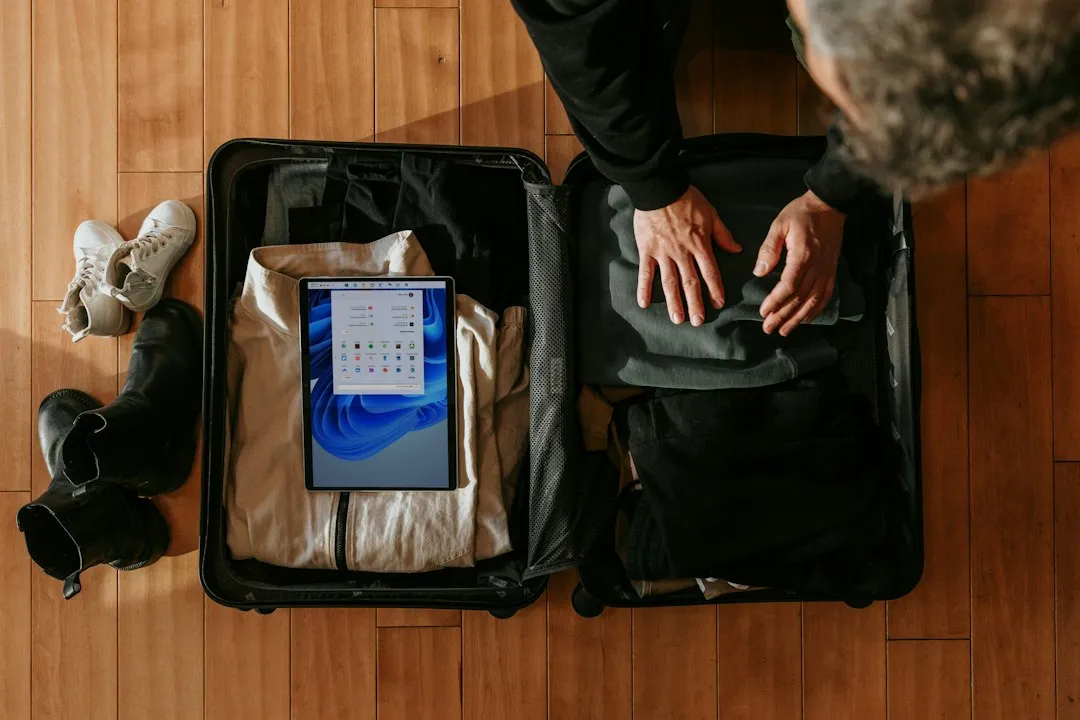
One common technique among professional travelers is the use of packing cubes to categorize items – one cube for gym clothes, another for business casual attire, and a small pouch for tech accessories. This modular approach allows you to unpack only what you need at your destination, saving valuable time.
Rolling is the most popular packing method among carry-on travelers for good reason: rolled clothes take up less space, stay relatively wrinkle-free, and make items easier to see at a glance. Rolling works particularly well for lightweight items like t-shirts, underwear, and casual pants. The combination of cubes and rolling tends to unlock the full usable volume of a standard cabin bag.
Wear Your Heaviest Items onto the Plane
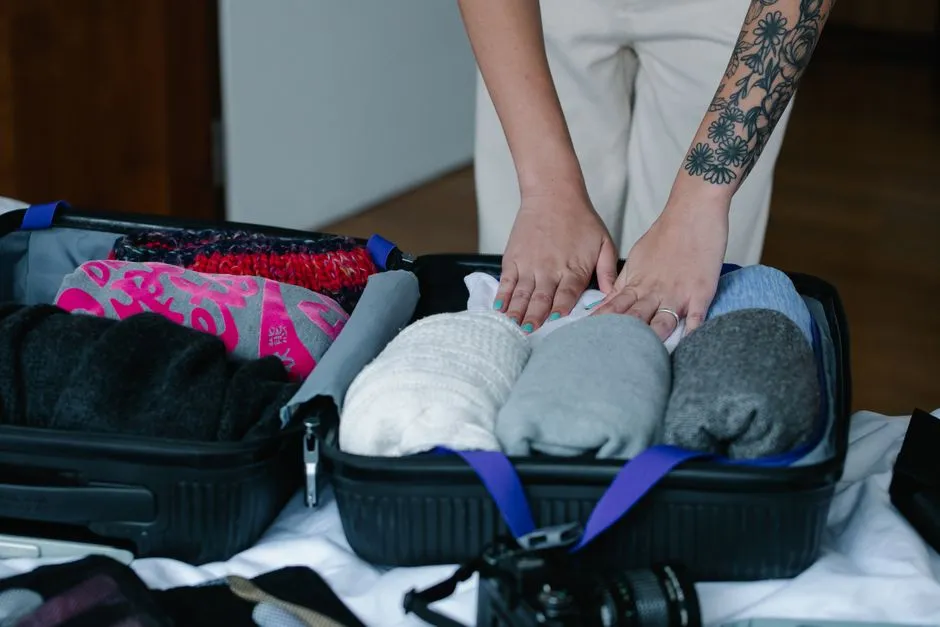
The most reliably effective carry-on packing trick requires no special equipment: wear your heaviest, bulkiest items on travel day. A blazer, heavy coat, or thick-soled shoes worn through the airport don’t count against your bag’s volume. This alone can meaningfully expand what a single carry-on can hold.
A practical 7-day carry-on packing list builds on this by treating what you wear onto the plane as a separate category: heaviest shoes, thickest trousers, most substantial jacket, and a layer. Items worn on board simply don’t go in the bag. It sounds obvious once you know it – but most people learn it only after one too many overstuffed bags.
Speed Through the Airport Is a Real Competitive Edge

In most major airports, traveling carry-on only translates to exiting the terminal 20 to 40 minutes faster. Frequent travelers often get from aircraft door to rideshare pickup in under 15 minutes when traveling with only cabin luggage. For consultants, executives, and sales professionals moving between meetings, this time advantage compounds quickly.
Business travelers spend an average of 45 minutes per trip on packing-related tasks, and roughly one in four report forgetting at least one essential item. Those forgotten items translate to emergency purchases, lost productivity, and unnecessary stress before high-stakes meetings. The efficiency gains of carry-on travel aren’t just at the airport – they begin the night before departure.
Tech and Documents Belong in Your Personal Item

Maximizing your carry-on and personal item allowance is crucial for business travel success. Checked baggage delays can derail important meetings, while having essentials within reach during flights keeps you productive. Most airlines allow one carry-on bag and one personal item, providing ample space for business travel essentials when packed strategically.
For business carry-on packing, keeping your laptop, chargers, and work documents in your personal item ensures quick security access. This separation matters. If you’re gate-checked and forced to hand over your carry-on at the last moment, your laptop and your presentation stay with you. The personal item beneath the seat in front is the final line of defense.
The Connection Rule: When Stakes Are High, Never Check

One of the most consequential common packing mistakes is checking your only bag on a connecting flight. Transfer flights are responsible for 41% of all baggage mishandling globally, according to SITA’s 2024 data. If your trip involves connections, carry on. Your suit arriving a day late is not an inconvenience – it is a missed meeting.
More corporate travelers now expect to do six to ten or more trips per year than they did in 2024, according to Deloitte’s 2025 data. At that frequency, a single connection-miss with a checked bag becomes a recurring tax on performance. Carry-on-only removes that risk. The rule isn’t about minimalism. It’s about control over something that directly affects your professional credibility.
The Takeaway
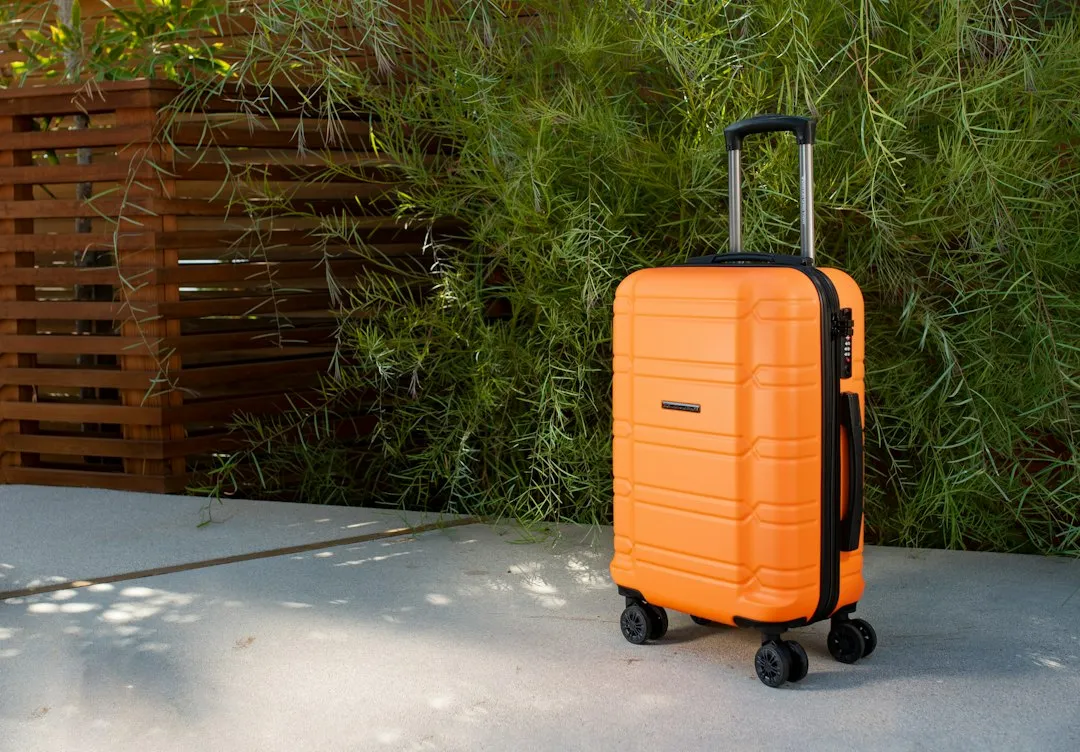
The packing rule that experienced business travelers follow isn’t really about packing at all. It’s about understanding where the risk sits in a trip and removing it before departure. Checking a bag means losing control of it during transit – and delays or misrouted luggage can leave you without business attire exactly when you need it most.
A carry-on that’s been packed with intention – built around a real schedule, a capsule wardrobe, and the right fabrics – is a quiet form of professional preparation. The meeting starts before you land. The bag that travels with you, always overhead, is part of how you show up ready.
AI Disclaimer: This article was created with the assistance of AI tools and reviewed by a human editor.