
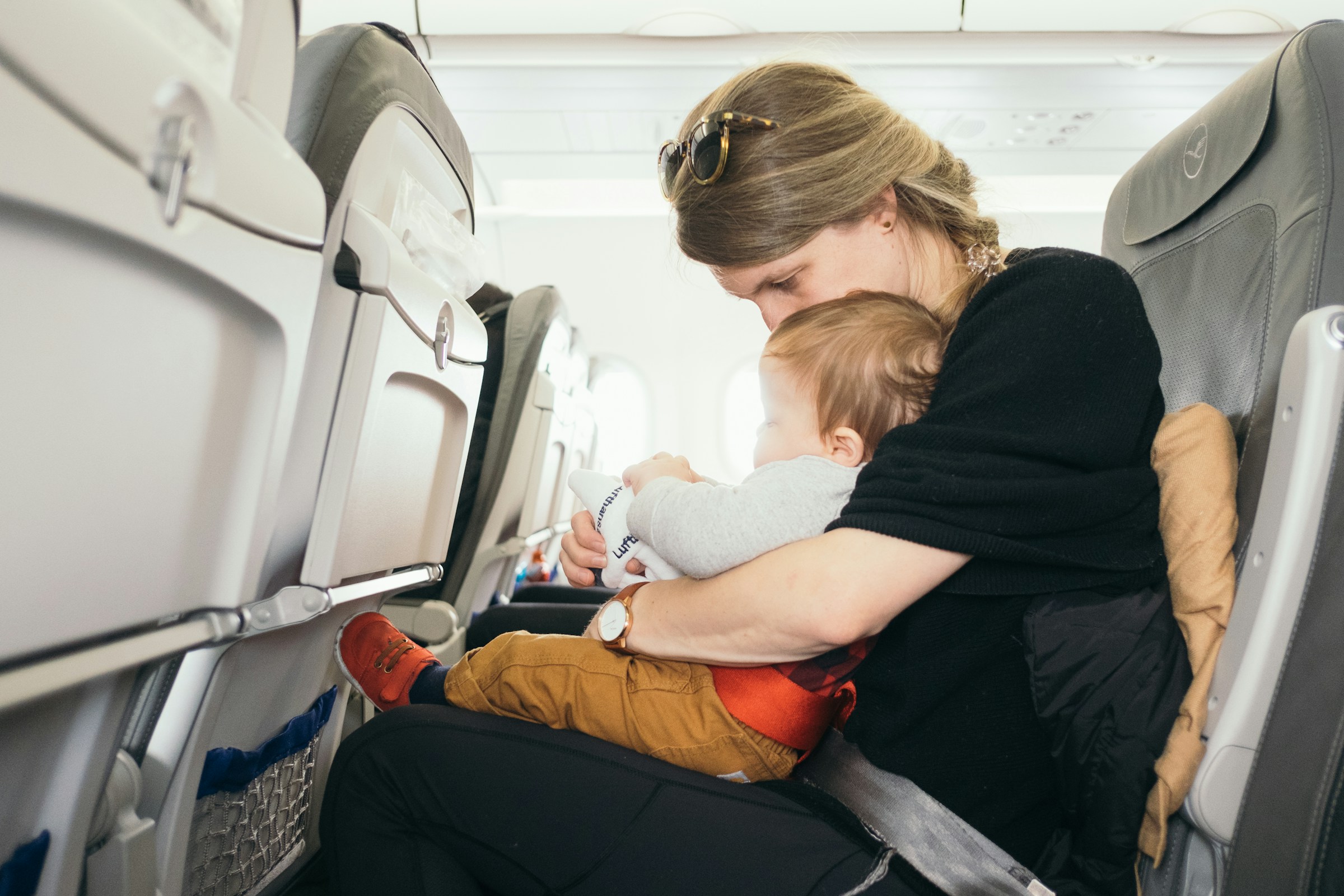

What Is a Child Travel Consent Letter?

A travel consent form for minor is used by parents or legal guardians to grant permission for a minor to travel without them. In its simplest form, it’s a signed statement confirming that the absent parent knows about the trip and approves of it.
A consent letter demonstrates that children have permission to travel abroad from every parent or guardian who is not accompanying them on the trip. Think of it as a paper handshake between the traveling parent and the one staying home, witnessed and confirmed for the benefit of border officials.
The form can be used when a minor travels with only one parent or legal guardian, alone, or with another adult or organization. Its reach is broader than most parents realize.
Why These Letters Exist
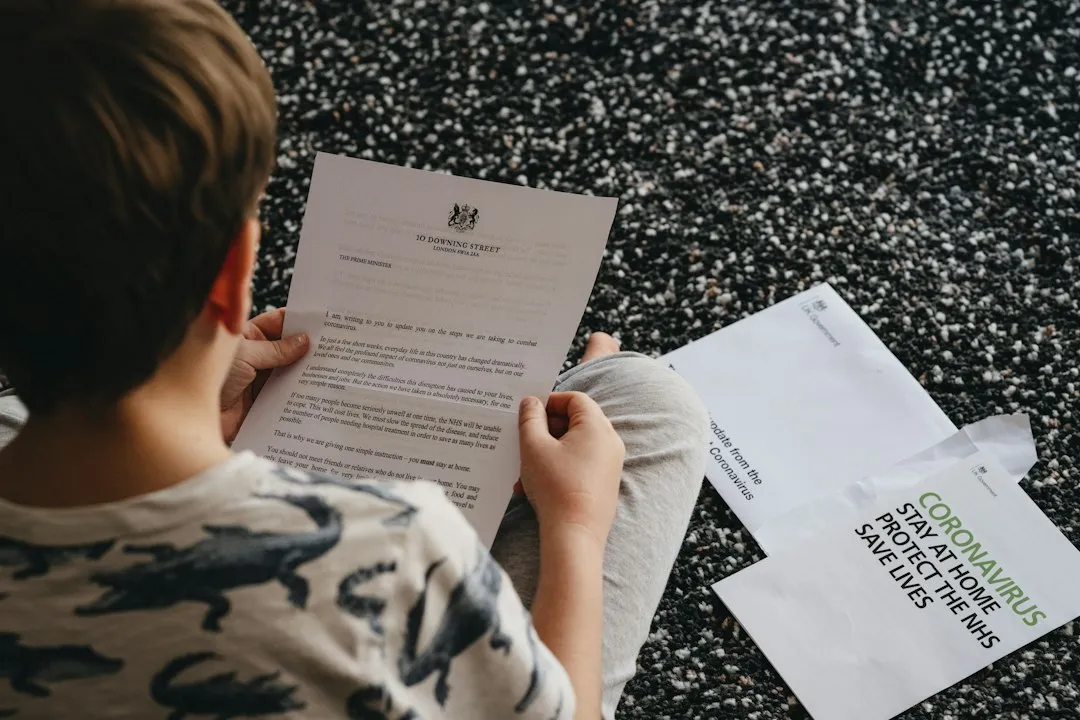
A Minor Travel Consent Form has become necessary in recent times because of the rise in instances of child abductions and human trafficking of children. Those aren’t abstract concerns for policymakers; they reflect real patterns that border agencies have had to respond to.
Ports of entry in many countries have security measures to prevent international child abduction. A signed, verified letter is one of the most practical tools authorities have to quickly assess whether a child is crossing a border under safe, agreed-upon circumstances.
This is to combat the increasing number of children who fall prey to trafficking and the abduction of children in custody proceedings. Custody disputes in particular are a significant driver of these policies, since one parent removing a child without the other’s knowledge is a real and documented problem across many countries.
Which Countries Formally Require It
Many countries, including Canada, Mexico, and Brazil, require a notarized consent letter from the absent parent when a child travels with only one parent.
Passengers traveling with only one parent or legal guardian to Brazil must have a notarized letter with authorization from the other parent or legal guardian. Brazil goes further and requires that the letter be translated into Portuguese, making advance preparation essential.
South Africa is one of the strictest countries on this issue, requiring a consent affidavit, copies of both parents’ identity documents, and the child’s unabridged birth certificate. Several European Union member states, including France and Germany, have also been known to request consent documentation at entry.
The Specific Rules in South Africa

South Africa has some of the strictest border controls in the world when it comes to child travel, rules introduced to help combat child trafficking and abduction that apply to all children under the age of 18, regardless of nationality.
Where only one parent is traveling with a child, each child has to produce a valid passport, an unabridged birth certificate or equivalent document, and a Parental Consent Affidavit from the non-traveling parent whose details are recorded on the birth certificate.
The affidavit must not be older than four months when presented. That time limit alone has caused families to miss flights when they arrived with paperwork that had expired since they prepared it. It’s the kind of detail that deserves a calendar reminder.
Canada and Mexico: Frequently Overlooked

Canada strongly recommends consent letters when children travel with only one parent or with other adults. While technically a recommendation rather than a hard legal requirement, border officers do have the authority to deny entry if they have any concerns about the child’s safety.
Without it, border agents can turn your family away or hold you in customs while they verify the situation. That kind of delay at a border crossing can derail an entire trip. A letter takes minutes to prepare but can prevent hours of difficulty.
A notarized Child Travel Consent form from the absent parent is necessary when one parent travels with their child across a land border into Mexico or Canada. This applies to sea crossings as well, which surprises many cruise passengers who don’t expect the same scrutiny at a port.
What the Letter Should Actually Contain
A consent form should include the child’s full name, date of birth, and passport details; the name of the adult the child will be traveling with; the itinerary of the trip including destinations, travel dates, and accommodation details; and the full names and contact information of parent or guardian not traveling with the child.
It is preferred that the letter of consent is in English and notarized. If the child is traveling with one custodial parent, the letter should be from the other parent.
If the child is traveling with a guardian or alone, both parents should sign the letter. This is a detail that trips up many families: the threshold for who needs to sign changes depending on who is actually doing the traveling with the child.
Does It Need to Be Notarized?
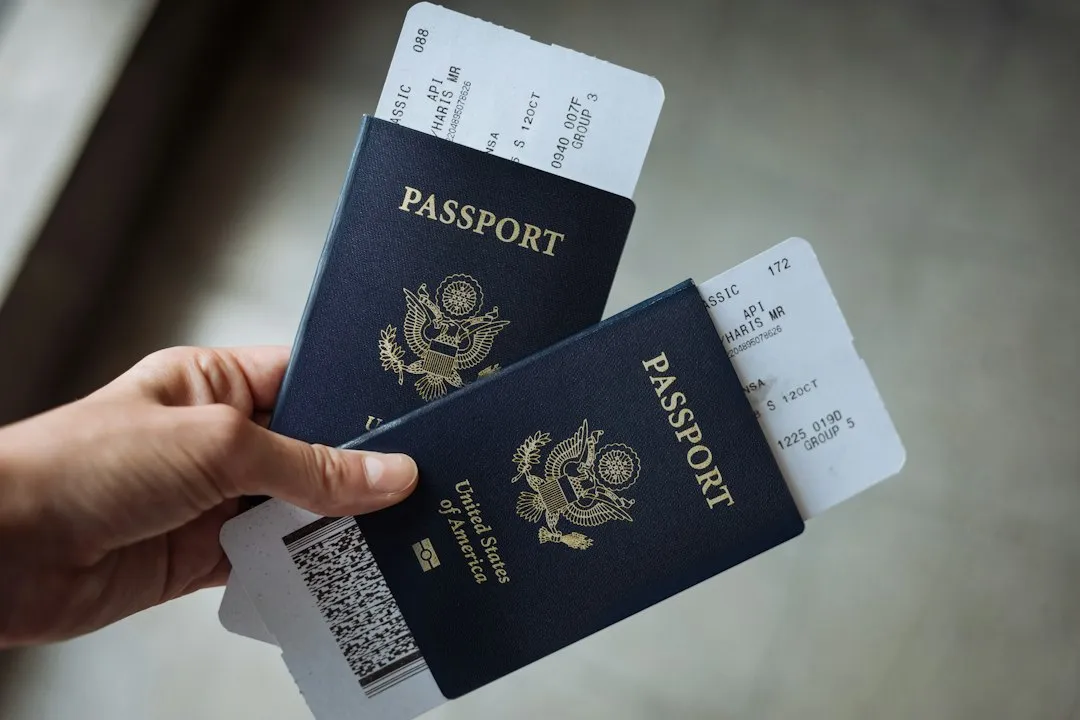
Many countries and border agencies may require a notarized travel consent letter from parents when their child is traveling without one or both parents. Notarization means a licensed official has verified the identity of the person signing, lending the document legal weight.
U.S. Customs and Border Protection suggests having a notarized consent form to prevent issues related to child abduction and trafficking, particularly if the child is traveling with only one parent or a non-parental guardian.
Notarization verifies the authenticity of the consent and helps meet foreign entry requirements. In practice, even when a country doesn’t formally mandate it, arriving with a notarized letter almost always moves things along more smoothly than arriving with a plain signed note.
When One Parent Has Sole Custody

If you have sole custody, carry a copy of your custody order when traveling. Courts sometimes assume that sole custody means no further permission is needed, but border officials don’t always share that assumption.
Many countries will not let a minor cross their border without written proof that the absent parent agreed to the trip, even if you have sole custody, or if the other parent simply could not make it.
Parents who share custody of their children should carry copies of the legal custody documents. Pairing those documents with a consent letter gives border officers the clearest possible picture of the situation, and that clarity is the goal.
What Happens If You Don’t Have One
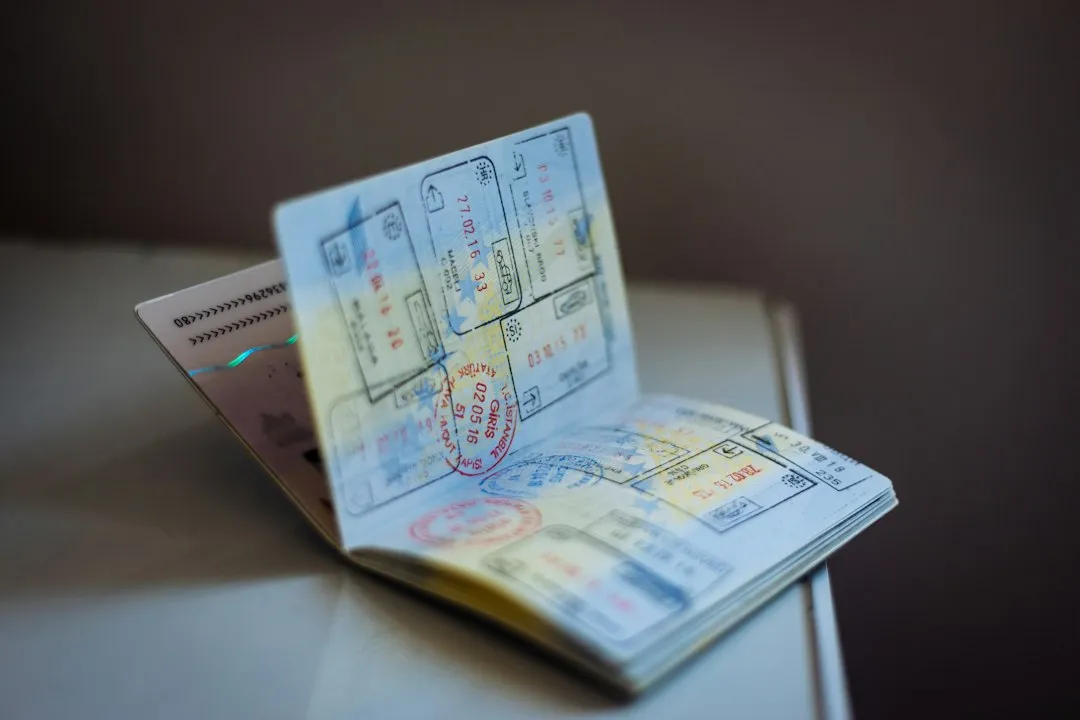
When one parent travels with their child, having a signed Child Travel Consent form from the other parent is extremely important, specifically for international trips. Without it, you may face delays or be refused entry or exit into a country.
Failing to present the correct travel documents for your child can lead to serious consequences even if all your travel bookings are in place. Airlines may deny boarding at the departure gate if you can’t provide the required paperwork.
Being turned away at a gate or held at a customs desk with a confused child in tow is a genuinely stressful experience, and one that is almost entirely avoidable. The document itself is straightforward; the difficulty is simply knowing you need it.
How to Get the Letter Right
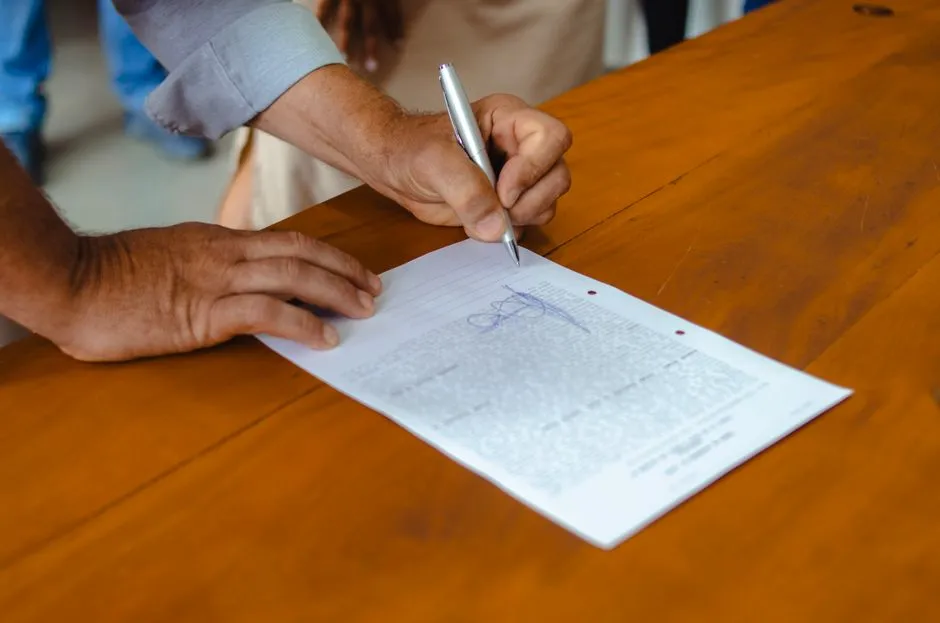
Contact the embassy or consulate of the country your child will be visiting and ask about letters of consent and other entry and exit requirements for that country. This step is often skipped, and it shouldn’t be. Requirements can change, and an embassy will give you the most current and country-specific guidance available.
If your child’s travel itinerary involves multiple stops, consider creating a consent letter for each trip. A single letter covering the whole journey may not satisfy authorities at every transit point, especially if the letter references only the final destination.
Border control officials can ask for proof that the child is permitted to travel with only one parent, especially if their last names differ. Having the child’s birth certificate alongside the consent letter removes that source of doubt immediately.
A Final Thought on Preparation

AI Disclaimer: This article was created with the assistance of AI tools and reviewed by a human editor.