

Most people overpack for winter city trips. They stuff a suitcase with heavy sweaters, bulky coats, and backup layers they never touch, then drag it all through cobblestoned streets or crowded metro stations, arriving exhausted before the trip has really started. There’s a smarter way.
The difference isn’t about packing more. It’s about swapping the wrong things for the right ones. A handful of targeted choices, grounded in how fabric and layering actually work, can make your entire trip feel warmer, lighter, and considerably more enjoyable from the moment you leave the house.
Stop Packing Cotton, Start Wearing Merino

The single most impactful swap you can make is at the base layer. Cotton base layers are widely considered the number one packing mistake for winter travel. Switch to merino wool or synthetics instead, because they stay warm even when wet. This matters more on a city trip than people realize, since you’re moving in and out of heated buildings constantly.
A major four-year research program led by North Carolina State University revealed that merino wool base-layer garments deliver superior thermal comfort. The concept, known as dynamic breathability, reflects how well the garment adapts to changing conditions, managing heat and moisture when the body is working hard and preserving warmth when activity slows or stops.
Merino wool can absorb and retain up to thirty percent of its weight in moisture and still feel dry to the touch. That quality alone makes it transformative on a cold city day when you’re walking, hopping on trams, and ducking into warm cafes in quick succession.
The Three-Layer Logic That Actually Keeps You Warm
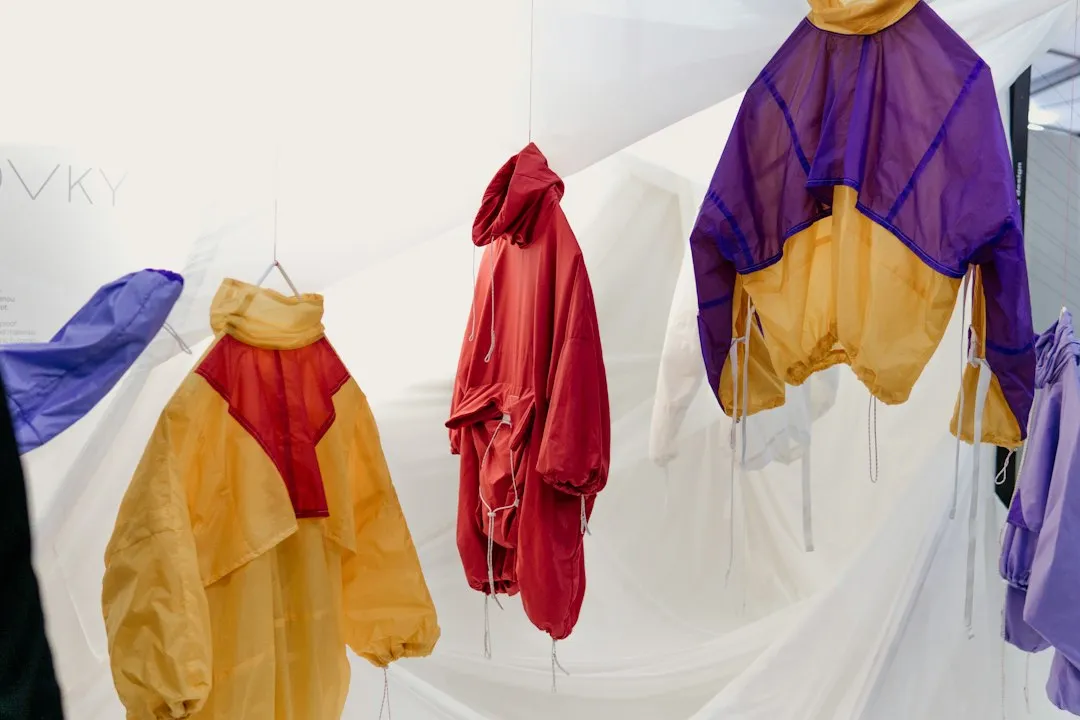
One of the most efficient ways to dress for cold weather is to use three functional layers rather than relying on one extremely heavy piece of clothing. It sounds simple, and it is, but the execution matters. Each layer has a specific job and removing one layer changes the equation entirely.
The base layer sits directly against your skin, and its job is moisture management: pulling sweat away from your body and keeping you dry. Merino wool or synthetic fabrics only. The mid-layer adds warmth through insulation, and the outer shell handles wind and weather. Together, they outperform any single heavy coat.
If you enter a heated restaurant, train, or museum, you can remove the insulating layer instead of overheating. That adaptability is exactly what a winter city trip demands, where conditions shift every thirty minutes.
Swap the Big Coat for a Packable Down Jacket

Bringing an expedition-style parka to a city like Prague or Edinburgh is a common overcorrection. For city trips, a medium insulated coat combined with thermal and mid-layers is often more versatile than an enormous expedition-style parka. It takes up less room, looks better on the street, and works harder across different temperatures.
A great packable jacket is lightweight and compact enough for travel while also providing warmth and water-resistance for comfort. Many of the best options compress into their own stuff sack, leaving real room in your bag for everything else. The insulation layer acts as your warmth anchor for genuinely cold conditions. A packable down jacket is the right tool here, as it traps heat and needs to compress into its own stuff sack to be carry-on viable.
Wear Your Heaviest Items Onto the Plane
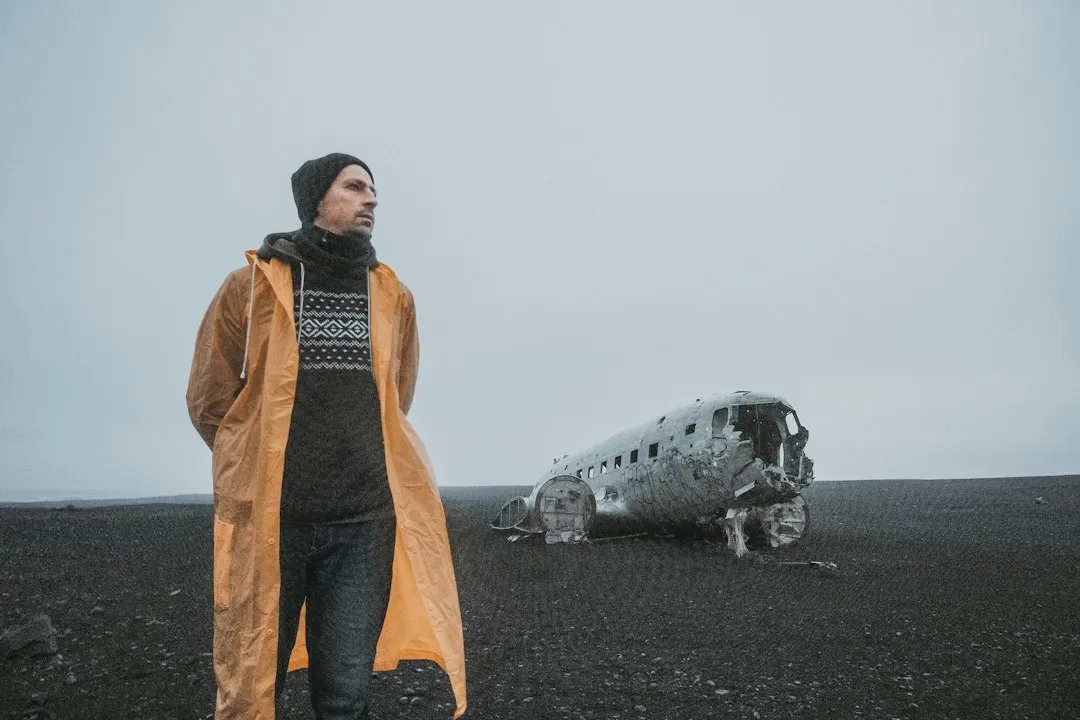
Wearing large or heavy items like coats and boots while traveling can free up valuable suitcase space and help avoid baggage fees. This is one of those obvious tips that surprisingly few people follow through on. Your coat, your thickest sweater, your boots, they all count as worn items, not packed weight.
The trick is wearing your bulkiest coat on the plane and packing thin warm fabrics like merino and cashmere that compress down small. Once you’re at your destination, those compressed pieces do the real thermal work. The coat stays on a hook at the hotel and only comes out for the coldest outdoor stretches.
Thermal Leggings Under Regular Trousers

For city travel, wearing thermal leggings under regular trousers is one of the simplest ways to increase warmth without packing an entirely separate winter wardrobe. It’s a swap most travelers overlook entirely. Your legs lose heat faster than most people expect when standing on exposed plazas or waiting for a walking tour to begin.
Thermal clothing provides a large amount of warmth for relatively little suitcase space, making it one of the most useful investments for winter travel. A single thin thermal layer beneath your normal jeans or trousers can change the entire comfort level of a cold afternoon. For a typical week-long winter trip, you usually don’t need seven sets of thermals. A practical starting point is two to three thermal tops and one to two thermal leggings or long underwear.
Cashmere: The Mid-Layer That Earns Its Weight
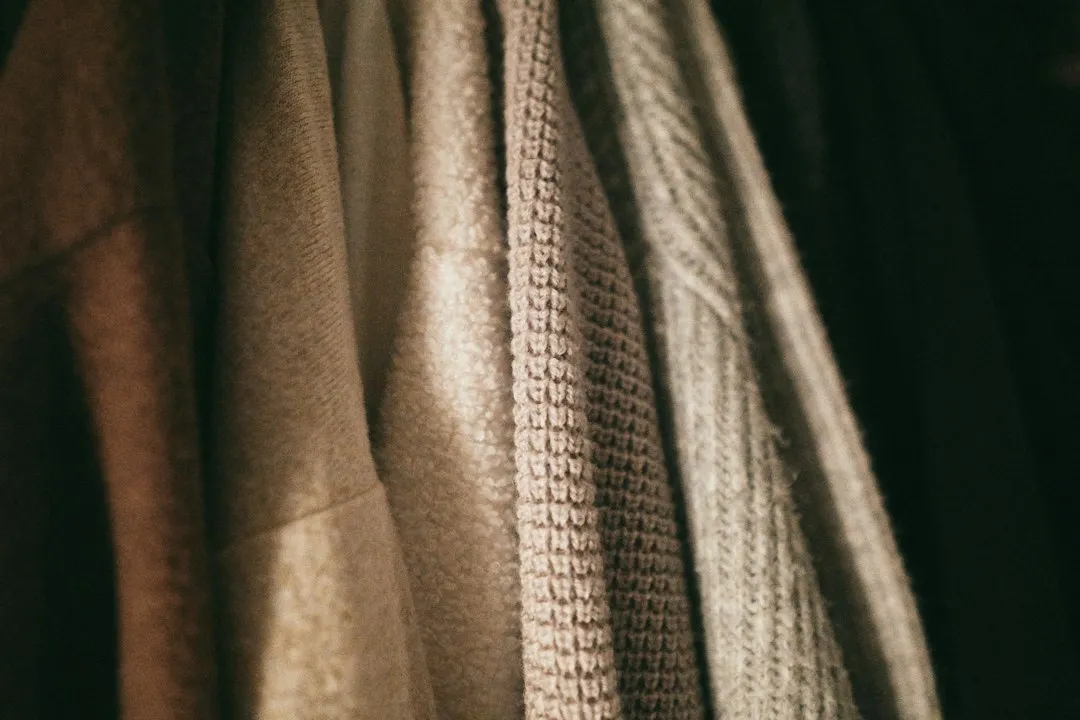
The middle layer is your warmth. A cashmere sweater, a cardigan, or a wool knit all serve this role well. Cashmere compresses down to almost nothing, so it earns its spot in a carry-on. That compression quality is what separates it from bulkier mid-layers that eat up suitcase space without delivering proportional warmth.
Merino wool is known for its exceptional insulation and breathability as a natural fiber that feels soft against the skin. It regulates temperature effectively, making it perfect for layering. Whether you choose merino or cashmere for your mid-layer, the principle holds: natural fibers at the middle carry warmth efficiently without the volume of acrylic knits.
Small Accessories That Carry a Disproportionate Amount of Warmth
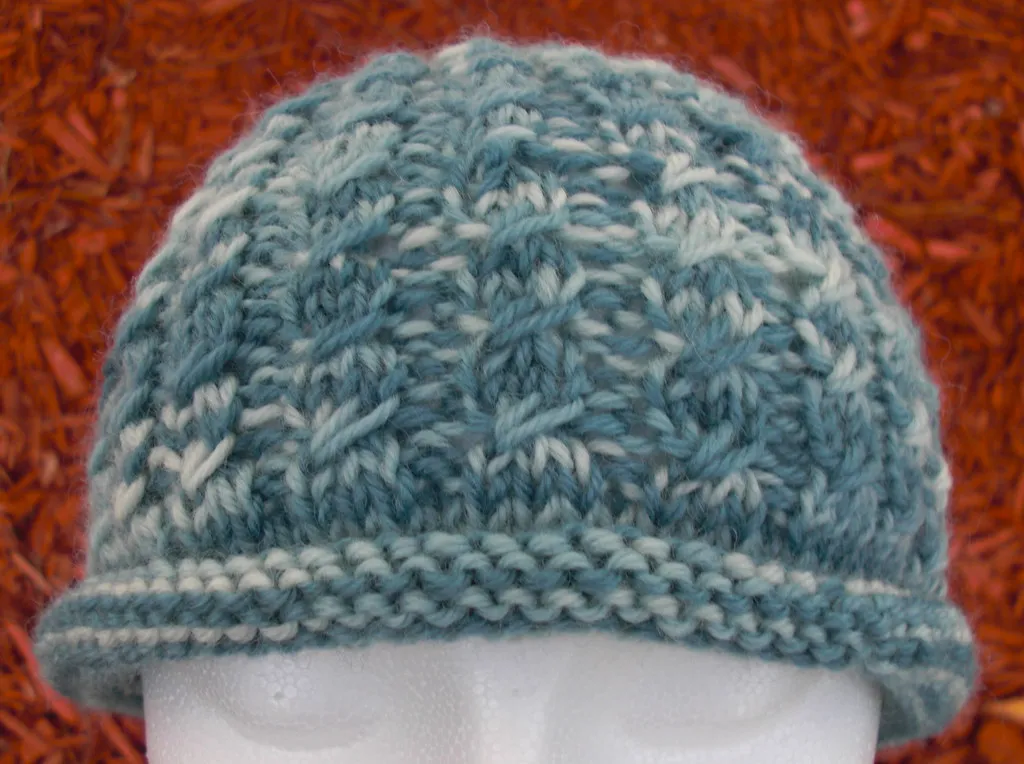
A hat, gloves, and scarf are the items most often forgotten when packing for winter travel. They’re small, light, and the difference between miserable and comfortable. That last point is worth sitting with. A merino or wool hat can change the felt temperature of standing outside by several degrees. Hands and ears lose heat quickly, and covering them costs almost nothing in luggage space.
Small winter accessories provide a lot of warmth without consuming much luggage space. Merino wool hats, gloves, and scarves add extra warmth as well as style. They’re compact, lightweight, and easy to toss in a pack or hold in a pocket, making them worth their weight on cold mornings. Pack them at the top of your bag so they’re reachable the moment you land.
Swap Cotton Socks for Wool Ones
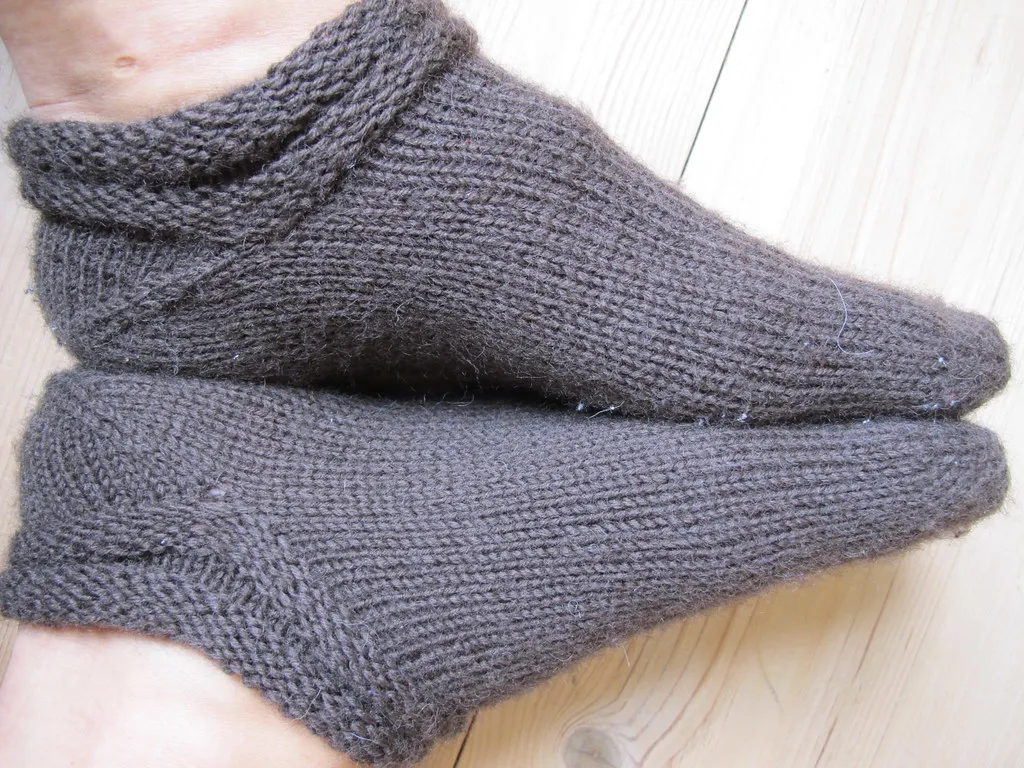
It seems like a minor detail until you’ve spent a full day of sightseeing with cold, damp feet. Merino wool has the ability to insulate even when wet. If you get your socks wet, it won’t compromise their ability to keep you comfortable. The same goes for your base layer if you’re sweating heavily: the fabric won’t pin cold, wet material against your body like cotton does. Instead, it keeps you at a comfortable temperature and retains its soft feel.
Wool socks, even thin ones, work significantly better than cotton in cold and wet city conditions. They also dry overnight when hand-washed, which keeps your bag lighter across a longer trip. One less thing to overpack for.
The Capsule Approach: Fewer Pieces, More Combinations

Smart winter packing is about staying warm with versatile layers instead of overdoing it on bulky clothing. The capsule mindset shifts the goal from “I have an outfit for every scenario” toward “every piece I packed works with three others.” That’s a meaningful reframe, especially when the destination has its own energy you want to move through freely.
The key to a successful winter wardrobe is creating a capsule wardrobe that emphasizes versatility and comfort. Neutral base colors help every layer mix without effort. Two bottoms, three or four tops in varying weights, one packable insulation layer, and a solid outer shell can honestly cover a week-long city trip without a checked bag. Choosing practical, multi-purpose outerwear and footwear makes winter travel more comfortable and packing easier.
Rethink Your Boots Before You Pack Them
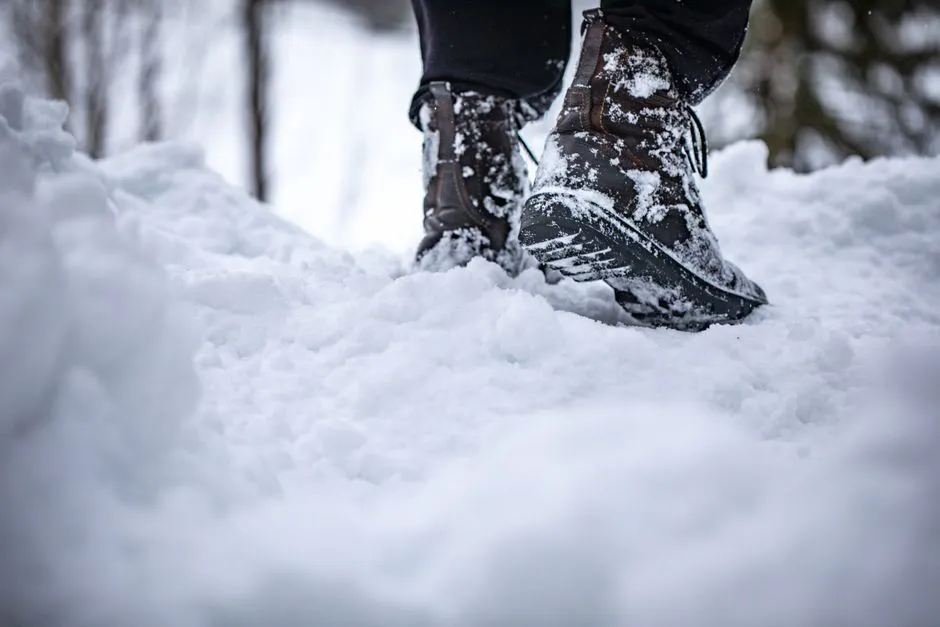
Boots are often the heaviest and least considered item in a winter travel bag. Many travelers bring one pair of purely aesthetic boots and one pair of purely practical ones, leaving little room for anything else. The better swap is a single pair that handles both: waterproof enough for slush, sleek enough for a restaurant, and broken in enough that they don’t destroy your feet by day two.
Wearing large or heavy items like boots while traveling can free up valuable suitcase space and help avoid baggage fees. Wear them on the plane. Pair them with thermal socks for outdoor hours and lighter wool ones indoors. One well-chosen boot, worn rather than packed, solves more problems than two mediocre pairs tucked into a checked bag ever could.
The Takeaway

Winter city travel doesn’t require a full wardrobe overhaul. It requires a few deliberate swaps: cotton out, merino in; heavy single layers out, a smart three-layer system in; a bloated suitcase out, a carry-on built around versatility. The trips that feel warmest rarely belong to the people who packed the most.
The warmth was always in the choices, not the volume. Pack that way, and you’ll spend less time managing luggage and more time actually living inside the city you came to explore.
AI Disclaimer: This article was created with the assistance of AI tools and reviewed by a human editor.