
A Record That Speaks for Itself
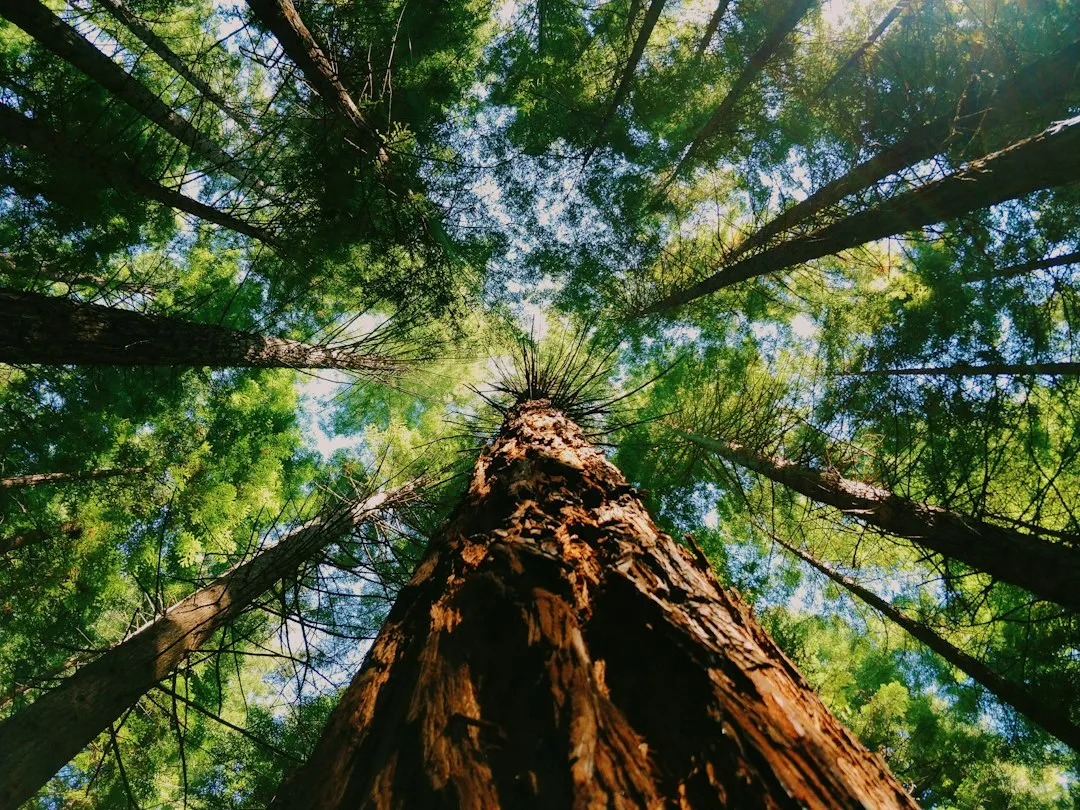
The tallest known tree on Earth stands 380 feet tall, taller than a 35-story building. It’s a coast redwood named Hyperion, growing in a California canyon, and it wasn’t discovered until 2006. The margin between Hyperion and its closest rival is not trivial.
The park also houses the second, fourth, and fifth tallest known trees, coast redwoods named Helios, Icarus, and Daedalus, which respectively measured 377, 371, and 363 feet in 2022. All of them are redwoods. All of them live in the same park. It says something about this particular stretch of Northern California coastline that it holds so many records in one place.
The Discovery That Changed the Record Books
Hyperion was discovered on August 25, 2006, by naturalists Chris Atkins and Michael Taylor. The find was not the result of a government survey or a satellite scan. It came from two people walking through a remote canyon with a laser rangefinder and a willingness to look up.
That suspicion was confirmed when Stephen Sillett, a forest ecologist known for pioneering the study of redwoods, climbed the tree and measured it using both a laser range finder and a fiberglass tape. The height was recorded at 379.1 feet, the tallest living tree ever measured at that time. The discovery sent ripples through the scientific community almost immediately.
By 2019, Hyperion had grown another 1.7 feet, reaching a verified height of 380.8 feet. It has continued to grow since then, with the most recent measurement placing it higher still.
How Old Is This Giant?
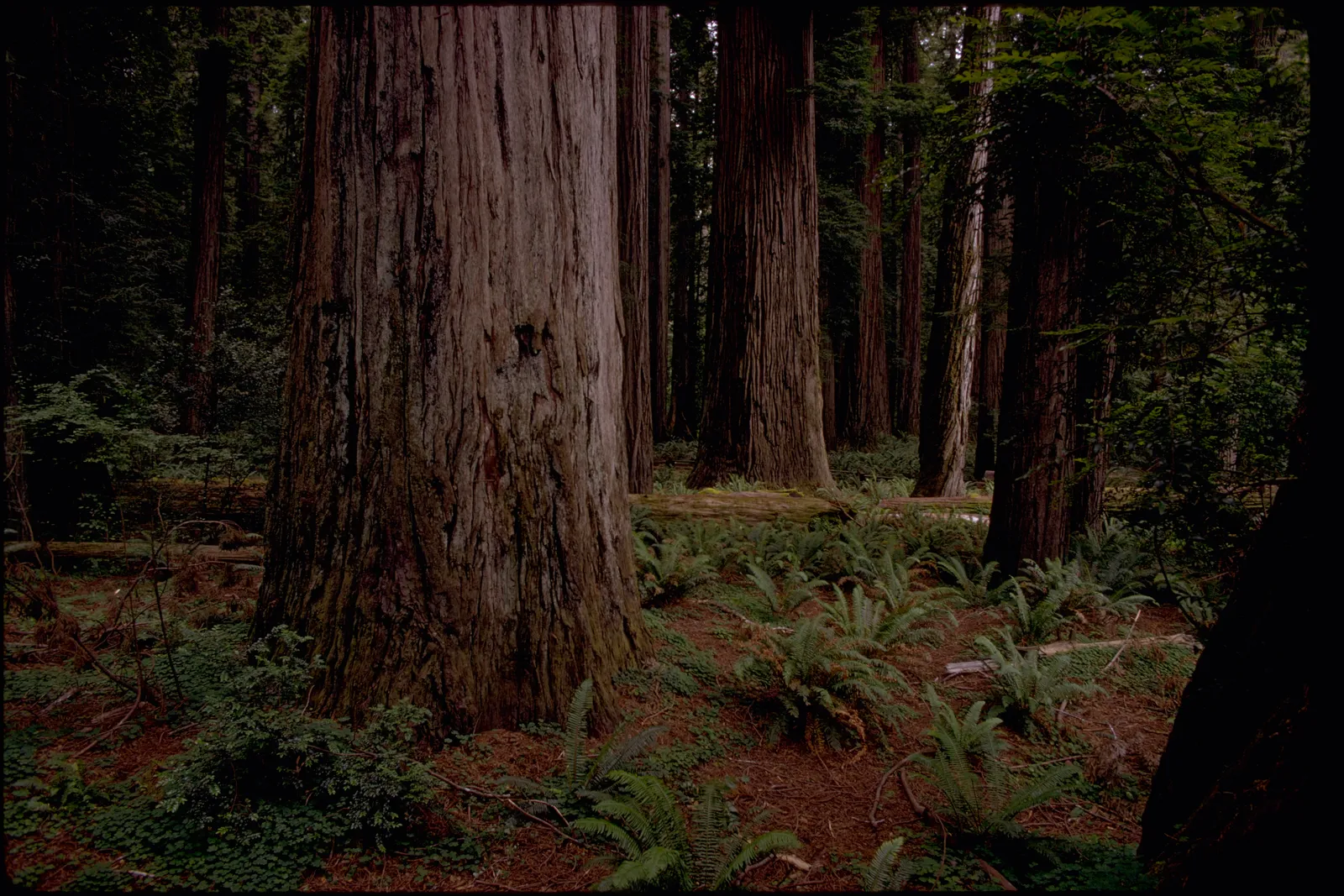
Hyperion is estimated to be between 600 and 800 years old and contains 530 cubic metres of wood. It was seeded when the Chilula, a Pacific Coast Athabaskan people, inhabited the region. That places its germination somewhere in the medieval period, around the time when the great cathedrals of Europe were still under construction.
The tree is estimated to contain 530 cubic metres, or 18,600 cubic feet, of wood. Researchers stated that woodpecker damage at the top may have prevented the tree from growing even taller. That detail is almost poetic. The tallest tree on Earth may have been held back by a bird.
What Makes a Redwood Grow This Tall?
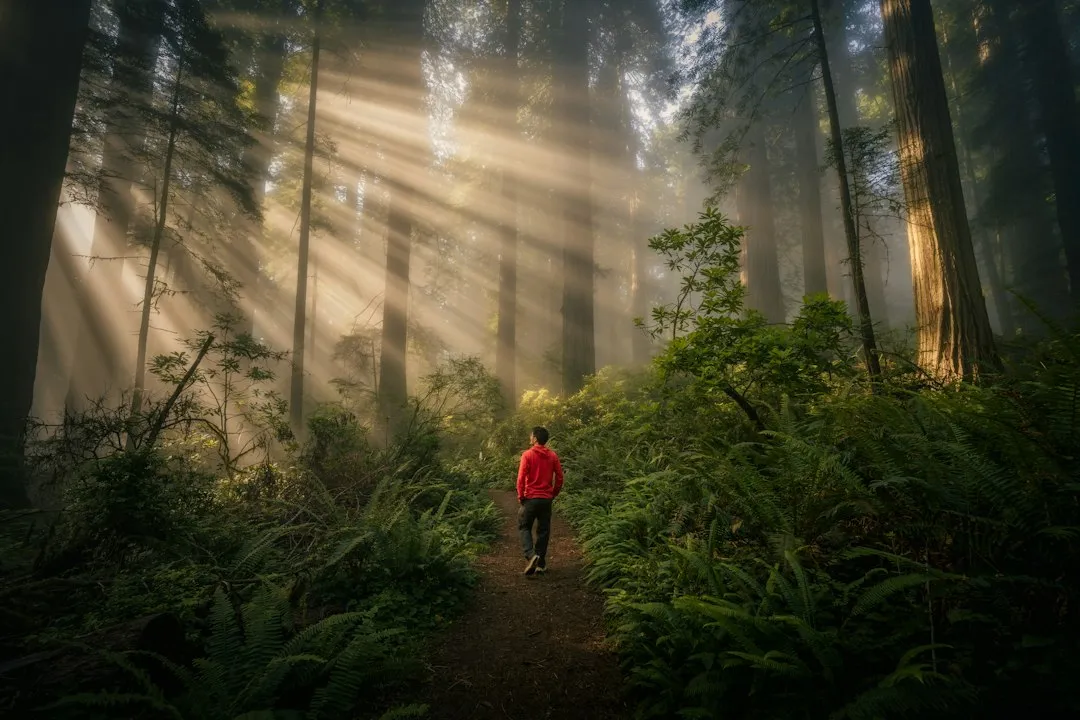
In their native California, the humid summer fogs combined with winter rainfall allow redwoods to grow to immense heights. This combination of moisture sources is fairly unique on the planet. The coastal fog essentially acts as a second rain season, feeding the trees through their needles even when the soil is dry.
Coast redwoods like Hyperion thrive in the foggy, temperate climate of the Pacific Northwest, which provides consistent moisture and moderate temperatures year-round. The moderate temperatures matter as much as the water. Extreme cold or heat would interrupt the growth cycles that allow these trees to compound their size over centuries.
Coast redwoods also benefit from a degree of fire resistance built into their thick, fibrous bark, which allows them to survive blazes that would kill most other species. Survival over long timescales is ultimately what produces trees of this scale.
The Physics of Tree Height
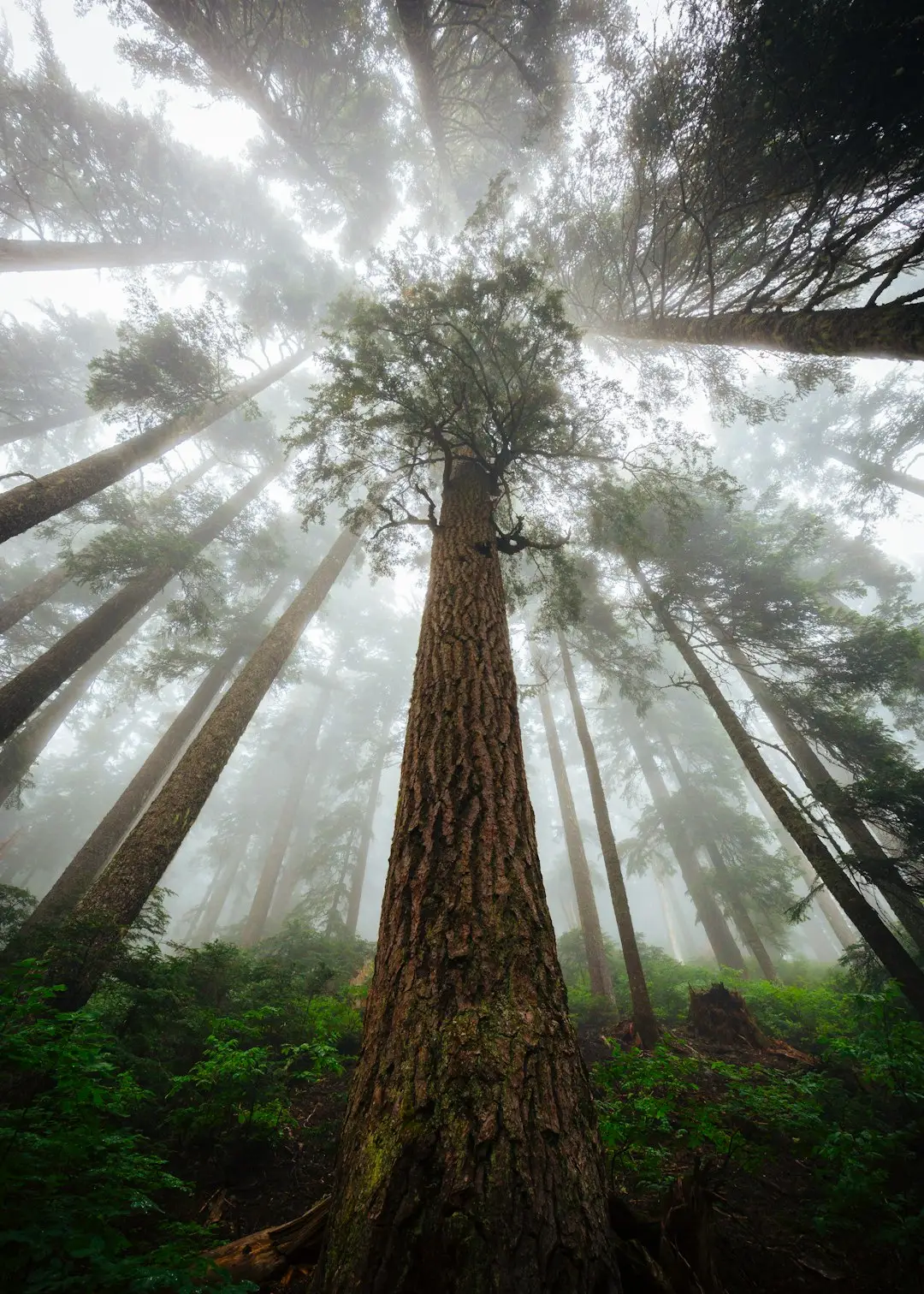
Calculations suggest the theoretical maximum height for a tree is around 400 to 430 feet. Hyperion, at 380 feet, may be approaching this limit. The reason trees can’t grow indefinitely comes down to physics, specifically the challenge of pulling water upward against gravity through a column of living wood.
Scientists estimate a physiological maximum of 122 to 130 metres for trees. Hyperion, at 116.22 metres, sits remarkably close to that theoretical ceiling. Whether it will ever breach it is an open question, since the tree is still growing.
A Forest of Record-Holders Surrounding It
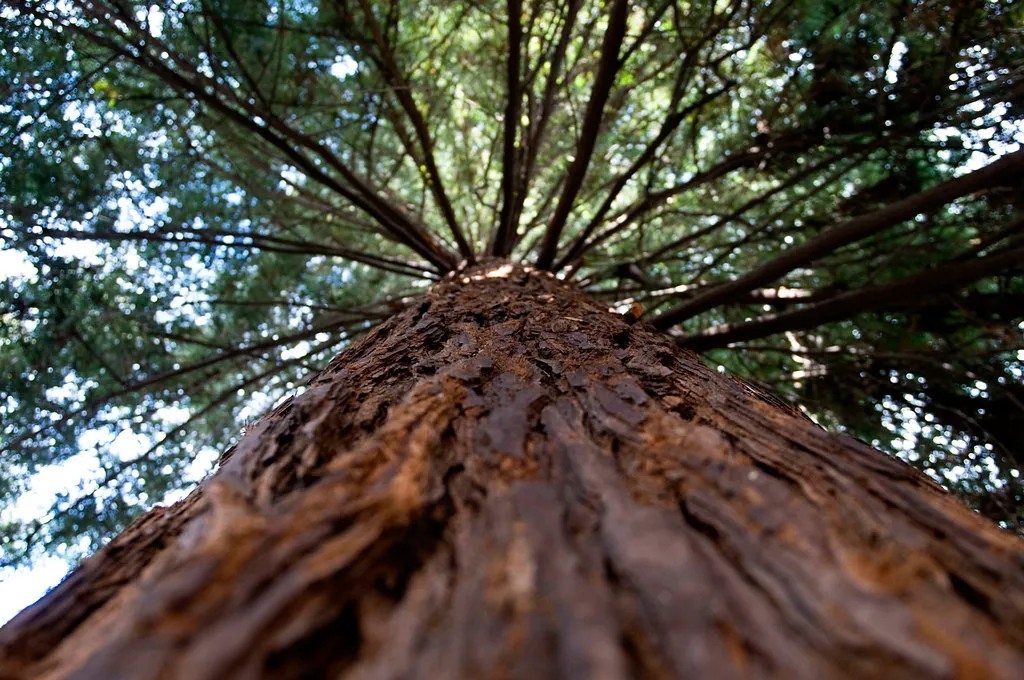
Tucked away in the northwest corner of California, Redwood National and State Parks is home to the world’s tallest trees. Hyperion is the peak of that collection, but the park functions almost like a library of record-setting specimens, each one remarkable in its own right.
The park is home to several of the world’s tallest known trees, including Helios and Icarus, which are 377 feet and 371 feet respectively. For perspective, any one of those trees would comfortably top every other tree species on the planet. They just happen to share a zip code with something even taller.
Why You Cannot Visit Hyperion
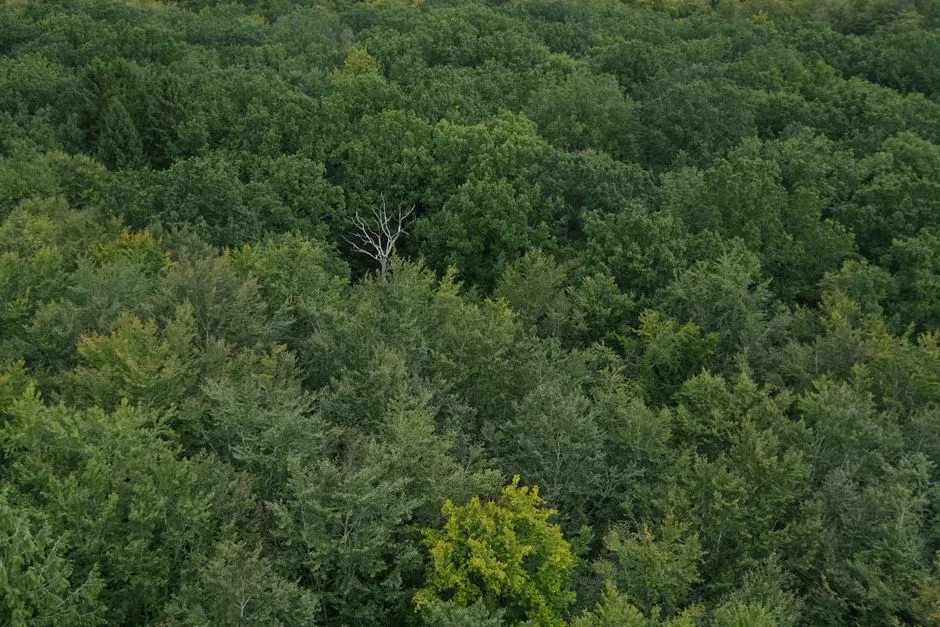
Hyperion, certified by Guinness World Records as the world’s tallest living tree, is officially off-limits to visitors. The decision wasn’t made lightly, and it wasn’t made early enough for some conservationists. By the time the ban was formalized, the damage was already visible.
The National Park Service stated: “There is no trail to Hyperion. Hyperion is located within a closed area. Hiking within this closure could result in a $5,000 fine and 6 months in jail.” That is a serious legal consequence for what some visitors assume is a harmless walk in the woods.
According to the national park’s website, “Hyperion is located off trail through dense vegetation and requires heavy bushwhacking in order to reach the tree,” and the increased popularity of this off-trail destination has “resulted in the devastation of the habitat surrounding Hyperion.”
The Damage That Forced the Closure
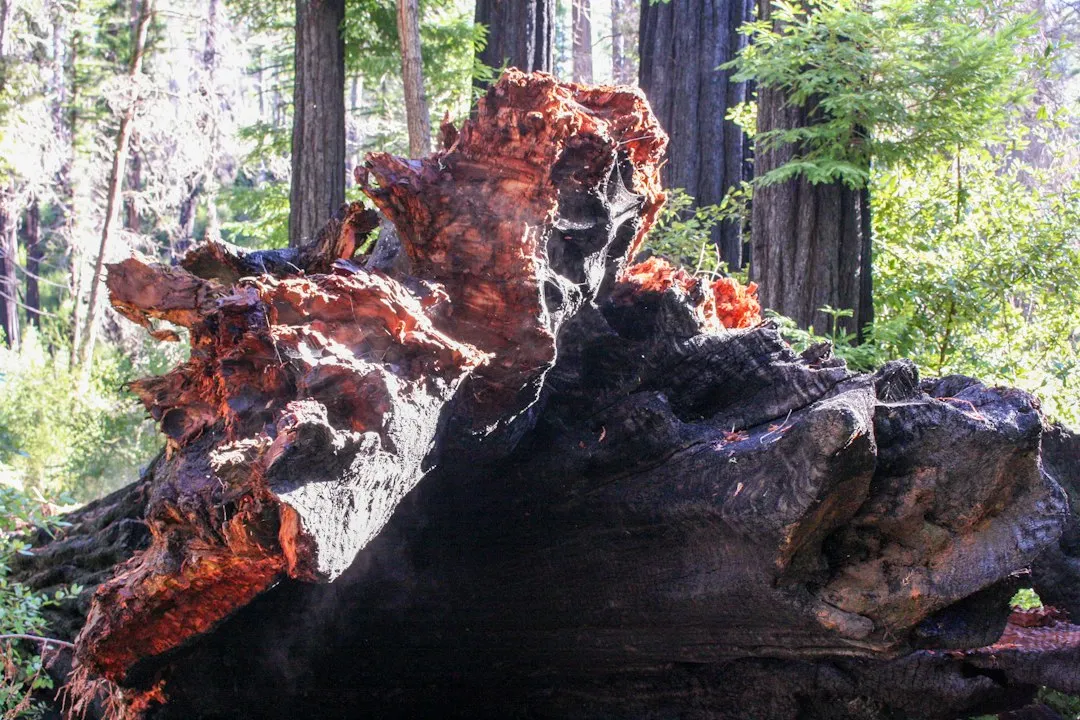
Because of its location, visitors to Hyperion have trampled the vegetation around it and degraded the base of the tree. Visitors stepping on Hyperion has resulted in the degradation of the tree’s base. The area around the tree no longer has ferns due to trampling. Ferns in an old-growth redwood forest take decades to establish. Removing them by foot takes minutes.
Redwood trees have shallow root systems, which are easily damaged by trampling the ground above them. Compaction due to increased activity around the base of Hyperion has already resulted in significant damage to the roots. This is the quiet irony of overtourism. The very thing people come to celebrate, they end up threatening.
Some people even bring drones or try to climb the giant, according to Leonel Arguello, the park’s manager for natural resources. The park has had to respond to an escalating range of intrusions, not just casual hikers.
What the Park Offers Instead
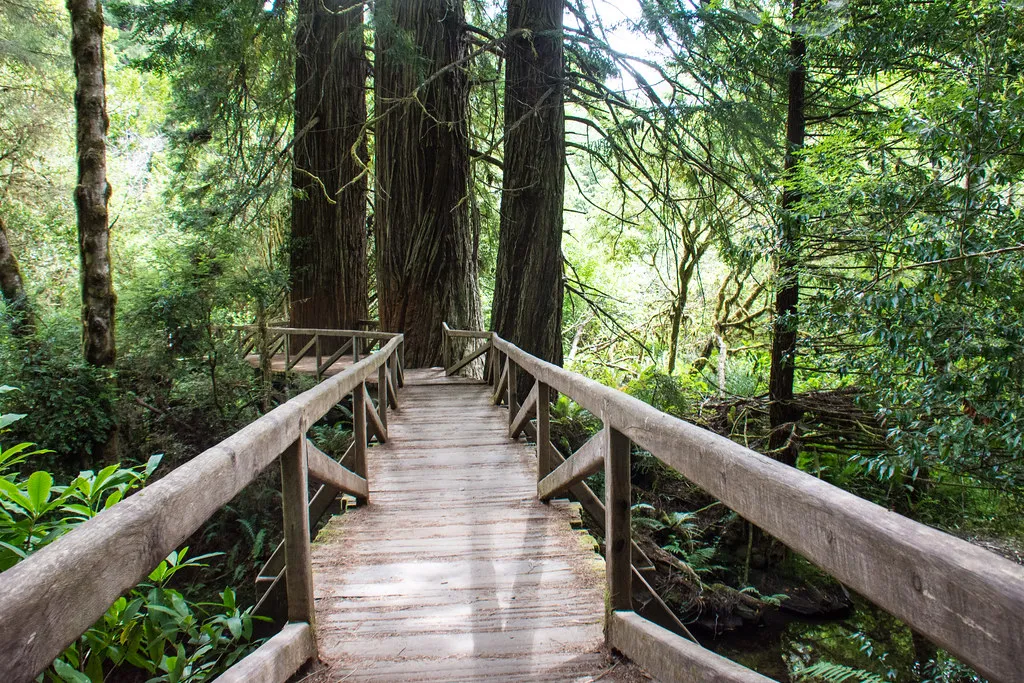
The park is encouraging visitors not to seek out Hyperion and continues to ask people not to create social trails anywhere in the redwoods. The park has over 100 miles of maintained trails that go to incredibly stunning and massive redwoods. That is not a consolation prize. Those trails access trees that are, by any measure, extraordinary.
In summer 2022, the park opened a new “Grove of Titans” trail that has an elevated boardwalk. This boardwalk protects the delicate ferns and other forest floor plants that were being trampled by well-meaning visitors who were bush-crashing to seek the “Titans.” The boardwalk approach is now seen as a model for how to give people access to old-growth forests without destroying what makes those forests worth visiting.
What Hyperion Tells Us About Old-Growth Forests
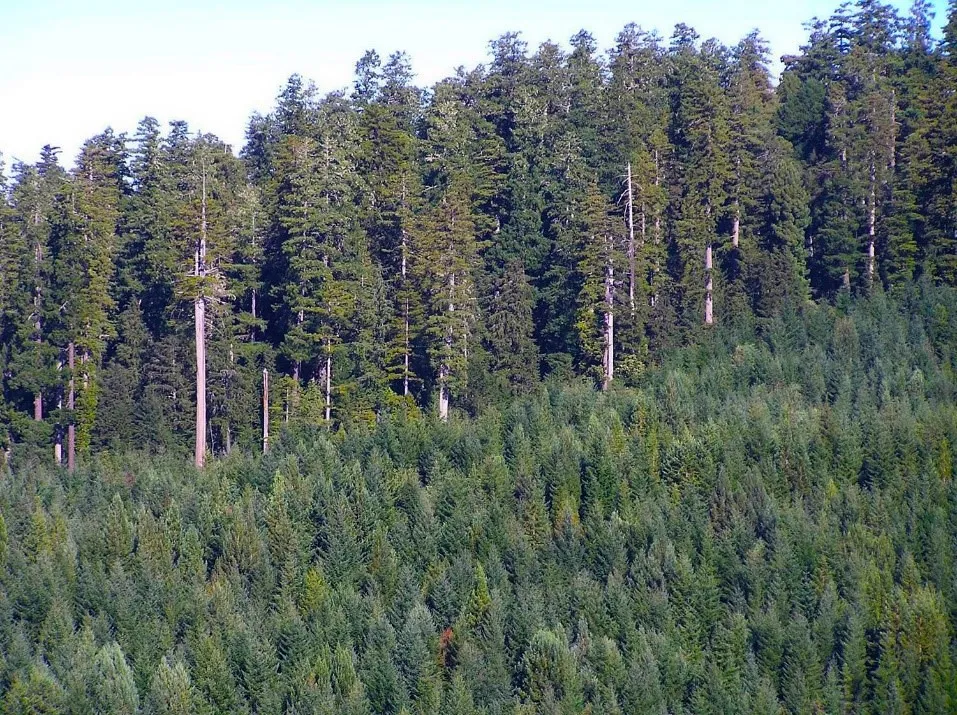
Joanna Nelson, director of conservation planning at Save the Redwoods League, told the Los Angeles Times that only about five percent of old-growth redwoods are left that haven’t been used for commercial logging. That statistic reframes what Hyperion actually represents. It isn’t just a tall tree. It’s a survivor of a landscape that was almost entirely erased.
Only recently have ecologists accessed the canopies of these trees and found, especially in those of the coast redwood, remarkable communities of lichens, mosses, vascular plants, and associated animals. The redwood canopy is effectively its own ecosystem, hundreds of feet above the forest floor. Hyperion, at its height, hosts layers of biological complexity that science has barely begun to document.
In that sense, protecting Hyperion isn’t simply about preserving a record. It’s about protecting an entire, irreplaceable world that happens to live very far off the ground.
The Quiet Case for Leaving It Alone
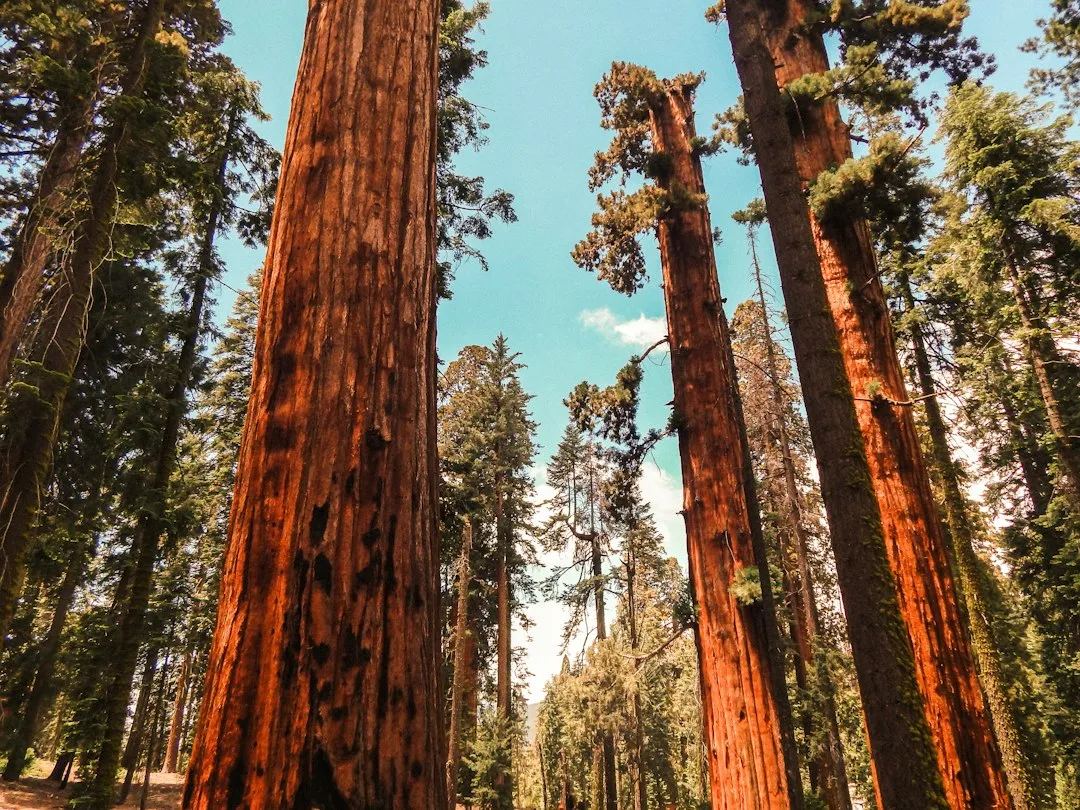
There is something worth sitting with in the fact that the world’s tallest tree stands in a place where you’re not supposed to go. Not because access is being withheld arbitrarily, but because the tree genuinely needs that distance to survive. It is taller than human architecture, older than most nations, and more fragile at its roots than its scale suggests.
The redwoods of Northern California have outlasted logging, drought, and centuries of change. Hyperion is among the last of the tallest. Scientists note that redwoods continue growing, and Hyperion may surpass its current height in coming years. The best thing most of us can do for that future is to stay on the trail, look up through the canopy at whatever enormous tree happens to be nearby, and let the record-holder keep growing in peace.
AI Disclaimer: This article was created with the assistance of AI tools and reviewed by a human editor.