

More than a century has passed since the RMS Titanic slipped beneath the North Atlantic, yet her shadow still reaches every modern cruise ship that leaves port. Before you unpack your bags, before the buffet opens, before the ship even clears the harbor, a safety drill takes place. That is not a coincidence.
The drill you sit through, the life jacket demonstration you may be tempted to skip, the muster station you are required to locate – all of it traces back, in a direct and unbroken line, to a single catastrophic night in April 1912. Understanding why reveals something important about how maritime safety actually works, and why these rituals matter far more than they might appear.
A Night That Rewrote the Rules
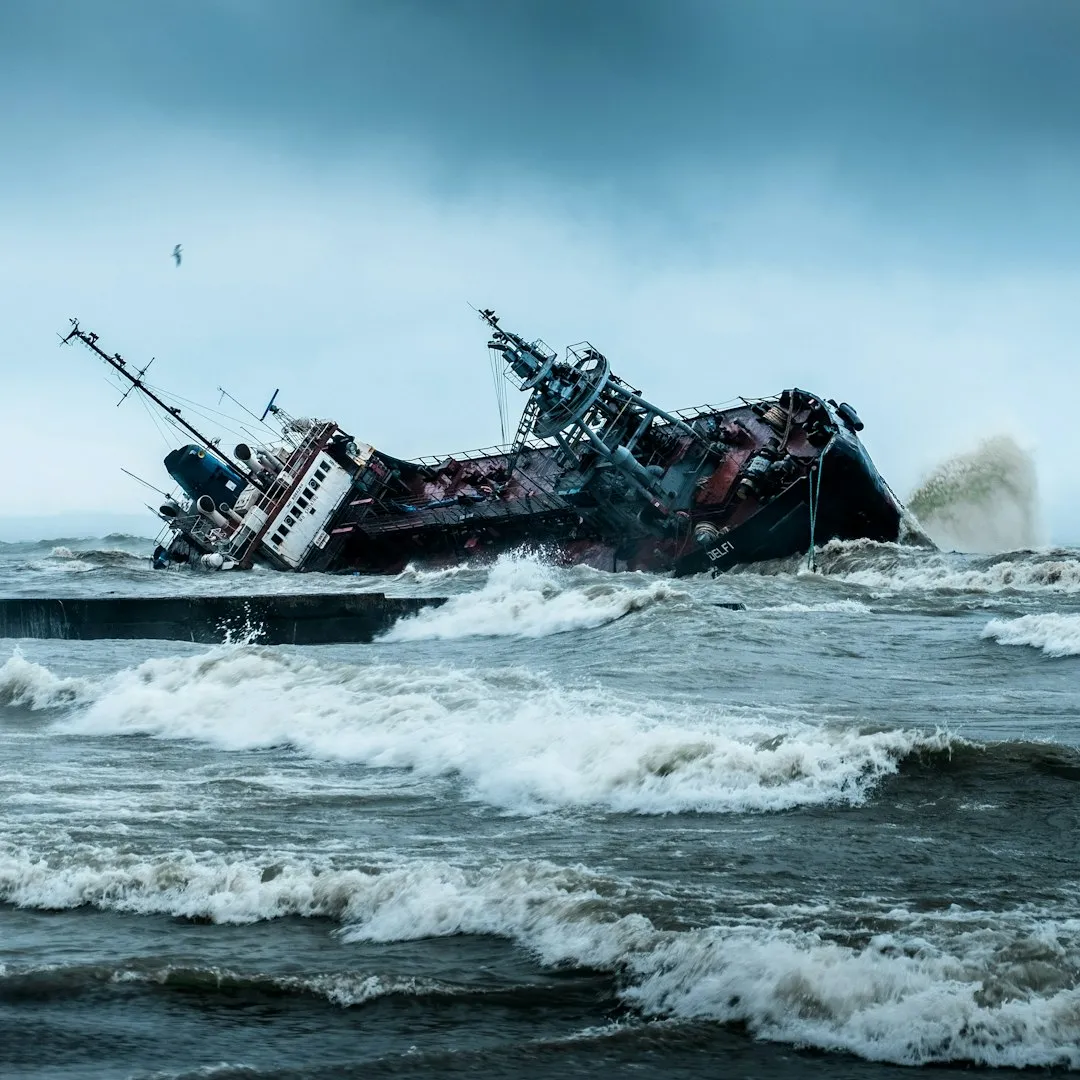
The Titanic sank in the early hours of Monday, April 15, 1912, with a loss of approximately 1,500 out of the 2,200 people on board. The scale of the loss was not simply a matter of bad luck or iceberg placement. It exposed a system of maritime safety that was, in many crucial ways, dangerously outdated before the ship ever launched.
Titanic sailed under safety regulations that originated nearly 20 years earlier, when the largest passenger ships weighed 10,000 tons. Titanic was more than four times that size. The rules had simply not kept pace with the ships.
The Lifeboat Problem Nobody Wanted to Solve
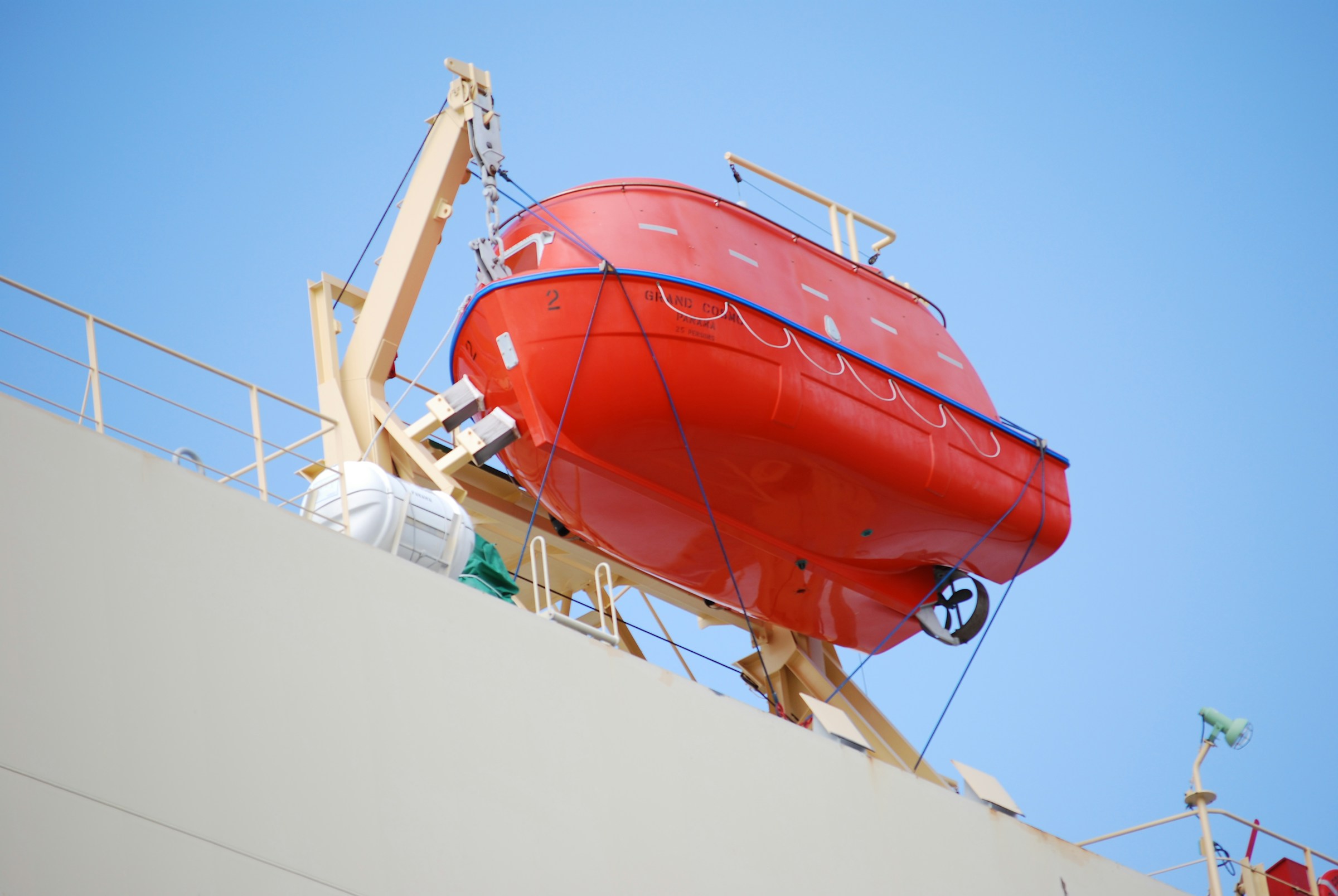
Titanic carried 20 lifeboats: 14 standard wooden lifeboats, two emergency cutters, and four collapsible boats. Together they were rated for 1,178 people, while about 2,208 passengers and crew were aboard. That gap alone tells most of the story.
Titanic actually exceeded the British legal requirement, which was equivalent to about 962 people, but the rule itself was outdated. In accordance with the existing practice of the day, Titanic’s lifeboat system was not designed to hold everyone on board simultaneously, but rather to ferry passengers to nearby rescue vessels. With no nearby vessels, that assumption proved fatal.
In addition to the shortage of lifeboats, Titanic’s crew were poorly trained in their use. The evacuation was slow and poorly managed, and many of the lifeboats left half-empty. Some boats departed with far fewer passengers than they could hold, a detail that haunted the subsequent inquiries for years.
SOLAS: The Convention Born from Disaster
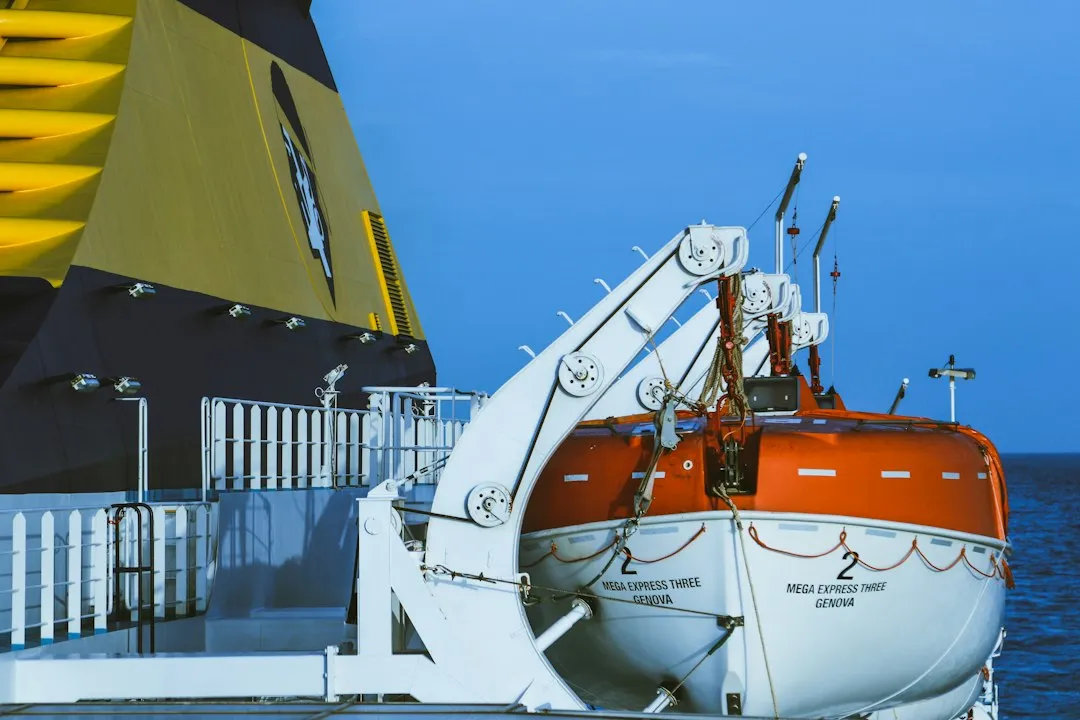
The muster, or lifeboat, drill has been a staple of ocean voyages for over a century, required by the international maritime treaty known as SOLAS, or Safety of Life at Sea. The first iteration of SOLAS dates back to 1914, when it was implemented in response to the sinking of the RMS Titanic two years prior.
After the sinking of the Titanic, it was decided that ships should carry enough lifeboats for everyone onboard. There would also be lifeboat drills and inspections to avoid another similar disaster. These were not suggestions. They became binding international law.
The SOLAS Convention is regarded as the most important of all international treaties concerning the safety of merchant ships. Its reach extends from how a vessel is constructed down to what a passenger is told before the ship leaves the dock.
What SOLAS Actually Requires of Passengers
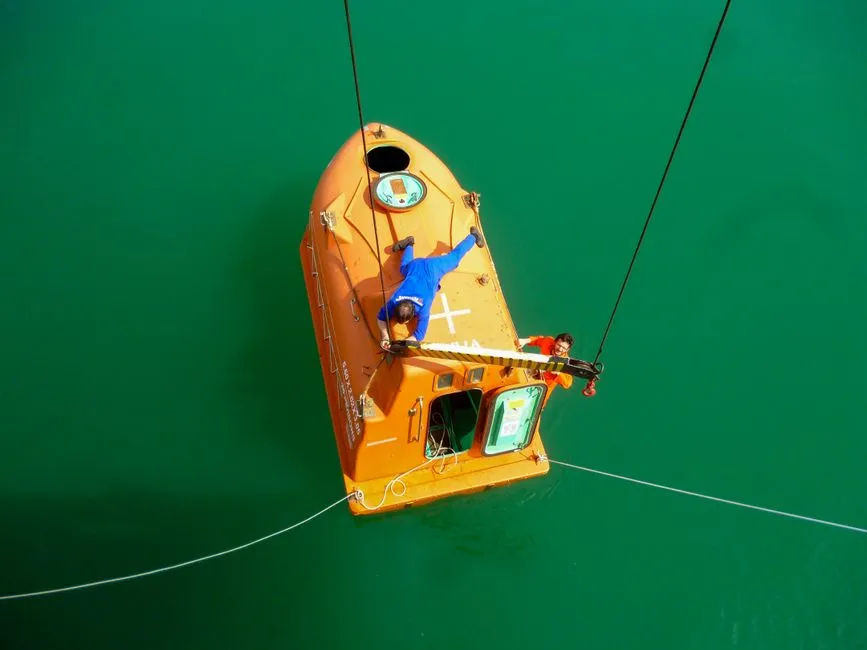
The mandatory muster drills, also known as cruise ship safety drills, safety briefings, or lifeboat drills, serve to tell passengers all they need to know to stay safe on a cruise. Every passenger on board must participate, regardless of how many times they have sailed before.
SOLAS, which has been adopted by the International Maritime Organization as part of the United Nations, requires that for a voyage where passengers are to be onboard for more than 24 hours, a muster of the passengers shall take place within 24 hours after their embarkation. Passengers must be instructed in the use of life jackets and the action to take in an emergency.
Costa Concordia: History That Repeated Itself
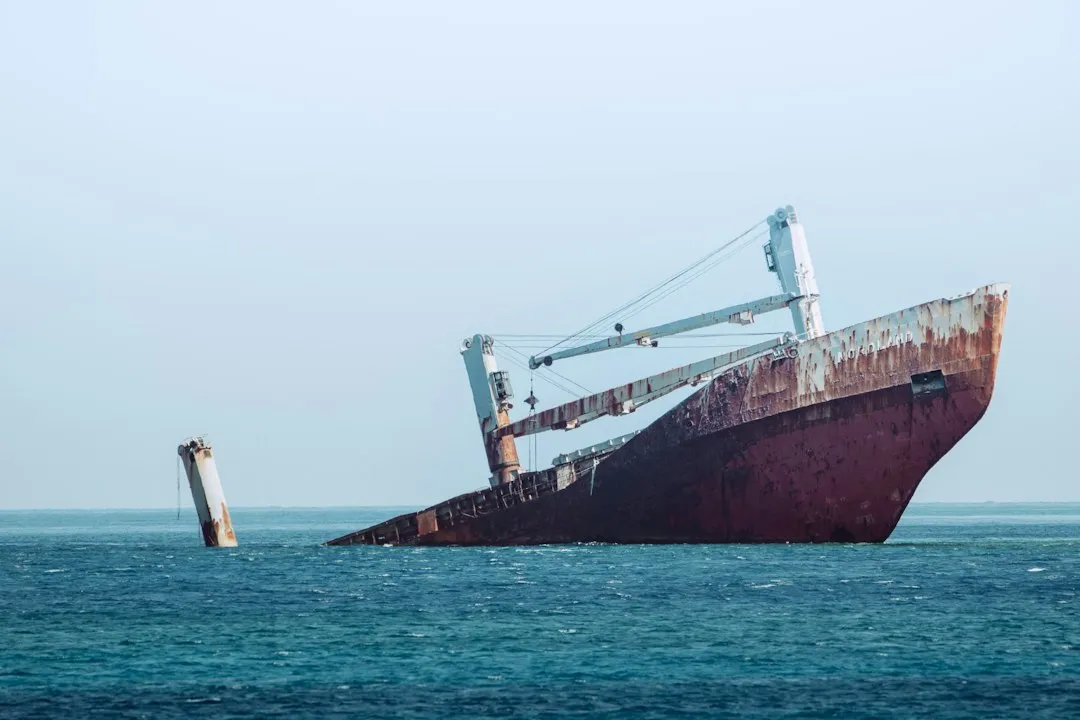
Three disasters, Titanic in 1912, Estonia in 1994, and Costa Concordia in 2012, shaped every passenger ship rule in force today. The Concordia sinking was a stark reminder that the lessons of the Titanic can never be assumed to be permanently learned.
Most passengers aboard the Costa Concordia stated that they had not been through the drill and did not know where the lifeboats were. The 2012 Concordia sinking killed 32 people and exposed that approximately 600 passengers hadn’t yet done the muster drill when the ship grounded. The IMO agreed on interim measures within five months, and a formal SOLAS III/19 amendment was adopted in 2013.
The Pre-Departure Rule: A Direct Response to Concordia
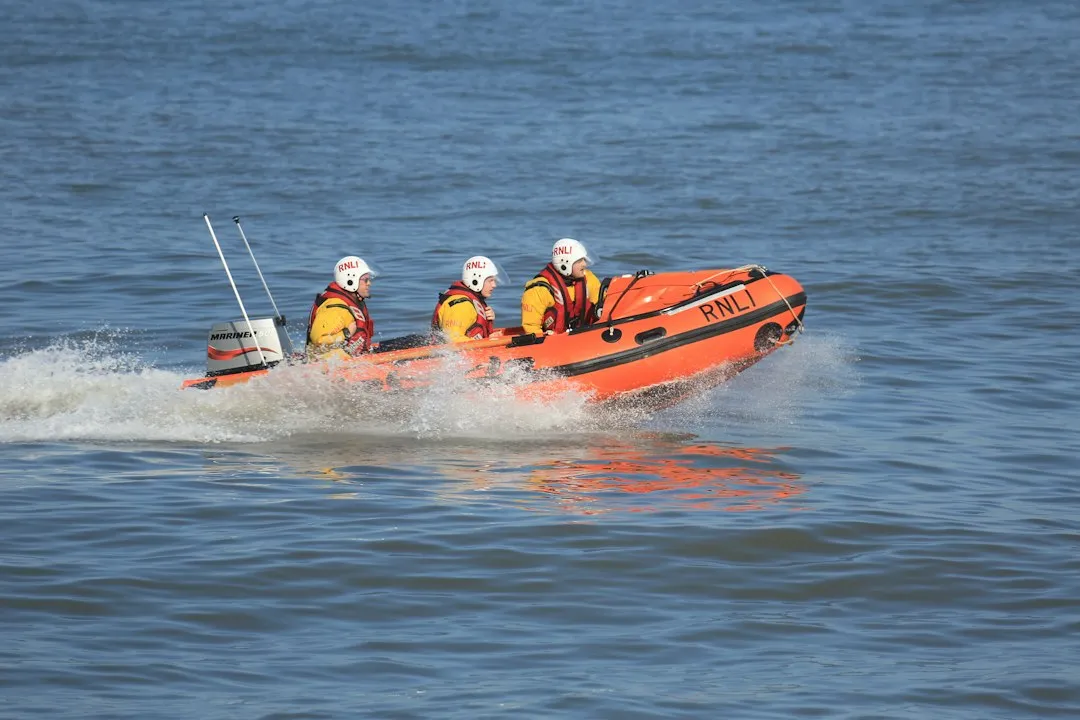
The amended regulation III/19 in the International Convention for the Safety of Life at Sea was adopted in 2013 in the wake of the Costa Concordia incident, to ensure that passengers undergo safety drills, including mustering at the lifeboat stations, before the ship departs or immediately on departure.
Previously, the requirement was for the muster of passengers to take place within 24 hours of their embarkation. That window, already a product of post-Titanic thinking, was no longer considered sufficient. SOLAS III/19 was amended so that the muster of newly embarked passengers must now take place prior to or immediately upon departure, not within 24 hours as before.
How Crew Drills Work: Monthly, Weekly, Relentlessly
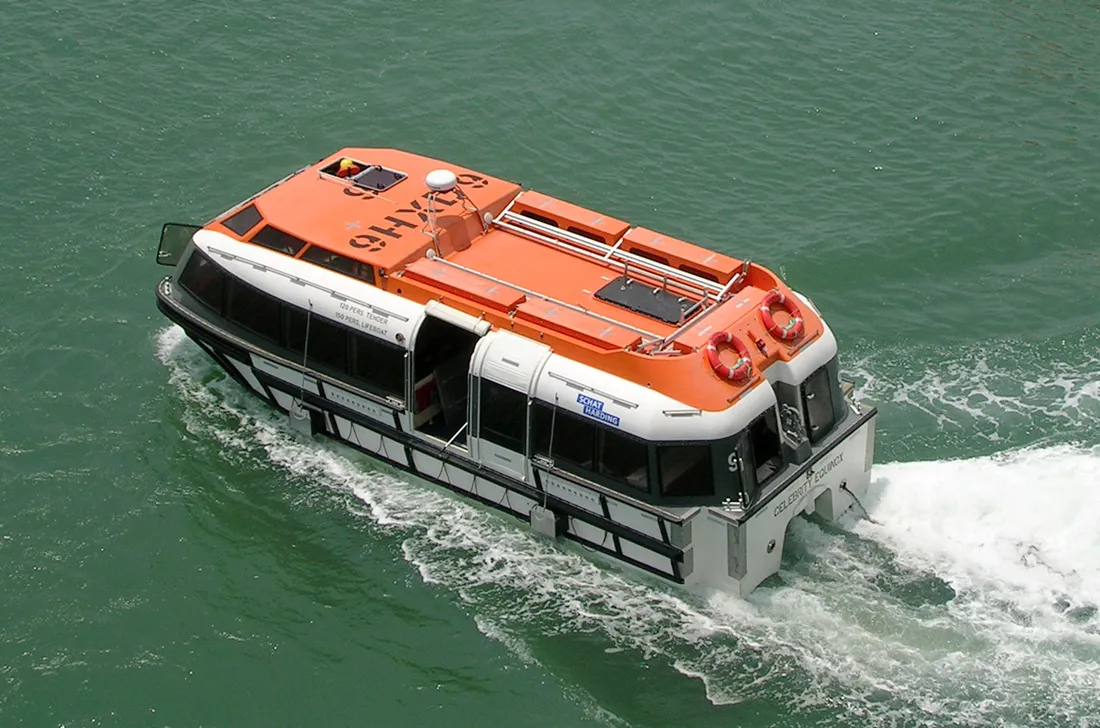
The safety culture on a modern cruise ship goes well beyond what passengers see during their boarding-day drill. The crew operates under a separate and far more intensive regime of drills that runs continuously throughout any voyage.
SOLAS, according to its regulation III/19, specifies that every crew member shall participate in at least one abandon ship drill and one fire drill every month. For passenger ships, such abandon ship and fire drills shall be held weekly.
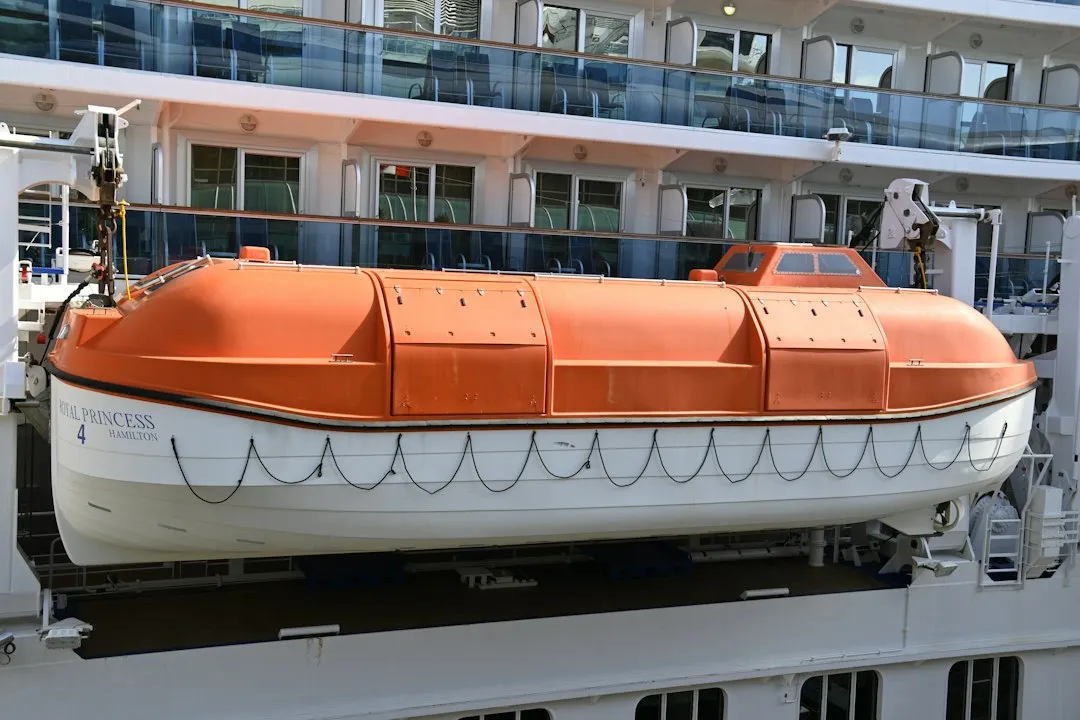
Lifeboat launch and maneuver in water must occur every three months. Liferaft deployment is required every four months. Drills are not compliance theatre: SOLAS explicitly requires that drills be conducted as if there was an actual emergency, with lessons learned documented and fed back into the next drill planning cycle.
The 30-Minute Standard and Lifeboat Capacity
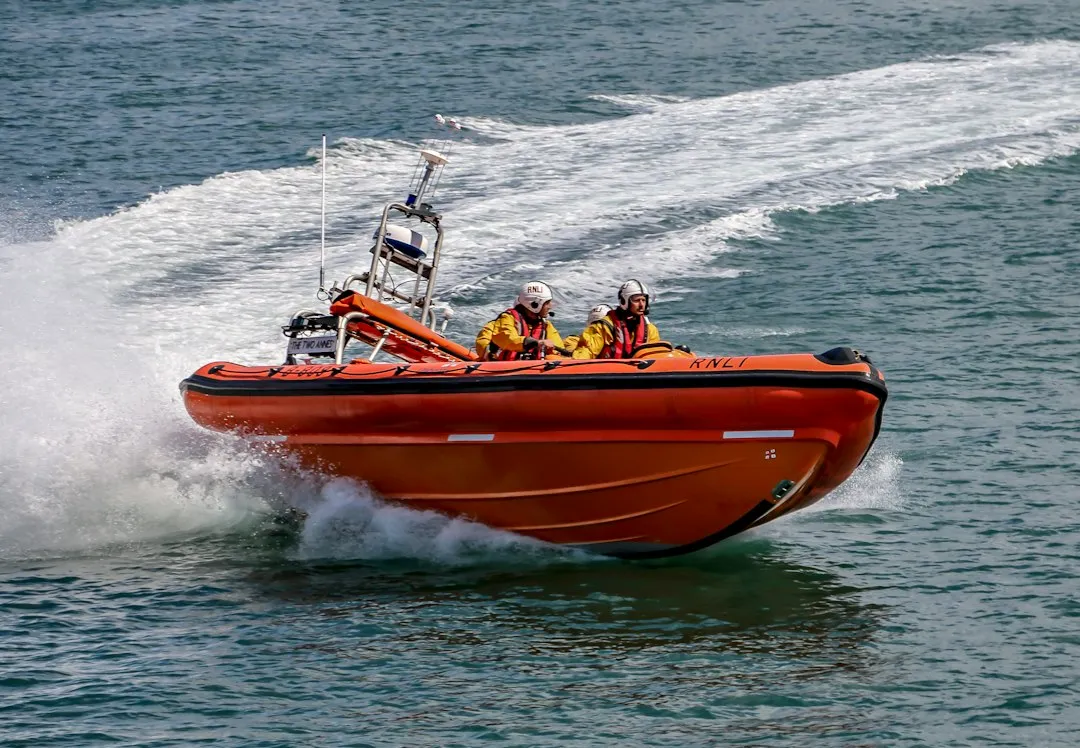
The rules do not stop at simply requiring drills. They extend to the speed and capacity of the actual evacuation process, setting measurable benchmarks that every ship must meet.
The time taken to get all passengers into lifeboats and to maneuver away from the ship is regulated by the International Maritime Organization and must be accomplished in 30 minutes. That is not a guideline. It is a hard standard tested during drills and audited by port state control officers.
It is the responsibility of the crew to ensure that a muster drill is held and that every passenger and crew member is aware that it is being held. If a muster drill cannot be held, a report in the logbook must be made to state the circumstances. Accountability runs in every direction.
The Rise of the Digital Muster Drill
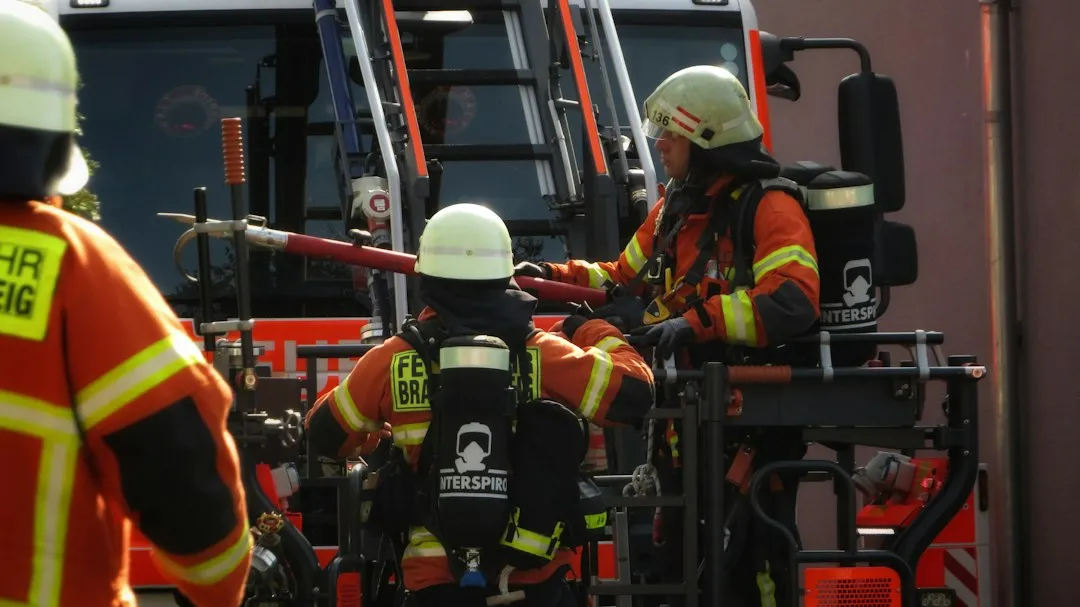
One of the more visible changes to cruise safety culture in recent years has been the shift toward digital and e-muster systems, a format that became widespread during the early 2020s and has since become an industry standard across major lines.
Royal Caribbean first patented the idea in 2020, and similar systems have now been adopted throughout the industry. Passengers can complete safety information on their smartphones or stateroom televisions, and then visit their designated muster stations in person to check in.
All passengers are required to either attend a physical drill or complete one virtually on the cruise company’s app. If a passenger has the option to participate via an app, they are still required to physically visit the muster station in addition to completing the training online. The physical check-in requirement ensures that no one reaches an emergency without knowing where to go.
SOLAS in 2026: Still Evolving
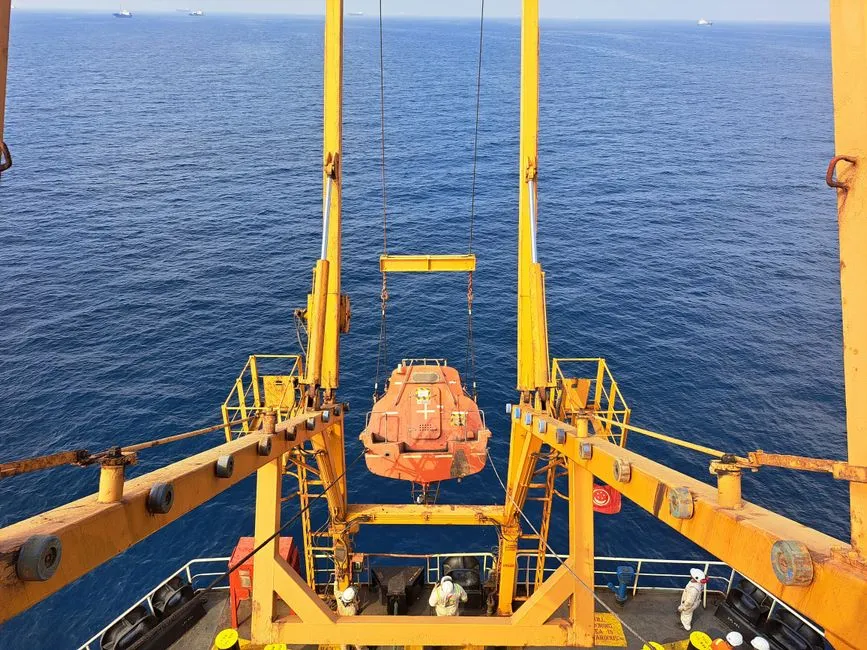
A set of amendments to SOLAS and its associated codes entered into force on January 1, 2024. The convention continues to be updated on a structured cycle, responding to new ship designs, new fuels, and new risks that Titanic’s era could never have anticipated.
Amendments to the technical provisions generally follow a four-year cycle of entry into force. The next major update entered into force on January 1, 2026, including amendments adopted before July 1, 2024. Among the 2026 changes are new fire safety measures for ro-ro ships and updated life-saving appliance requirements.
The latest 2024 to 2025 amendments focus on improving crew response times, updating training requirements, and enhancing technological integration. The framework keeps moving forward, always with the same underlying purpose that motivated its creation more than a century ago.
The Takeaway
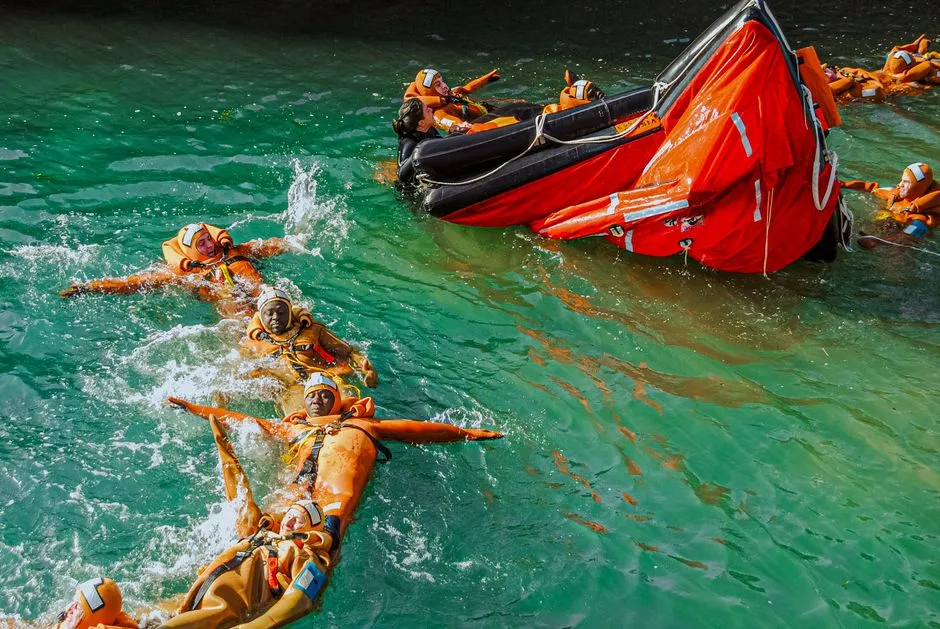
It can be easy, standing in a cruise ship corridor holding a bright orange life jacket, to feel like the drill is a formality. Something to get through before the vacation actually begins. The history behind it tells a different story entirely.
Every instruction you receive, every muster station you locate, every scan of your cruise card that confirms your attendance, exists because maritime regulators spent decades studying what happens when people at sea are not prepared. The Titanic was not just a tragedy. It was a turning point, and its rules still travel with every ship that sails.
AI Disclaimer: This article was created with the assistance of AI tools and reviewed by a human editor.