
There’s a certain moment that cruise ship dance instructors know well. A passenger steps onto the dance floor with folded arms and the quiet certainty that they have no rhythm whatsoever. Twenty minutes later, they’re laughing, moving, and asking when the next class is. It happens more often than you might think.
Across nearly every major cruise line, dance has become one of the most talked-about onboard activities, not because of flashy performances, but because of what happens in those beginner-friendly group classes. The question is: which class consistently wins over even the most hesitant first-timers?
Merengue: The Undisputed Beginner Favorite
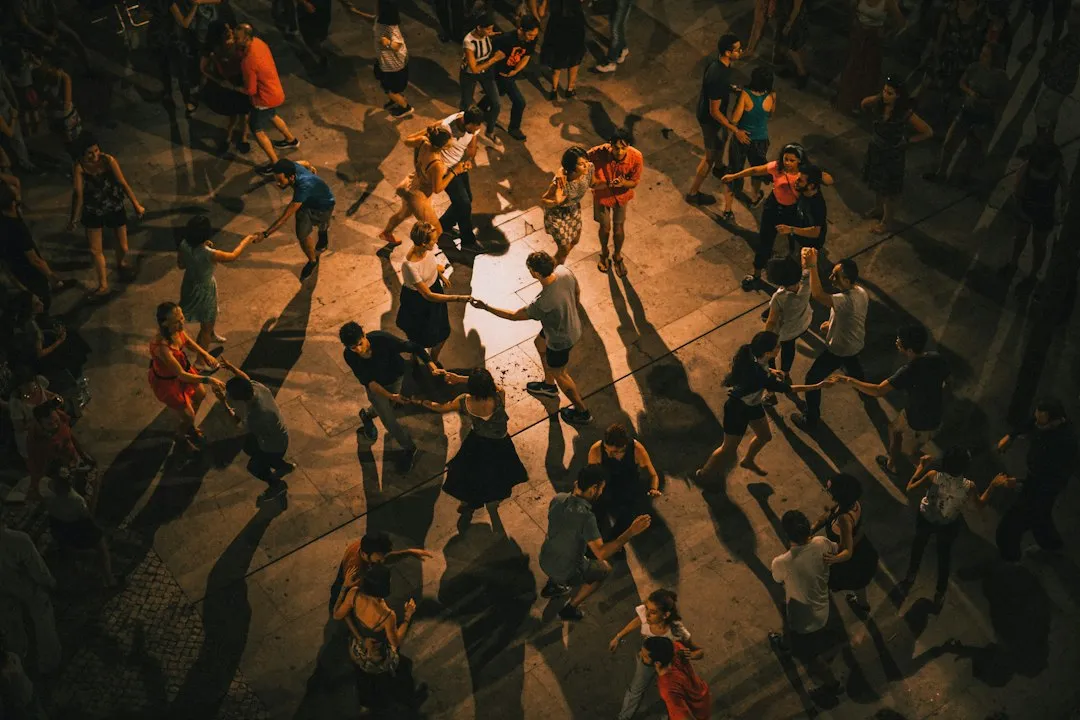
Ask any experienced cruise ship dance instructor what they recommend for a complete novice and the answer comes back remarkably consistently: merengue. Merengue is widely regarded as a gateway to learning other forms of Latin dancing, and its easy one-two stepping allows students to concentrate mainly on leading and following different turns and combinations that can later be translated into salsa, cumbia, and bachata.
The style is considered perfect for students with no dance experience and very little coordination who want to venture onto a Latin dance floor. That accessibility is exactly why instructors reach for it first. There are no complicated counts, no confusing partner signals to decode from the start, just a simple side-to-side weight shift that almost anyone can pick up within the first song.
Why the “No Experience Needed” Promise Actually Holds Up
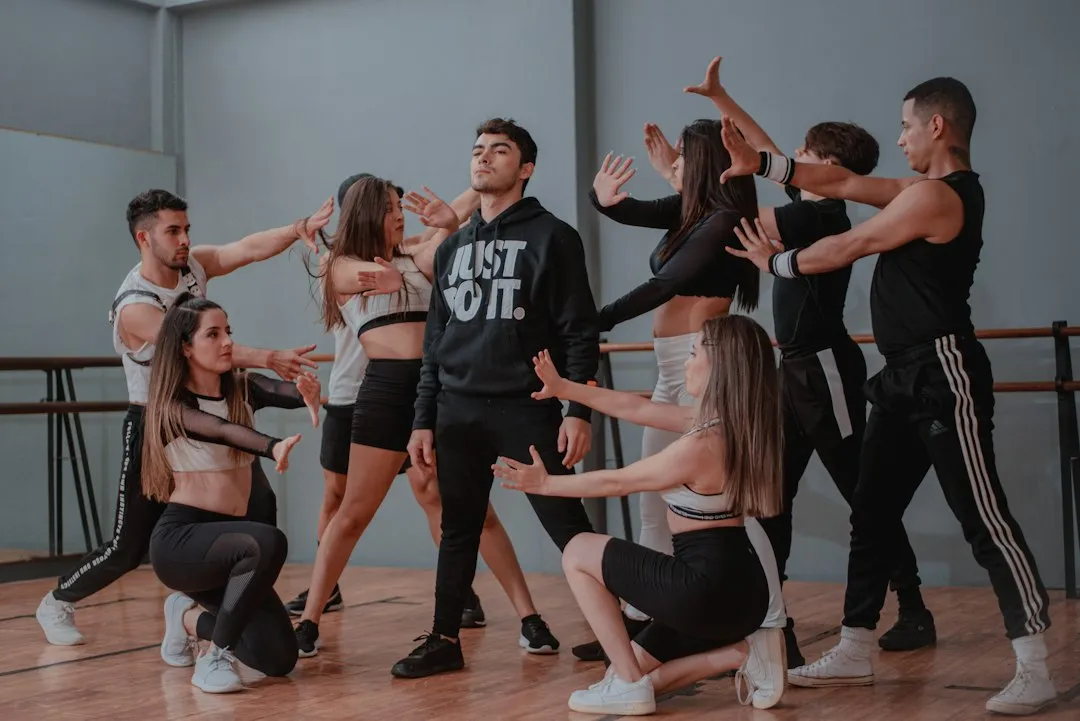
On most ships, Latin dances are the most consistently useful styles to know, with merengue considered the most practical, followed by samba. That’s not an accident of programming. Instructors design merengue classes specifically so that a passenger who has never danced a step in their life can feel genuinely competent by the end of a forty-five minute session. The payoff is immediate, and that immediacy matters enormously at sea.
The overwhelming majority of students on cruise ships are completely new dancers with no dance experience whatsoever, and feedback from these beginner classes has consistently been very positive from both new and more experienced attendees. This means instructors have spent years refining how to make the first few minutes feel safe rather than exposing.
How Cruise Lines Actually Structure Dance Programs

Cruise dance instructors collaborate with the activities manager to organize dance and entertainment programming, leading lessons in styles that typically include Caribbean dances such as salsa, merengue, and bachata, Latin styles including cha cha cha, rumba, and samba, as well as ballroom dances like waltz, foxtrot, and tango. The breadth is real, but the beginner sessions are deliberately front-loaded in any cruise’s weekly schedule.
Professional dance couples lead daily ballroom dance lessons, and a wide variety of genres is offered, including cha-cha, waltz, foxtrot, rumba, country and western line dancing, Caribbean, and 1970s style. Still, the Latin beginner block almost always draws the largest crowds, especially earlier in the voyage when passengers are still settling in and looking for something low-stakes to join.
Line Dancing: The Other Class That Keeps Filling Up

The classic Electric Slide remains one of the top interactive dance numbers on cruise ships, with the hip-hop-inspired Cupid Shuffle and the cha-cha slide also considered cruise staples. Line dancing holds a particular magic for beginners because it removes one of the biggest anxieties: having a partner. You stand in a line, follow along, and nobody is watching you specifically.
Dances like the Electric Slide and Cupid Shuffle are consistently featured on cruise line programs, particularly on Carnival sailings. Instructors note that line dance sessions tend to attract passengers who would never sign up for a couples class but end up discovering they genuinely enjoy moving to music in a group setting. Many of those same passengers later circle back to try salsa.
What Happens on Dedicated Dance Cruises
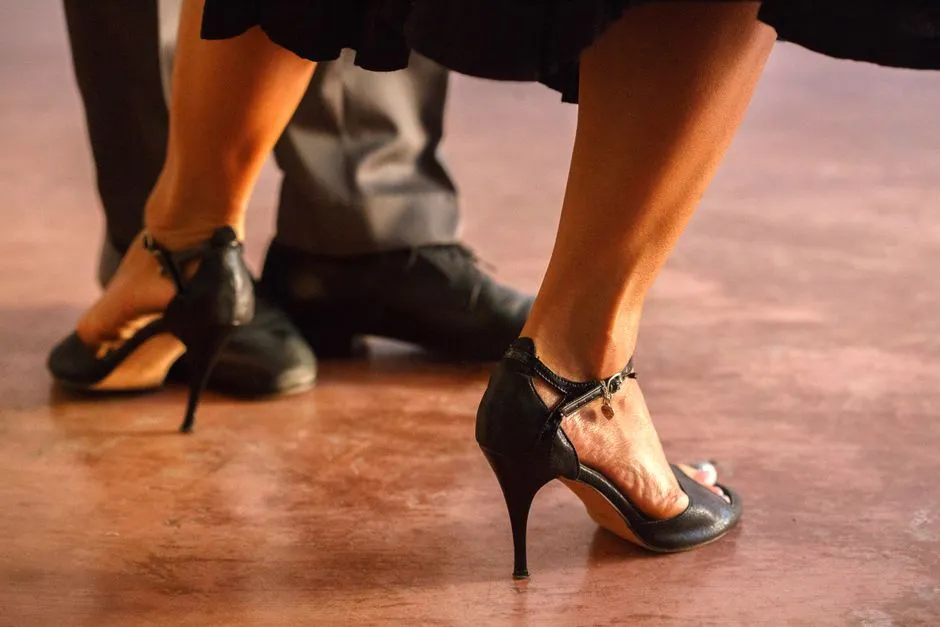
Cruising and dancing go hand in hand, and dance enthusiasts can enjoy dance-themed sailings on various itineraries throughout the year. Some of these sailings go far beyond a single beginner class. Certain dedicated dance cruises feature up to four hours per day of instruction for everyone from beginners to advanced dancers, with additional casual activities or classes offered each day and private dance parties each evening.
While there are certainly competitive and professional dancers onboard dedicated salsa cruises, they are designed as an experience for anyone who loves dancing to salsa music and offer a casual, fun-focused way for people to let loose. The culture aboard these sailings tends to be notably welcoming rather than competitive, which makes the first class far less intimidating than newcomers expect.
The Cunard Approach: Ballroom Done Right for Nervous Newcomers
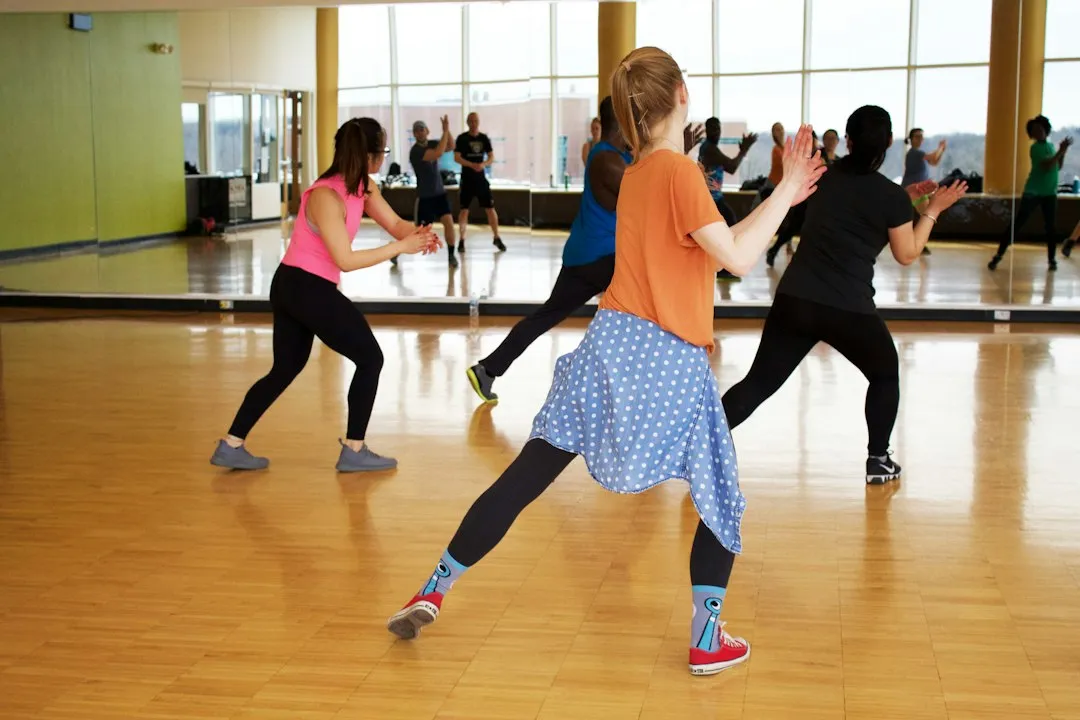
On Cunard ships, dance is described as a core part of the overall experience, with classes combining the glamour of the ballroom with the fun of a vacation, and expert instructors working to ensure every guest feels at ease and can learn in a positive environment. The line has long understood that a person’s first experience of ballroom dancing shapes whether they ever try it again.
Gala Evenings give passengers the chance to take to the dancefloor with a partner, and beginner classes are positioned as the opportunity to brush up or take first steps in preparation. That framing, preparation rather than performance, takes a lot of the pressure off. You’re practicing for something, not being evaluated on the spot.
Royal Caribbean and the Salsa Shortcut
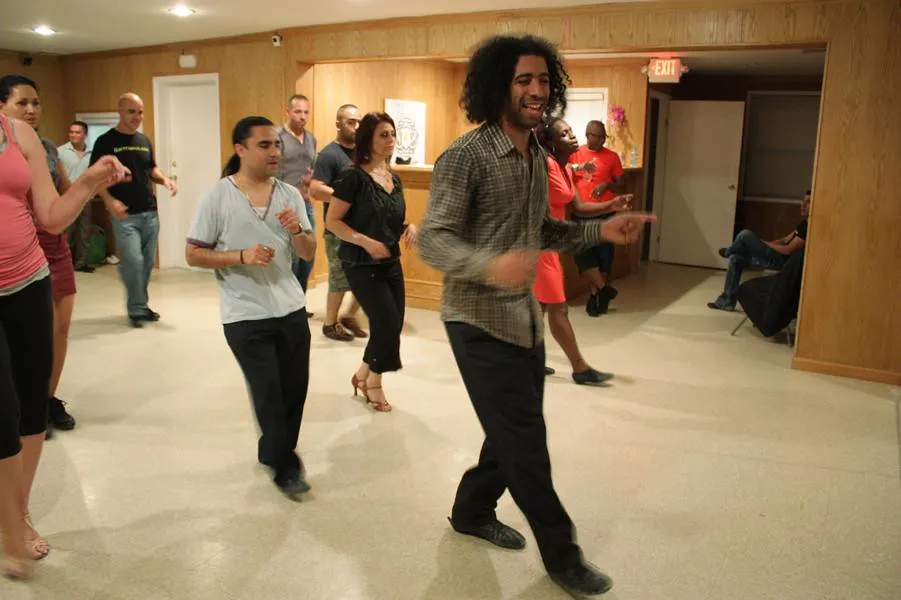
On Royal Caribbean, live bands perform salsa, merengue, and other Latin music before and after dinner, and passengers who are novices when it comes to Latin styling are encouraged to look for salsa dance classes listed in their daily onboard newsletter so they can get a lesson by day and enjoy the dance floor that same night. The same-day payoff is a deliberate part of the design.
Salsa, swing, and hip-hop classes are taught by the professional dancers who perform in Royal Caribbean’s stage shows. This matters more than it might seem. Watching someone you’ve danced alongside walk out on stage later that evening creates a kind of excitement around the beginner class itself. It stops feeling like a gym activity and starts feeling like being part of something.
The Psychology Behind Why Beginners Show Up
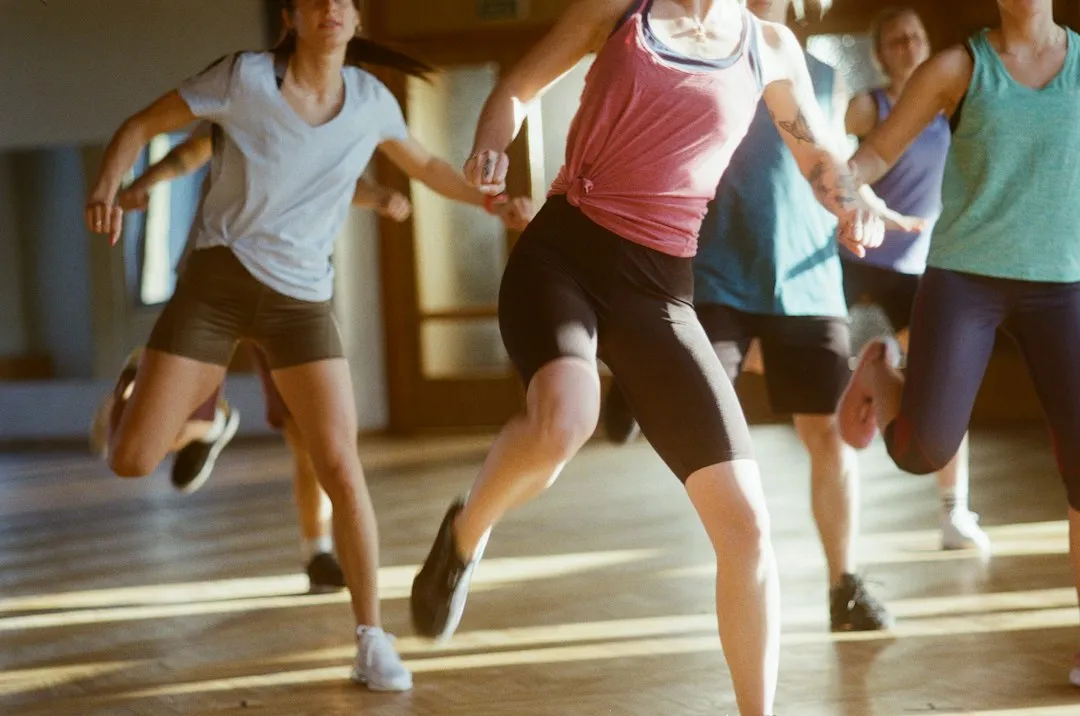
Return participation rates in cruise ship dance classes are notably high, with morning classes consistently drawing the same core group, and afternoon classes regularly attracting even larger numbers of passengers, while the classes themselves are frequently treated as entertainment even by those not formally taking part. Instructors understand this dynamic and often teach with one eye on the audience gathered around the edges.
In some cases, a first class held in a ship’s open atrium can attract well over a hundred onlookers watching from the surrounding decks and balconies, with future lessons regularly drawing additional observers beyond the active participants. That visible community energy is part of what draws nervous beginners in. People are far more willing to try something when they can see others trying it too.
What Instructors Actually Teach in That First Session
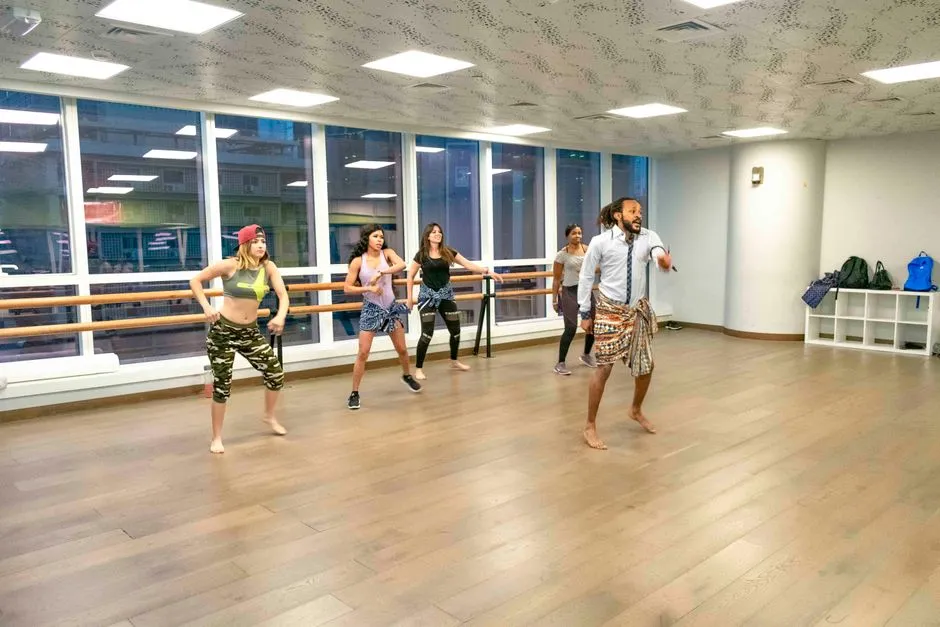
Experienced cruise instructors tend to follow a consistent opening formula. They break everything down to its constituent parts in order to show how accessible the classes are and hopefully entice the watching audience to try it themselves. The goal in the first twenty minutes is never footwork perfection. It’s comfort. Getting a passenger to feel the beat beneath their feet is the whole mission.
Instructors typically teach in American social style with a particular emphasis on social dancing and adjustments for the small size of most dance floors on the ship. That practical adaptation to the ship environment is something land-based studios rarely teach. Cruise instructors are specialists in making dances work in tight, sometimes gently rolling spaces, which makes their technique distinctly suited to the setting.
Salsa Cruises and the Beginner-Inclusive Model

Beginner-focused salsa classes aboard dedicated cruise events are designed so that regardless of skill level, attendees find the classes a perfect way to improve their moves and build their confidence. The phrase “build confidence” appears again and again in how these programs are described, which signals something real about what organizers and instructors are actually trying to provide.
Dance workshops and lessons on Latin cruise sailings are led by professional salsa and Latin ballroom instructors, with nightly dances featuring a private DJ and private group activities rounding out the experience. Beginners who arrive on day one with genuine anxiety often finish a four-night sailing with a basic salsa vocabulary they’re proud of, and plans to keep practicing when they get home.
The Takeaway
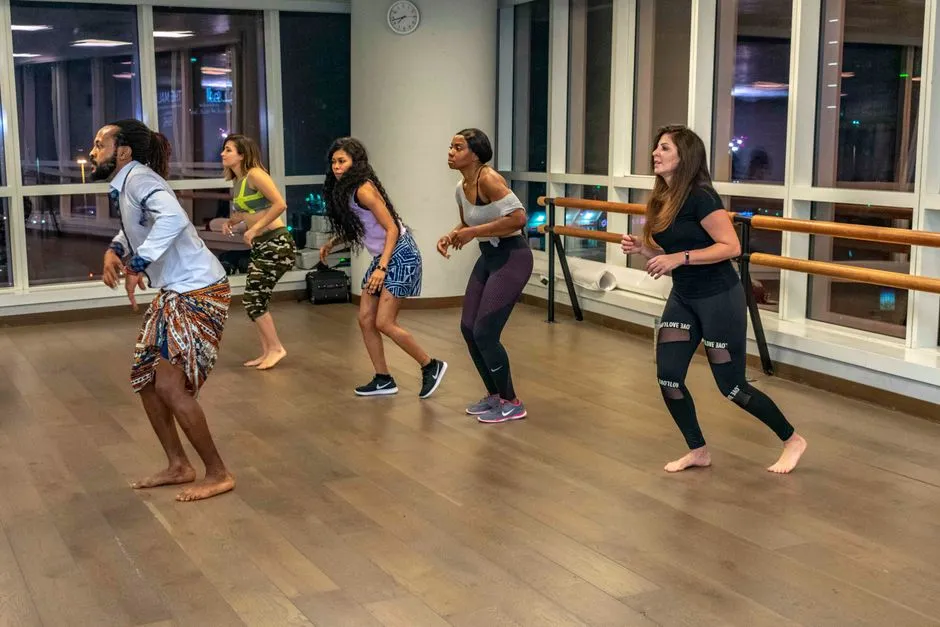
The class that nervous beginners consistently love most is the one that makes them feel capable within the first few minutes. On cruise ships, that’s usually merengue or a well-run line dance session, not because those styles are simple, but because skilled instructors have built them into structured, low-pressure experiences where small wins happen fast.
What the best cruise dance programs understand is that the point was never to produce a dancer in a week. It was to give someone the memory of a moment when they stopped watching from the side and stepped into the middle. That memory, it turns out, is worth quite a lot.
AI Disclaimer: This article was created with the assistance of AI tools and reviewed by a human editor.