
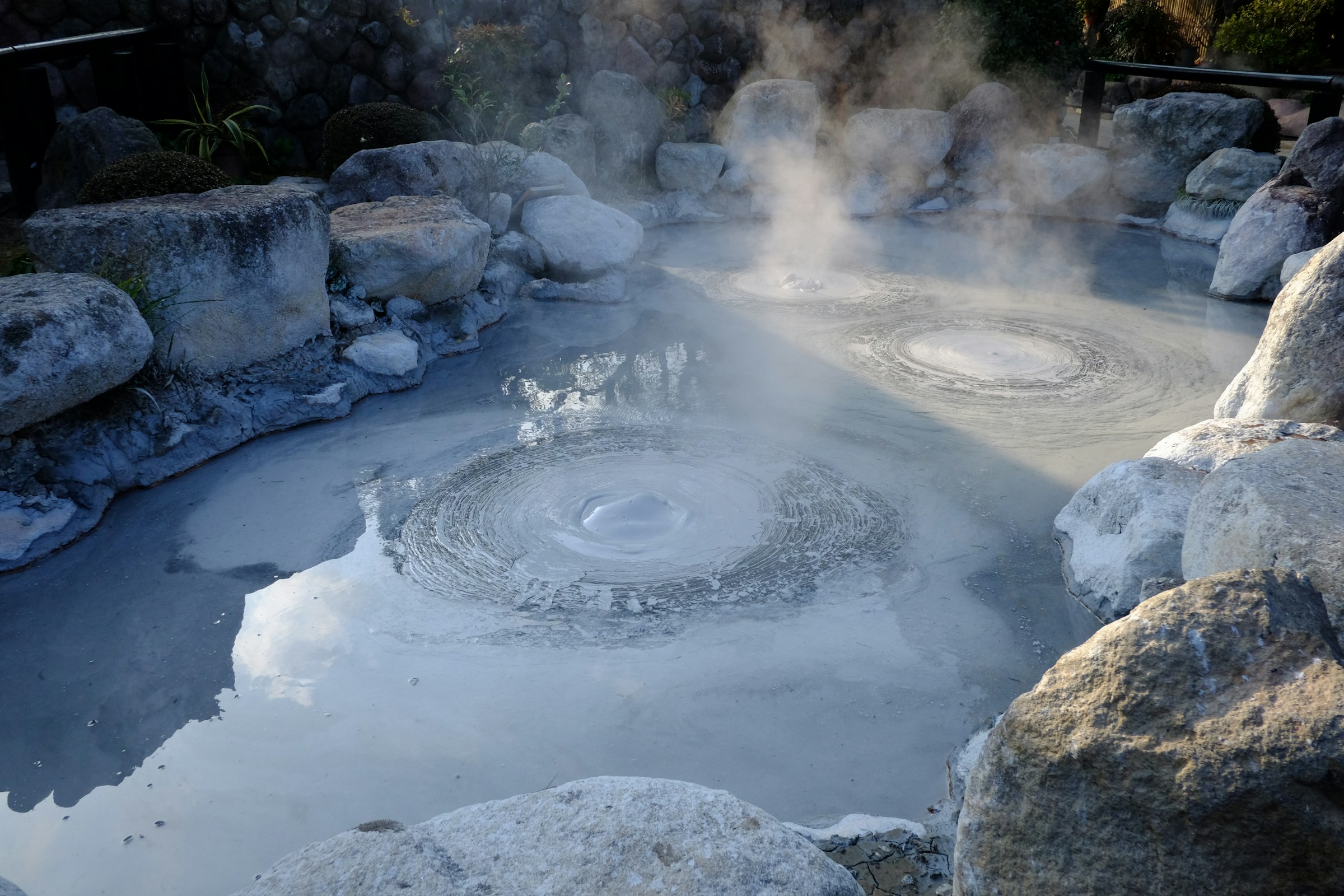

1. Start With a Rinse, Not a Plunge
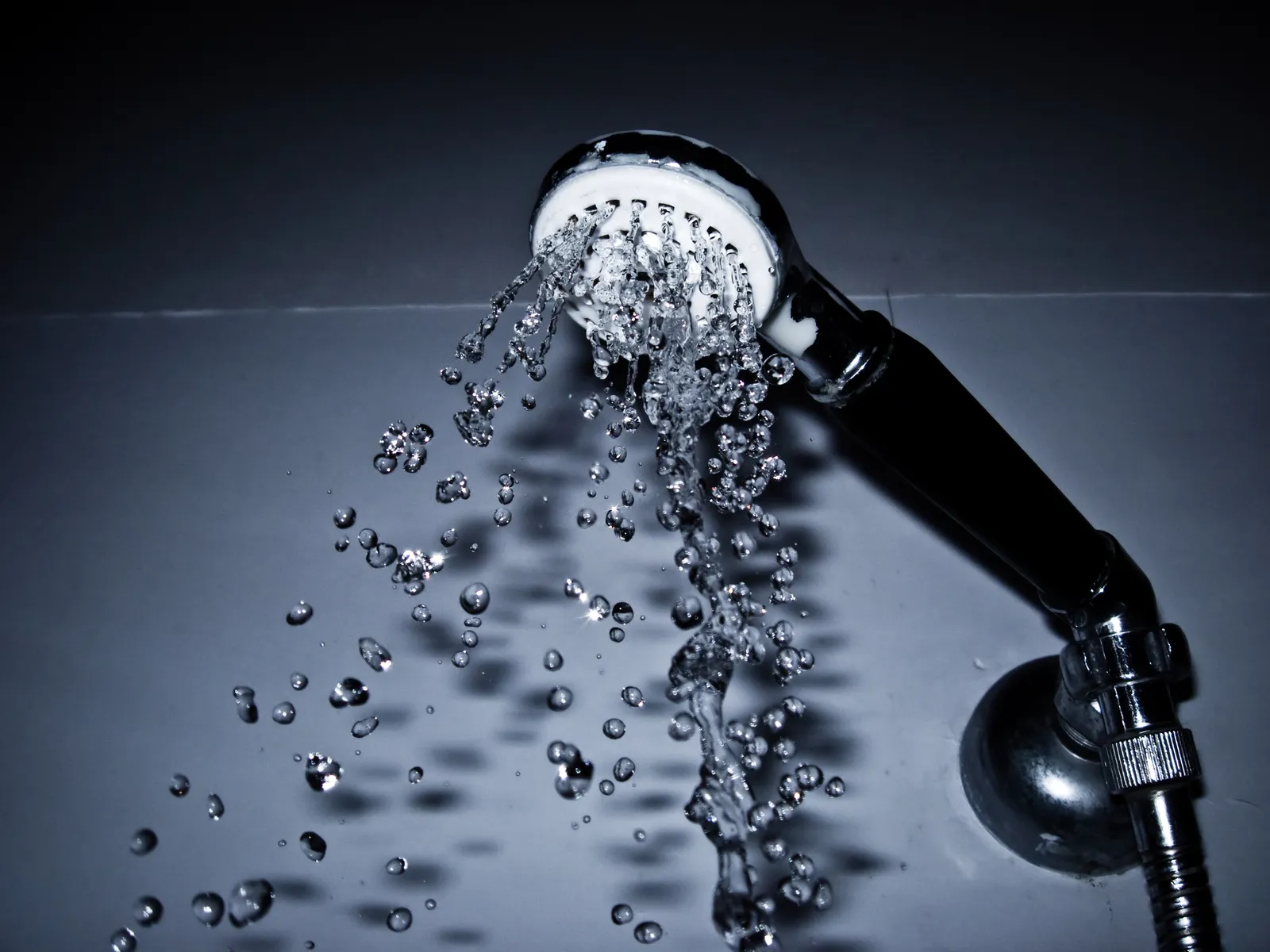
Before anything else, shower. This step feels almost too simple, but it’s genuinely foundational. Showering beforehand helps keep the hot spring clean and prevents the spread of bacteria, and only once you’ve done that should you step in and begin to soak. Beyond hygiene, a warm rinse gently prepares the skin and begins raising your surface temperature gradually, so the heat of the pool doesn’t come as a shock to the body.
Jumping straight into a hot pool from a normal ambient temperature forces your cardiovascular system to work harder and faster than necessary. A brief preparatory rinse at a comfortable warm temperature acts as a transition, helping your nervous system ease into what’s coming rather than brace against it.
2. Enter the Warm Pool First, Not the Hot One
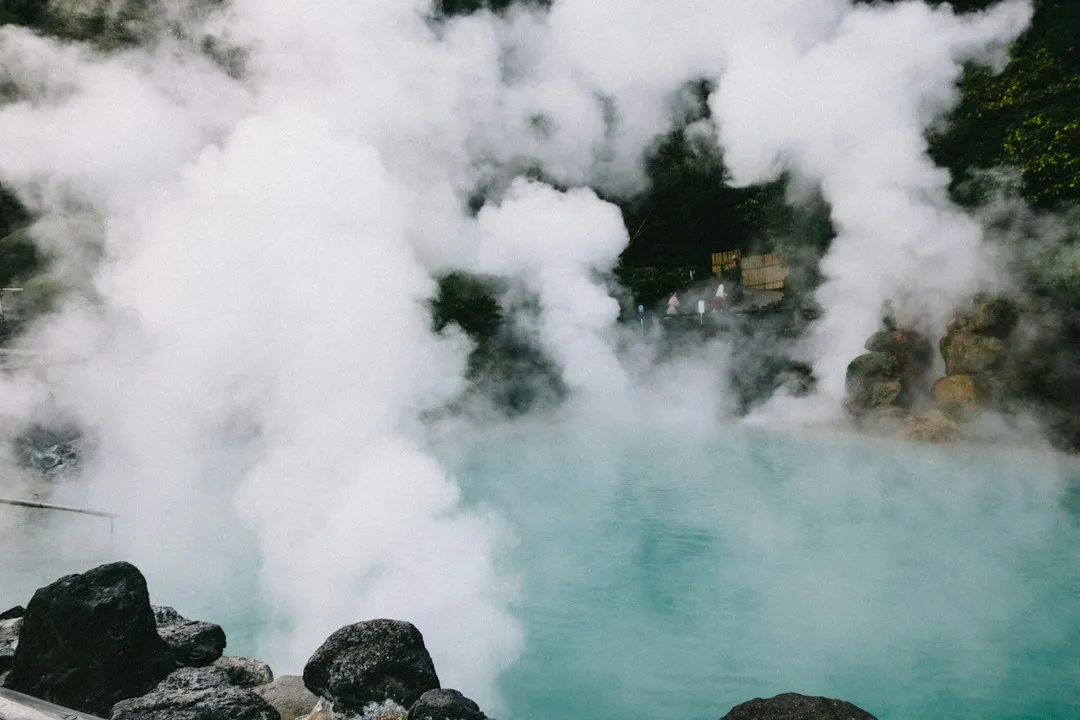
A science-based soaking journey typically begins with a warm soak of around twenty minutes, followed by a hot soak of fifteen minutes, and then a cool-off of ten minutes. This graduated approach matters more than most visitors realize. Starting in a cooler mineral pool, generally below 100°F, gives the body time to adjust and prevents the blood pressure spike that can come from immediate submersion in the hottest available water.
Submerging yourself in hot spring water triggers a physiological response: the heat causes blood vessels to dilate, increasing blood flow and circulation, which can deliver more oxygen and nutrients to your tissues and aid in muscle recovery. Starting warm allows that process to unfold progressively rather than abruptly.
3. Time Your Hot Soak Carefully
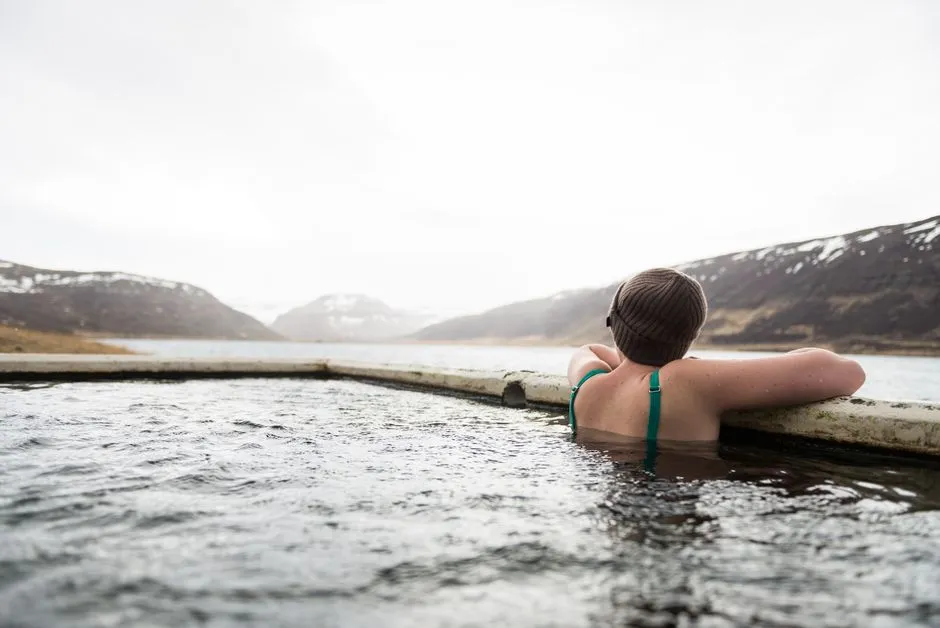
Many hot spring operators recommend soaking in 15-minute intervals to avoid overheating, suggesting guests step out of the tub, allow the body to cool, and sip water to remain hydrated. It sounds almost too measured for what’s meant to be a relaxing experience, but the reasoning is solid. Staying in water above 101°F for extended stretches pushes the cardiovascular system and can trigger lightheadedness, particularly in people unaccustomed to high temperatures.
This interval approach allows the body to stabilize its temperature and gives you time to experience the full range of pools at a relaxing pace. Think of it less like a timer and more like a natural rhythm of immersion and rest.
4. Introduce Cold Water After, Not Before
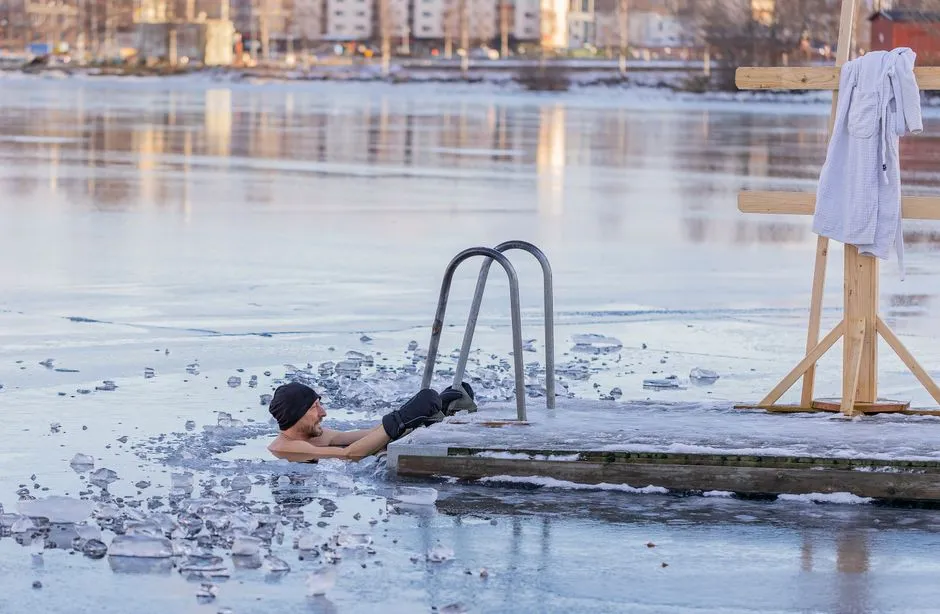
Contrast hydrotherapy involves alternating between hot and cold water applications, leveraging temperature differences to stimulate circulation, enhance lymphatic drainage, and reduce inflammation. Hot water induces vasodilation, increasing blood flow and relaxing muscles, while cold water prompts vasoconstriction, driving oxygen-rich blood to vital organs and reducing swelling. The key word here is “after.” Cold exposure is most effective once the body is already warm and the muscles have begun to loosen.
Cold exposure activates the sympathetic nervous system, triggering the release of noradrenaline and dopamine. Research has found that immersion at around 14°C increased plasma noradrenaline concentrations dramatically, reflecting how intensely water temperature can drive a physiological response. That neurochemical lift is what many soakers describe as feeling suddenly alert and clear after a cold plunge.
5. Keep Cold Plunges Brief and Deliberate
The recovery sequence used by experienced soakers at many mineral spring facilities involves a mineral soak of 15 to 20 minutes, a cold plunge of 30 to 60 seconds, followed by rest at a lounge area, then repeating the cycle. That window of 30 to 60 seconds is not accidental. Brief cold immersion delivers the circulatory and neurochemical benefits without overwhelming the body or triggering an uncomfortable stress response.
Research published in Sports Medicine confirms that cold water immersion following physical exertion reduces delayed-onset muscle soreness and tissue inflammation, and a review from Stanford Lifestyle Medicine found cold water exposure triggers noradrenaline release, improving mood and mental clarity in the hours that follow. The benefits are real, but duration matters.
6. Rest Between Pools, Not Just at the End
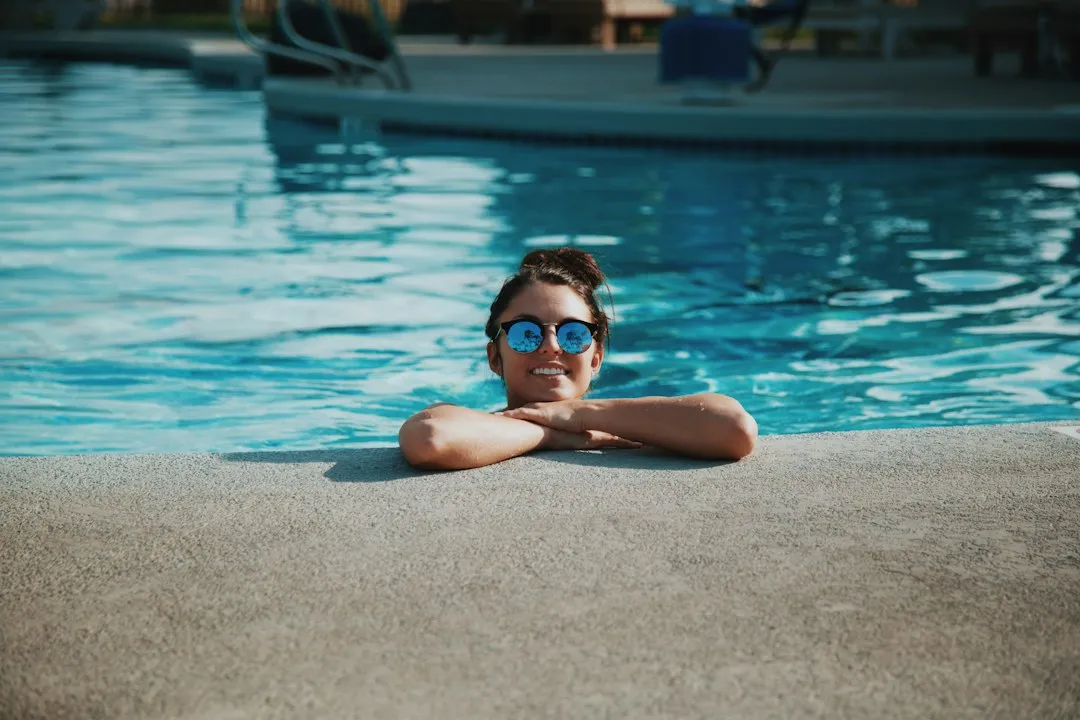
One of the most overlooked steps in the soaking sequence is the pause. Experienced attendants consistently observe that guests who rush from pool to pool without resting often feel more drained than restored. Moving from a warmer pool to a cooler pool, or taking a break in a shaded area, is a recommended way to supplement the overall experience. The rest interval gives your cardiovascular system a moment to recalibrate.
The psychological benefits of hydrotherapy are well established, and recovery from mental fatigue has been specifically described following immersion in water of mild temperature. Enhanced relaxation, quality of life, and relief from mental stress have also been characterized and documented. Resting between pools deepens that mental recovery rather than interrupting it.
7. Use the Mineral Pools Intentionally
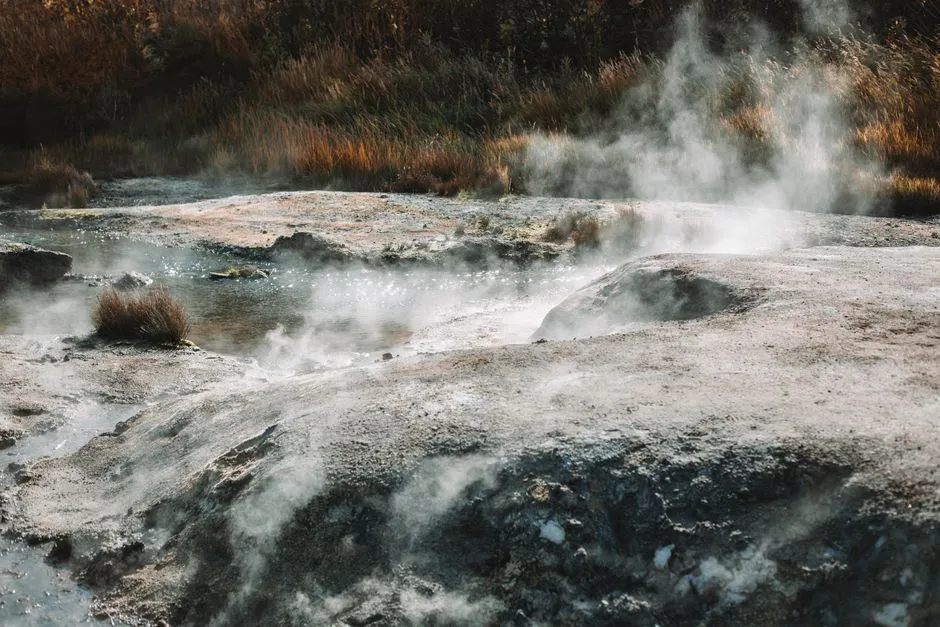
Common minerals found in hot springs include lithium, calcium, magnesium, and sulfate, and these minerals are thought to interact with the body in various ways, promoting relaxation, reducing inflammation, and improving circulation. Not all pools at a thermal facility are identical. Experienced soakers pay attention to which pools are richest in specific minerals and plan their sequence accordingly, saving the magnesium-heavy pools, known for their calming effect, for later in the session.
Magnesium deficiency is linked to anxiety and insomnia, and studies suggest soaking in magnesium-rich water can improve sleep quality and reduce stress levels. This essential mineral is involved in over 300 biochemical reactions in the body, including muscle function, nerve transmission, and energy production. Ending a soak in a mineral-rich warm pool, rather than a hot or cold one, leaves the nervous system in a calmer state.
8. Repeat the Contrast Cycle Up to Three Times
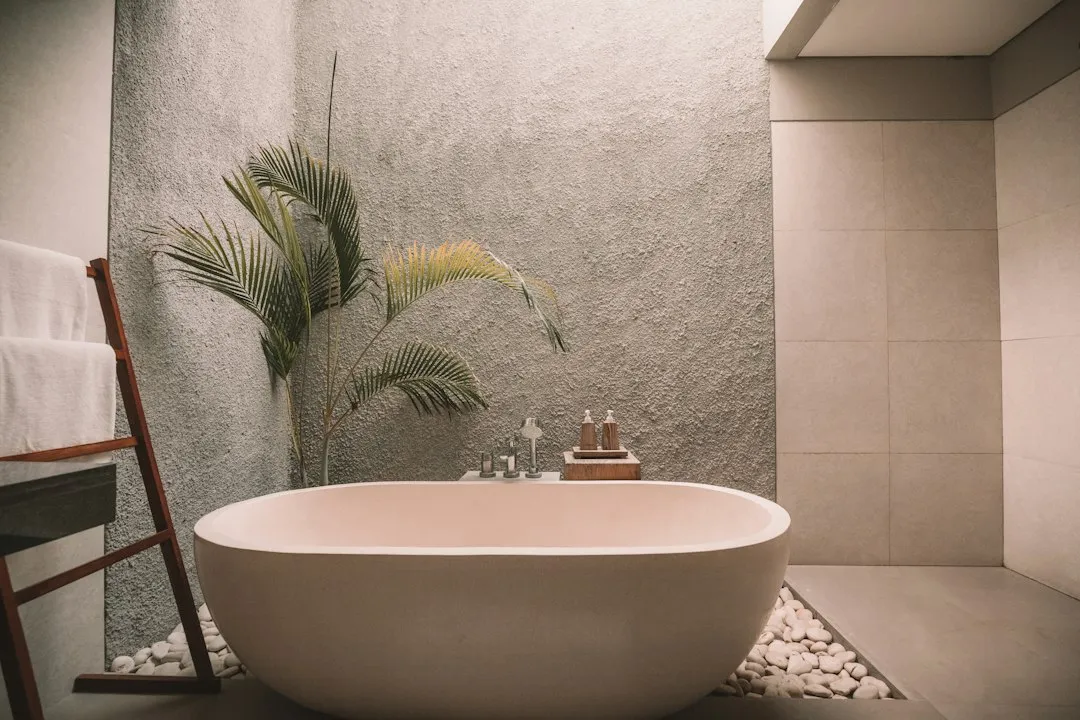
The contrast bathing phase typically involves alternating a warm soak of five to ten minutes with a hot soak of fifteen minutes and a cold soak of around one minute, and this contrast phase can be repeated up to three times. Repeating the cycle amplifies the cardiovascular pump effect, where alternating vasodilation and vasoconstriction essentially exercises the blood vessels in a low-impact way.
This hot-cold alternating process acts as a natural pump, improving the removal of cellular waste and inflammatory chemicals and promoting overall wellness. Three rounds is generally considered the upper limit for a single session. Going beyond that rarely adds benefit and can introduce fatigue.
9. Hydrate Throughout, Not Just at the End
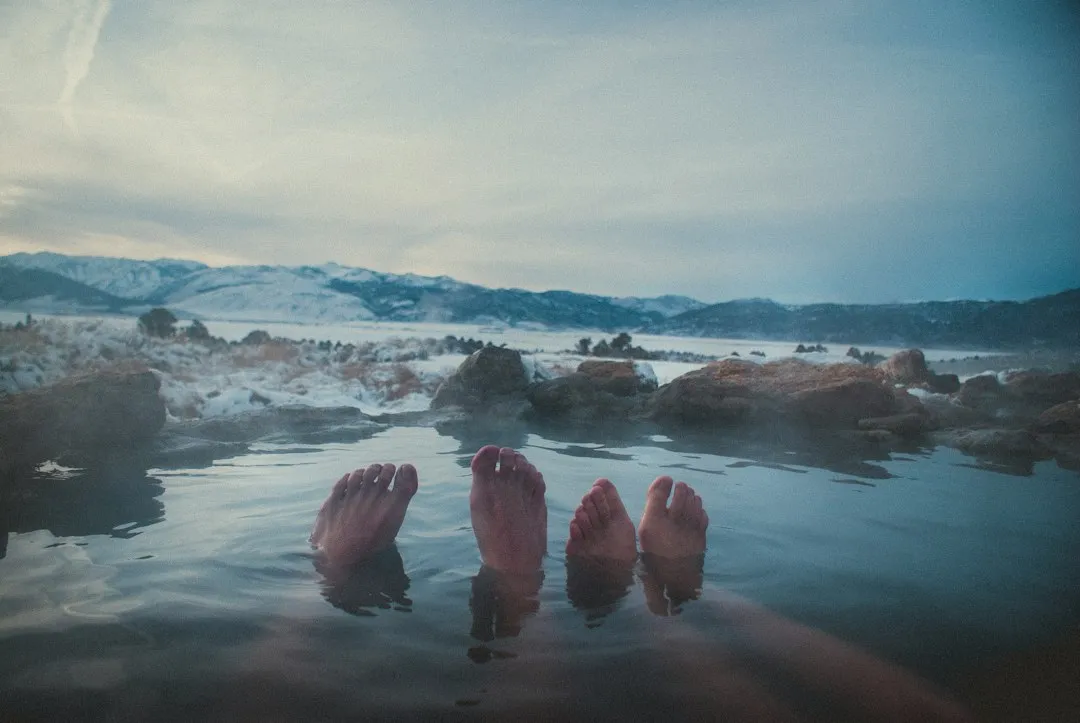
Prolonged exposure to hot spring water can lead to dehydration despite initial expectations. The body sweats even when submerged in water, which surprises many first-time visitors. Dehydration blunts the very relaxation response you’re trying to activate, so consistent sipping throughout the session is practical and necessary.
While mineral-rich waters can sometimes be dehydrating, it’s important to drink water before and after your soak. Limiting caffeine before a session also helps. Caffeine elevates cortisol, which directly counteracts the parasympathetic calm that hot spring soaking is designed to produce.
10. End With a Long, Warm Soak, Then Rest in Silence
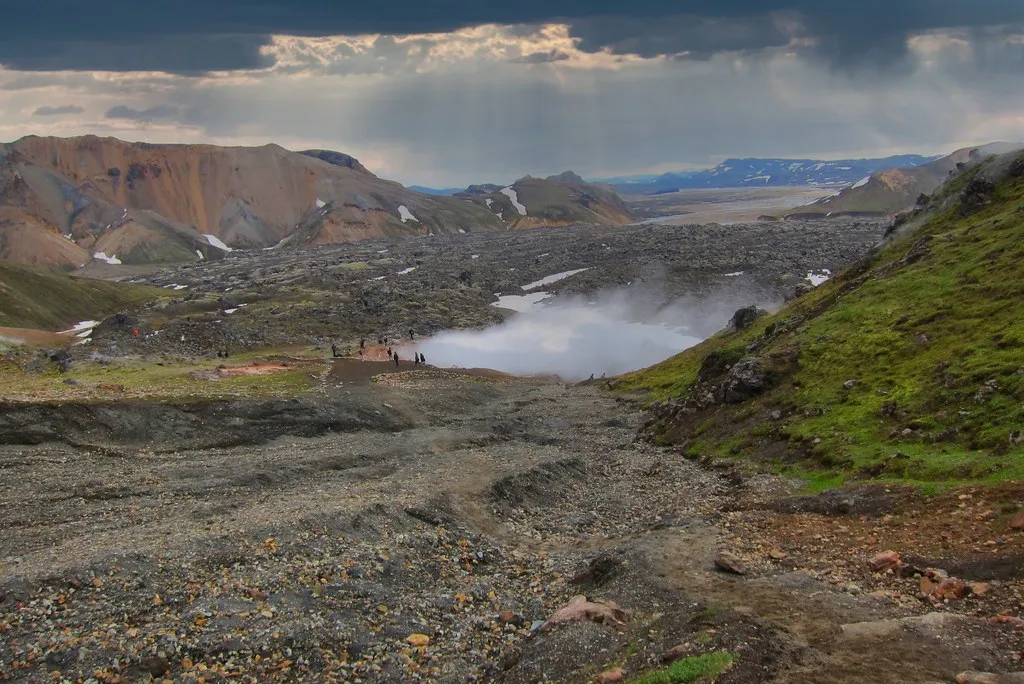
The final immersion phase recommended by science-based soaking programs typically concludes with a 15-minute hot soak, a 10-minute cool-off, and then a 30-minute warm soak to close the session. Ending on warmth, rather than cold, signals the parasympathetic nervous system that it’s time to fully let go. The final cool-off before that last warm soak prevents overheating, while the extended warm pool visit allows everything the body has processed during the session to settle.
The thermal effect of hot spring water promotes relaxation and a pleasant state, regulating mood and improving mental health. Exercise or even stillness performed in thermal water has been shown to help decrease anxiety and improve perceived well-being because the pressure and temperature of water aid in reducing cortisol levels, and after hot spring bathing, blood serotonin levels have been shown to increase, enhancing feelings of happiness and relaxation. That final thirty-minute warm soak is where the body converts the entire session’s effort into genuine, deep rest.
The Takeaway
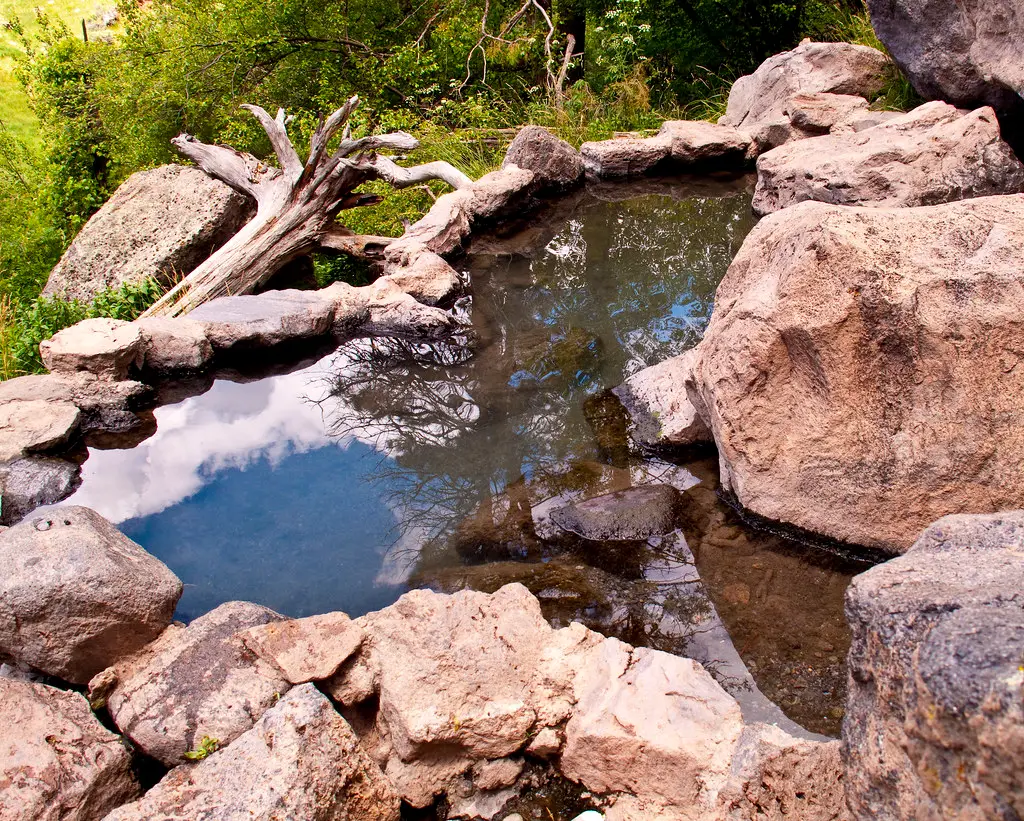
The soaking order that hot spring attendants recommend isn’t complicated, but it does require a little patience. Warm to hot, hot to cold, cold to rest, then repeat with intention. What separates a restorative experience from a merely pleasant one is the willingness to follow that rhythm rather than dart between pools at random.
The science behind balneology and contrast hydrotherapy has grown meaningfully in recent years, and it largely confirms what experienced practitioners at thermal facilities have observed firsthand. Balneology research links regular bathing sessions with reduced pain, improved joint mobility, and better sleep quality, with warm water supporting the body and the nervous system responding to steady heat with a shift toward relaxation.
The next time you’re at a hot spring, resist the urge to just pick a pool and stay until you’re pink. Follow the sequence. The depth of relaxation you’ll find on the other side is genuinely different.
AI Disclaimer: This article was created with the assistance of AI tools and reviewed by a human editor.