

The Last Landing Nobody Talks About
When a plane is officially retired, it is typically flown to a dedicated storage facility, often referred to as a boneyard, where its fate is decided based on market demand. That final ferry flight, usually with only a skeleton crew on board, is the quiet end of what may have been decades of service carrying millions of passengers.
By the time a plane reaches this stage, it has usually logged between 20 and 30 years of service. The vast majority of aircraft that come into the boneyard arrive under their own power. Workers on the ground are already waiting to receive them, checklists in hand.
The World’s Most Famous Boneyard
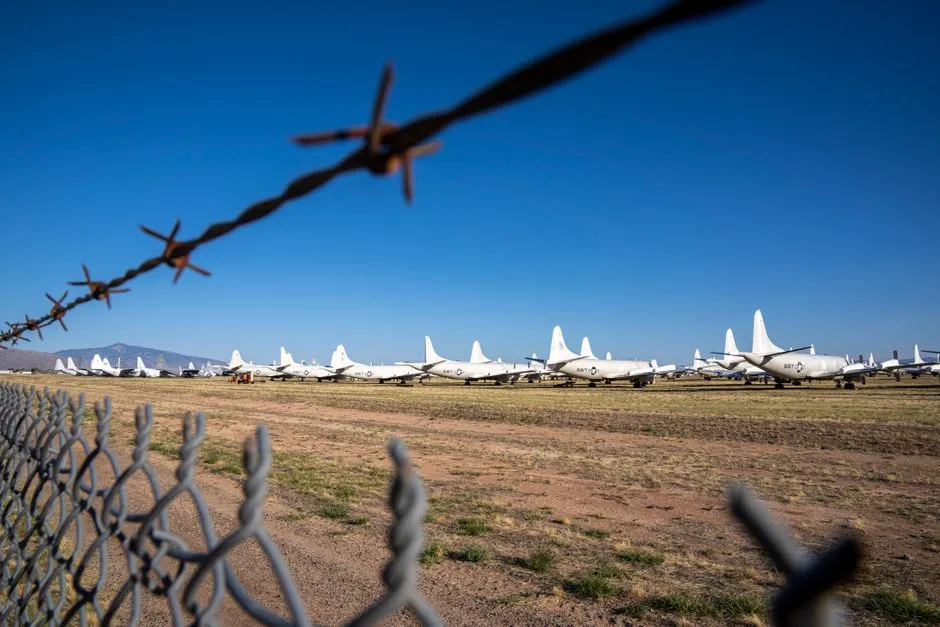
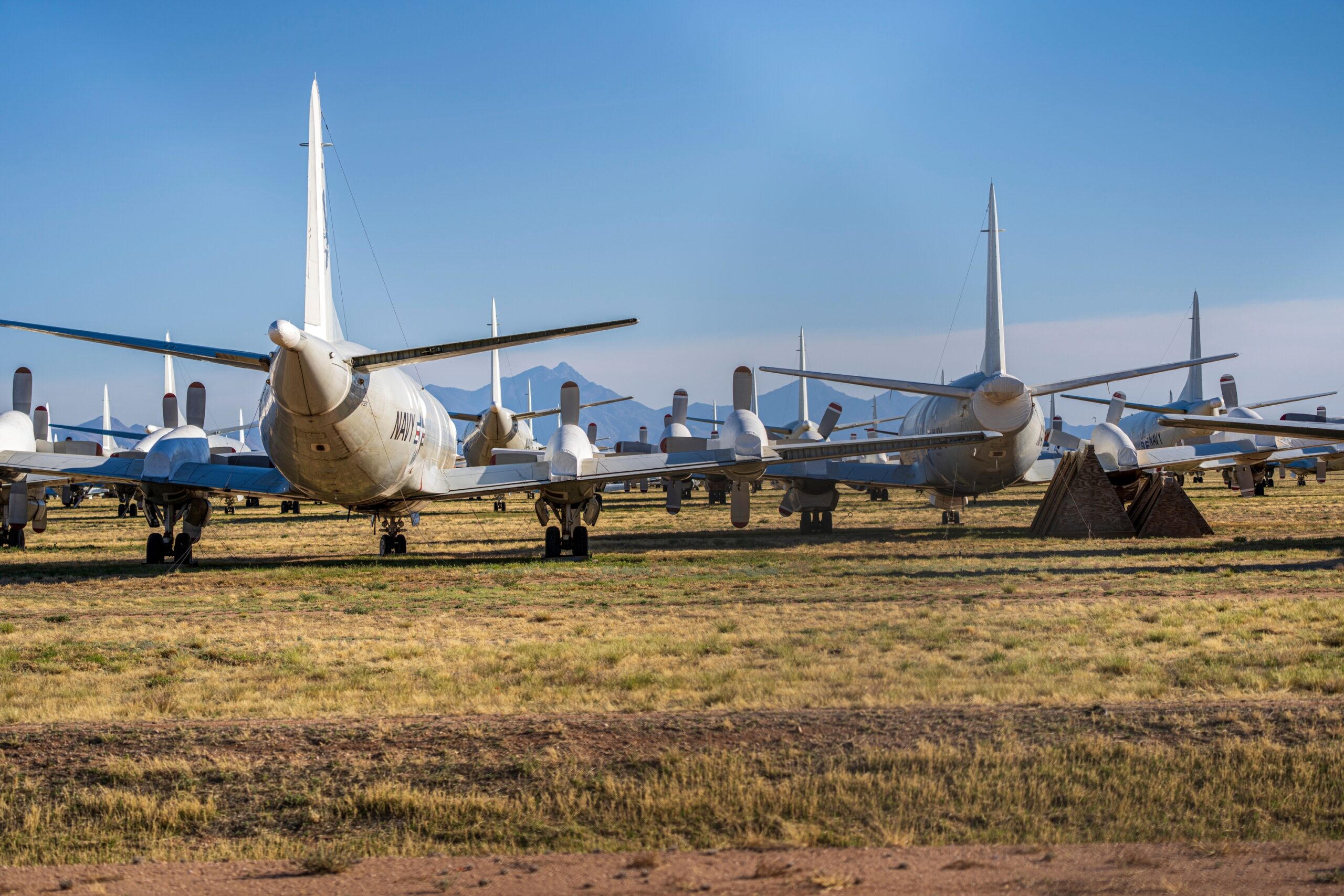
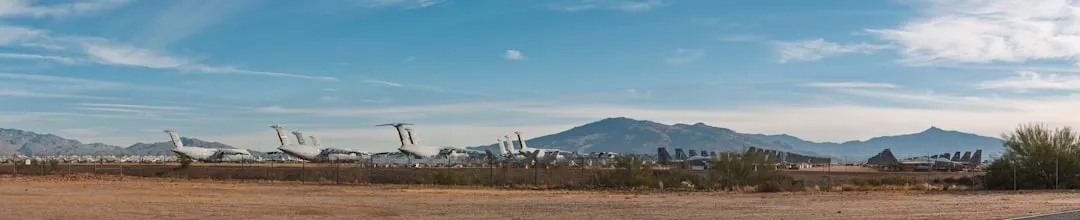
The 309th Aerospace Maintenance and Regeneration Group, also known as AMARG or the Boneyard, is a specialized facility located at Davis-Monthan Air Force Base in Tucson, Arizona. Covering around 2,600 acres, AMARG is the primary storage and maintenance site for retired military aircraft from the U.S. Department of Defense and other government agencies.
As of mid-2025, the facility officially holds over 4,400 aircraft, 6,500 aircraft engines, and 13 aerospace vehicles from the United States Air Force, Army, Coast Guard, Navy, Marine Corps, and NASA. More than five hundred people are currently employed to take care of those aircraft. That is a workforce bigger than many regional airlines.
Why the Desert Is the Perfect Resting Place
Tucson’s dry climate and alkaline soil make it an ideal location to store and preserve aircraft. With the area’s low humidity in the 10 to 20 percent range, meager annual rainfall of around 11 inches, hard alkaline soil, and a high altitude of 2,550 feet, aircraft can be naturally preserved for potential reuse or parts recovery.
Before storage, workers seal openings, remove sensitive equipment, and treat parts to slow deterioration. The goal is to keep aircraft usable without the expense of maintaining them as active planes. Some jets sit for only months. Others remain parked for years, waiting for the market to shift in their favor.
The First Thing Workers Do When a Jet Arrives
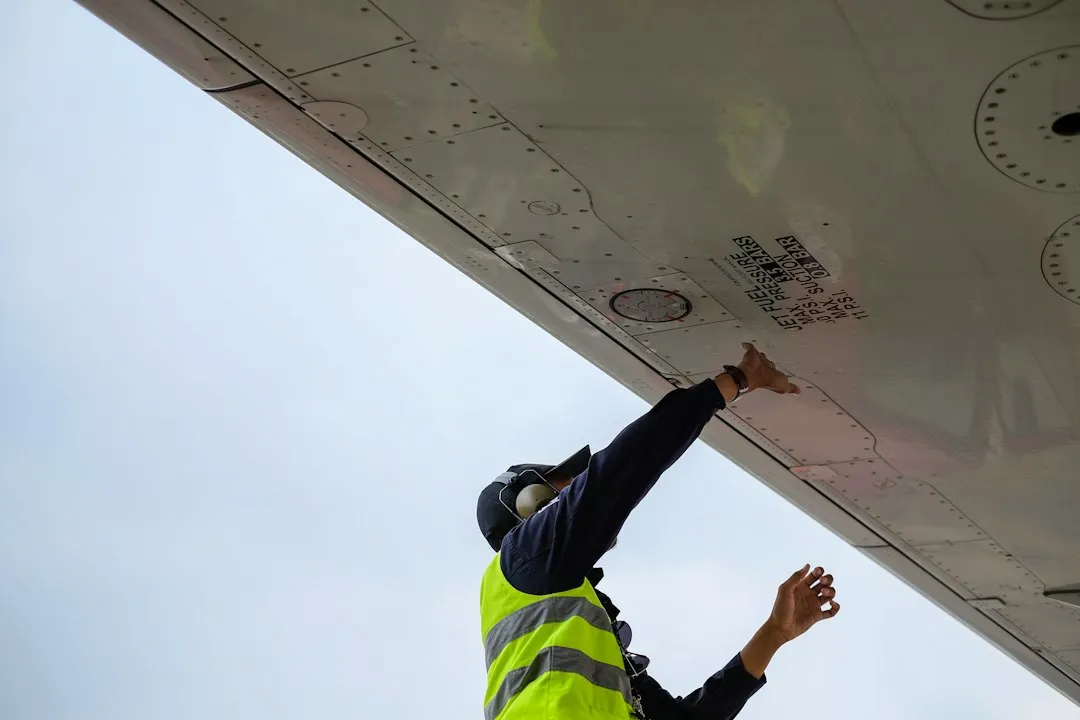
Once a decommissioned aircraft arrives at a boneyard for scrapping, the first step is to drain all remaining fluids, including fuel, hydraulic fluid, and lubricants, to prepare the plane for disassembly and recycling. A plane to be scrapped first has its hazardous, toxic, and radioactive materials removed, such as fuel, oil, hydraulic fluids, de-icing liquids, and batteries.
Aircraft engines are stored in special containers filled with nitrogen to prevent corrosion. The group at Davis-Monthan stores more than 6,670 engines on site. The scale of that logistics operation alone is hard to fully picture.
Three Possible Fates, and How Workers Decide
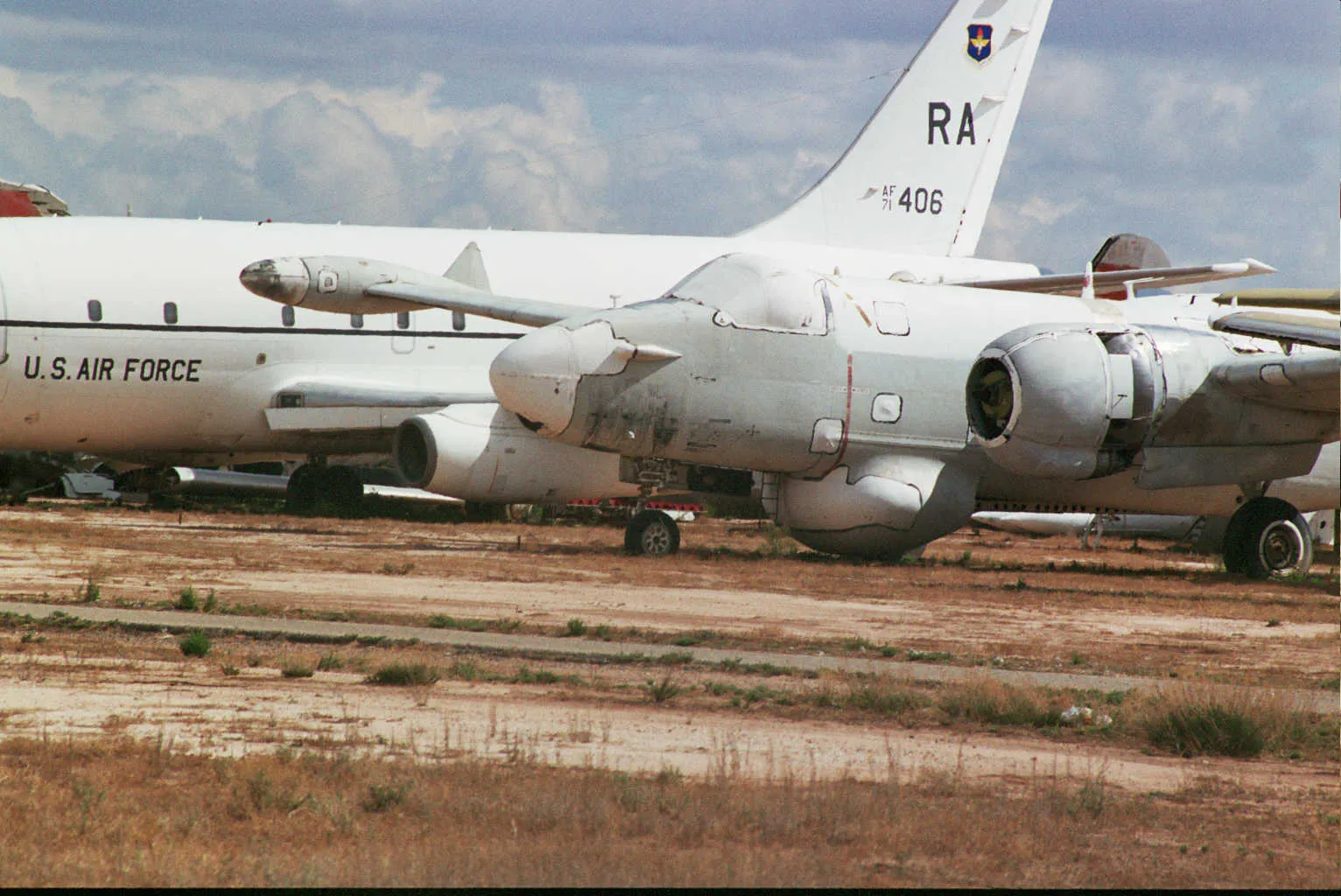
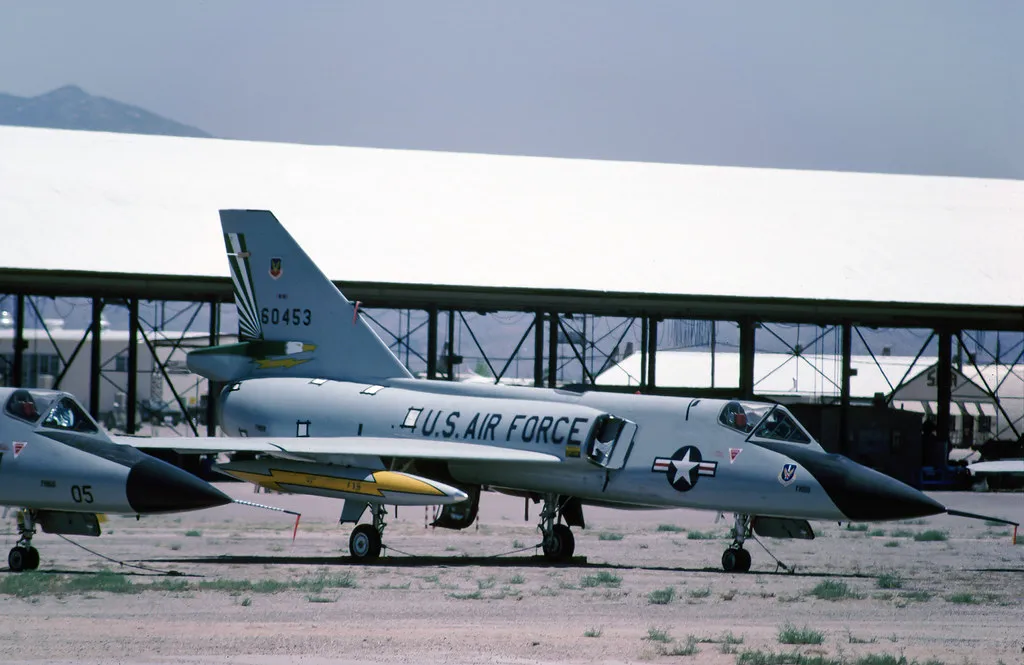
AMARG hosts hundreds of aircraft in varying states: some are maintained so that they could be returned to service if needed, some are steadily cannibalized for spare parts, while others are simply left in storage. The decision is rarely simple, and it shifts constantly as market conditions change.
The stages range from final revenue flight, to storage and preservation, then a market decision, a potential second operator, a freighter conversion, teardown, recycling, and finally creative reuse. Very little of the aircraft ends up in a landfill. That detail surprises most people who picture a boneyard as simply a place where planes go to die.
High-Value Parts Come Out First
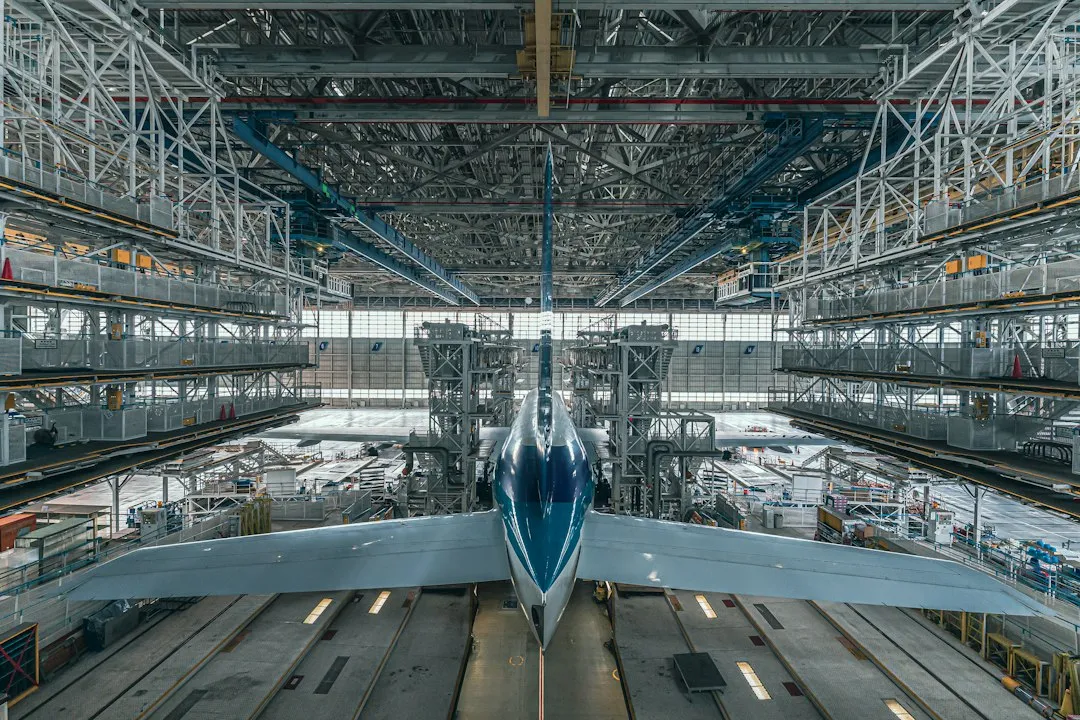
The immediate priority is the removal of engines and high-value avionics, which can often be worth more than the rest of the airframe combined. Valuable parts such as flight controls, engines, landing gear, doors, black box recorders, APUs, avionics, and windscreens are carefully removed. Parts like these can be refurbished and resold for use on active aircraft.
Boeing says one dismantled airplane can yield up to 6,000 recertified parts. These are not random scraps, but previously installed components that have been inspected, tested, and found eligible for reinstallation. For airlines facing long delivery queues for new jets, that secondhand parts market has become genuinely critical.
Jets That Come Back From the Dead
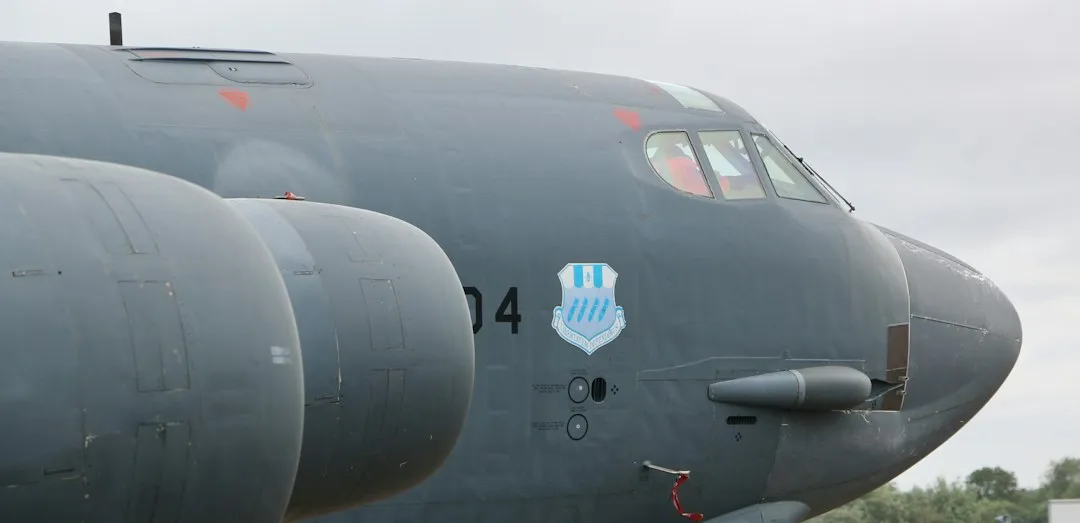
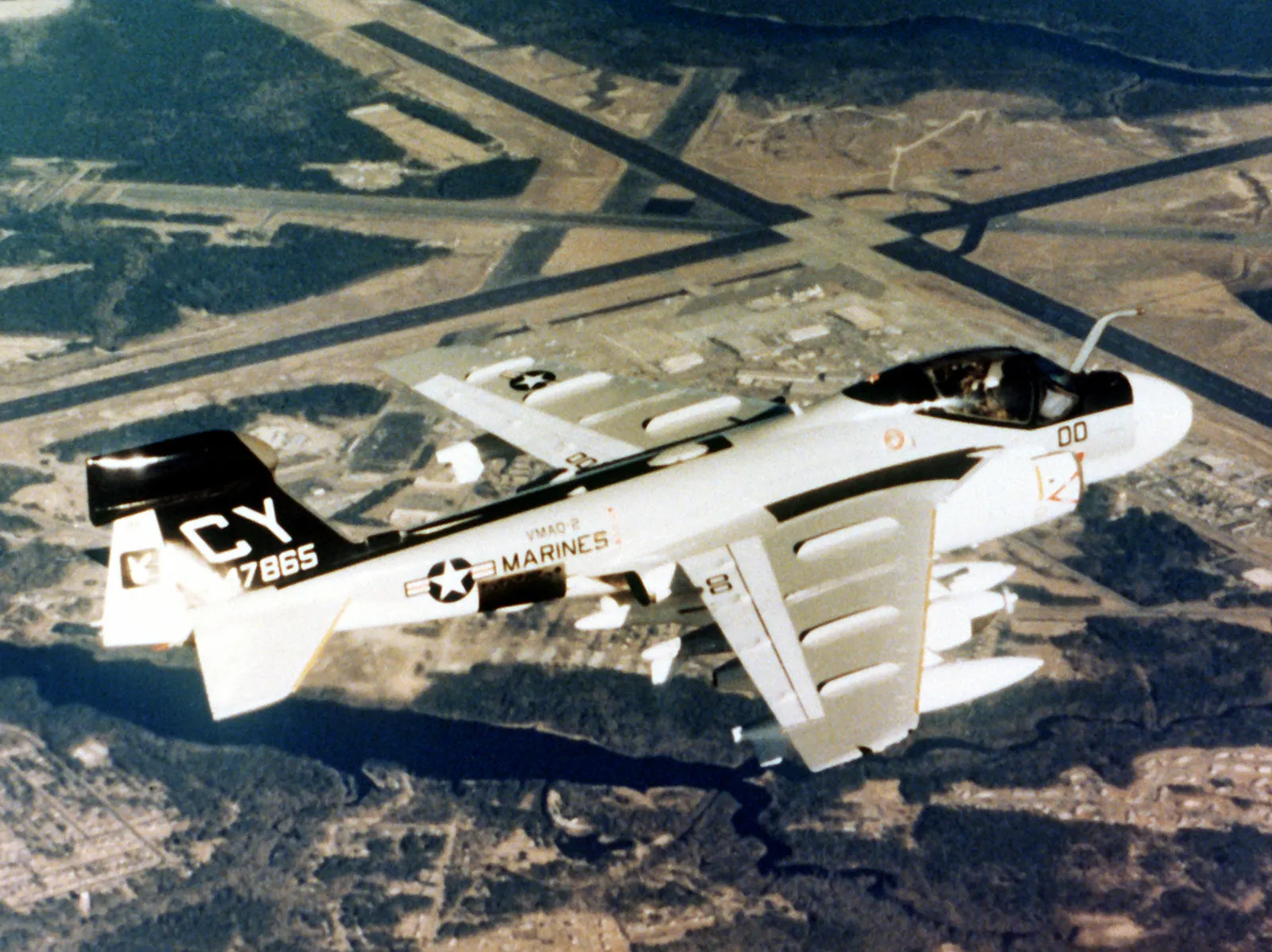
AMARG has successfully returned aircraft like the B-52 and F-16 back into active service, demonstrating its essential role in supporting U.S. and allied military aviation needs. The reactivation process is painstaking, but the savings compared to building new aircraft are substantial.
The facility has also brought back retired F-16 fighter jets into a state to fly again as full-sized, remotely piloted aerial targets for piloted aircraft used in target practice. Airlines have gone back to the desert to reactivate parked commercial aircraft more than once, too. The line between storage and retirement is, in practice, surprisingly blurry.
The Recycling Numbers Behind the Scrapping
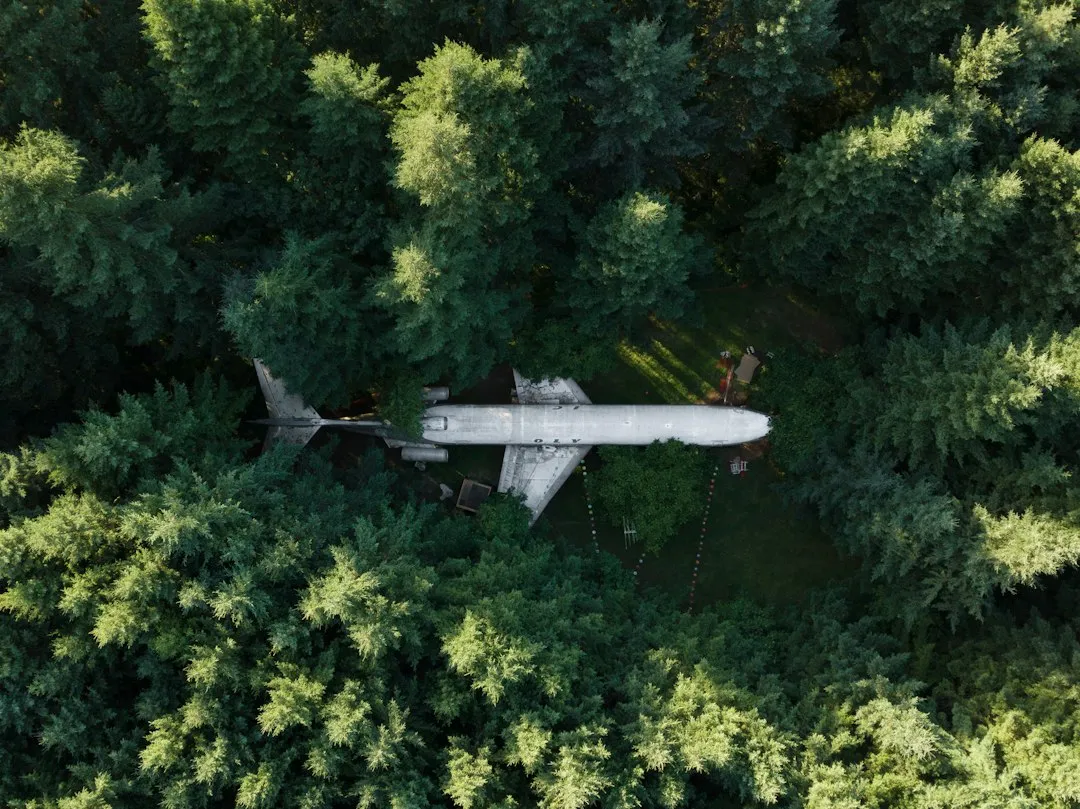
AFRA-accredited operators report total mass recovery rates of up to 85 to 95 percent per aircraft. Airplanes are made of around 800 to 1,000 parts that can be recycled, with the majority made from metal alloys and composite materials. The two most common metal alloys are aluminum and titanium, and the main composite material is carbon fiber.
Aluminum is especially valuable environmentally. Recycled aluminum can require about 95 percent less primary energy than aluminum made from virgin resources, reducing both emissions and raw-material demand. That environmental math is one reason the global aircraft recycling industry has grown so quickly.
A Booming Industry Few People See
The global market for aircraft recycling was valued at USD 5.3 billion in 2024 and is projected to reach USD 13.2 billion by 2034. Projections indicate that more than thirteen thousand aircraft, encompassing commercial, military, and private sectors, will retire within the next two decades, representing up to 44 percent of the global fleet.
Widebody jets like the Boeing 747 were once the primary residents of boneyards, but there is now a surge of middle-aged narrowbodies like the Airbus A320. This shift is driven by rapid advancement in engine technology, because if a newer model can save 15 percent on fuel, the older airframe becomes an economic liability almost overnight, regardless of its mechanical health.
When a Plane Becomes Something Else Entirely

Airbus reported progress in recovering aircraft materials through its circularity initiatives, including the successful remelting of aluminium from an aircraft fuselage into a new aerospace-grade alloy. Meanwhile, GA Telesis commenced disassembly of two Airbus A320neo aircraft, each less than five years old, generating components for certification and distribution. Even relatively young airframes are now entering the recycling stream when economics demand it.
AFRA tightened its Best Management Practices in 2026, adding stronger traceability, electrostatic-discharge guidance for sensitive components, subcontractor controls, and a standardized end-of-life certificate. The paperwork, as workers inside boneyards will tell you, matters just as much as the physical teardown. A part without a verified history is essentially worthless to a regulated airline.
The Quiet Significance of the Boneyard
AI Disclaimer: This article was created with the assistance of AI tools and reviewed by a human editor.