
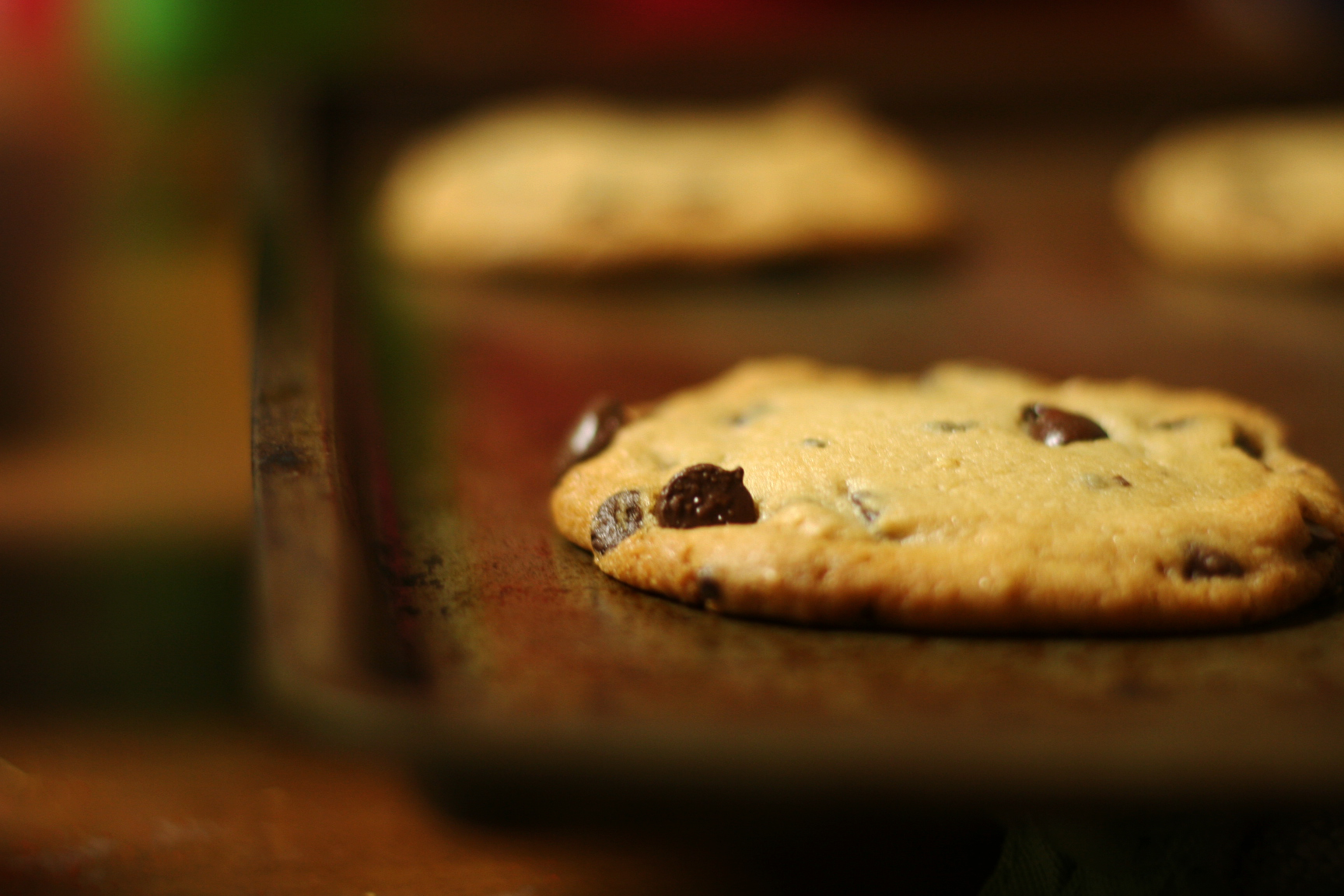

There’s a specific moment most travelers recognize, even if they’ve never thought to name it. You walk through the lobby doors, bags in tow, and something warm and sweet cuts through the air before you’ve even reached the front desk. It’s not an accident. That scent, and the cookie that goes with it, has been carefully engineered to make you feel something.
The warm lobby cookie has become one of hospitality’s most quietly powerful tools. Behind it are pastry chefs, brand strategists, and decades of behavioral research, all working toward a single goal: making you feel at home the moment you arrive.
It All Started with a Branding Decision, Not a Recipe
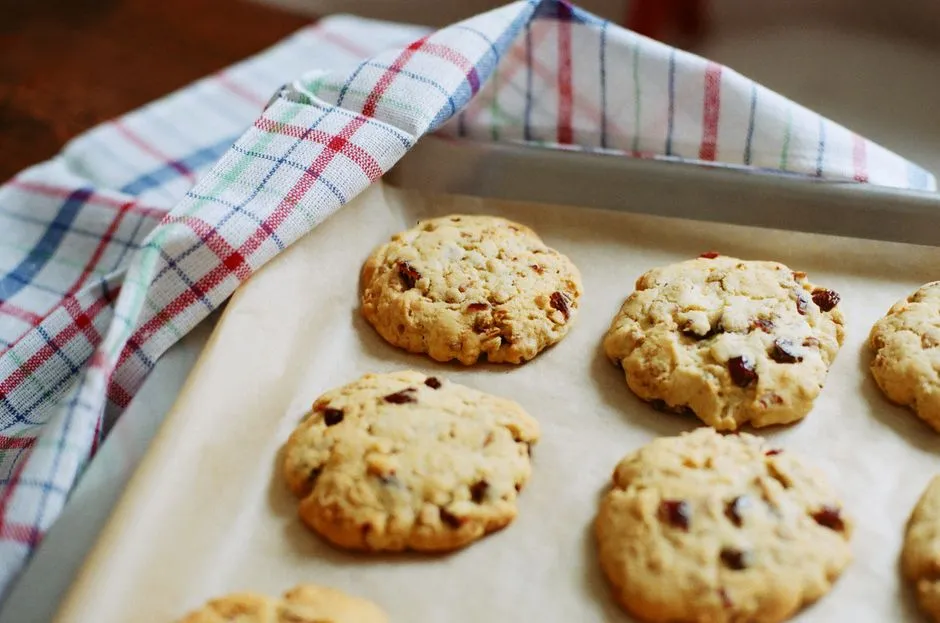
While there’s no industry-wide consensus on precisely when select hotels began offering cookies, DoubleTree was the first to turn free cookies into a major part of its public image when, in 1986, it chose one recipe to use across all its hotels. The motivations were pragmatic as much as warm-hearted. The cookie gambit was a branding decision to help them stand out, as the hotel chain was still small back then, with fewer than 25 locations in Arizona and California.
In 1986, DoubleTree Hotel by Hilton started offering these signature cookies as a nightly turn-down service, and nine years later, in 1995, the warm chocolate chip cookie was transferred to all hotel front desks. What began as a modest regional gesture eventually became one of the most recognized rituals in the entire hospitality industry.
The Numbers Behind the Cookie Jar
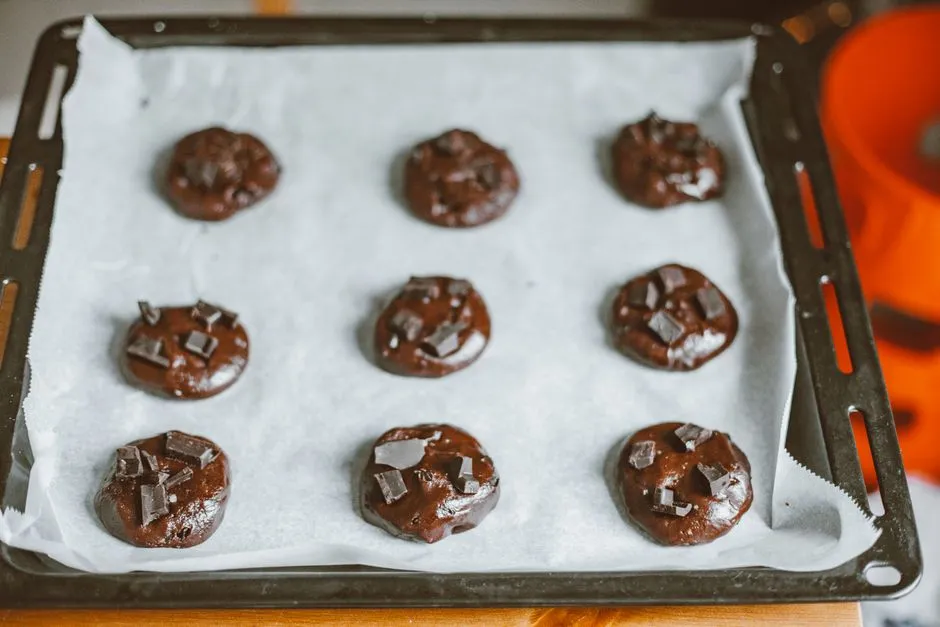
According to Masters (2022), the Hilton-owned DoubleTree hotel chain gives out 25 million chocolate-chip cookies to guests every year. That’s a staggering scale for something that feels so personal. For more than 25 years, DoubleTree has welcomed guests at more than 370 global hotels and has given out more than 300 million warm chocolate chip cookies at check-in.
With the assistance of kitchen staff, 400 DoubleTree chocolate chip cookies are produced each day at the JFK Airport property alone, with roughly 3,000 baked per week and around 150,000 cookies for guests annually at that single hotel. Multiply that across hundreds of properties, and the logistics become genuinely remarkable.
How the Cookie Is Actually Made Fresh Each Day
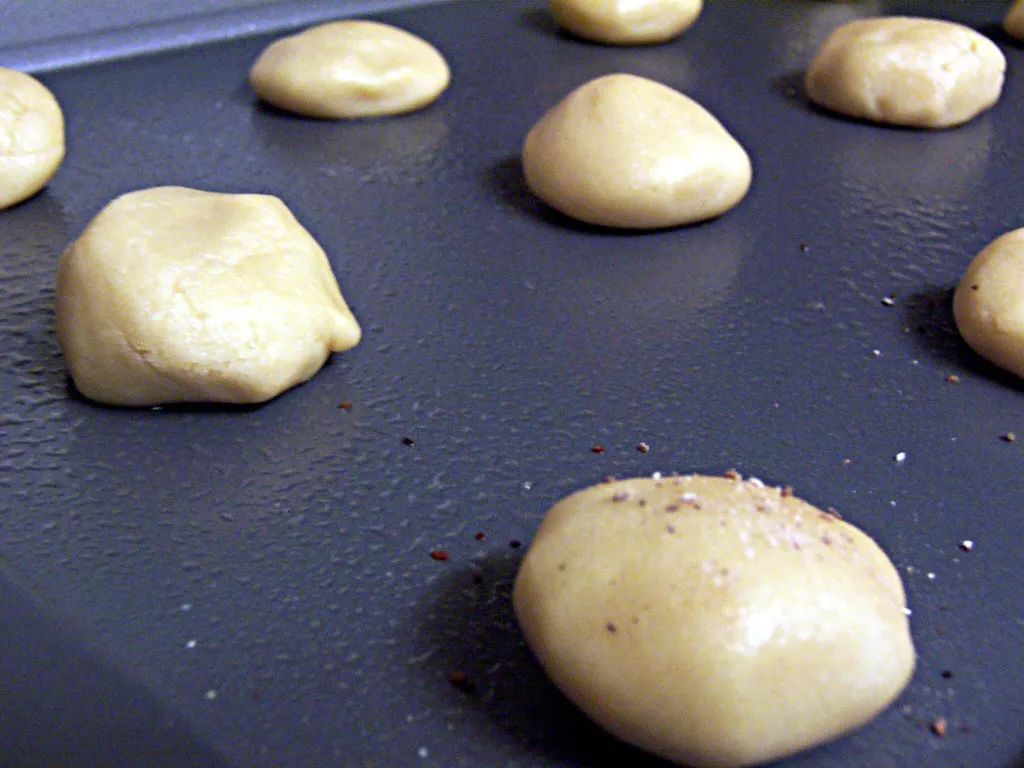
The DoubleTree cookie recipe is a chocolate chip cookie, the brainchild of a few DoubleTree chefs working with hotel management. The cookies are baked fresh onsite daily from frozen dough using the original recipe. The use of frozen dough is a deliberate operational choice, not a shortcut. It ensures every cookie across hundreds of properties tastes consistent, regardless of altitude, local climate, or kitchen variations.
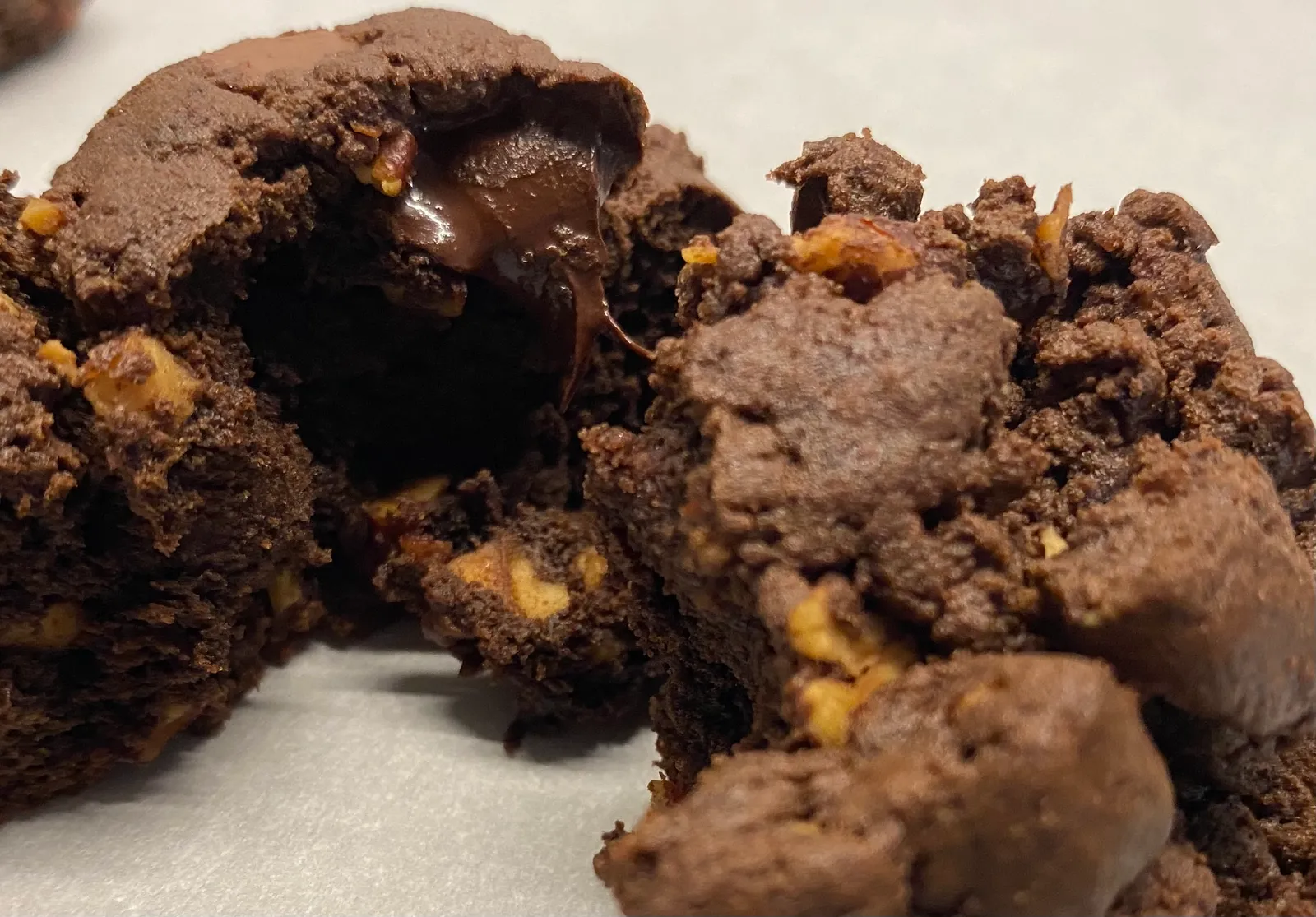
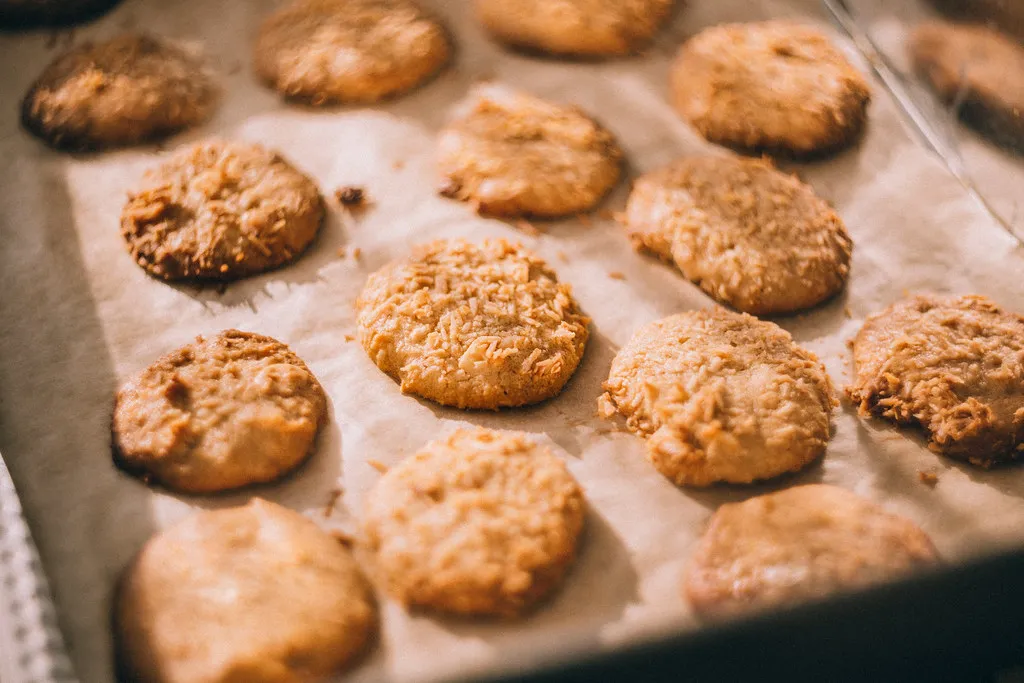
Upon walking into the hotel’s kitchen, the warm, sweet aroma of vanilla, butter, and sugar with hints of cinnamon and chocolate fills the air. Baking sheets rest on the kitchen’s stainless steel counter, laden with individual scoops of freshly mixed cookie dough. After about 17 minutes of baking time, the sheet pans emerge brimming with warm, chewy cookies bursting with semi-sweet chocolate morsels, rolled oats, and chopped walnuts.
The Warming Drawer: A Purpose-Built Piece of Equipment
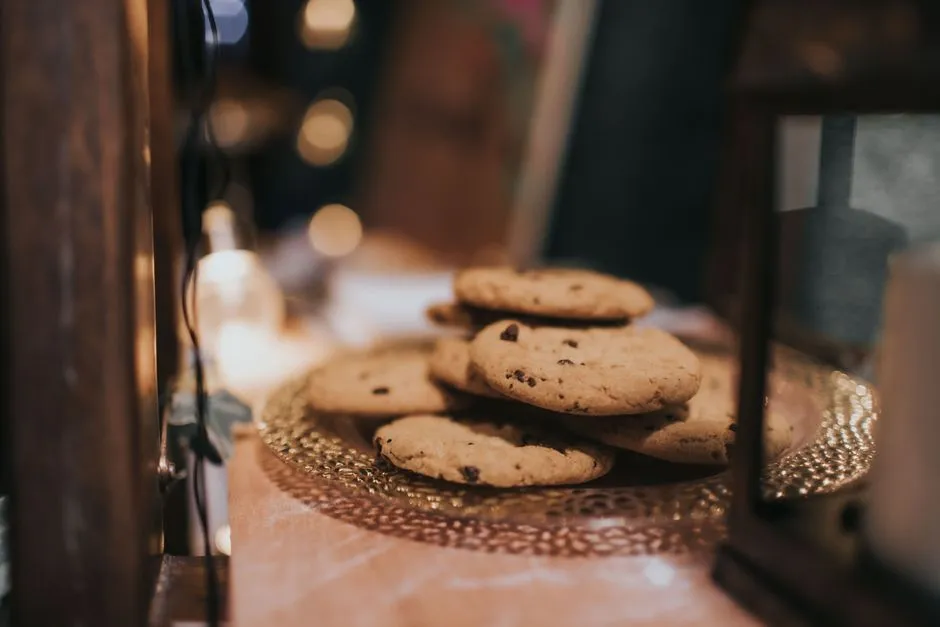
Every DoubleTree is required to have a warming drawer at the front desk for when guests arrive. This isn’t a suggestion or a regional preference; it’s a brand standard enforced across every property worldwide. After each batch is baked, the cookies stay warm behind the front desk in a warmer that keeps them soft and chewy for the perfect bite and ready to give out to each guest checking in.
Each front desk has a cookie warmer to ensure not just consistently gooey cookies, but an intense cookie smell throughout the lobby. That last part, the smell, turns out to be nearly as important as the cookie itself.
The Science of Scent: Why the Smell Matters More Than You Think
It’s scientifically proven that the fragrance of baking cookies can stimulate positive emotions in our brain. Hotel designers and pastry teams have understood this for years, even before neuroscience put formal language to it. According to research, the chocolate-chip-cookie scent at some hotel lobbies originates not only from the cookies themselves but in some cases from a fragrancing device, and this sweet scent may help to relieve any tensions that guests may have upon arrival.
Research published in Frontiers in Psychology by Oxford’s Department of Experimental Psychology discusses the literature on contemporary sensory marketing as it applies to hotel design, highlighting the functional benefits of engaging more effectively with guests’ non-visual senses, and noting numerous opportunities for hotel managers to influence their guests’ multisensory experiences through environmental psychology. The warm cookie sits squarely in the middle of that strategy.
Memory, Comfort, and the Psychology of a First Impression
At DoubleTree, one of the most important elements is keeping the cookies warm, with the stated aim of creating a comfortable feeling, like your grandmother’s cookies at home. That framing is deliberate. The cookie isn’t just food; it’s a memory trigger designed to lower your guard and raise your goodwill toward the property.
Focus group research reveals that the cookie has real “sticktion,” meaning it’s something guests really remember. In a competitive hospitality market where countless hotels offer similar amenities, being remembered matters enormously. According to the memory literature, people are more likely to remember the start of an experience as well as perhaps how it ends. Handing someone a warm cookie at check-in is a studied choice to anchor that opening moment positively.
The Recipe Itself Has Secrets Worth Knowing
The DoubleTree cookie is baked at a low 300°F, for 20 to 23 minutes, or until the edges are golden brown and the center is still soft. That lower temperature is a key reason the center stays tender rather than setting firm. It’s a technique any professional pastry chef would recognize as intentional.
In August 2023, DoubleTree introduced an allergy-friendly cookie, which is non-GMO, vegan, gluten-free, and completely nut-free. Guests can choose between the original cookie or the allergy-friendly version, which comes individually packaged to avoid cross-contamination. The update reflects how hotel brands are rethinking classic gestures through the lens of inclusivity, without abandoning the warmth that made them iconic.
How the Tradition Spread Across the Industry
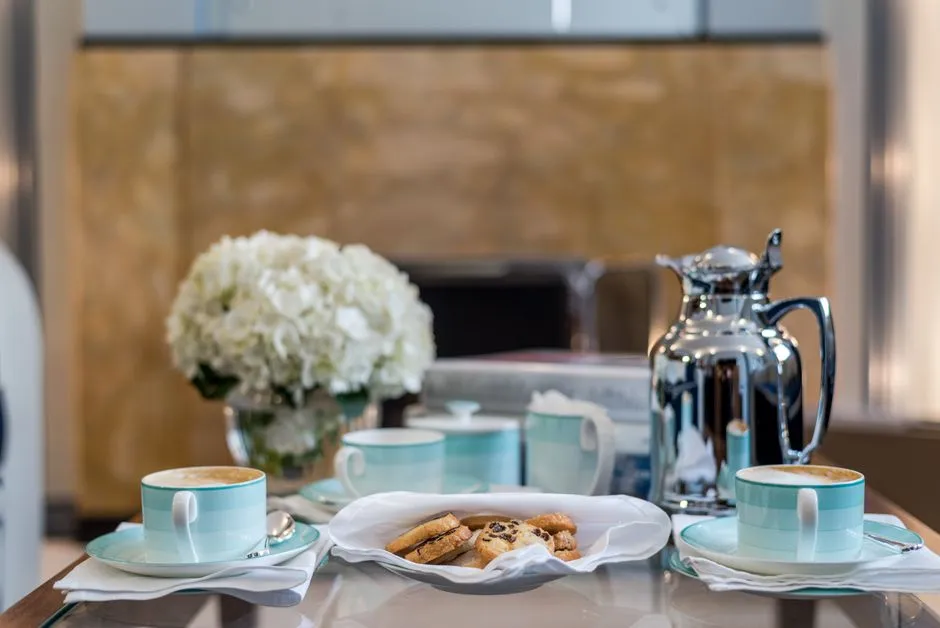
DoubleTree isn’t the only hotel that has offered a sugary pick-me-up to weary travelers. Country Inns and Suites by Carlson began offering free cookies in 1987, using frozen dough sourced from Otis Spunkmeyer and baked onsite. Certain Holiday Inn and Holiday Inn Express locations have also greeted guests with cookies during peak check-in hours.
The idea spread organically because it worked, and it worked because it was rooted in something genuine. Sometimes our love for a chocolate chip cookie has less to do with the cookie itself and more to do with the environment in which we are eating it, whether it’s the novelty of eating really good cookies in an unexpected place or the surprise of finding a warm, welcoming treat in a hotel lobby.
The Rise of Hotel Pastry as a Destination in Its Own Right
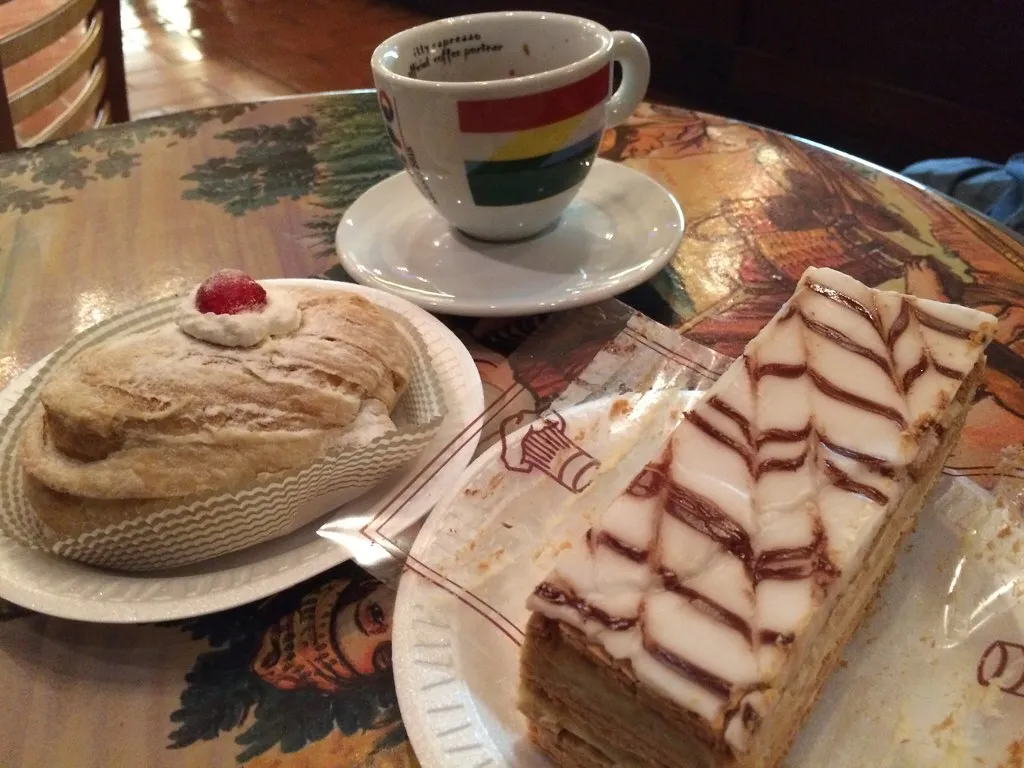
The lobby cookie tradition has evolved into something far grander in recent years. The most exciting new trend in hotel amenities isn’t a spa, rooftop bar, or members-only lounge; it’s a bakery worth checking in for. Across North America and Europe, hotels are bringing their bread and pastry programs out of the back of house, opening dedicated bakeries that serve visitors and locals alike.
Bakers have taken on the celebrity status that bartenders once had, with Cédric Grolet, the French pastry chef and social media sensation, now claiming millions of Instagram followers. At his hotel bakery inside London’s the Berkeley Hotel, people line up at all hours of the day for a taste of his signature creations. Meanwhile, in Dubai, the lobby of the Jumeirah Marsa Al Arab hotel hosts a Pierre Hermé cafe, whose chef Vogue called the “Picasso of Pastry.” The warm cookie that once fit in your palm has grown into a full cultural moment.
What Pastry Chefs Say About Keeping That Warmth Consistent
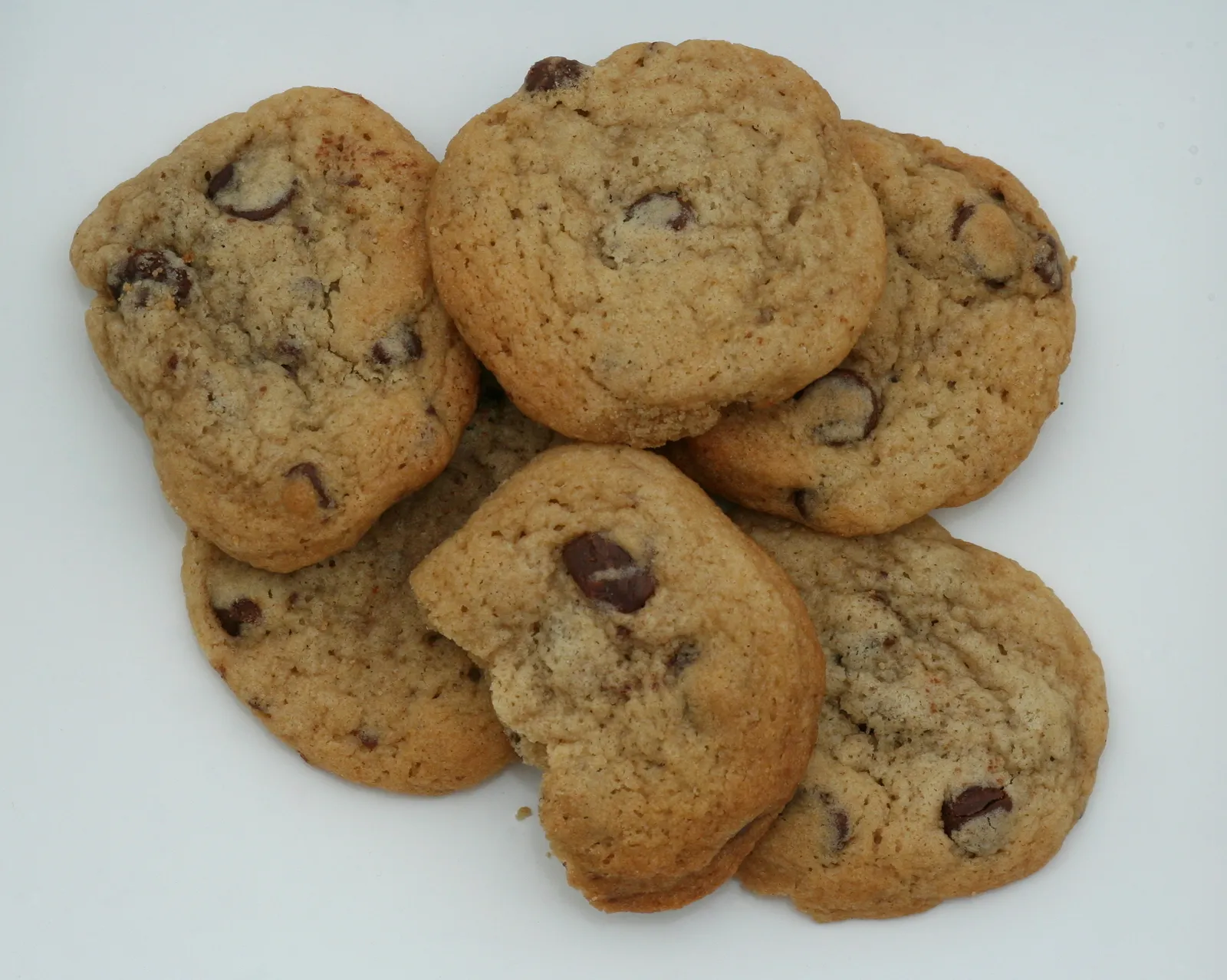
Even the most elaborate plated desserts can’t compete with the comfort and consistency of a classic cookie. The fresh-from-the-oven smell conjures up memories of a kitchen where warm cookies and a glass of milk made a perfect snack. Pastry chefs take great pride in recreating such moments, and as they reveal their methods, these pastry professionals explain how subtle tweaks to their ingredient lists and procedures enhance flavor without compromising nostalgia.
Christophe Rull’s The Patisserie at Hotel Bel-Air encourages guests to slow down and take a beat, with offerings that include gooey chocolate chip and oatmeal cookies, plus a signature sourdough loaf made from a 10-year-old mother levain starter. That kind of intention, time, patience, and careful sourcing, is what separates a hotel pastry program from a generic amenity.
The Takeaway
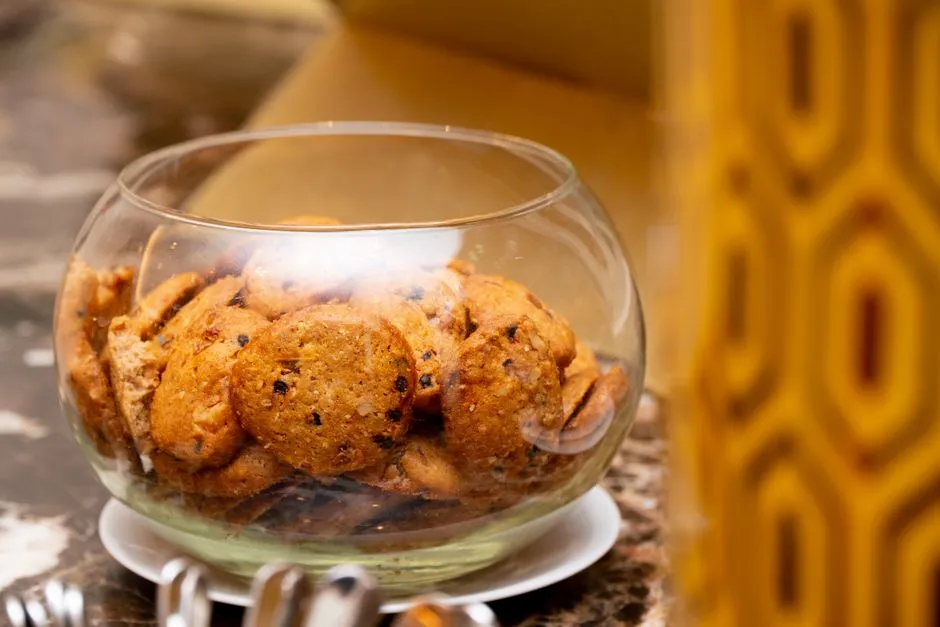
The warm lobby cookie has never just been a snack. It’s a carefully considered signal, saying: you’ve arrived, you’re expected, and someone here thought about how this moment would feel for you. That’s a surprisingly powerful thing for something that weighs about three ounces.
What the best hotel pastry chefs understand is that food at the point of arrival carries emotional weight that no room upgrade or loyalty points system can fully replicate. The warmth is real, the scent is engineered, and the memory it creates is entirely genuine. That combination is harder to achieve than it looks, and it’s precisely why the tradition has endured for four decades and counting.
AI Disclaimer: This article was created with the assistance of AI tools and reviewed by a human editor.