
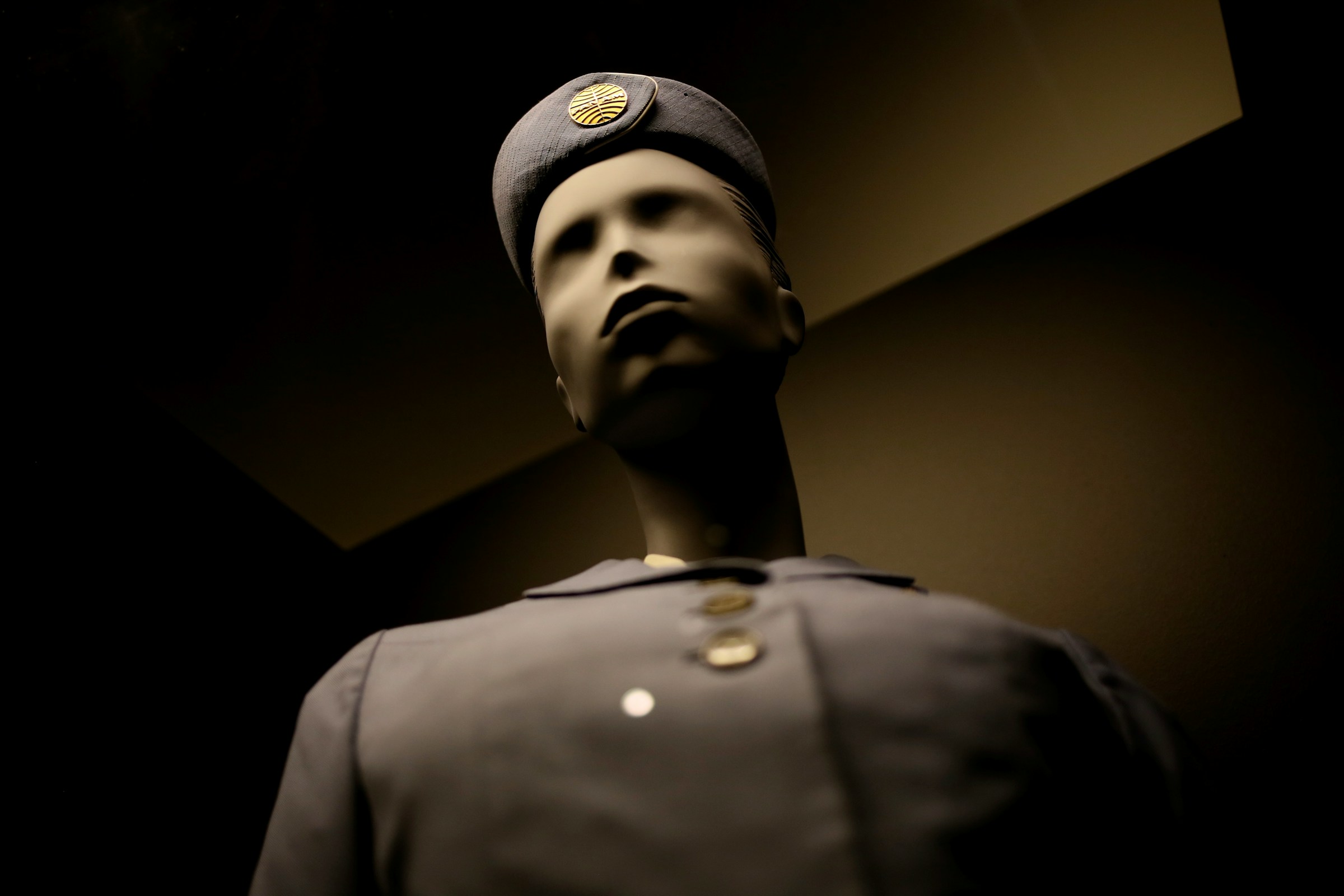

Flame-Resistant Fabrics Are a Non-Negotiable Foundation
Cabin crew uniforms are made from flame-resistant materials to reduce the risk of injury in the event of a fire, particularly because crew members may need to move through a smoke-filled cabin to evacuate passengers. For safety-critical roles in aviation, flame resistance is non-negotiable. Many airlines have adopted flame-retardant fabrics in pilot and cabin crew uniforms, ensuring compliance with international safety standards and providing critical protection in emergency situations.
Some uniform suppliers now specify the use of materials like Nomex specifically for enhanced flame-resistant protection. It is a detail most passengers will never think about, and designers make sure it stays invisible within the silhouette.
Hidden Pockets Built for Real Work
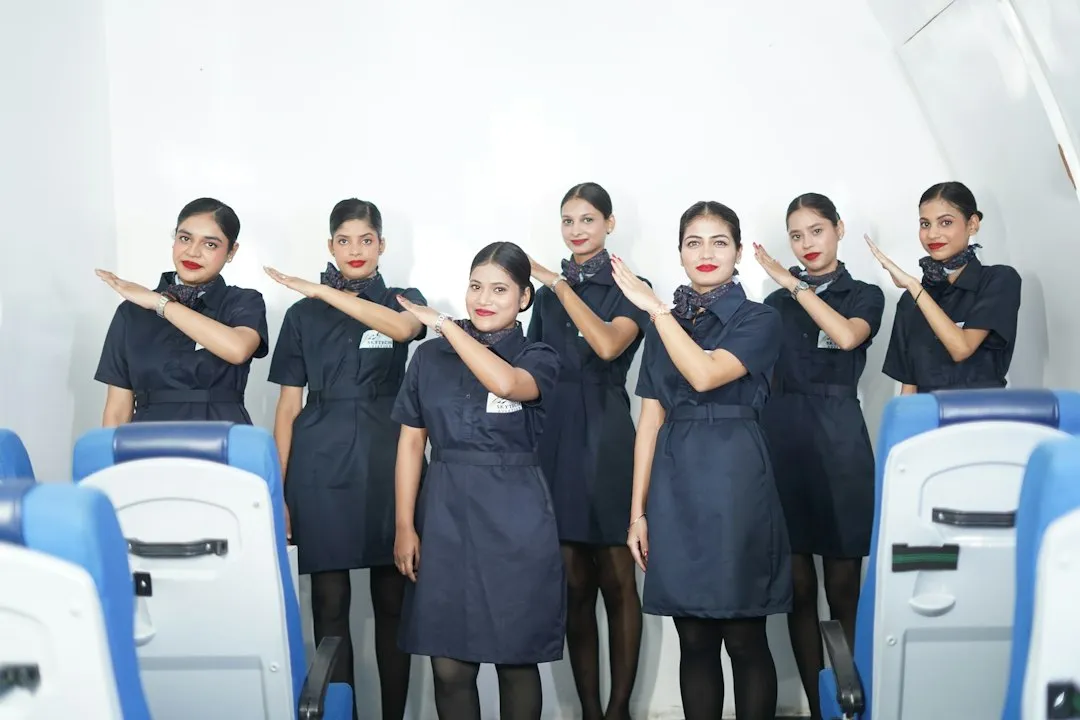
Beyond aesthetics, modern uniforms are tailored for the realities of life in the air and on the ground. Features like hidden storage pockets, flexible seams, and breathable materials support employees who navigate long shifts and changing climates.
These pockets are precisely placed so they do not disrupt the tailored line of a jacket or trouser, yet hold everything from emergency notepads to personal medical items. The challenge for designers is making a functional working garment that reads as elegant from ten feet away in a pressurized cabin at 35,000 feet.
Stretch Panels That Move With the Body
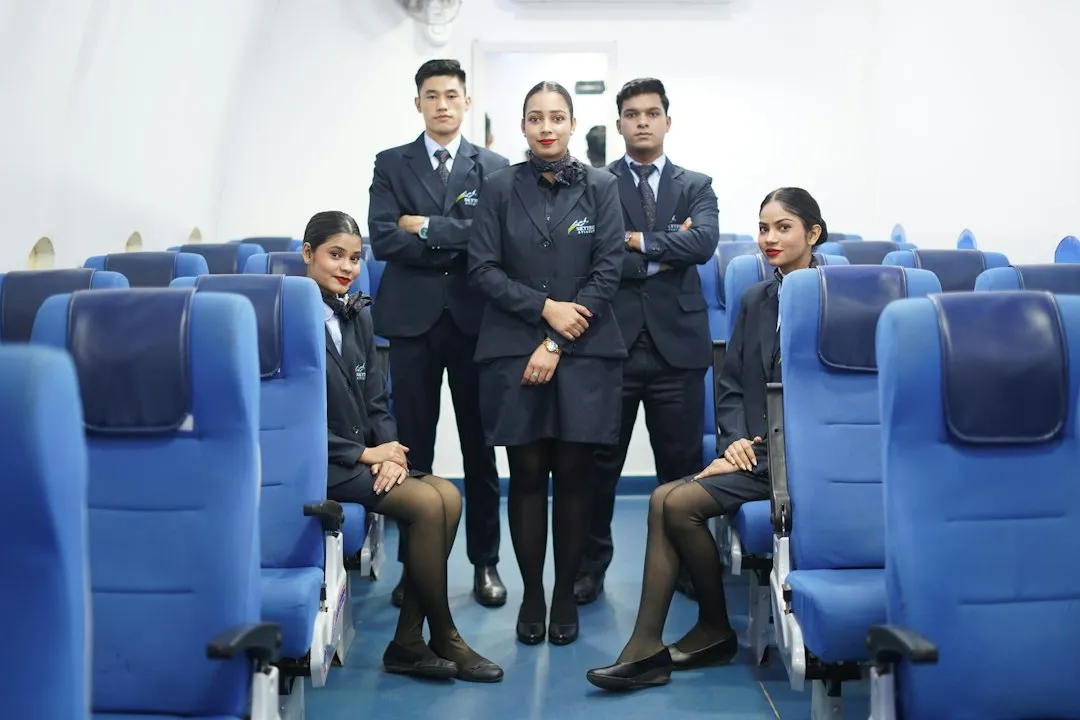
Stretch fabrics have revolutionized comfort in professional uniform design. Modern uniforms incorporate strategic stretch panels that allow greater movement without compromising the tailored silhouette, which particularly benefits crew members who must reach overhead bins, push heavy carts, and maintain composure during turbulent conditions.
A well-designed uniform gives crew members freedom of movement without sacrificing a polished look. Features like stretch panels, adjustable closures, and lightweight linings ensure flight attendants stay comfortable on both short-haul hops and long-haul overnights. Repeated stretching motions are used by cabin crew when opening overhead lockers and during service, making this feature genuinely essential rather than a design luxury.
Shoes Designed to Handle Swelling at Altitude
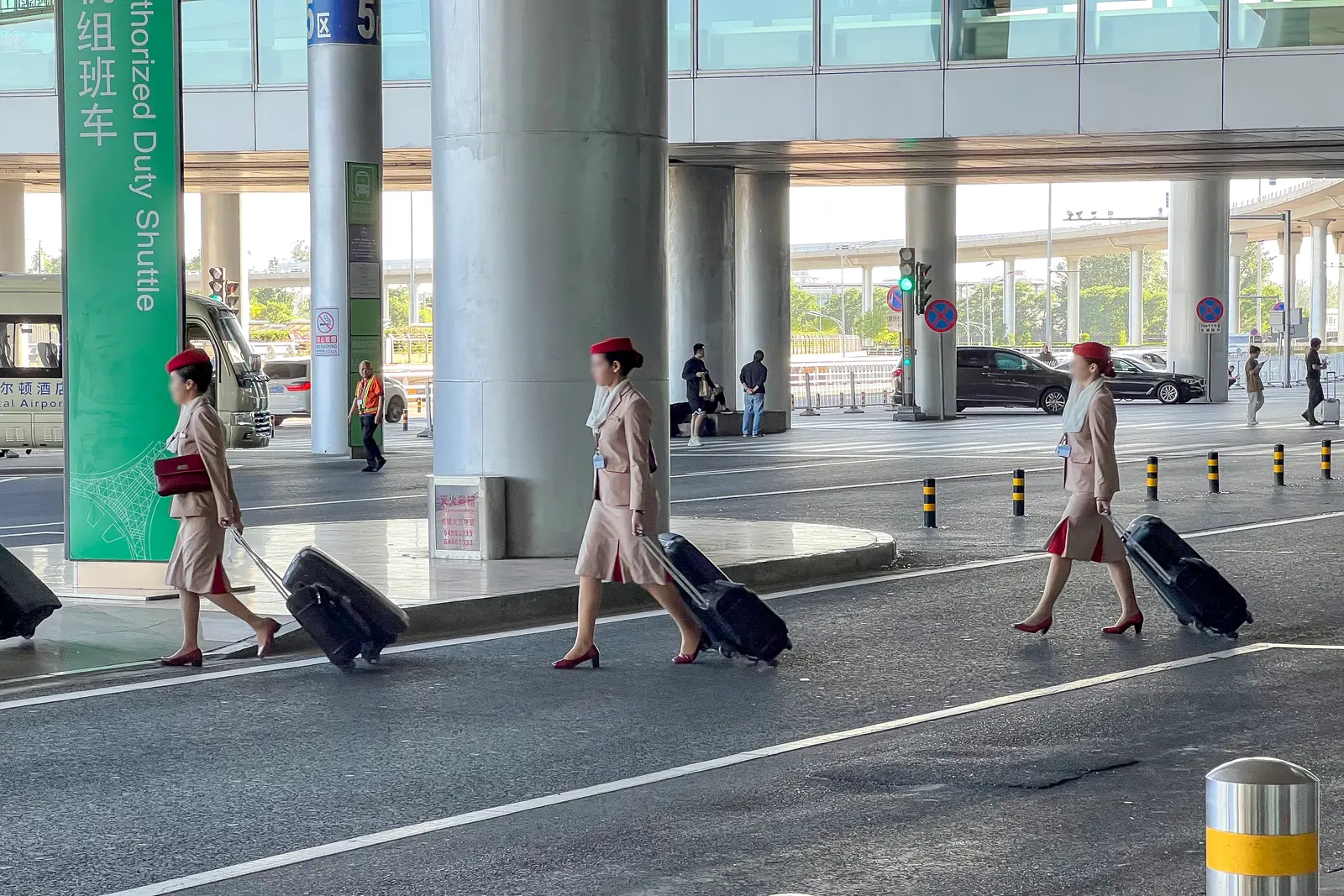
Cabin crew usually wear uniforms and shoes one size bigger to allow for swelling inflight. Female cabin crew have separate shoes for when on the ground and when in flight. This is a physiological reality that most people only discover when they slip their own shoes off mid-flight. Crew cannot afford that option.
In August 2025, Bangkok Airways, in collaboration with Puma, made a sneaker part of the official uniform for pilots, cabin crew, and ground staff, signaling a meaningful shift in how the industry thinks about footwear. Sixty years after the white Braniff boot, the most debated part of the uniform is still the footwear.
Color Codes That Communicate Rank at a Glance
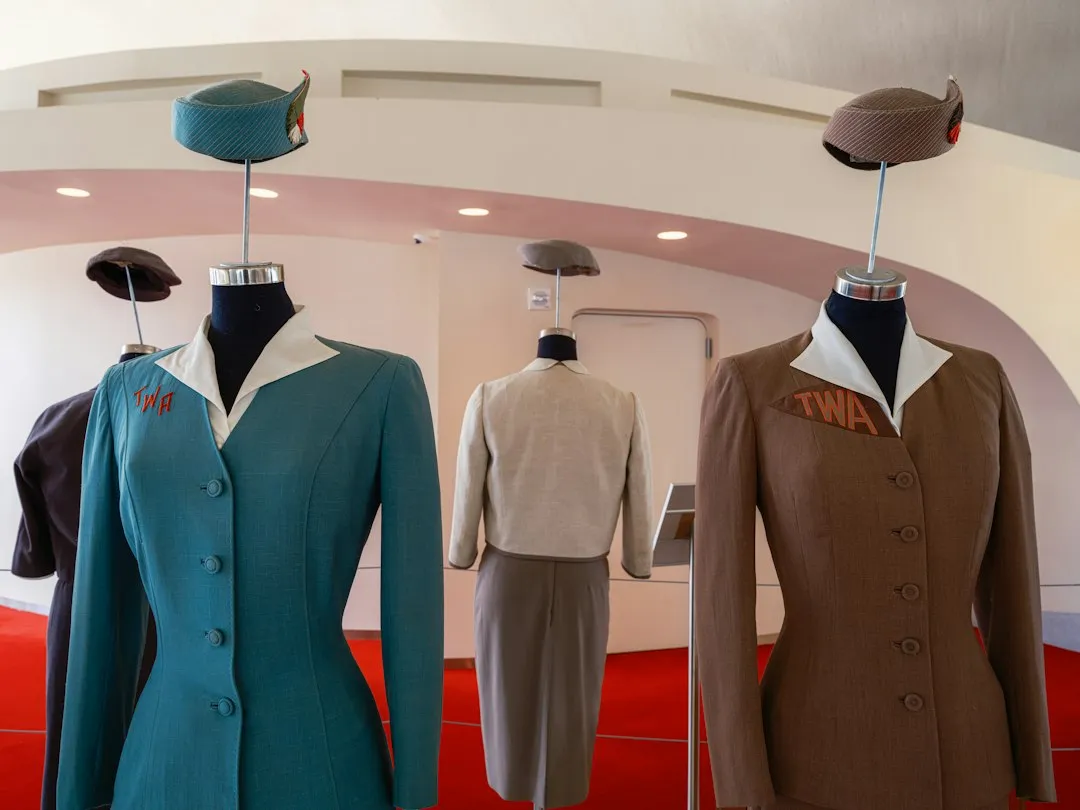
Pierre Balmain designed Singapore Airlines’ uniform in the traditional sarong kebaya style, and seniority is signified by different uniform colors. A flight attendant wears the standard purple version, the lead flight attendant wears emerald, and the chief flight attendant wears ruby. In-flight managers are assigned an indigo uniform.
That color hierarchy is not decorative. It allows passengers and fellow crew members to instantly identify who holds authority during an emergency. Many airlines use bright, high-visibility colors for crew uniforms to make them easily identifiable in low-light or smoky conditions, which is crucial during emergency evacuations when every second counts.
Scarves and Ties Secured by Safety Clips
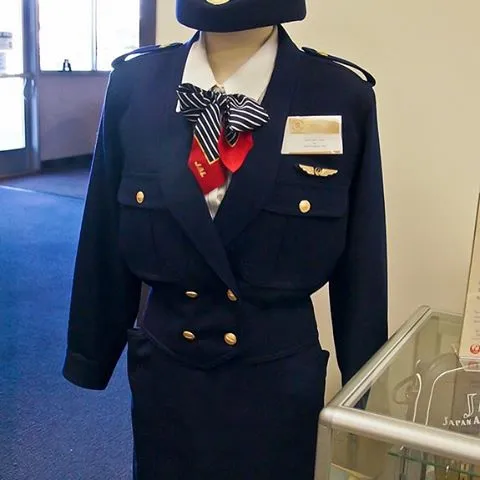
Jewelry and loose clothing items are kept to a minimum to reduce the risk of getting caught in emergency equipment. A watch must be worn in case of a medical emergency. Scarves and ties are often secured by a clip instead of being tied, partly because of safety equipment concerns but also because they can become a choking hazard when dealing with disruptive passengers.
These are the kinds of decisions that never appear in a fashion editorial but represent hours of consultation between designers, safety officers, and aviation regulators. The clip-on scarf that looks purely decorative carries a specific regulatory purpose behind it.
Performance Fabrics Engineered for the Cabin Environment
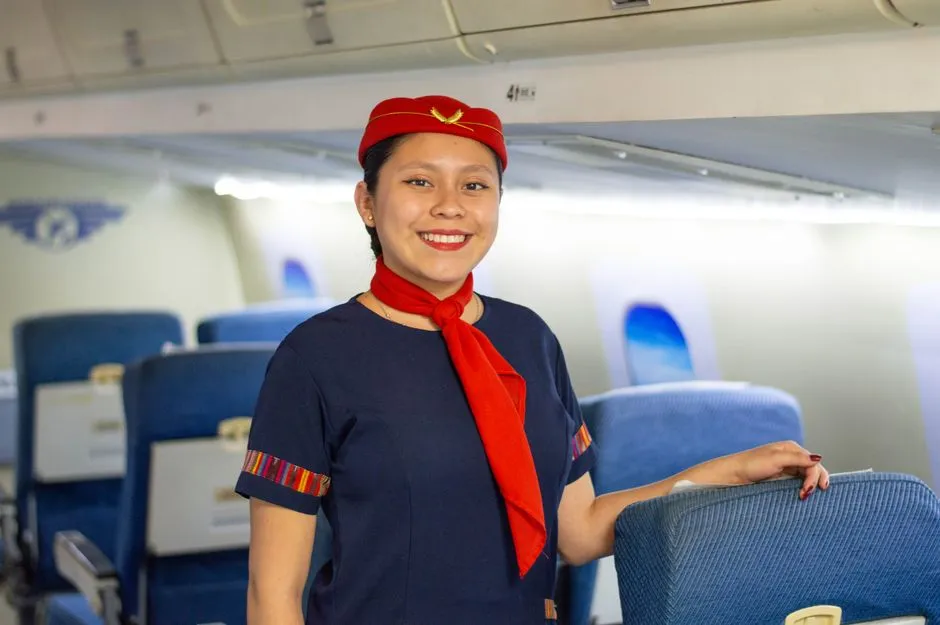
Airlines update uniforms every seven to ten years, creating periodic procurement waves that drive innovation in fabric technology. Modern materials now integrate moisture-wicking properties, UV protection, and antimicrobial treatments without compromising formal appearance.
Synthetic blends combining natural fibers like wool and cotton with innovative synthetics provide the right balance, maintaining professional appearance despite long duty hours and resisting odors more effectively than traditional materials. Some premium carriers have invested in fabrics that regulate body temperature, crucial for crew members who experience cabin pressurization and temperature fluctuations throughout flights.
Inclusivity Built Into the Cut and the Badge
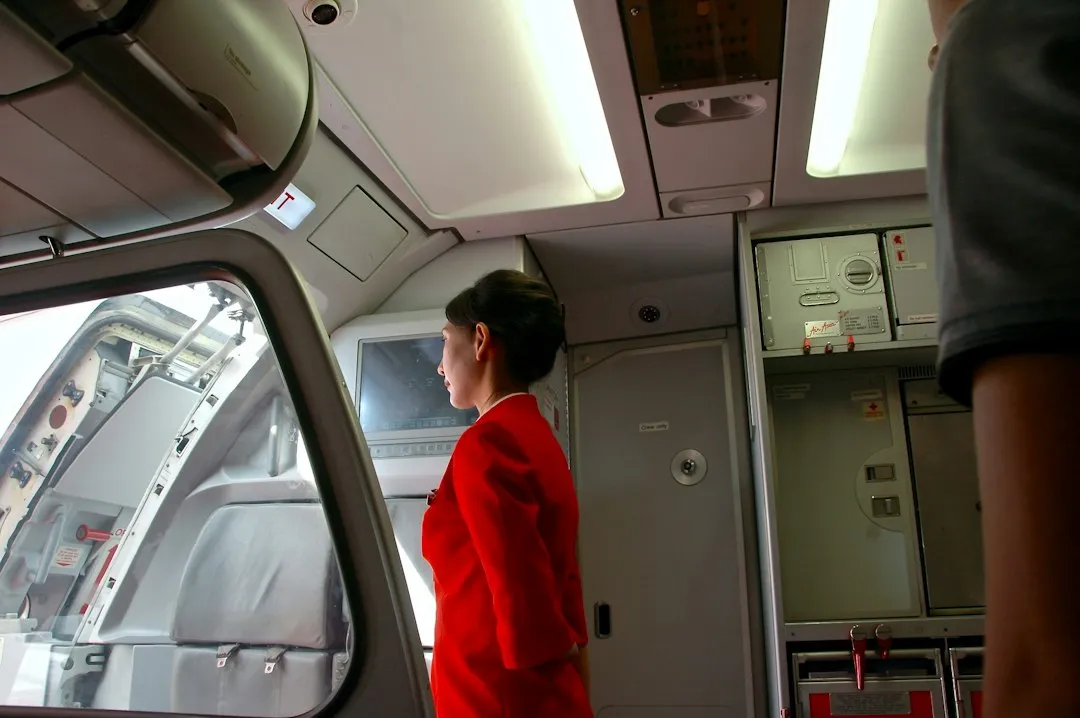
United Airlines’ newly integrated badge system offers a more streamlined look while giving staff the option to display pronouns, underscoring the airline’s commitment to workplace inclusion. SAS similarly embraced inclusivity and individuality by incorporating gender-neutral items, optional sneakers, and allowances for visible tattoos and piercings, aimed at empowering employees to express their personal style while upholding professionalism, safety, and care.
Uniform suppliers are now offering special sizing, custom-fit accommodations, stretch suiting, and expandable workwear waistbands as part of an inclusive design approach. These are not superficial gestures. They reflect a real shift in how airlines think about the people wearing these clothes every single day.
Sustainability Woven Directly Into the Textile
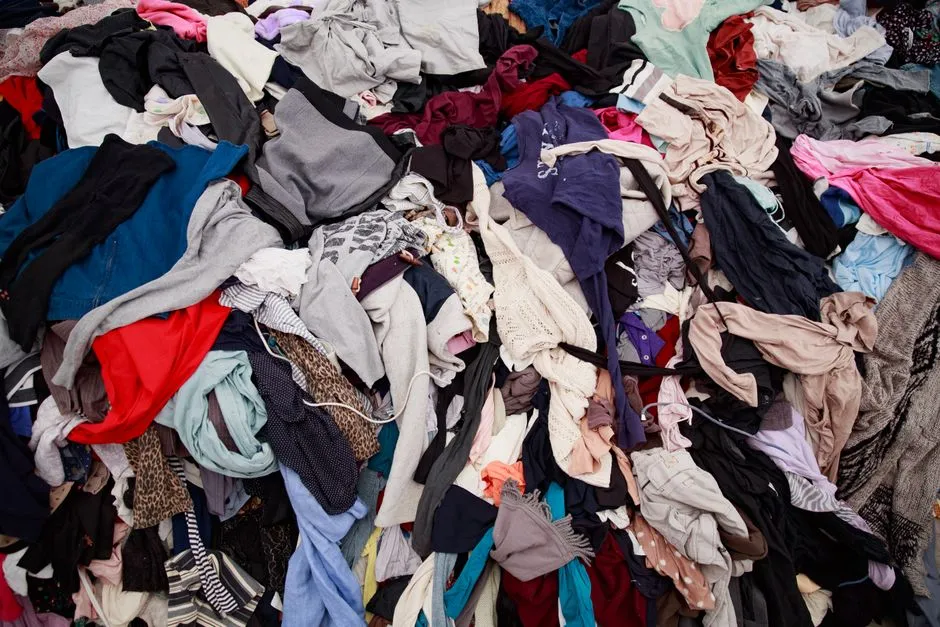
AirAsia’s updated uniform introduced up to 40% recycled textile content, which positions it among the top tier of airline uniforms globally in terms of verified sustainable sourcing. Brussels Airlines worked with suppliers offering textiles granted a Global Recycled Standard, referring to at least 50% recycled fibers or materials, such as used plastic bottles or fishing nets.
Some uniform suppliers have formalized sustainability programs that include recycled and biodegradable fibers, closed-loop recycling initiatives, and validated targets to reduce greenhouse-gas emissions by a significant margin by 2030. The runway, it turns out, has become one of the more quietly progressive places for sustainable textile innovation.
Years of Employee Testing Before a Single Uniform Ships
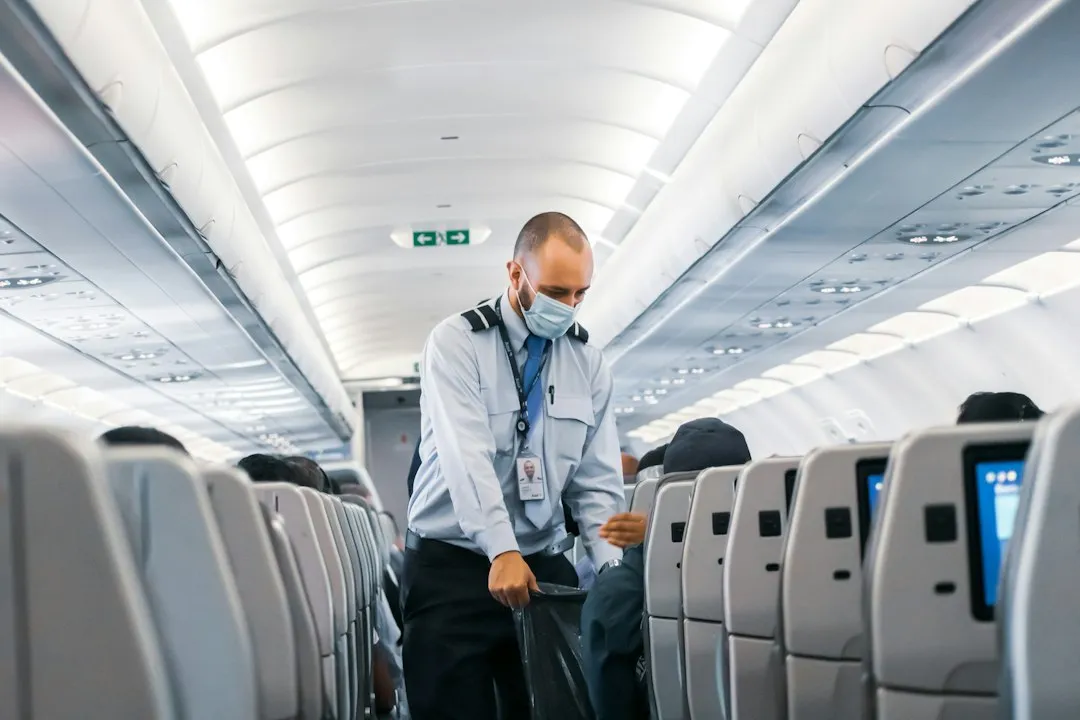
Delta Air Lines created its new uniform collection with feedback from 70,000 uniformed employees at the center of the design process, spanning flight attendants, customer service agents, cargo agents, ground equipment mechanics, and aircraft technicians. That scale of consultation is not unusual in the industry. United Airlines’ rollout also followed extensive wear tests and employee feedback, with final adjustments still underway even after launch.
As one designer noted, uniforms need to allow for ducking through galley curtains and corralling travelers, constant movements and sixteen-hour flights, all while looking impeccable. Getting that balance right takes years. United Airlines spent a full seven years developing its redesigned flight attendant uniforms, collaborating with designers Tracy Reese and Brooks Brothers to create the final collection.
The Takeaway
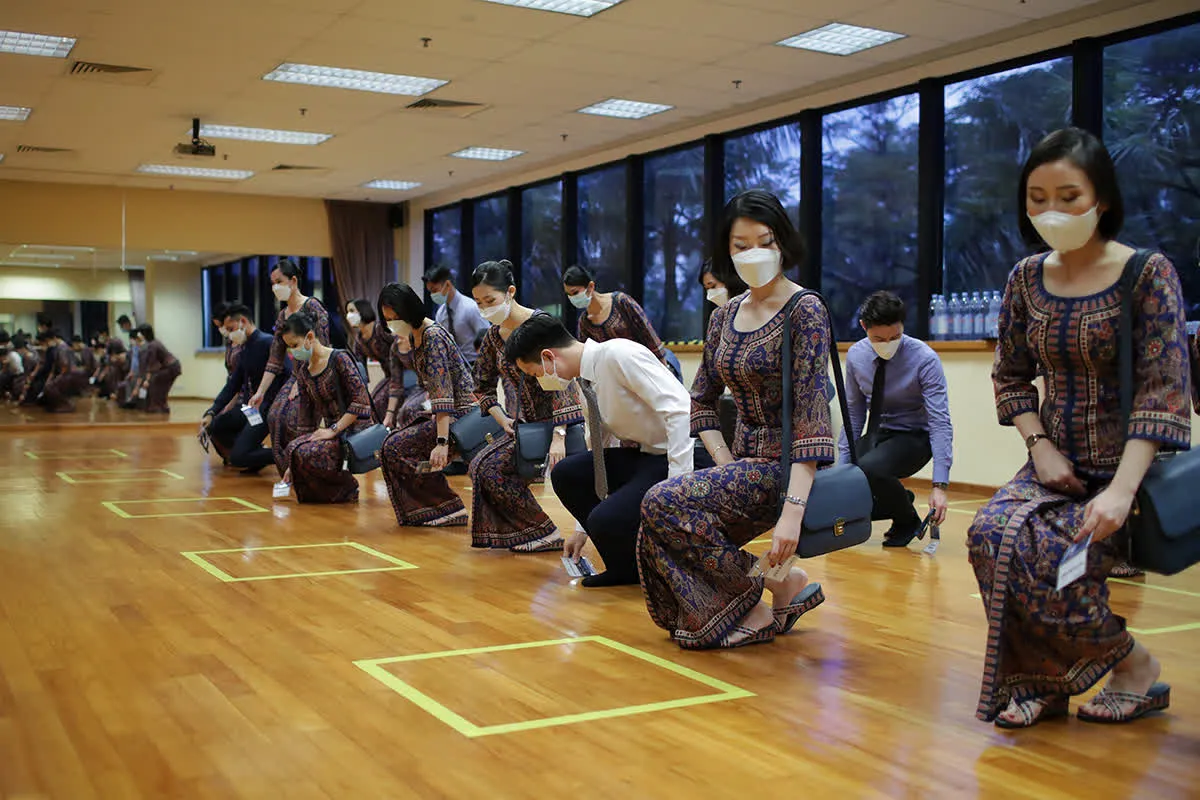
What looks like a polished navy blazer from your aisle seat is actually a document of thousands of hours of testing, regulatory consultation, ergonomic research, and cultural negotiation. The best airline uniform designers are as much engineers as they are stylists.
The hidden features built into every crew uniform reflect something genuine about how aviation approaches the people who keep its passengers safe. The fire resistance, the concealed pockets, the safety-clipped scarf, the pronoun badge. None of these details are accidents. They are all, in their own quiet way, intentional.
AI Disclaimer: This article was created with the assistance of AI tools and reviewed by a human editor.