
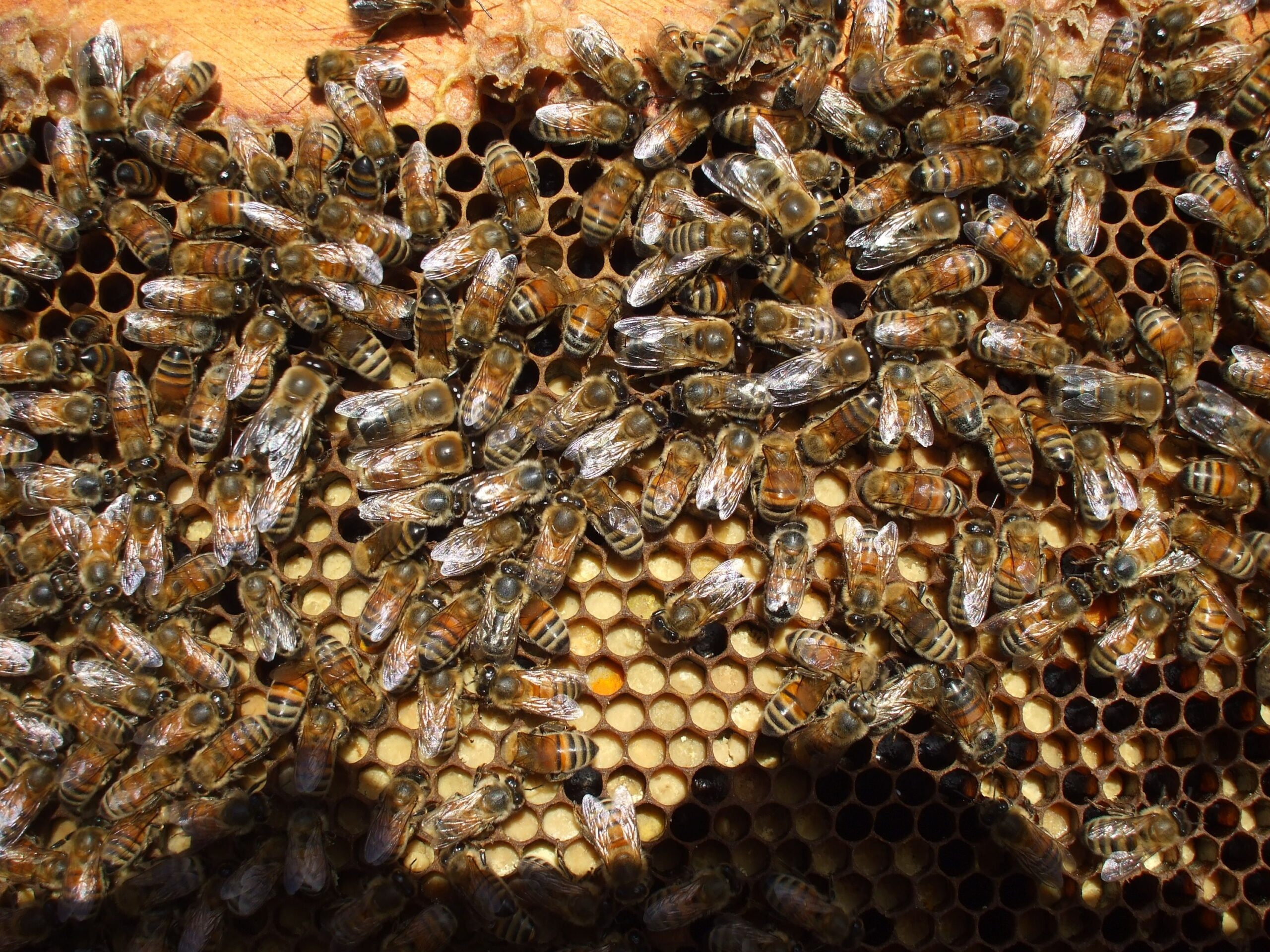

That small ceramic pot of honey sitting beside your morning toast at a hotel breakfast might have traveled a surprisingly short distance to reach you. In many cities around the world, it came from just a few floors above your head. Hotel rooftop beekeeping has quietly moved from novelty experiment to genuine hospitality practice, with luxury brands, independent boutique properties, and city hotels all joining what has become a meaningful movement in sustainable food sourcing.
The honey tastes different, too. Not in a vague, marketing-brochure kind of way, but genuinely. Urban bees forage across parks, palace gardens, street trees, and rooftop herb beds, producing something that reflects the living texture of the city around them. That specificity of flavor is part of what makes this story worth telling.
How It All Started: The Fairmont Gets There First
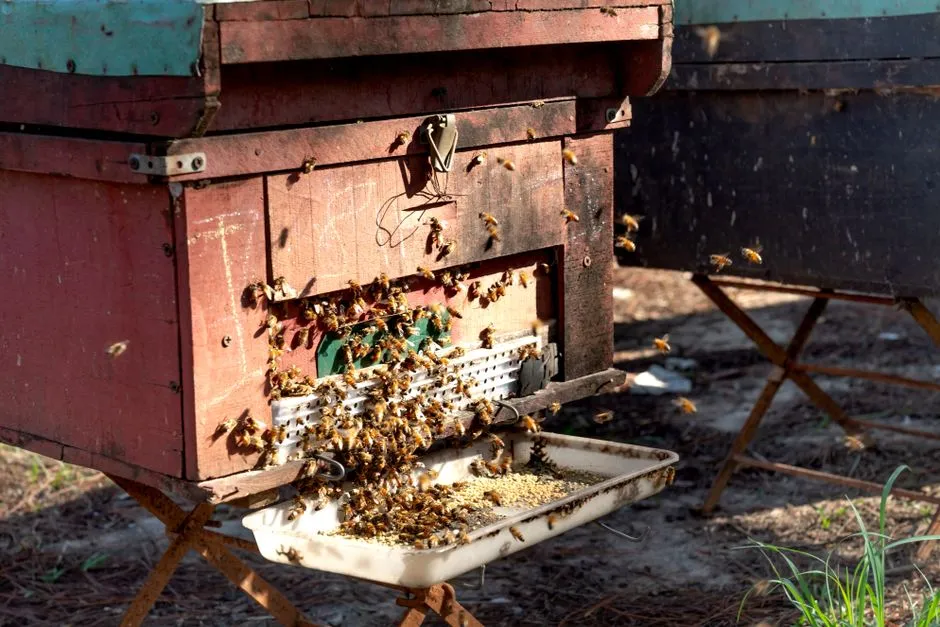
In 2008, Fairmont Hotels saw an opportunity to help combat Colony Collapse Disorder by placing honeybee hives on hotel rooftop gardens and other on-site locations, becoming the first luxury hotel brand to develop on-site honeybee programming. The initiative grew steadily, driven not by trend-chasing but by a genuine commitment to pollinator health and sustainable food sourcing.
The beekeeping hotels movement appears to have started with the Fairmont group, where innovative chefs have maintained gardens for over 20 years. Today, they have 28 hotel and resort chef gardens worldwide. What began as a conservation-minded experiment on one Vancouver rooftop eventually became a global hospitality benchmark.
The Waldorf Astoria, New York: Honey Above Park Avenue
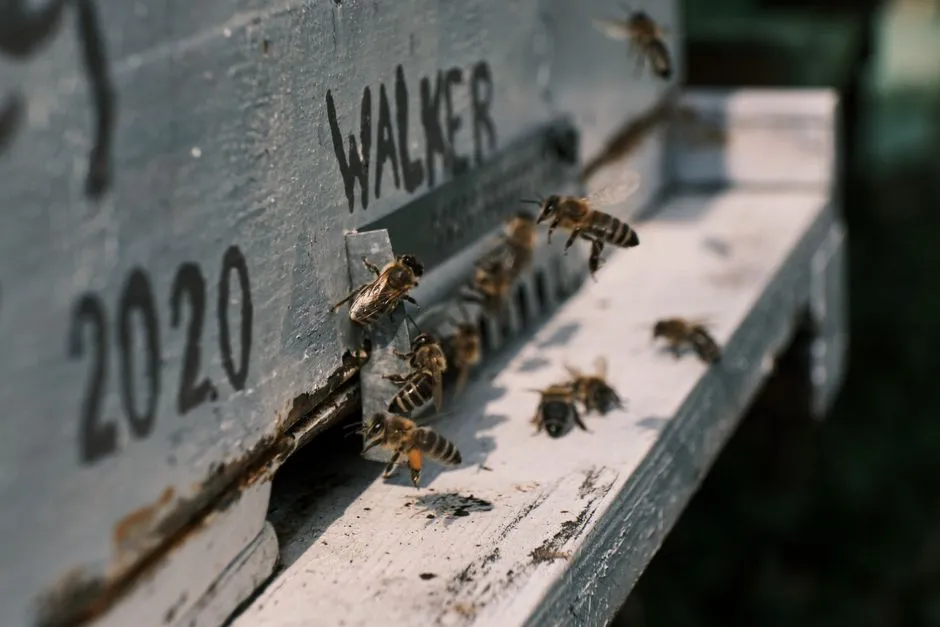
On the Waldorf Astoria’s rooftop, 20 stories above Park Avenue, some 360,000 bees produce more than 300 pounds of honey, harvested annually. This is one of the most high-profile urban apiaries in the world, sitting quietly above one of the busiest streets in Manhattan while its residents forage across Central Park and the surrounding greenery.
It wasn’t always legal. New York City banned beekeeping until 2010, citing public safety concerns. When the ban lifted, urban agriculture advocates jumped in, seeing an opportunity to boost pollination and biodiversity. That regulatory shift opened the door for properties like the Waldorf to turn rooftop space into something genuinely productive.
The InterContinental Barclay, New York: A Fourth-Generation Beekeeper on the 11th Floor
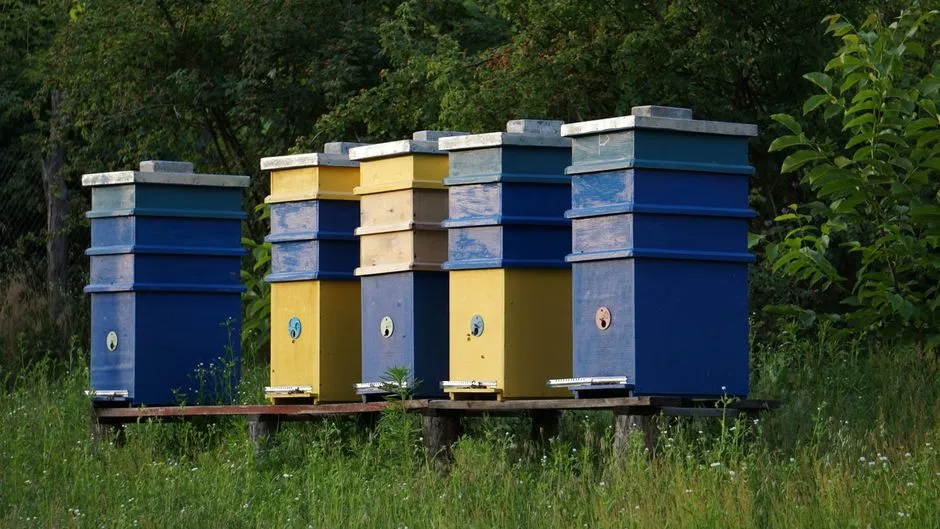
Four hives of Carniola honeybees work a rooftop garden at the InterContinental New York Barclay, eleven floors above Manhattan traffic, tended year-round by fourth-generation beekeeper Andrew Coté of Andrew’s Honey, one of the most recognized names in American urban beekeeping. The partnership brings genuine expertise to the rooftop rather than a symbolic gesture.
The hives produce more than 200 pounds of honey annually, sourced alongside rooftop herbs within 350 miles of the city. The honey finds its way directly into the hotel’s food and beverage offerings, giving guests something truly specific to the neighborhood.
Fairmont Waterfront, Vancouver: Where It’s a Full Ecosystem
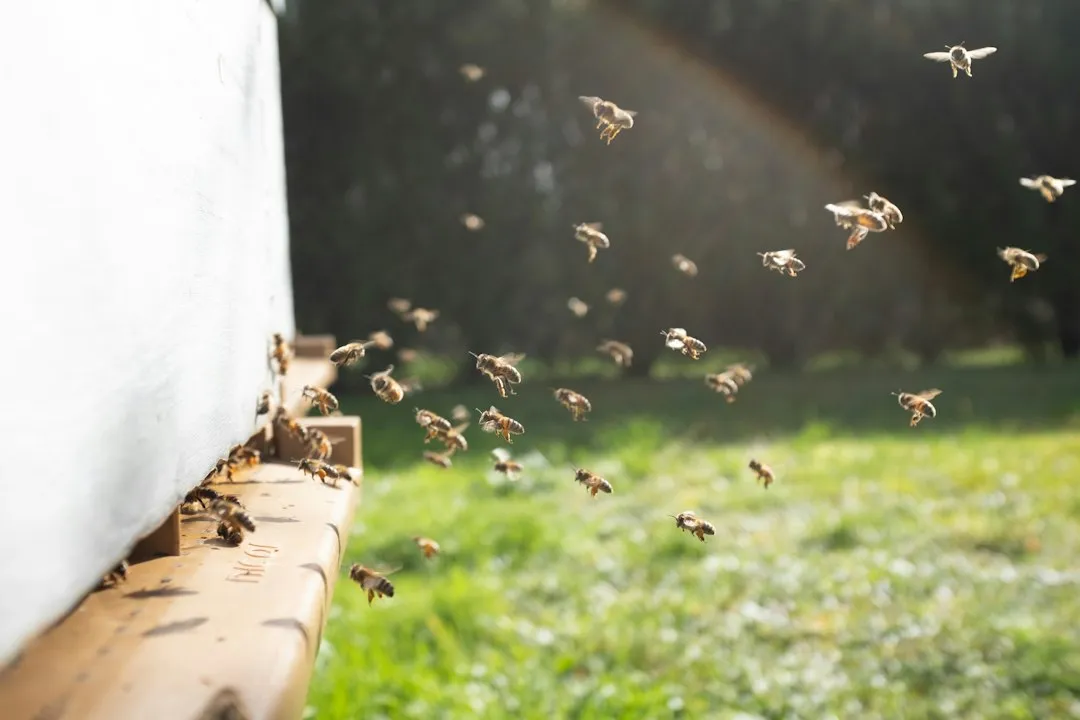
Since 1995, the Fairmont Waterfront’s rooftop garden, one of Vancouver’s first green roofs, has supported over 400 native bee species and thriving honey bee hives introduced in 2008. That longevity matters. This isn’t a marketing program with a two-year lifespan; it’s a living infrastructure built over decades.
The Fairmont Waterfront uses 200 pounds of honey produced by its rooftop bees and an additional 400 pounds gathered through Hives for Humanity for many items served on-site. Their signature Rooftop Buzz beer, a honey Kölsch, is brewed by a local zero-waste craft brewery, Bridge Brewing. The Waterfront West Coast Wild gin crafted from honey is made by Wayward Distillery, the first distillery in Canada to use honey as a base for all of its spirits.
To help the next generation understand the importance of pollinators, the Fairmont invites local sixth and seventh graders to tour the garden and apiary, help harvest honey, learn kitchen skills, and return the next evening to assist the hotel team with a gala-style dinner. Few hospitality sustainability programs translate quite so directly into community education.
St. Ermin’s Hotel, London: Foraging in the Royal Gardens
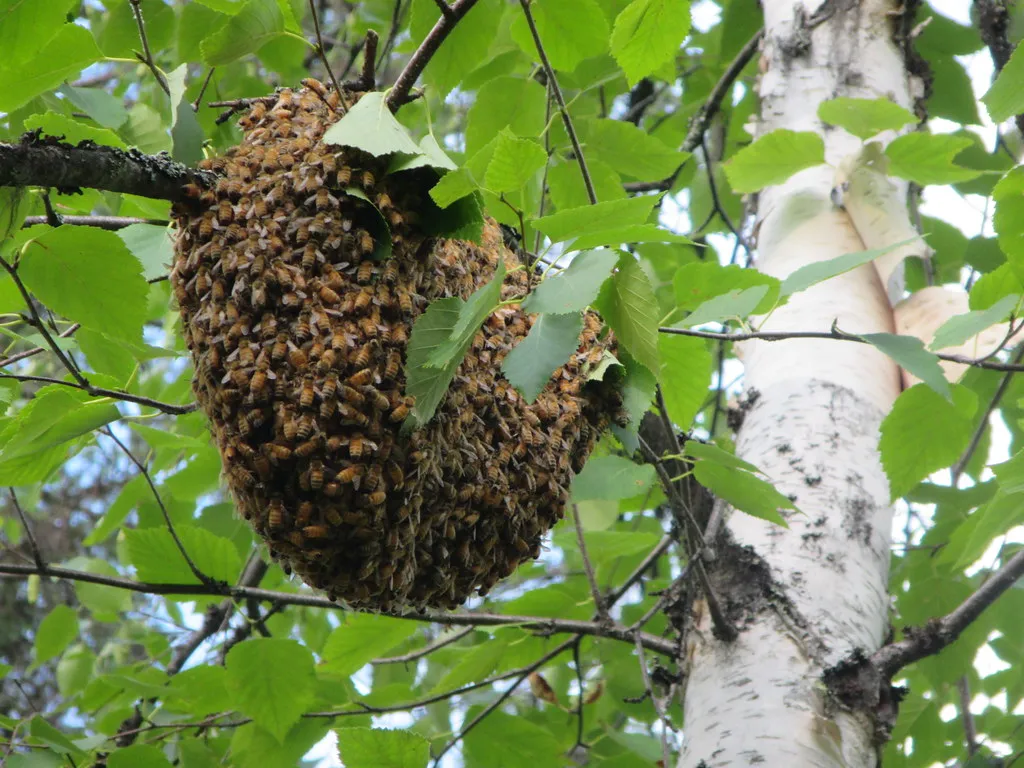
St. Ermin’s installed what it calls London’s first “Bee and Bee” hotel on its third-floor terrace, a multi-hive arrangement that hosts more than 350,000 Buckfast honeybees. The local beekeeper, Camilla Goddard of Capital Bee, maintains the hives and teaches classes on how to set up and manage a colony.
Tests on St. Ermin’s Hotel’s honey show their bees gather nectar from over 50 different plants and trees, some within the grounds of Buckingham Palace, within a three-mile forage radius. That detail alone gives a sense of how extraordinary urban honey can be, shaped by centuries-old palace gardens and royal parks that happen to sit within bee flight range.
Each September is St. Ermin’s Hotel’s annual honey month, when its house-made amber nectar is celebrated through food and cocktail menus. During the same month, the hotel also hosts an urban beekeeping workshop with their expert, Camilla Goddard of Capital Bee.
The Blackstone Hotel, Chicago: Five Hives in the Heart of the City
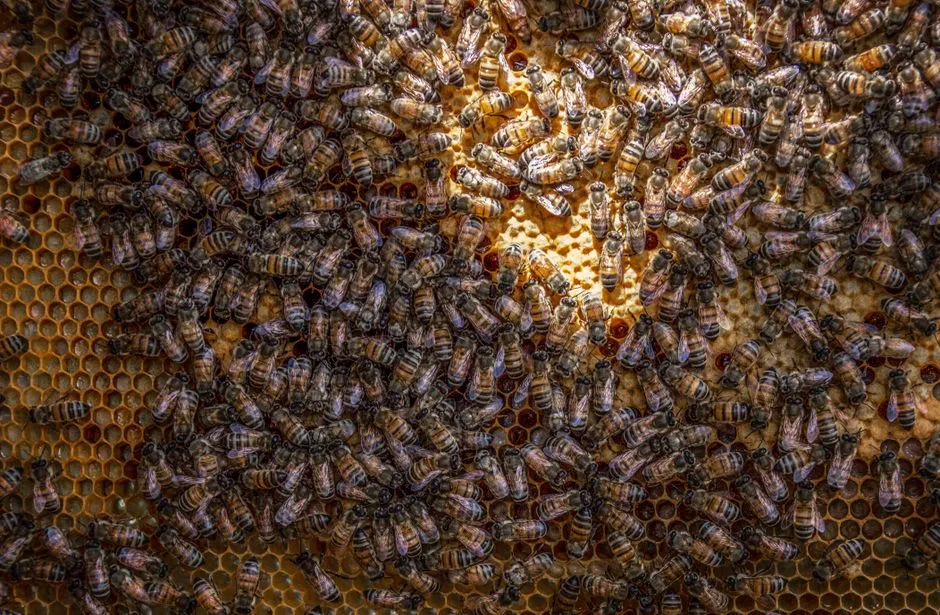
Rooftop honey is being harvested at The Blackstone Hotel in Chicago through a partnership with The Hive Supply, which manages five beehives on-site. The project not only provides honey for hotel amenities and food but also supports sustainability efforts and pollinates downtown plants.
Now in its third year, the initiative has been well-received by guests and helps promote local, eco-friendly practices. The Blackstone’s program, covered by local news in April 2025, is a good example of how mid-sized city hotels are now embedding beekeeping into their identity rather than treating it as an add-on.
The Hilton Milwaukee: Honey Just an Elevator Ride Away
The golden honey comes from four active beehives perched atop the Hilton Milwaukee City Center’s parking garage, where longtime beekeeper Robert McKinney of MJD Apiary tends to a sky-high apiary with sweeping views of the city skyline. It’s an unusually practical setup: the rooftop structure happens to be perfectly positioned for sun, airflow, and bee flight paths.
The honey, harvested just an elevator ride away from the restaurant’s kitchen, is part of a growing effort to deepen sustainability and serve truly hyper-local flavor, now enhanced by the addition of two rooftop gardens buzzing with blooms. The hives at the Hilton live on the rooftop from May to November, and the bees travel miles to find flowers to pollinate.
Why Urban Honey Is Often Surprisingly Pure
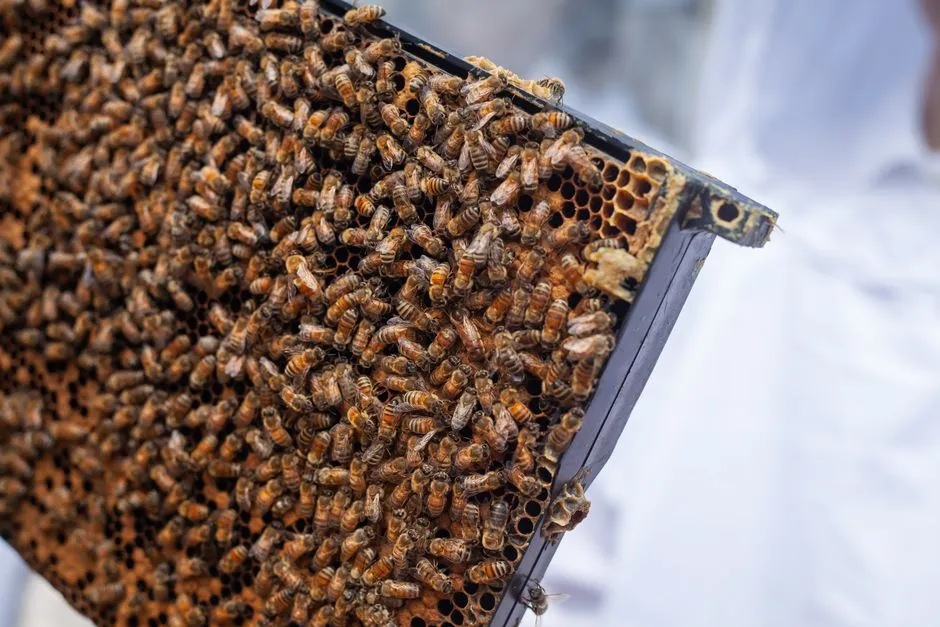
Through studying urban beekeeping for more than a decade, scientists at The Best Bees Company have learned that cities are far from being ecological deserts. Rather, cities are vibrant environments for pollinators. Cities offer bees a surprisingly diverse choice of pollen-bearing plants among parks, playgrounds, backyards, street trees, and median strips.
DNA samples collected from Best Bees honey have shown that urban bees pollinate eight times more species than suburban bees. Urban beehives have higher winter survival rates and produce 56 percent more honey than their country cousins. That figure surprises most people, but it reflects the real richness of urban foraging territory compared to monoculture-dominated rural landscapes.
Less pesticide drift, longer blooming seasons thanks to the heat island effect, and a riot of ornamental plants create a foraging paradise for city bees. The result is honey that is often richer in floral diversity than anything you’d find on a supermarket shelf.
The Scale of the Global Hotel Honey Movement
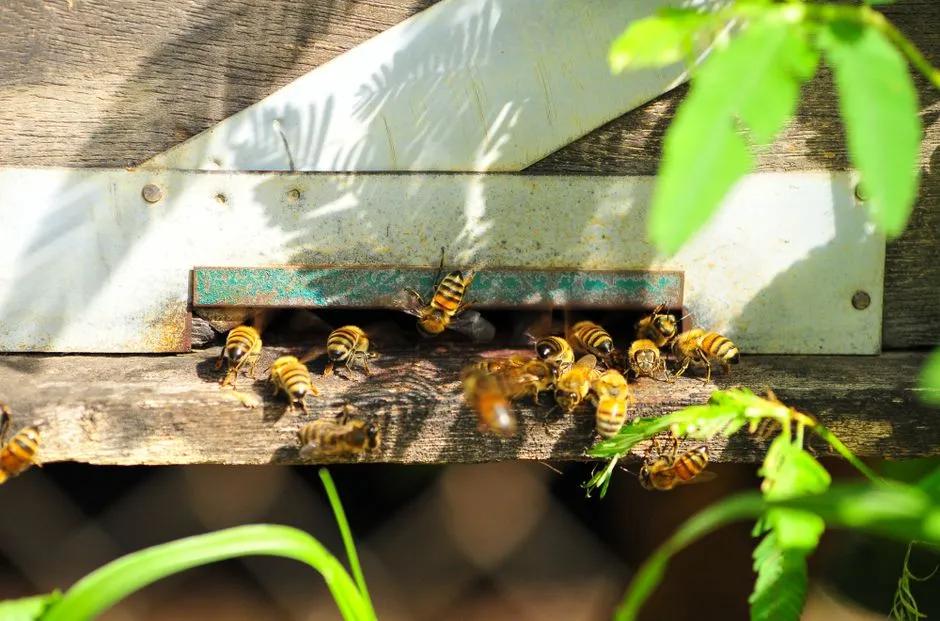
Relais and Châteaux currently has 73 properties that produce their own honey, including locations in Japan, New Zealand, Chile, France, and the United States. That breadth signals that rooftop beekeeping has long since left novelty territory and entered genuine operational practice across the hospitality sector.
Alvéole, a company that started in 2013 with three friends installing beehives on city rooftops, today manages over 2,500 hives across North America, partnering with businesses like Google and Microsoft to install and maintain corporate beehives. Their business model combines honey production with educational workshops and corporate team-building experiences. Hotels are among their core partners, and the scale of the operation speaks to how commercially viable this model has become.
Fairmont Orchid on the Big Island of Hawaii keeps 80,000 bees on-property specifically to capture kiawe honey, one of the rarest monofloral varieties in the world, and the honey shows up across the resort’s menus. The degree of specificity these programs can achieve is remarkable.
From Hive to Breakfast Table: What Actually Happens
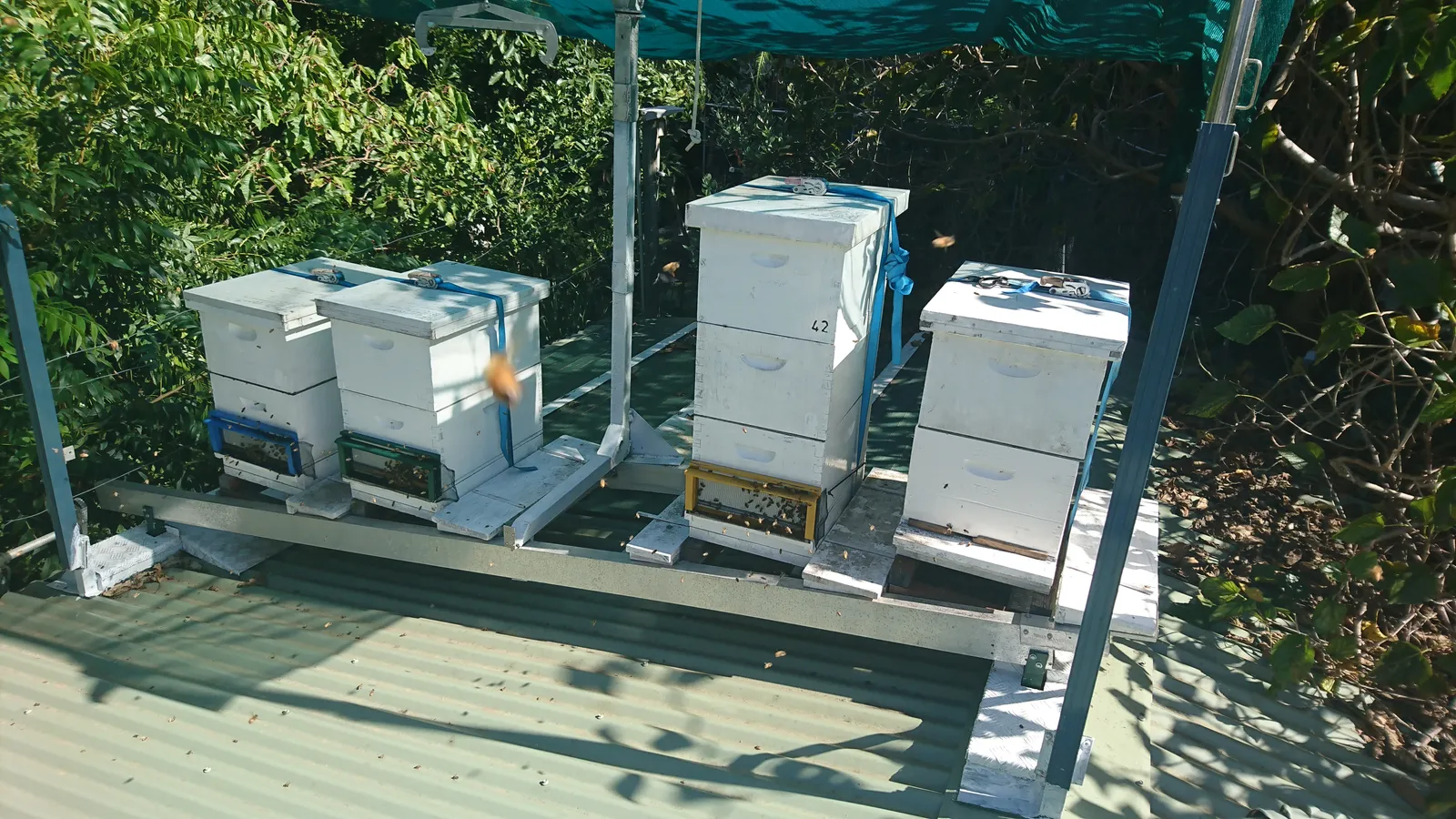
According to the Canadian Honey Council, bees visit over 2 million flowers to produce a single pound of honey. The four beehives on the Fairmont Waterfront rooftop house more than 250,000 honeybees. Understanding that scale reframes the small jar on your breakfast table entirely.
Using the honey created by roof residents’ labor to sweeten dishes and drinks for patrons makes perfect sense. Some hotels gift their guests with tiny pots of their rooftop honey, while others sell it. Home-harvested honey finds its way into soups, salad dressings, pastries, ice cream, and as an accompaniment to afternoon tea service. The journey from hive to plate is genuinely short, often measured in floors rather than miles.
The American Beekeeping Federation estimates that honeybees contribute nearly 20 billion dollars to the value of U.S. crop production alone. Rooftop hotel programs represent a small but symbolically significant piece of that broader story, connecting guests directly to the ecological reality underpinning their food.
The Bigger Picture: Why This Matters Beyond the Menu
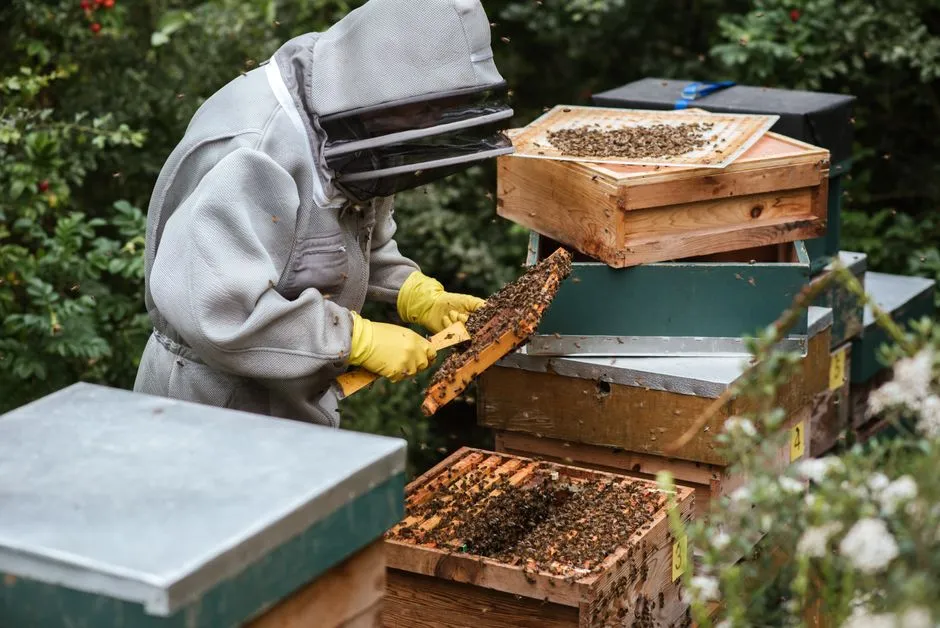
The call for city bees was first taken up in 1980s Paris, where experimental hives on the roof of the famous Opera Garnier were so successful they introduced a new industry in France: urban beekeeping. Today there are over 3,000 hives in the greater metropolitan Paris area alone, and urban beekeeping has spread around the world. Hotel programs have played a meaningful role in normalizing and popularizing the practice.
Bees are one of the most effective pollinators on the planet and we rely on them for one-third of the food we eat. Hotel apiaries don’t solve pollinator decline on their own, but they do something harder to quantify: they put millions of guests in proximity to that fact every single year, at precisely the moment when they’re paying attention to what they’re eating.
Even in a bustling urban environment, small conservation efforts can make a meaningful difference by supporting pollinators, strengthening local ecosystems, and inspiring guests to think differently about sustainability. That last part, the inspiring guests piece, may be the most underrated contribution of the whole movement.
A Sweet Conclusion
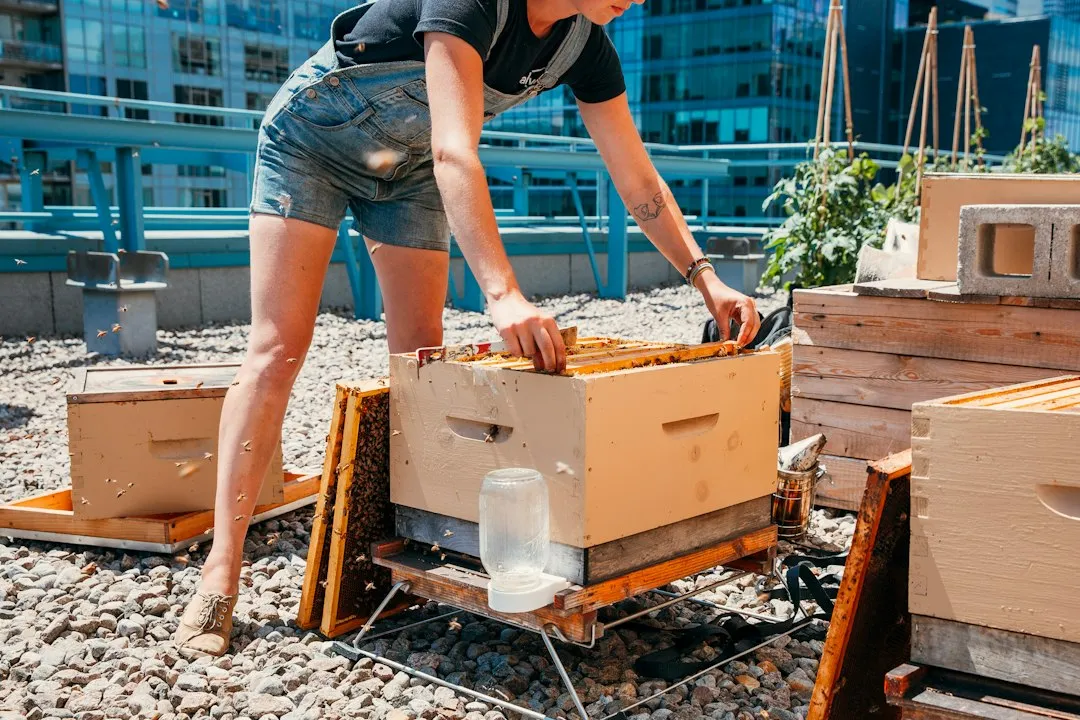
The honey on your hotel breakfast table used to be anonymous. A product from somewhere, produced by something, bottled and delivered without a story. That’s changing. From the rooftops of Manhattan to the terrace gardens of Vancouver, from a historic Chicago hotel to a Quebec château, beekeepers and chefs are working together to give that small jar an address.
The next time you unscrew a lid at a hotel breakfast, it’s worth asking where it came from. There’s a real chance the answer involves a rooftop just above your head, a colony of tens of thousands of bees, and a beekeeper who knows every hive by name. That’s not a marketing story. That’s just what the morning looks like now.
AI Disclaimer: This article was created with the assistance of AI tools and reviewed by a human editor.