
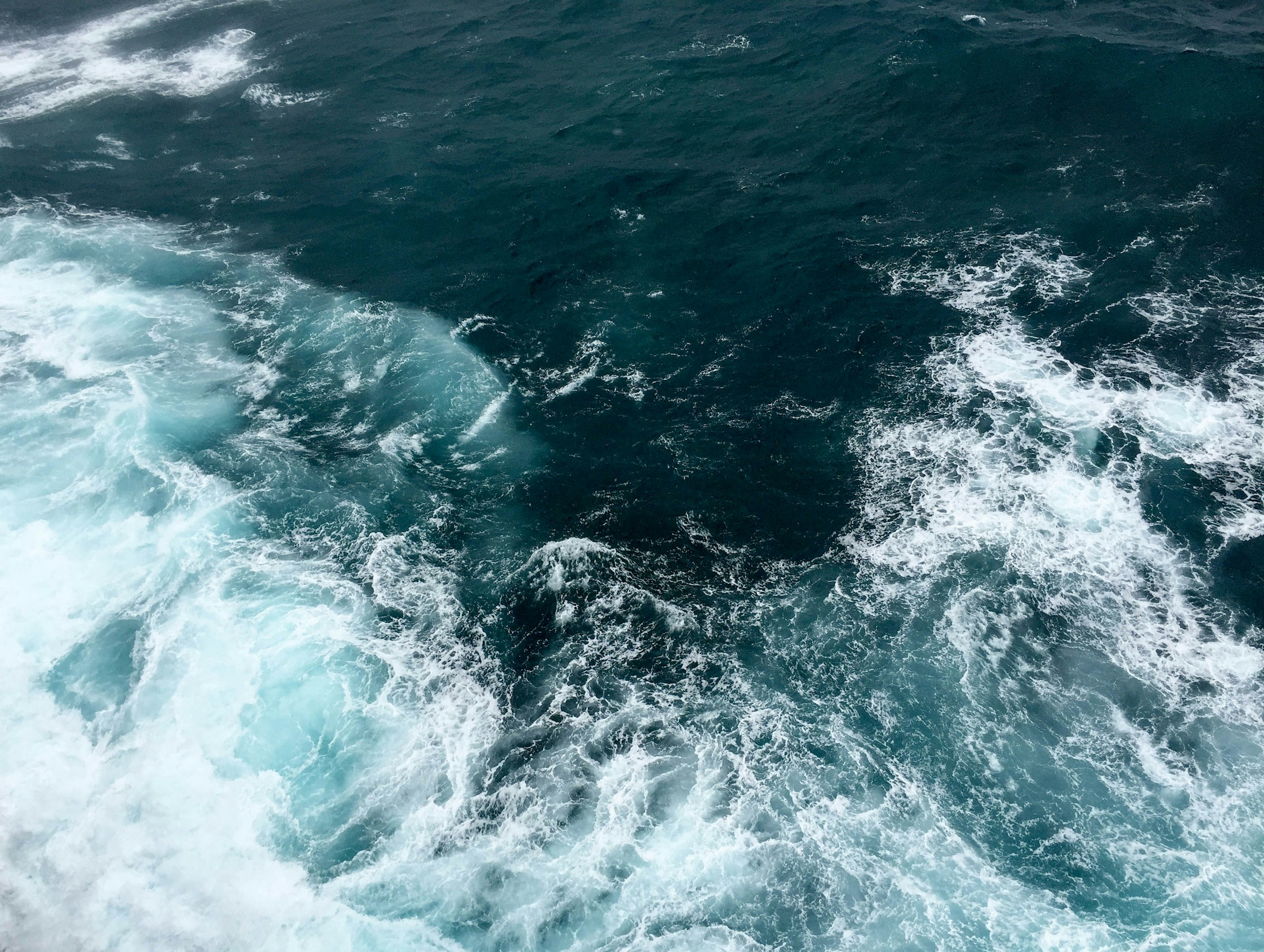

Why Seasickness Happens at All

Nausea and vomiting induced by motion sickness are common vestibular symptoms triggered by sensory conflict during travel. Your eyes report one reality while your inner ear reports another, and your brain, caught between the two, responds by triggering nausea. It is a protective reflex that served early humans reasonably well but is genuinely terrible on a Caribbean cruise.
Approximately 45 to 74 percent of adults worldwide experience motion sickness at least once in their lifetime. On the water specifically, the numbers climb steeply. According to Seattle Children’s Hospital, over 90 percent of people may experience seasickness symptoms under extreme conditions such as rough seas. So while susceptibility varies widely, no one is entirely immune.
Who Gets Seasick More Often: What the Data Actually Shows

In a 2024 cross-sectional questionnaire study of 119 French civilian sailors, 34 percent reported being seasick, with nausea and cold sweats being the two most frequently described symptoms. This is a noteworthy sample because these were people who regularly went to sea, not first-time cruisers.
Susceptibility tends to decline from its childhood peak through adulthood, and new cases driven by physical motion become uncommon past midlife. Motion sickness is a frequent problem in roughly 14 percent of adults under 30 compared to about 7 percent of adults aged 61 and older. Younger passengers, statistically, have more to worry about.
A 2025 cross-sectional study found that a previous history of similar episodes was the strongest independent predictor of seasickness, with female sex and short stature showing only borderline associations. In short, your history on the water is the best predictor of what will happen next time.
Pisces: The Sign Most Likely to Feel Every Wave

When astrologers rank zodiac signs by emotional and physical sensitivity, one sign consistently tops the list. Pisces is considered the most sensitive zodiac sign of all. This water sign is attuned to Neptune, the planet of higher realms and spiritual worlds, and as a result, Pisces often feel ungrounded and out of place in this physical world.
Pisces are highly sensitive as they tend to process things on a very deep level, and they are extremely intuitive and compassionate. That depth of sensitivity extends beyond the emotional. Highly sensitive people tend to be more reactive to physical stimuli, including the vestibular disruption that causes seasickness. The connection between emotional and physical sensitivity is a recognized pattern in health research, even if astrology offers its own framework for understanding it.
Pisces, ruled by Neptune and Jupiter, has an imaginative mind and an empathetic heart, and can feel things even before someone says a word. That same receptivity to subtle signals makes them more likely to notice the first gentle swell before anyone else does, and react to it.
Cancer Comes in a Very Close Second

Cancer, ruled by the Moon, is considered one of the most emotional and sensitive zodiac signs, absorbing the emotions of people around them like sponges. The Moon’s gravitational pull governs the tides, which is poetically fitting for a sign that also tends to feel the ocean’s movement more acutely than most.
Cancer is highly attuned to their environment and those around them, soaking up feelings and unspoken intentions like a spiritual sponge, constantly scanning for shifts in others. That environmental attunement translates physically as well. A noisy, swaying ship deck is a lot of stimulus for a sign wired to absorb everything around them.
Scorpio and the Hidden Physical Toll
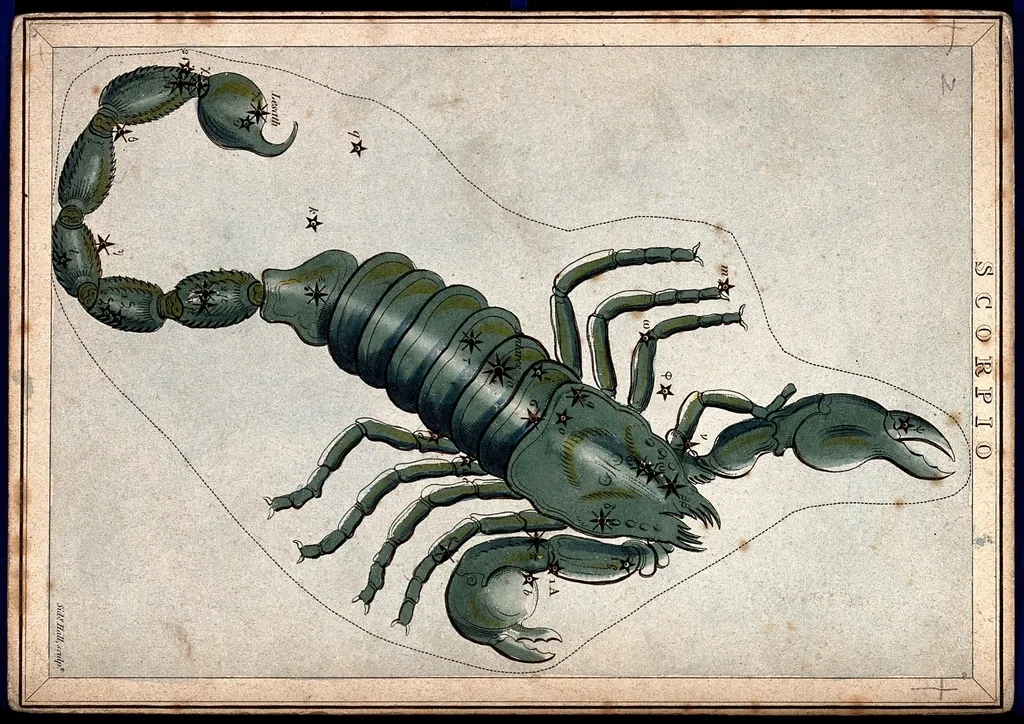
Scorpio, ruled by Mars and Pluto, is often seen as intense and mysterious, but beneath their strong exterior lies deep sensitivity. Unlike Cancer and Pisces, Scorpio does not show emotions openly, but they feel everything quite deeply and hold on to it for a long time. That internalization can have real physical consequences, including heightened physical discomfort when their environment becomes unpredictable.
Scorpio’s refusal to show weakness often means they will power through the first hour of a rough crossing without mentioning anything, which makes early prevention especially important for this sign. By the time they admit they feel off, things have already progressed.
The Signs Who Shrug It Off

According to one astrological ranking, Sagittarius and Aquarius sit at the low end of the sensitivity spectrum, with Aquarius described as too easygoing to be particularly sensitive and Sagittarius prone to taking most things in stride. These are the passengers eating a full breakfast while the ship pitches in open water, genuinely puzzled by everyone else’s pallor.
Aries and Capricorn tend to share a similar physical stoicism. Their relationship with discomfort leans practical rather than sensitive, and motion sickness, being a bodily inconvenience rather than an existential experience, simply registers differently for them. That does not make them immune, but it does mean their threshold is higher.
The Tradipitant Breakthrough: A New Medical Option

In late 2024 and into 2025, a significant development arrived for serious sufferers. Tradipitant became the first treatment approved for vomiting due to motion sickness in roughly four decades, with patients receiving tradipitant experiencing significantly lower incidences of vomiting compared with those receiving placebo across all boat trips. This is a meaningful step forward for anyone whose seasickness goes beyond mild queasiness.
Tradipitant also prevented severe nausea and vomiting compared with participants taking placebo, with a statistically significant difference. It is worth discussing with a doctor before any long ocean voyage, particularly for water signs or anyone with a documented history of severe motion sickness at sea.
The Gold Standard Fix: Scopolamine Patches

For most cruisers with a real sensitivity history, the scopolamine patch remains the most reliable option available. The scopolamine patch is placed behind the ear four hours before expected exposure and lasts 72 hours, working by blocking the muscarinic receptors involved in the vestibular-vomiting reflex.
The scopolamine patch is prescription only in the United States, so it requires seeing a doctor at least two weeks before the cruise. It is applied behind the ear four hours before boarding, and one patch lasts three days. It is considered the best option for severe motion sickness. Timing matters enormously here: all seasickness medications are designed to prevent symptoms, not reverse them once they have taken hold.
Over-the-Counter Options That Actually Work

Not every cruiser wants or needs a prescription. Over-the-counter options like Bonine (meclizine) do the trick for many travelers without causing much drowsiness. This makes it practical for active cruise days where you still want to be sharp and present. Meclizine, sold as Bonine, is considered the best all-around over-the-counter choice for many travelers who want protection without feeling wiped out.
For cruisers with a history of motion sickness or when rough seas are forecast, Sea-Band acupressure wristbands combined with Bonine is a practical standard combination, with the wristbands handling the baseline while Bonine handles spikes. It is an affordable and accessible starting point for sensitive signs who have not yet determined how they respond to ocean travel.
Natural Remedies: Ginger, Acupressure, and Fresh Air

The active compounds in ginger, mainly gingerol, are thought to work directly on the digestive system, offering fast relief for mild symptoms without causing drowsiness. Ginger chews travel well, cost very little, and pair easily with other remedies. Ginger ale from the ship’s bar has minimal real ginger content and is mostly flavoring, so if you are relying on ginger for nausea, use the actual product.
Layering remedies matters because each one works on a slightly different pathway: medication handles the vestibular signal, acupressure disrupts the nausea nerve pathway at the wrist, fresh air and horizon-gazing provide visual recalibration, and ginger works on GI receptors. Used together, they cover more of the problem than any single approach. This is particularly useful advice for Pisces and Cancer travelers, whose sensitivity often benefits from multi-front support rather than one heavy-handed fix.
The Motion Sickness Treatment Market Is Growing Fast

The motion sickness treatment market has seen consistent growth, advancing from around 720 million USD in 2024 to nearly 741 million USD in 2025, and is projected to reach over 922 million USD by 2032. The market has evolved significantly, with a shift towards patient-centric strategies in treating motion sickness. That growth reflects real demand from real sufferers, not a niche concern.
Pharmacological advancements have refined the management of motion sickness in both clinical and consumer settings, with new compounds targeting vestibular pathways and reducing central nervous system side effects. For sensitive-leaning travelers, the menu of options is genuinely better in 2026 than it was even five years ago.
Practical Tips for Sensitive Signs Before You Board

Choose your cabin location wisely. Mid-ship cabins on lower decks experience the least motion because they are closest to the vessel’s center of gravity. The upper deck at the bow is where the rocking is most pronounced, which is exactly where an unprepared Pisces should not be reading a novel in a recliner.
Apply your chosen remedy before sail-away, not after symptoms hit. This applies to patches, pills, and wristbands alike. Staying hydrated, avoiding alcohol and heavy meals on sea days, and keeping your gaze on the horizon rather than a phone screen all reduce the sensory conflict that triggers symptoms in the first place.
The Takeaway

Seasickness is not a character flaw or a weakness, and it is definitely not something a Pisces should feel embarrassed about. The science is clear: some people’s vestibular and nervous systems are genuinely more reactive to motion, and that sensitivity maps with some consistency onto the same traits that astrologers describe in water signs and other emotionally attuned placements in the chart.
The good news is that the remedies available in 2026 are more effective and more varied than ever. Whether it is a scopolamine patch from your doctor, a daily meclizine tablet, a pocket full of ginger chews, or some combination of all three, there is a real path to an enjoyable cruise regardless of what the sea and the stars throw at you. Knowing your own sensitivity honestly is more useful than any astrological chart, but if Cancer and Pisces want to pack a little extra ginger, nobody would blame them.
AI Disclaimer: This article was created with the assistance of AI tools and reviewed by a human editor.