
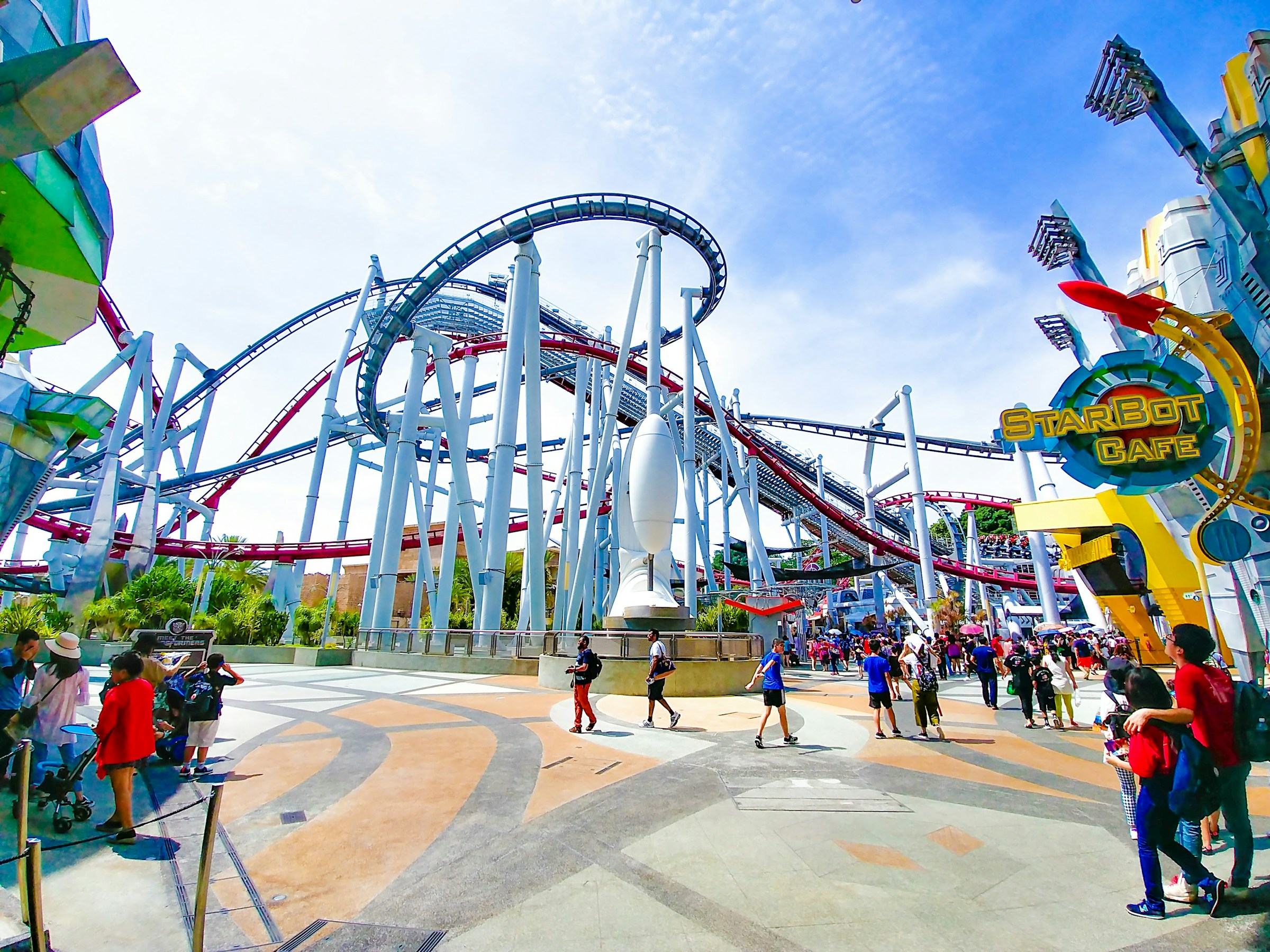

Theme parks are one of the most deliberately engineered experiences on earth. Every queue, soundtrack, and snack stand is designed to keep you moving, spending, and smiling. What the parks don’t always prepare you for, though, is how physically demanding a full day truly is. Heat, crowd stress, tired legs, and an inevitable afternoon thunderstorm can derail even the most carefully planned trip.
The families who handle it best aren’t necessarily the ones with the most money or the most elaborate itineraries. More often, they’re the ones who packed their bags smartly the night before. Here’s what a seasoned day bag actually contains, and why each item earns its place.
The Right Bag Sets the Tone for Everything
Your park day success starts with your choice of bag. While a large backpack might seem like the convenient choice, it can be cumbersome and heavy, and it’s often difficult to fit on rides. A mid-sized daypack with two shoulder straps hits the sweet spot, keeping your hands free without slowing you down between attractions.
A bag with two shoulder straps will be the most comfortable to carry throughout the day. Keep in mind that security will inspect your bag at a checkpoint, so keeping it organized and easy to open matters more than most visitors realize.
To make your days more organized, consider a fanny pack or a small backpack to carry your essentials. Either option works well depending on how much you plan to bring, just make sure the bag you choose feels light on your back by mid-afternoon, not just when you leave the hotel.
Sunscreen: Your Most Important Purchase Before You Go
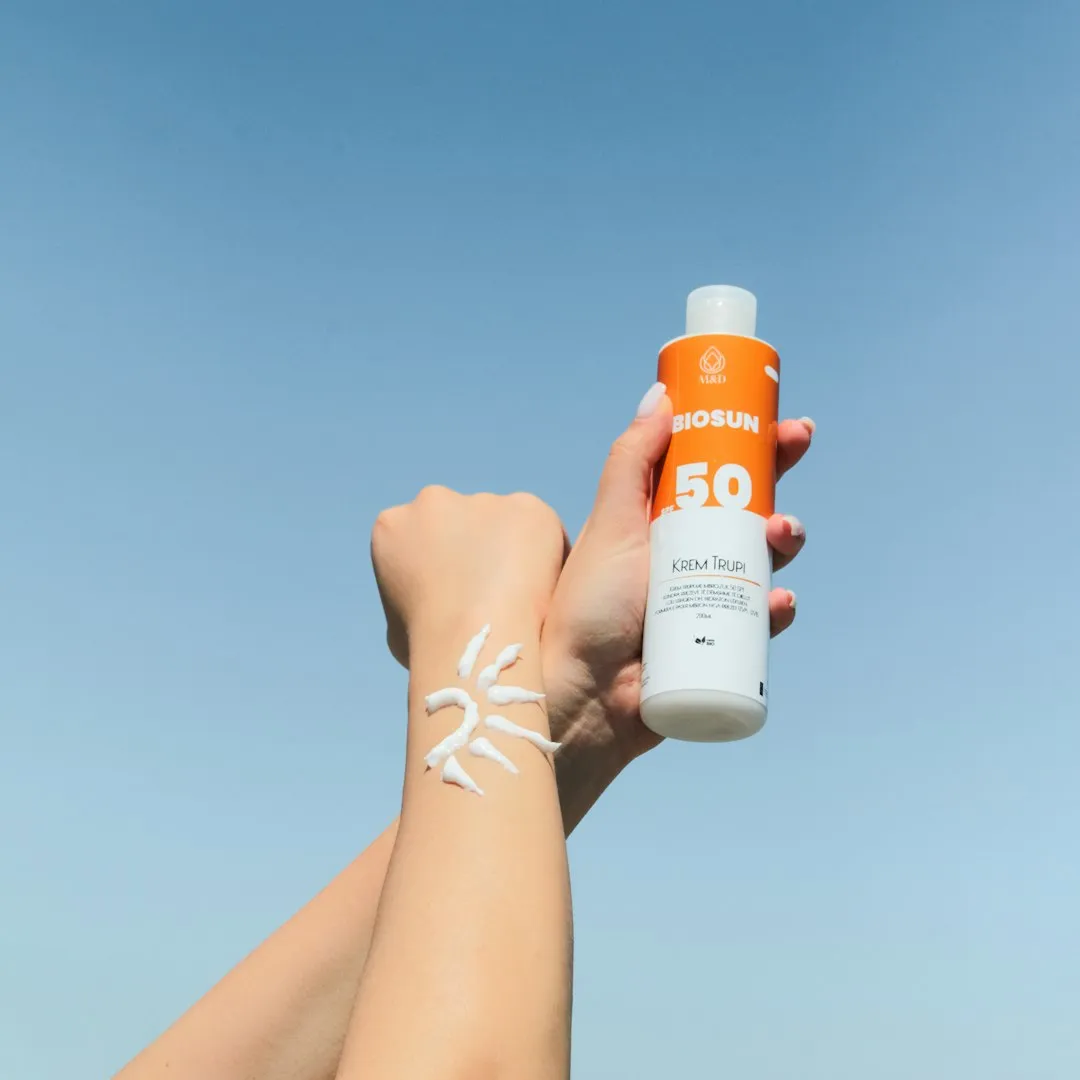
Apply a broad-spectrum sunscreen with at least SPF 30 before you leave, and reapply throughout the day. It sounds obvious until you’re three hours into a queue and realize you haven’t touched the bottle since the parking lot. Sunscreen is the item most people bring and least people use correctly.
Apply sunscreen generously about 15 to 30 minutes before you leave for the park to allow it to fully absorb. The recommended amount for your body is about one ounce, which is equivalent to a full shot glass. Set a reminder on your phone to reapply every two hours, and more frequently if you’ve been on a water ride or are sweating heavily.
Use a sunscreen stick for faces and around the eyes. It’s less likely to run and cause irritation, making it great for kids and adults alike. A stick and a small spray bottle together barely take up any bag space and cover every scenario the day throws at you.
A Refillable Water Bottle That Actually Gets Used
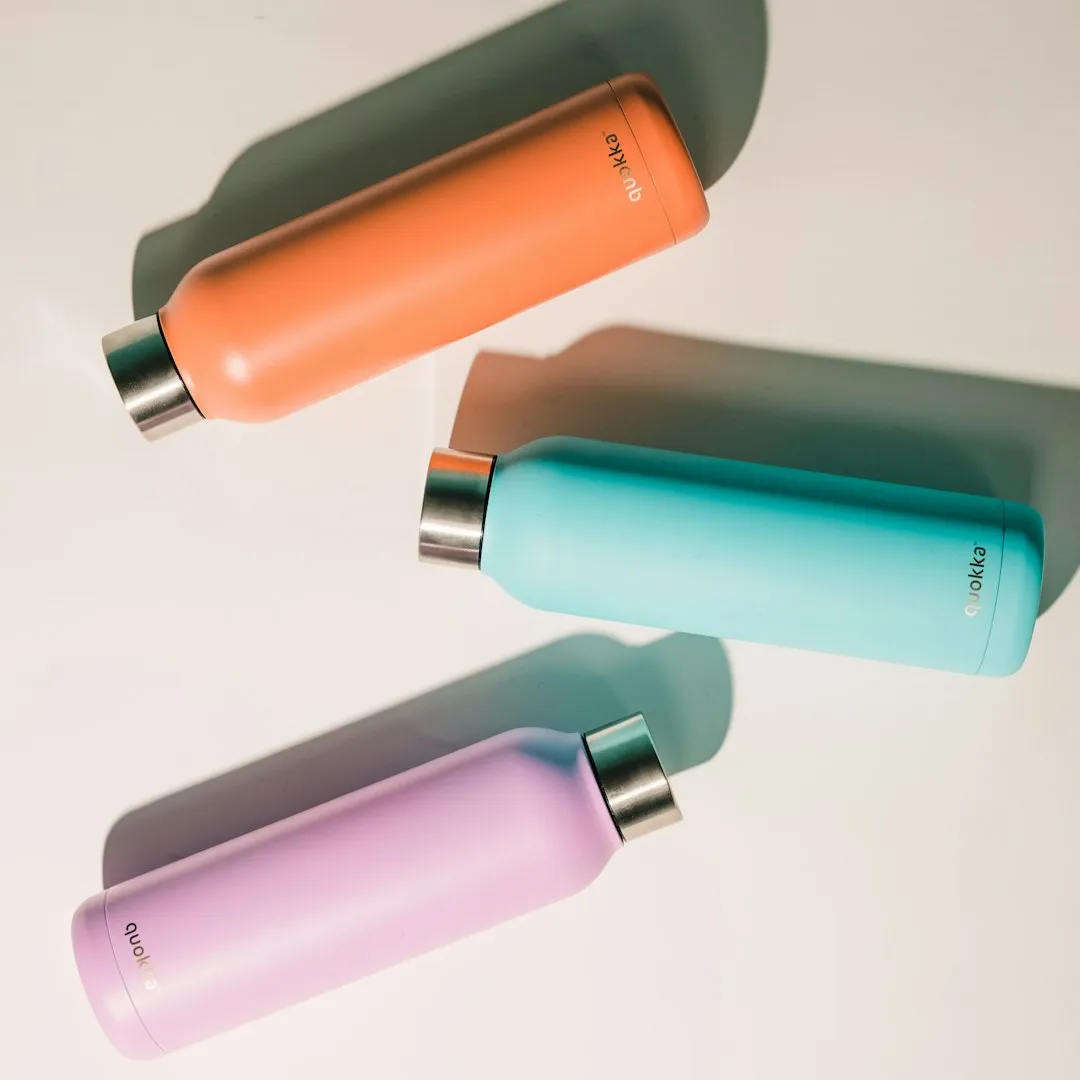
Essential Orlando theme park items include a refillable water bottle, as free water is available at all parks. That alone makes a reusable bottle one of the highest return items in any park bag. Buying individual bottled water throughout the day adds up quickly, while a filled bottle keeps everyone moving without a single detour to a vendor.
Collapsible water bottles are perhaps the best way to go, as they take up very little space in your bag. Staying hydrated during a day spent outside at a theme park is genuinely vital. A collapsible model starts compact, fills up at any water fountain, and flattens again once empty.
Snacks That Keep Energy Levels Steady
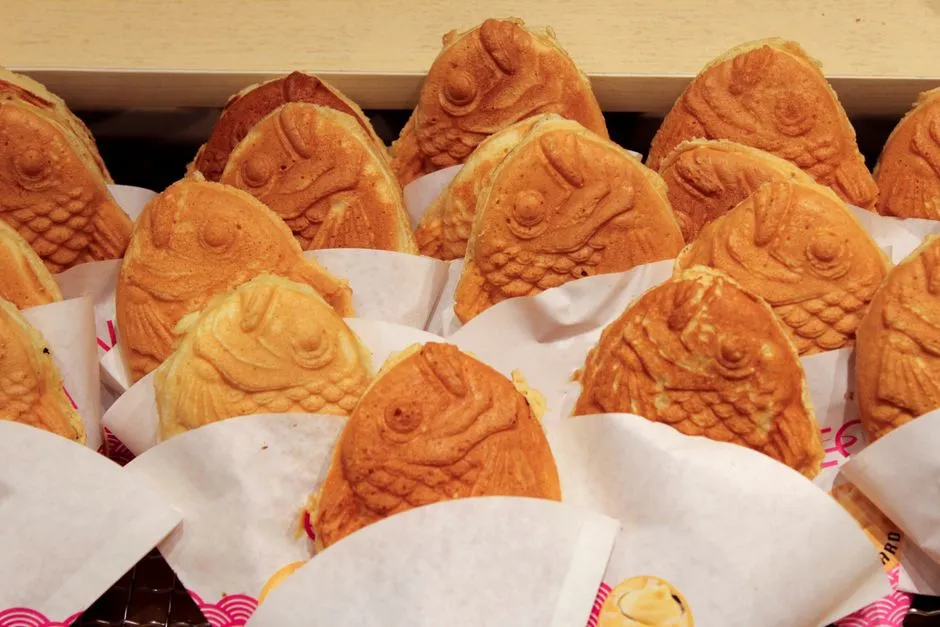
Bringing a few of your favorite snacks in resealable, one-quart bags is a great way to stay energized when you get hungry standing in the middle of an hour-long theme park queue. Hunger is one of the most common reasons family moods deteriorate by mid-afternoon, and the fix costs almost nothing when it comes from your bag rather than the nearest food stand.
Check with the theme park to see if you are allowed to bring in outside food. Most major parks permit sealed, non-perishable snacks for personal use, so it’s worth confirming before you pack. Granola bars, trail mix, and crackers are reliable options that hold up in a warm bag without any fuss.
Packing a few snacks and drinks can be a lifesaver when hunger strikes. The energy dip that typically hits around 2 p.m. is predictable enough that you can plan for it the night before, and a well-timed snack can extend everyone’s stamina by a few more hours.
A Portable Charger That Covers the Whole Group
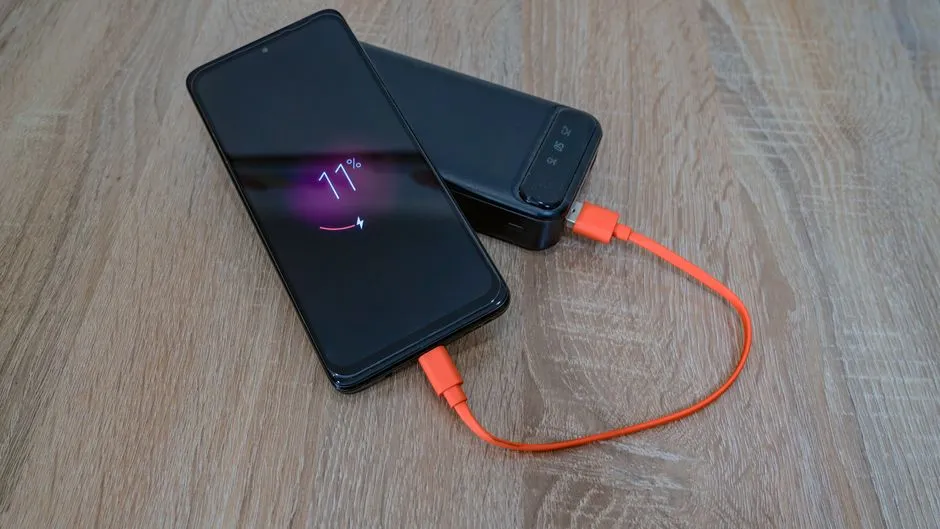
Your phone works harder at a theme park than almost anywhere else. You’ll use it for tickets, maps, photos, and keeping up with your group throughout the day. A slim portable charger is essential because a dead phone mid-afternoon means missed moments and added stress.
Always fully charge your power bank the night before you go to the park. Choose a model with at least 10,000 mAh to ensure you have enough juice for your entire group or a multi-day trip. For a family sharing one bank, a higher-capacity option is genuinely worth the slightly larger footprint in your bag.
Use your phone’s low-power mode and reduce screen brightness to make each charge last longer. Small habits like this can push a single charge from covering one device to covering two, which matters when everyone needs their battery for the ride home.
A Lightweight Rain Poncho (or Two)
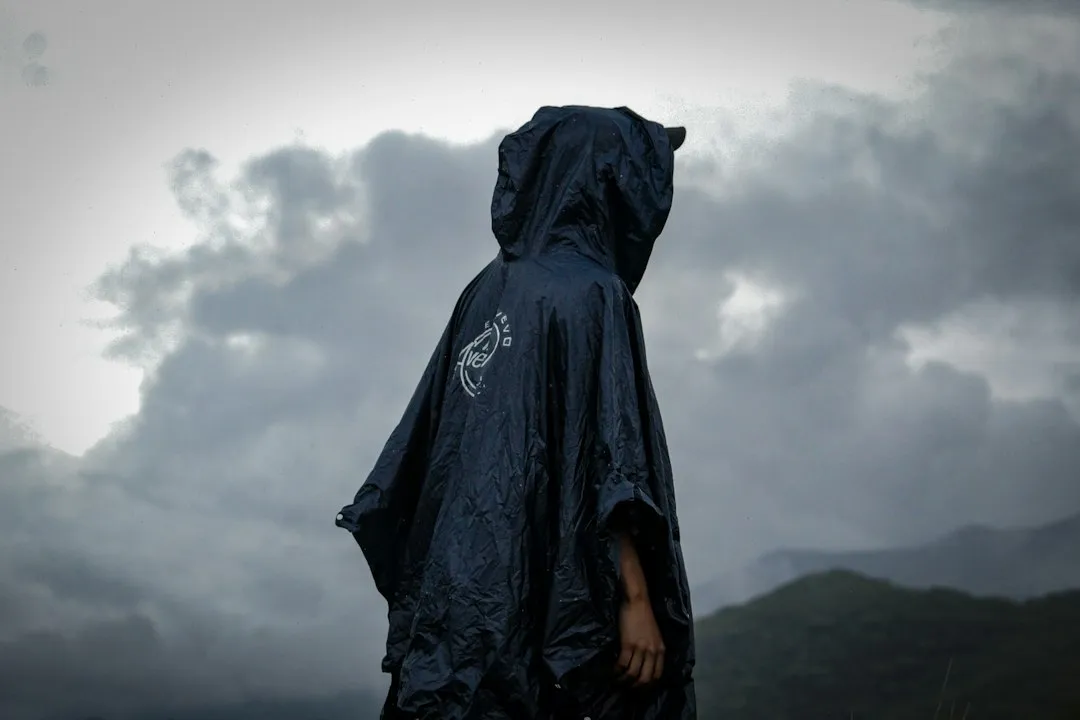
Summer rain storms are synonymous with rolling in on bright, blue-sky days, especially the predictable afternoon storms in Florida theme parks. A simple, lightweight rain poncho with a hood is recommended since some theme parks do not allow you to bring umbrellas. The umbrella ban catches a lot of visitors off guard, but a compact poncho weighs almost nothing and folds down to the size of a deck of cards.
Getting caught out in a downpour and walking around the remainder of the day in wet clothes is sure to be a damper on your visit. A two-dollar disposable poncho from home prevents exactly that scenario. Buying one inside the park, by comparison, typically costs several times more.
Blister Prevention and a Basic First Aid Kit
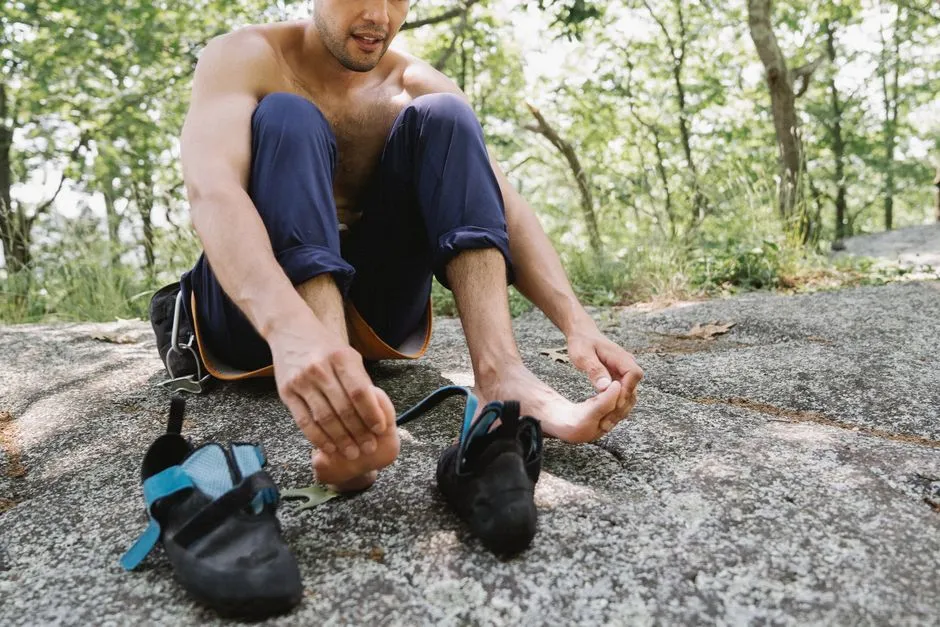
Visitors to Orlando-area parks will walk between five and eight miles daily, which is considerably more than most people walk on an average day. That kind of sustained walking, even in comfortable shoes, creates real friction points. Planning for that before a blister forms is far easier than managing one that’s already there.
Bring a small kit with moleskin padding or blister-specific bandages. Apply them to potential hot spots before a blister forms, such as the back of your heel or sides of your toes. Pre-treating known friction areas in the morning, before the discomfort starts, is something almost every repeat park visitor has learned the hard way.
A small first aid kit with band-aids, antiseptic wipes, and pain relievers can come in handy. Blister patches can also come in handy if shoes start to rub. A compact kit that addresses headaches, minor cuts, and foot pain covers the majority of day-trip issues that families actually encounter.
Hand Sanitizer and Wet Wipes
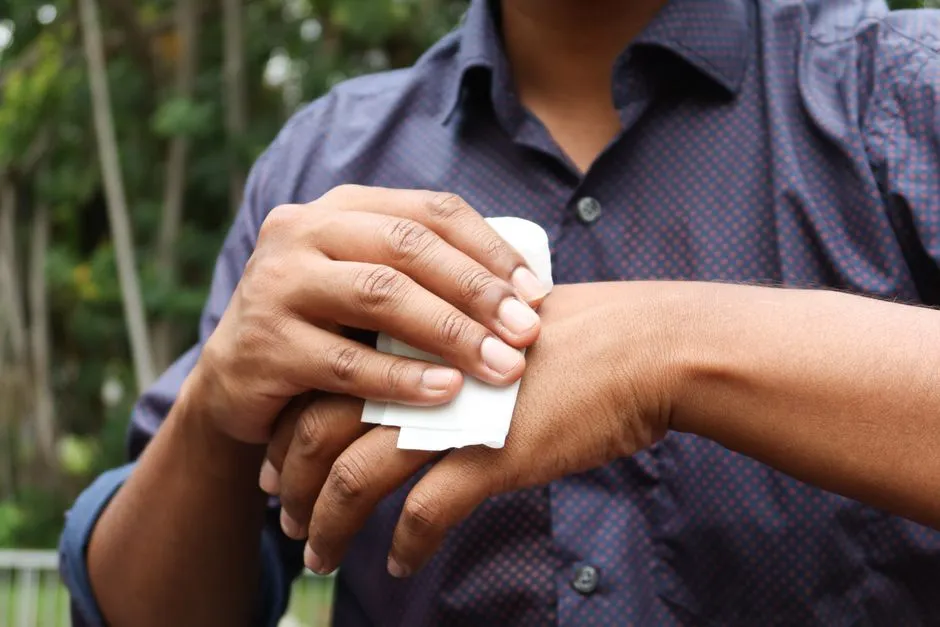
Amusement parks are busy places, and hand sanitizer is a must-have, especially before snacking. Touch points throughout any major park, including ride handles, railings, and interactive play areas, see thousands of hands per hour. Keeping a small bottle accessible means your family can eat a snack from the bag without any concern, anywhere in the park.
Keeping hands clean when you’re not adjacent to a restroom isn’t always convenient. Pack small travel-size wet wipes or hand sanitizer into your theme park travel kit. Wet wipes in particular are genuinely multi-purpose: they cool hot skin, clean sticky fingers after snacks, and wipe down seating surfaces without any extra effort.
Waterproof Protection for Your Valuables
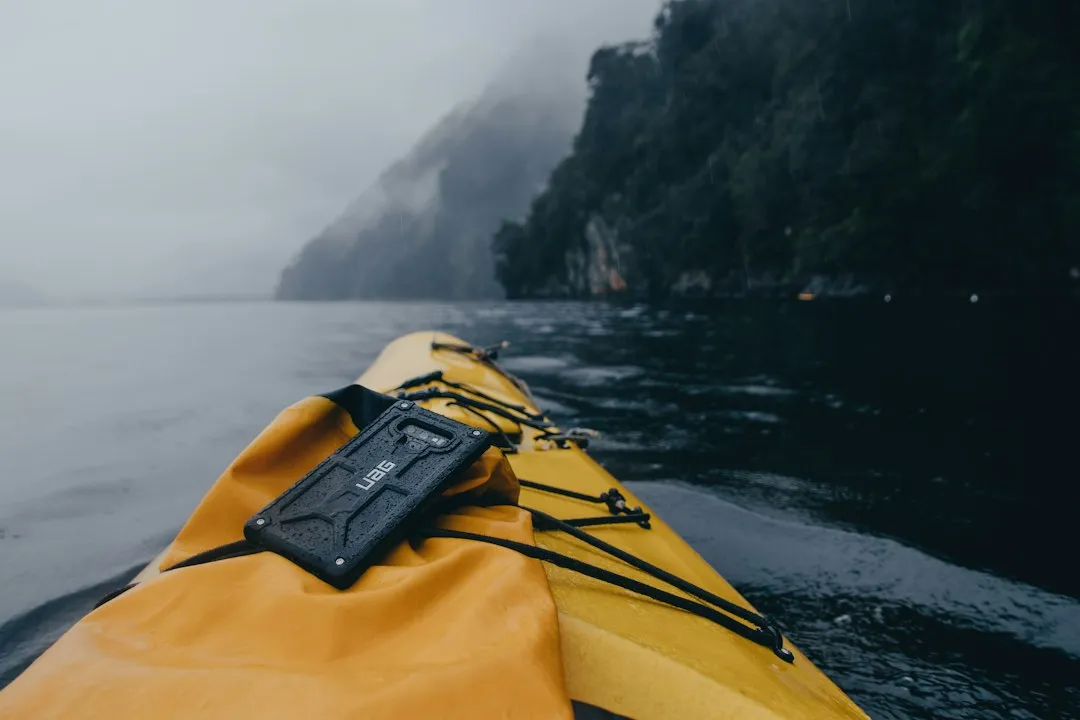
Consider taking a waterproof pouch to place your cell phone and any small items you don’t want to get wet, especially if your day includes a ride or two on a log flume or river rapids attraction. A waterproof pouch is one of those items that seems unnecessary until the exact moment it isn’t, and by then it’s too late.
No matter what type of bag you take, use waterproof toiletry bags or zip-lock bags inside. You need something to protect your phone and charger from rain and water rides. A few zip-lock bags weigh essentially nothing and create a layer of protection that keeps the entire day running smoothly, regardless of what the weather or the water rides deliver.
Comfortable, Broken-In Shoes (and Why They Belong on This List)
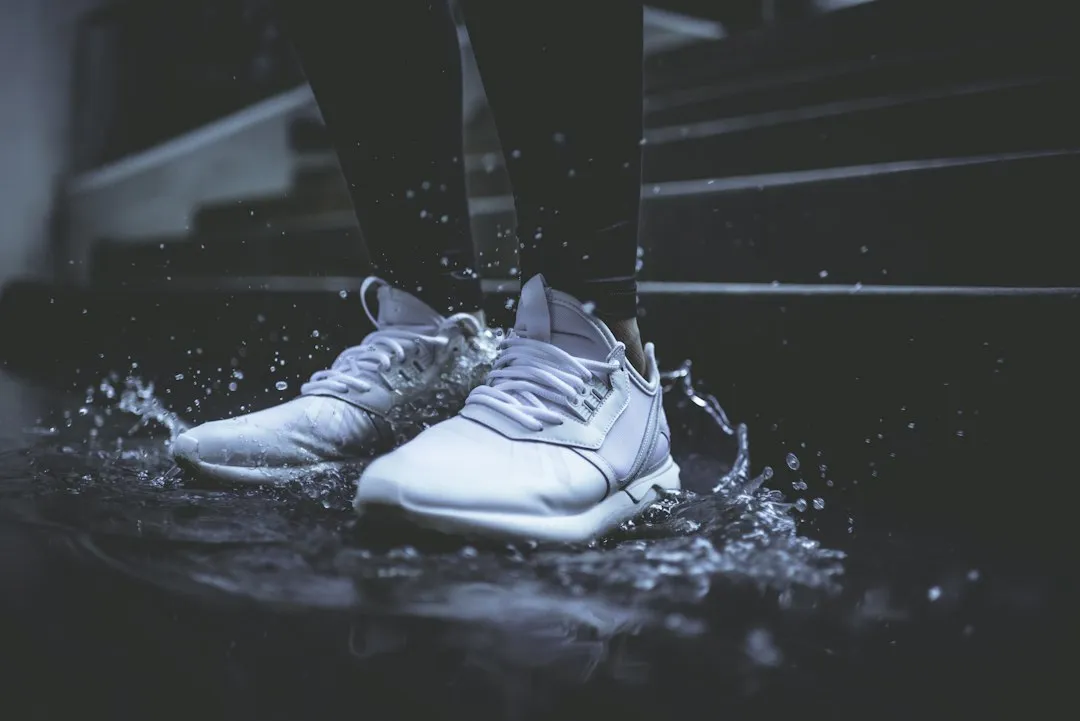
Prepare for a lot of walking when visiting a theme park by dressing comfortably in weather-appropriate clothing. Make sure you’re wearing comfortable shoes that can handle all-day walking. This one technically goes on your feet rather than in your bag, but it directly determines whether everything else you packed actually helps. Even the best first aid kit won’t fully rescue you from a day spent in the wrong shoes.
Choose moisture-wicking socks made from merino wool or synthetic blends to keep feet dry and prevent blisters. Socks are frequently overlooked in the packing process, but the combination of heat, mileage, and humidity makes the fabric choice far more consequential than it would be on a normal day.
Running shoes, athletic walking shoes, and quality sneakers with arch support all perform well. Bring blister prevention supplies even with good shoes. No matter how broken-in a pair of shoes feels at home, the sustained pace of a theme park day introduces friction in unexpected places, and having a backup plan already packed is simply smart.
The Takeaway
None of the items on this list are difficult to find or expensive to pack. What separates a genuinely smooth theme park day from an exhausting one is rarely about which rides you managed to get on. It’s almost always about the small things: dry clothes after the rain, enough energy to make it to the evening show, and a phone that still has battery when you want to capture that last moment before the gates close.
The families who seem to glide through a theme park day with ease aren’t lucky. They packed the night before, thought through the likely friction points, and brought solutions that weigh almost nothing. With the combined attendance of the top 25 theme parks globally growing to nearly 246 million in 2024, and Disney alone attracting a reported 145 million visitors across all its parks that year, the crowds aren’t getting smaller. What you carry in your bag might be the one variable you can actually control.
AI Disclaimer: This article was created with the assistance of AI tools and reviewed by a human editor.