
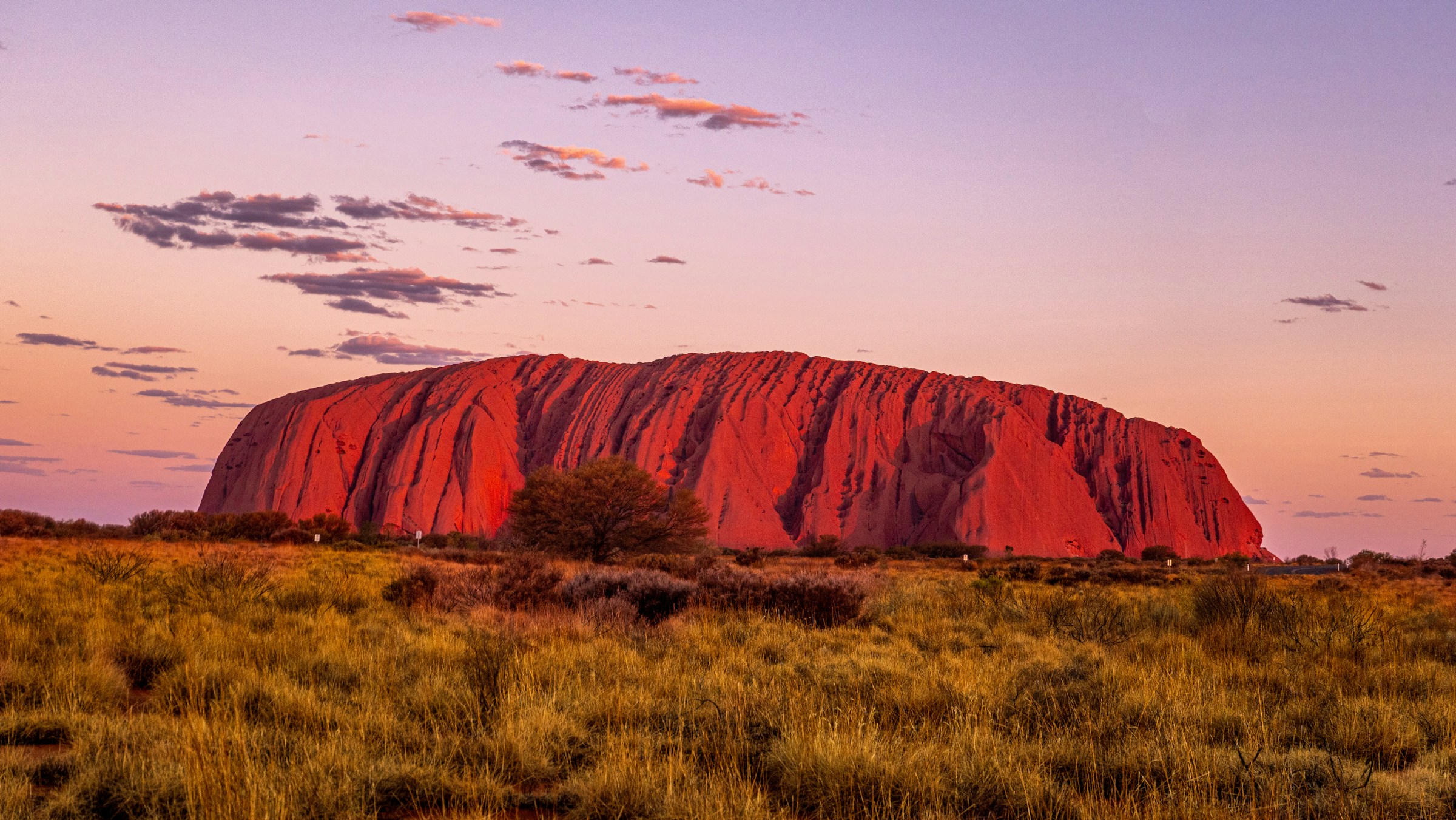
Rising out of Australia’s red desert like a breathing landmark, commands attention in a way that few places on earth can match. At 348 metres high and nearly ten kilometres around its base, this ancient sandstone monolith has drawn visitors from across the world for decades. For most of that time, climbing it was treated as simply part of the experience.
That changed permanently on October 26, 2019. Today, not a single visitor is permitted to ascend its surface, and the reasons behind that decision are layered, deeply human, and worth understanding fully.
A Sacred Site, Not a Summit
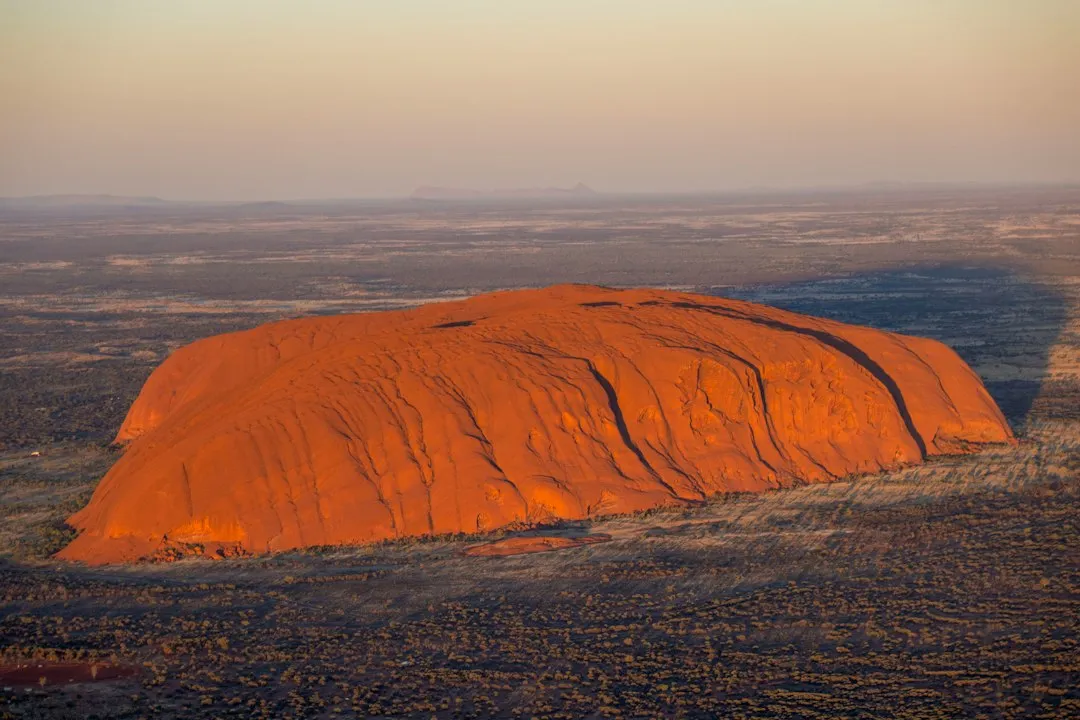
Uluru has been sacred to the Anangu for tens of thousands of years, and climbing it was not generally permitted under Tjukurpa, which is the Anangu system of law and culture. Tjukurpa is not a simple set of rules. For tens of thousands of years the Anangu looked after Uluru, transmitting Tjukurpa through Inma, the language of dance, story, song, and ceremony.
The climbing route up Uluru’s northwestern face follows a traditional ceremonial path used during men’s initiation ceremonies, making recreational climbing particularly offensive to the Anangu, as it involves uninitiated people traversing a restricted sacred pathway for entertainment purposes. This is not a symbolic inconvenience. It is, to the Anangu, a violation of something foundational.
Decades of Asking Politely
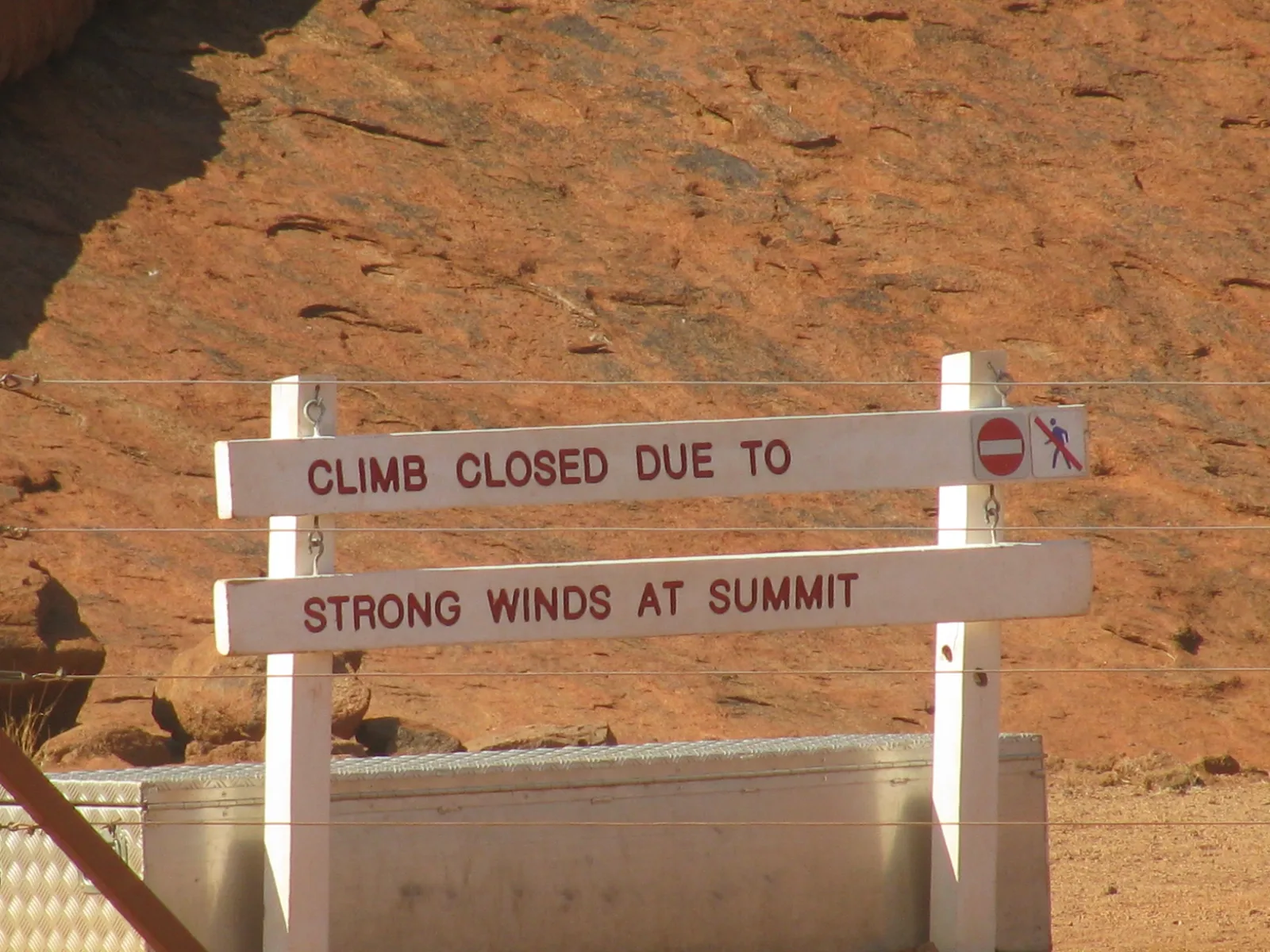
For 34 years, the Anangu asked visitors not to climb. Signage at the base communicated this clearly throughout that period. The 2019 closure formalised a request that had been made for decades. The famous sign at the start of the track simply read: “Please don’t climb.”
These developments proceeded without the consent of the Anangu people, who had consistently made clear that climbing the rock was a violation of Tjukurpa. The requests were patient and persistent, but for much of the 20th century, tourism economics largely overrode them.
The Official Ban and What Triggered It
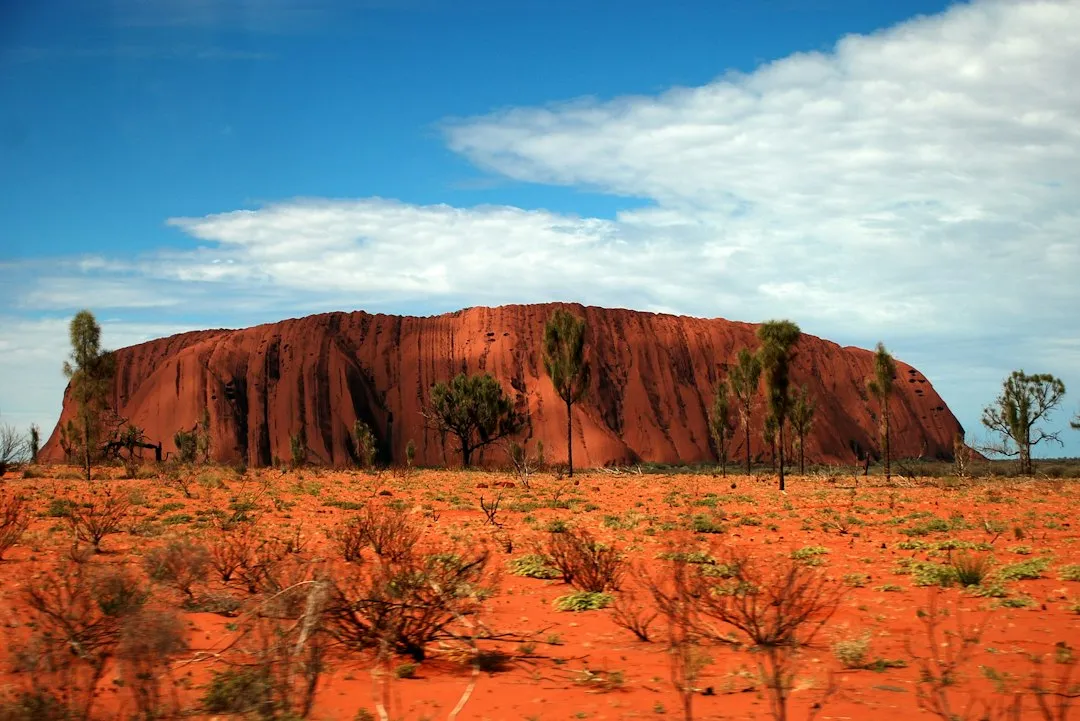
In November 2017, the Board of Management agreed that the criteria, which included the number of visitors climbing falling below 20 percent, had been met, and voted unanimously to close the climb from 26 October 2019, the 34th anniversary of Handback. The date was chosen deliberately. That anniversary marks the government restoring ownership of Uluru to the Anangu people.
The traditional owners, who had leased Uluru-Kata Tjuta to Parks Australia for 99 years since winning native title in 1985, had agreed that climbing would be banned when fewer than 20 percent of travellers visiting the area chose to ascend Uluru. That threshold was crossed, and the decision followed.
The Numbers Tell Their Own Story
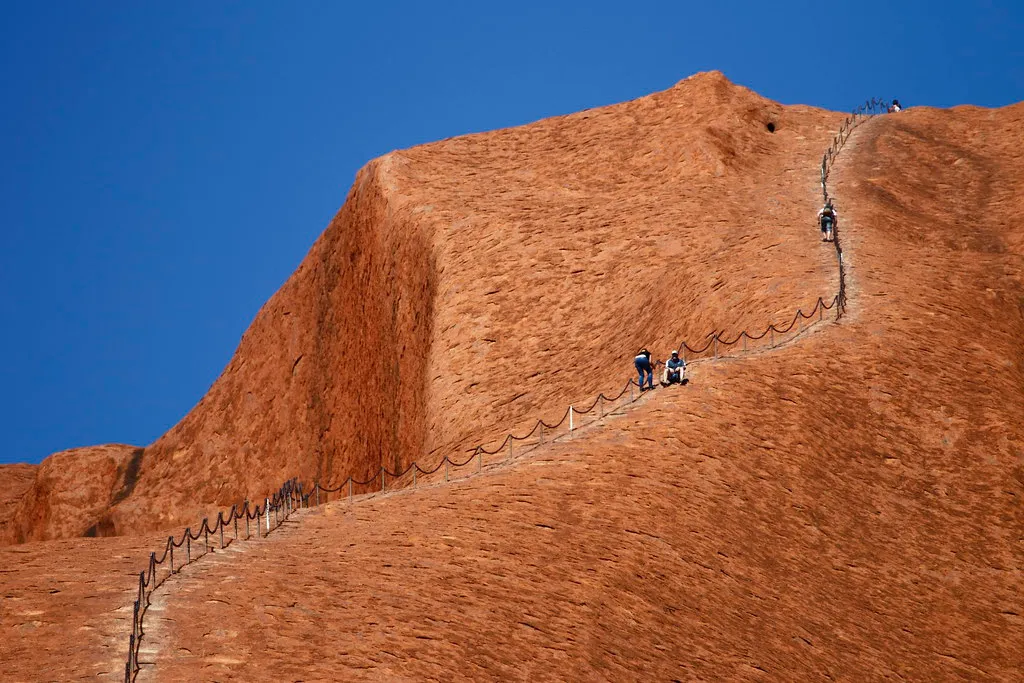
In the 1990s, roughly three quarters of visitors climbed the landmark. By 2016, it was just 16 percent. That shift did not happen by accident. It reflected a slow but genuine change in how many travellers thought about the place they were visiting.
A 2016 survey found that more than three quarters of the park’s visitors were aware of the “please don’t climb” sign, and over 90 percent said they would respect the wishes of the Anangu and not climb. Awareness was clearly spreading, even if the formal ban had not yet arrived. A visitor survey from 2018 concluded that only 13 percent of visitors actually ascended the landmark that year.
The Last Rush Before Closure
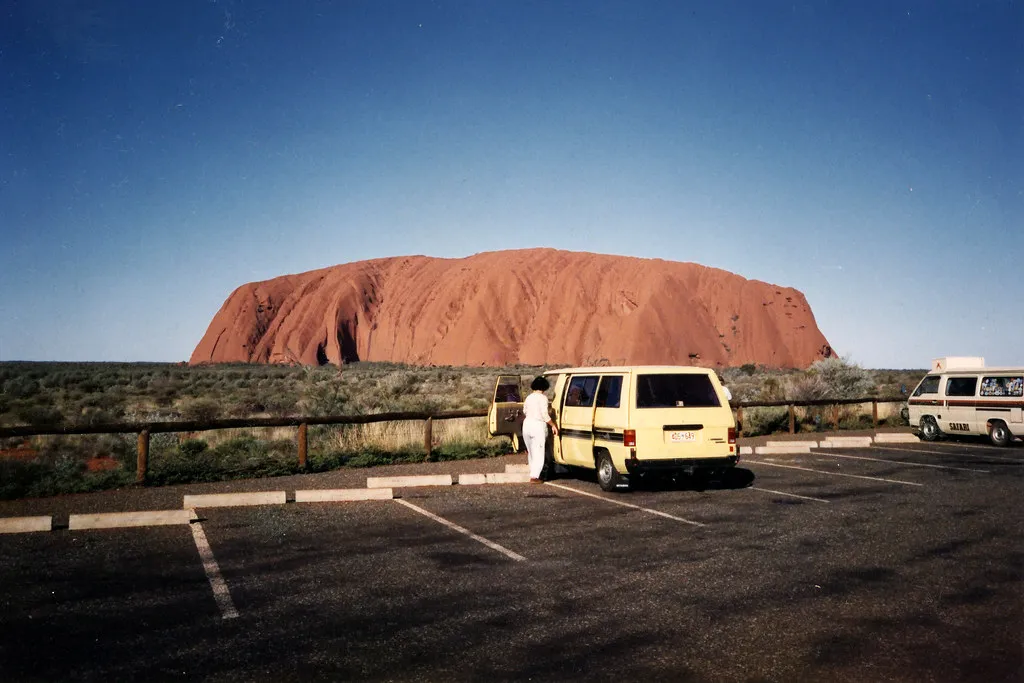
During the months before the ban took effect, throngs of tourists from all over the globe rushed to Uluru for their chance to climb. After dangerously strong winds caused a delay on the final day, hundreds snaked up the slippery path for the last time. It was a strange and bittersweet scene to witness.
In 2019, visitor numbers spiked to nearly 400,000 as travellers rushed to see Uluru before the climb was permanently closed. Australia’s Indigenous Affairs Minister at the time likened the increase in tourists climbing Uluru to “a rush of people wanting to climb over the Australian War Memorial.” That comparison landed hard, and for many people, it clarified something that had been easy to dismiss.
The Very Real Danger of the Climb
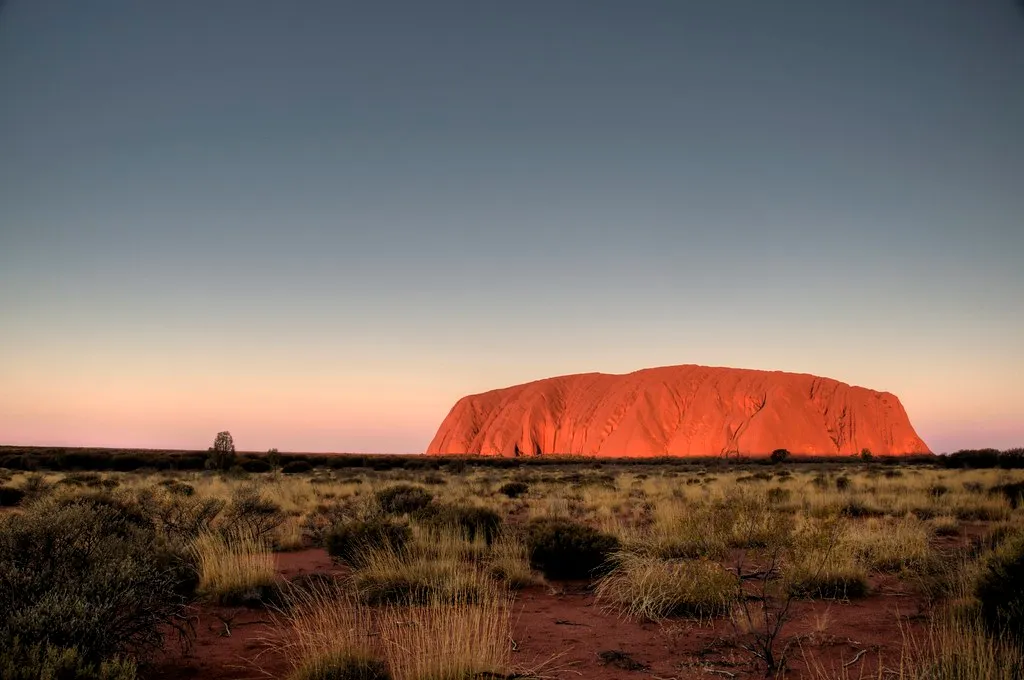
Standing 1,142 feet high, Uluru is taller than the Eiffel Tower and London’s Shard. It is hot, slippery, and often windy. At least 35 people have died since climbing started in the 1950s. These were not freak accidents limited to inexperienced hikers.
At least 36 people died while attempting the climb, and between 2002 and 2009, 74 climbers required medical attention on the rock. There is neither water nor toilets on the climb, which creates serious problems with climbers wandering off paths to relieve themselves on the rock many times a day. Safety and sanitation were constant concerns that no amount of signage fully resolved.
Environmental Damage That Cannot Be Undone
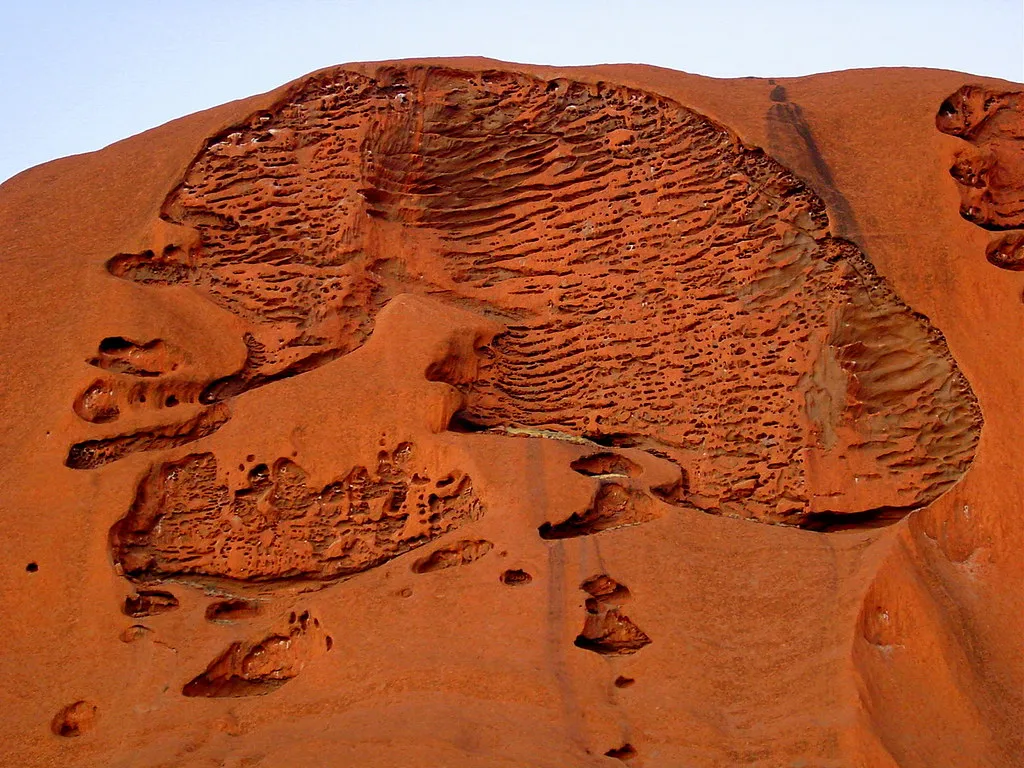
Millions of footsteps over several decades eroded the sandstone surface. The old climbing track remains visible as a discolouration on the rock face. That scar is permanent within any human timeframe.
There were no toilet facilities on the rock. Climbers urinated and defecated on the surface. When it rained, waste ran down the rock and into the waterholes below, which are permanent water sources for local plants and wildlife. Those waterholes carry cultural significance for the Anangu and ecological significance for the surrounding environment.
Legal Weight Behind the Decision
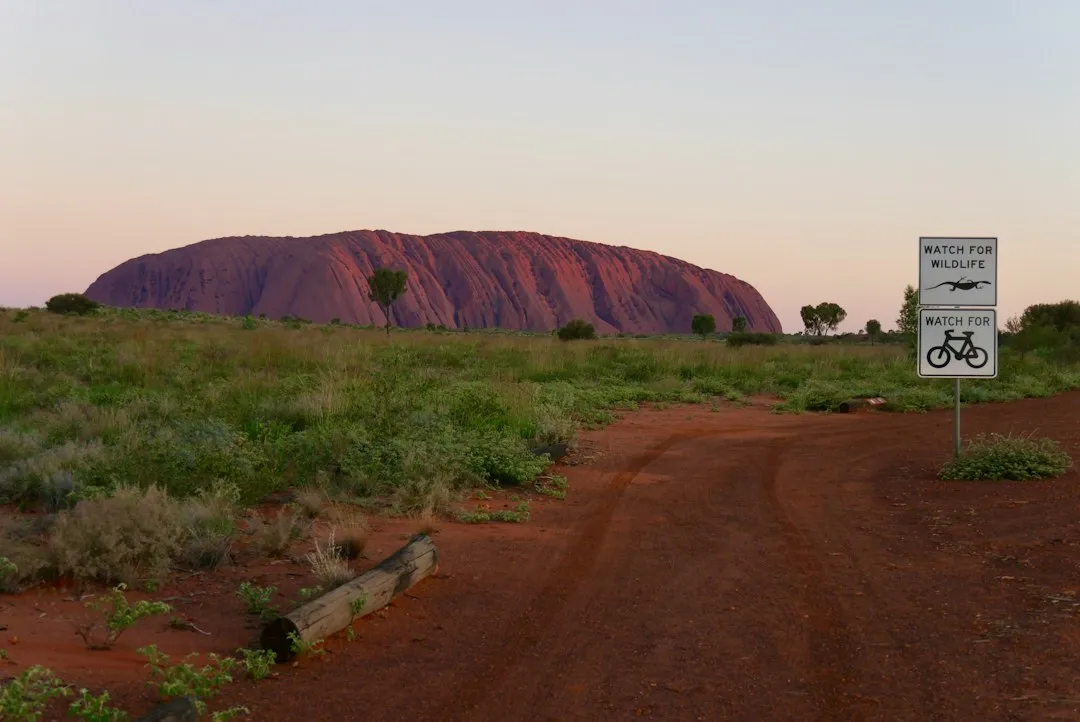
Today, climbing Uluru is not only taboo. It is a breach of the Environmental Protection and Biodiversity Conservation Act 1999. Penalties are incurred by anyone who violates it. This shift from a moral request to a legal prohibition was significant. It meant the Anangu no longer had to rely solely on persuasion.
This decision demonstrates Tjukurpa and Australian law working together in joint management. Visitors are advised that climbing Uluru is a breach of the Environment Protection and Biodiversity Conservation Act, and penalties will be issued to visitors attempting to do so. The two frameworks, one ancient and one contemporary, now point in the same direction.
What Visitors Can Still Experience
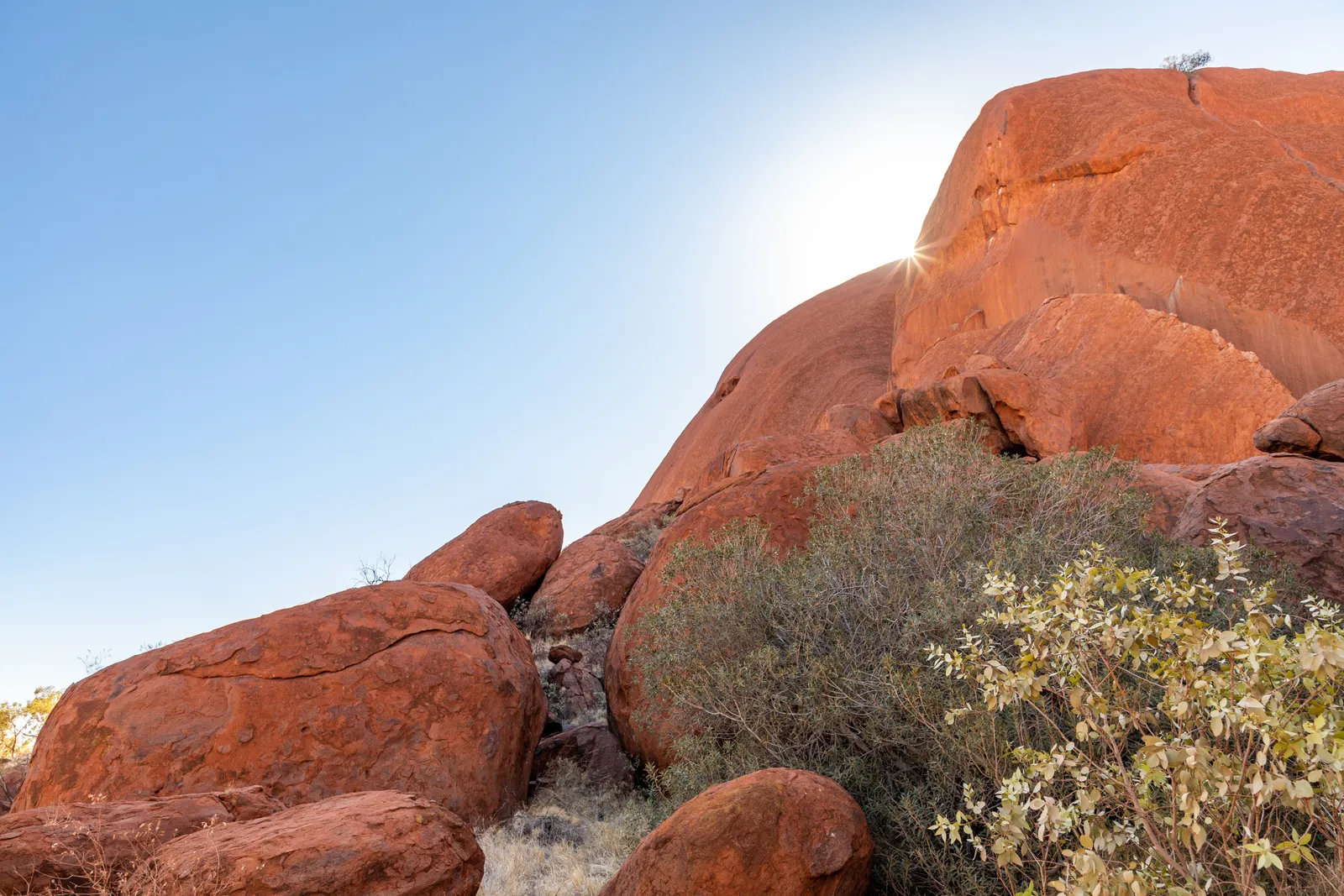
Closing the climb did not close the park. Tourism Central Australia pointed out that the public are still able to access much of the National Park respectfully. Activities that visitors can still participate in include hiking or biking around the rock, hovering above it in a helicopter, or riding through the park on camelback. Visitors can also learn about local indigenous culture and view art at the Uluru-Kata Tjuta National Park’s Cultural Centre.
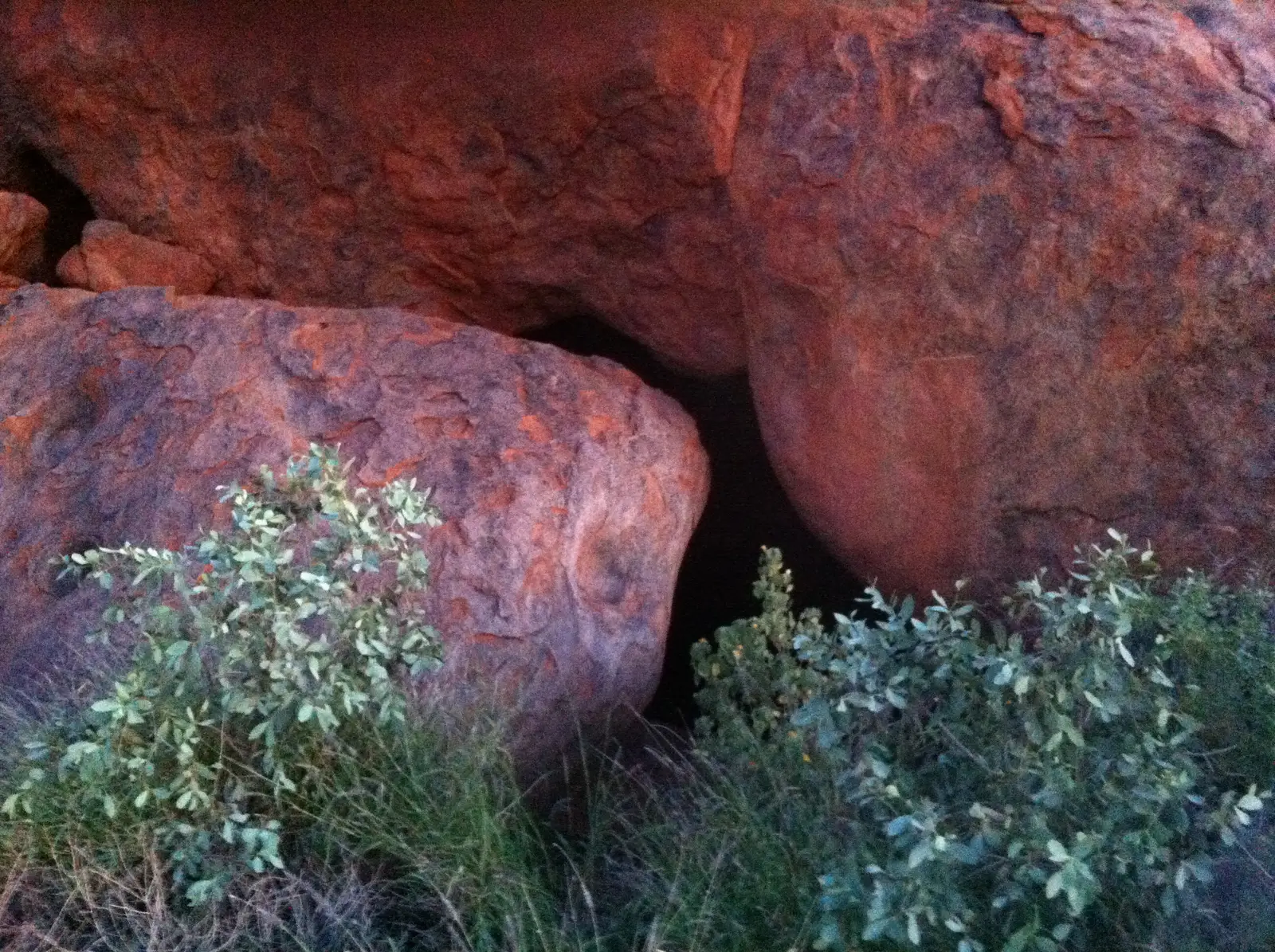
Many visitors who have done the full base walk around Uluru describe it as more profound than any summit would have been. The rock reveals extraordinary details at ground level: ancient cave paintings, weathered overhangs, and the quiet enormity of its presence. The rock’s caves, cliffs and fissures represent the physical evidence of the ancestral spirits’ time on earth, and the Anangu maintain a spiritual and cultural connection to Uluru and Tjukurpa that remains very strong.
Visitor Numbers in the Years Since
Before the pandemic, visitor numbers peaked at approximately 407,000 in 2019, while in 2023, the destination recorded 240,000 visitors, about 59 percent of pre-pandemic levels. The drop reflects both the effects of COVID-19 and the global travel slowdown that followed.
Uluru received 280,000 total visitors in 2024, about 69 percent of the pre-pandemic peak. Domestic tourists accounted for roughly seven in ten of those visitors, while international visitors made up the remaining share. Tourists spend over AUD 320 million in Uluru each year in normal conditions, though 2024 tourist spending was still well short of pre-COVID levels, according to Tourism Central Australia. The park draws visitors year round, but the cooler winter months remain by far the busiest season.
A Shift in How the World Sees Sacred Places
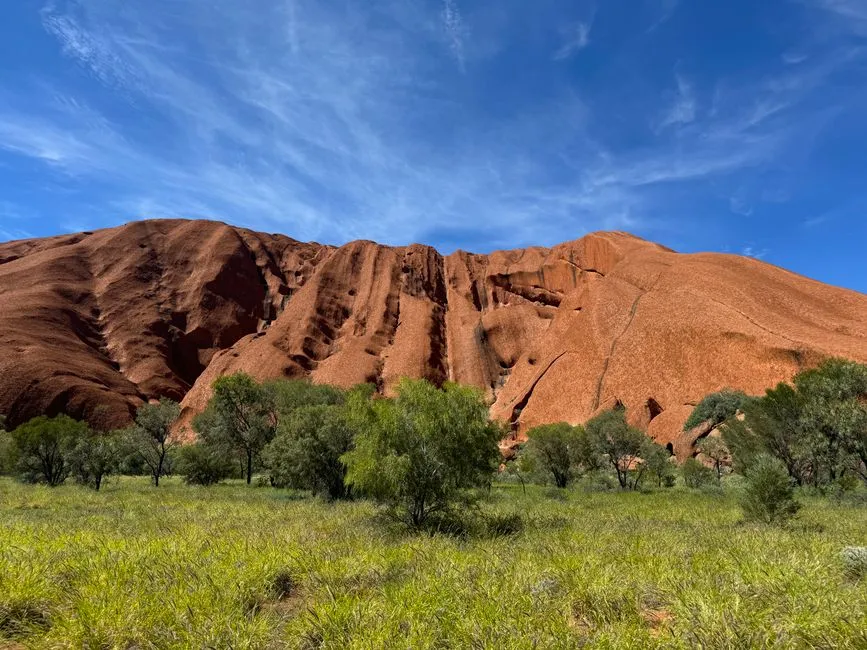
The Uluru climbing ban is part of a broader conversation that has been unfolding globally about who has the right to define what tourism looks like at a sacred or culturally significant site. It sits alongside similar debates at sites across the Pacific, the Americas, and Southeast Asia. What makes Uluru’s case distinctive is how clearly it was resolved.
The percentage of visitors who attempted the climb had steadily declined over recent decades as awareness spread of the traditional owners’ request for respectful treatment of the landscape. That change in public attitude, more than any single policy, is what made the formal ban both possible and widely accepted. Despite their objections, climbing Uluru continued for decades, causing irreparable environmental damage and resulting in at least 37 deaths. In 2019, 34 years after the handback, the climb was finally closed.
The Takeaway
Uluru’s story is genuinely one of the more important shifts in how modern tourism has reckoned with Indigenous sovereignty and cultural respect. The ban was not a loss for visitors. It was a correction, long overdue, that allows one of the world’s most extraordinary places to be experienced on its own terms.
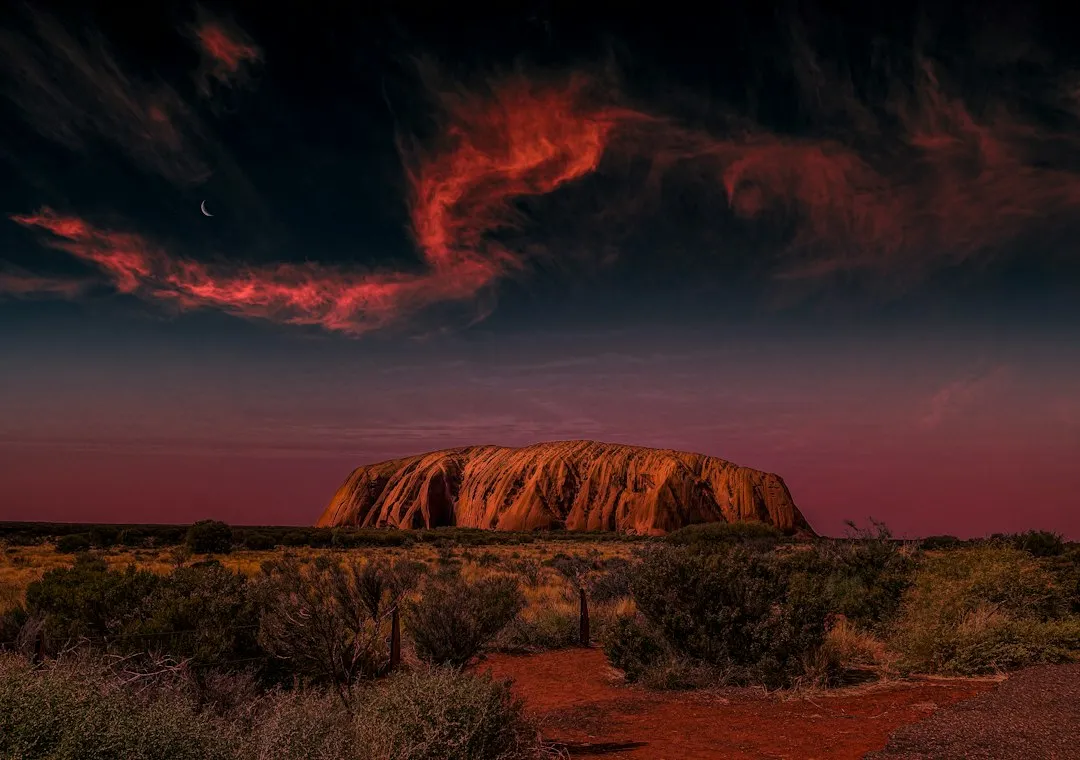
The rock is still there. The desert light still turns it extraordinary shades of amber and deep red at sunrise and sunset. The difference now is that visitors arrive as guests, not as conquerors of a summit. That change in posture is, quietly, everything.
AI Disclaimer: This article was created with the assistance of AI tools and reviewed by a human editor.