
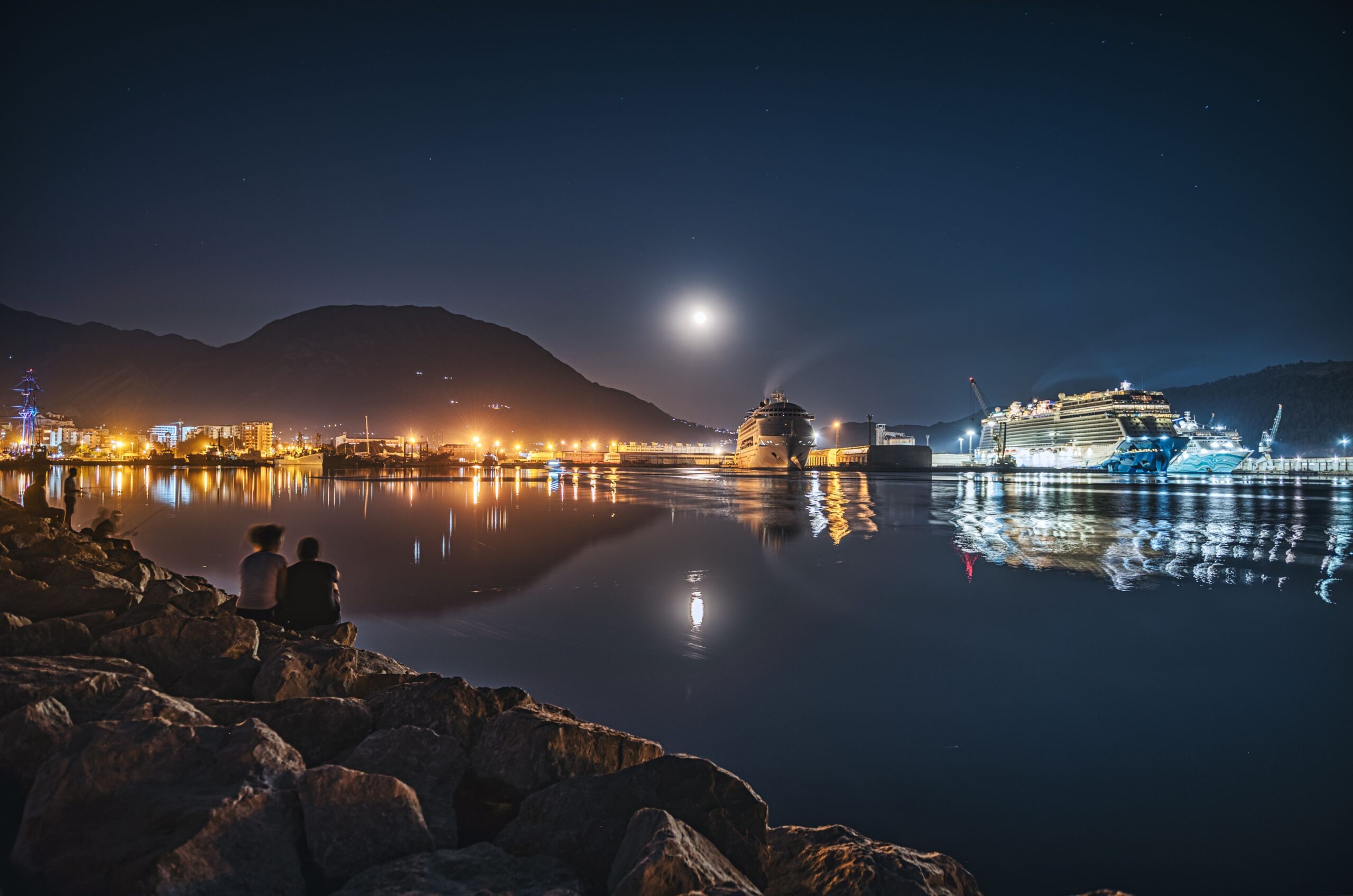

Why the Open Ocean Is Already a Remarkable Observatory
The Earth’s oceans have pristine, dark skies where light pollution does not impede your view of dimmer stars, the bright swath of the Milky Way, dim meteors and satellites, and the faint glow of the Andromeda Galaxy roughly two million light-years away. That kind of access is genuinely rare for most people, who spend their lives surrounded by urban glow.
Head to the middle of the ocean and your cruise ship will likely be beyond the reach of land-based light pollution, allowing you to see fainter objects in the sky than you might see ashore. World cruises and ocean crossings are good bets for escaping the lights of land, but any itinerary that takes you more than a couple of dozen miles from shore might give you great stargazing opportunities.
Many passengers on cruise ships marvel at the spectacular sight of our own galaxy thanks to the minimal light pollution on the open ocean. Far from the bright city lights, the dark skies over the ocean provide magnificent stargazing conditions. Along with the Milky Way, you may also glimpse other celestial wonders, including planets, constellations, and even meteor showers.
The Forward Deck: Where Stargazing Guides Point First
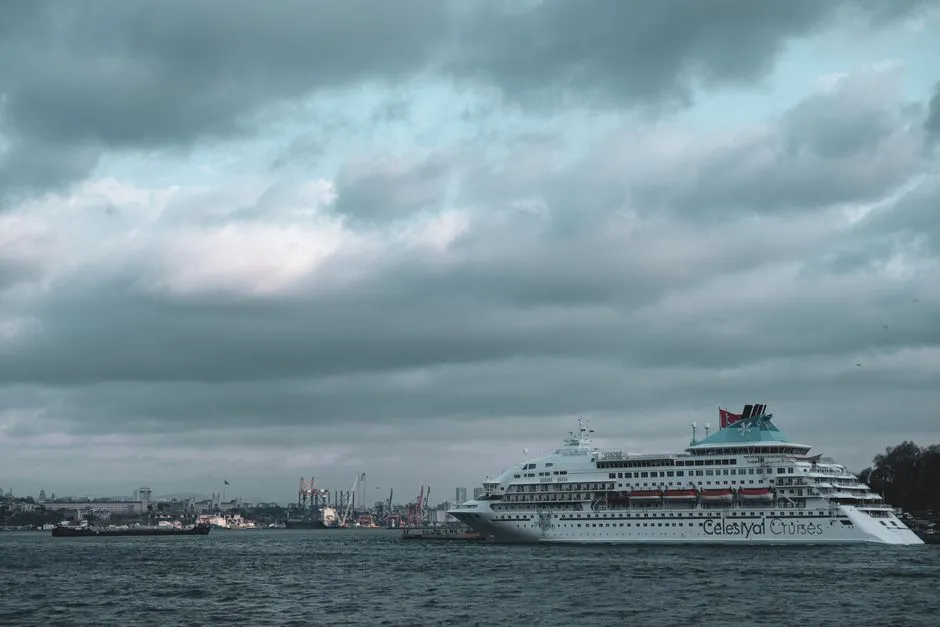
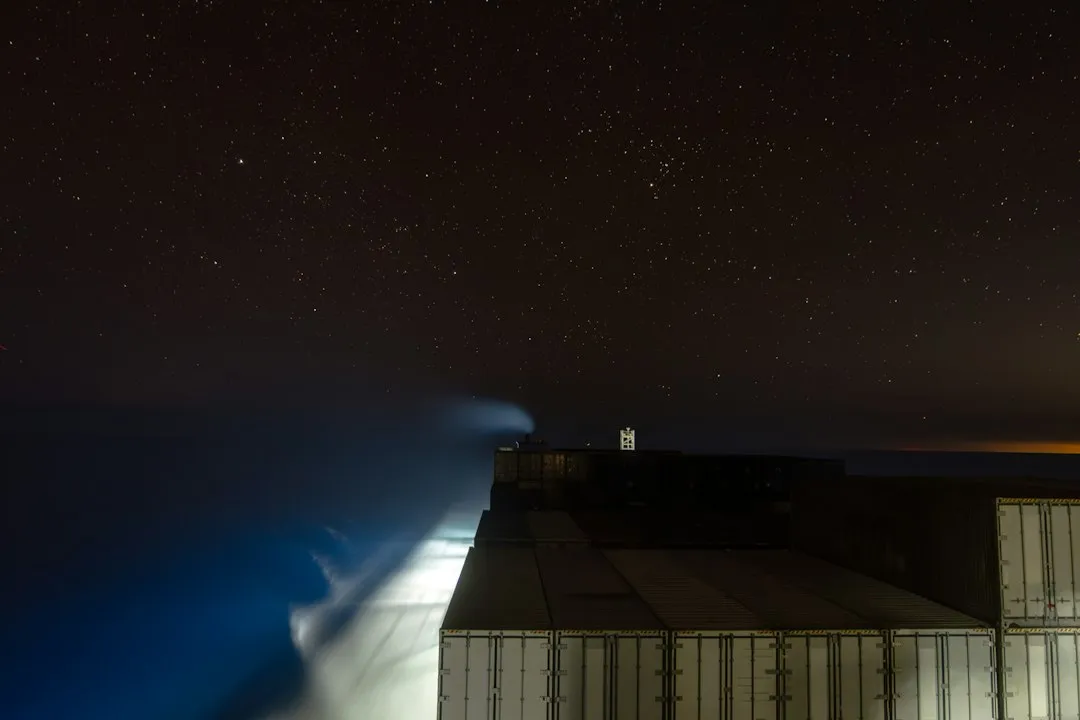
Ship lights are a thorn in the side of avid stargazers, but that doesn’t mean you can’t see a star-filled sky from the outside decks. Howard Parkin, resident astronomer for Viking Ocean Cruises, advises guests to find a viewing area forward of the ship’s funnel. That single tip comes up in nearly every serious guide on the subject.
The area forward of the bridge is always kept dark when the ship is at sea, but unfortunately most of the large ships built in the 21st century no longer have public areas and promenade decks there. It’s worth exploring your specific vessel ahead of sailing to confirm what’s accessible.
Cruise Critic readers suggest trying the helipads on select Royal Caribbean ships and the “secret decks” forward on Carnival ships for onboard spaces away from lights. These are the kinds of small discoveries that separate a mediocre stargazing night from a truly memorable one.
Understanding the Aft Problem: Why the Back of the Ship Falls Short
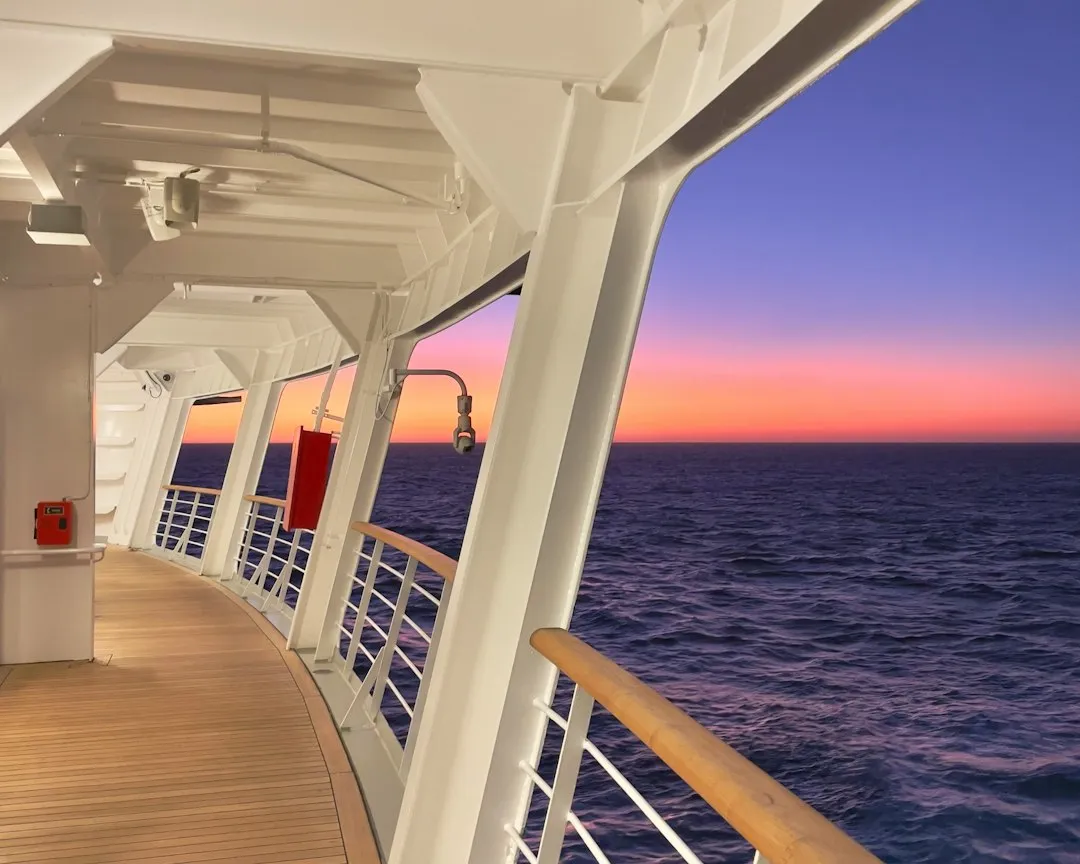
Generally, positions forward will be windier, and those aft will be brighter – staircases especially will be lit for safety reasons – and may have smoke from the stacks blocking part of the sky. It’s a genuine trade-off, and most experienced onboard observers learn this quickly.
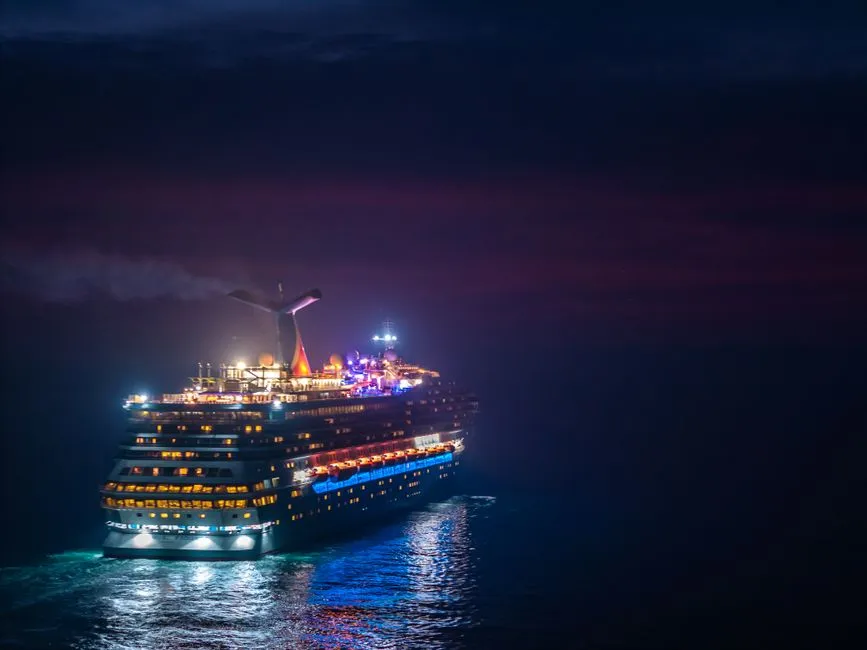
Stargazing only works with the deck lights off. Cruise ships can have their own light pollution, which significantly diminishes how well you can see the stars. As astrophysicist Hakeem Oluseyi noted, the lights can be so bright that you can’t really see the dimmer objects, and most of the cool stuff is dim.
When the lights are down, the unobstructed view can be spectacular. Oluseyi has described being out in the middle of the ocean with the deck lights off as one of the best dark-sky experiences he’s ever had, despite having traveled to dark sky locations all over the world. That’s a meaningful endorsement from someone who doesn’t give them lightly.
Dedicated Stargazing Platforms: Ships Built With Astronomers in Mind
On the ultra-luxurious 100-passenger Silver Origin, a ship from Silversea Cruises that sails in the Galapagos, a stargazing platform on Deck 7 is the perfect place to search the night sky for the Southern Cross constellation. The area is kept dark for optimum viewing. This level of intentionality in ship design is still relatively rare but growing.
The small ship Celebrity Flora has a special stargazing platform where guests gather after dark and a crewmember points out the planets and constellations, with binoculars provided. Smaller expedition vessels, it turns out, tend to excel in this area simply because there are fewer competing light sources on board.
To find the darkest spot on any ship, locate areas where lights are minimal, such as observation decks. Some cruise lines dim the lights on deck during stargazing sessions, making it easier to enjoy the celestial display. Always ask your cruise director in advance whether a dimming session is scheduled for sea days.
Resident Astronomers and What They Actually Teach You
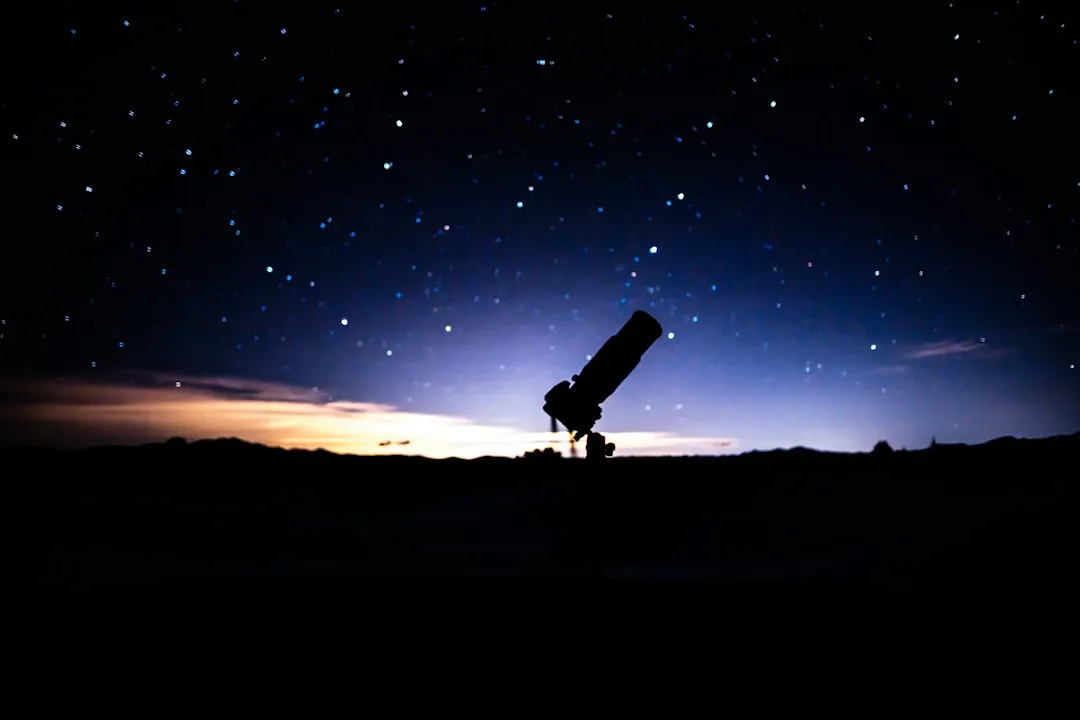
On Viking Ocean Cruises, a Stargazing Specialist teaches passengers how to identify major constellations and gather their bearings from the stars. Viking and Cunard Line are the only cruise lines to offer planetariums on select ships. Viking passengers can watch the nighttime action through a high-tech dome with 7K resolution, studio speakers, 2D and 3D options, and laser beam projectors. A resident astronomer sails on each cruise to add insight for passengers.
Howard Parkin, a Royal Astronomical Society fellow and founding member of the Isle of Man Astronomical Society, leads lectures on the wonders of the cosmos and offers guided tours of the night sky during stargazing sessions using Viking’s portable telescope. Having someone like that beside you on deck completely changes the experience.
Cunard’s Queen Mary 2 and Viking Ocean Cruises’ Viking Orion not only teach about the stars in their onboard planetariums, but they regularly bring astronomers onboard to give presentations and lead stargazing sessions. Cunard partners with members of the U.K.’s Royal Astronomical Society, while Viking hires its own resident astronomers.
Timing Your Night: The Moon Phase Factor
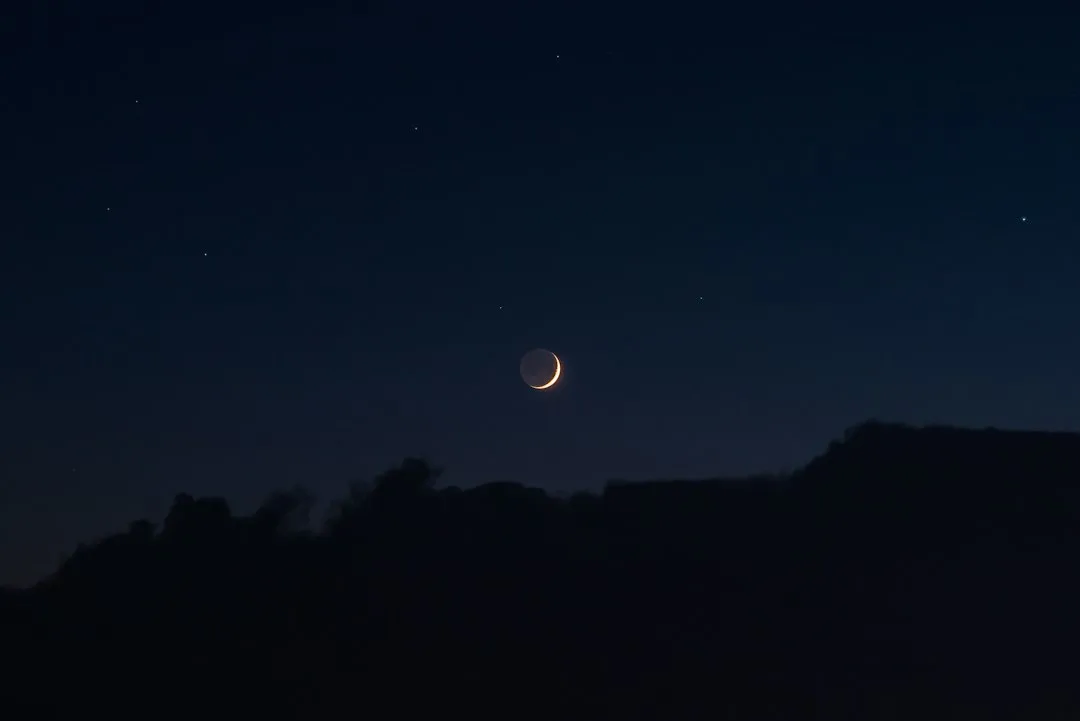
The light of a full moon can prevent you from seeing faint objects including dim stars, meteors, and satellites. For the best stargazing, time your cruise to coincide with the new moon, when the moon begins its cycle and can’t be seen at night. At this time, the moon turns its unlit side toward Earth and crosses the sky in the daytime with the sun. This is the darkest time of the lunar cycle and the best for viewing celestial objects.
For the ultimate stargazing experience, time your cruise around new moon phases or dazzling meteor showers. Many avid cruisers plan their sailings months in advance specifically around the lunar calendar, a habit that pays off dramatically.
You might also want to time your trip with a meteor shower, like the Perseids in August. The nice thing about that is that you should be able to see the celestial show from almost anywhere on the open water. From the forward deck of a ship mid-ocean during the Perseids, you’re essentially watching from one of the best seats in the world.
The Best Stargazing Cruise Destinations on Earth
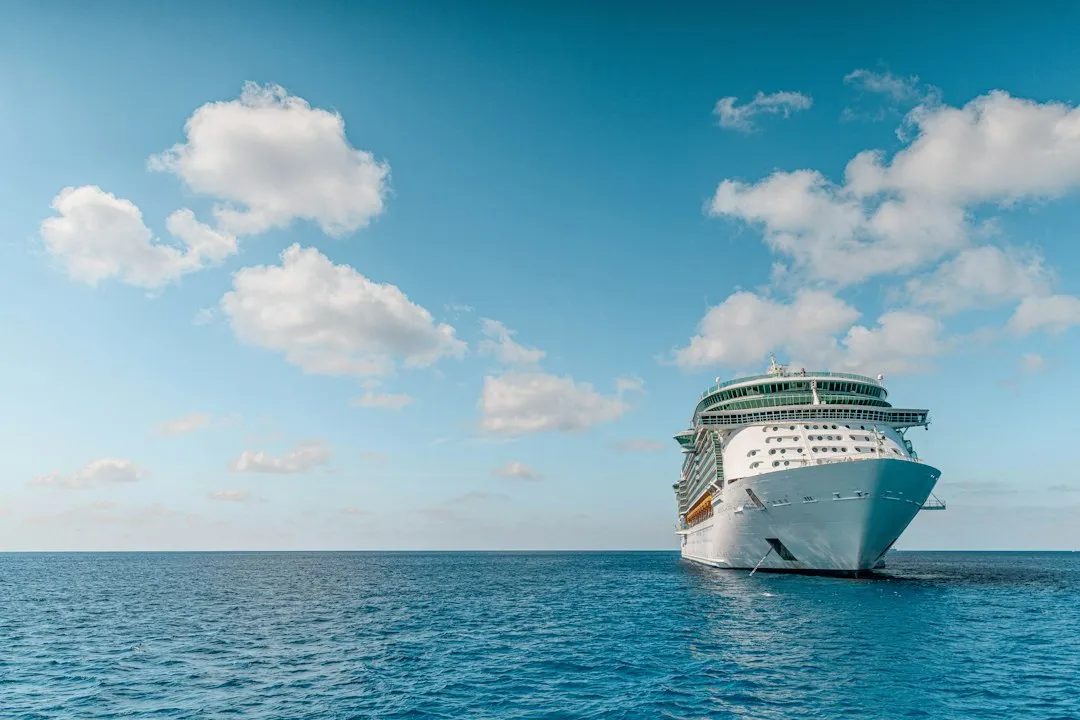
Among the world’s best stargazing cruise countries are Norway, New Zealand, Iceland, Chile, Canada, Mexico, and Spain. Each of these destinations brings something distinct to the experience, from the aurora borealis in Norway to the overhead Milky Way in Chile.
Spain’s Canary Islands are a great place for stargazing, and the number of observatories on the mountaintops are a clue to this. Three locations – La Palma, Tenerife, and Fuerteventura – have Starlight Reserve status, granted to places that show a commitment to preserving the quality of the night sky.
Glacier Bay and other remote areas of Alaska provide minimal interference from artificial lights, making this a prime destination for night-sky enthusiasts. In addition to stars, you might also catch the aurora borealis during fall or winter sailings. The combination of wildlife, glaciers, and open sky makes Alaska’s cruise corridors genuinely hard to match.
Letting Your Eyes Adjust: The Twenty-Minute Rule
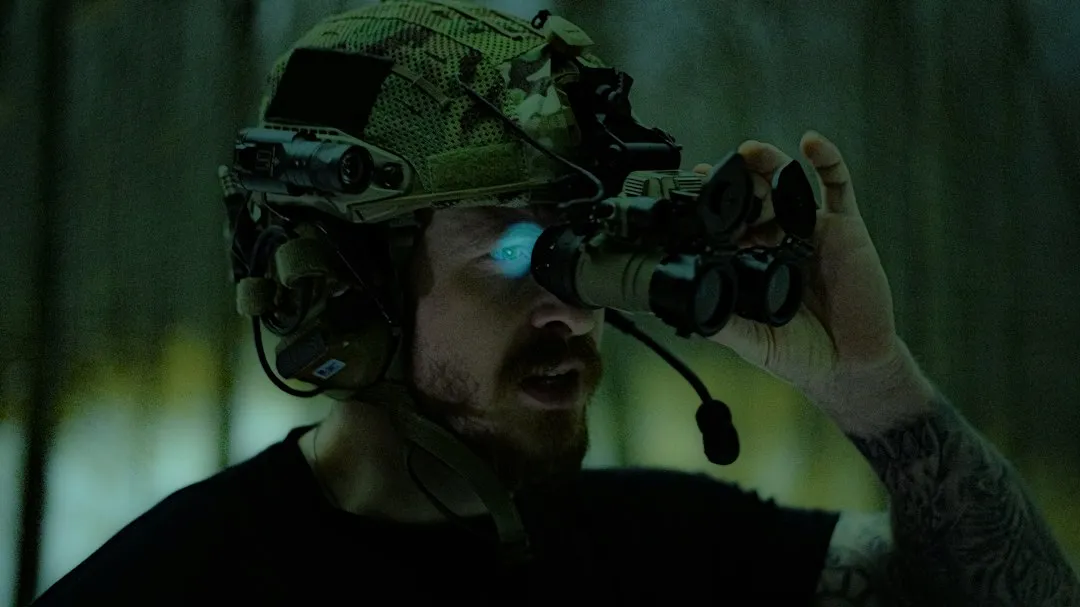
Give your eyes about 20 to 30 minutes to adjust to the darkness before you start stargazing. This is one of those pieces of advice that sounds trivially simple but makes an enormous difference in practice. Most people step outside, glance up for two minutes, and head back in having missed the show entirely.
Pack smart with essentials like a red-light flashlight to preserve your night vision, a DSLR with an ISO guide for stunning night shots, and quality binoculars. Red-light flashlights are particularly useful because they let you check a star chart without collapsing your dark adaptation.
There are places above deck to capture more of the sky which work well once you locate the darker nooks and crannies to block lighting. Experienced shipboard observers often bring a small piece of dark fabric or simply use a hoodie to shade their face from any stray light sources nearby.
Binoculars vs. Telescopes: What Actually Works at Sea
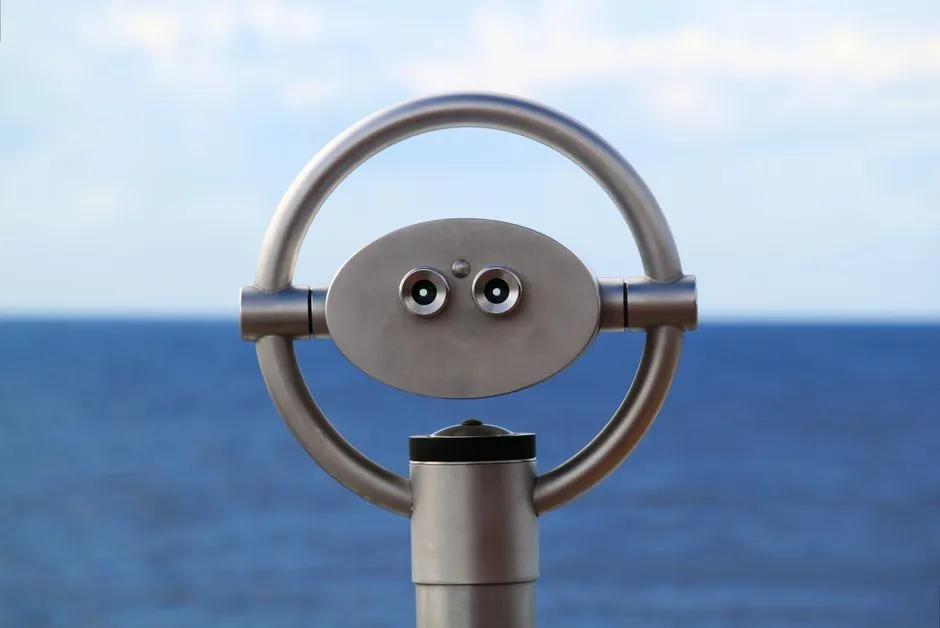
If you just want to be awed by the heavens on a dark night, all you need is your naked eye. For more of a close-up, and to bring fainter objects into focus, consider packing a pair of binoculars. They’re the most practical tool for a ship environment, where vibration and movement are constant.
As long as magnification is kept on the low side, views through binoculars can be very, very good at sea. It can be quite dark, and observing from forward positions works well until the trade wind latitudes, with aft positions working better on the return trip. That kind of course-by-course awareness develops naturally over a multi-night sailing.
Don’t forget to download top stargazing apps like SkySafari, Star Walk, and Dark Sky Map to unlock the secrets of the night sky directly from your mobile. These apps work offline and can be preconfigured with your approximate sailing coordinates, which many ships helpfully broadcast through their in-cabin TV system.
Choosing the Right Season and Itinerary for Astronomy
Cruising to Alaska or the Baltic around the summer solstice, or Antarctica around the winter solstice, is not ideal for stargazers, as the nearly round-the-clock daylight means it’s never dark enough for stars to come out. Choosing a sailing during a region’s dry season typically means fewer clouds at night, giving a better view of the entire sky and a more pleasant time on deck.
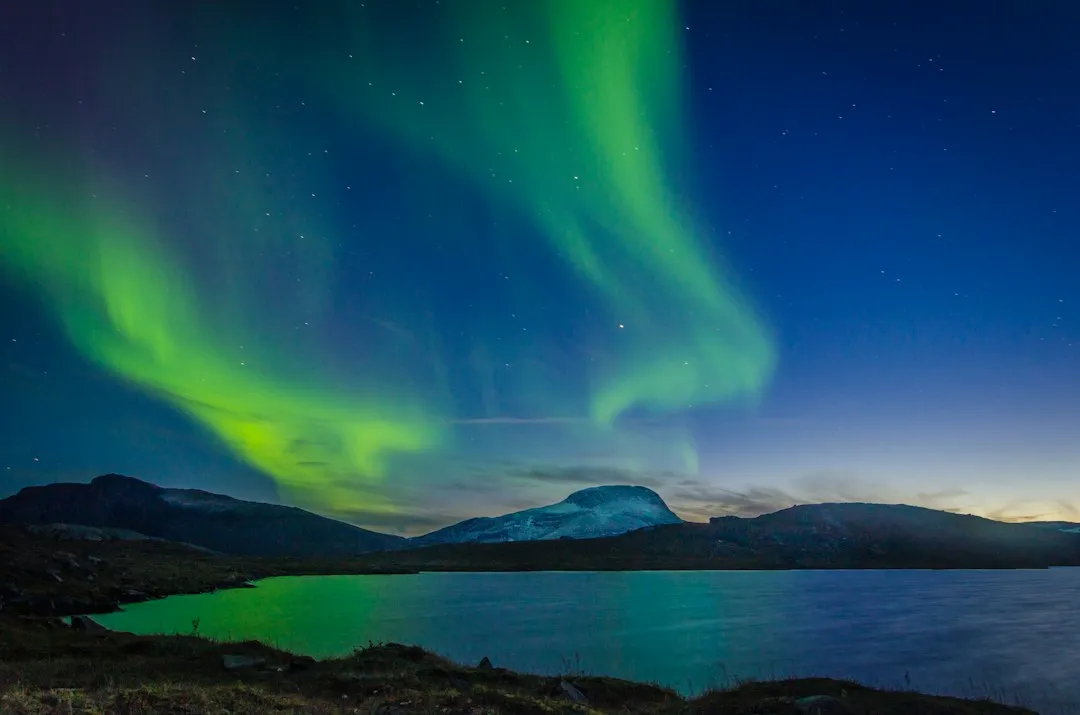
Real enthusiasts choose one of Viking Ocean’s “In Search of the Northern Lights” cruises to Norway in January, February, or early March, or any of Hurtigruten’s 12-day Norway cruises between October and March, when the sky is dark more than it’s light. These sailings are now booked months in advance by passengers who plan their entire year around them.
You can see the Large and Small Magellanic Clouds year-round, but the best southern hemisphere stargazing occurs from March through September when the sky is dark for longer. Chile’s latitude puts it right under the Milky Way, making South American cruise itineraries a particularly rewarding choice for serious sky-watchers.
The Takeaway: One Deck Spot Changes Everything
AI Disclaimer: This article was created with the assistance of AI tools and reviewed by a human editor.