

Why 20 Minutes Is the Magic Number
Research by German scientists indicates that short-term interventions such as massage therapy can robustly reduce stress on both a psychological and physiological level by activating the body’s parasympathetic nervous system, its principal engine for relaxation. That’s a compelling case for even the briefest treatment. The same researchers found that just 10 minutes of massage created measurable increases in heart rate variability, a direct indicator of relaxation.
Business travelers, who often face tight schedules and high stress levels, are particularly inclined to use spa services to relax and recharge between flights, and many airport spas now offer express treatments tailored to the needs of time-constrained travelers, ensuring that even short layovers can be utilized for wellness. Twenty minutes is exactly long enough to receive a meaningful intervention while still leaving time to navigate security or reach a connecting gate.
The Classic: Neck and Shoulder Massage
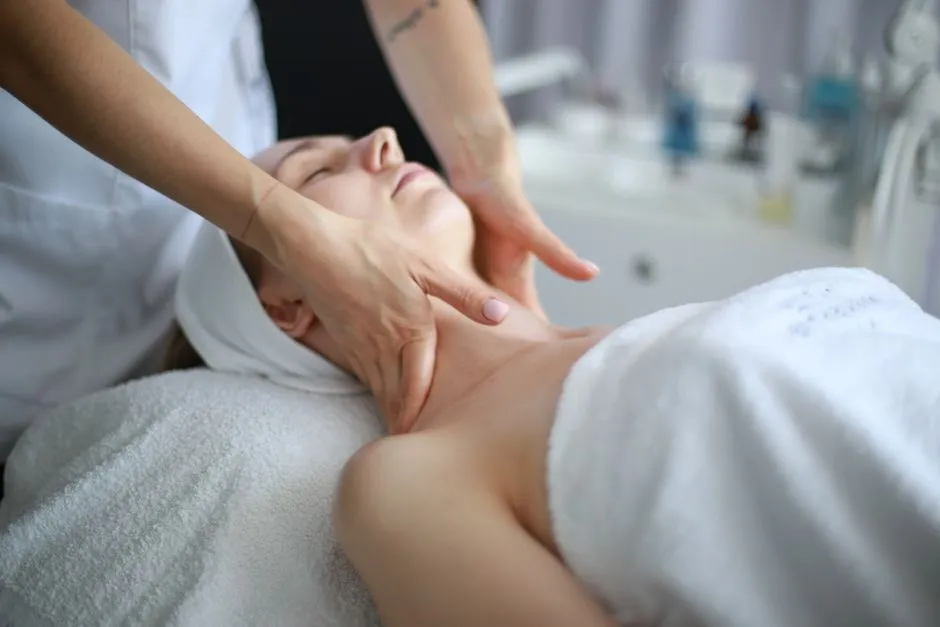
Sitting for long hours in airplanes often leads to stiff necks, sore backs, and tight hips, making targeted massage one of the most sought-after treatments at airport spas. Therapists consistently point to the neck and shoulders as the first priority for anyone stepping off a flight. The upper back accumulates tension rapidly in a reclined seat position, especially on economy class flights where support is limited.
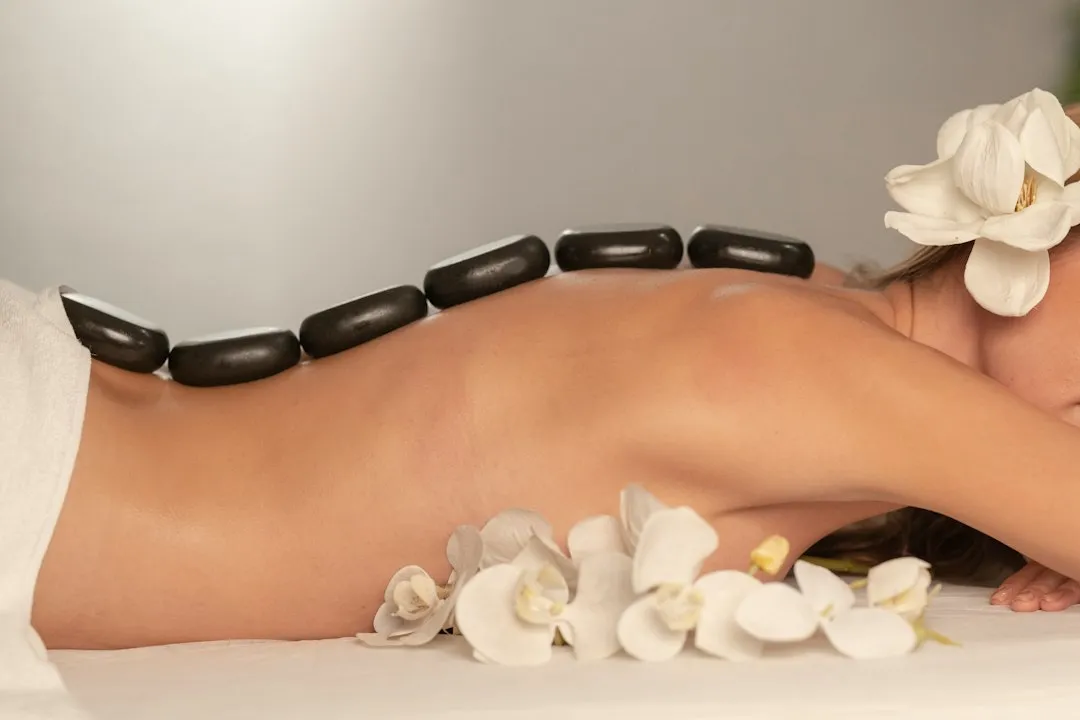
In airport spas like those in the Qantas First Class Lounges, passengers can receive a complimentary 20-minute treatment with the choice of a facial, a neck and shoulder massage, a hot stone back massage, or a foot massage. These options aren’t random. Each one targets a specific pattern of travel-related discomfort that therapists see walking through the door, repeatedly, every shift.
Jet-Lag Facials: Skin Recovery in a Single Session
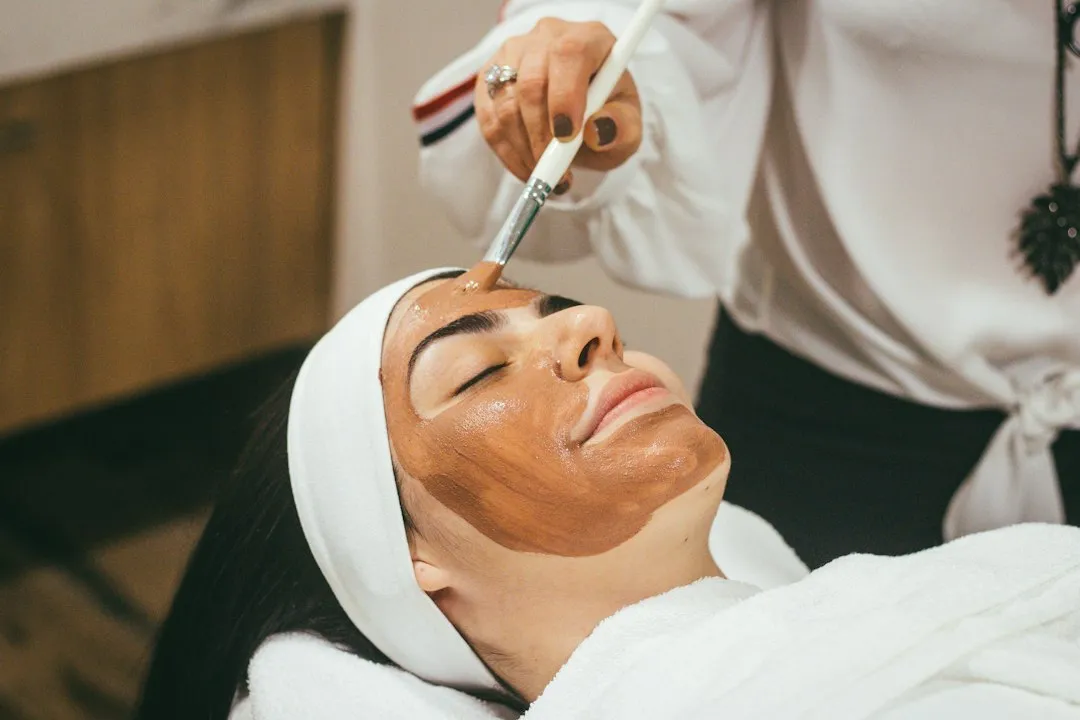
Through a partnership with French skincare specialist Clarins, Air France lounge guests can choose from three complimentary 20-minute treatments focusing on relieving jet lag, detox, and pampering the eyes. These are not standard facial treatments repurposed for airports. They’re specifically designed around the physiological damage that pressurized cabin air and UV exposure through aircraft windows inflict on skin.
Designed for both men and women, each treatment is intended to relieve tension and promote circulation and relaxation, addressing the combination of dehydration and puffiness that almost every long-haul traveler recognizes. At London Heathrow, the Be Relax Spa similarly offers an Anti Jet Lag Facial using Dermalogica products, with treatments running from 20 minutes to a full hour.
Foot Reflexology: The Underrated Layover Fix
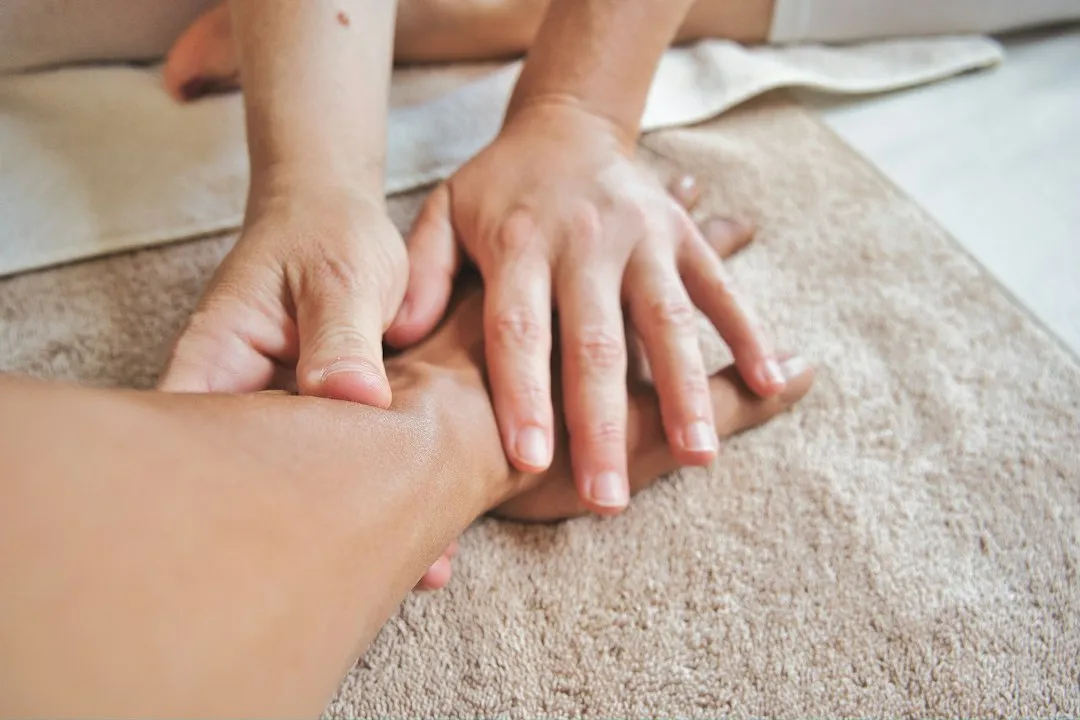
Reflexology applies pressure to specific points, usually on the feet, and has shown promise in improving sleep quality and easing fatigue, with clinical studies reporting enhanced sleep patterns following foot reflexology, suggesting it may help rebalance disrupted sleep-wake cycles often affected by jet lag. For frequent flyers crossing multiple time zones, this makes it arguably more useful than a traditional leg massage.
At Back to Life Spa in Amsterdam’s Schiphol Airport, a 20-minute chair massage is the standard quick fix, though business travelers in search of deeper recovery can also use reflexology foot massages alongside a 15-minute oxygen boost at the aromatherapy oxygen bar. It’s a strikingly practical layover itinerary, and one that more airports seem to be drawing inspiration from.
Express Treatments at XpresSpa and the New Wave of Airport Wellness
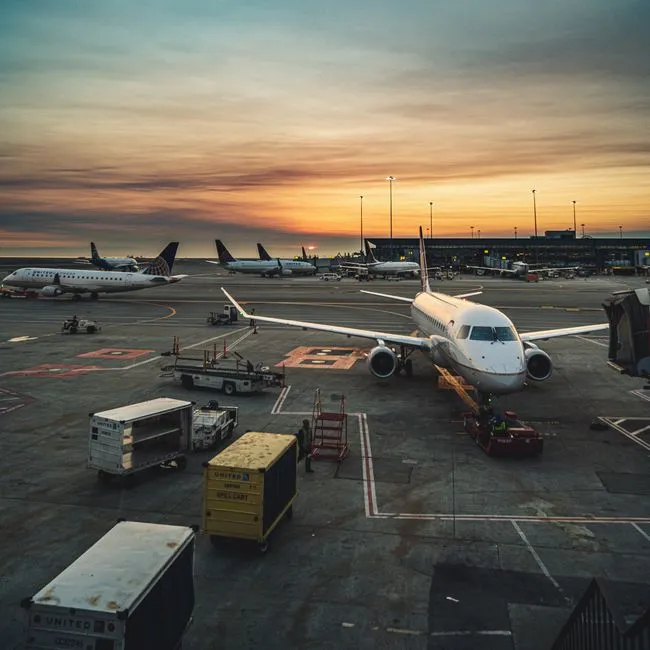
XpresSpa opened a new location at Philadelphia International Airport in June 2024, giving passengers access to a premier airside travel spa. The brand has been steadily expanding its footprint in U.S. airports, and its express model has helped define what layover wellness looks like for everyday travelers, not just first-class passengers. XpresSpa offers an extensive array of quick, 30-minute-or-less spa treatments, designed for the everyday traveler with time to spare before takeoff.
At XpresSpa, travelers can receive massage treatments, manicures, and rejuvenation services including anti-aging light mask therapy and heated chakra bed sessions. These are treatments that would feel entirely at home in a city day spa, yet they’ve been refined and sequenced specifically to work within an airport’s rhythms. XpresSpa also introduced a robotic manicure service at JFK, said to be the first airport location in the world to feature fully autonomous express manicures, through a partnership with provider Clockwork.
Dubai’s Timeless Spa: A Global Benchmark
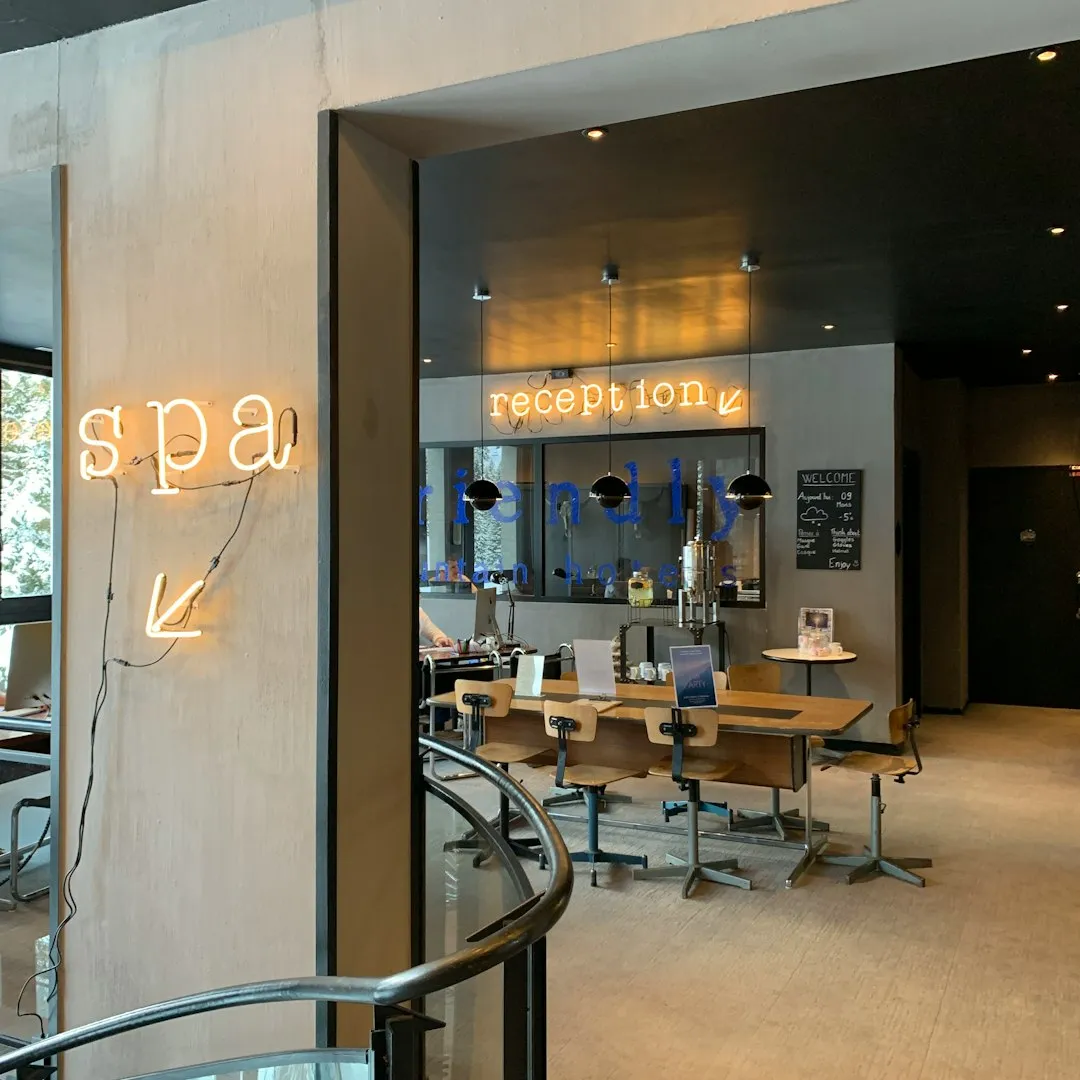
Dubai International Airport, one of the world’s busiest hubs, houses the Timeless Spa with 71 treatment rooms across the airport, meaning travelers can worry less about securing a slot while still accessing full spa packages to rest and recharge. The sheer scale of the operation reflects how seriously the airport takes traveler wellbeing. Dubai isn’t just offering a niche luxury product here. It’s treating spa access as a core part of the airport experience.
Massage therapy remains the most sought-after service at airport spas globally, driven by its immediate benefits in alleviating travel-related stress, muscle fatigue, and jet lag, with airport spas frequently featuring express massage services such as chair massages and reflexology designed to fit within short layovers. Dubai’s approach essentially proves that model can work at scale.
Singapore Changi: Wellness Built Into the Architecture
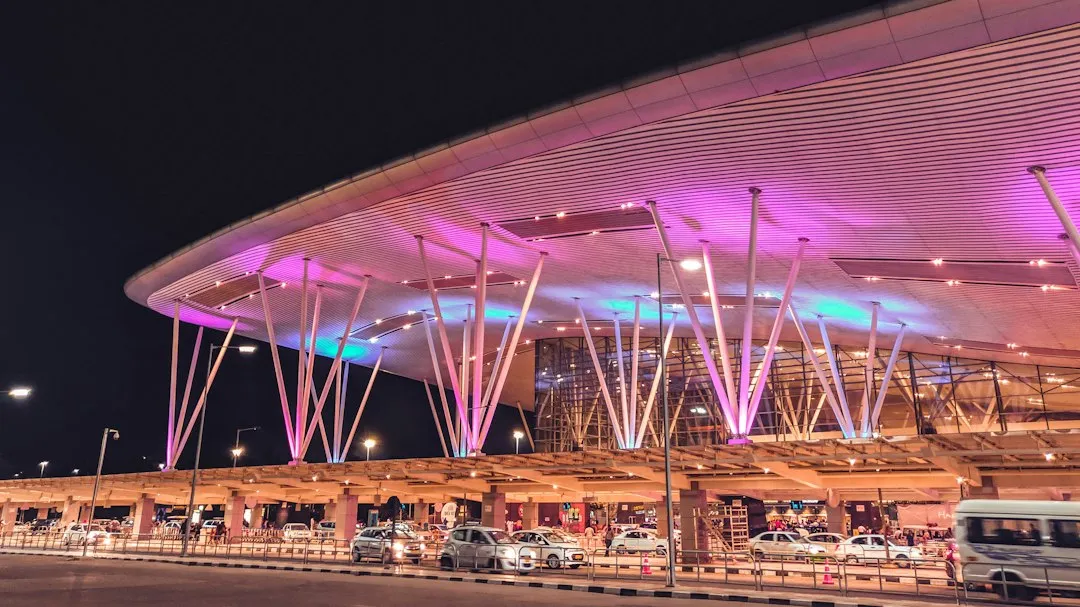
Changi Airport was named Best Airport in the World in Condé Nast Traveller’s 2025 Readers’ Choice Awards, and across its terminals, Natureland Spas provide a range of Southeast Asian-inspired treatments, from foot reflexology and tuina sports massage to rejuvenating gua sha facials. The commitment to regional therapeutic traditions makes treatments feel genuinely restorative rather than generic.
TranSpa, with locations in both Terminal 2 and Terminal 3 at Changi, offers everything from haircuts to massages, with foot reflexology combined with a 60-minute shower access available for around 91.80 Singapore dollars. That combination, a focused treatment followed by a proper shower, is becoming one of the smarter layover rituals for long-haul travelers arriving in transit.
What Therapists Actually Prioritize in 20 Minutes
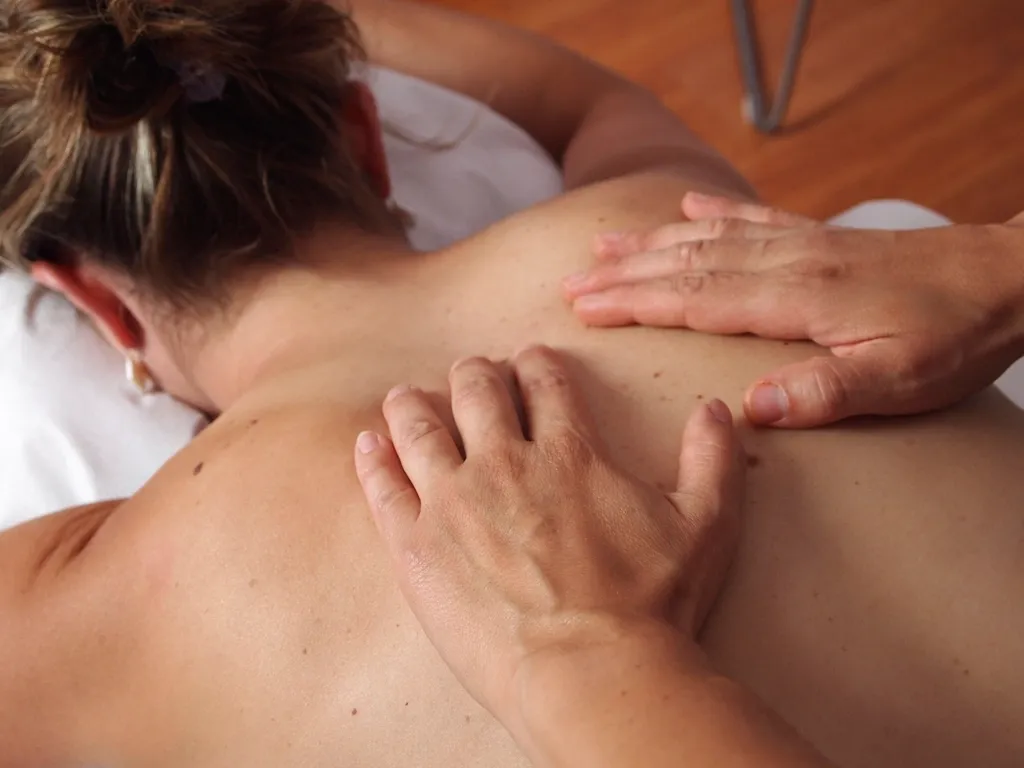
Massage therapy is well-regarded for its ability to reduce stress by promoting relaxation and lowering levels of cortisol, the body’s primary stress hormone. Experienced airport therapists tend to work with this in mind, focusing first on the areas where tension is most acute rather than attempting a full-body session. The shoulders, the base of the skull, and the lower back get the most attention, precisely because these are the areas compressed and strained during flight.
The soft human touch from a massage therapist works by releasing tension and leading to a sense of comfort, and also triggers the release of endorphins that elevate mood and provide a natural form of pain relief. That neurological response begins quickly, which is why a well-executed 20-minute treatment can feel disproportionately effective compared to its duration.
How Airport Passenger Satisfaction Is Reshaping Spa Investment
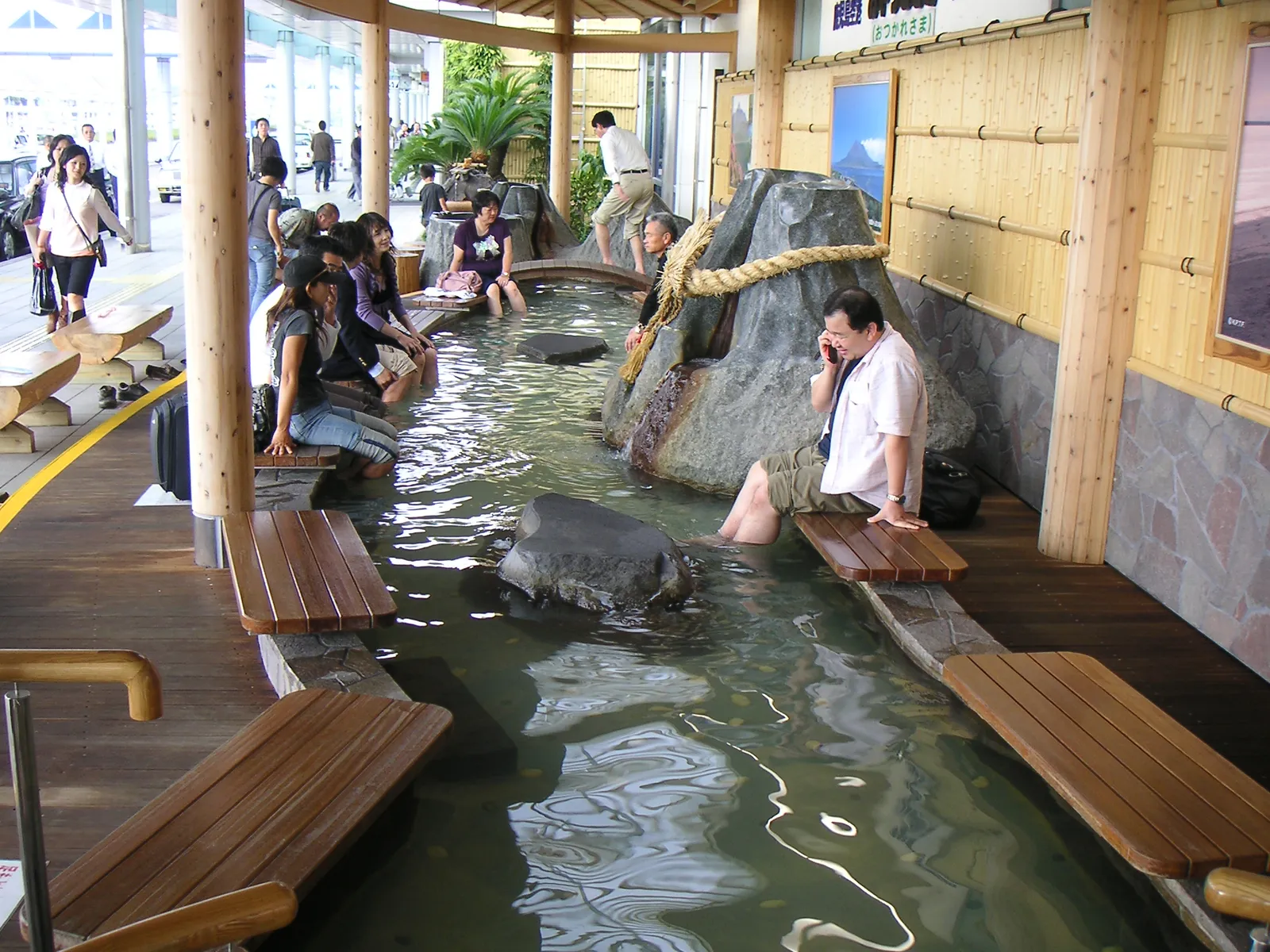
Passenger satisfaction has risen 10 points on a 1,000-point scale in recent J.D. Power tracking, with airport facility improvements cited as a key driver. Spas and wellness offerings are increasingly part of that investment. Airports are recognizing that the time passengers spend on the ground is not dead time, but an opportunity to genuinely improve the experience of travel.
The proliferation of airport lounges and VIP services increasingly includes exclusive spa amenities, reinforcing the perception of airports as holistic lifestyle hubs. That shift is visible in the scale of recent openings and renovations. Terminal Getaway Spa, with five locations across Chicago O’Hare, Charlotte Douglas, and Orlando International Airport, is built on the premise that private treatment rooms and trained licensed technicians can transform airport downtime into something genuinely restorative.
Hamad International and the Qatar Model

At Hamad International in Doha, travelers can access the Vitality Wellbeing and Fitness Center above the Oryx Airport Hotel at any time of day or night, and can book an anti-jet lag massage alongside access to a hydrotherapy tub that uses hot and cold water to relax tired muscles. The around-the-clock availability is particularly significant for passengers transiting through long overnight layovers, which are common on routes through the Gulf region.
Highlights include a mosaic-tiled steam room and an outdoor Jacuzzi, with signature treatments such as a tamarind body scrub, Sabai hot stone massage, and jasmine milk baths available through designated spa suites. The depth of the treatment menu goes well beyond what most travelers associate with an airport spa, and it signals where the category is heading globally.
A Quiet Shift in How We Think About Layovers
The 20-minute treatment isn’t a compromise. It’s a deliberate design choice by therapists and wellness operators who understand the specific stressors of air travel, and who’ve built their menus around them. Airports such as JFK and Amsterdam Schiphol now offer spa services including massages and facials, with massage therapy shown to reduce stress and improve overall well-being, making these services a welcome respite during travel.
Looking forward, concierge-style wellness at airports is expected to grow, with brands increasingly helping travelers design pre-flight rituals tailored to their body clocks, skin needs, or energy levels. The direction is clear: airport wellness is becoming more personalized, more evidence-based, and more integrated into the overall journey, not treated as an add-on for the privileged few.
Twenty minutes, a skilled pair of hands, and a reclining chair between gates. For millions of travelers each year, that’s become one of the most quietly valuable parts of the trip.
AI Disclaimer: This article was created with the assistance of AI tools and reviewed by a human editor.